Talangama våtmark

Thalangama våtmarkerna ligger runt sjön, som ligger i Thalangama-området i Battaramulla. Det är ganska överraskande att inse att detta naturparadis ligger mindre än en timme utanför det hektiska kommersiella centret i Colombo.

Vad är en våtmark?

Ramsarkonventionen (ett internationellt avtal för bevarande och lämplig användning av våtmarker) definierar begreppet våtmark som "områden med kärr, torvmark, våtmarker eller vatten, oavsett om de är naturliga eller konstgjorda, permanenta eller temporära, med vatten som är stilla eller rinnande, färskt, bräckt eller salt, inklusive områden med marint vatten vars djup vid lågvatten inte överstiger sex meter". Våtmarker kan hjälpa till att mildra översvämningar, erbjuda skydd mot stormar, hjälpa till att behålla sediment, fungera som en kolsänka och vara en utmärkt renare av vatten.

Om Thalangama våtmarkerna

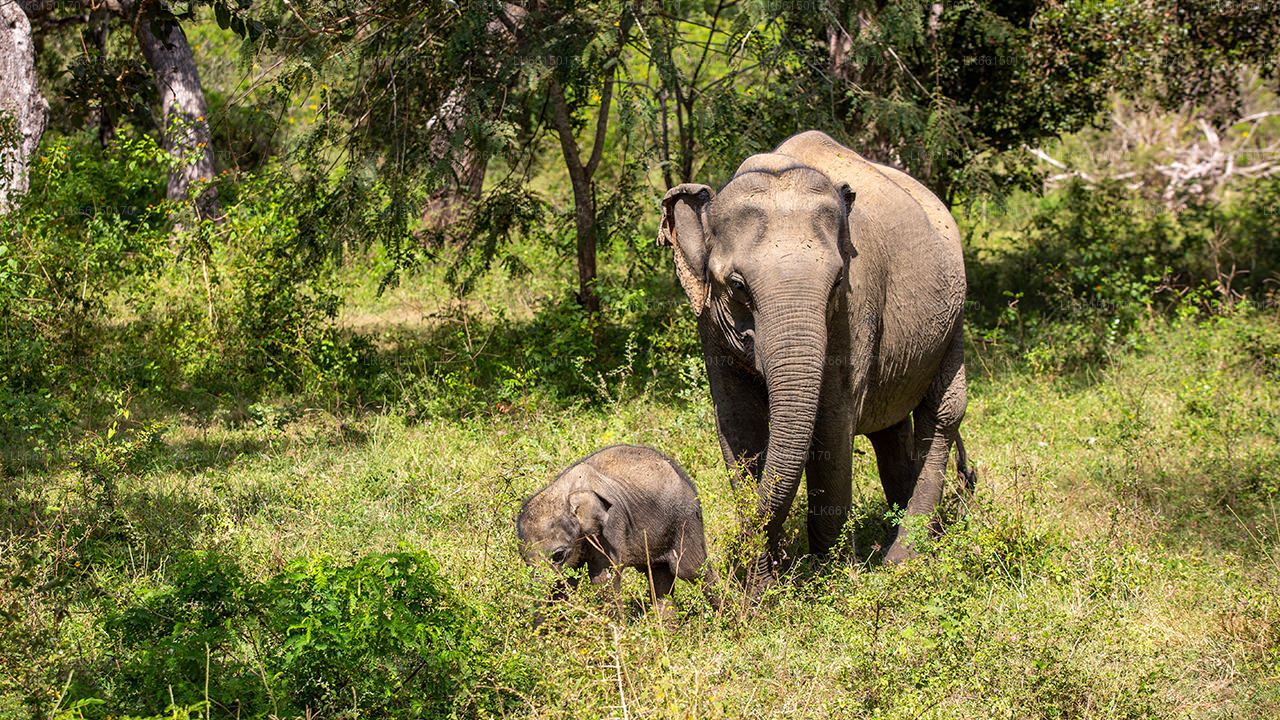
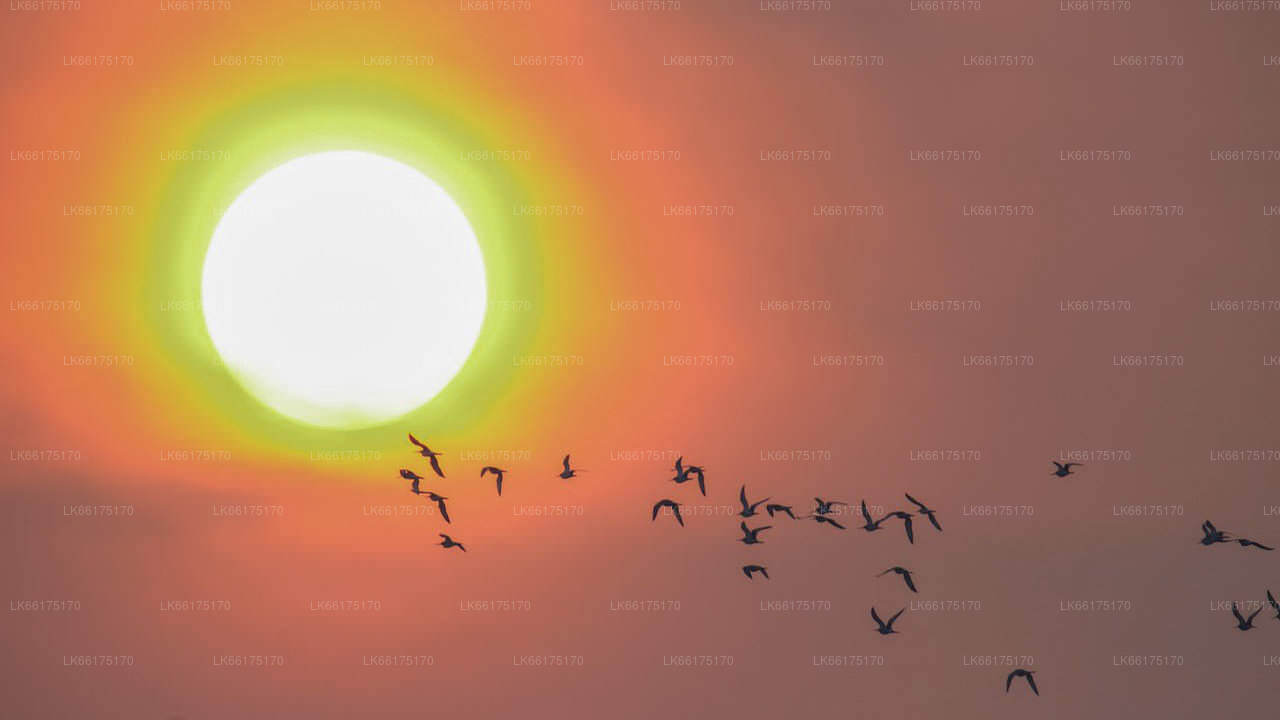
Thalangama sjön skapades av människor för flera hundra år sedan för bevattning och är omgiven av flera risfält, kanaler, dammar och träsk. Den stödjer ett rikt ekosystem som är hem för tusentals arter av exotisk flora, över hundra olika fågelarter, flera arter av fjärilar och trollsländor, några arter av dammflygande trollsländor, reptiler och amfibier samt några små däggdjur. Nedan följer en lista över bekräftade observationer i några av kategorierna.

Fåglar

  • Lila svanfågel
  • Vitbröstad vattenhöns
  • Vanlig moorhen
  • Fasanliknande Jacana
  • Liten dopping
  • Liten skarv
  • Boskapsglappare
  • Liten egret
  • Intermediate egret
  • Oriental darter
  • Lila heron
  • Grå heron
  • Liten grön heron
  • Indisk dammheron
  • Svartkrönt natt-heron
  • Liten heron
  • Oriental honey-buzzard
  • Rödbröstad lapwing
  • Svart bittern
  • Gul bittern
  • Asiatisk öppet bill
  • Målade stork
  • Svarthuvad ibex
  • Glossy ibex
  • Mindre visslande teckel
  • Bomullspigmygås
  • Pied Kingfisher
  • Vanlig kingfisher
  • Vithalsig Kingfisher
  • Storkbillskingfisher
  • Vanlig sandpipare
  • Kenti plovers
  • Mindre sandpipare
  • Golden plover
  • Marsh sandpiper
  • Common redshank
  • Common greenshank
  • Wood sandpiper
  • Curlew sandpiper
  • Black-winged stilt
  • Liten Stint
  • Imperial green pigeon
  • Emerald dove
  • Spotted dove
  • Greater coucal
  • Roseringed parakeet
  • Asiatisk Koel
  • Indisk Scops owl

Fjärilar, Trollsländor och Djur

Blue-eyed Pondcruiser (Epophthalmia vittata)

  • Rapacious Flangetails (Ictinogomphus rapax)
  • Sombre Lieutenants (Brachydiplax sobrina)
  • Spine-legged Redbolts (Rhodothemis rufa)
  • Scarlet Baskers (Urothemis signata)
  • Green Skimmer (Orthetrum sabina)
  • Blue Pursuer (Potamarcha cogener)

Vad att göra på Thalangama våtmarkerna:

  • Fågelskådning (Börja tidigt på dagen. Ta med dina kikare och kameror. Genomsnittligt antal observationer för en halv dags fågelskådning – 60 till 70 arter.)
  • Fjärils- och trollsländor observation
  • Natursafari
  • Löpning
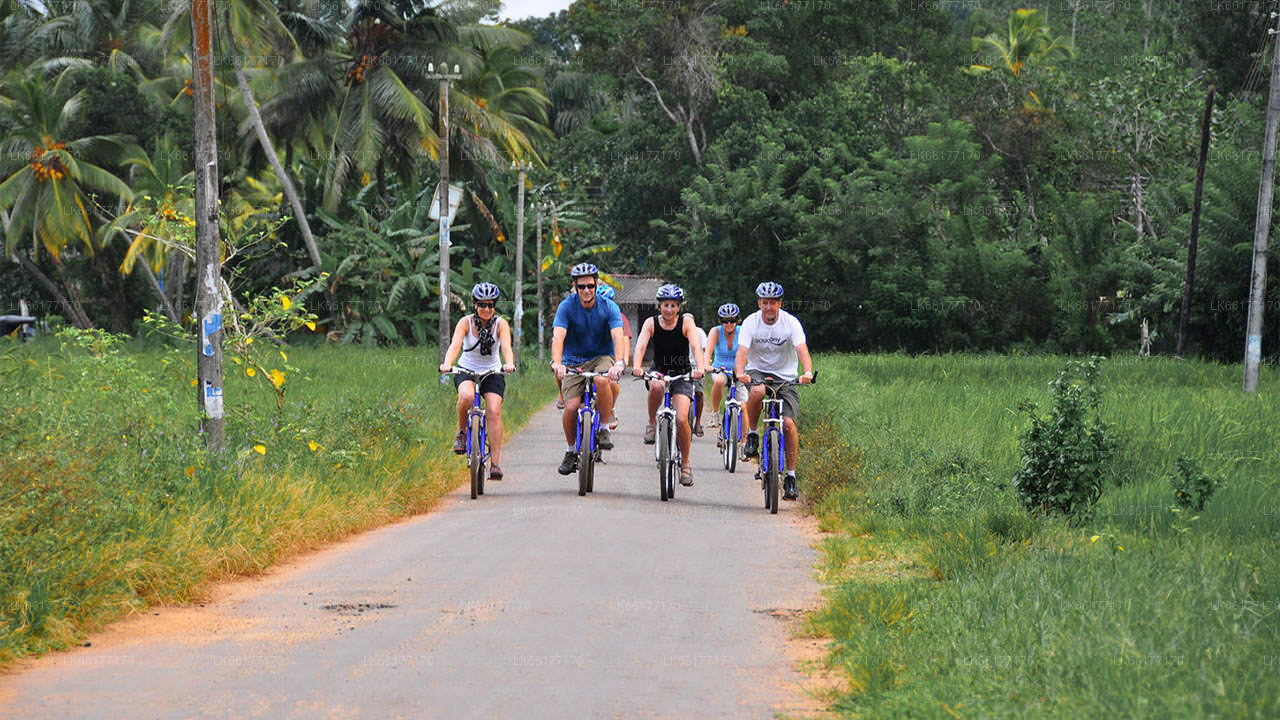
  • Cykling

När du njuter av naturen, kom ihåg: ta bara foton och minnen, och lämna bara dina fotspår. Skydda ekologin för framtida generationer.

About Colombo District

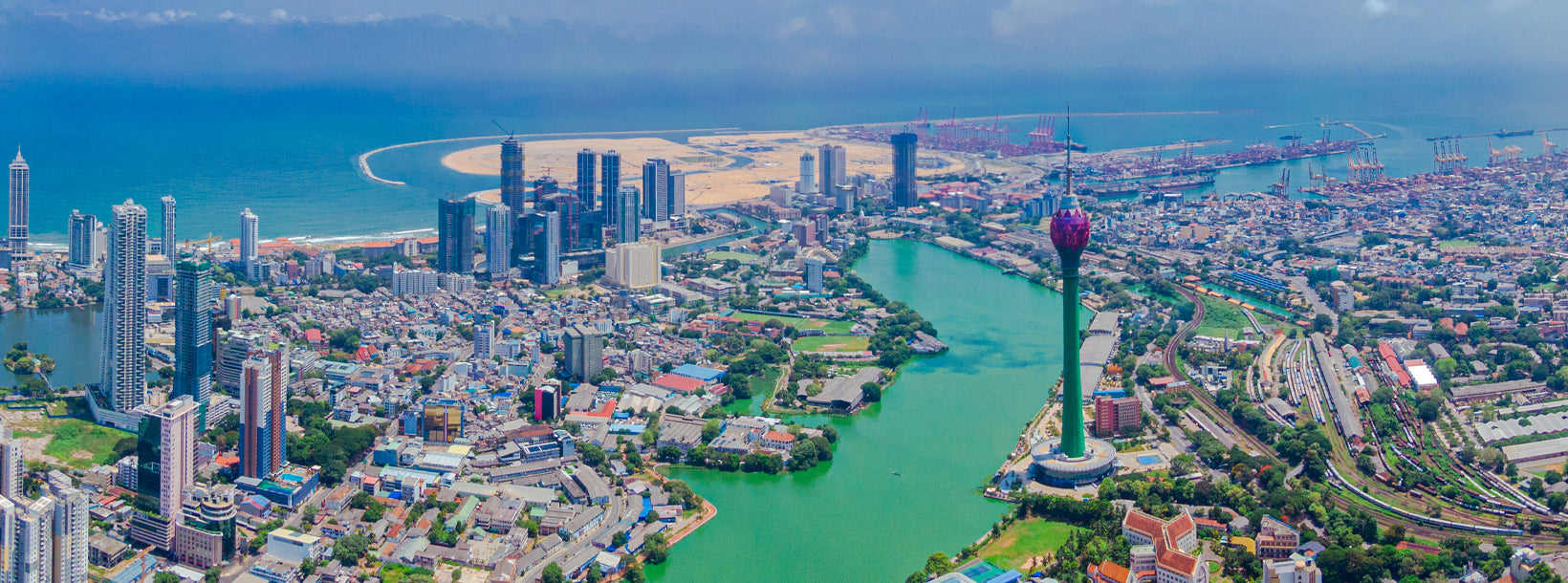
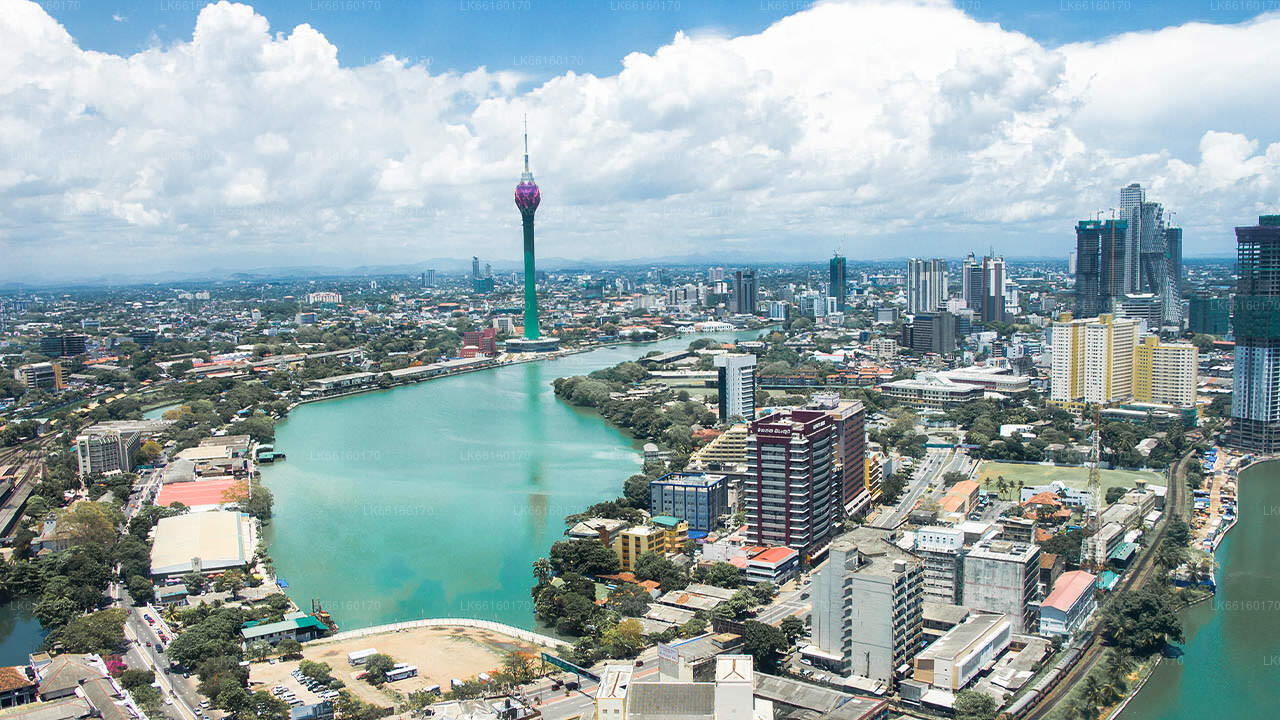
Colombo is the largest city and commercial capital of Sri Lanka. It is located on the west coast of the island and adjacent to Sri Jayewardenepura Kotte, the capital city of Sri Lanka. Colombo is a busy and vibrant city with a mixture of modern life and colonial buildings and ruins and a city population of 647,100.The Colombo Metropolitan Region, defined by the districts of Colombo, Gampaha and Kalutara, has an estimated population of 5,648,000, and covers an area of 3,694.20 km²

Colombo is a multi-ethnic, multi-cultural city. It is the most populous city in Sri Lanka, with 642,163 people living within the city limits. The population of Colombo is a mix of numerous ethnic groups, mainly Sinhalese, Moors and Tamils. There are also small communities of people with Chinese, Portuguese, Dutch, Malay and Indian origins living in the city, as well as numerous European expatriates.

The great majority of Sri Lankan corporations have their head offices in Colombo. Some of the industries include chemicals, textiles, glass, cement, leather goods, furniture, and jewellery. In the city center is located South Asia's second tallest building - The World Trade Centre.

About Western Province

The Western Province is the most densely populated province of Sri Lanka. It is home to the legislative capital Sri Jayawardenepura Kotte as well to Colombo, the nation's administrative and business center. Western Province is divided into 3 main districts called Colombo (642 km²), Gampaha (1,386.6 km²) and Kalutara (1,606 km²) districts. As Sri Lanka's economic hub, all the major local and international corporations have their presence in the city and so do all the major designer and high street retailers, so be ready to indulge in some retail therapy in western province.

Having the highest population in the all the provinces, the almost all the premier educational institutions in the island are located in western province. Universities in the province include the University of Colombo, the University of Sri Jayewardenepura, University of Kelaniya, Open University, Sri Lanka, Buddhist and Pali University of Sri Lanka, General Sir John Kotelawala Defence University and University of Moratuwa .Western province has the largest amount of schools in the country, which includes National, Provincial, Private and International schools.