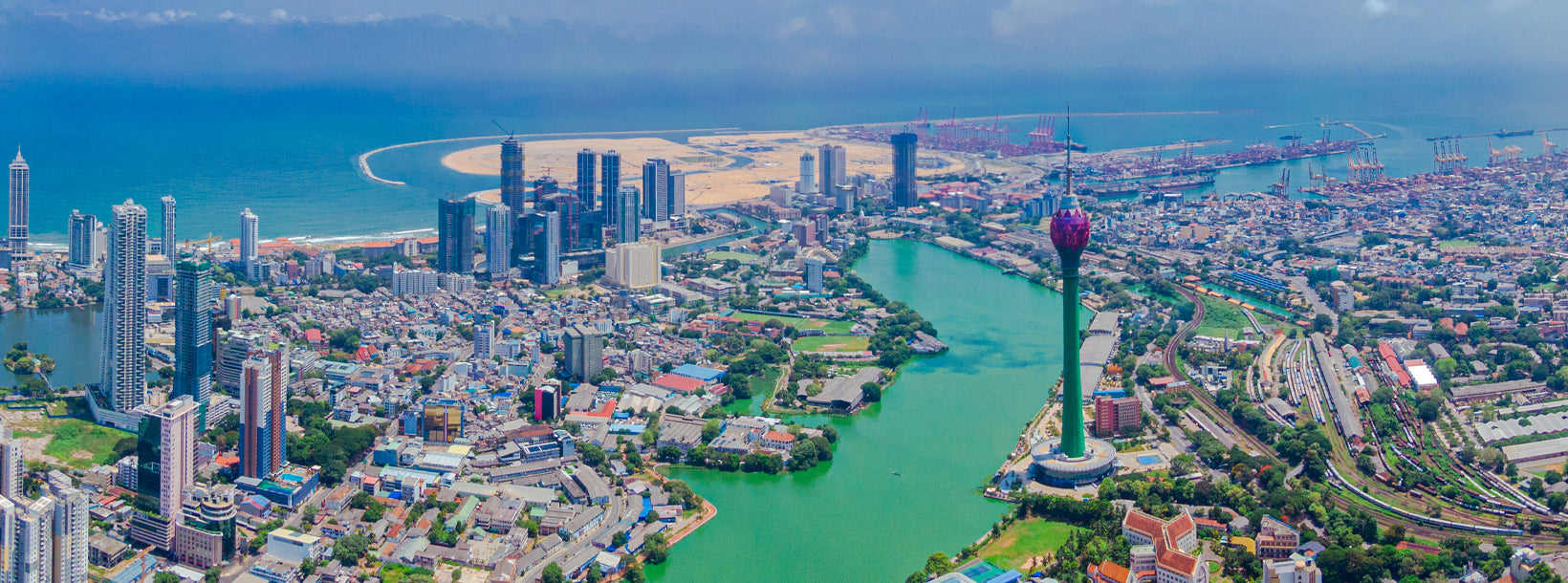
Kadawatha is a rapidly expanding suburban town positioned on the northeastern edge of Colombo, sitting where the urban sprawl of the capital begins to thin into the greener corridor leading toward Kandy. Administratively part of the Western Province, it functions as both a residential community and a busy transit junction — a place many travellers pass through without realising how central it is to navigating the island's road network.

Where exactly is Kadawatha, and why does its location matter?
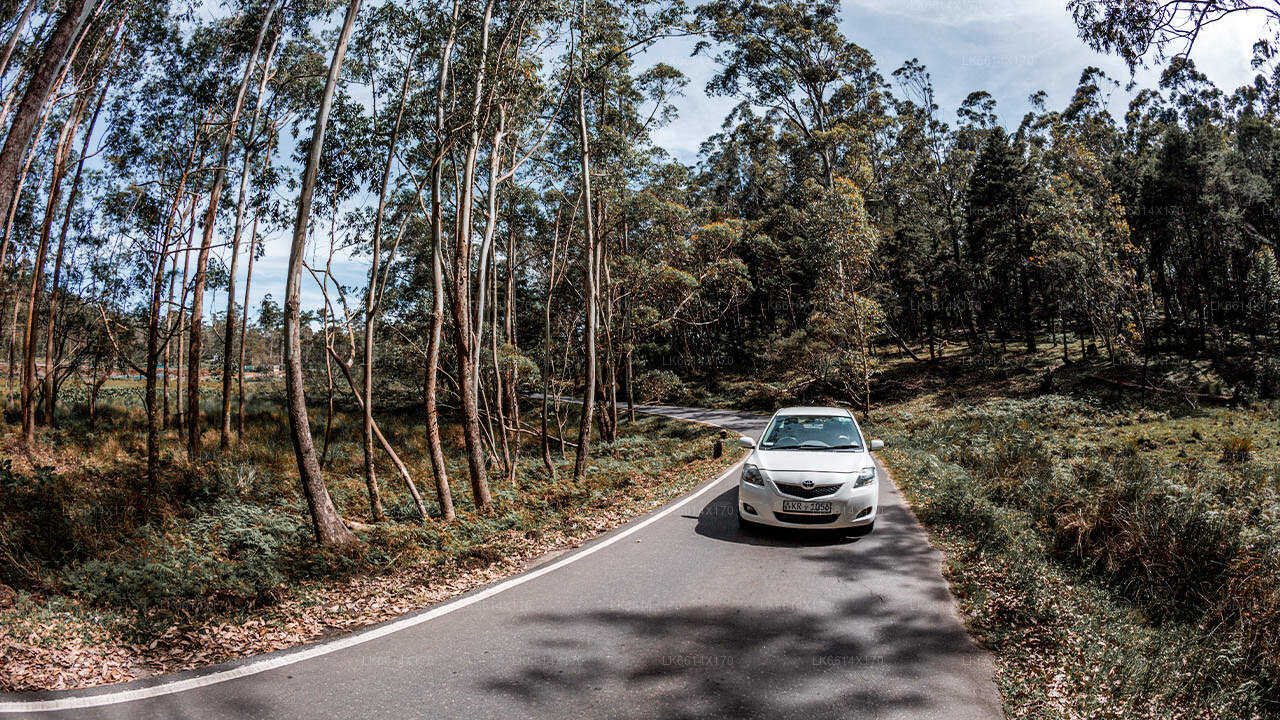
The town sits astride the A1 highway, commonly known as the Kandy Road, which is the principal route linking Colombo to the central highlands. This position makes Kadawatha the first major settlement travellers reach when leaving Colombo heading north or northeast. Its strategic importance was cemented further by the development of two expressway connections: the Colombo–Katunayake Expressway (E03) interchange and the Outer Circular Expressway (OCH), both of which pass through or border the town. These links reduce travel times considerably for those heading to Bandaranaike International Airport or bypassing central Colombo altogether.
For visitors arriving from the airport and continuing toward Kandy, Sigiriya, or the Cultural Triangle, Kadawatha is frequently the first recognisable landmark on the route inland. Understanding this geography helps travellers plan drives and transfers more accurately.
What is there to see and do in Kadawatha?
Kadawatha is not a headline tourist destination in the way that Kandy or the ancient cities are, but it offers a genuine slice of suburban Sri Lankan life that curious travellers find worthwhile. The town centre is anchored by traditional markets where vendors sell fresh produce, spices, household goods, and street food. Early mornings are particularly lively, with local commerce in full swing before the day's heat builds.
- Religious sites: Several Buddhist temples and kovils serve the town's diverse community, and their architecture and daily rituals are open to respectful visitors.
- Local markets: Small produce stalls and roadside vendors offer fresh tropical fruit, vegetables, and prepared snacks — a practical introduction to everyday Sri Lankan commerce.
- Wetland patches: Despite its developed character, Kadawatha retains small pockets of wetland and home gardens that support birdlife and native vegetation, offering a subtle contrast to the surrounding urban fabric.
- Dhamma schools: The town has active Dhamma schools, known locally as Daham Pasala, which reflect the central role of Buddhist education in Sri Lankan community life.
How do I get to Kadawatha from Colombo or the airport?
From central Colombo, Kadawatha is roughly 12–15 kilometres northeast along the Kandy Road, a journey that typically takes between 30 and 60 minutes depending on traffic. The route passes through Kelaniya and Peliyagoda, and congestion during peak hours can extend travel times significantly.
From Bandaranaike International Airport in Katunayake, the Colombo–Katunayake Expressway provides a fast link. Using the expressway, the drive to Kadawatha can take under 30 minutes. Public buses and three-wheelers (tuk-tuks) connect the town to surrounding areas frequently, and private taxis offer a more comfortable alternative for visitors carrying luggage.
Travellers using Kadawatha as a transit point toward Kandy or beyond should note that the Outer Circular Expressway allows drivers to bypass large sections of Colombo's congested inner streets, saving meaningful time on longer journeys.
What is the best time to visit or pass through Kadawatha?
Kadawatha's tropical climate means warm temperatures year-round, typically ranging from around 26°C to 33°C. The town lies within the wet zone of Sri Lanka, receiving rainfall from the southwest monsoon between roughly May and September, with a secondary wet period in October and November brought by the northeast monsoon. Neither monsoon closes the town to visitors — rain tends to arrive in short, heavy bursts rather than sustained downpours — but road flooding can occasionally delay travel during heavy spells.
For those timing a transit through Kadawatha, early morning departures before peak-hour traffic builds are advisable, particularly if connecting onward to Kandy, Sigiriya, or the airport.
What is daily life like in Kadawatha?
The town is a working suburban community rather than a curated visitor experience, and that authenticity is part of its appeal for travellers interested in seeing Sri Lanka beyond its heritage sites. Schools, healthcare facilities, supermarkets, and community halls are woven into the streetscape alongside small temples and neighbourhood tea shops. Community events tied to Buddhist and Hindu calendars punctuate the year, and the Esala Perahera Festival season, celebrated primarily in Kandy but observed with processions at local temples across the Western Province, brings colour to the area in July and August.
The surrounding landscape holds a mix of developed plots and remnant home gardens planted with tropical species. Coconut palms, breadfruit trees, and flowering shrubs are common in older residential plots, giving the town a softer character than its commercial main road suggests.
Is Kadawatha a convenient base for exploring the Western Province?
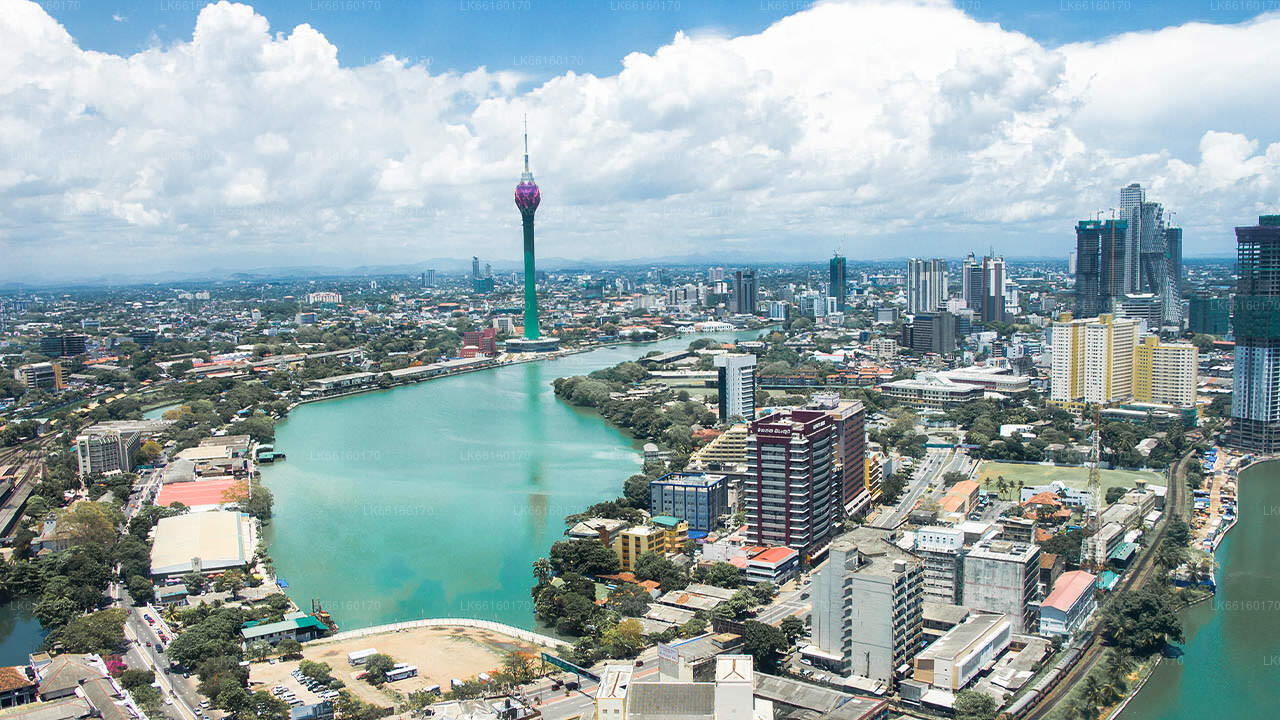
For travellers who need proximity to Colombo without staying in the city centre, Kadawatha offers a practical alternative. Colombo's attractions — the Colombo city tour circuit, the Colombo Lotus Tower, and the Pettah market district — are accessible within 30 to 45 minutes by road. At the same time, the Kandy Road north provides straightforward onward access toward the hill country, the Cultural Triangle, and the Mahaweli River valley.
Negombo, with its Dutch colonial heritage and seafood restaurants, lies a short drive away via the expressway, making a half-day excursion entirely feasible. The Negombo city tour is a natural pairing for visitors overnighting near Kadawatha before an early-morning departure from the airport.
What should travellers know before arriving in Kadawatha?
Kadawatha's main road can become severely congested at rush hours, particularly in the early morning and evening. Travellers with onward connections should factor in extra time. Currency exchange, ATMs, pharmacies, and fuel stations are all readily available along the main commercial strip. English is spoken at most hotels and larger commercial establishments, though interactions at local markets may require some patience or a local intermediary.
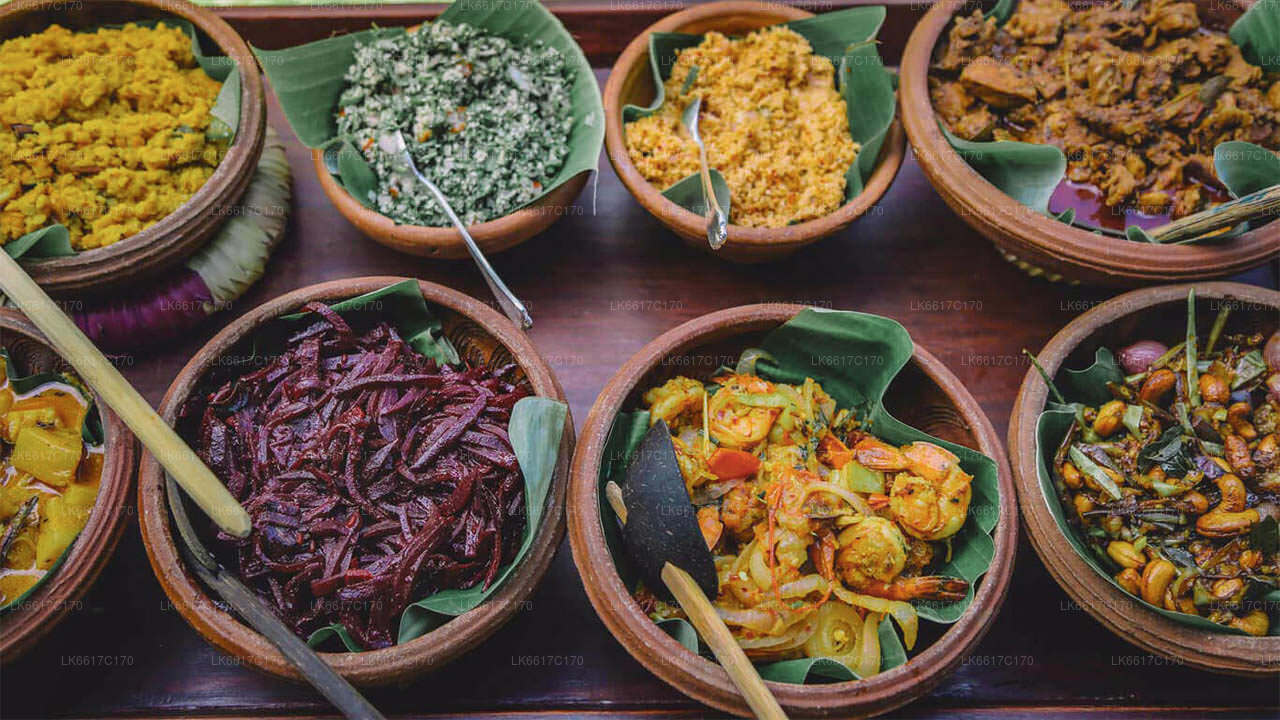
As with most Sri Lankan towns, modest dress is appreciated near religious sites, and removing footwear before entering temples is expected. Street food is widely available and generally safe from reputable stalls, offering inexpensive introductions to dishes like kokis and other Sri Lankan snacks.