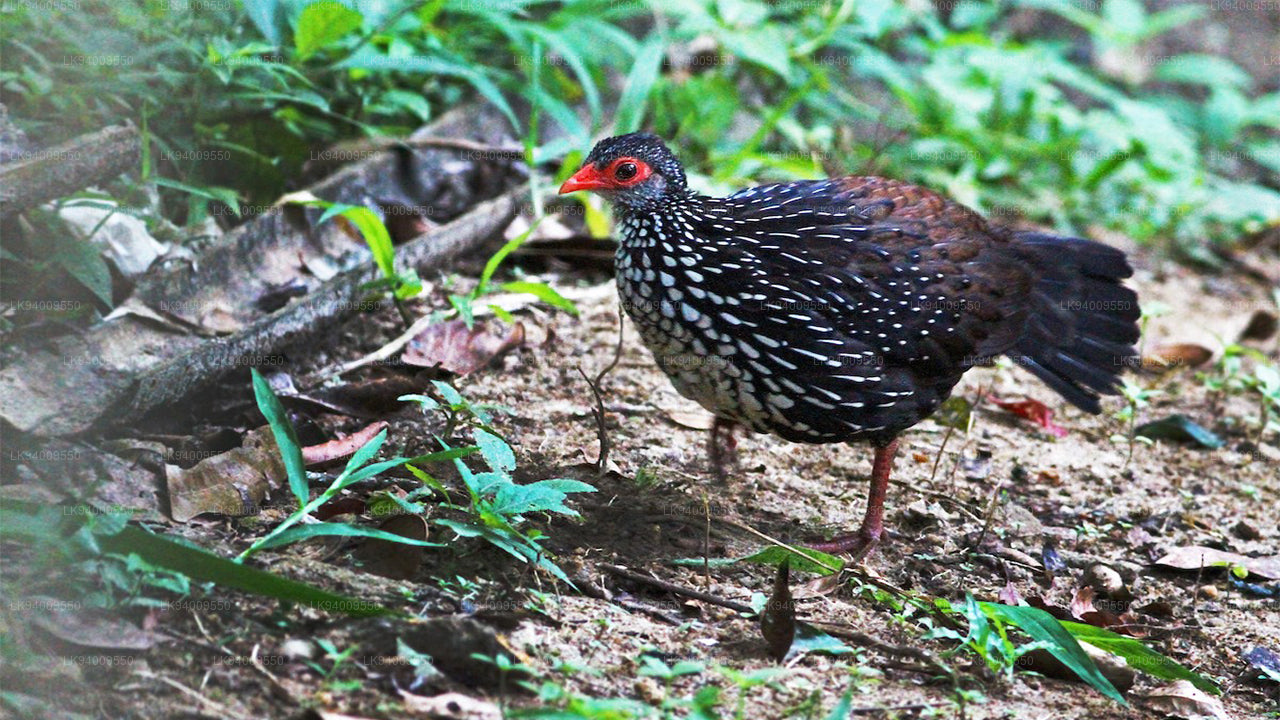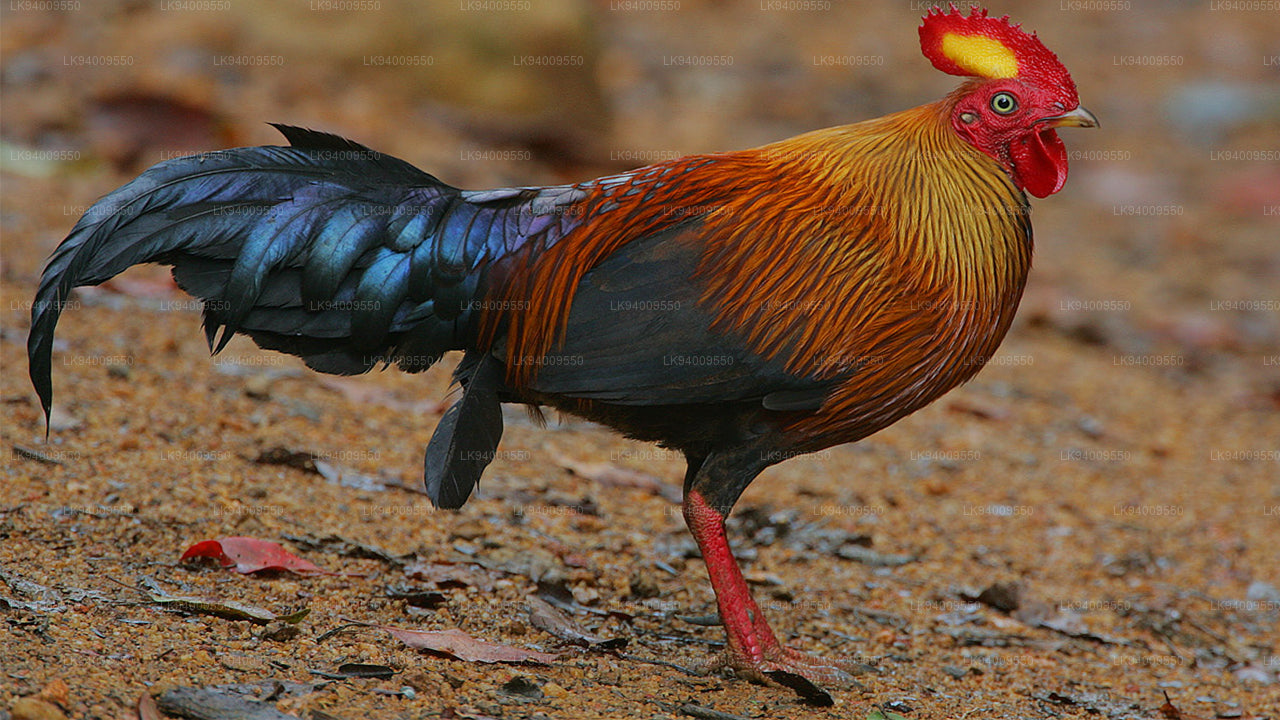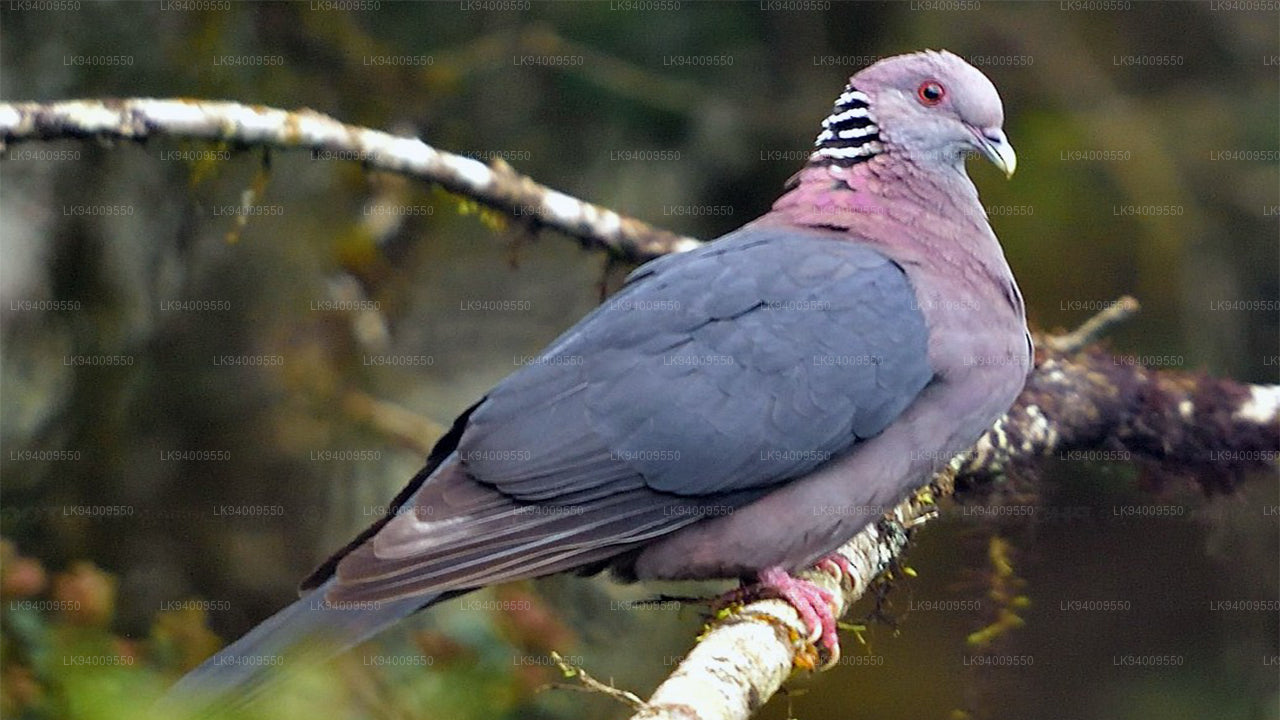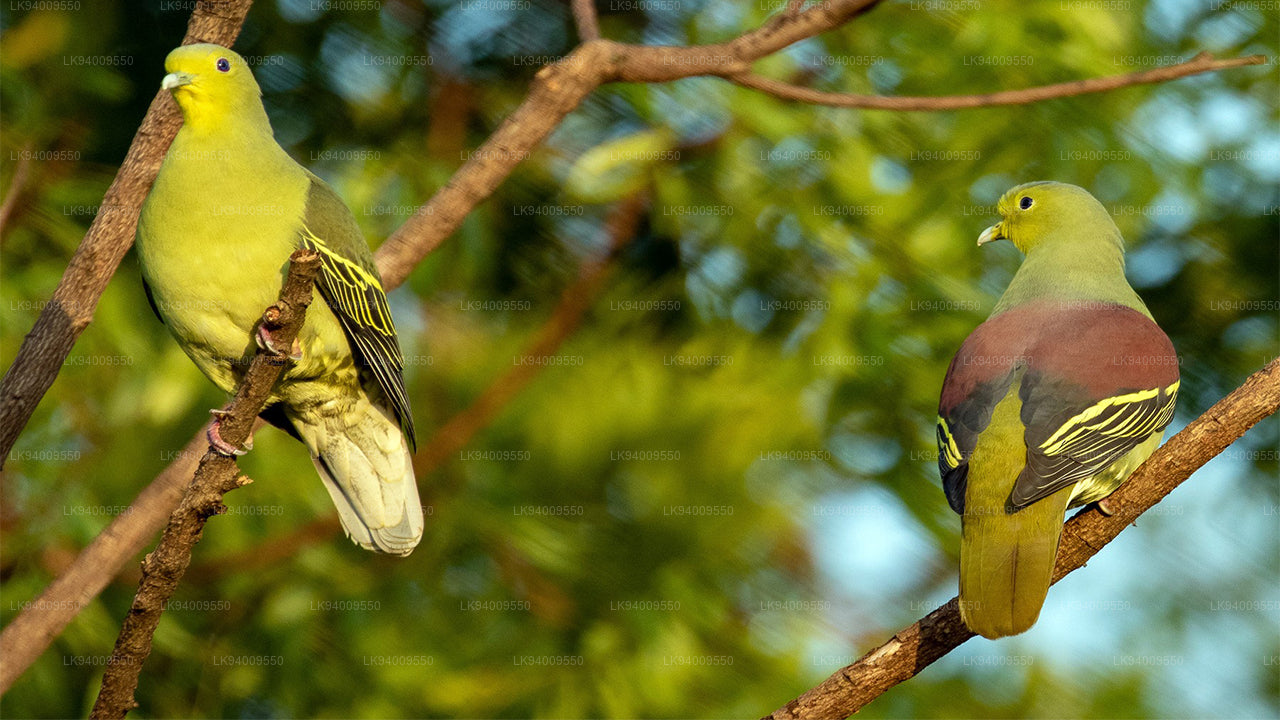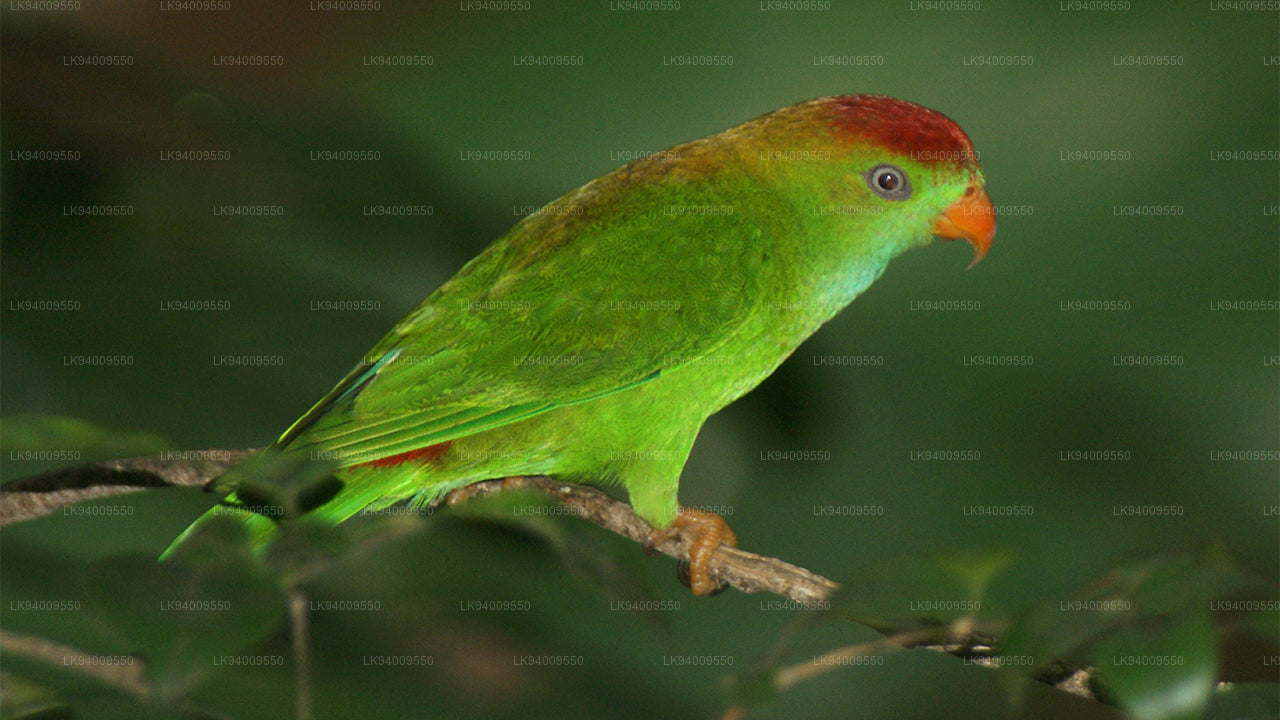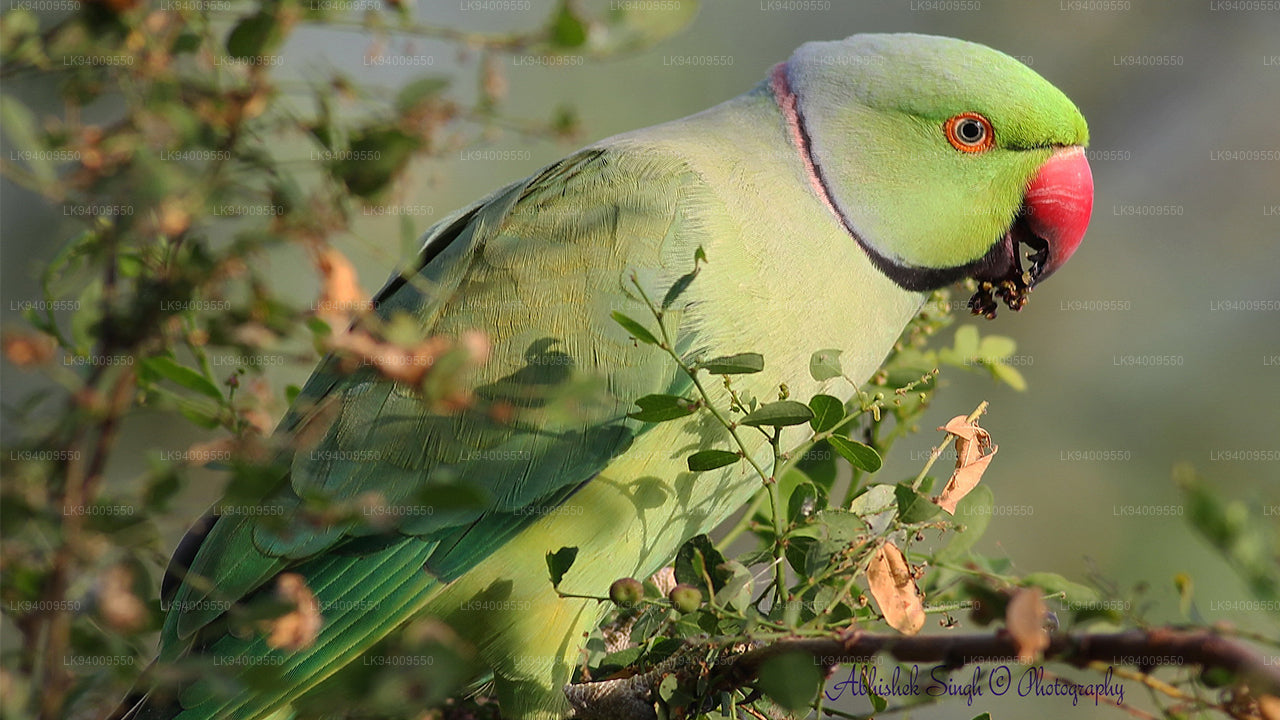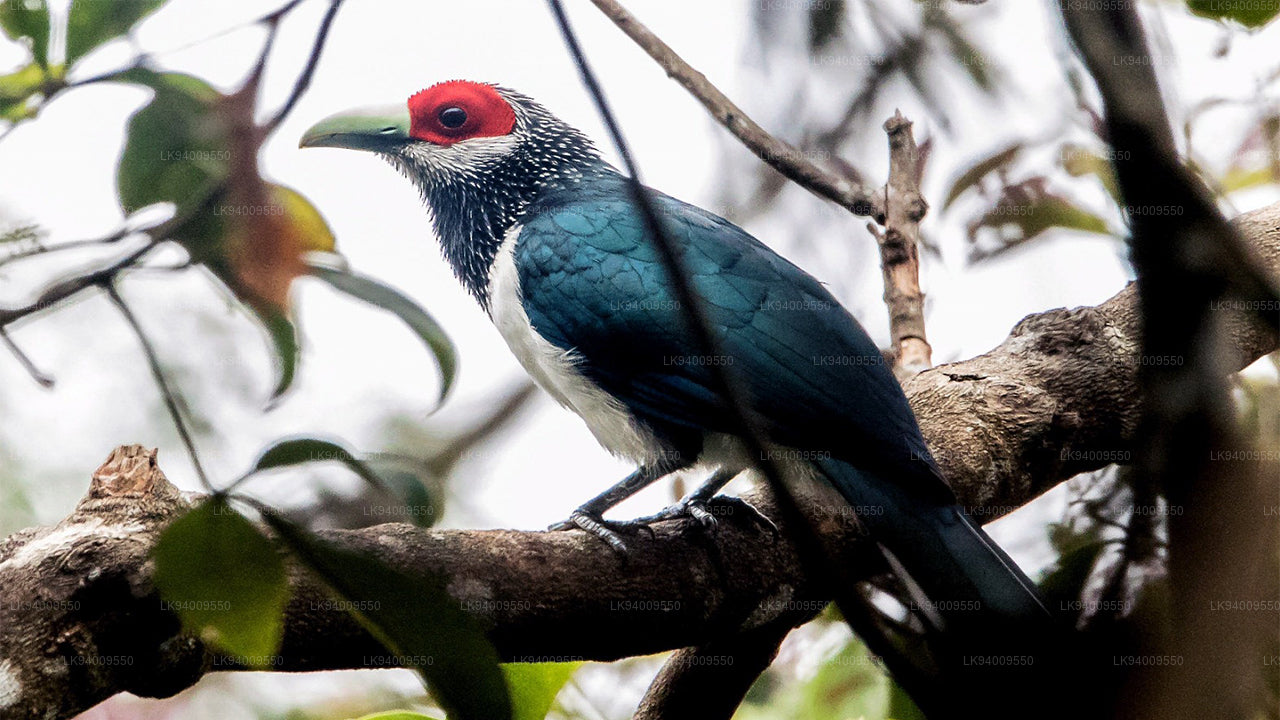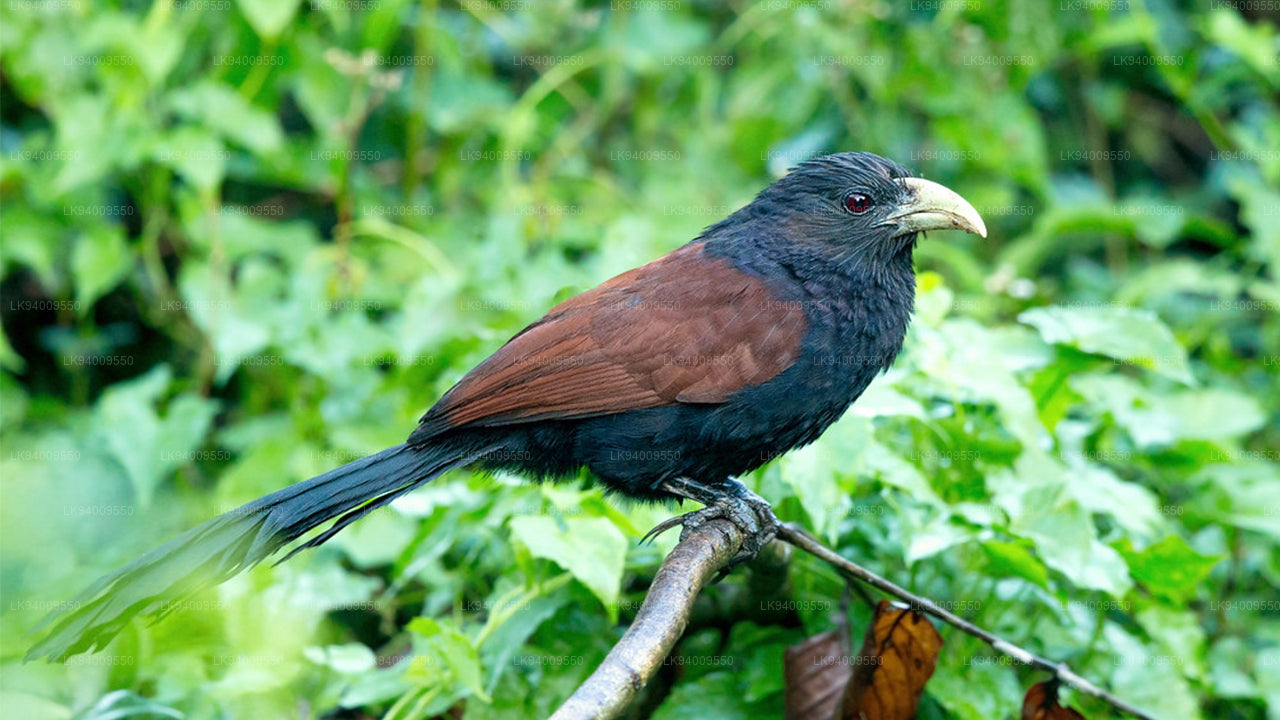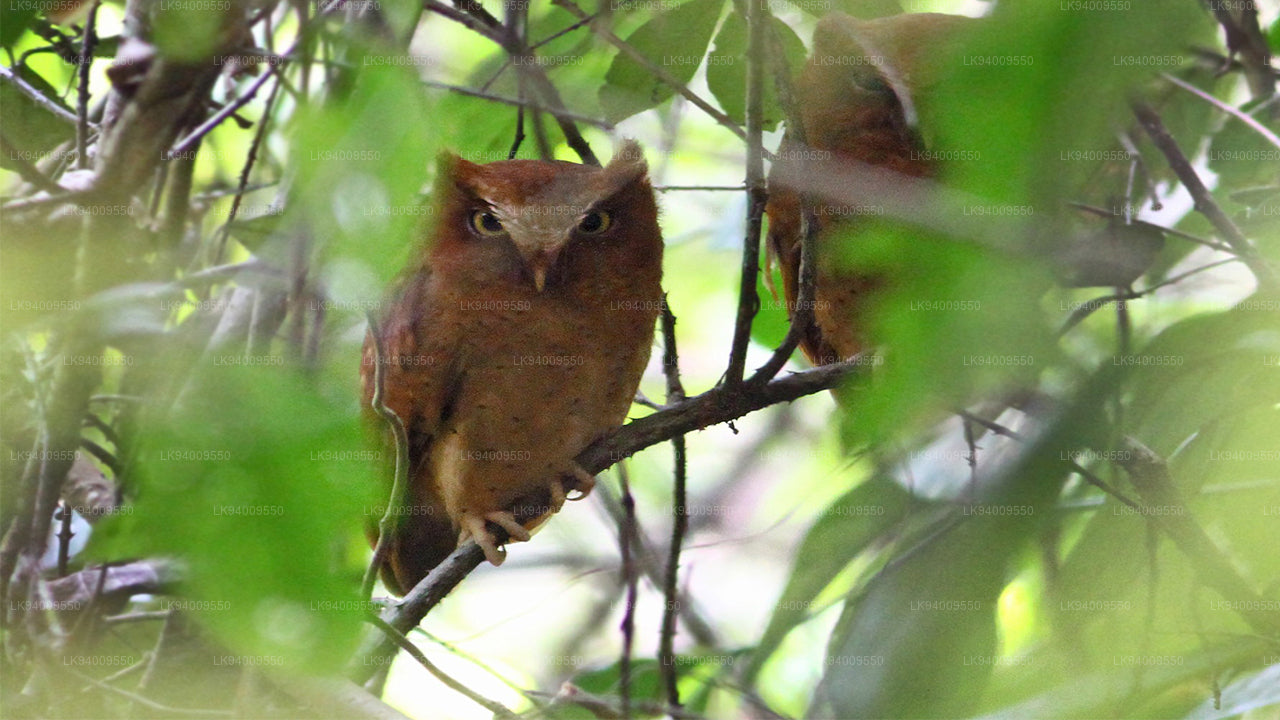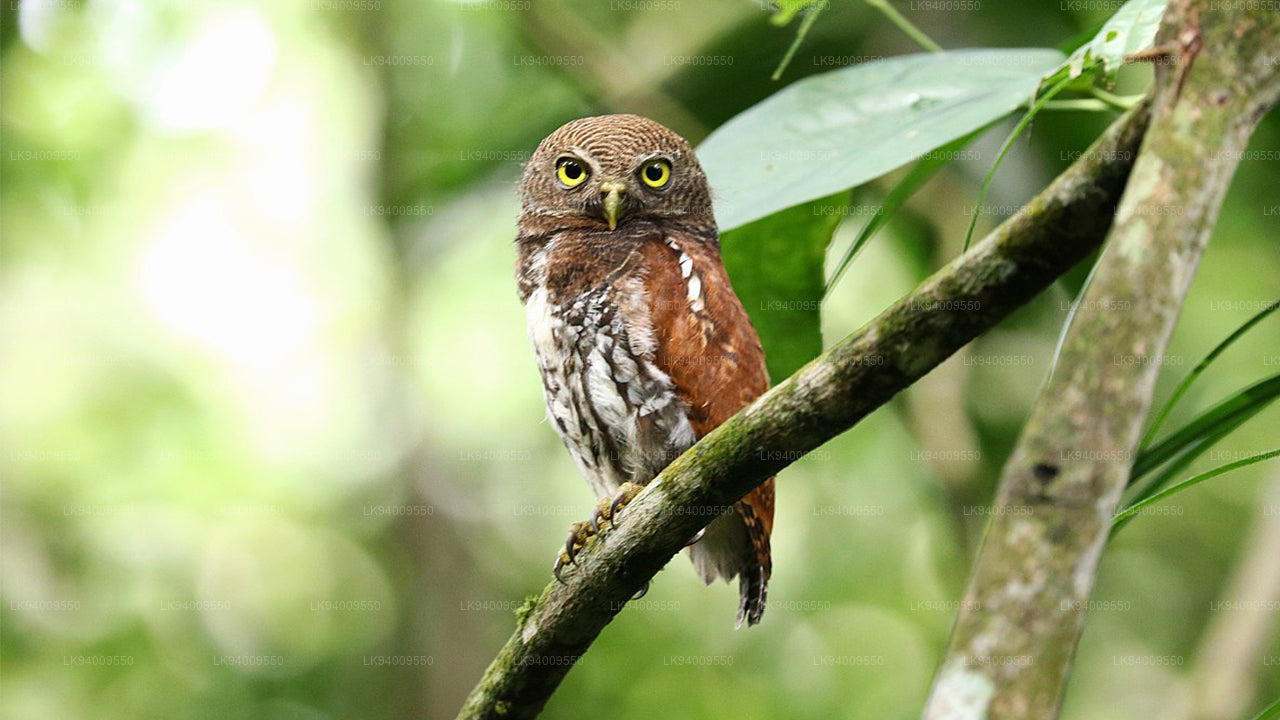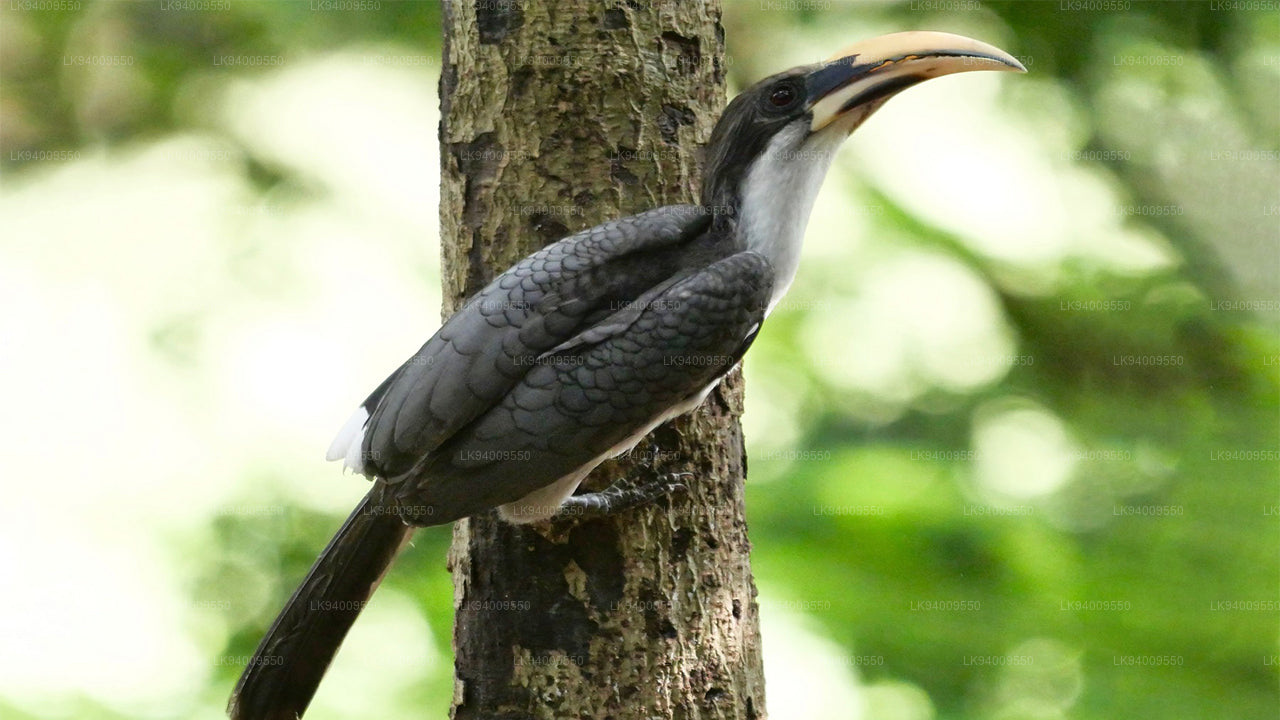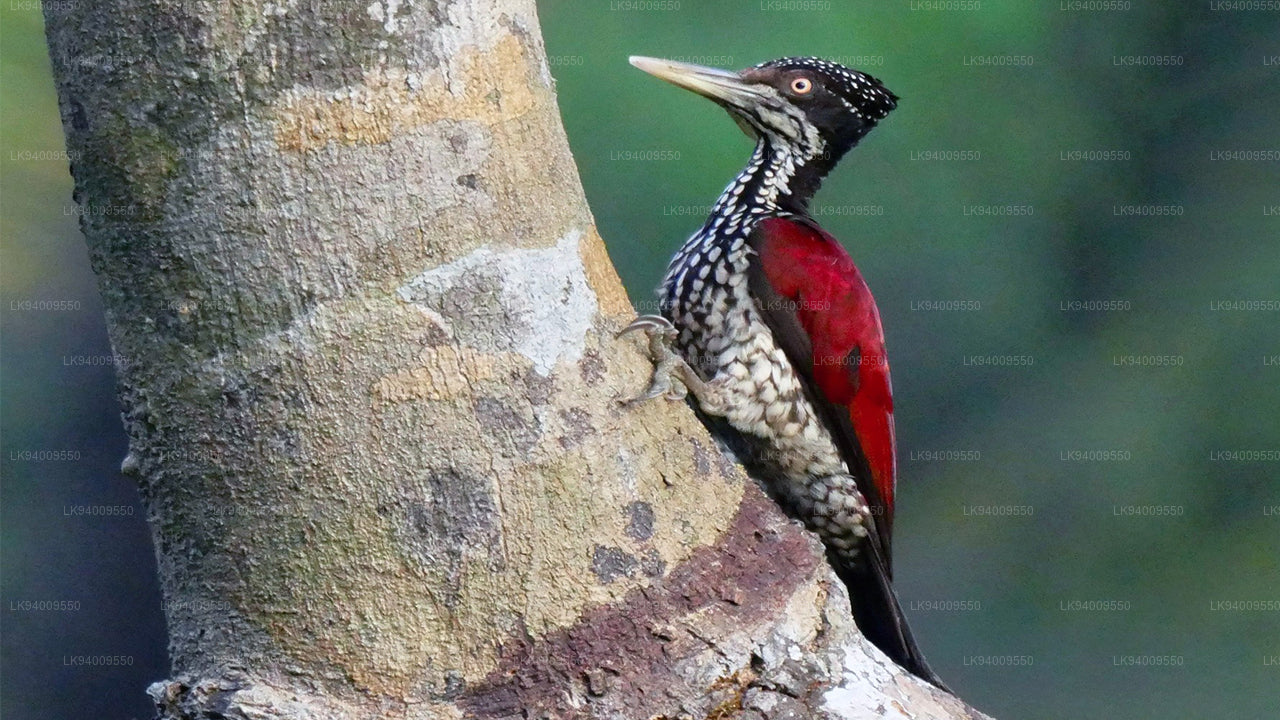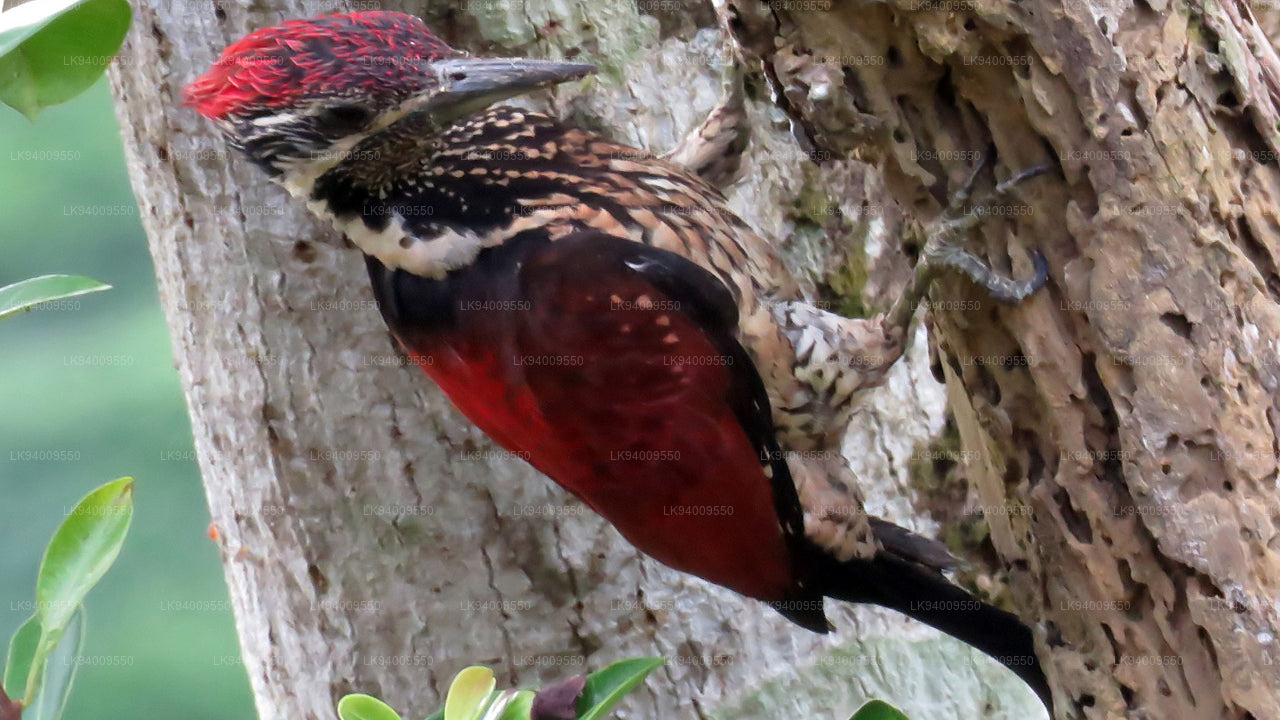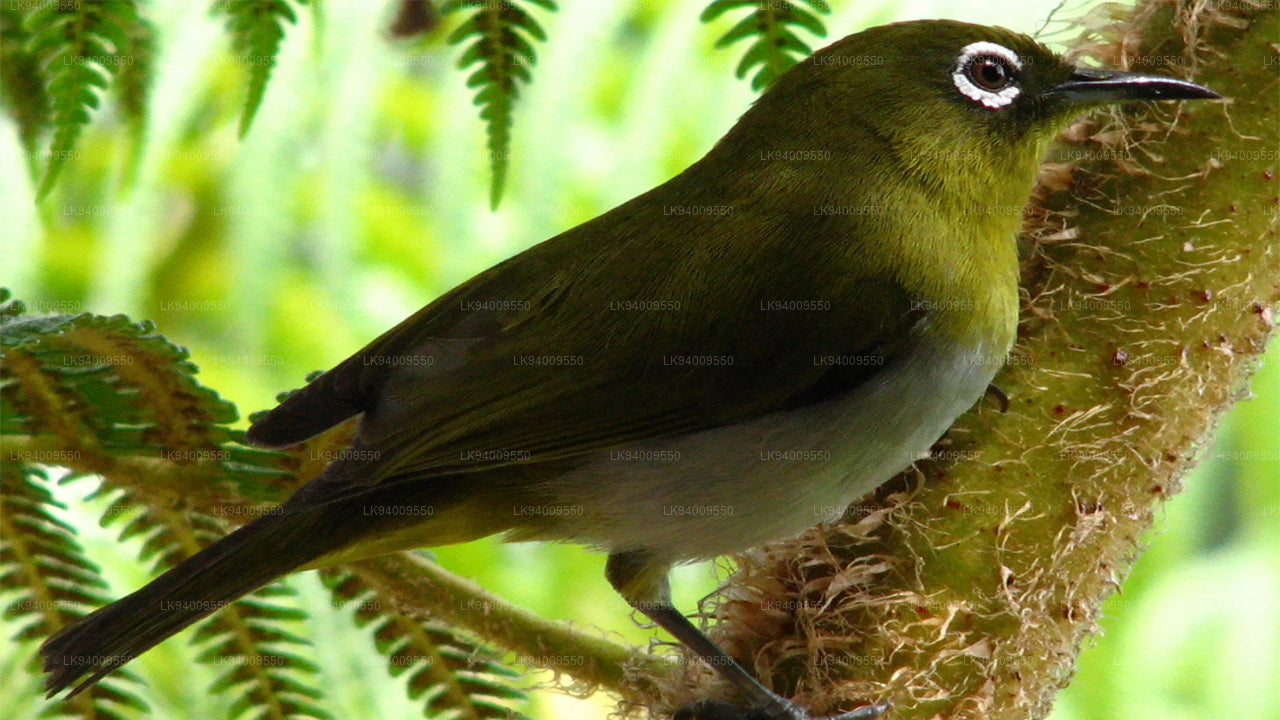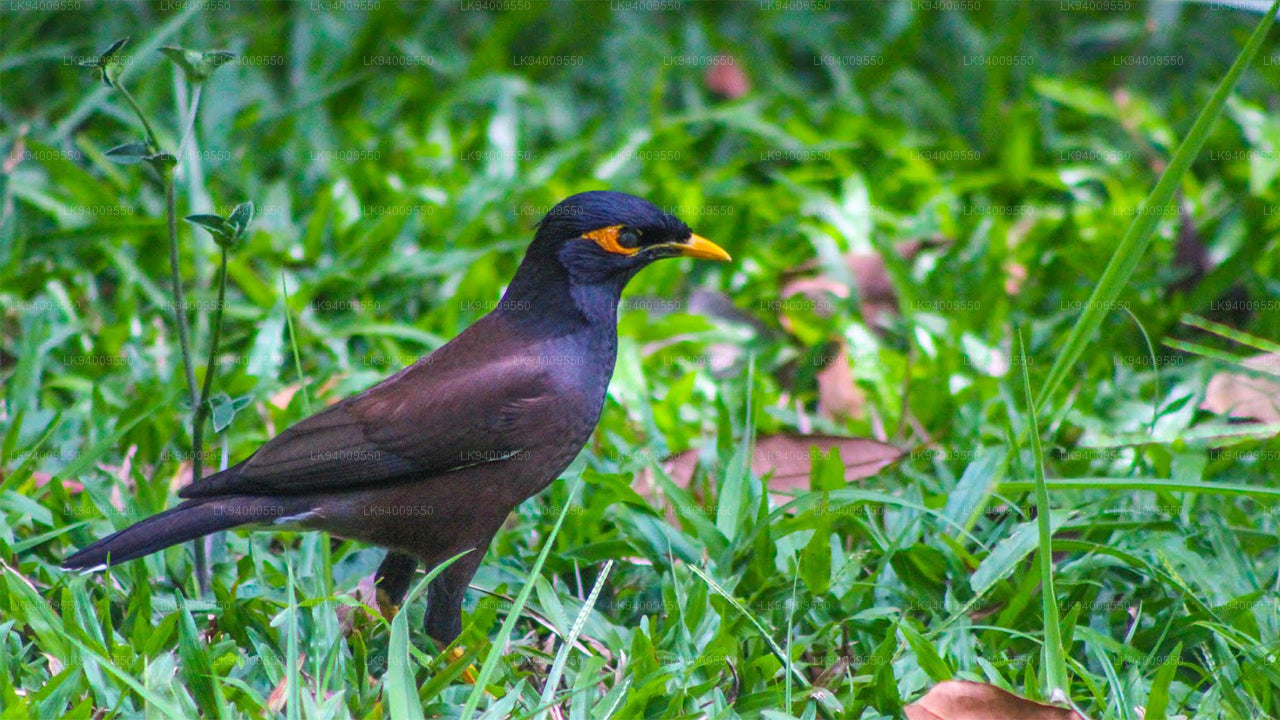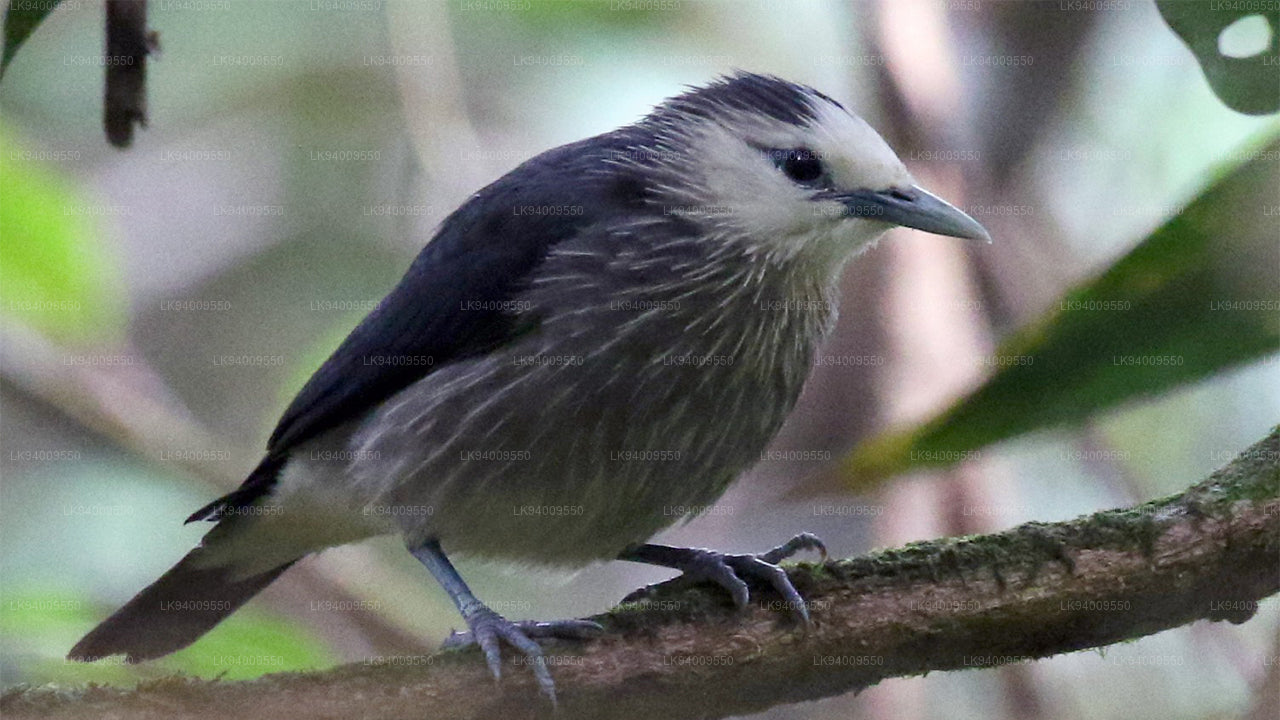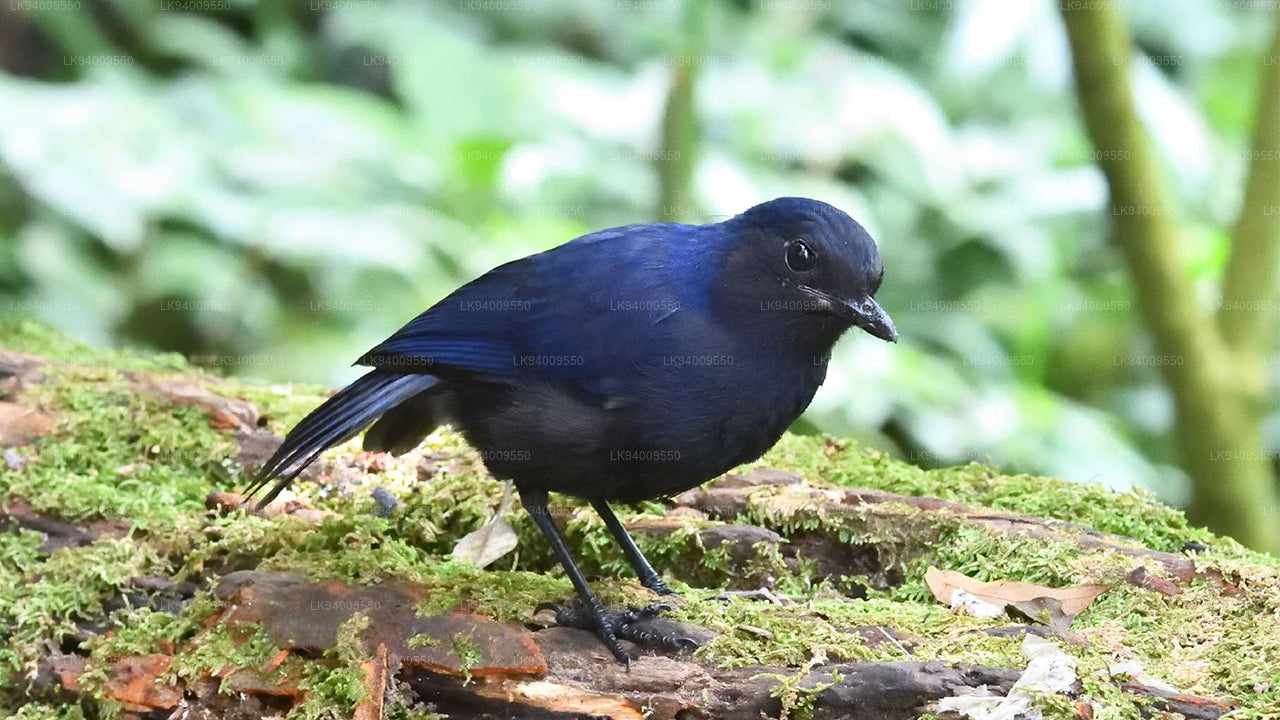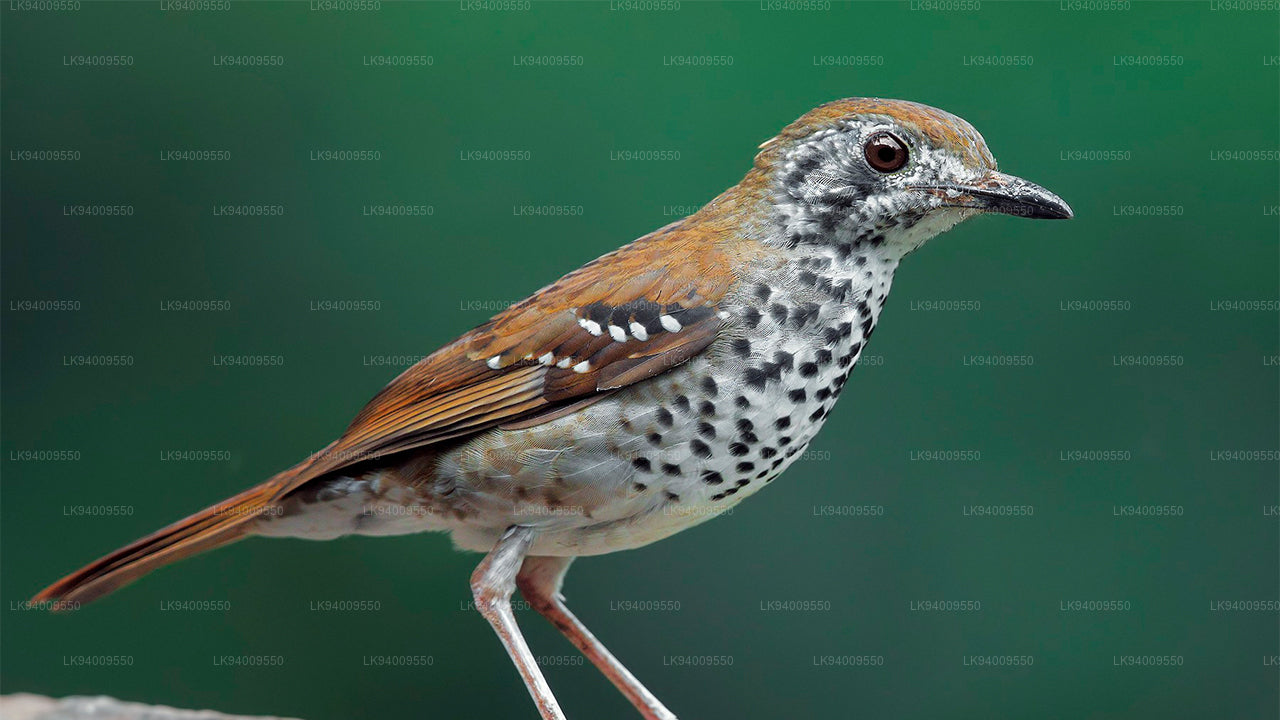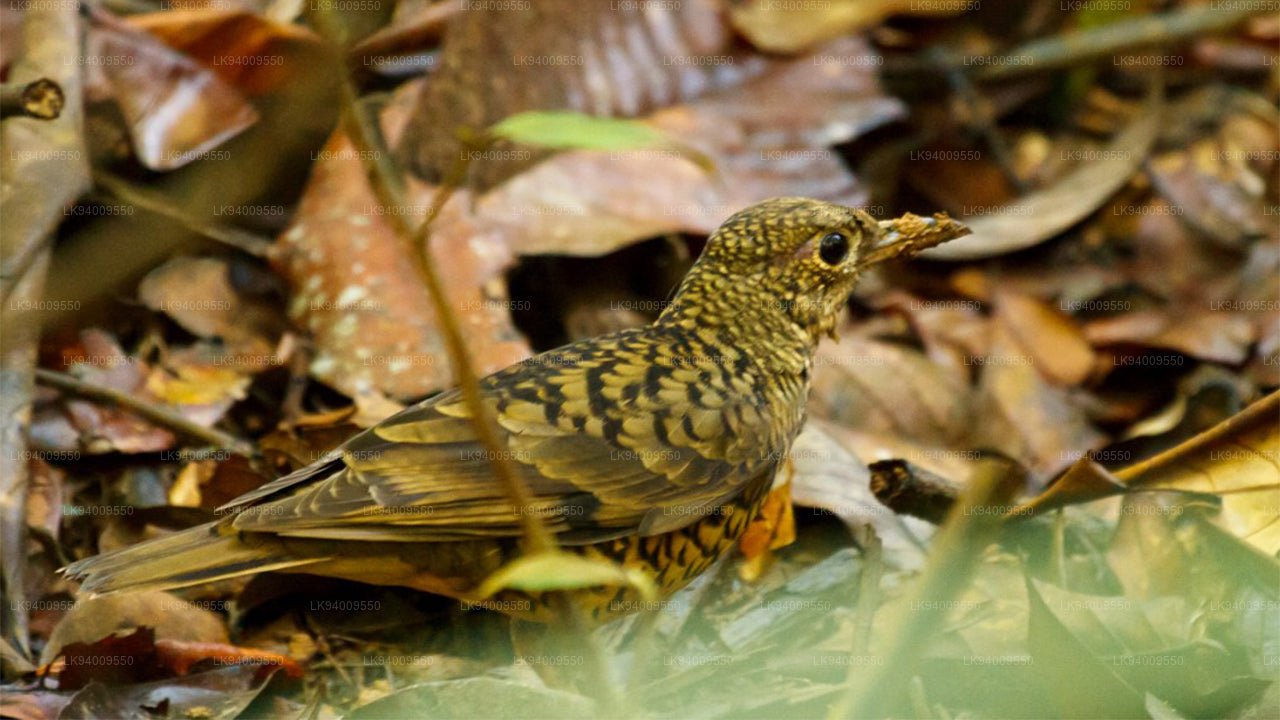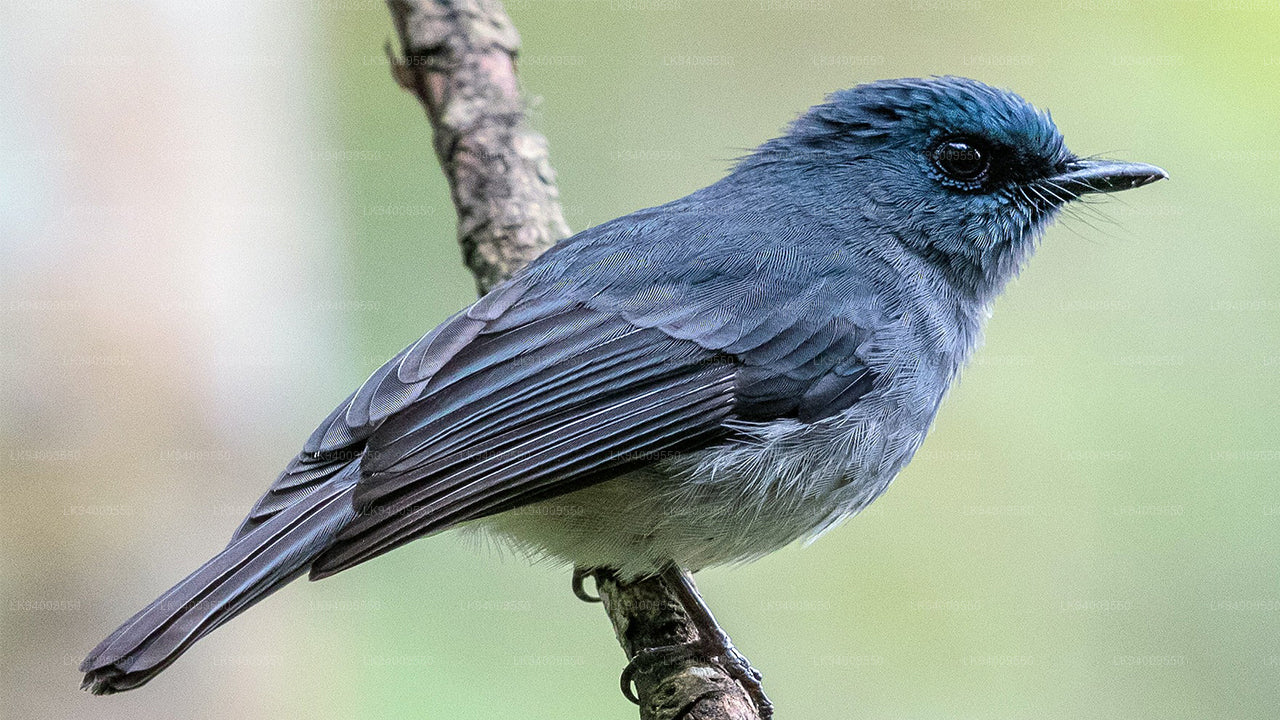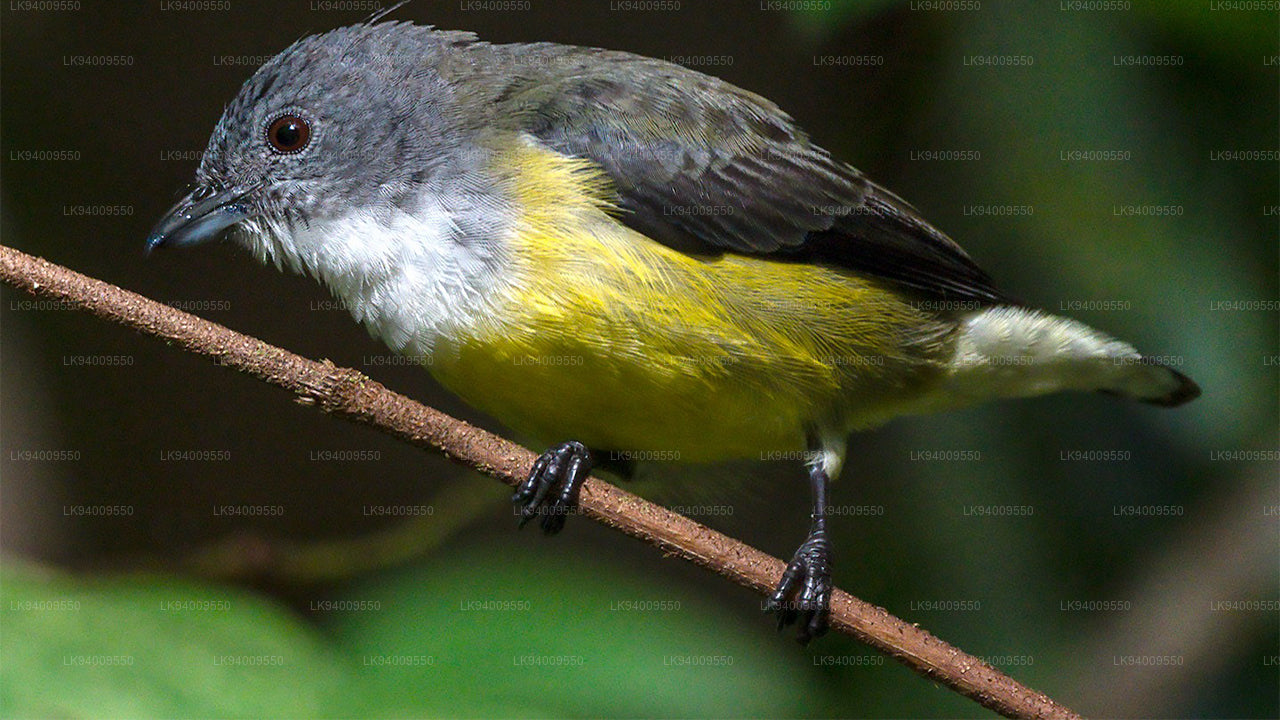
The Red-backed Flameback (Dinopium psarodes) is one of Sri Lanka's most recognisable endemic birds — a medium-sized woodpecker dressed in bold crimson, black, and white that is hard to mistake once you know what to look for. Unlike many forest specialists, this species tolerates a wide range of modified habitats, making it one of the more accessible endemics for visitors without deep jungle experience.
What does the Red-backed Flameback look like?
The defining feature is, as the name promises, a brilliant red back that catches the light when the bird moves through dappled canopy. It has three toes rather than the four found on many woodpecker relatives — an adaptation shared across the flameback group. The throat is dark, and the face lacks the bold contrasting horizontal black stripe seen on some related species.
Sexual dimorphism is easy to read in the field. Males carry a complete red cap from the bill to the nape. Females replace this with a black-and-white spotted forehead — a reliable split-second field mark when a bird is moving quickly through foliage.
How is it separated from similar flamebacks?
Sri Lanka hosts more than one flameback species, so getting the identification right matters. The Red-backed Flameback shares the dark throat and absence of a sharp black cheek stripe with the Black-rumped Flameback, but the two are immediately separated by back colour: red on this species, black-and-yellow on the Black-rumped. No other flameback recorded in Sri Lanka combines a red back with these facial features.
- Dark throat — rules out several related species at a glance
- No bold black horizontal cheek stripe — separates it from Greater and Lesser Flamebacks
- Red (not black or golden) back — the clinching mark against Black-rumped Flameback
- Three toes — shared with other flamebacks in the genus Dinopium
What call does the Red-backed Flameback make?
Even in dense vegetation this woodpecker announces itself clearly. The most distinctive vocalisation is a loud, rapid "ki-ki-ki-ki-ki" that begins at a measured pace and accelerates, ending in a rolling trill. Once learned, the call is one of the surest ways to locate the species before it comes into view. Drumming on dead wood is also typical woodpecker behaviour and can draw the bird into the open if you wait patiently.
Where does the Red-backed Flameback live in Sri Lanka?
This species is genuinely widespread across the island. It occupies home gardens, coconut and mixed-crop plantations, secondary scrub, riverine strips, and most lightly to moderately wooded habitats. It tends to avoid the interior of dense primary tropical rainforest — that ecological zone belongs more to other specialists — but it is otherwise tolerant of human-modified landscapes, which explains why many visitors encounter it incidentally while exploring rural areas.
Good places to look include the open woodland edges around Sinharaja Forest Reserve and the gardens and paddy-field margins of the Cultural Triangle. The dry-zone scrub forests of the north-central lowlands also support healthy populations. Anywhere with mature trees and dead timber for foraging is worth scanning.
What does the Red-backed Flameback eat and how does it forage?
Like other woodpeckers, this species is primarily insectivorous. It excavates bark and dead wood in search of beetle larvae, ants, and other invertebrates, using its stiff tail as a prop and its strong bill as a chisel. It often works its way systematically up a trunk or along a branch, pausing to tap and listen before drilling. Fruiting trees occasionally attract the species for nectar or soft fruit as a supplement to its insect diet.
Is the Red-backed Flameback endemic to Sri Lanka?
Yes. The species is a full endemic, meaning its entire wild population exists within Sri Lanka and nowhere else. This makes it a priority tick for visiting birdwatchers, and Sri Lanka's relatively compact geography means it is possible to encounter this bird alongside many other endemics during a well-planned tour. The island's Horton Plains National Park and its surrounding hill-country forests, for example, provide excellent conditions for combining endemic woodpecker sightings with other montane specialities.
When is the best time to see the Red-backed Flameback?
The species is resident and present year-round, so there is no strict season. Activity tends to peak in the early morning, when the birds are most vocal and move actively through the canopy to feed. The breeding season, typically between February and May in lowland areas, brings increased calling and drumming as pairs establish territories — making this period particularly good for detection. Rain and midday heat push activity down, so plan birdwatching sessions around dawn.
Tips for spotting and photographing this woodpecker
- Learn the call before your trip — the "ki-ki-ki" trill carries well and will lead you to the bird long before you see it.
- Look for movement on vertical trunks and large branches rather than scanning the canopy at large.
- Dead and dying trees are prime foraging spots; pause near any standing deadwood in wooded gardens.
- The red back is highly reflective — birds in good light are visible at considerable distance.
- Patience at a known perch tree is more productive than walking continuously; woodpeckers return to favoured feeding sites.
- A local naturalist guide can call the bird in using playback, dramatically increasing encounter rates.
Conservation status and outlook
The Red-backed Flameback is currently considered to be of least conservation concern given its wide distribution and adaptability to modified habitats. However, as with all endemics, long-term habitat loss — particularly the conversion of village-garden landscapes and coconut estates — remains a background pressure. Supporting responsible birding tourism that values native trees and wildlife corridors helps sustain the ecosystem these birds depend on.