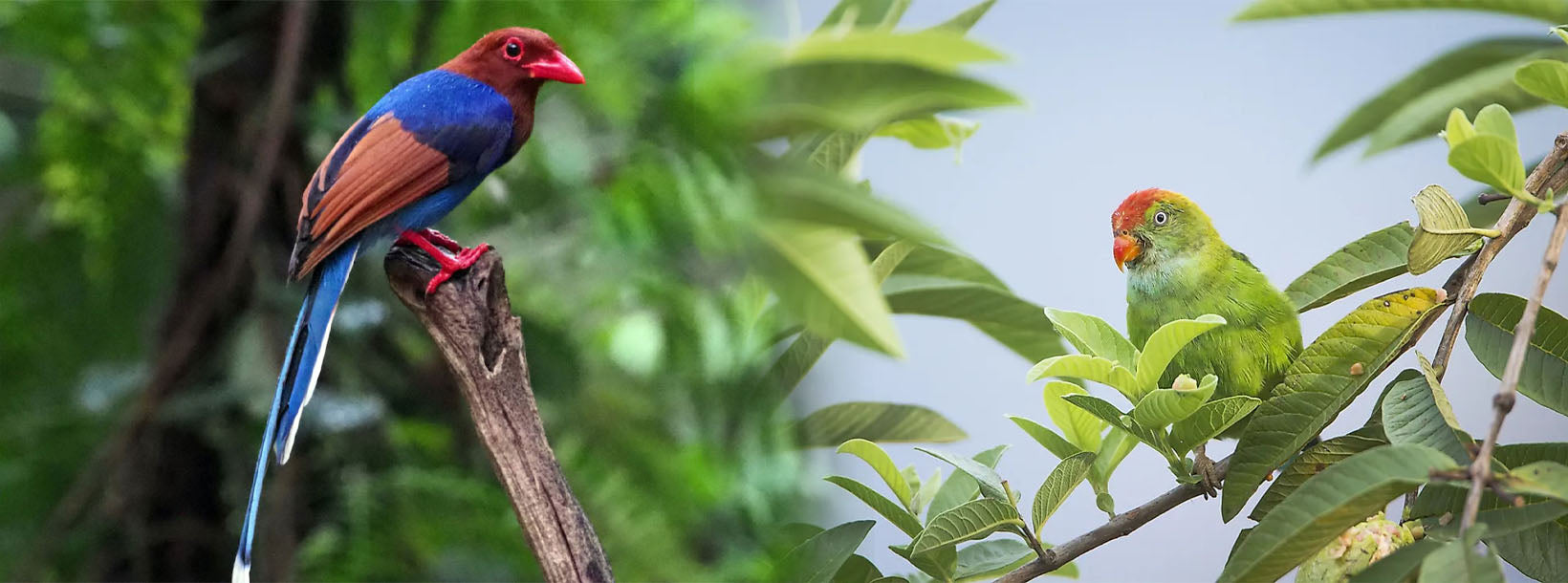
Layard’s Parakeet


Bright green, long-tailed parrot, with a gray hood and conspicuous black throat. The beak is red-orange in males, but all dark in duller females. Small groups inhabit upper levels of humid forest in the Wet Zone and drier, wooded areas outside of that, in both the lowlands and hills. Combination of gray hood and black throat differentiates this from all other long-tailed parrots on the island; female Plum-headed Parakeet also has a gray hood but lacks the black throat of Layard’s Parakeet.
Description
Layard's parakeet is a green parrot, 29 cm long including a tail up to 13 cm. The adult has a bluish-grey head and back, separated by a green collar. There is a broad black chin stripe and the tail is blue tipped yellow. The upper mandible of the male's bill is red and the lower mandible is brown. The female is similar, but has an all black beak and less green on the face than the male. Immature birds are mainly green, with an orange bill.
Behaviour
Layard's parakeet is a bird of forests, particularly at the edges and in clearings, and also gardens. It is locally common. It undergoes local movements, driven mainly by the availability of the fruit, seeds, buds and blossoms that make up its diet. It is less gregarious than some of its relatives, and is usually in small groups outside the breeding season, when it often feeds with brahminy starlings. Its flight is swift and direct, and the call is a raucous chattering. It nests in holes in large trees, laying 3–4 white eggs.


-
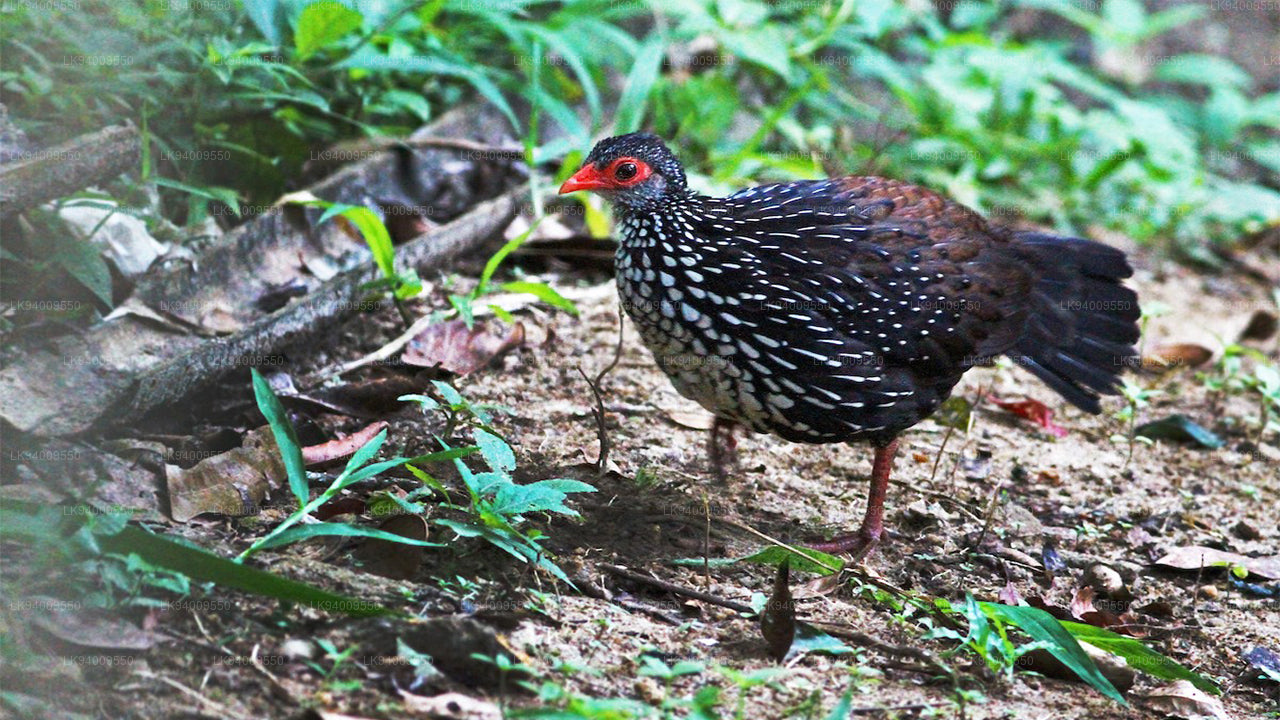 Ceylon Spurfowl
Galloperdix bicalcarata
-
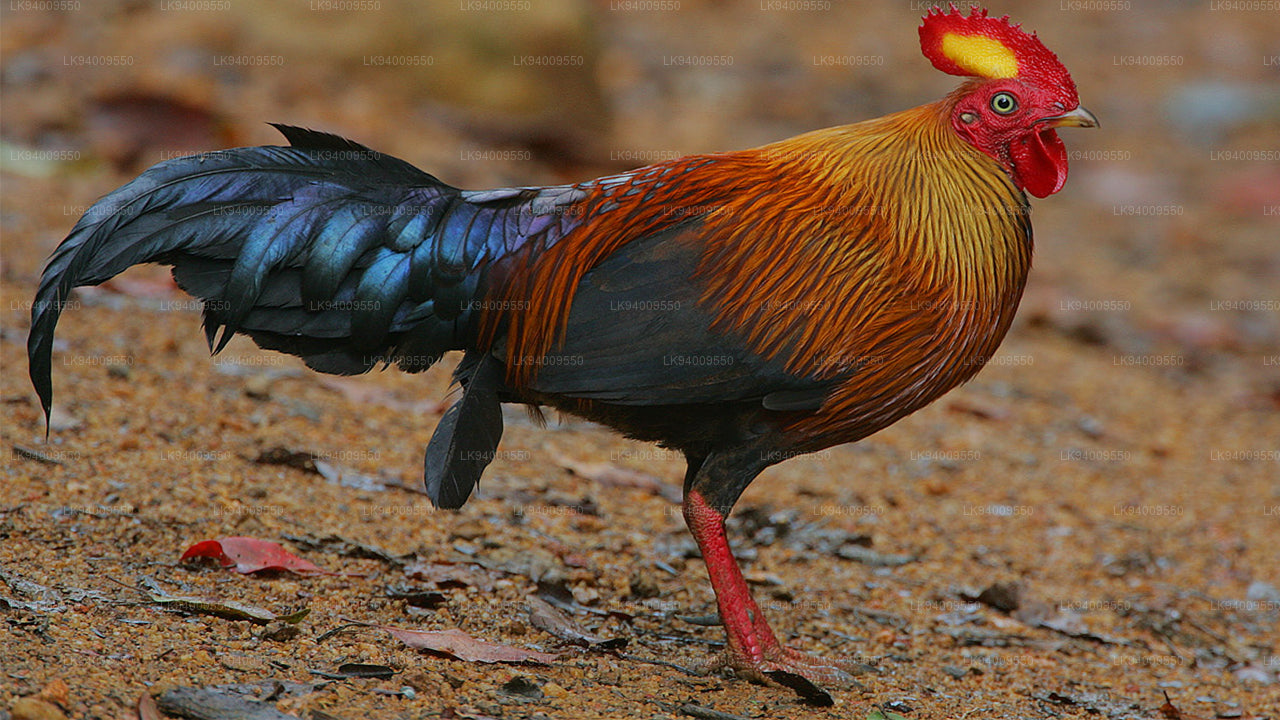 Junglefowl
Gallus lafayetii
-
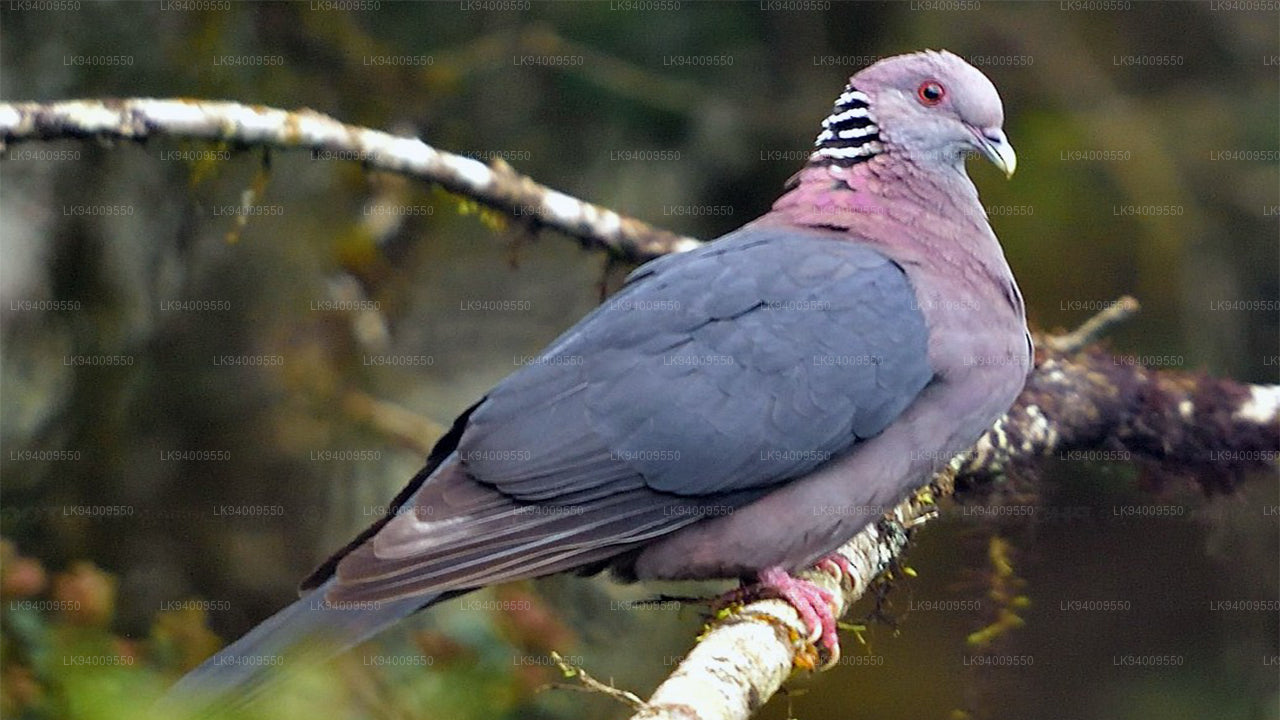 Ceylon Woodpigeon
Columba torringtoniae
-
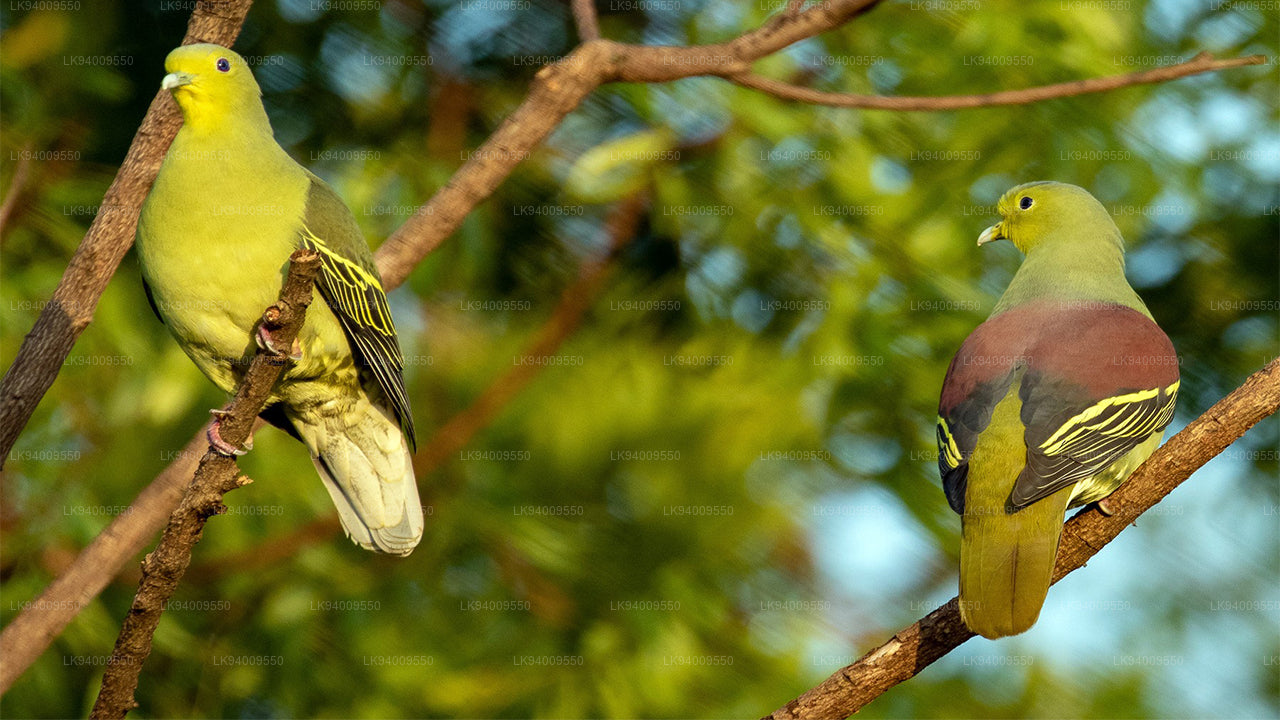 Ceylon Green Pigeon
Treron pompadora
-
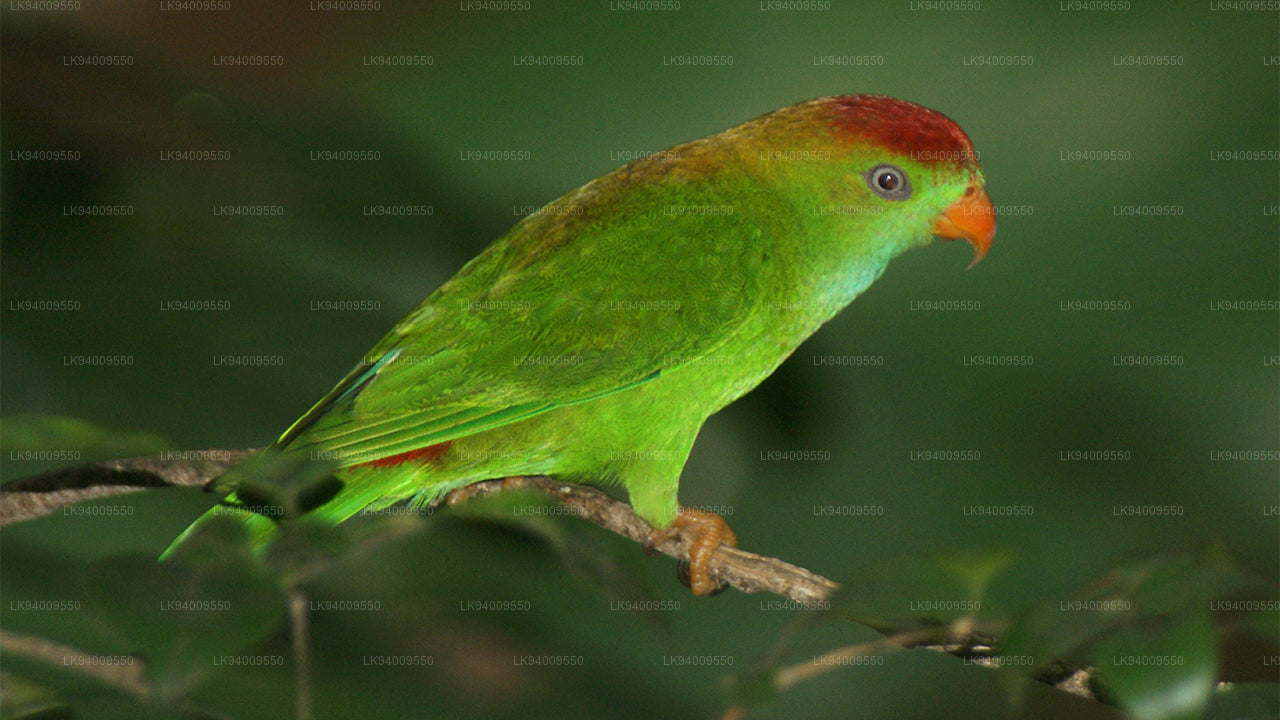 Ceylon Hanging Parrot
Loriculus beryllinus
-
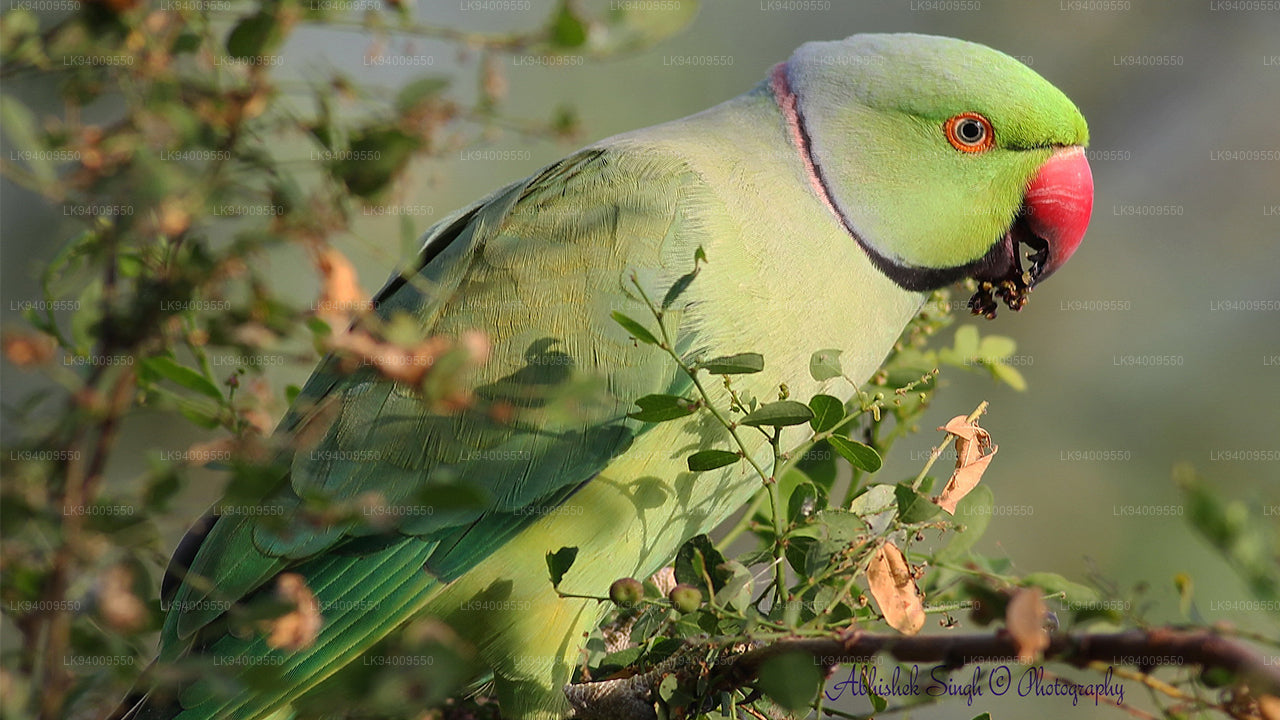 Layard’s Parakeet
Psittacula calthrapae
-
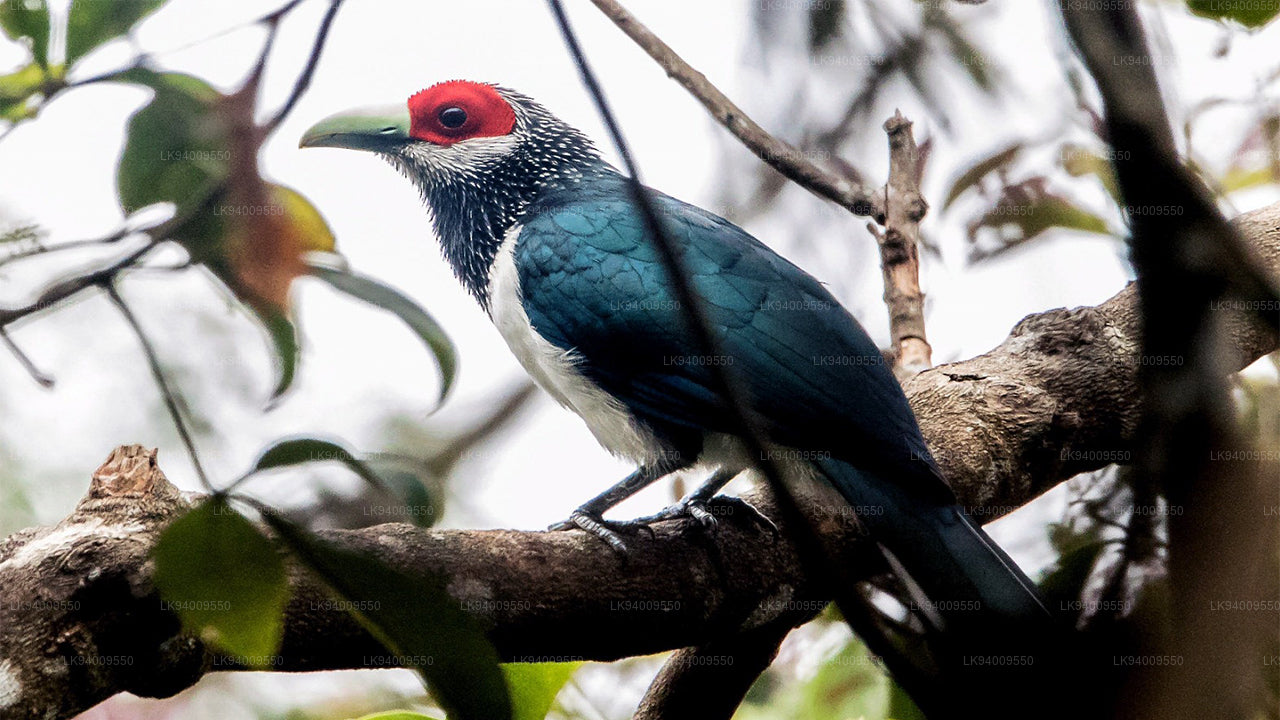 Red Faced Malkoha
Phaenicophaeus pyrrhocephalus
-
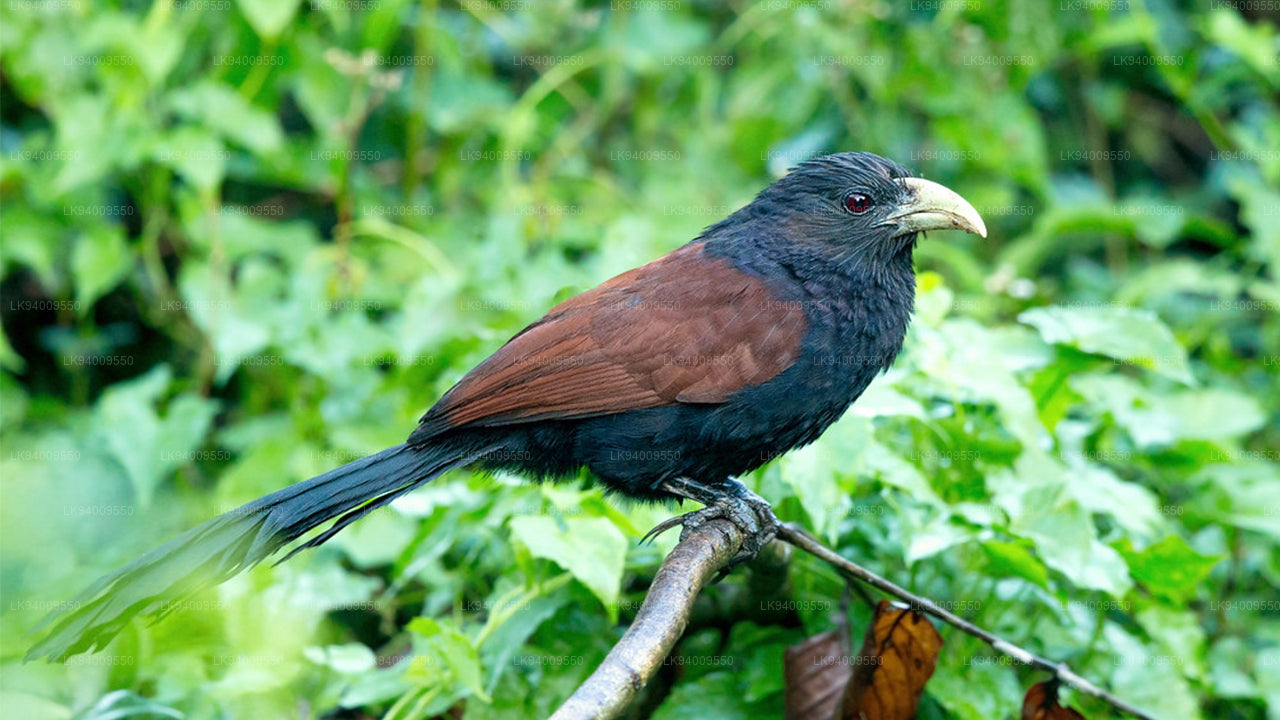 Green Billed Couca
Centropus chlororhynchos
-
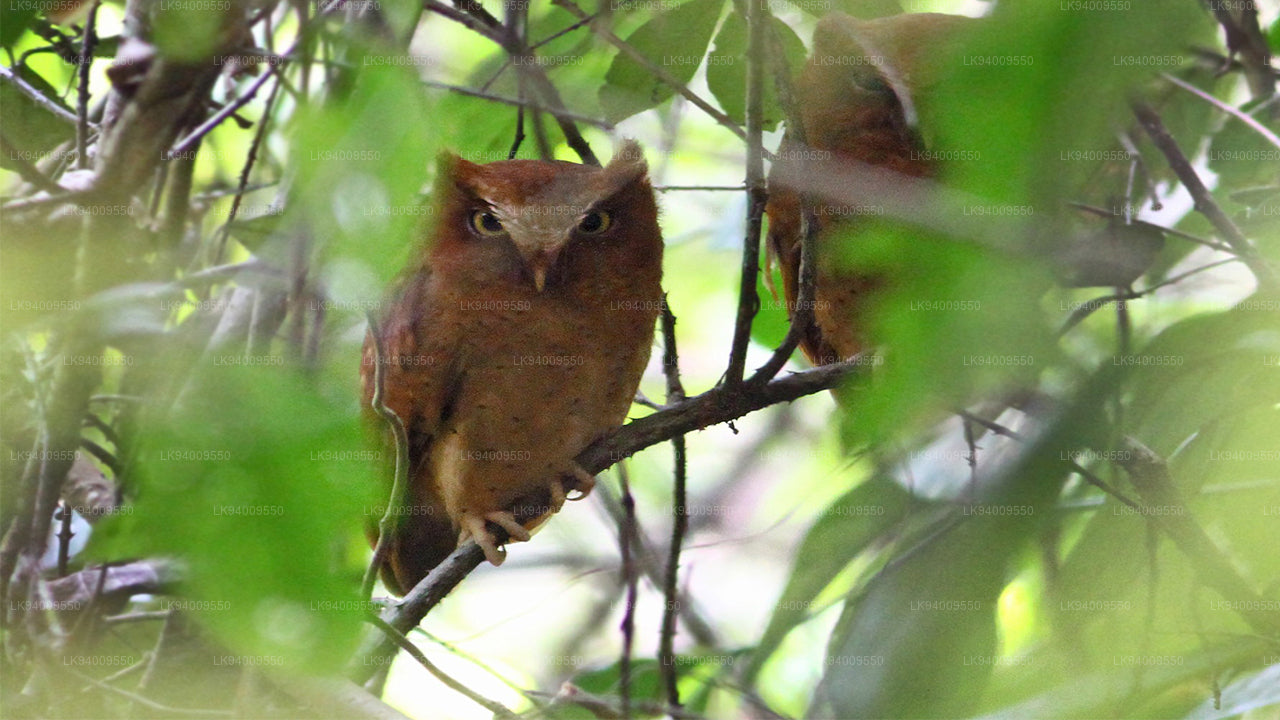 Serendib Scops Owl
Otus thilohoffmanni
-
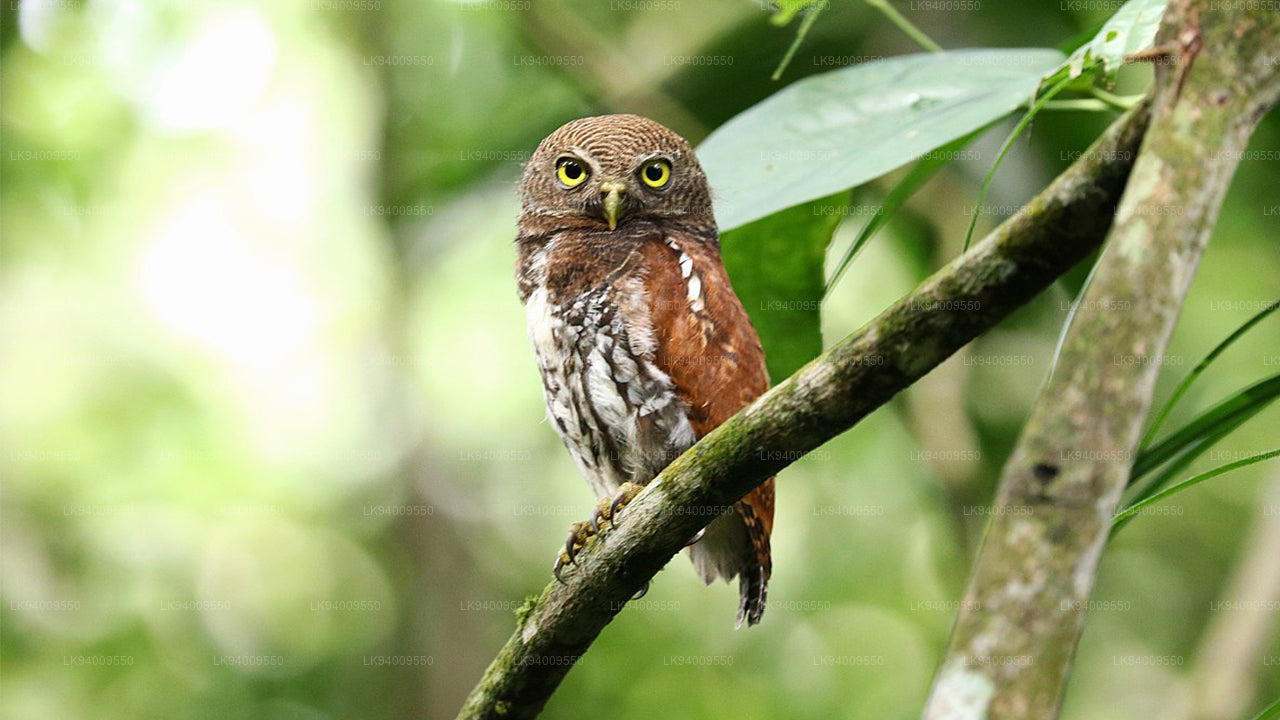 Chestnut Backed Owlet
$Glaucidium castanotum
-
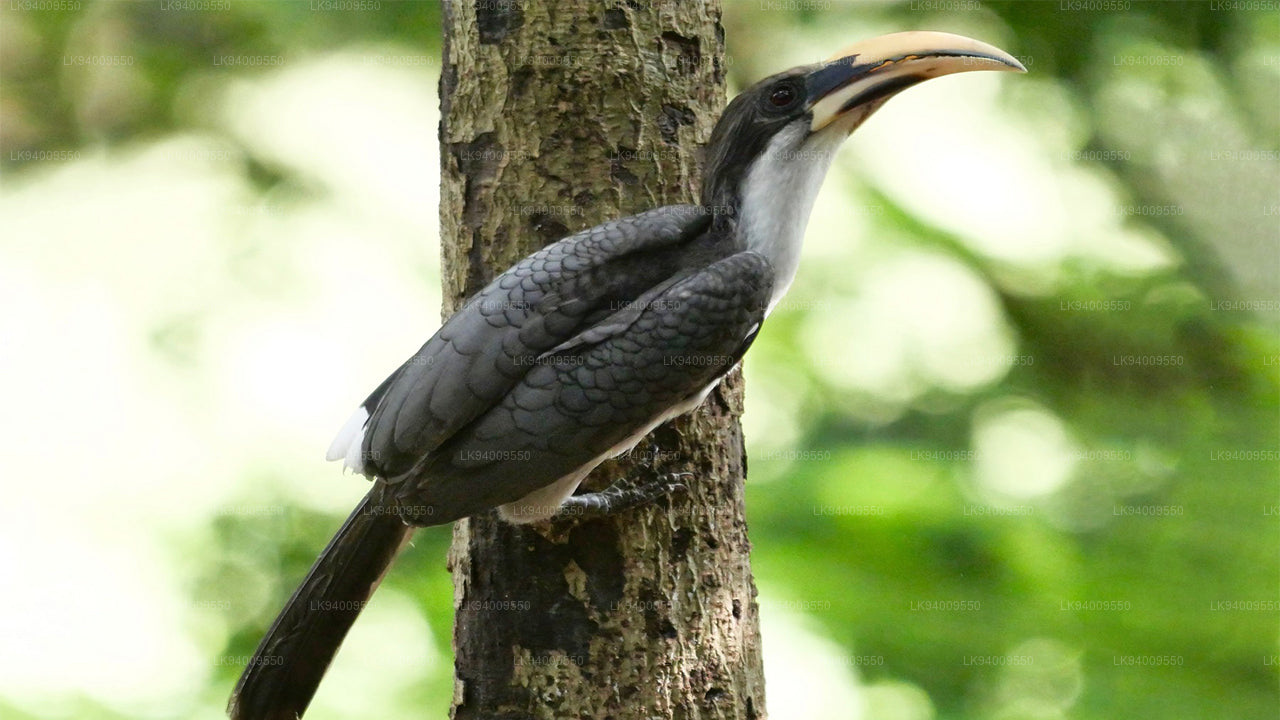 Ceylon Grey Hornbill
Ocyceros gingalensis
-
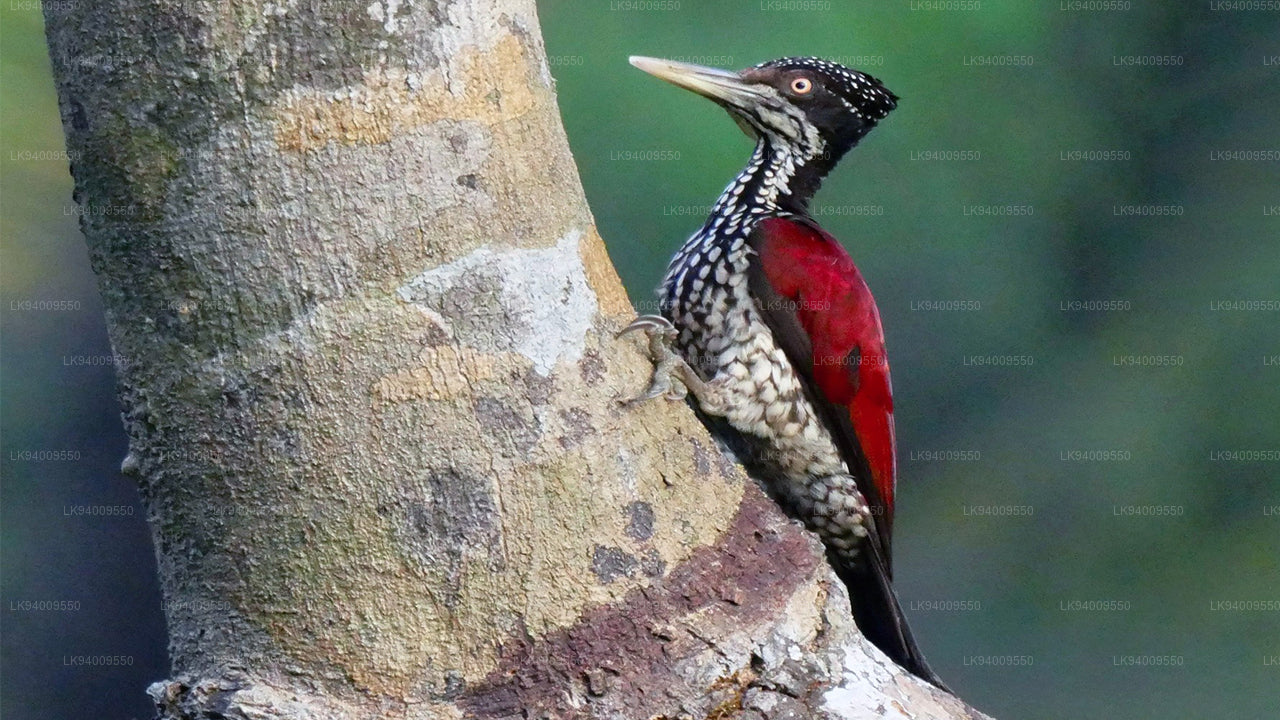 Crimson Backed Flameback
Chrysocolaptes stricklandi
-
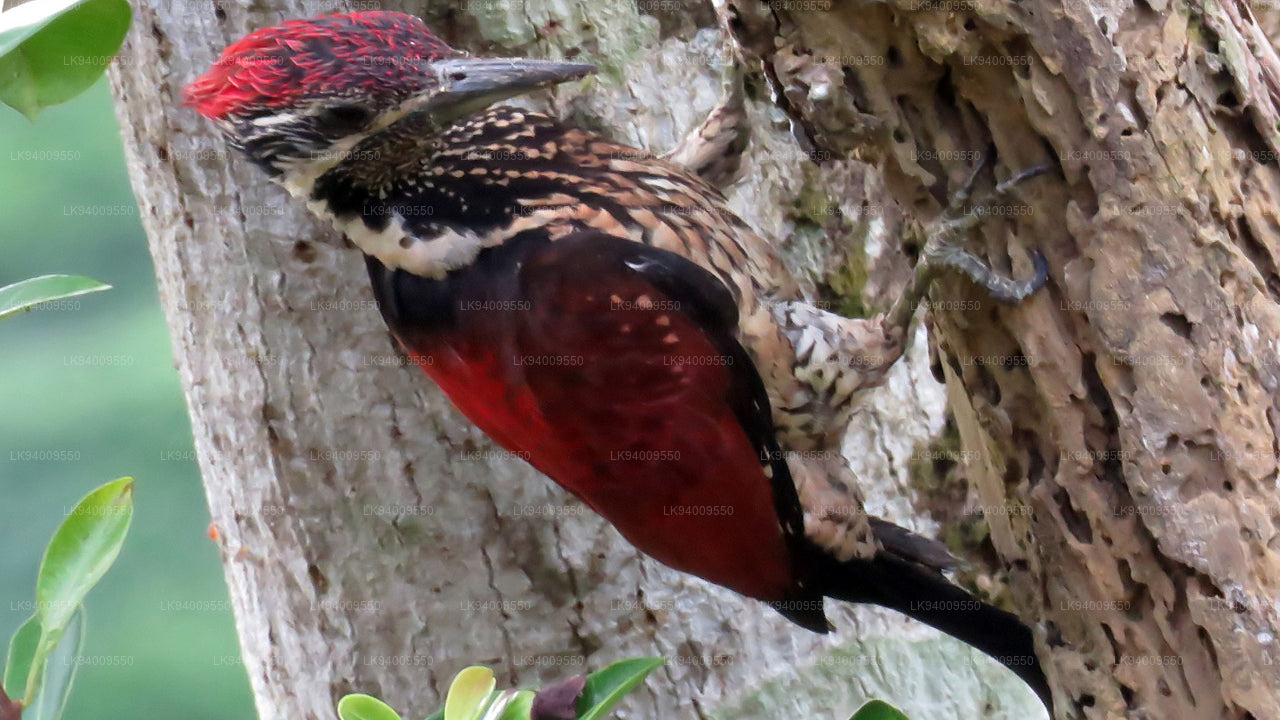 Red backed flameback
Dinopium psarodes
-
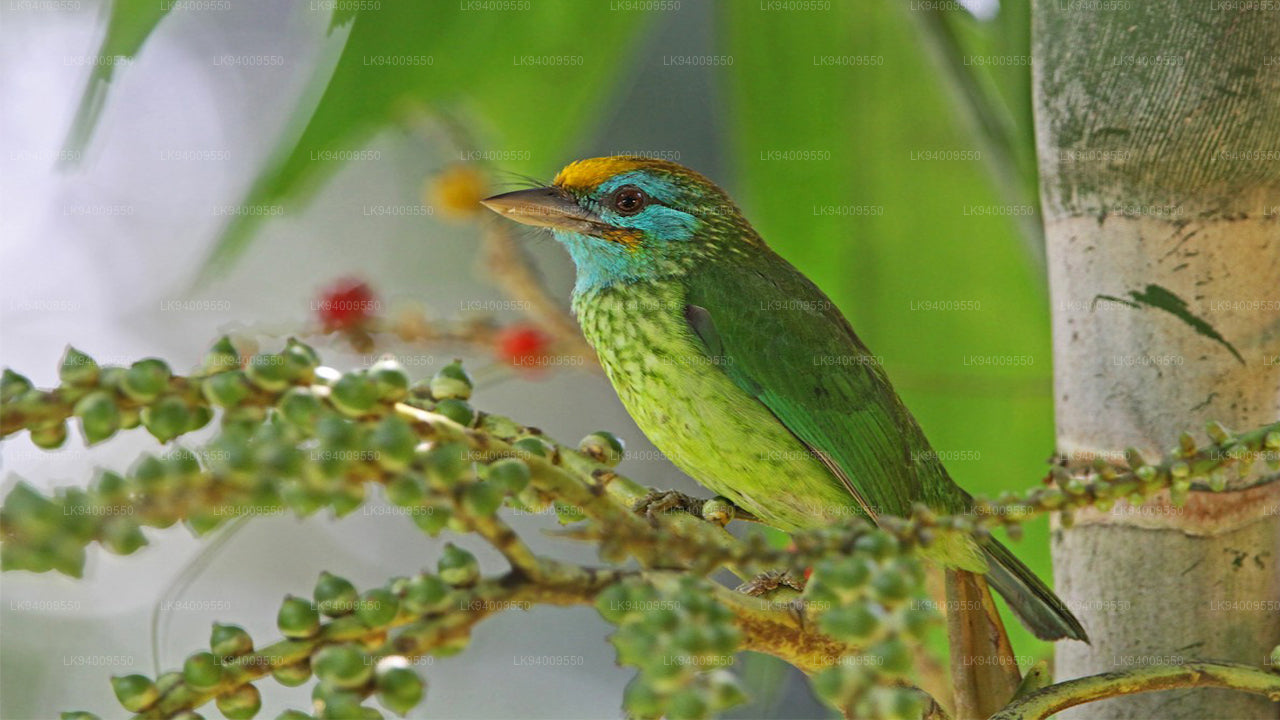 Yellow Fronted Barbet
Psilopogon flavifrons
-
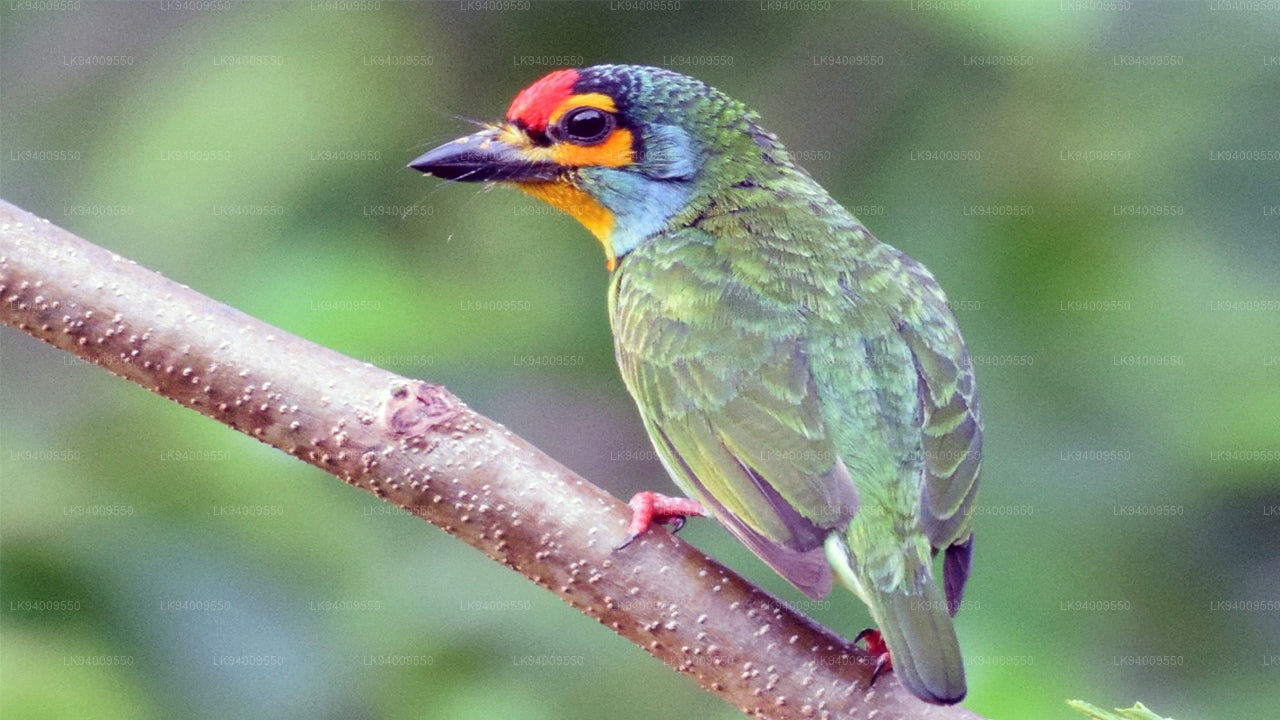 Crimson Fronted Barbet
Psilopogon rubricapillus
-
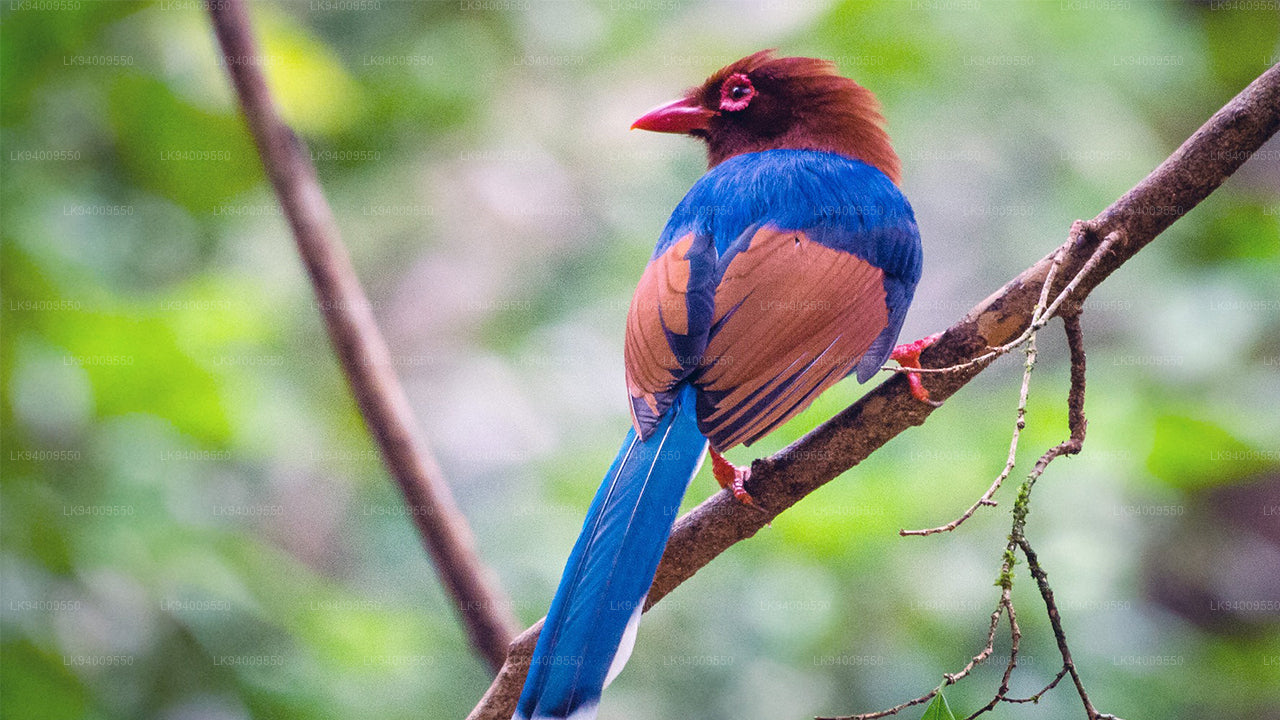 Ceylon Blue Magpie
Urocissa ornata
-
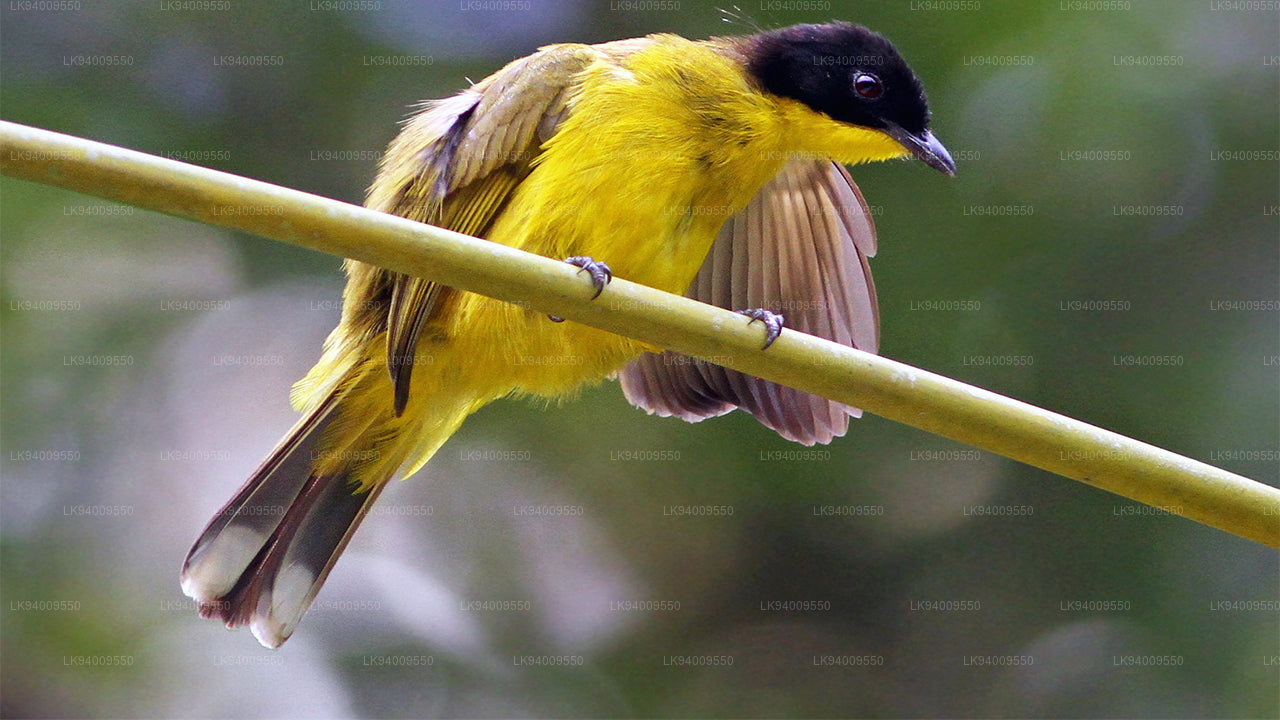 Black Capped Bulbul
Rubigula melanictera
-
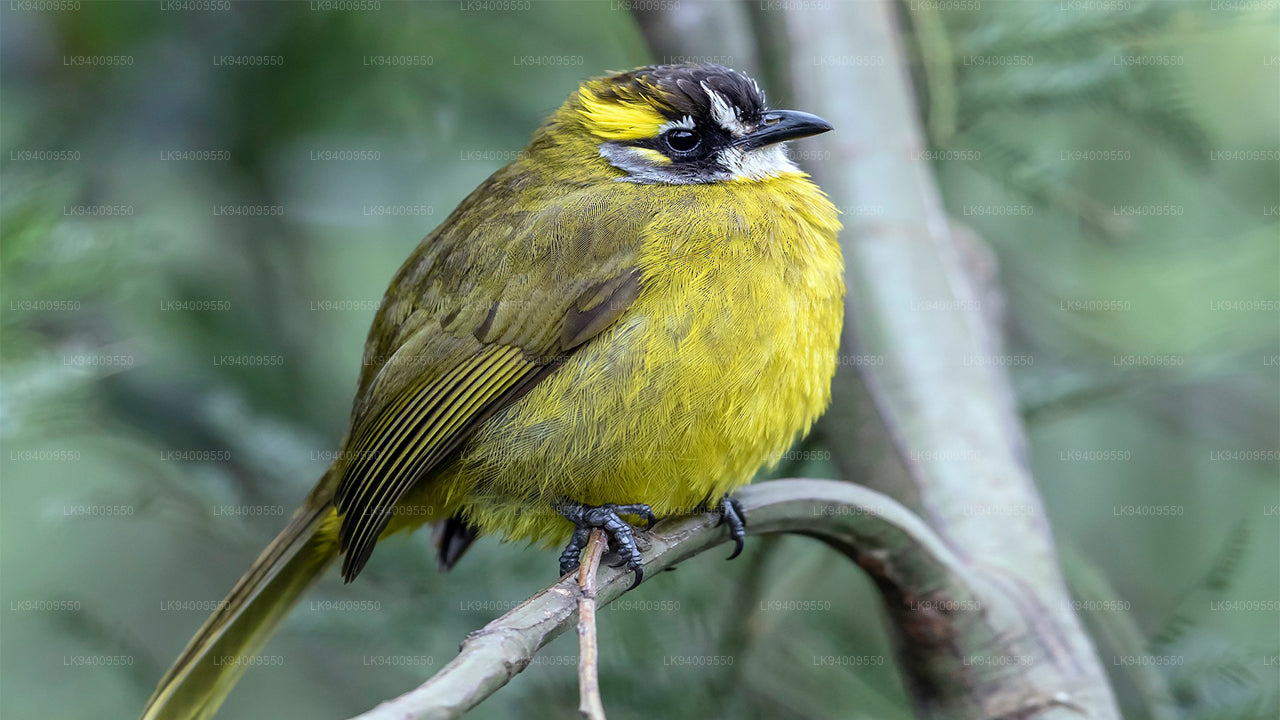 Yellow Eared Bulbul
Pycnonotus penicillatus
-
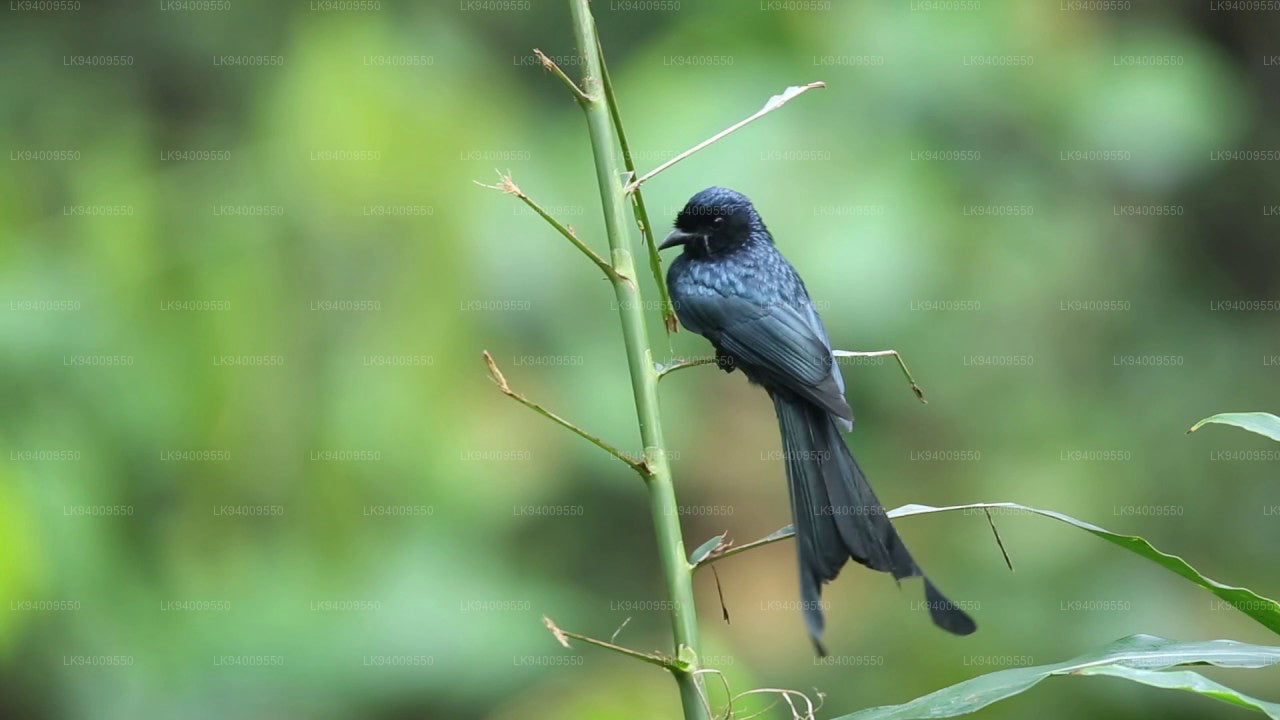 Ceylon Crested Drongo
Dicrurus lophorinus
-
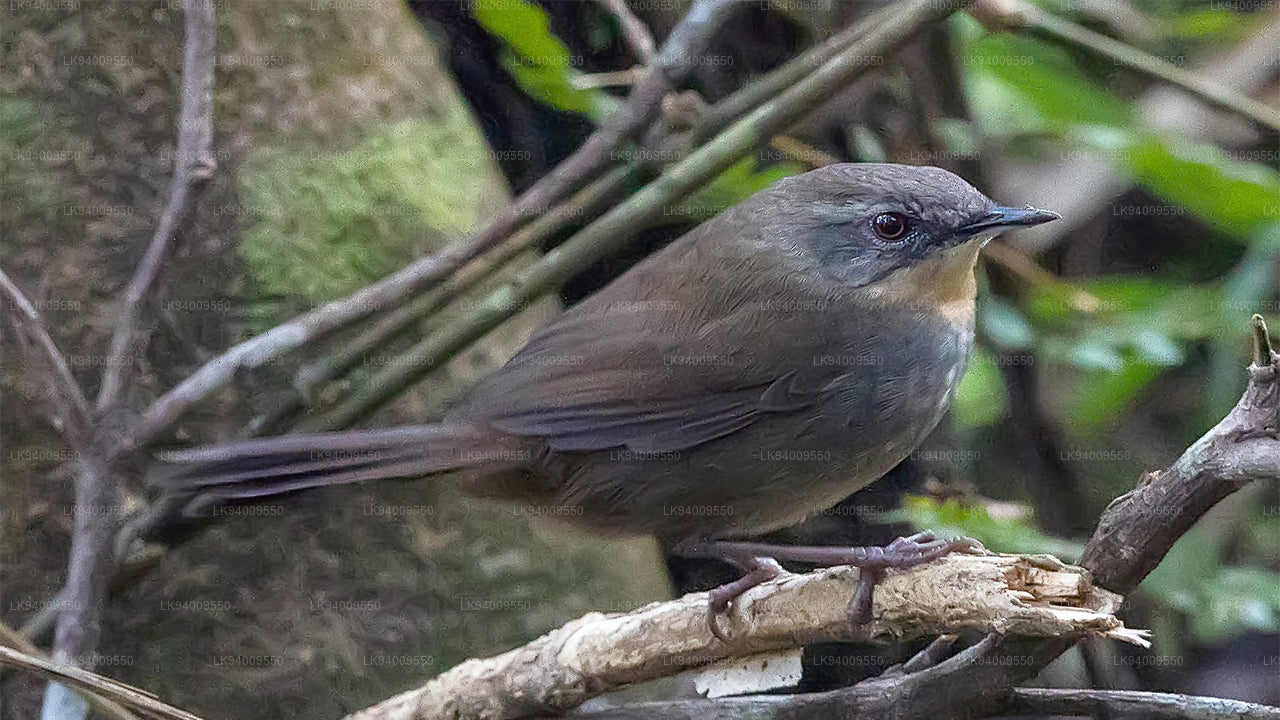 Ceylon Bush Warbler
Elaphrornis palliseri
-
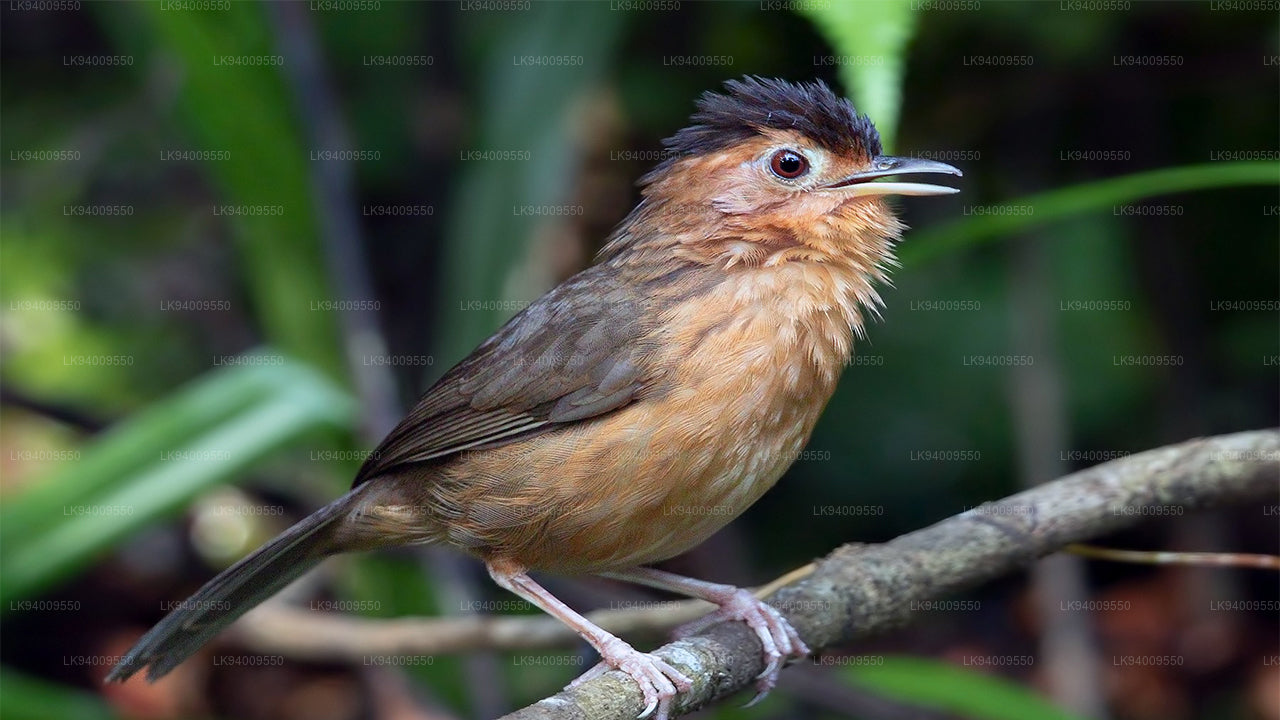 Brown Capped Babbler
Pellorneum fuscocapillus
-
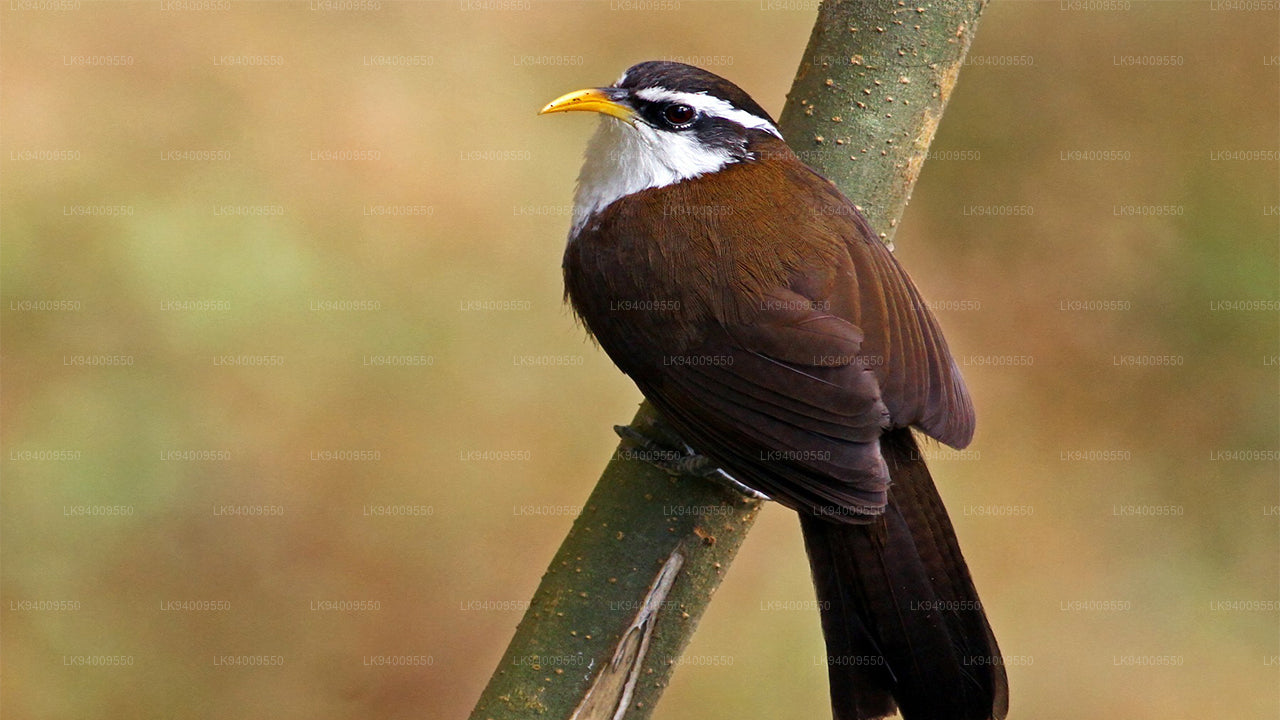 Ceylon Scimitar Babbler
Pomatorhinus melanurus
-
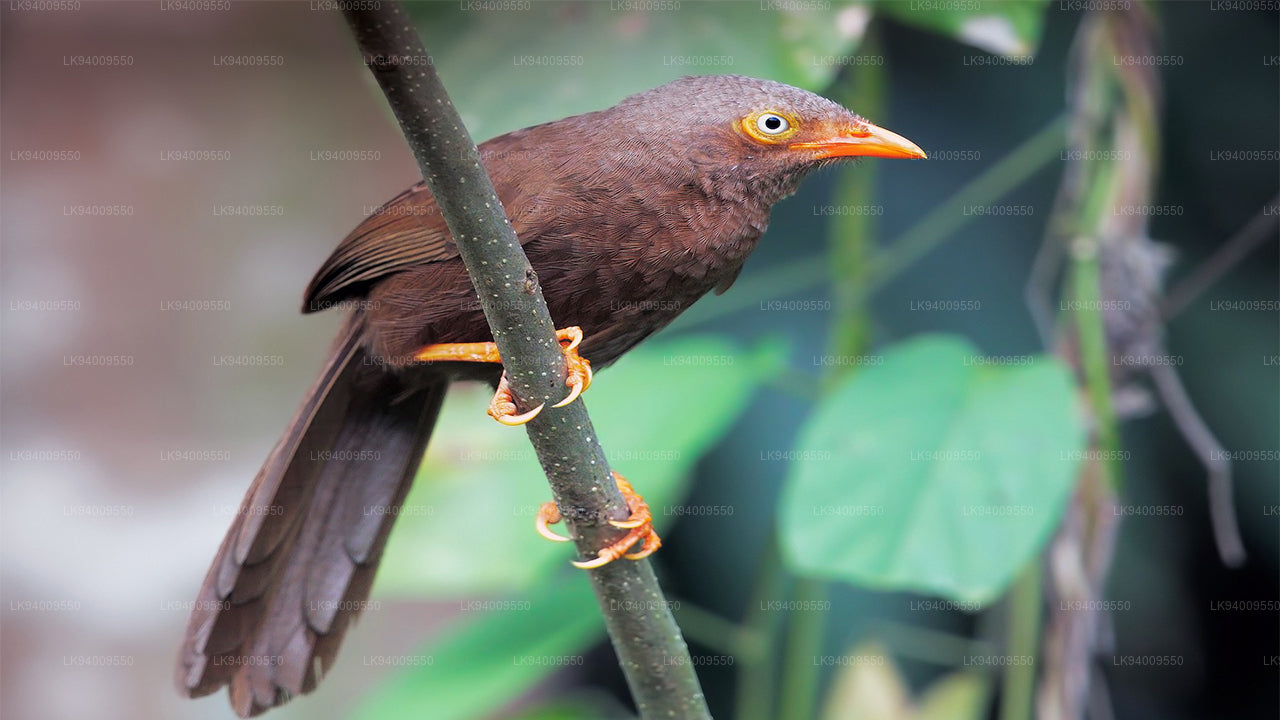 Ceylon Rufous Babbler
Argya rufescens
-
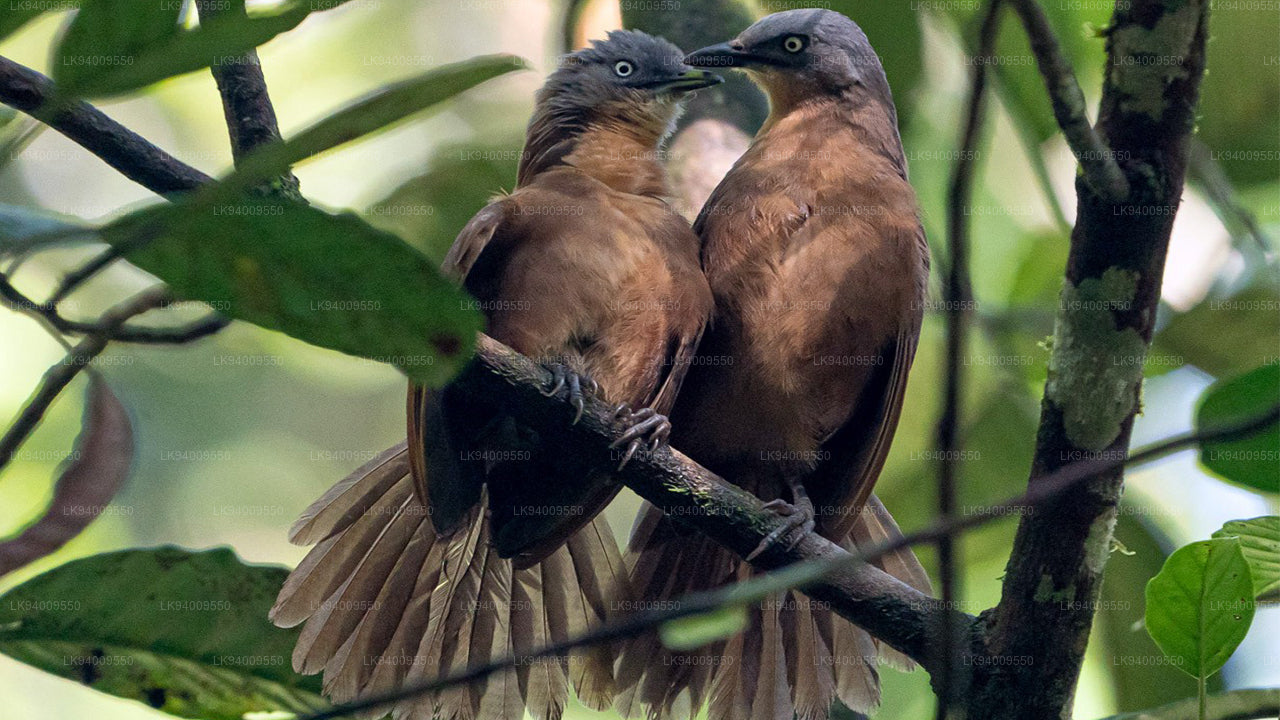 Ashy Headed Laughingthrush
Argya cinereifrons
-
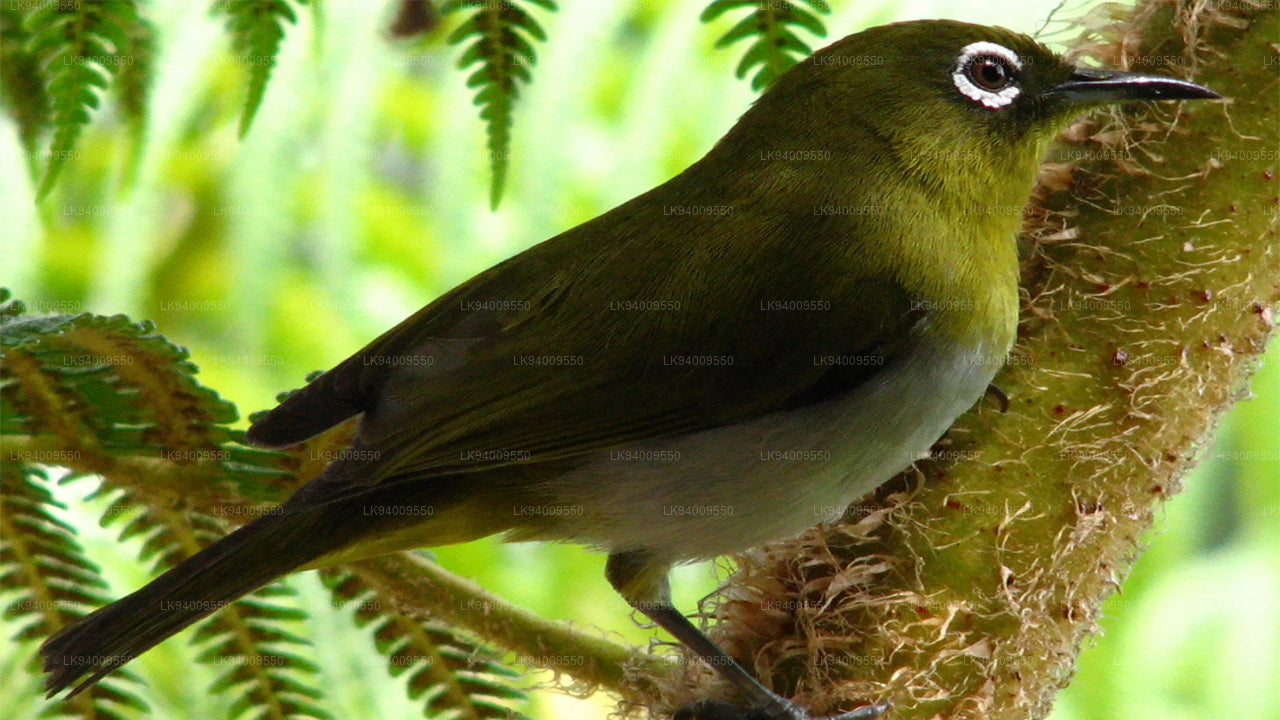 Ceylon White Eye
Zosterops ceylonensis
-
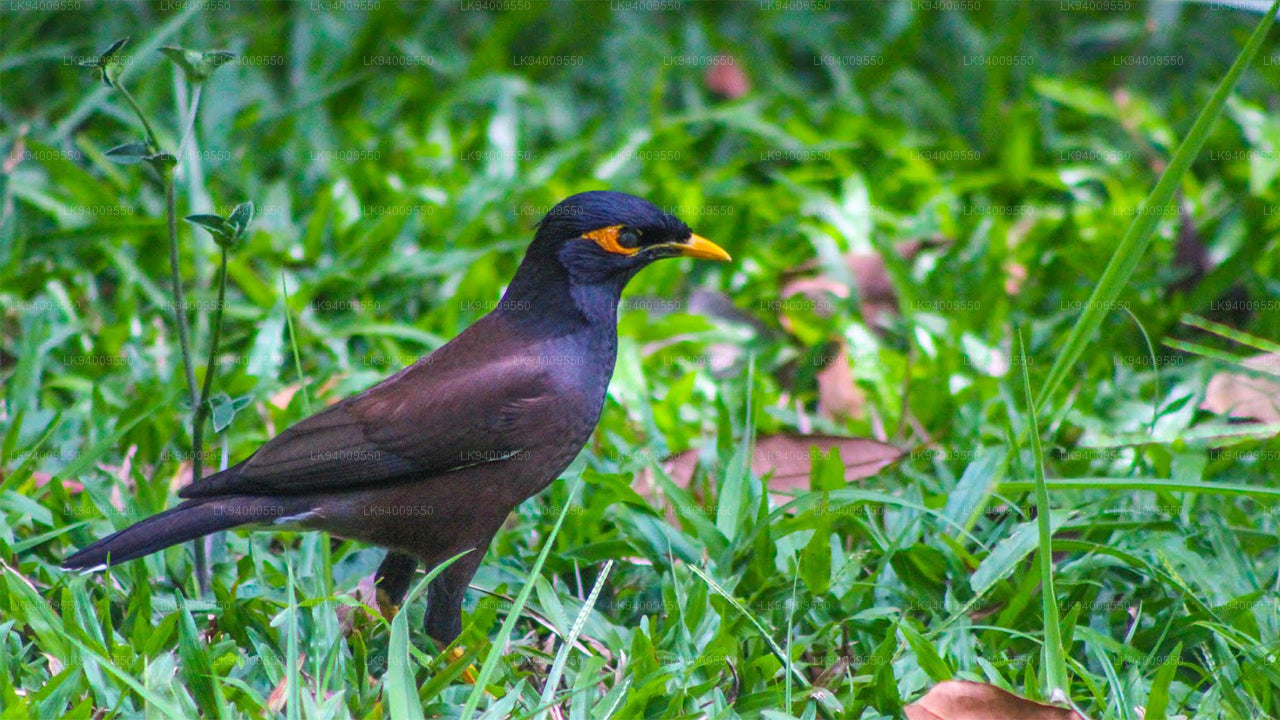 Ceylon Hill Myna
Gracula ptilogenys
-
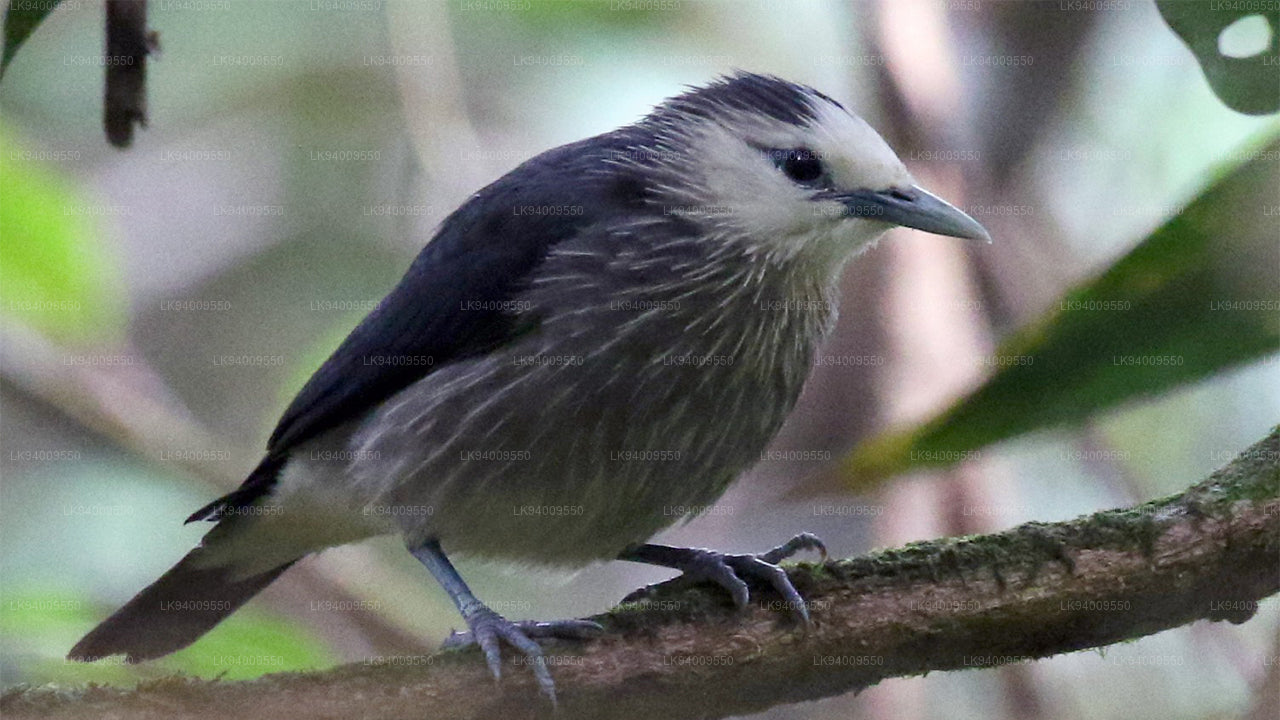 White Faced Starling
$Sturnornis albofrontatus
-
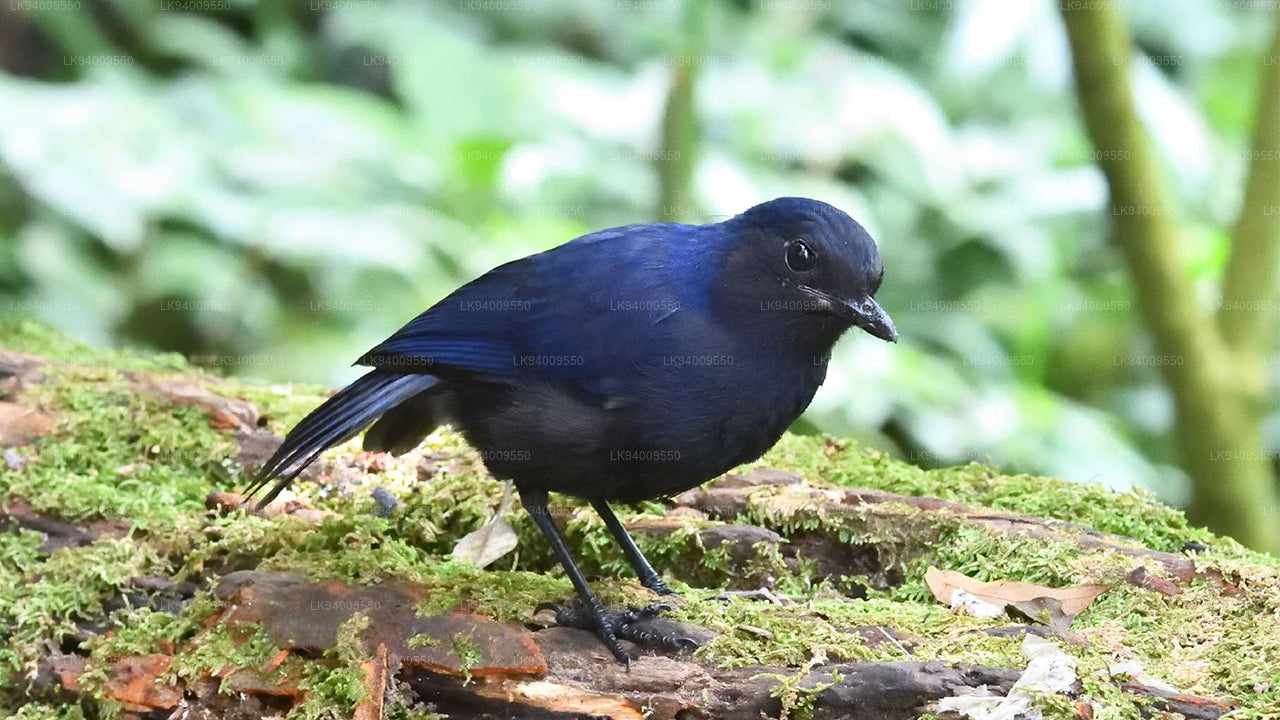 Ceylon Whistling Thrush
Myophonus blighi
-
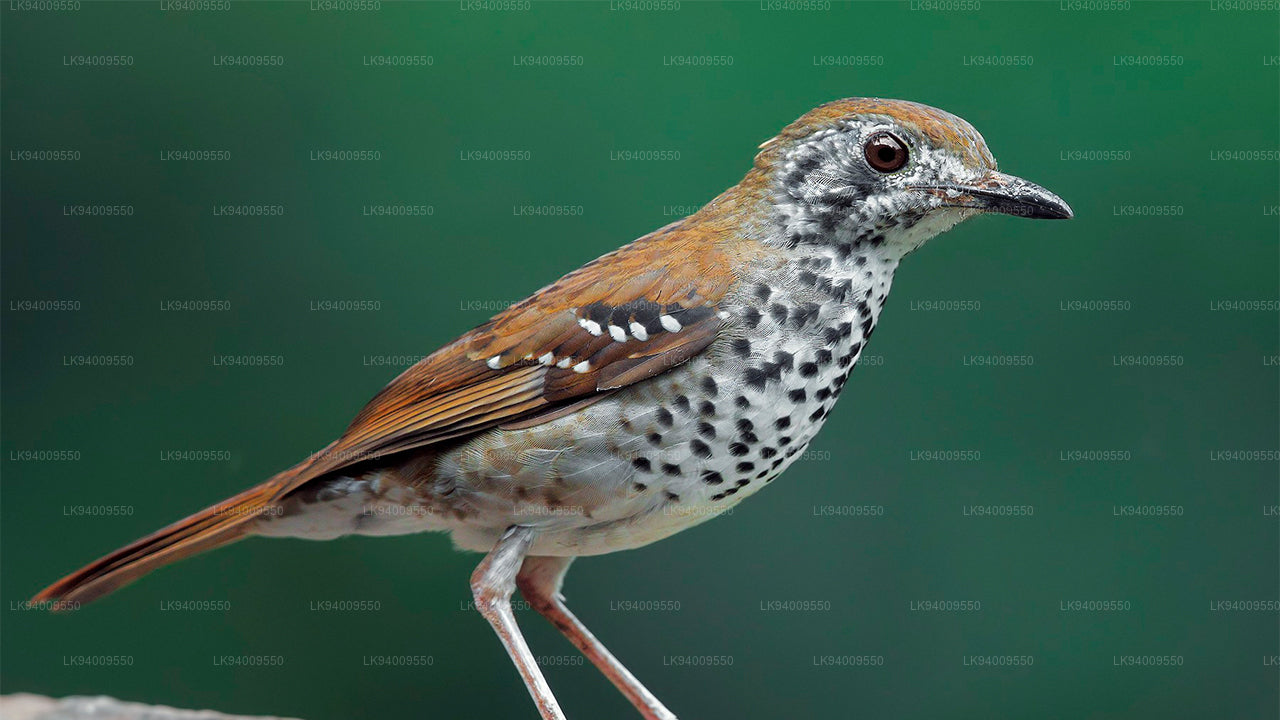 Spot Winged Ground Thrush
Geokichla spiloptera
-
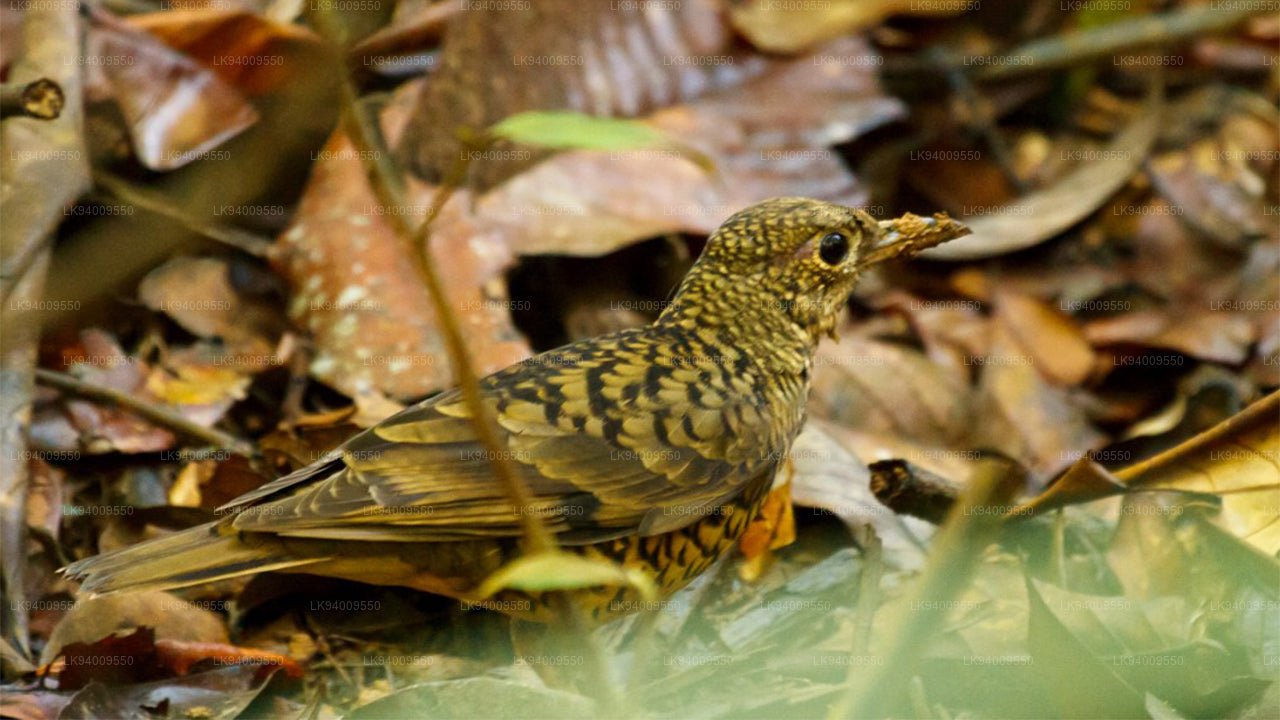 Ceylon Scaly Thrush
Zoothera imbricata
-
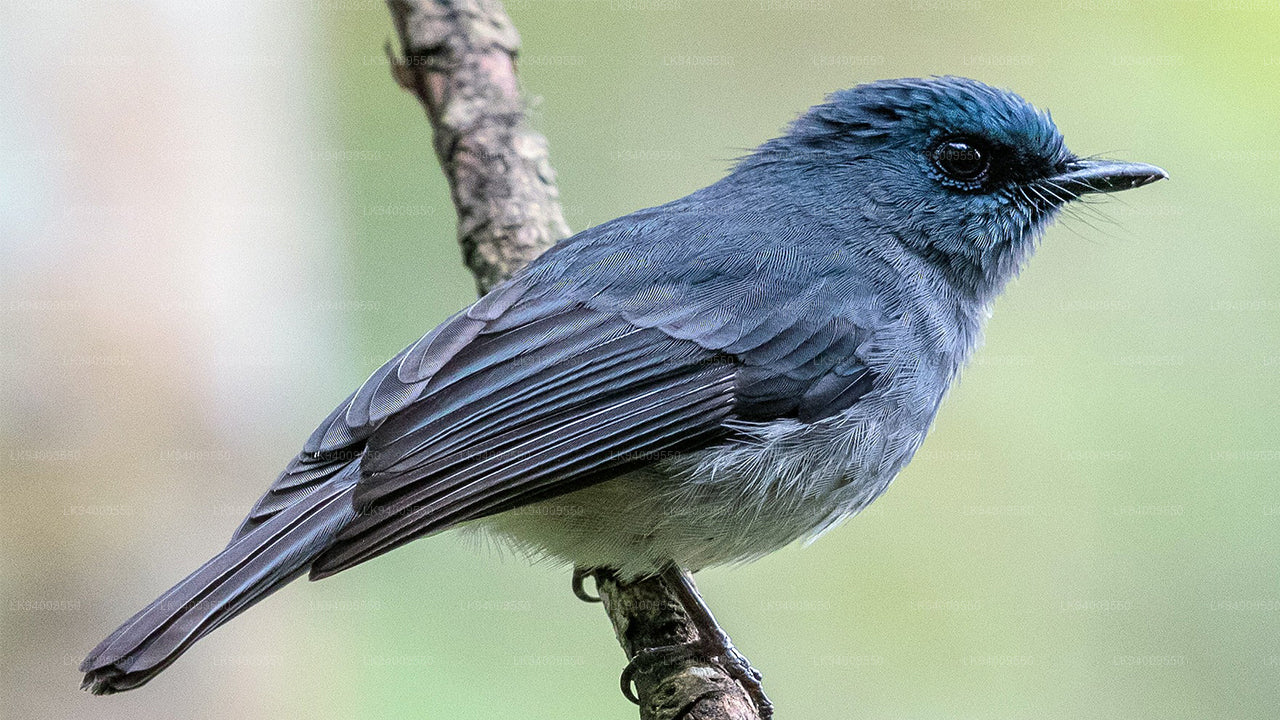 Dusky Blue Flycatcher
Eumyias sordidus
-
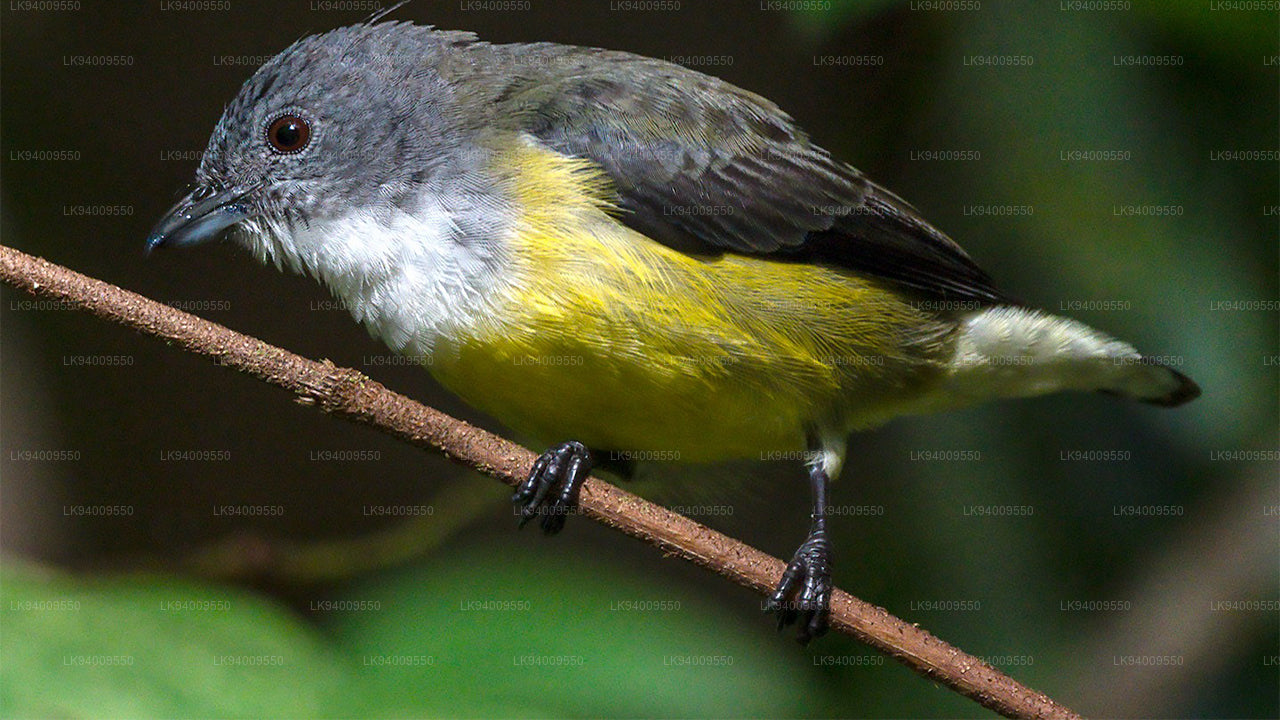 Legge's Flowerpecker
Dicaeum vincens
-
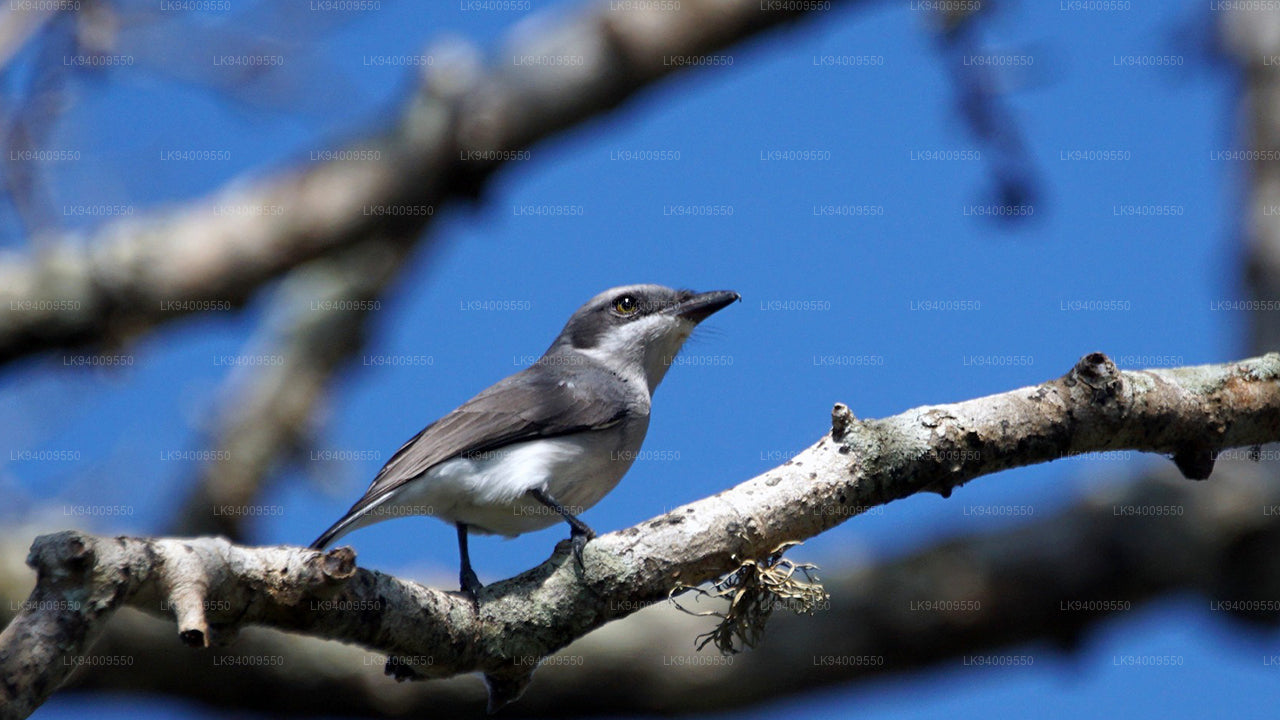 Ceylon Woodshrike
Tephrodornis affinis
-
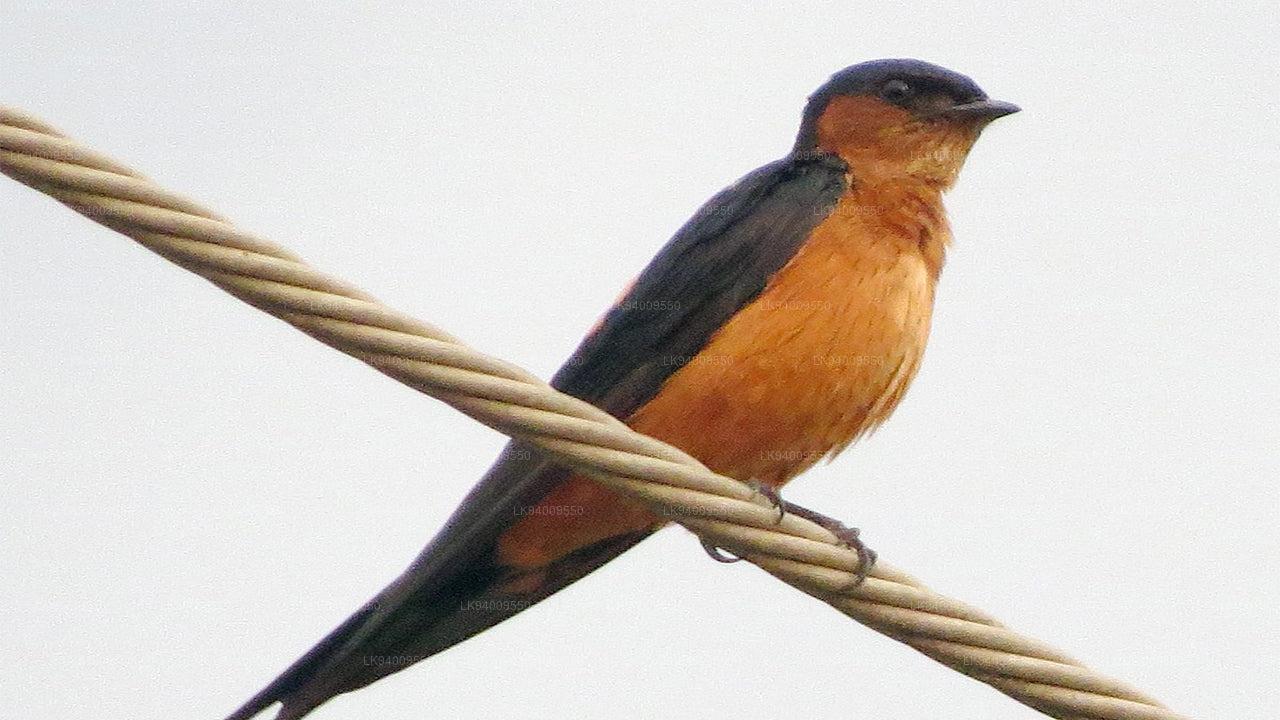 Ceylon Swallow
Cecropis hyperythra