Wellawaya sits at a quiet crossroads in the Monaragala District, Uva Province, where the dry plains of the south begin to give way to the misty highlands above. It is the kind of town that serious travellers pass through on the way to Ella or Udawalawe and later wish they had spent more time in. Between a 12th-century queen's bath, a rock face lined with ancient Buddhist carvings, and waterfalls tumbling into natural swimming pools, Wellawaya rewards those who slow down.
What makes Wellawaya worth a dedicated stop?
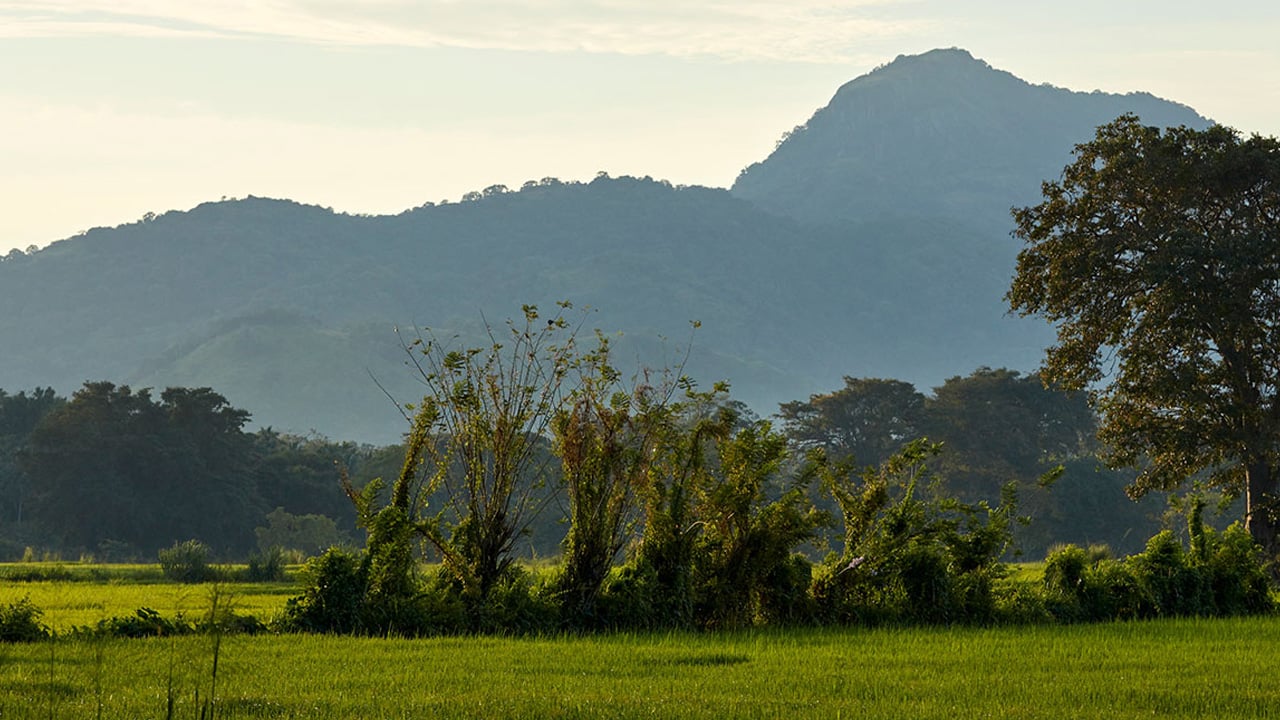
The town itself is compact and unhurried — a working agricultural settlement rather than a tourist hub. That is precisely its appeal. Paddy fields spread out across the valley floor, kitul palms edge the lanes, and early mornings bring the sound of temple bells rather than tour-bus engines. Wellawaya is positioned around 30 km from Ella, making it an easy half-hour drive, yet it sees a fraction of the crowds. Visitors who base themselves here can explore both the surrounding lowland scenery and the cool hill-country sites without paying hill-country hotel rates.
What are the top things to see and do in Wellawaya?
Buduruwagala Rock Temple
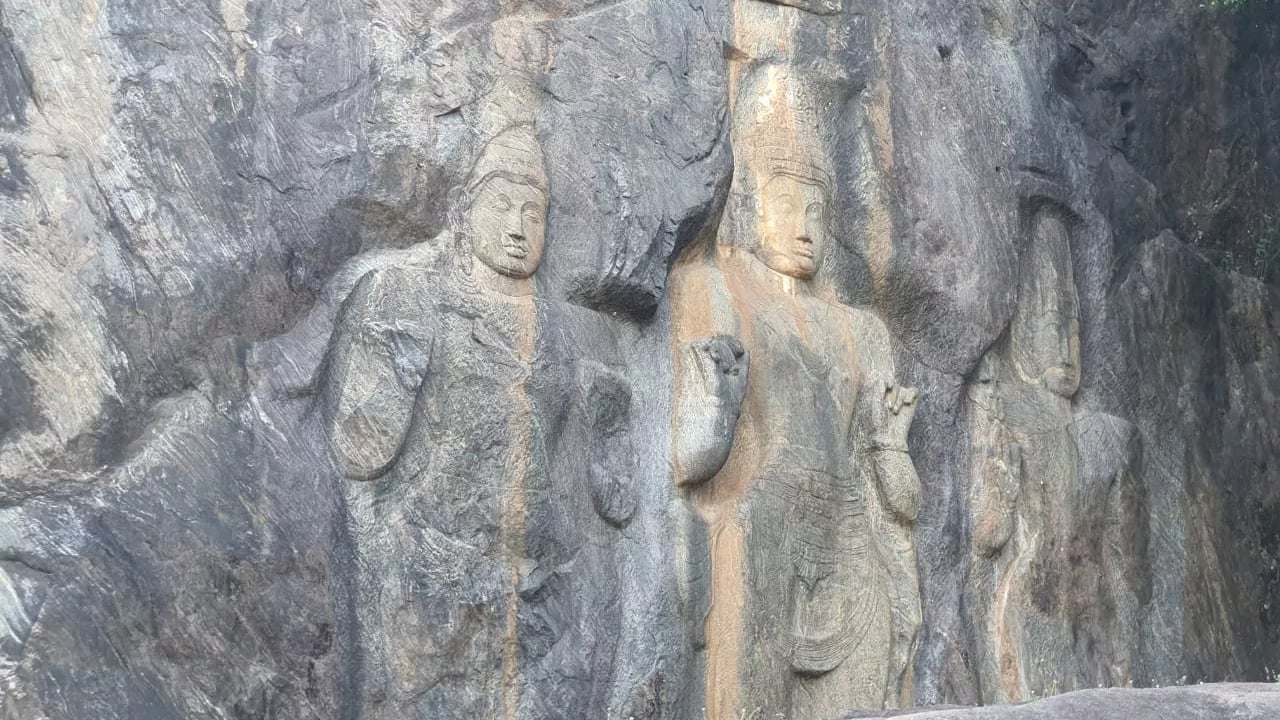
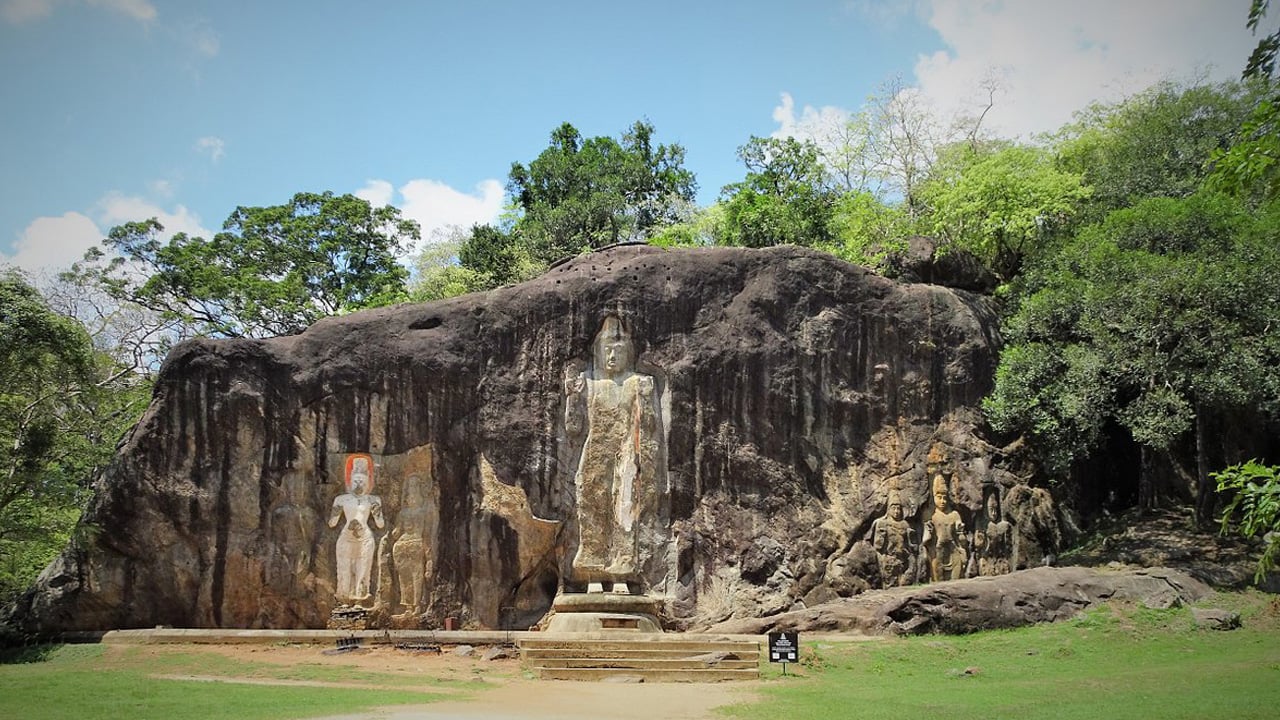
Around 5 km south-west of town, seven large figures are carved directly into a granite outcrop that rises from the surrounding scrubland. Dating to around the 9th century, the central group depicts a standing Mahayana Buddha flanked by Bodhisattva figures, with traces of original stucco and colour still visible on some panels. The site is managed by the Central Cultural Fund and remains one of the better-preserved examples of Mahayana iconography in Sri Lanka. Entry is typically collected at the site; arrive in the early morning to avoid the midday heat and to catch softer light on the carvings.
Diyaluma Falls
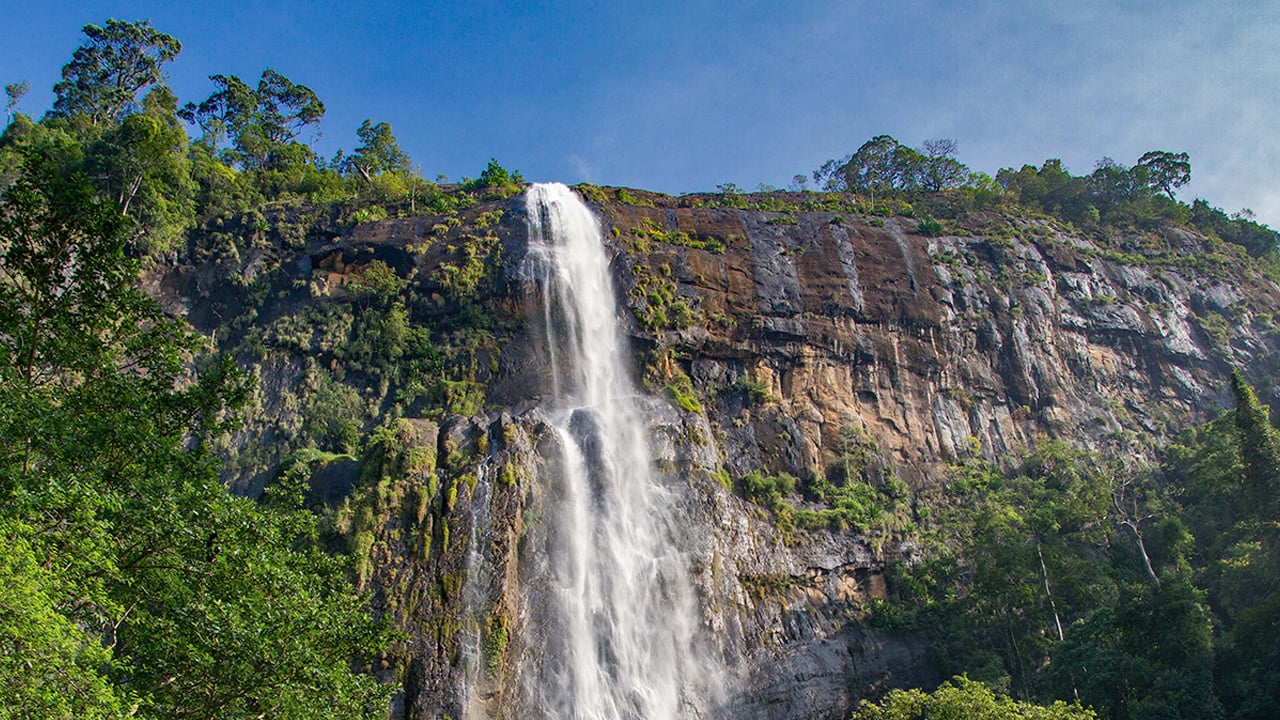
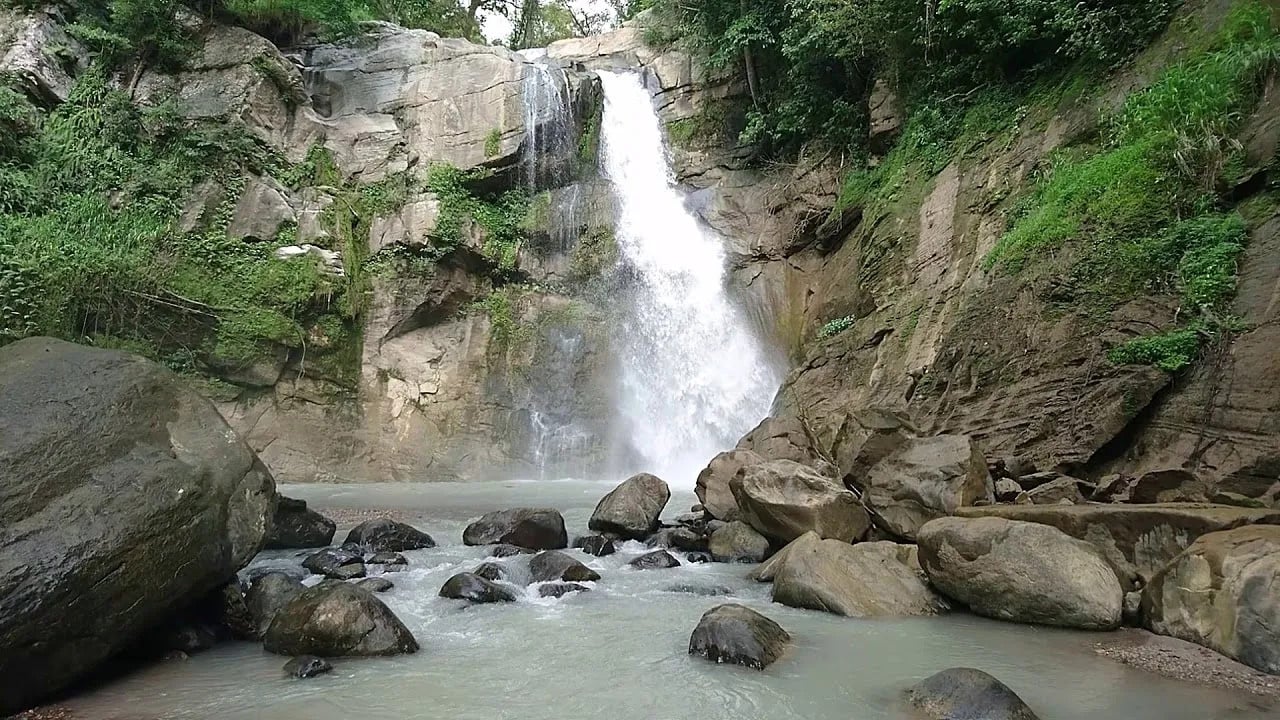
At roughly 220 metres, Diyaluma is among the tallest single-drop waterfalls in Sri Lanka. The base pool is accessible from the main road and draws swimmers throughout the day. The more rewarding option is the 90-minute uphill trek to the top, where a series of natural rock pools terrace down through the surrounding forest — some large enough for a proper swim. Starting early means you have the upper pools largely to yourself, and a packed breakfast eaten above the falls is a genuinely memorable way to begin a morning.
Biso Kotuwa — the Queen's Bath
Hidden within the scrub forest near the Wellawaya-Buttala road lie the remains of a Biso Kotuwa, a royal bathing complex built during the 12th century. Irrigation channels, stone-cut steps, and the outline of the bathing chamber are still legible in the landscape. The site is not heavily signposted, so asking locally or arranging a guide is advisable. It is a short detour that provides genuine historical context for the broader irrigation civilisation that once sustained this part of the island.
Village cycling and hidden waterfalls
The flat to gently rolling lanes around Wellawaya are well suited to cycling. A guided village ride typically takes in paddy cultivation, homestead gardens growing jak, banana, and pepper, and at least one smaller waterfall with a pool that rarely appears on any map. Several guesthouses and the Jetwing Kaduruketha property arrange these tours; expect a half-day outing at a gentle pace.
Rawanagala Rock
The dramatic granite dome of Rawanagala rises above the surrounding forest roughly 10 km from Wellawaya. Local tradition associates the rock with the Ramayana, and a small shrine sits near the base. The climb is steep in places but manageable; the reward is a panoramic view across the lowland plains toward the south coast on clear days.
How do I get to Wellawaya from Colombo?
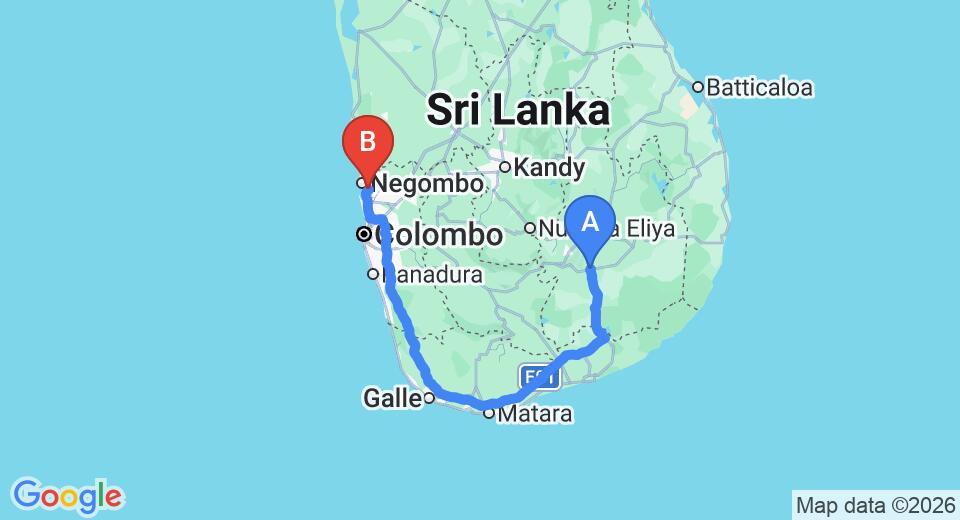
By road, Wellawaya is approximately 220 km from Colombo, following the Southern Expressway to Hambantota and then heading north, or taking the A4 inland through Ratnapura. Journey time by private vehicle is typically four to five hours depending on the route and traffic. The town sits at the junction of the A2 and A4 highways, making it a natural waypoint on a southern-to-highlands circuit. There is no direct train service; the nearest railhead on the southern line is at Haputale, around 25 km to the north.
When is the best time to visit Wellawaya?
Wellawaya falls in the rain shadow of the central highlands, so it receives less rainfall than Ella or Nuwara Eliya. The most reliably dry months run from May through September, coinciding with the south-west monsoon that drenches the west coast but leaves the south-east relatively clear. The inter-monsoon months of March–April and October–November can bring afternoon showers but rarely disrupt a morning's sightseeing. December through February is generally dry and pleasant, with cooler evenings at altitude. Waterfalls are at their most impressive in the weeks immediately after rain.
What wildlife can I see near Wellawaya?
Wellawaya sits roughly midway between two significant wildlife destinations. Udawalawe National Park lies around 40 km to the south-west and is one of the most reliable places in Asia to observe wild elephants in open grassland. The park also supports leopard, buffalo, and a wide variety of waterbirds around the reservoir. Closer to town, the Elephant Transit Home at Udawalawe offers a scheduled public viewing of orphaned elephant calves during feeding times — a worthwhile short detour on the road south.
The forests around Rawanagala and the Kuda Oya valley hold endemic bird species including the Sri Lanka junglefowl and various flycatchers. Early-morning walks along the river track yield sightings without any specialist equipment.
Where should I stay in Wellawaya?
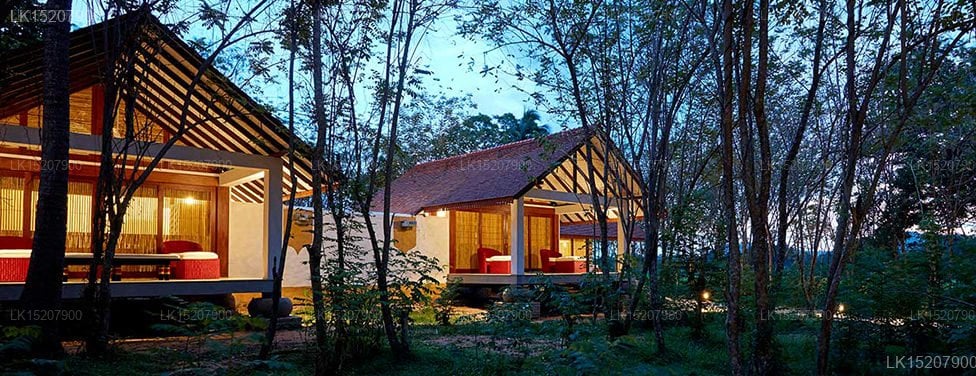
Accommodation ranges from simple guesthouses along the main junction to the more considered surroundings of Jetwing Kaduruketha, which sits within a working paddy farm on the edge of town. The Kaduruketha property is designed around the agricultural calendar and local traditions: rooms open onto paddy fields, meals draw on the surrounding harvest, and the activity programme is rooted in village life rather than imported adventure tourism. For travellers wanting to understand the landscape rather than simply pass through it, a stay of two nights here is worth the investment.
What day trips can I do from Wellawaya?
- Ella — 30 km north; Nine Arch Bridge, Little Adam's Peak, and the hill-train experience.
- Udawalawe National Park — 40 km south-west; morning or late-afternoon game drives for elephants and leopard.
- Horton Plains — around 60 km north-west via Haputale; the Horton Plains plateau and World's End escarpment make a rewarding full-day excursion.
- Buduruwagala — 5 km; the carved rock figures, best in early morning or late afternoon light.
- Yala National Park — around 70 km south-east; Sri Lanka's most famous leopard habitat, requiring an early start.
What should I eat in Wellawaya?
The town's position in an agricultural valley means fresh produce is easy to find. Local restaurants serve rice and curry built around seasonal vegetables, dried fish, and the bold flavours typical of Uva Province — heavier on fenugreek and black pepper than the milder curries of the coast. Kitul treacle, tapped from the fishtail palm that grows throughout this region, appears over curd at breakfast and as a sweetener in local sweets. Jetwing Kaduruketha's kitchen sources ingredients directly from the surrounding farm, making meals there an extension of the landscape experience.