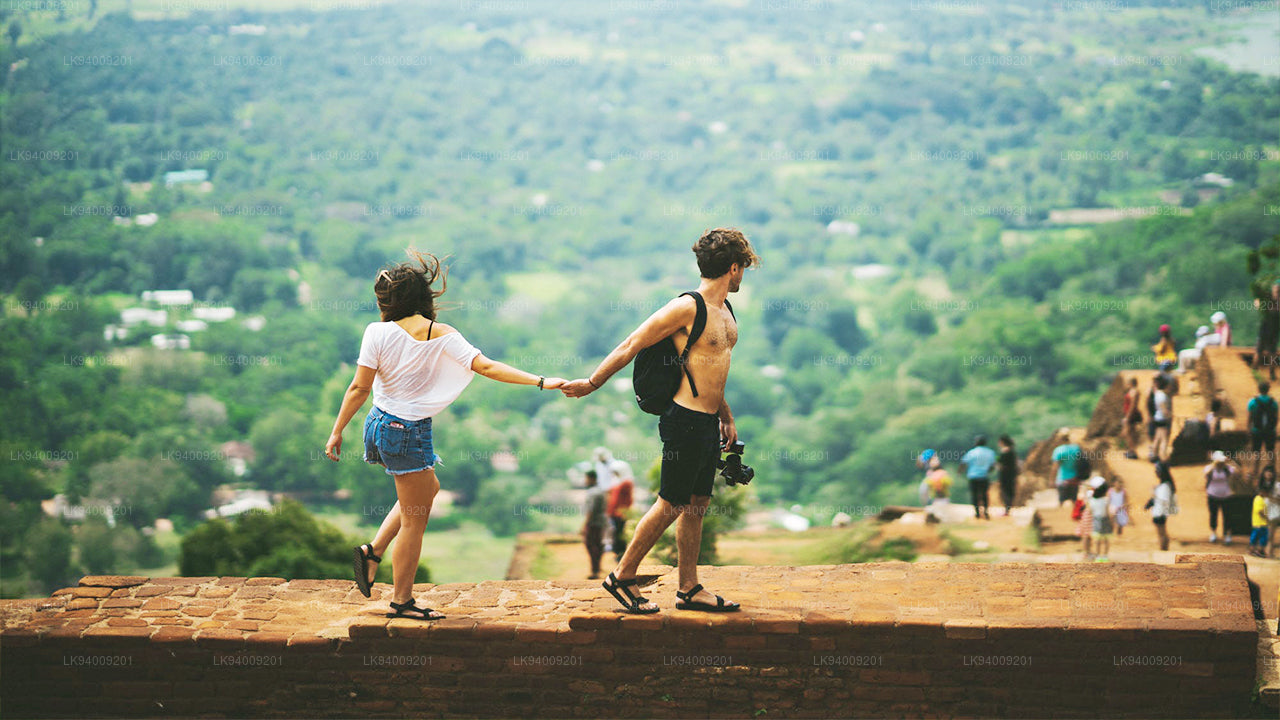
Welimada


Welimada to urokliwe miasto położone w dystrykcie Badulla na Sri Lance w prowincji Uva, usytuowane w centralnych wyżynach. Znane z chłodnego klimatu i malowniczych krajobrazów, Welimada jest często nazywana „warzywnym centrum” kraju ze względu na rozległe rolnicze działania oraz żyzną glebę, która umożliwia całoroczną uprawę.
Region charakteryzuje się falistymi wzgórzami, bujnymi terenami rolniczymi oraz orzeźwiającym klimatem idealnym do uprawy różnych roślin, takich jak marchew, por i ziemniaki. Otoczona mglistymi górami i zielenią, Welimada wspiera także różnorodną roślinność i oferuje spokojne, wiejskie otoczenie, które odzwierciedla piękno natury wyżyn Sri Lanki.
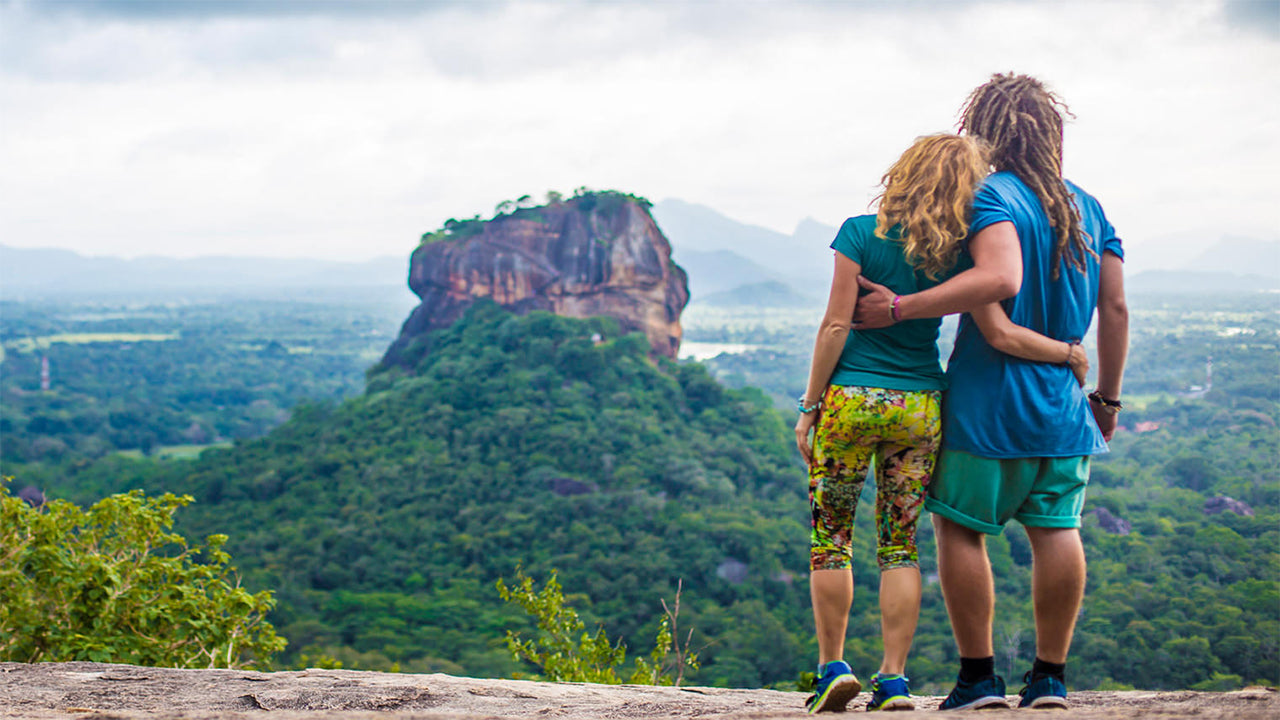
Odwiedzający Welimadę mogą cieszyć się spokojnymi wiejskimi doświadczeniami, odkrywać lokalne gospodarstwa i podziwiać panoramiczne widoki na okoliczne wyżyny. Miasto zapewnia ciche schronienie z dala od zatłoczonych centrów turystycznych, co czyni je idealnym miejscem dla osób poszukujących relaksu, malowniczych przejażdżek i autentycznego wglądu w życie rolnicze na Sri Lance.
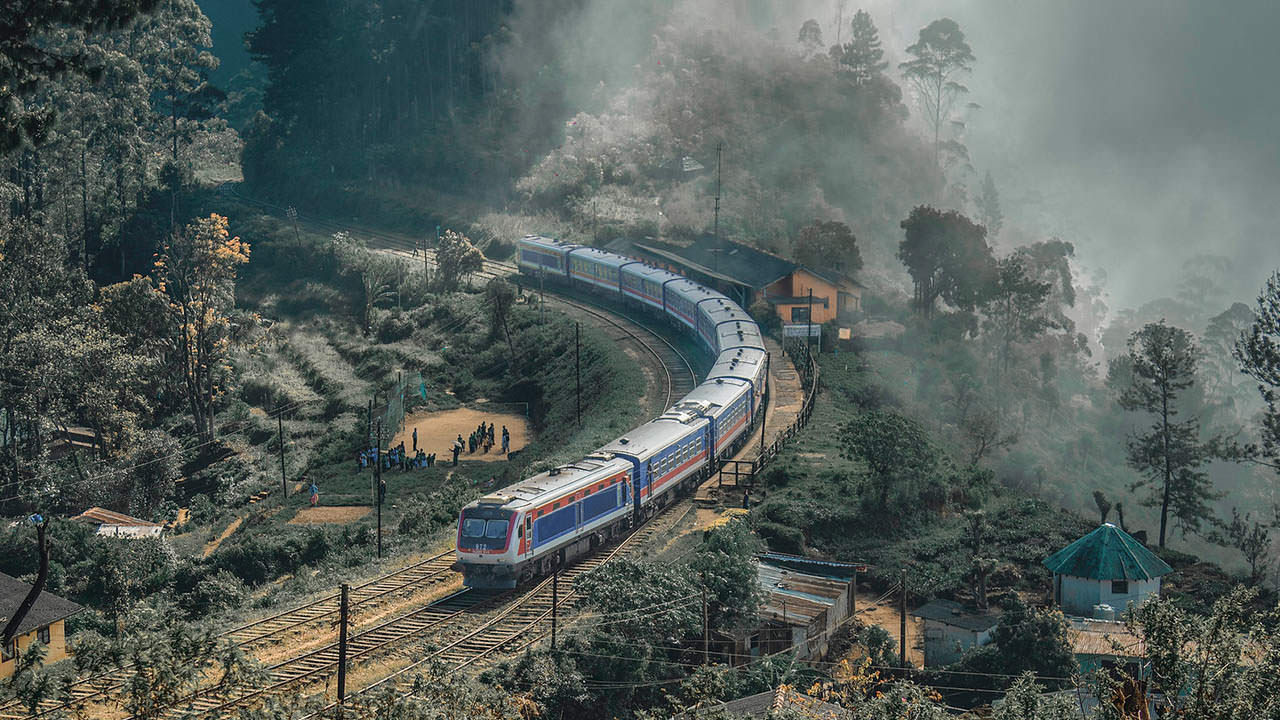
Najlepszym czasem na odwiedzenie Welimady są bardziej suche miesiące od stycznia do kwietnia, kiedy pogoda jest bardziej sprzyjająca podróżom i aktywnościom na świeżym powietrzu. Łatwo dostępna z Badulli i pobliskich miejscowości wyżynnych, Welimada stanowi odświeżający i malowniczy przystanek dla podróżnych odkrywających centralny region Sri Lanki.


Special places in Badulla
-
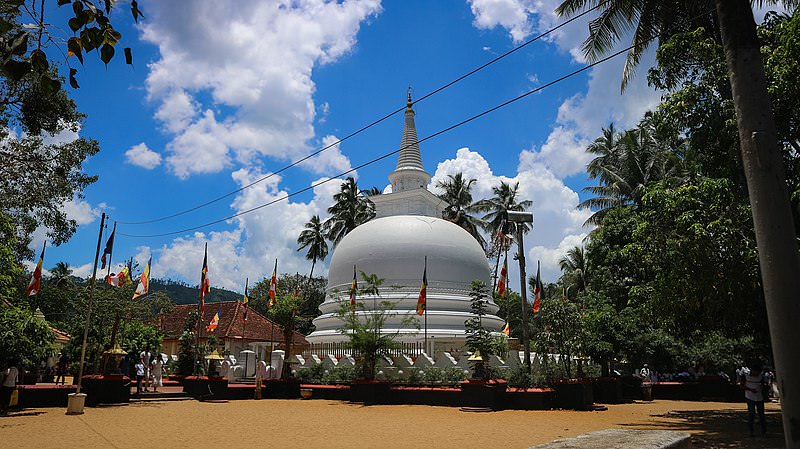 Muthiyangana Raja Maha Vihara
Muthiyanganaya Raja Maha Viharaya lies in the centre of the city of Badulla. The History of this temple goes back to the time of Buddha but this area around Badulla goes way back in to the time of 19th -18th century BCE.
-
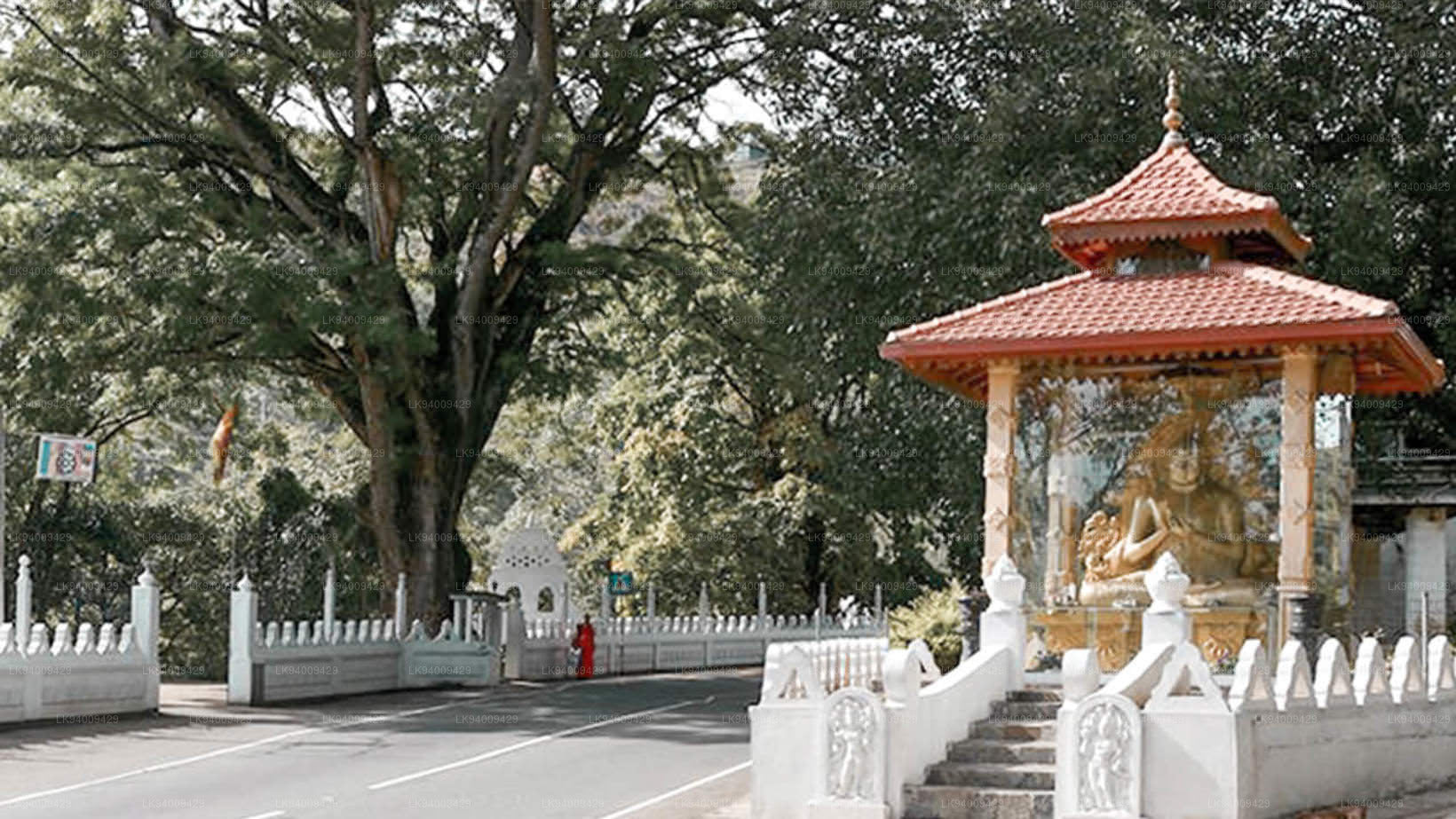 Dowa Raja Maha Viharaya
 (Dowa Cape Temple) lies few kilometres away from the Bandarawela town on the Bandarawela – Badulla Road. This temple is thought to be done by King Walagamba in the in first century BC.
-
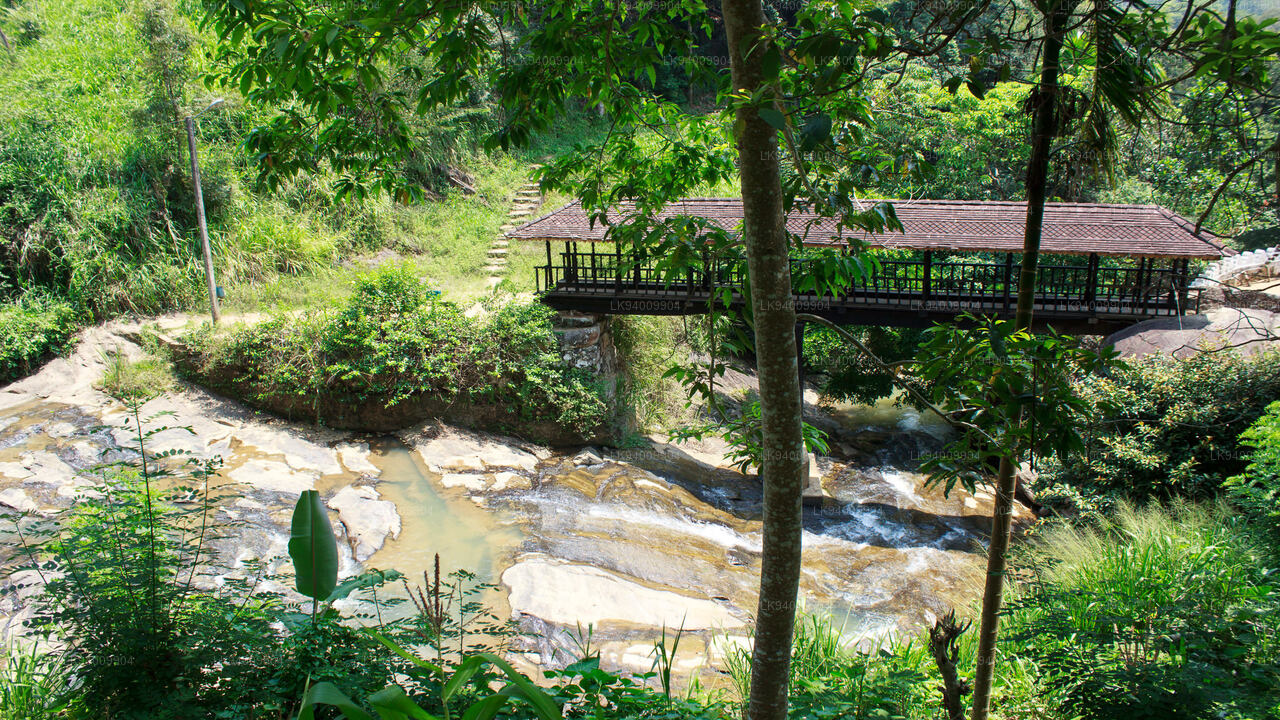 Bogoda Wooden Bridge
The Bogoda Wooden Bridge was built in the 16th century during the Dambadeniya era. This is said to be the oldest surviving wooden bridge in Sri Lanka. The bridge is situated at 7 kilometres (4.3 mi) west of Badulla.
-
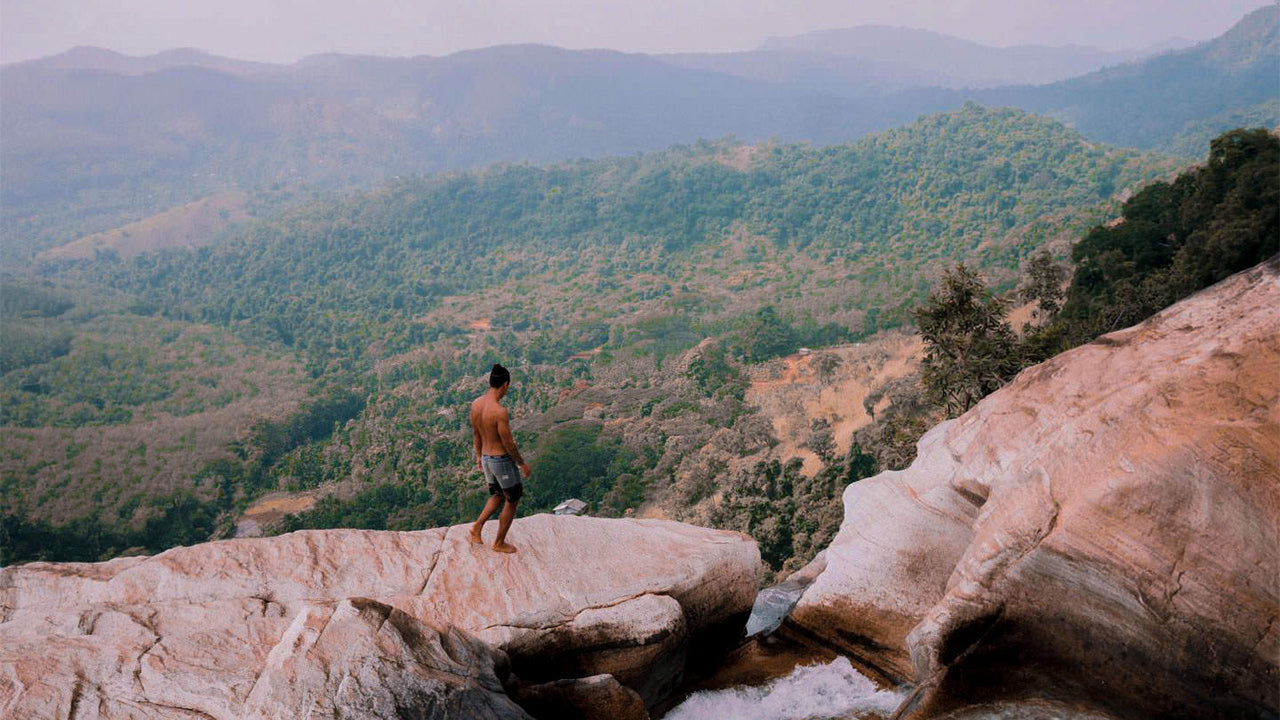
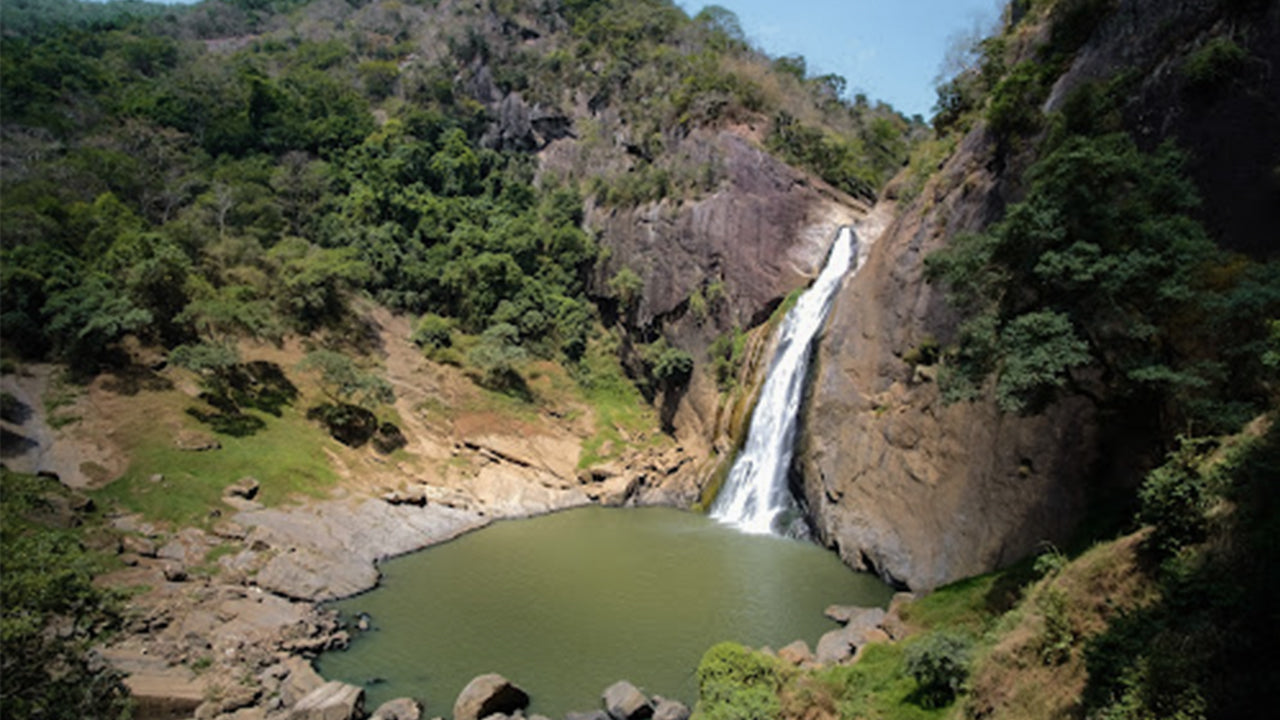 Dunhinda Falls
 is situated about 5 km away from Badulla town. It is 63 meters high and is considered to be one of the most beautiful waterfalls in Sri Lanka. The falls gets its name dew to the smoky dew drops spray.