Thanamalwila is a small but steadily growing town in the Moneragala District of Uva Province, sitting at a geographic crossroads that makes it a practical stop for travellers moving between the dry zone wildlife parks and the hill country. While the town itself is largely a service centre — with banks, schools, a divisional hospital, and essential shops serving the surrounding rural communities — its real value to visitors lies in its position as a gateway to some of southern Sri Lanka's most rewarding natural and cultural destinations.
Where is Thanamalwila and how do I get there?
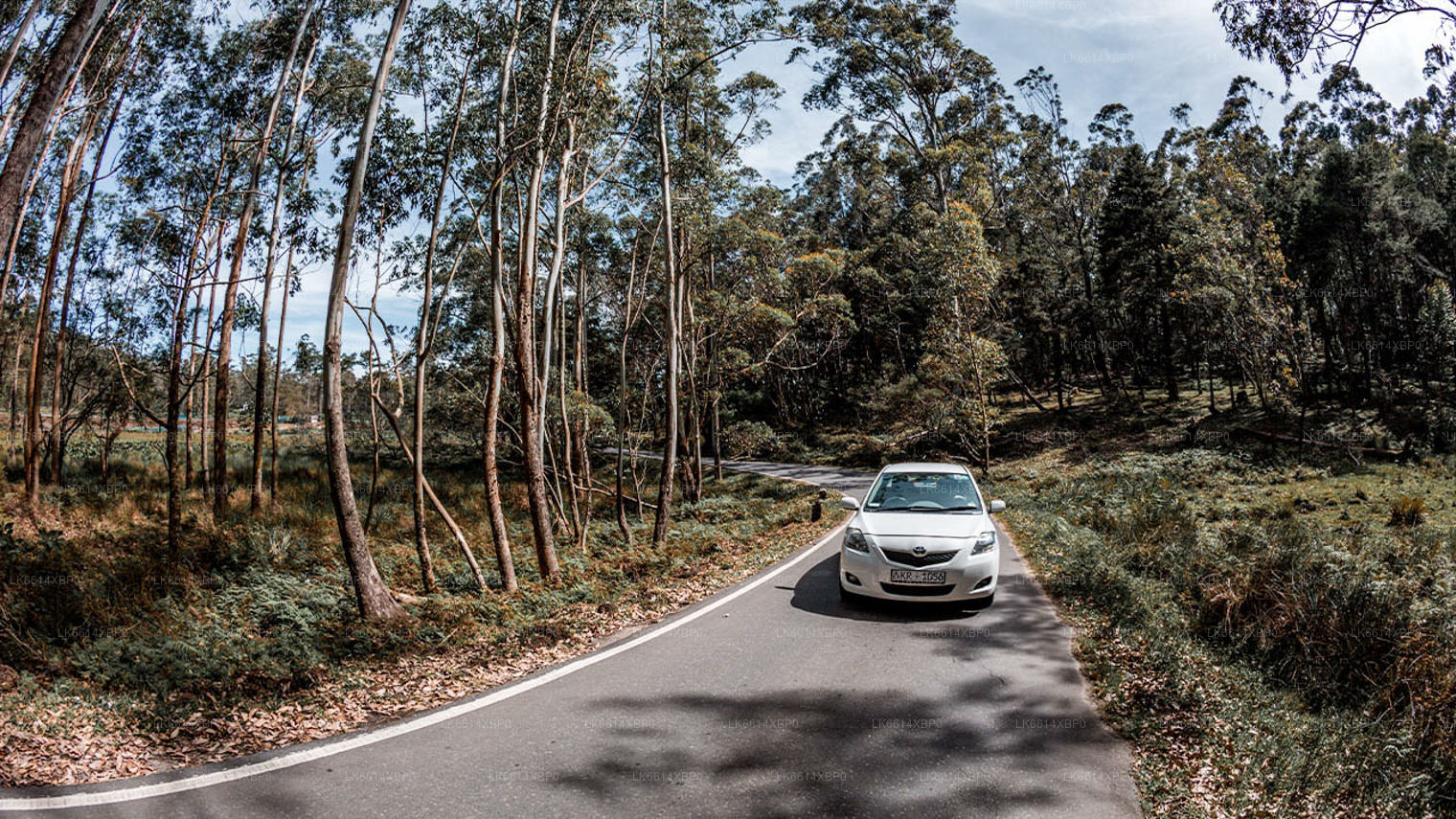
Thanamalwila lies in the southern reaches of Moneragala District, roughly between Wellawaya to the north and Tissamaharama to the south. The town sits along the A2 highway corridor, making it accessible by bus or private vehicle from Colombo, typically in around four to five hours depending on traffic and the route taken. A private driver is the most comfortable way to pass through, particularly if you are combining a visit to the nearby national parks with hill-country stops.
Public buses connect Thanamalwila to Monaragala town and to Tissamaharama, giving budget travellers a workable, if slow, option. There is no railway station in the town itself.
What is there to see and do near Thanamalwila?
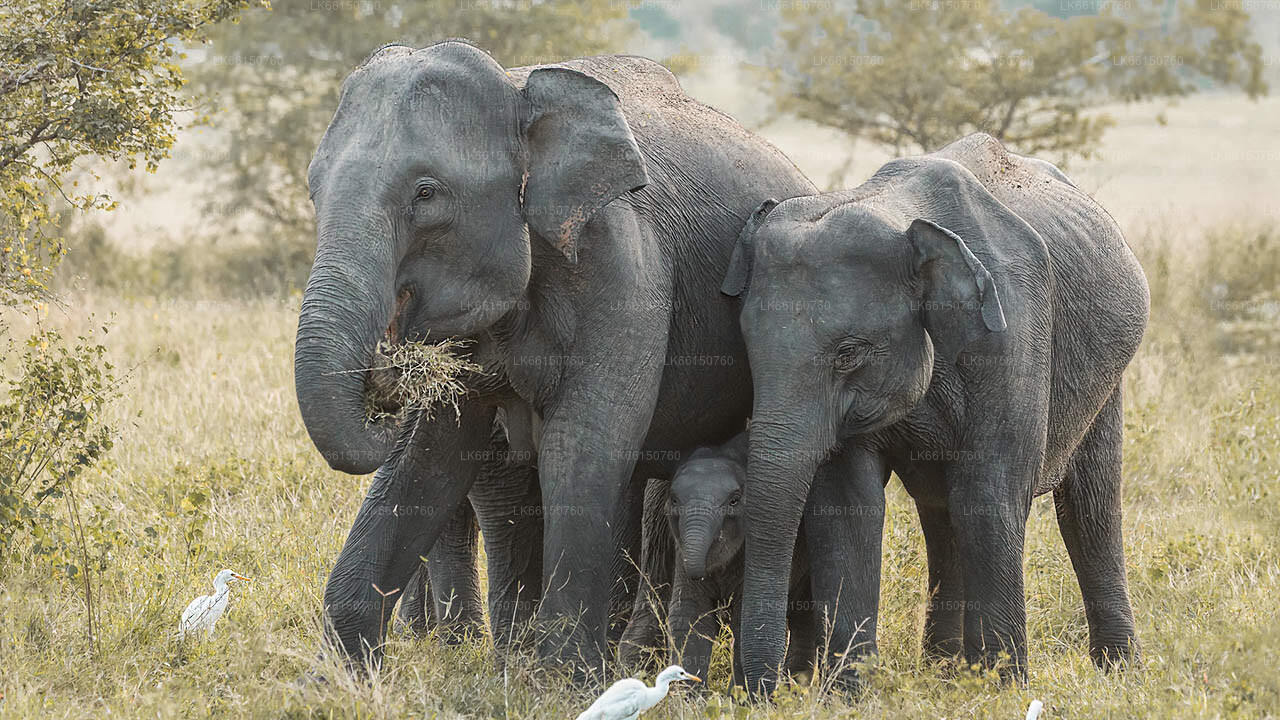
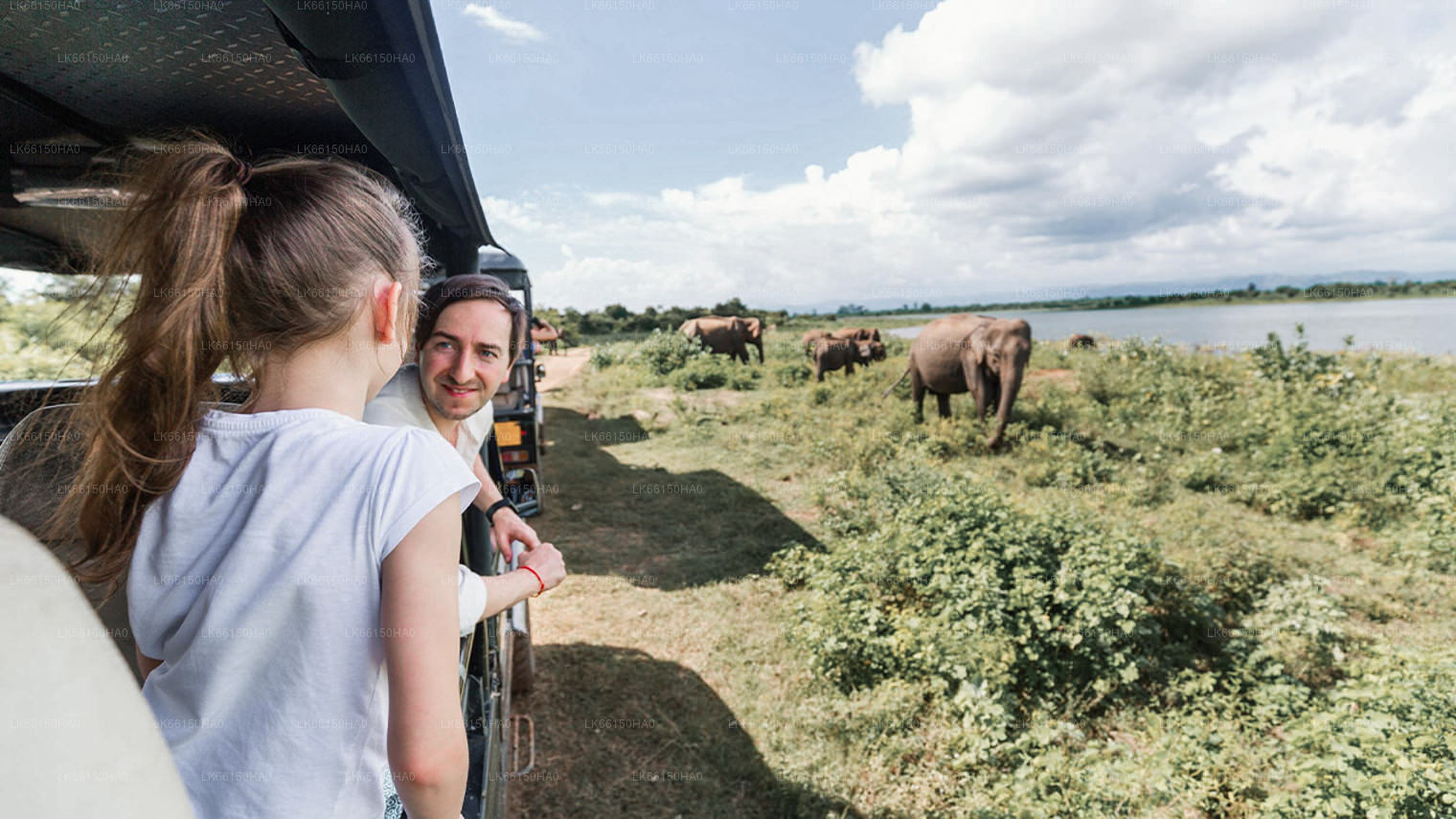
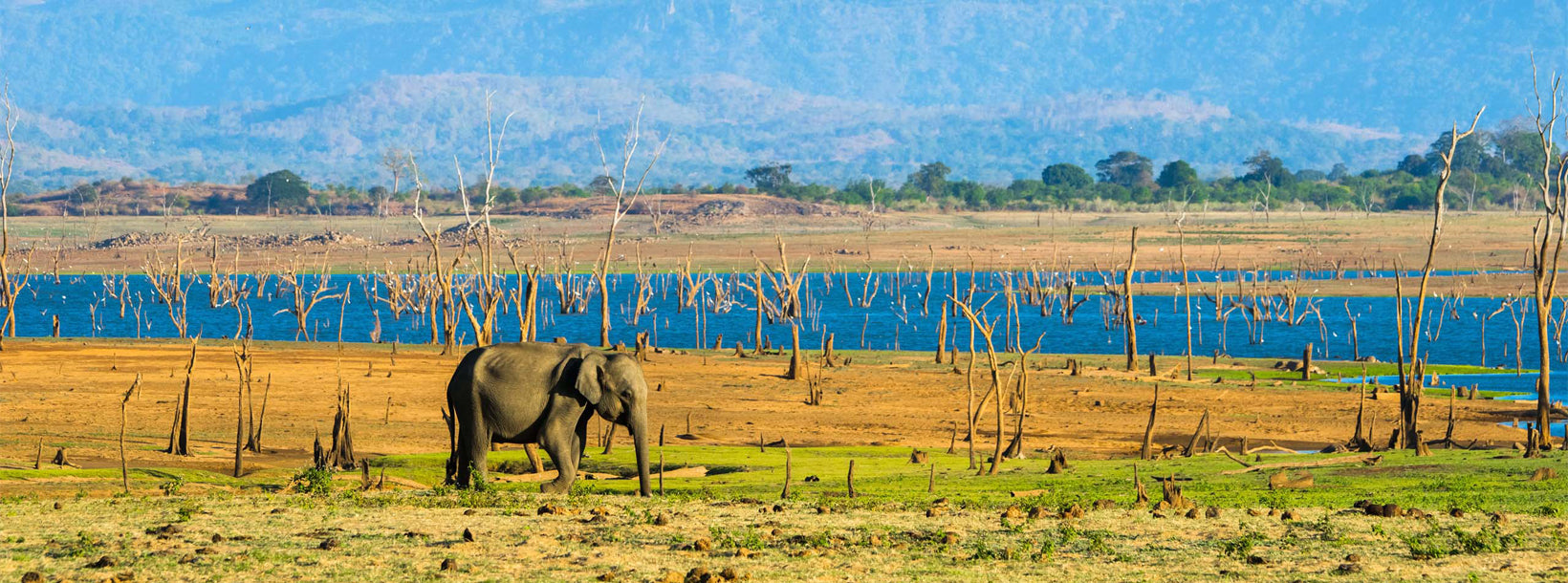
The town's greatest draw is its proximity to protected natural areas. Udawalawe National Park lies within easy driving distance to the west, offering some of Sri Lanka's most reliable elephant sightings alongside buffalo, leopard, and a rich variety of waterbirds around the Udawalawe Reservoir. The park is widely considered one of the best places in Asia to observe wild elephants in open terrain, and a morning or afternoon jeep safari here is one of the highlights of any Uva Province itinerary.
Also close by is the Elephant Transit Home at Udawalawe, a government-run rehabilitation centre that cares for orphaned elephant calves before releasing them into the wild. Watching the feeding sessions is a memorable experience and a responsible alternative to elephant captivity tourism.
For those interested in the broader Moneragala District, the landscape is defined by ancient tanks, dry-zone forest, and river systems including the Menik Ganga and Kumbukkan Oya. Birdwatching and nature walks in the scrub forest around Thanamalwila reward patient visitors, particularly in the early morning.
What services does Thanamalwila town offer travellers?
As a district-level service hub, Thanamalwila has the essentials a traveller needs to resupply or rest. You will find branches of major banks including the Bank of Ceylon, ATMs, a post office, a divisional hospital, and a police station. Grocery stores and small restaurants along the main road serve straightforward Sri Lankan rice-and-curry meals. The town is not a destination for luxury accommodation, but simple guesthouses are available, and it functions well as an overnight base for early-morning park safaris nearby.
What is Moneragala District known for?
Moneragala District is one of Sri Lanka's least densely populated districts, and that remoteness is part of its appeal. The district is home to significant stretches of Yala National Park — which spills across the border from the Southern Province — as well as Gal Oya National Park, accessible from the eastern side of the district. The Menik Ganga, Gal Oya, and Kumbukkan Oya rivers thread through dry-zone forest and support rich ecosystems. Traditional village life, ancient irrigation tanks, and a slower pace of travel characterise the region.
The district is also one of the areas where you can still encounter traditional practices tied to the land — including paddy cultivation in seasonally flooded fields and the harvesting of forest products like kithul palm treacle. The kitul tapping tradition, in which toddy tappers climb tall palms to collect sweet sap, is a craft that has been practised in this region for generations.
What should I know about Uva Province before visiting?
Uva Province is one of Sri Lanka's nine provinces and is divided into two districts: Badulla and Moneragala. Thanamalwila falls within Moneragala. The province is bordered by the Eastern, Southern, and Central provinces, giving it a transitional climate — wetter in the highlands to the north and drier in the lowland plains where Thanamalwila sits.
Uva Province's highlands contain some of Sri Lanka's most celebrated scenery. Ella and the surrounding tea country sit to the north, while Horton Plains National Park occupies the high plateau near Ohiya. Visitors who base themselves in Thanamalwila can feasibly explore both the lowland wildlife parks and the hill-country attractions within a single multi-day itinerary, making the town a useful pivot point in a southern and Uva Province circuit.
The major waterways of Uva Province — including the Mahaweli and Menik rivers and the Senanayake Samudraya Reservoir — support both agriculture and biodiversity across the province. These water systems are a defining feature of the landscape and are worth seeking out for birdwatching and quiet natural scenery.
When is the best time to visit the Thanamalwila area?
The Moneragala lowlands experience a dry zone climate, with the most reliable dry weather running from roughly May to September. This period coincides with the best game-viewing conditions in nearby national parks, as animals tend to concentrate around remaining water sources. The northeastern monsoon brings rain to the region between approximately October and January, which can make some unpaved tracks difficult.
The shoulder months of February and March can also be pleasant, with moderate temperatures and relatively few visitors. The heat in the lowlands can be intense between March and May, so early morning starts for wildlife activities are advisable year-round.
How does Thanamalwila fit into a wider Sri Lanka itinerary?
Most visitors encounter Thanamalwila as part of a southern or Uva Province loop rather than as a standalone destination. A logical circuit might run from Colombo south to the coast, then inland through Tissamaharama and Yala, up through Thanamalwila and Udawalawe, before climbing into the hills toward Ella and Nuwara Eliya. This route captures an impressive range of Sri Lankan landscapes — coast, dry-zone wildlife areas, and cool hill country — within a practical driving distance.
Travellers with a specific interest in rural Sri Lanka will find the Moneragala District rewarding precisely because it sees fewer visitors than the more established tourist circuits. The pace is unhurried, local hospitality is genuine, and the landscape has a quiet, unspoiled quality that is increasingly rare elsewhere in the country.