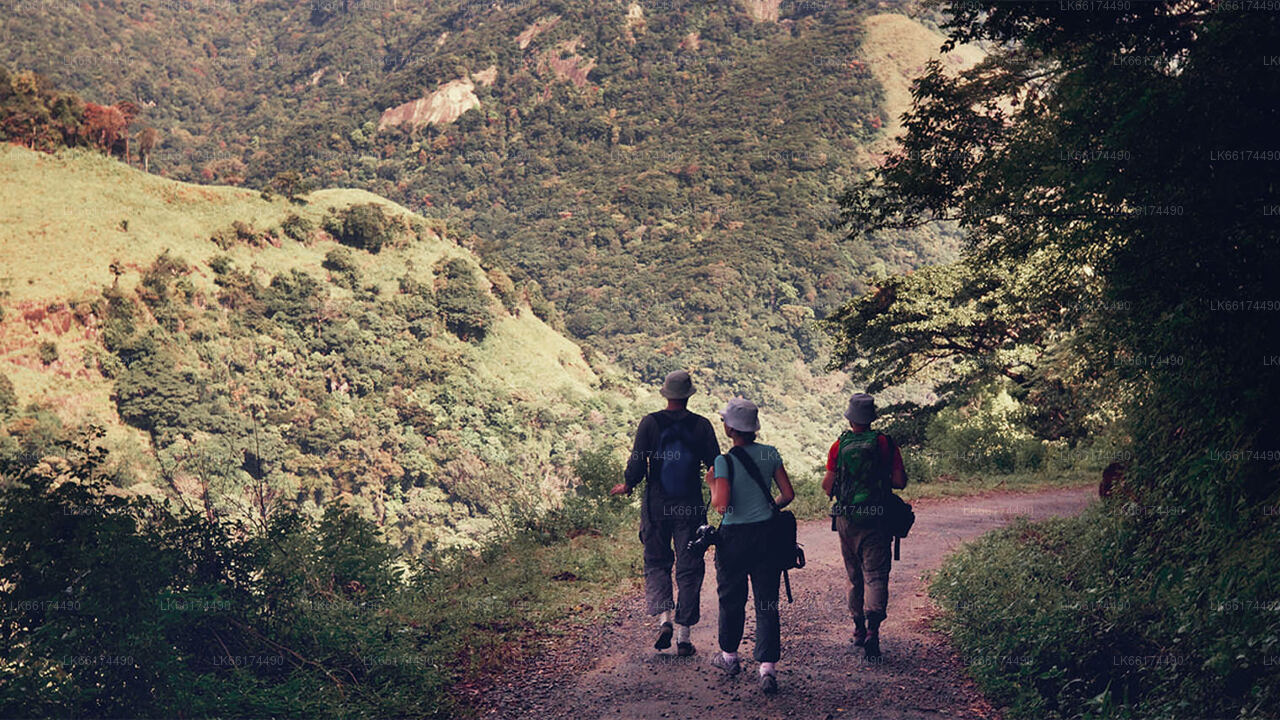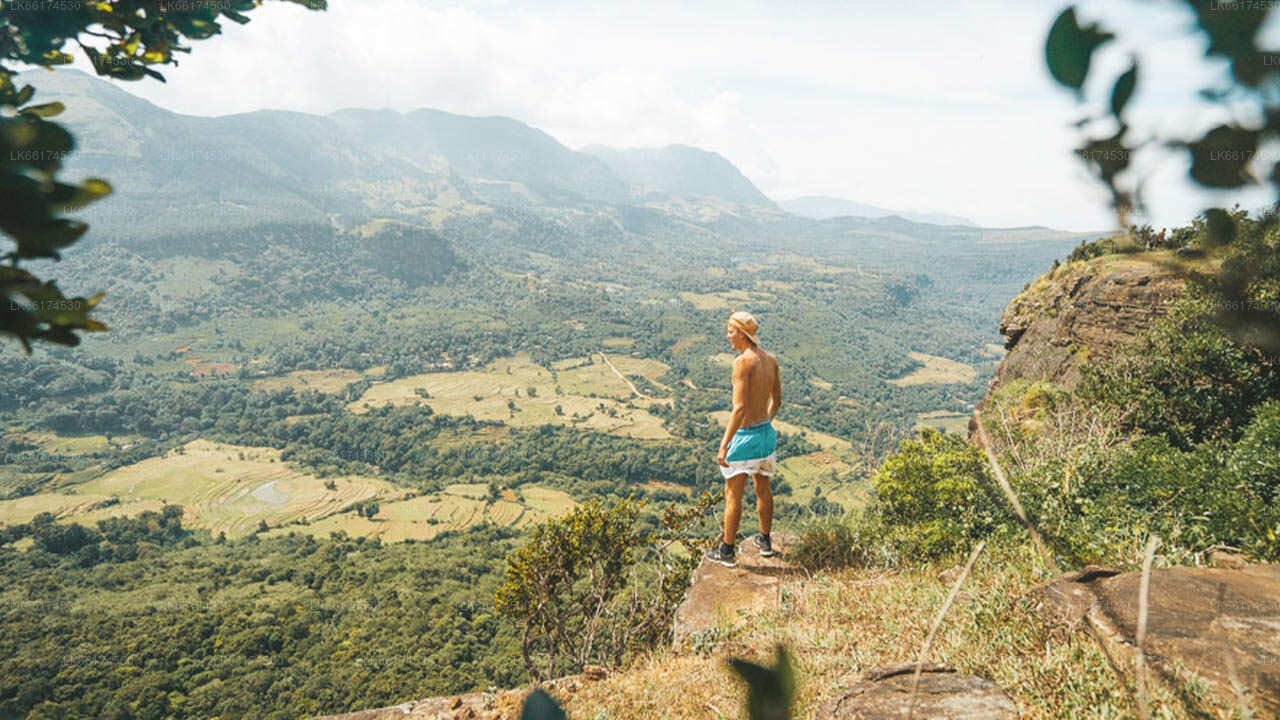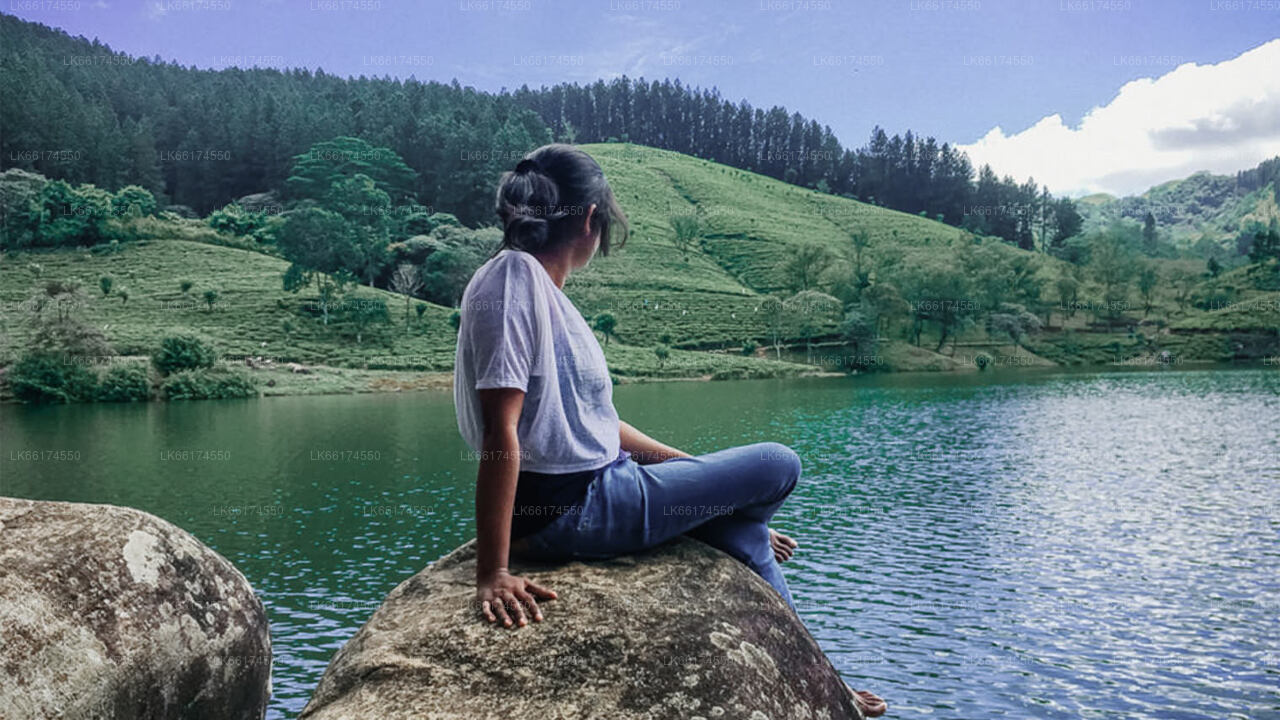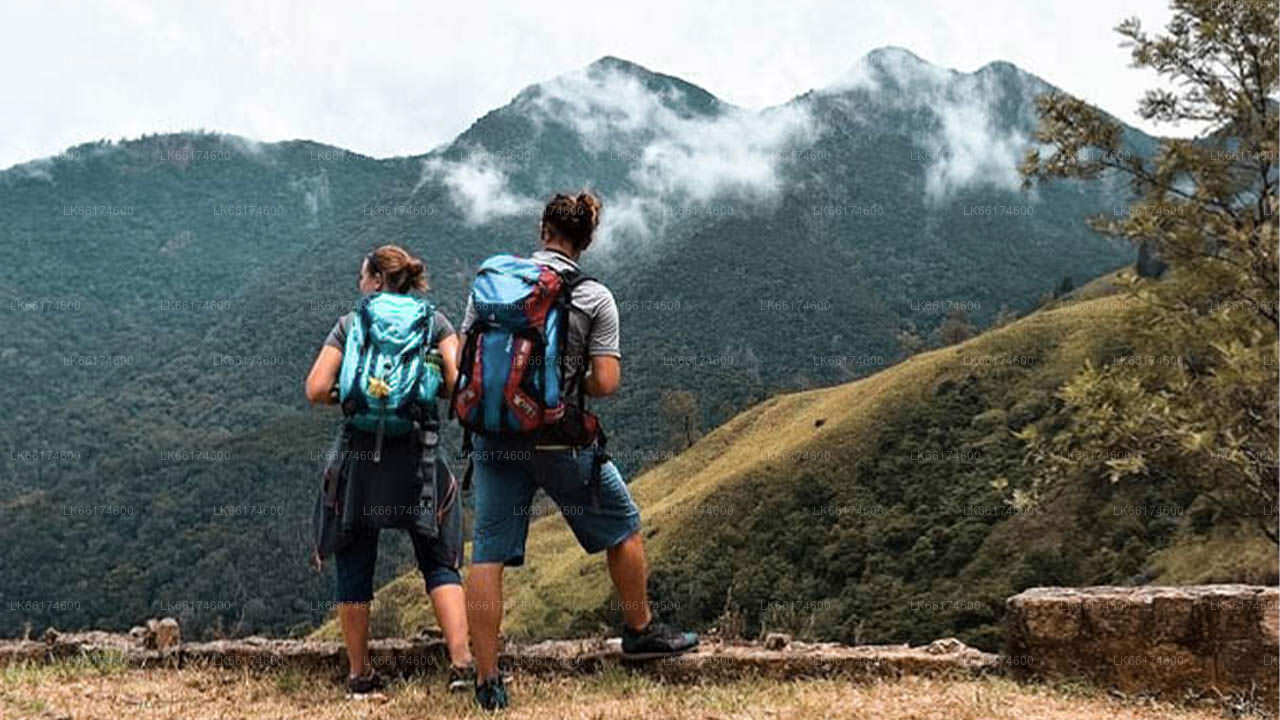
Sri Lanka rewards the careful photographer at every turn. Within a single island roughly the size of Ireland, you can move from ancient rock fortresses and candlelit temple corridors to elephant-filled grasslands, mist-wrapped hill-country, and fishing villages where life has changed little in generations. A well-planned photography tour threads these locations together with local knowledge, timing, and access that independent travel rarely matches.
What makes Sri Lanka such a compelling destination for photographers?
The island's compactness is its greatest asset. On a seven-day itinerary you can photograph leopards at dawn in the dry-zone scrub, then be standing among colonial-era tea estate bungalows by late afternoon. The diversity of light — the hard equatorial midday sun, the soft golden hours that bookend the tropics, the blue-grey diffusion that follows a monsoon shower — gives photographers an unusually broad palette to work with across a short trip.
Cultural texture adds another dimension. Religious processions, village markets, craftspeople at traditional looms, and the Esala Perahera Festival in Kandy all present human-interest material that few other Asian destinations concentrate so tightly. Equally, Sri Lanka's birdlife — over 430 recorded species, including 33 endemics — keeps wildlife photographers engaged even when the larger mammals are resting in shade.
Which locations are covered on a typical Sri Lanka photography tour?
Most itineraries follow a circuit that links the Cultural Triangle, the hill country, the south coast, and one or more national parks. The specific stops vary by length and season, but commonly include:
- Sigiriya and the Cultural Triangle — The lion rock at Sigiriya is most striking photographed in the hour after sunrise, before haze builds. Nearby, the ruined city of Polonnaruwa offers ancient stone carvings, dagobas, and the reflective surfaces of its tanks under clear morning light.
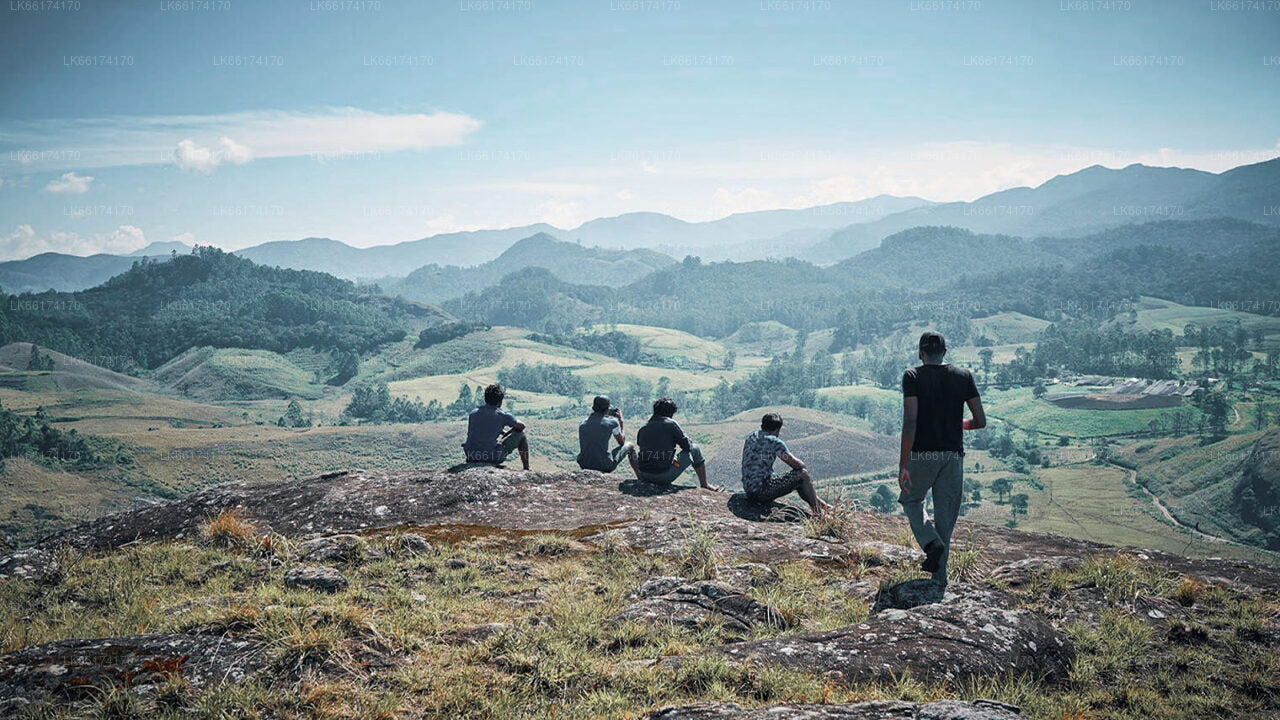
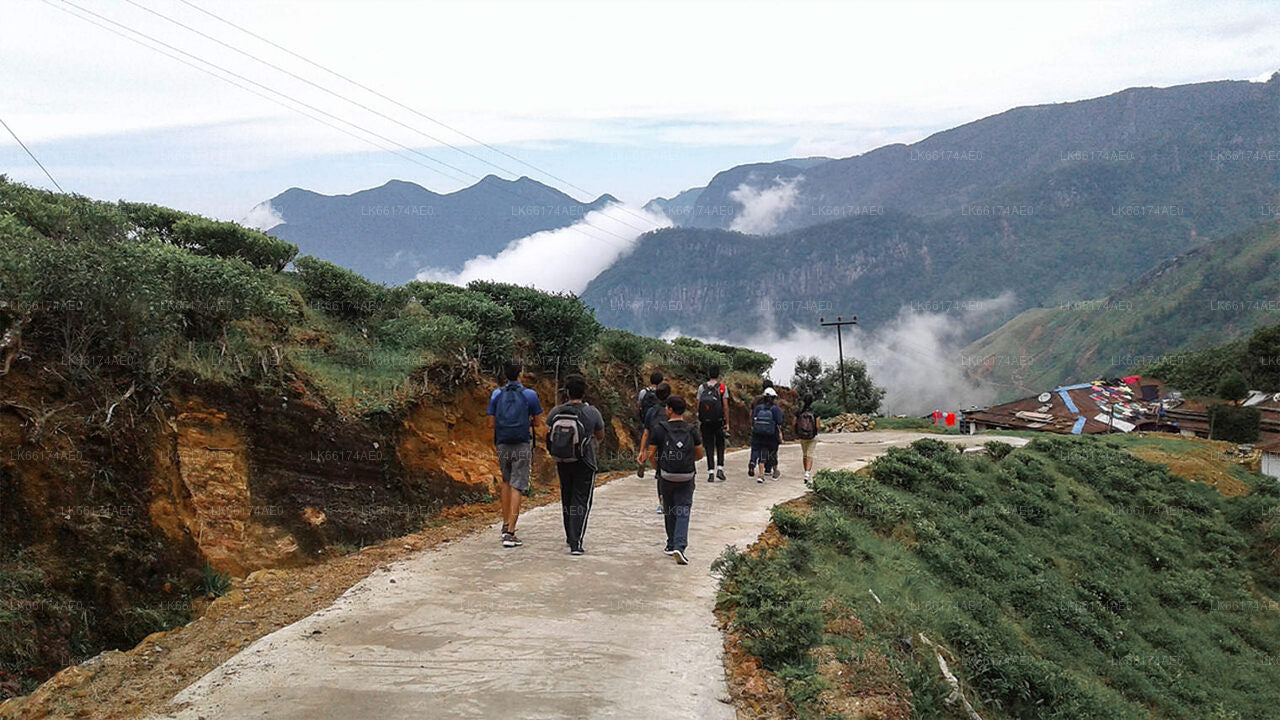
- Ella and the hill country — Ella is a natural base for landscapes: terraced tea estates, the Nine Arch Bridge framed by jungle, and viewpoints across a sea of rolling ridges. Early mornings often produce low cloud that adds atmosphere to long-exposure shots.
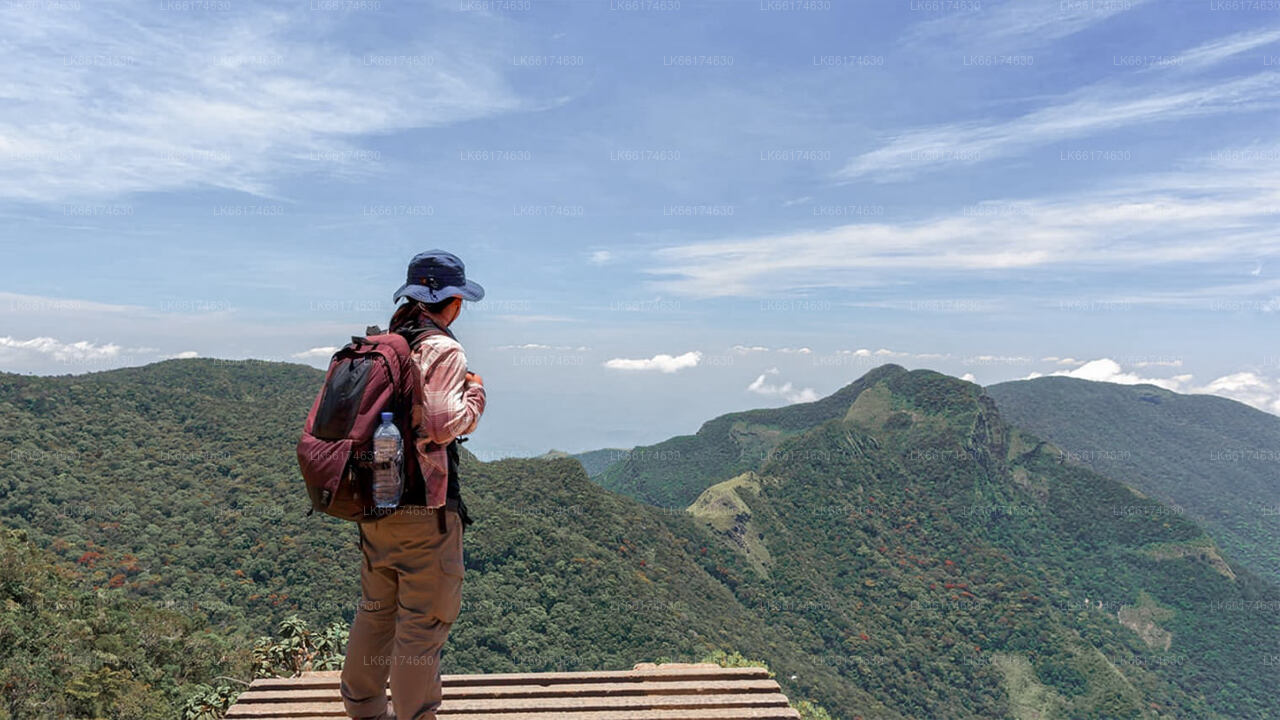
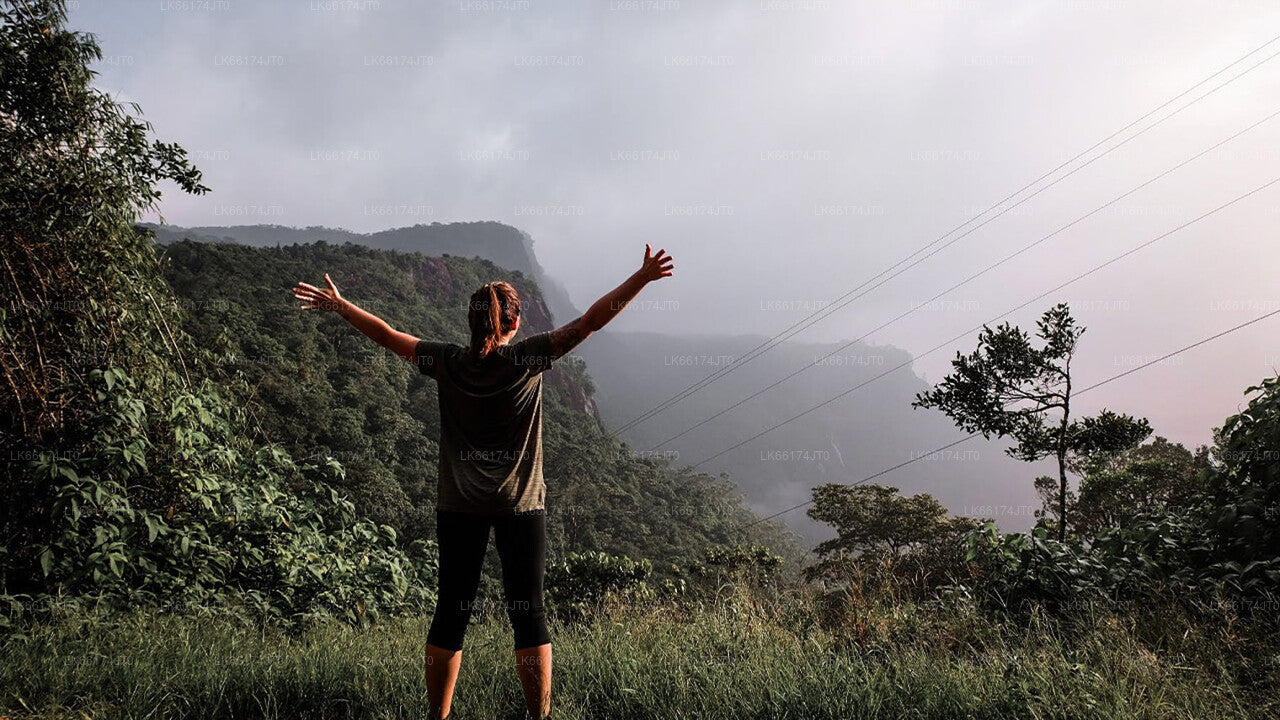
- Horton Plains — The plateau of Horton Plains National Park is one of the few places on the island where you photograph a truly open, high-altitude landscape. World's End, a sheer escarpment dropping around 870 metres, works best photographically before 10 am, before cloud rolls in from the south.
- Wildlife in Udawalawe — Udawalawe National Park has one of the most reliable elephant populations in Asia, making it a consistent choice for wildlife photographers who want subjects in open, well-lit terrain rather than dense forest.
- Sinharaja rainforest — The Sinharaja Forest Reserve, a UNESCO World Heritage Site, is the place for endemic-bird specialists and macro photographers drawn by its insects, amphibians, and epiphytic plants.
- South coast villages and wetlands — Stilt fishermen near Koggala, the mangrove channels of Madu Ganga, and coastal temples draped in festival decoration provide the human and coastal material that rounds out a comprehensive portfolio.
When is the best time to go on a photography tour in Sri Lanka?
Sri Lanka has two monsoon seasons that affect different regions at different times, so the answer depends partly on where you want to photograph. As a general rule:
| Season | Best regions to photograph | Notes |
|---|---|---|
| December – April | South, west coast, Cultural Triangle, hill country | Dry, clear skies; peak season for most circuits |
| May – September | East coast (Trincomalee, Arugam Bay), north | Southwest monsoon brings rain to the west; east stays dry |
| October – November | Limited — inter-monsoon; heavy rain widespread | Waterfalls and lush greenery can reward landscape work |
Wildlife photography at Udawalawe is productive year-round, but the dry months (roughly June–September in the south) concentrate animals around water sources, making sightings more predictable. Horton Plains is best visited between January and March when the plateau is clear before noon.
What wildlife can I photograph in Sri Lanka?
Sri Lanka's national parks offer a range of subjects that surprises many first-time visitors. Yala and Wilpattu are the two parks most associated with the Sri Lankan leopard, though sightings are never guaranteed. Udawalawe is the reliable choice for large herds of Asian elephants in open grassland. Wilpattu National Park, the island's largest protected area, rewards patient photographers with sloth bears and a variety of waterbirds around its natural lakes, known locally as villus.
For bird photography, Bundala, the Kumana wetlands on the east coast, and Sinharaja's endemic-bird mixed flocks are the standout locations. The Elephant Transit Home near Udawalawe provides a structured opportunity to photograph orphaned elephant calves at close range during their twice-daily feeding sessions.
How are photography tours typically structured?
Dedicated photography tours differ from standard sightseeing in several practical ways. Departures are timed around golden hours, not tourist-bus schedules. Groups are kept small — typically four to eight participants — so that everyone gets a clear sightline and the guide can give individual attention to composition and camera settings. Itineraries often include return visits to the same location to capture it in different light, and accommodation is chosen for proximity to shooting locations rather than town-centre convenience.
Local guides on specialist photography tours bring practical value beyond directions: knowing which angle avoids scaffolding on a heritage building, which morning the fish market is busiest, or where to position yourself along a parade route for clean backgrounds. A hot-air ballooning session over the Cultural Triangle is a popular add-on, offering aerial perspectives of the ancient landscape that are otherwise impossible to obtain.
Do I need professional camera equipment to join a photography tour?
Most operators welcome participants with any level of equipment, from mirrorless interchangeable-lens cameras to recent smartphone models. That said, wildlife photography in national parks is more rewarding with a telephoto lens of at least 300 mm equivalent focal length, because park regulations keep vehicles at a respectful distance from animals. A tripod or travel tripod is useful for dawn and dusk sessions, and a polarising filter helps cut glare on water and foliage in bright tropical light.
Some tours include a dedicated photography workshop component — covering topics such as exposure in high-contrast tropical light, subject tracking for moving wildlife, and post-processing considerations — which benefits photographers at all levels. If you are uncertain about the technical focus of a specific itinerary, it is worth confirming with the operator before booking.
What cultural photography opportunities does Sri Lanka offer?
Beyond landscapes and wildlife, Sri Lanka's everyday life is a rich subject. The hill country's working tea estates — such as the gardens around Bluefield — present the iconic image of pluckers moving through bright green rows of camellia. Traditional craft villages, Kandyan dance rehearsals, the lantern-lit courtyards of Buddhist temples, and the geometric patterns of Kumbura paddy fields all reward patient, respectful photography.
Permission and sensitivity matter. Local guides play an important role in facilitating introductions and ensuring that community members are comfortable being photographed — a dynamic that works far better on an organised tour than with an individual traveller arriving unannounced. Respect for religious customs at temples and mosques — removing footwear, covering shoulders, not pointing cameras at devotees mid-prayer — is expected and should be briefed by your guide before each visit.