Moratuwa sits on a narrow peninsula of land roughly 18 km south of central Colombo, hemmed in on three sides by water: the Indian Ocean to the west, Lake Bolgoda to the east, and the Moratu Oya to the south. That geography has shaped the city's character more than most Sri Lankan towns of comparable size — it is a place where working fishing boats share the coastline with calm lagoon resorts, and where one of the country's oldest furniture-making traditions has grown into a nationally recognised craft industry.
With a population of around 168,000 at the last census, Moratuwa is large enough to feel self-contained yet close enough to Colombo to serve as a practical base for exploring the western coast. The Southern Expressway and the Galle–Colombo coastal highway both pass through the area, making onward travel straightforward in either direction.
What is Moratuwa best known for?
The city has two strong identities that coexist without much friction. The first is its furniture and woodcraft industry — workshops and showrooms line several streets, producing everything from colonial-reproduction chairs to contemporary fitted kitchens. Many of the craftspeople trace their skills back generations, and a number of workshops welcome visitors who want to watch the process or commission custom pieces.
The second identity is more literary and civic. Moratuwa is the birthplace of three figures whose influence extended well beyond the town: Veera Puran Appu, a resistance leader who fought against British rule during the Matale Rebellion of 1848; the philanthropist Sir Charles Henry de Soysa, who donated extensively to educational and charitable causes across the island; and the composer and vocalist Pandit W. D. Amaradeva, widely regarded as one of the greatest figures in Sri Lankan music history.
How do you get to Moratuwa from Colombo?
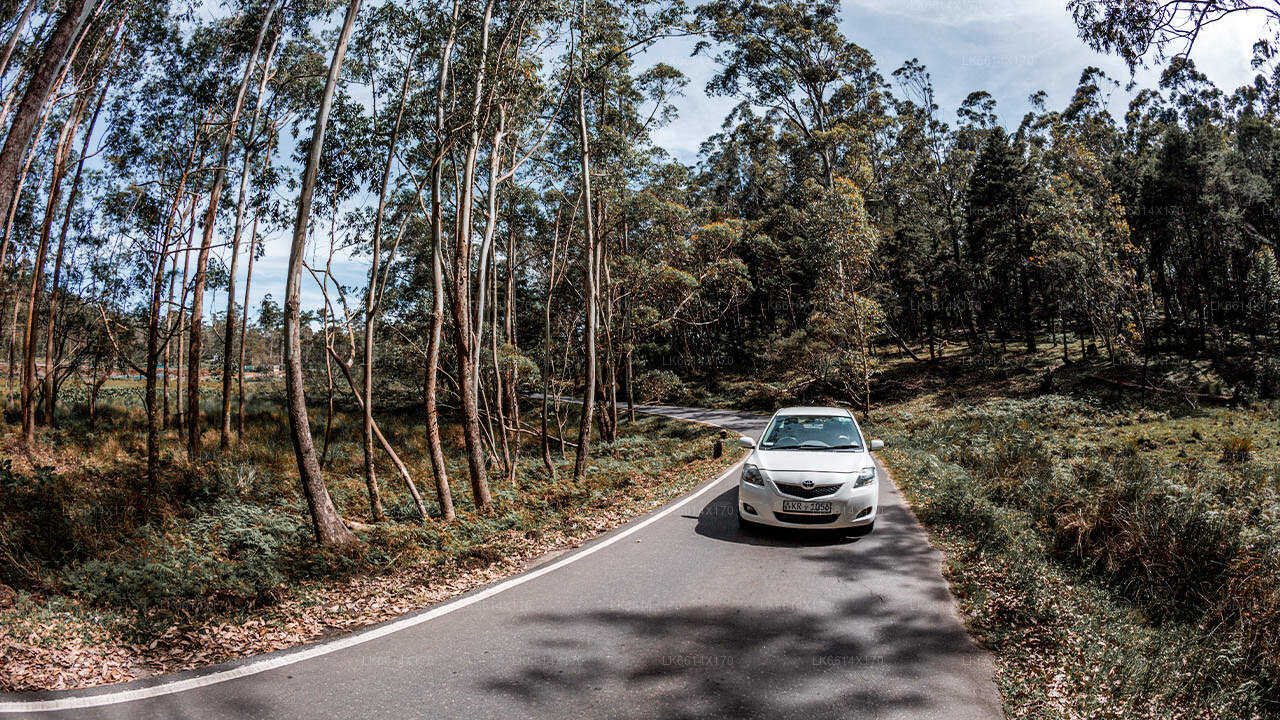
The most direct route is along the Galle Road (A2), which passes through Dehiwala and Mount Lavinia before reaching Moratuwa — typically around 40–60 minutes from central Colombo depending on traffic. Sri Lanka Railways operates commuter services on the Coastal Line, with stops at Angulana and Moratuwa stations; the journey from Colombo Fort takes roughly 30–40 minutes by train and offers sea views for much of the route.
From Bandaranaike International Airport in Katunayake, private transfer is the most convenient option, as no direct rail link connects the airport to Moratuwa without changing at Colombo Fort. A private driver can complete the airport-to-Moratuwa journey in around 60–90 minutes depending on traffic conditions on the highway.
What are the main areas and neighbourhoods of Moratuwa?
The city is divided into 24 distinct areas, each with its own microcharacter. Coastal neighbourhoods such as Angulana and Moratuwella sit directly on the Indian Ocean shoreline, while Katubedda and Rawathawatta are more residential and home to the University of Moratuwa campus. Lakeside areas near Bolgoda — including Lunawa and Koralawella — attract visitors interested in water-based leisure. The university quarter, in particular, gives the city a younger, more cosmopolitan energy than its size might suggest.
- Angulana – coastal fishing community and commuter rail stop
- Katubedda – home to the University of Moratuwa
- Lunawa & Koralawella – lagoon-side areas popular for boat trips and waterfront dining
- Egoda Uyana & Idama – inland residential areas with markets and local services
- Soysapura – named after the de Soysa family legacy
What is Lake Bolgoda and what can you do there?
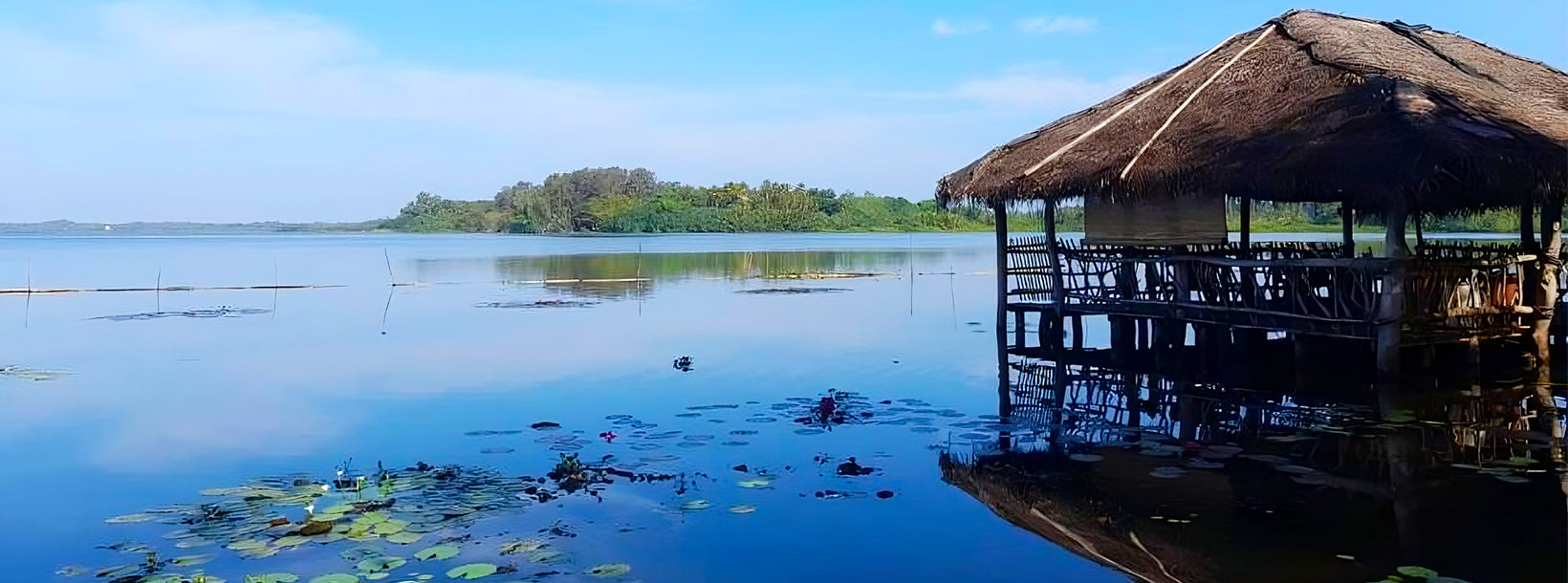
Lake Bolgoda is one of the largest natural freshwater lakes in Sri Lanka's Western Province, stretching along the eastern boundary of Moratuwa. The lake supports diverse birdlife and is flanked by mangrove patches and wetland vegetation. Several small hotels and resorts have established themselves along the lakefront, making it a quieter alternative to the busier coastal strip of Mount Lavinia.
Boat rides on the lake are a popular low-key activity, particularly in the early morning when water birds are most active. Fishing is common among locals, and some guesthouses organise guided excursions on the water. The lake's relative calm and the absence of heavy tourist infrastructure give it an authenticity that contrasts pleasantly with more marketed wildlife experiences elsewhere on the island — comparable in spirit, if not in scale, to the Madu River Safari further south on the coast.
What is the University of Moratuwa?
The University of Moratuwa is Sri Lanka's leading technical university, specialising in engineering, architecture, and information technology. Founded on the grounds of a former colonial-era institution, it has grown into a significant research and educational hub, regularly placing among the top universities in the country. The campus occupies a large, leafy site in Katubedda and is open to visitors during normal hours. Its presence means Moratuwa has a steady supply of well-educated residents and a tech-sector economy that complements the traditional furniture and fisheries industries.
Where does Moratuwa fit within the Colombo District?
Moratuwa falls within Colombo District, the most economically active administrative division in Sri Lanka. The district encompasses the commercial capital Colombo as well as a chain of coastal towns extending southward. This positioning gives Moratuwa convenient access not only to Colombo's services and infrastructure but also to the Southern Expressway, which puts Galle — including its celebrated city tour circuit — within roughly an hour's drive.
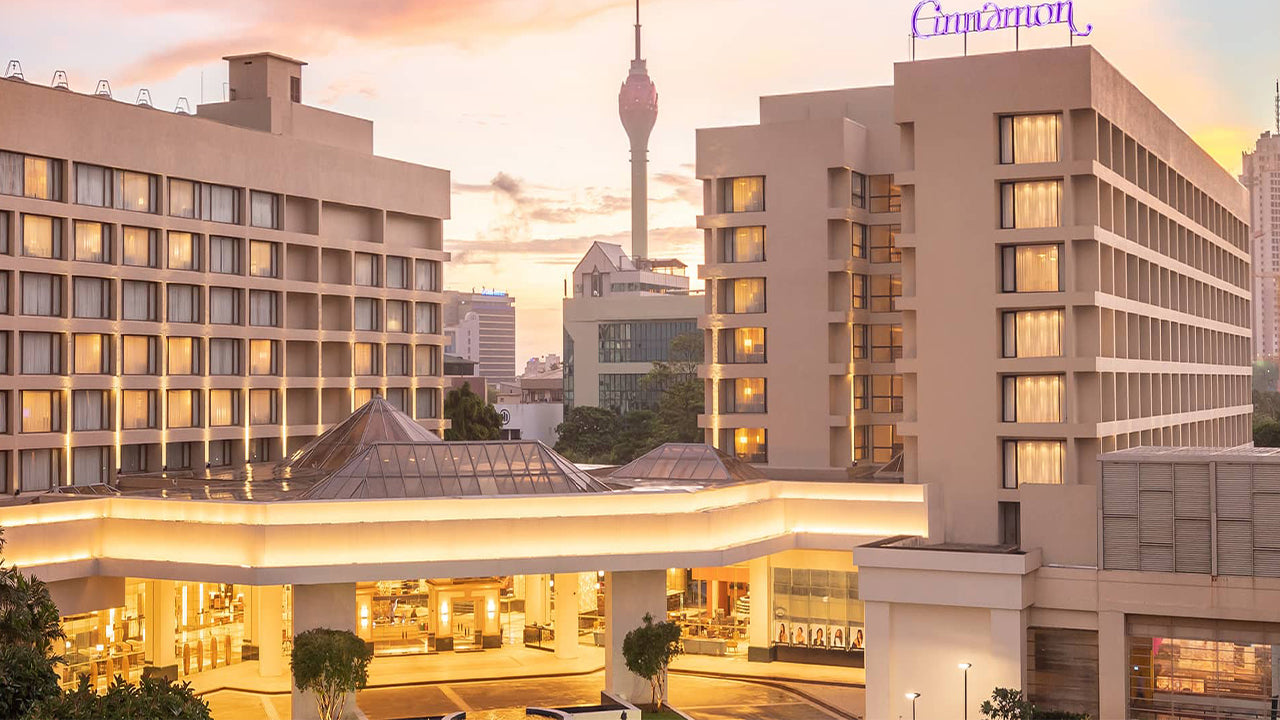
For travellers routing between the airport and the south of the island, Moratuwa works well as a first or last night stopover. Accommodation ranges from budget guesthouses near the train station to small boutique properties on the Bolgoda lakeshore.
What is the furniture industry in Moratuwa like?
Moratuwa's reputation as Sri Lanka's furniture capital is long-established. The craft is concentrated in several workshops and small factories around the Katubedda and Rawathawatta areas. Production spans solid timber furniture — historically using locally available species — through to cane-and-rattan work and more modern upholstered pieces. The industry exports to markets across Asia and the Middle East, though a significant portion of output serves the domestic Sri Lankan market.
Visitors with an interest in traditional craftsmanship can arrange workshop visits through local tour operators. The leather-goods trade is a related cottage industry in the area, offering another lens on Moratuwa's manufacturing heritage.
Is Moratuwa worth visiting as a day trip from Colombo?
A half-day or full-day trip from Colombo is entirely feasible and suits travellers interested in something beyond the standard heritage circuit. A practical itinerary might combine a morning walk through the furniture workshops, a boat trip on Lake Bolgoda, lunch at one of the lakeside restaurants, and a late-afternoon stroll along the Angulana seafront before catching the coastal train back to Colombo. The Colombo city tour pairs naturally with a Moratuwa extension for guests who have two or more days in the western coastal region.
The city is not a conventional sightseeing destination in the way that temple complexes or national parks are, but it rewards visitors who appreciate everyday Sri Lankan urban life, local craft industries, and waterside settings without tourist-grade polish.