Devinuwara


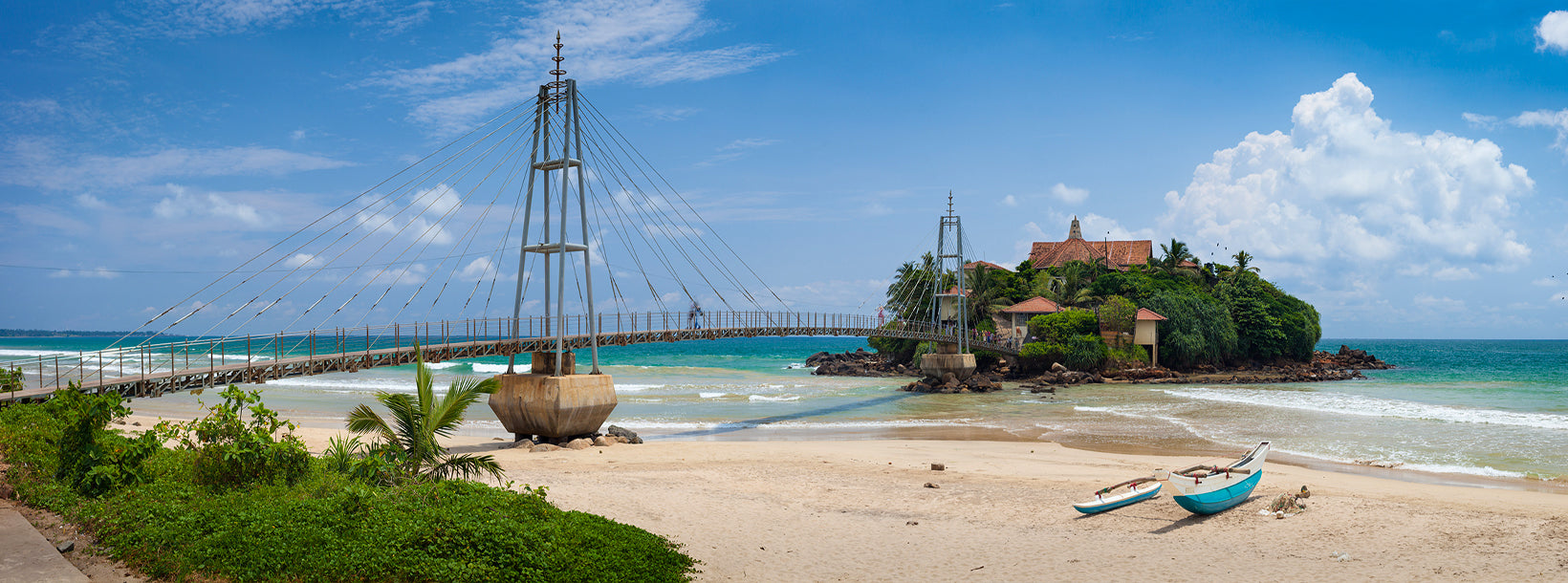
Devinuwara (Dondra) to miasto położone na najbardziej wysuniętym na południe krańcu Sri Lanki. Znajduje się nad Oceanem Indyjskim, w pobliżu Matary, w Prowincji Południowej Sri Lanki. W okolicy znajdują się latarnia morska Dondra Head, ruiny starożytnej vihary oraz kilka hinduistycznych świątyń w Tenavaram.
Historycznie znane jako portowe miasto świątynne Devinuwara lub Dondra (w XVIII–XX wieku), było do końca XVI wieku ważnym kompleksem świątynno-portowym. Jako miejsce wieloreligijne, jego głównym bóstwem był buddyjski bóg Upulvan, znany wśród hinduistów jako Tenavarai Nayanar (Pan Wisznu). W okresie swojej świetności było jednym z najbardziej znanych miejsc religijnych na wyspie, zawierającym tysiące posągów należących prawdopodobnie do różnych odłamów hinduizmu i buddyzmu. Jego początki sięgają czasów Dappuli I (659–660 n.e.), a miejsce to było utrzymywane głównie przez królów syngaleskich oraz gildie kupieckie z południowych Indii, które regularnie odwiedzały port w okresie jego rozkwitu jako ważnego celu pielgrzymkowego i znanego centrum handlowego, posiadającego szerokie kontakty z wybrzeżem Malabaru, Azją Południowo-Wschodnią, północno-zachodnią Afryką i Europą.
Świątynia Upulvan została zbudowana na sklepionych łukach jako trzykondygnacyjny budynek na cyplu z widokiem na potężny Ocean Indyjski. Była częścią większego kompleksu klasztoru buddyjskiego z wieloma sanktuariami. Dzięki patronatowi syngaleskich, chińskich i prawdopodobnie tamilskich dynastii królewskich oraz pielgrzymów różnych narodowości, świątynia Tenavaram stała się jednym z najważniejszych miejsc kultu. Po renowacjach przeprowadzonych przez Parakramabahu II w XIII wieku świątynia Upulvan (Wisznu) została odbudowana w klasycznym stylu drawidyjskim architektury Chera. Świątynia ta wraz z otaczającymi ją obiektami buddyjskimi obejmowała rozległy obszar z sanktuariami różnych zabytków buddyjskich, takich jak stupy, sanktuarium drzewa Bodhi, sanktuaria z leżącymi i stojącymi posągami Buddy oraz duży trzykondygnacyjny budynek dla mnichów.
Ponadto kapłani bramińscy świątyni Upulvan zostali osiedleni w agraharamie nadanym im w pobliskiej wiosce Kapugama. Posiadali również salę jałmużny na terenie świątyni Upulvan (Wisznu). Sanktuaria wielu bóstw hinduistycznych, w tym Pana Ganeśy, Pana Śiwy oraz bogini Paththini, znajdowały się na zachodnim i wschodnim wybrzeżu w pobliżu centralnej świątyni. Odkryte na nowo posągi i ruiny tych świątyń z okresu od VII do XV wieku n.e. odzwierciedlają szczytowe osiągnięcia sztuki Pallawów.