Demodara


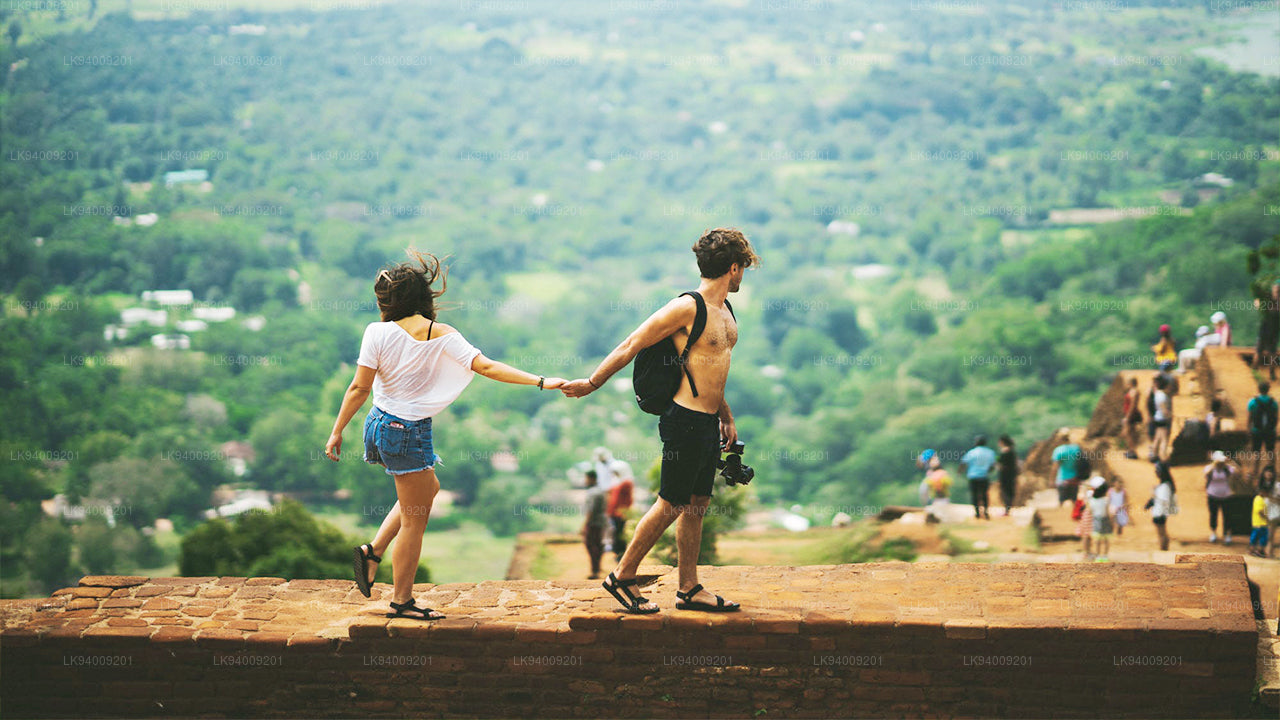
Demodara to małe, ale malownicze miasteczko położone w dystrykcie Badulla w prowincji Uva na Sri Lance. Znane z zapierających dech w piersiach krajobrazów i bogatej historii, Demodara jest ukrytym skarbem, który oferuje spokojną ucieczkę w naturę i tradycyjną lankijską kulturę.
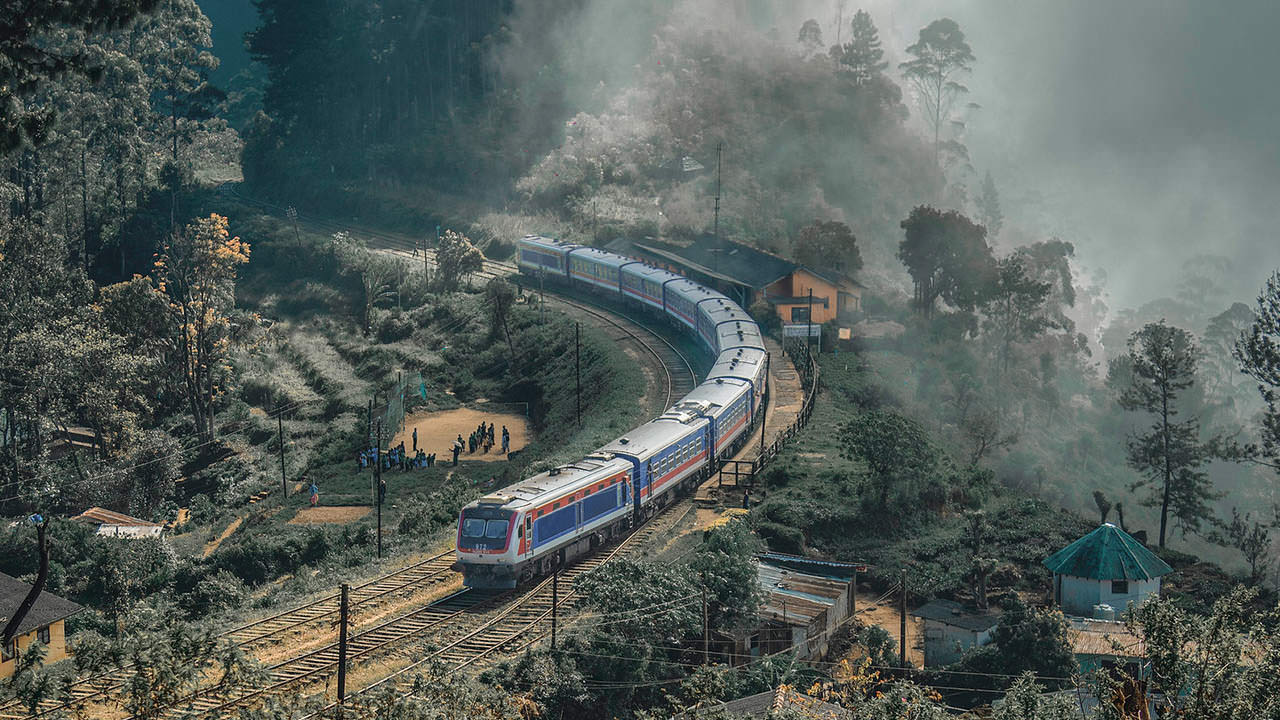
Jedną z najbardziej ikonicznych atrakcji Demodary jest Most Dziewięciu Łuków. Ten kolosalny most kolejowy, zbudowany w czasie okresu kolonialnego Wielkiej Brytanii, jest cudem inżynierii. Zbudowany w całości z cegieł, kamieni i cementu bez użycia stali, most ma około 300 stóp długości i 80 stóp wysokości. Oferuje spektakularny widok wśród bujnej roślinności i plantacji herbaty, które pokrywają wzgórza. Most jest nie tylko popularnym miejscem dla fotografów i turystów, ale także pełni rolę aktywnej trasy kolejowej, co sprawia, że obserwowanie przejeżdżających pociągów jest ekscytującym przeżyciem.
Obok Mostu Dziewięciu Łuków znajduje się Demodara Loop, kolejny cud inżynierii, w którym linia kolejowa oplata się wokół siebie, przechodząc przez tunel pod stacją Demodara. Ta pętla jest unikalna, ponieważ stacja znajduje się bezpośrednio nad tunelem – projekt wymagany przez strome nachylenia w tym rejonie oraz konieczność utrzymania wykonalnego spadku dla pociągów.
Miasto samo w sobie jest otoczone pagórkami i plantacjami herbaty, oferując możliwości wędrówek i odkrywania. Odwiedzający mogą cieszyć się spacerami po plantacjach herbaty, dowiedzieć się o produkcji herbaty i spróbować świeżej herbaty Ceylon prosto ze źródła. Chłodny klimat i spokojne otoczenie sprawiają, że Demodara jest idealnym miejscem do relaksu i odnowy.
Doświadczenia kulturowe w Demodara obejmują odwiedzanie lokalnych wiosek i interakcję z mieszkańcami, gdzie goście mogą zanurzyć się w codziennym życiu lokalnej społeczności i poznać ich tradycje oraz zwyczaje.
Ogólnie rzecz biorąc, Demodara to nie tylko miejsce o malowniczej urodzie i architektonicznym znaczeniu, ale także miejsce, które oferuje głębokie zanurzenie w naturalne i kulturowe dziedzictwo Sri Lanki. Niezależnie od tego, czy chodzi o spacerowanie po bujnej zieleni, podziwianie cudów inżynierii, czy cieszenie się ciepłą lankijską gościnnością, Demodara zapewnia kompleksowe i wzbogacające doświadczenie dla wszystkich odwiedzających.


Special places in Badulla
-
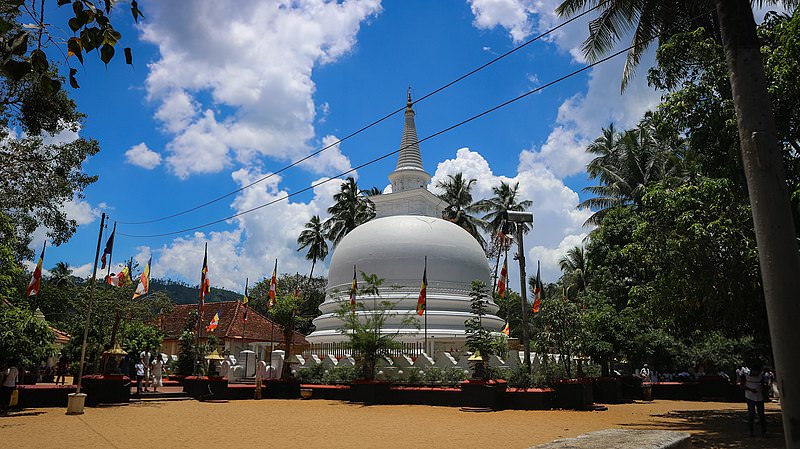 Muthiyangana Raja Maha Vihara
Muthiyanganaya Raja Maha Viharaya lies in the centre of the city of Badulla. The History of this temple goes back to the time of Buddha but this area around Badulla goes way back in to the time of 19th -18th century BCE.
-
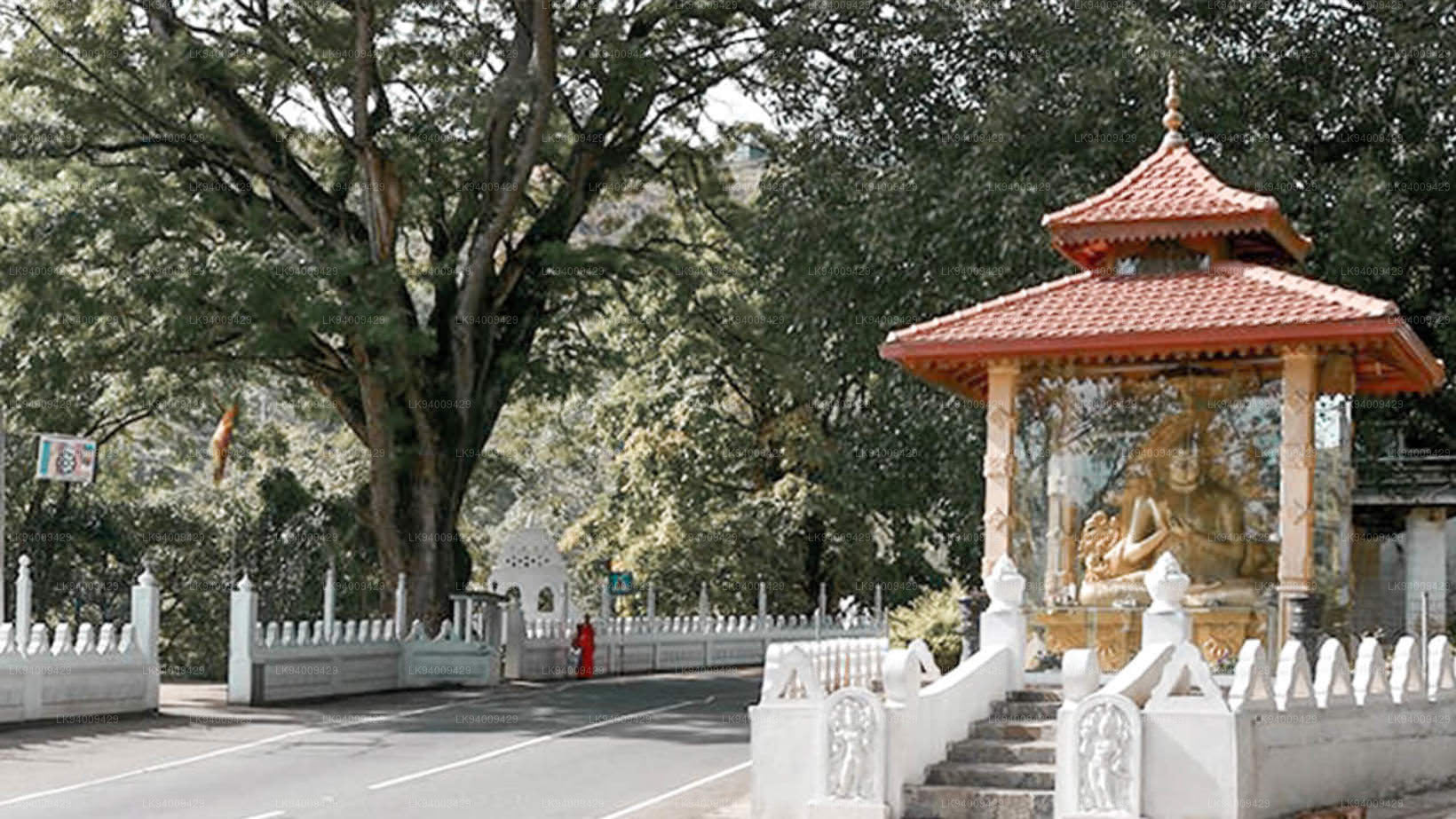 Dowa Raja Maha Viharaya
Dowa Raja Maha Viharaya (Dowa Cape Temple) lies few kilometres away from the Bandarawela town on the Bandarawela – Badulla Road. This temple is thought to be done by King Walagamba in the in first century BC.
-
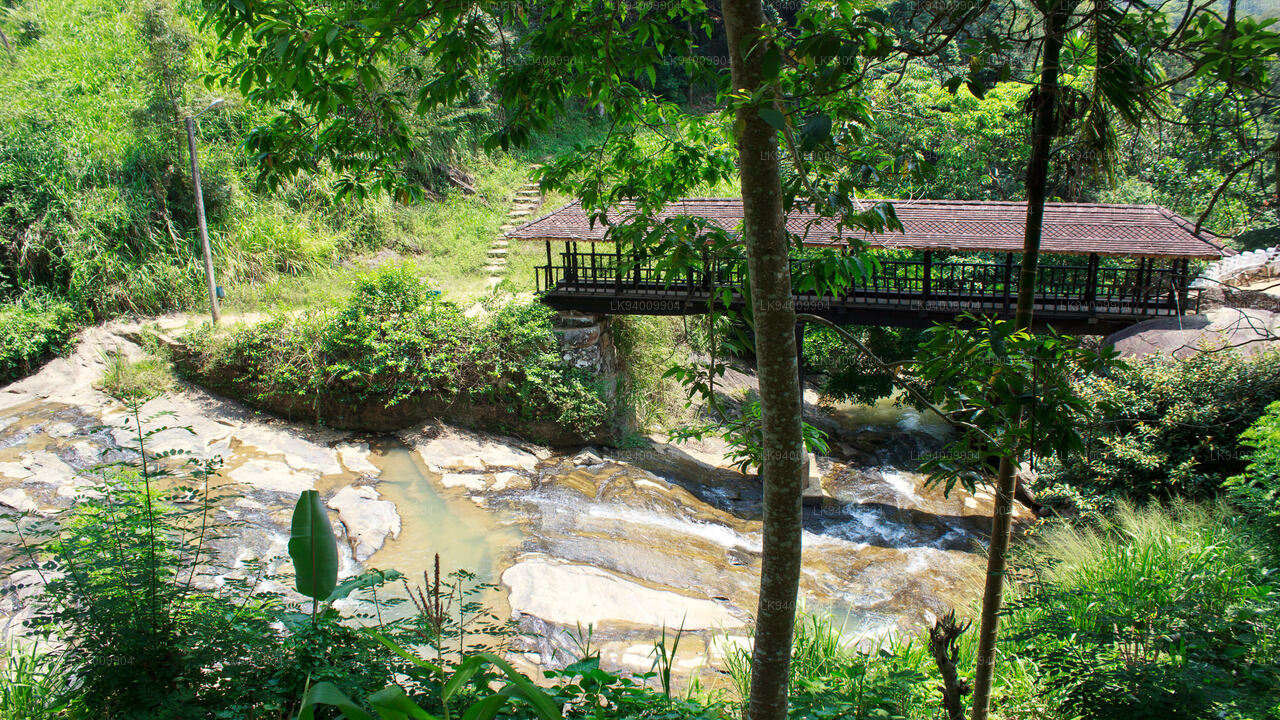 Bogoda Wooden Bridge
The Bogoda Wooden Bridge was built in the 16th century during the Dambadeniya era. This is said to be the oldest surviving wooden bridge in Sri Lanka. The bridge is situated at 7 kilometres (4.3 mi) west of Badulla.
-
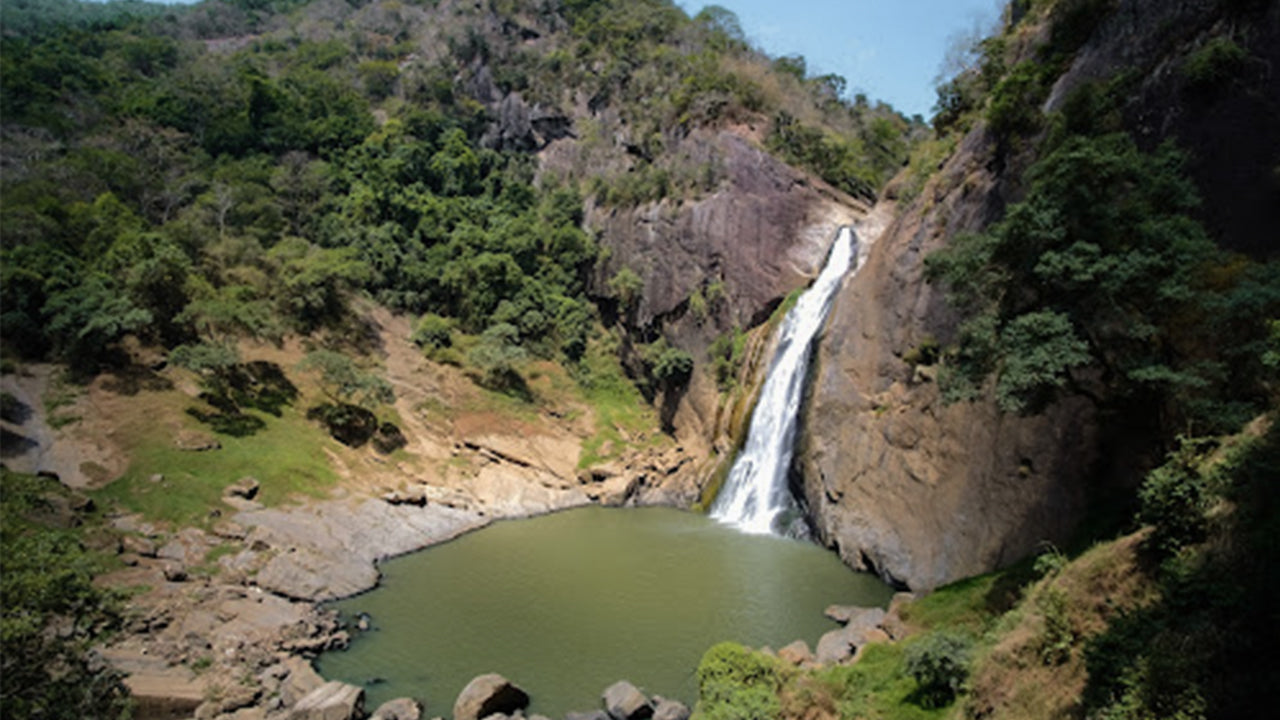 Dunhinda Falls
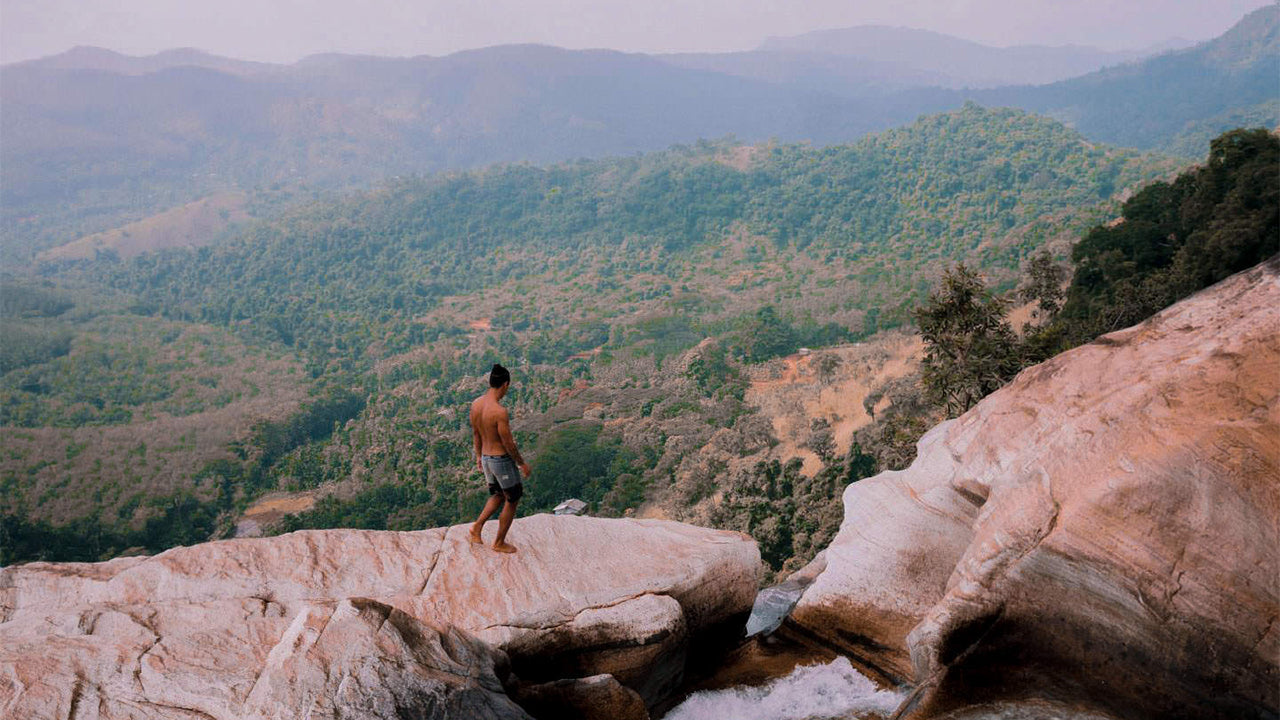
Dunhinda Falls is situated about 5 km away from Badulla town. It is 63 meters high and is considered to be one of the most beautiful waterfalls in Sri Lanka. The falls gets its name dew to the smoky dew drops spray.