Uva is unlike any other tea-growing district in Sri Lanka. Positioned in the island's south-central highlands, the region produces a black tea that connoisseurs around the world regard as one of the most distinctive — and most closely seasonal — teas in existence. The term "champagne tea" is used deliberately: just as a great champagne vintage depends on specific climatic conditions, Uva tea's finest character appears only during a narrow window each year.
What makes Uva tea different from other Ceylon teas?
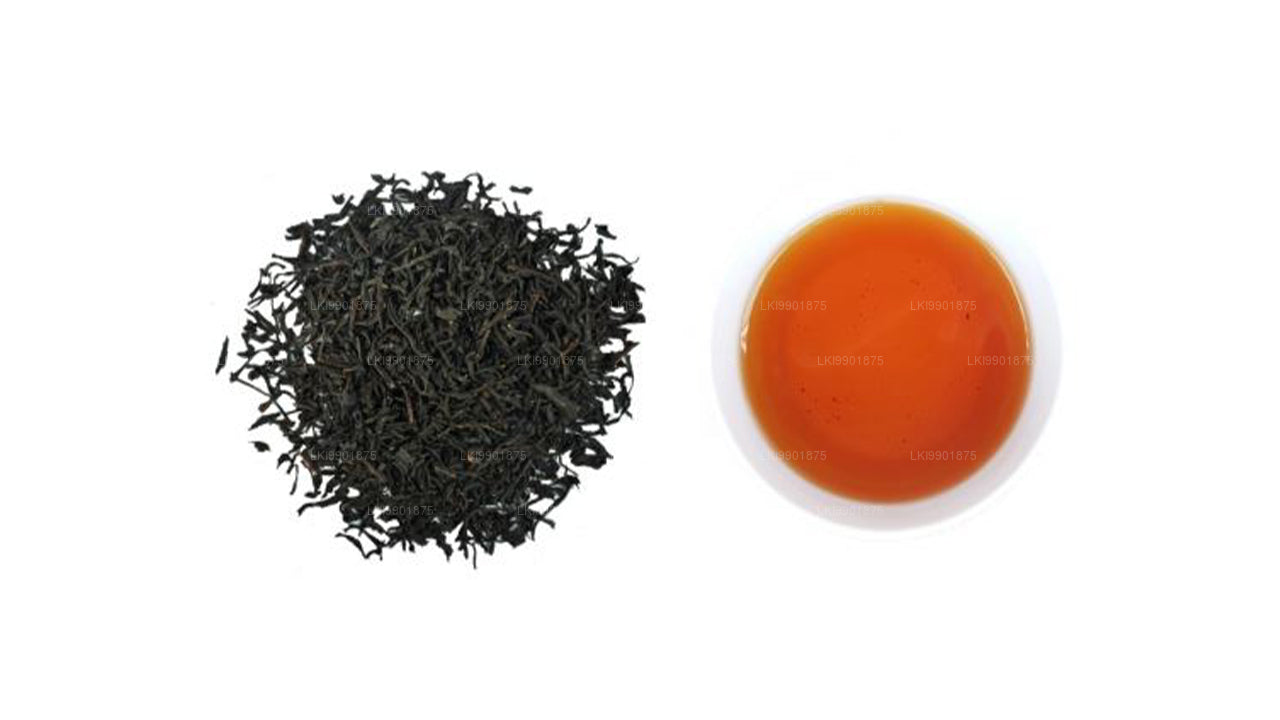
The defining factor is a dry, cool wind that sweeps into the Uva basin from the northeast. This wind — arriving typically between late July and mid-August — causes the tea bushes to respond to moisture stress. The leaf cells partially close up, concentrating the natural chemicals and essential oils within. The result is a tea with a notably brisk, clean astringency and a distinctive reddish-amber liquor that carries a subtle, almost menthol-like aroma found nowhere else on the island.
The withering process at Uva factories also tends to produce a leaf that is more thoroughly blackened than those from any other Sri Lankan district. This deep withering is part of what drives the bold, clear flavour that makes Uva teas so recognisable in the cup.
When is Uva tea quality season?
Quality season — locally called the "character season" — falls broadly between late July and mid-August in most years, driven by the northeast monsoon winds. Outside this window, the same bushes yield perfectly good tea, but the exceptional briskness and distinctive aroma that define a true quality-season Uva are absent. Variations in annual weather patterns can shift the season by several weeks in either direction, so estate managers and auction buyers watch the arrival of the wind closely each year before declaring teas as quality-season lots.
Teas harvested at the peak of quality season command premium prices at the Colombo Tea Auction and are sought by specialist importers in Germany, Japan, and across the Middle East, where the region's character is particularly prized.
What tea grades are produced in Uva?
Uva factories produce a wide range of both orthodox and CTC (crush, tear, curl) tea grades. The key orthodox grades you will encounter include:
- OP (Orange Pekoe) — long, wiry, whole-leaf grade; elegant in the cup with a bright, clean finish.
- BOP (Broken Orange Pekoe) — a medium broken-leaf grade offering a fuller, brisker infusion, well suited to brewing without milk.
- FBOP (Flowery Broken Orange Pekoe) — a broken grade with residual tip, producing a flavourful, fragrant cup.
- Pekoe — shorter, rounder whole leaves; a robust, full-bodied tea.
- BOPF (Broken Orange Pekoe Fannings) — fine-particle grade used predominantly in tea bags.
- CTC varieties — machine-processed pellet grades designed for quick infusion and strong colour.
Single-estate and single-region Uva teas are increasingly available from specialty retailers, offering a more direct expression of the district's terroir than blended Ceylon teas.
What is the history of tea in the Uva region?
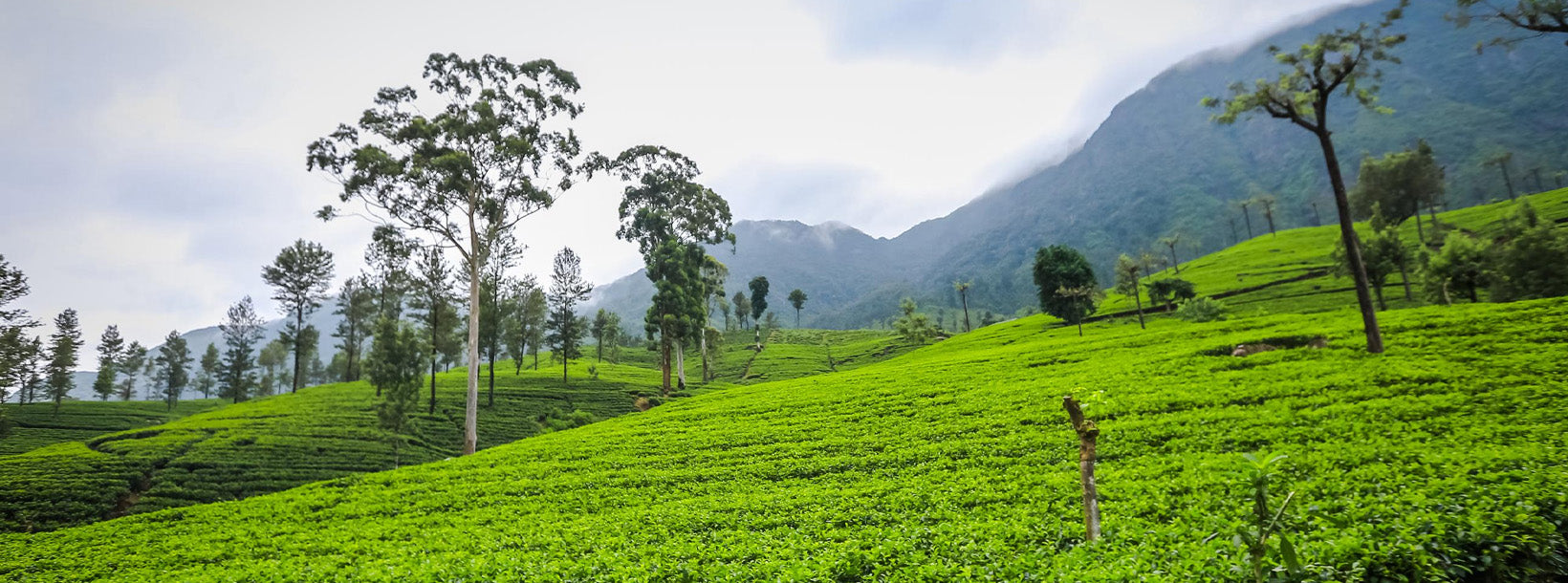
Tea cultivation in Uva is closely associated with Sir Thomas Lipton, the Scottish merchant who pioneered large-scale estate development in this part of Sri Lanka in the late nineteenth century. His estates — the most famous of which is Lipton's Seat, near Haputale — set the template for the systematic cultivation and factory processing that still defines the region today. The road to Lipton's Seat winds through classic Uva landscape: rolling hills covered in neatly pruned tea, punctuated by silver oak shade trees and the occasional estate bungalow.
Before tea, much of this land was covered in coffee, which was devastated by leaf rust fungus in the 1870s. The rapid switch to tea transformed the hill country's economy permanently, and Uva became one of the first districts to establish its reputation in the international market.
Where exactly is the Uva tea region?
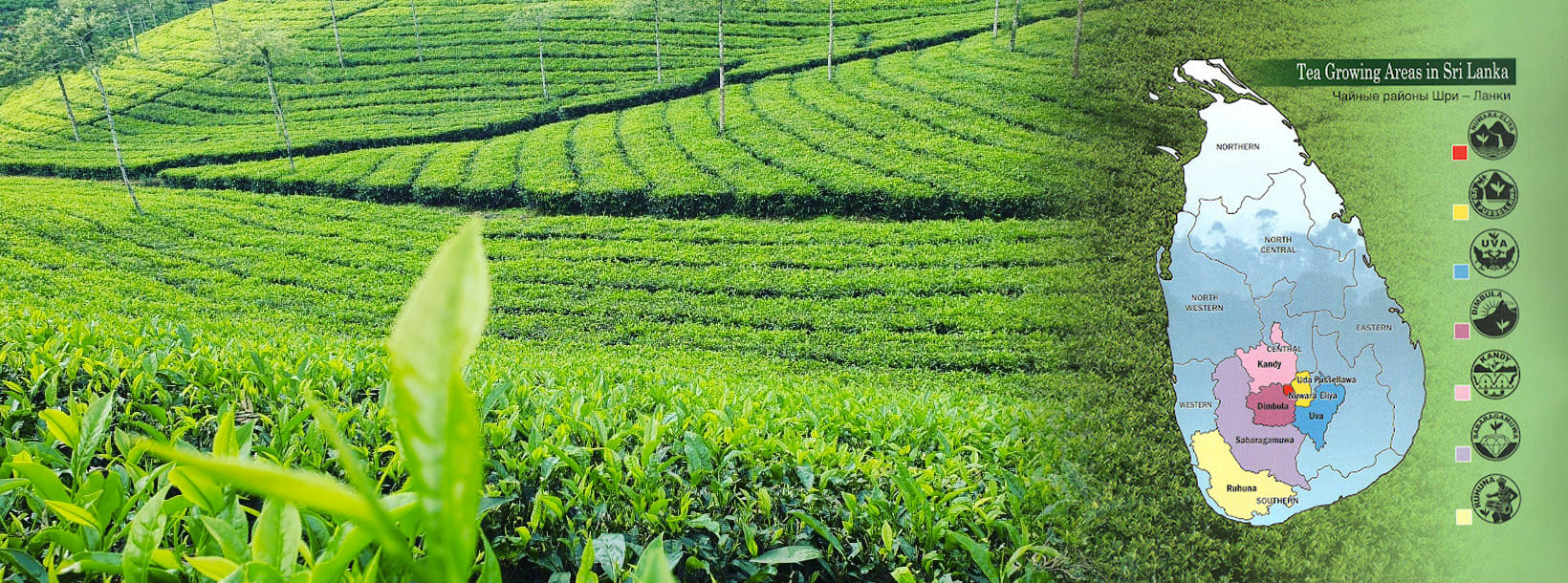
The Uva tea region sits within Sri Lanka's Uva Province, centred on the districts of Badulla and Monaragala. Key towns connected with the tea trade include Badulla, Ella, Haputale, and Bandarawela. The region's elevation ranges considerably — from around 600 metres in the lower valleys to over 1,500 metres in the upper highland zones — and this variation contributes to the range of grades and styles produced across different estates.
Haputale, perched on a ridge that catches both the northwest and southeast winds, is often considered the emotional heart of the Uva tea country. On clear days, the view from the ridge extends all the way to the southern coast.
How does Uva tea taste, and how should I brew it?
A quality-season Uva — particularly an OP or BOP grade — has a brisk, assertive character with a clean, slightly dry finish and a subtle eucalyptus-like note in the aroma. The liquor is bright reddish-amber, and the flavour holds well with a small addition of milk, though many specialists prefer it plain to appreciate the full aroma.
Broadly accepted brewing guidance for whole-leaf Uva OP:
- Water temperature: around 95–100 °C (freshly drawn, just off the boil).
- Leaf quantity: approximately 2–3 grams per 200 ml of water.
- Steep time: 3–4 minutes for whole leaf; 2–3 minutes for broken grades.
- Avoid over-brewing — the natural astringency of Uva becomes bitter if steeped too long.
How does Uva compare with other Sri Lankan tea regions?
| Region | Elevation (approx.) | Quality Season | Characteristic |
|---|---|---|---|
| Uva | 900–1,500 m | July–August | Brisk, aromatic, menthol note |
| Nuwara Eliya | 1,800–2,000 m | January–February | Delicate, floral, light body |
| Dimbula | 1,000–1,600 m | January–March | Full-bodied, bright, rounded |
| Kandy | 600–1,200 m | Year-round | Robust, malty, strong colour |
| Ruhuna | Below 600 m | June–August | Bold, dark, earthy |
Can I visit a tea estate in the Uva region?
Several working estates in the Uva region welcome visitors for guided factory tours and tastings, particularly around Ella, Haputale, and Bandarawela. A visit during quality season offers the rare experience of watching the entire process — from plucking the two leaves and a bud on the hillside to the final fired tea on the factory floor — within a single morning. The Sri Lanka Tea Board provides an overview of certified Ceylon tea producers if you want to plan a factory visit in advance.
The drive through Uva tea country is itself rewarding: the landscape shifts constantly between forested ravines, open grassland, and the geometric grid of tea bushes under shade trees, all set against a backdrop of mist-covered ridges.