
Triphala — literally "three fruits" in Sanskrit — is one of the most enduring formulations in Ayurvedic medicine. Composed of equal parts of three dried fruits native to the Indian subcontinent, it has been used for thousands of years to support digestion, cleanse the body, and promote overall wellbeing. Unlike many herbal remedies that target a single system, Triphala works across multiple organ systems simultaneously, which helps explain its lasting place in both traditional Sri Lankan and Indian Ayurvedic practice.
What are the three fruits in Triphala?
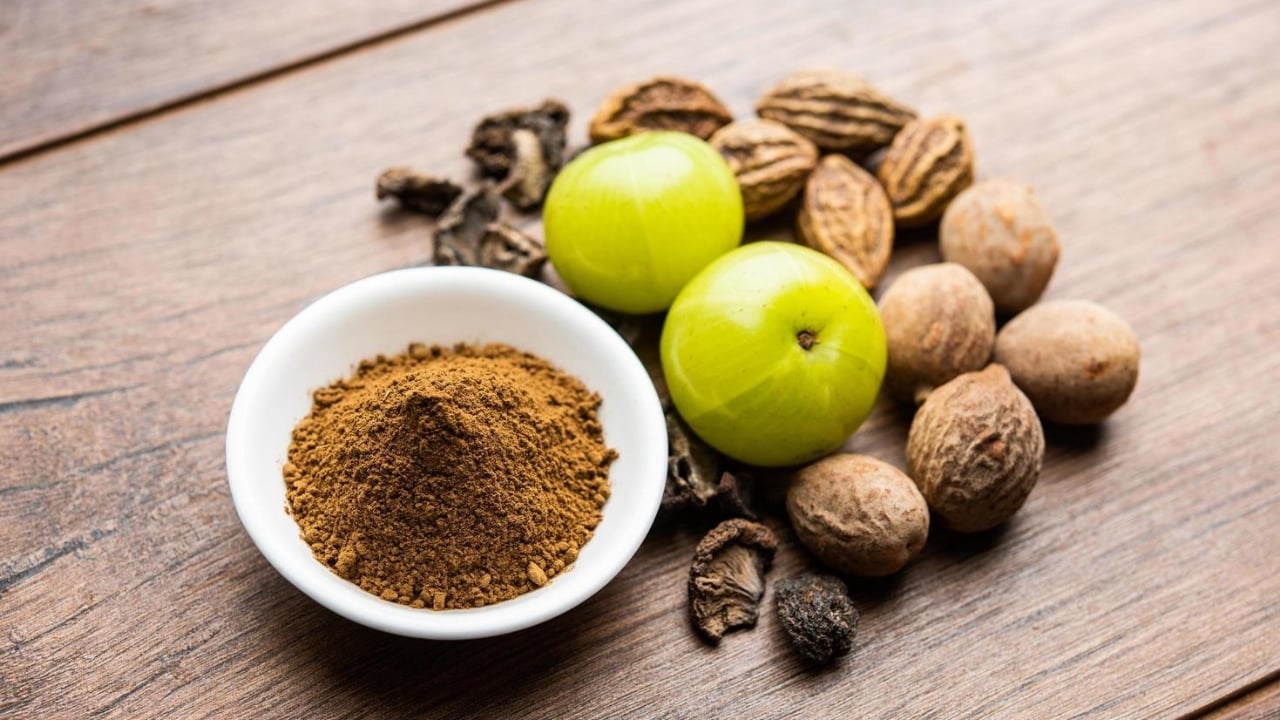
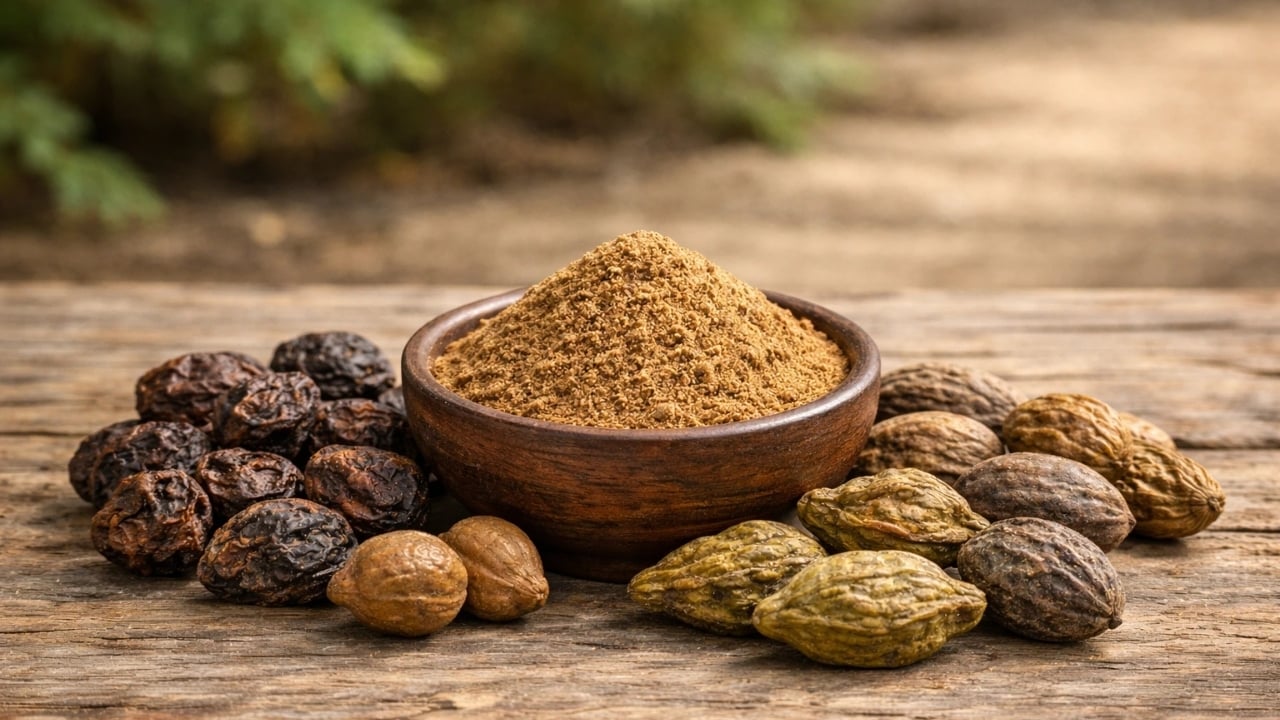
Each fruit in the formula brings a distinct set of properties to the blend, and together they create a synergistic effect that is more potent than any single ingredient alone.
- Nelli (Phyllanthus emblica) — Indian Gooseberry / Amla: Nelli has a cooling quality and is particularly valued for managing pitta (the Ayurvedic principle governing heat and metabolism). It supports healthy liver function and is considered one of the richest natural sources of vitamin C. In Sri Lanka, Nelli is a familiar wild fruit, eaten fresh or preserved in brine.
- Bulu (Terminalia bellirica) — Bibhitaki: Bulu has an affinity for the kapha dosha, the principle associated with earth and water. It is especially useful for supporting the respiratory system and clearing excess mucus or fluid accumulations throughout the body. Traditional texts also associate it with improved clarity of the senses.
- Aralu (Terminalia chebula) — Haritaki: Sometimes called the "king of medicines" in Tibetan Ayurveda, Aralu has a warming nature yet is considered beneficial for all three doshas — vata, pitta, and kapha. It is particularly known for its gentle "scraping" action, which helps remove accumulated toxins (ama) from the digestive tract and supports healthy body weight.
What are the main health benefits of Triphala?
Modern research has begun to examine the mechanisms behind Triphala's long-established reputation, and several of the traditional claims have attracted scientific interest. The following benefits are consistently highlighted in both classical Ayurvedic texts and contemporary studies:
- Digestive support: Triphala is best known as a gentle bowel tonic. It encourages regular bowel movements without the cramping associated with harsher laxatives, making it suitable for long-term use.
- Internal cleansing: The formula is said to assist the body's natural detoxification processes, particularly in the GI tract, helping to clear accumulated waste and reduce bloating.
- Antioxidant activity: All three fruits are rich in polyphenols and tannins. These compounds help neutralise free radicals, offering a degree of cellular protection that may contribute to healthy ageing.
- Tissue nourishment (Rasayana): In Ayurvedic classification, Triphala falls under rasayana — the category of tonics that nourish and rejuvenate bodily tissues (dhatus) over time.
- Multi-system support: Beyond the gut, Ayurvedic practitioners use Triphala to support healthy respiratory, cardiovascular, urinary, reproductive, and nervous system function.
- Acidity management: The formulation is traditionally used to neutralise excess gastric acidity, offering relief from mild indigestion and heartburn.
What forms does Triphala come in?
Triphala is available in several preparations, each suited to different preferences and therapeutic goals. Choosing the right form depends on convenience, intended use, and whether you are following a specific Ayurvedic protocol.
| Form | Description | Common Use |
|---|---|---|
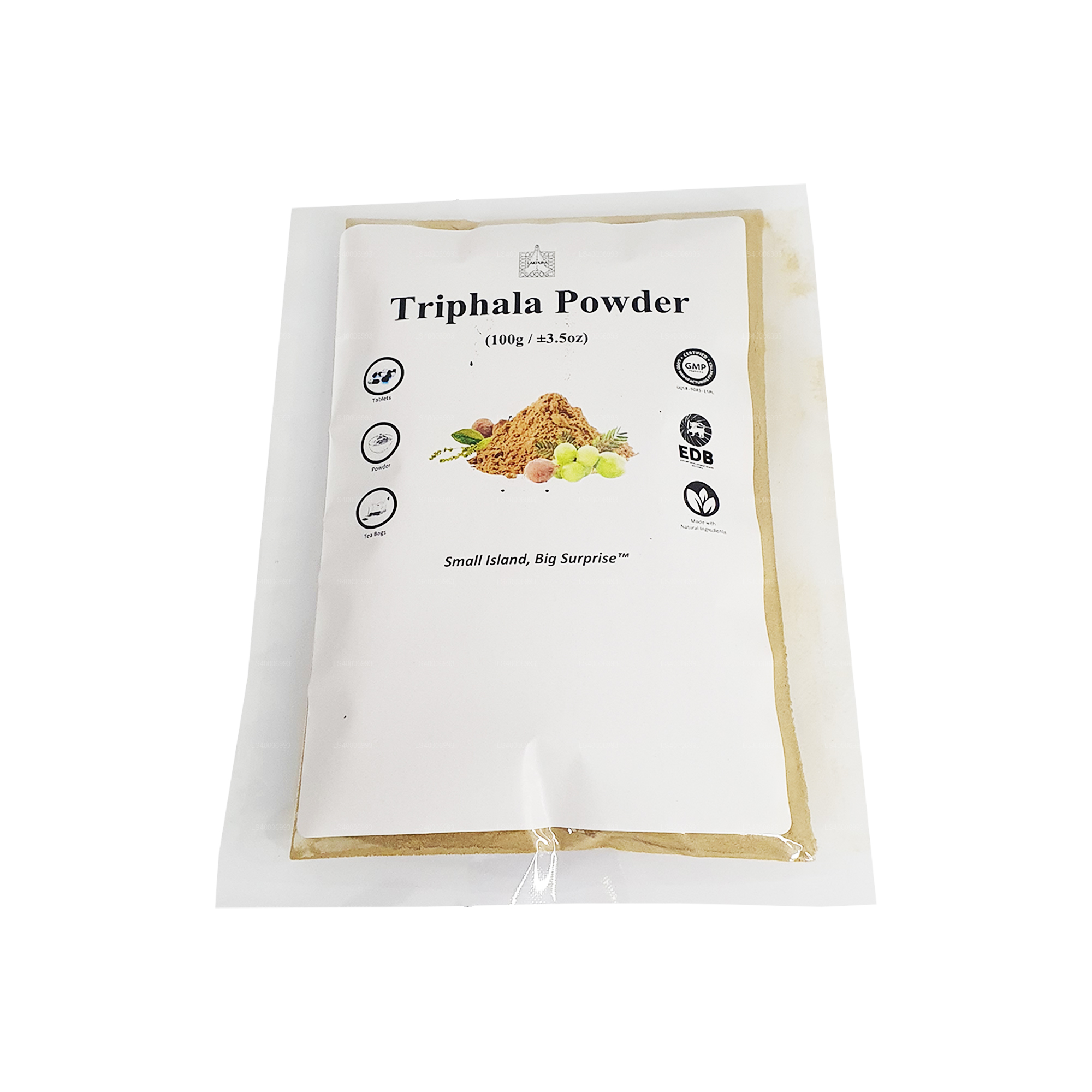
| Churna (powder) | Coarse or fine ground dried fruit blend | Mixed with warm water or honey; allows flexible dosing |
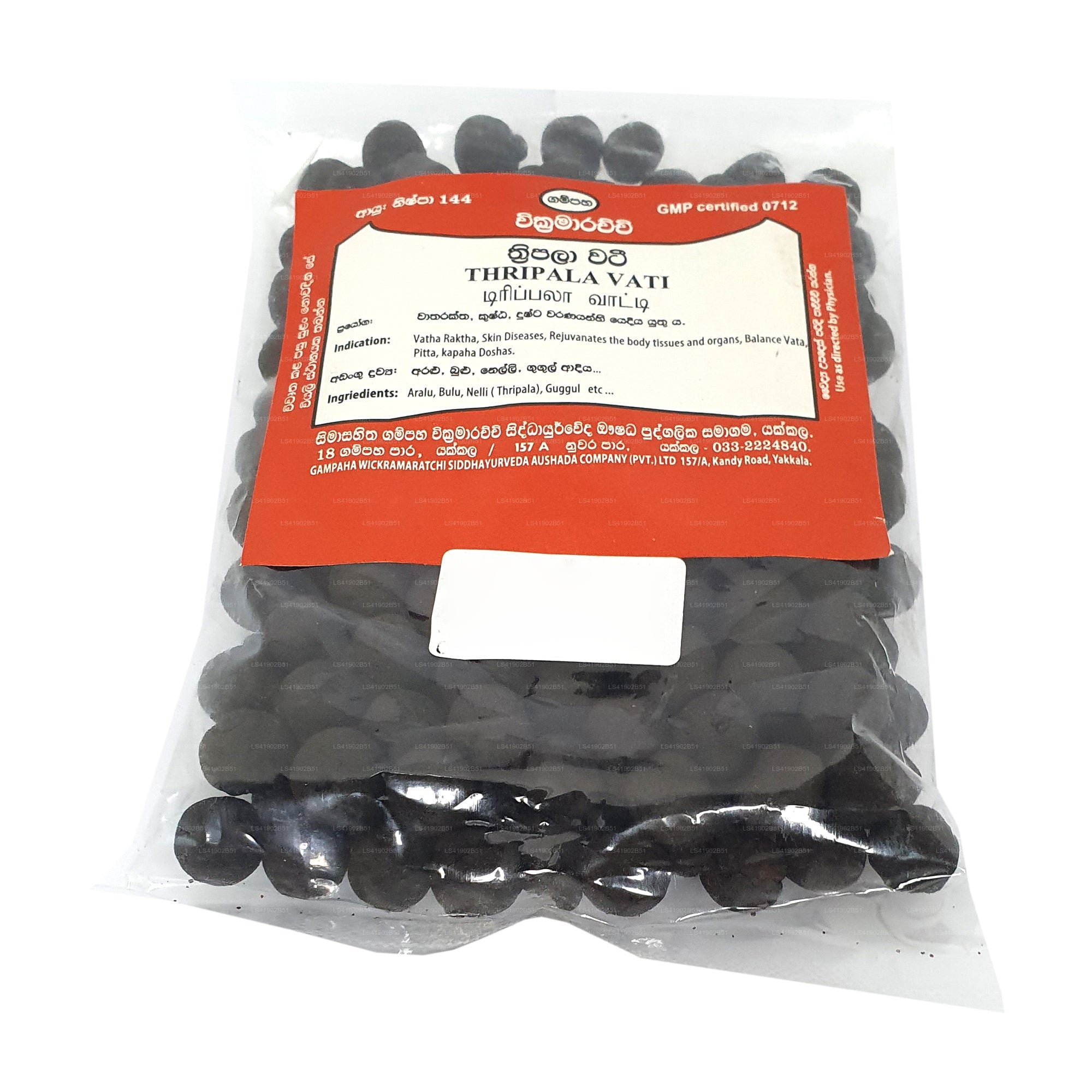
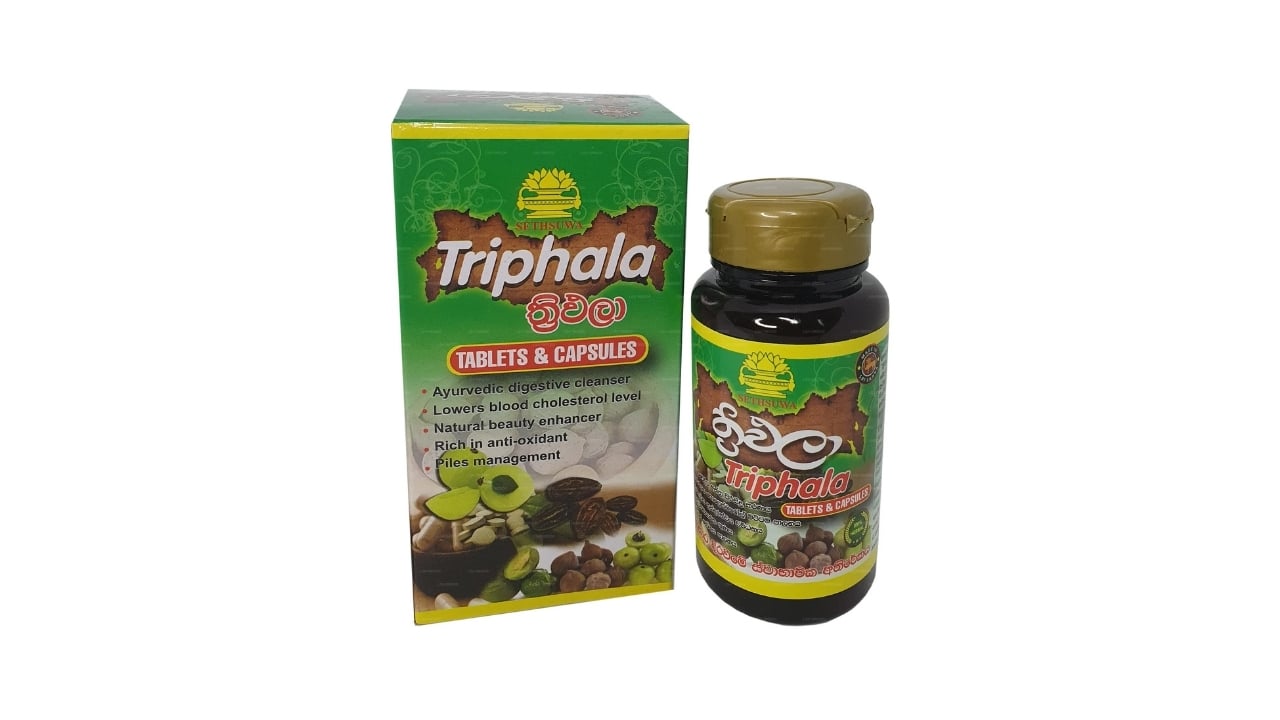
| Tablets / Vati | Compressed powder in tablet form | Convenient for travel; consistent dose each time |
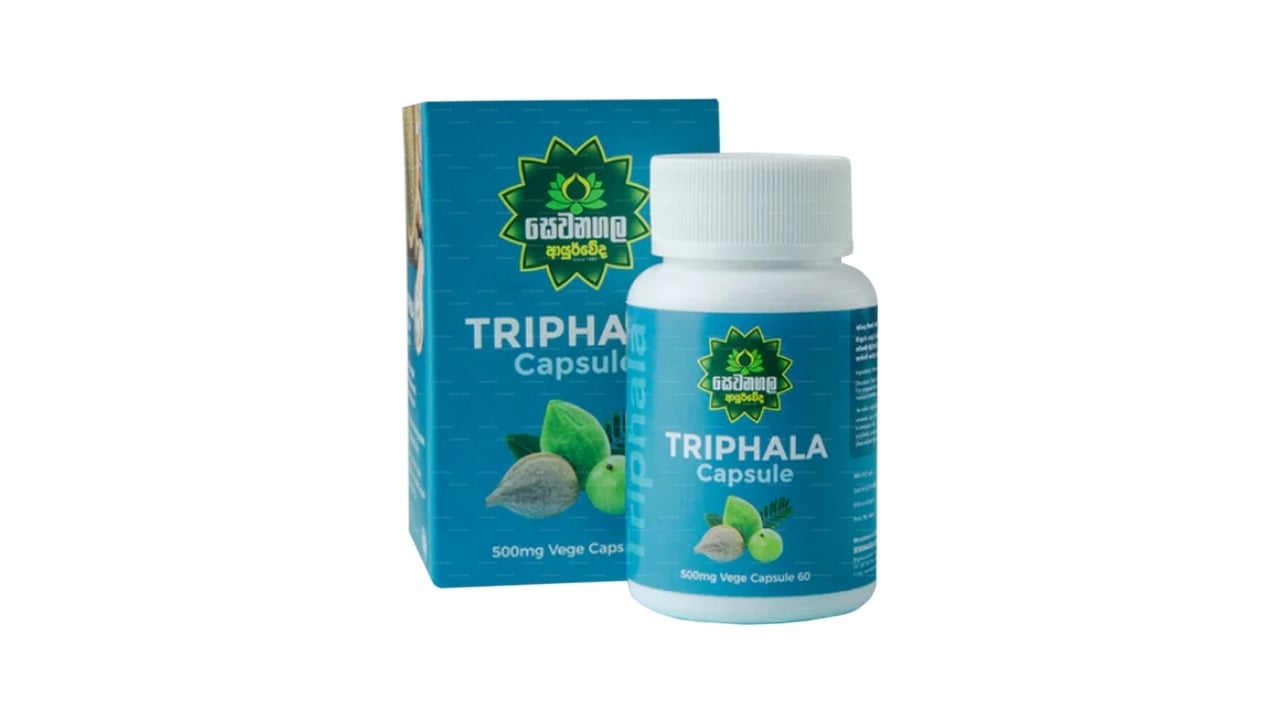
| Capsules | Powder enclosed in a gelatin or plant-based shell | Tasteless option for those sensitive to bitterness |
| Kwatha (decoction) | Boiled liquid concentrate | Faster absorption; traditional clinical preparation |
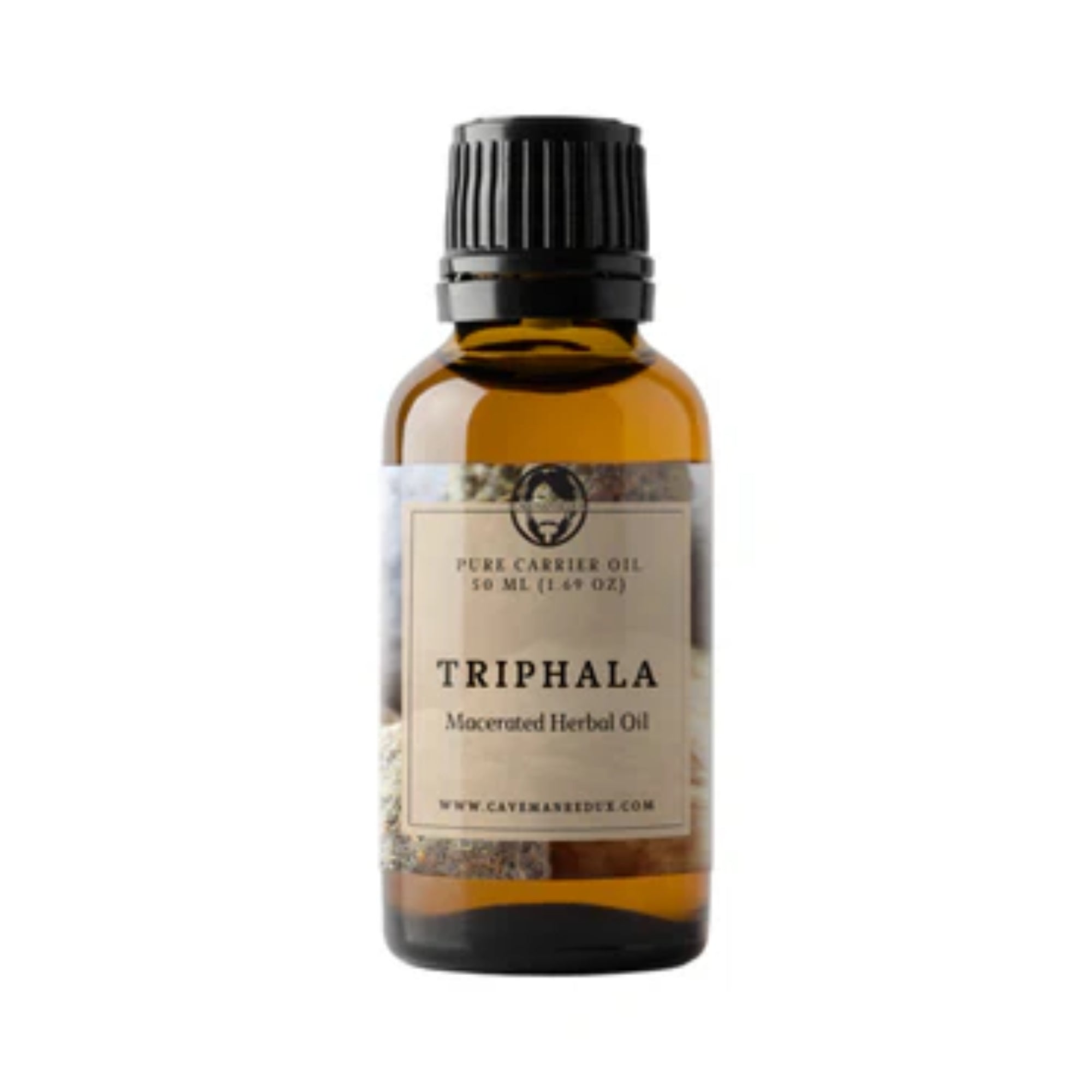
| Thailaya / Oil | Triphala infused in a carrier oil (typically sesame) | Topical use — hair care, scalp health, eye care |
| Tea | Dried fruit blend steeped as an infusion | Mild digestive support; pleasant daily ritual |
How should Triphala be taken?
For internal use, the standard guidance in Ayurvedic practice is to take one to two tablets (or a half to one teaspoon of churna) after meals. Taken with warm water, the powder form is traditionally believed to be absorbed more readily. Some practitioners recommend taking Triphala at night before bed to support overnight elimination, while others suggest a morning dose on an empty stomach for a more active cleansing effect.
The timing and dose can vary depending on individual constitution (prakriti) and the specific health goal. If you are new to Triphala, starting with a lower dose and gradually increasing it over one to two weeks can help the digestive system adjust. It is advisable to consult an Ayurvedic physician before beginning any long-term supplementation, particularly if you are pregnant, nursing, or taking pharmaceutical medication.
Triphala oil and thailaya are applied topically — not consumed. Massaged into the scalp or used as a hair treatment, they are valued in Sri Lankan and Indian Ayurvedic traditions for promoting hair strength and scalp health. A small amount is also sometimes used around the eyes, though this should only be done under professional guidance.
How does Triphala fit into Sri Lankan Ayurvedic tradition?
Sri Lanka has its own deep Ayurvedic heritage, distinct from but closely related to the Indian tradition. Classical texts such as the Charaka Samhita and Sushruta Samhita form the theoretical foundation, but Sri Lankan practitioners have developed their own formulations and plant sourcing practices over centuries. All three Triphala fruits grow in Sri Lanka, and Nelli in particular is widely found in the dry and intermediate zones of the island.
Sri Lankan Ayurvedic preparations like Yogaraja Guggulu and Kaishore Guggulu often include Triphala as a base ingredient, illustrating how central it is to the broader system of classical herbal medicine practised on the island. Triphala is stocked in virtually every Sri Lankan Ayurvedic pharmacy and is one of the most commonly recommended preparations for general wellness, making it an accessible starting point for anyone exploring Ayurveda.
Triphala for hair and skin — what does Ayurveda say?
Beyond its digestive applications, Triphala oil and infused preparations have a longstanding role in personal care. In Ayurvedic cosmetology, Triphala is considered to have a rejuvenating effect on the scalp and skin when applied regularly. The tannins in the three fruits are thought to help cleanse and tone, while the antioxidant compounds may offer some protection against environmental damage.
Triphala thailaya — sesame oil infused with the Triphala fruits — is one of the most traditional forms. Applied to the hair an hour or more before washing, it is used to strengthen hair roots, reduce scalp irritation, and add lustre. Ready-to-use formulations from established Sri Lankan Ayurvedic brands are available in tablet, powder, oil, and decoction form, sourced from manufacturers who follow classical preparation standards.