Sella Kataragama is a small but deeply sacred town set on the banks of the Menik Ganga river, roughly 4 kilometres north-west of Kataragama. While the main Kataragama complex draws the largest crowds, Sella Kataragama holds its own distinct place in both Hindu and Buddhist tradition — it is believed to be the very spot where the deity Skanda (Kataragama Deviyo) first met and courted Valli, the young Vedda chieftain's daughter who would become his consort. That story has shaped the spiritual identity of this quiet town for centuries.
What is the legend behind Sella Kataragama?
According to Hindu tradition, the god Skanda — also known as Murugan, Subrahmanya, Arumugam, and Kandasami — arrived in Sri Lanka after a dispute with his wife Thevani. He settled near Wedihiti Kanda, close to present-day Kataragama, and one day encountered Valli, a 16-year-old girl raised by the local Vedda chieftain. Taken with her, Skanda sought the help of his brother Ganesh to win her over.
Knowing that Valli feared elephants, the two devised a plan: Ganesh would transform into an elephant to frighten her, and Skanda would appear as her rescuer. Before the transformation, Ganesh handed Skanda a pot of water — to be poured over him afterward so he could return to human form. When Skanda first approached Valli at Sella Kataragama, disguised as an old man, she was choking on food. In his haste to help her, he spilled every drop of water. Ganesh, now permanently trapped in elephant form, is one traditional explanation for why Ganesh always appears with an elephant head. Valli, frightened and with no other option, agreed to marry Skanda, who then revealed his true divine form. According to legend, the newlyweds subsequently made Sella Kataragama their home.
This origin story is not merely folklore. It actively shapes the rituals and processions held at Kataragama, and the shrines at Sella Kataragama serve as key waypoints in the devotional journey that pilgrims undertake between the two sites.
How old is the history of Kataragama?
The history of the broader Kataragama region stretches back to at least the pre-Christian era. The Mahavamsa and other chronicles suggest that some of the settlers who accompanied Prince Vijaya from India around 543 BC established a village called Kajara-Gama in this area — widely believed to be the origin of the modern name Kataragama. Both Buddhist and Hindu texts reference the region as a sacred zone, making it one of the few places in Sri Lanka where the two traditions have coexisted as devotional equals for millennia. The indigenous Vedda people also consider the area ancestrally significant, adding a third layer of cultural memory to the landscape.
What shrines and temples can you visit at Sella Kataragama?
Reaching the sacred precinct requires crossing the Menik Ganga, a river considered holy in its own right. Pilgrims and visitors typically park on the near bank and walk a short lane lined with small stalls selling sweetmeats, flowers, camphor, and devotional items before wading or crossing the river to reach the temple complex.
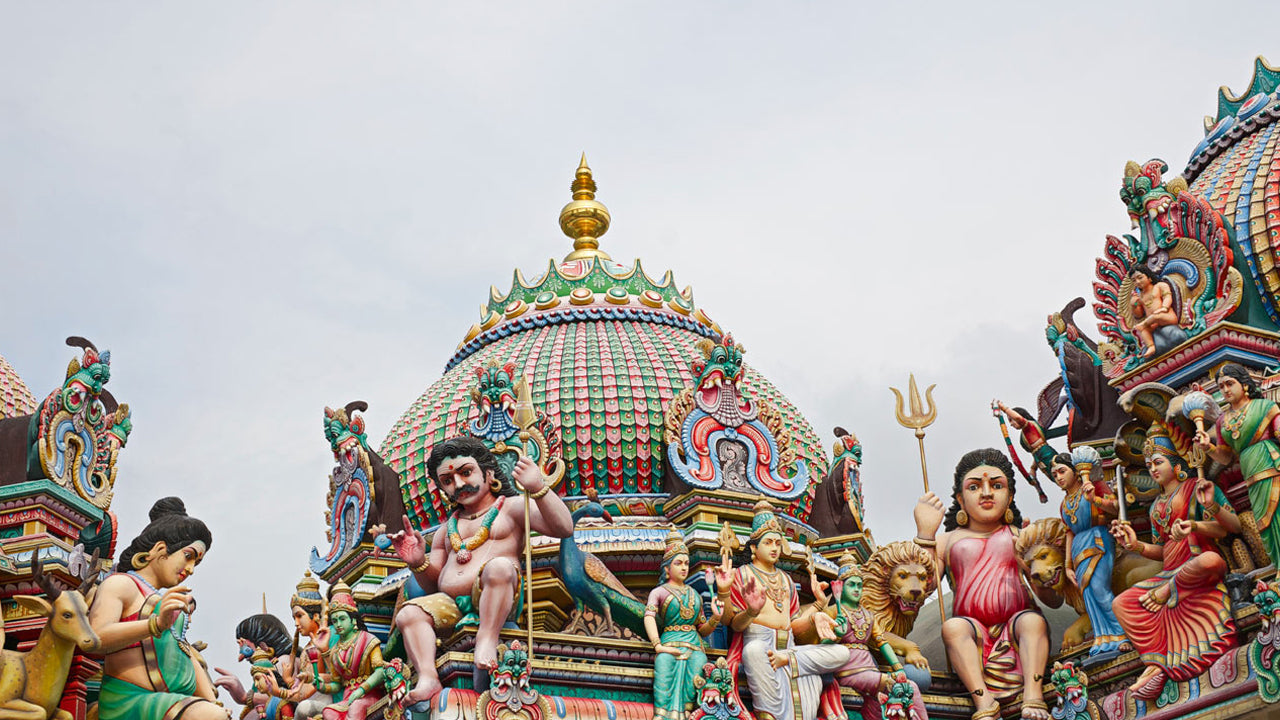
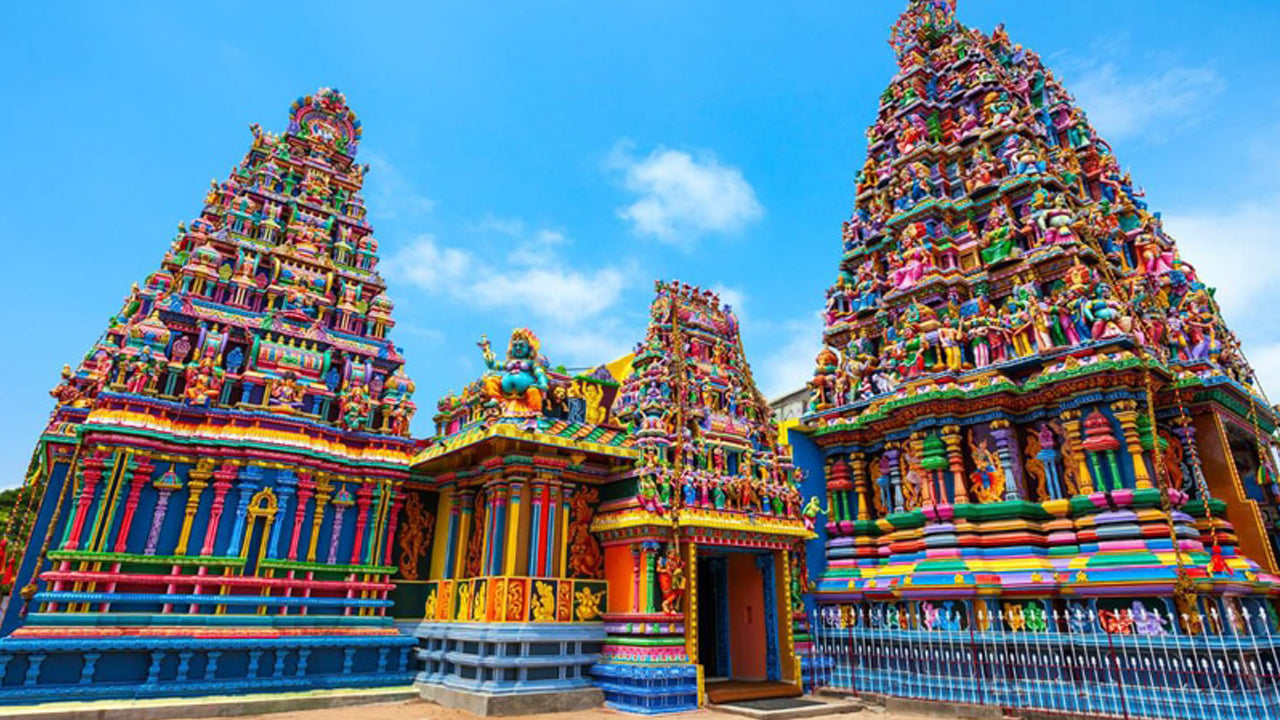
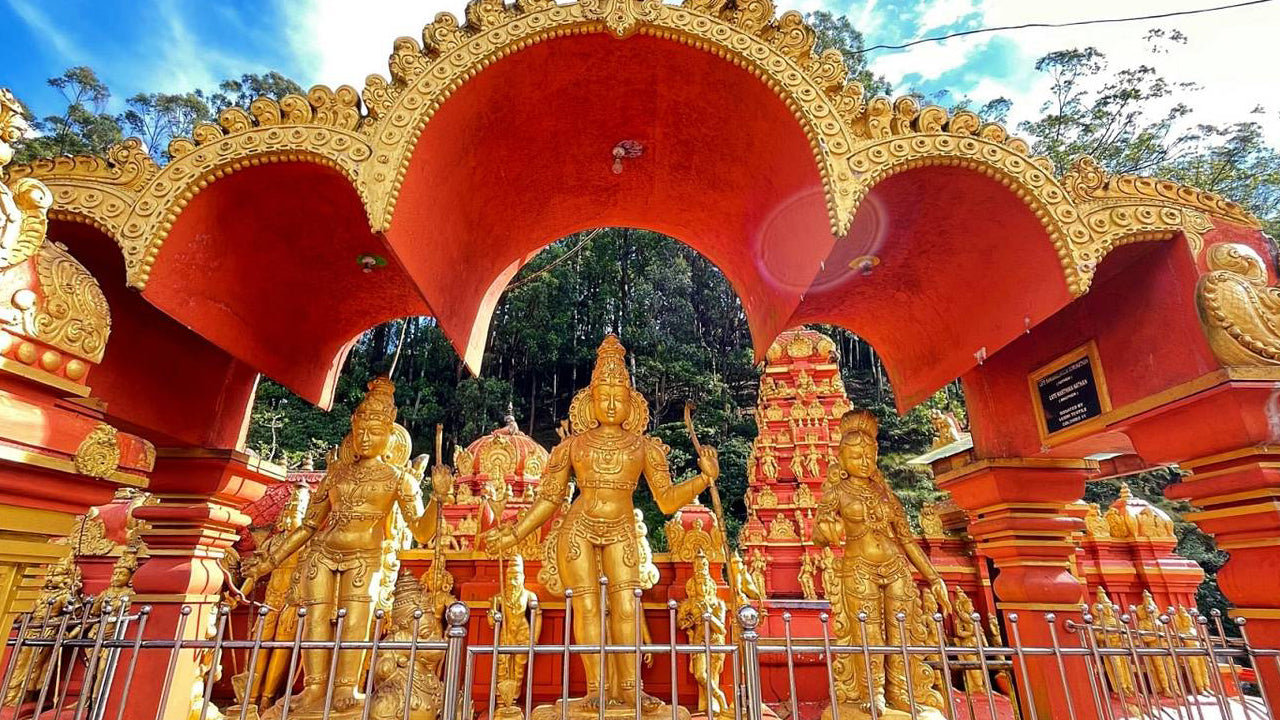
Once across, the site contains a notably diverse cluster of shrines reflecting its multicultural character:
- Ganapathi Kovil — dedicated to the elephant-headed god Ganesh, whose presence here is especially resonant given the local legend
- Siva Kovil — a Hindu shrine to the god Shiva, father of Skanda
- Kataragama Kovil — honouring the presiding deity of the region
- Valliamma Kovil — dedicated to Valli herself, the mortal woman central to Sella Kataragama's founding story
- Lakshmi Kovil — a shrine to the goddess of prosperity
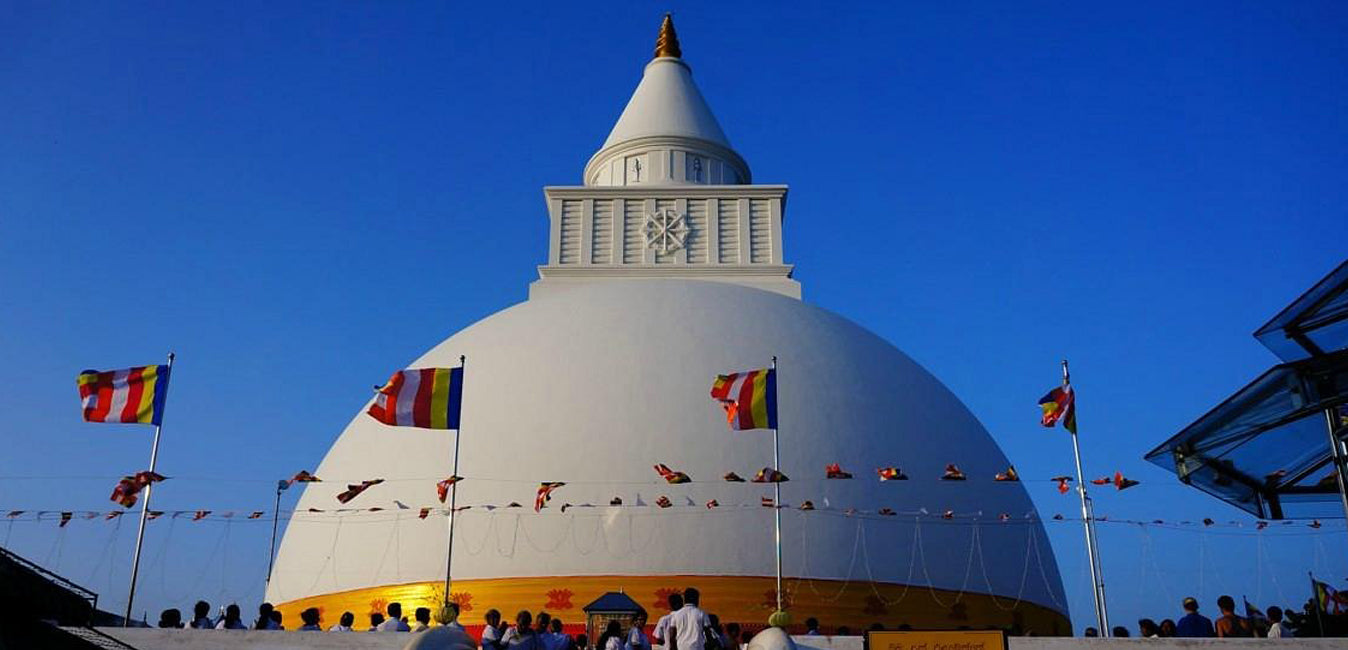
- Saman Devalaya — a Buddhist shrine to the guardian deity Saman, one of the four guardian deities of Sri Lanka
- Mahasen Viharaya — a temple honouring King Mahasen, the 3rd-century monarch associated with the spread of Buddhism and the construction of irrigation works across the island
The coexistence of Hindu kovils, a Buddhist devalaya, and structures associated with the Vedda heritage within a single compact precinct makes Sella Kataragama an unusually clear expression of Sri Lanka's layered religious culture.
Who visits Sella Kataragama and why?
The site draws Buddhists, Hindus, and members of the indigenous Vedda community, often on the same day and sometimes during the same ceremony. Many pilgrims include Sella Kataragama as part of a broader journey to the main Kataragama complex, treating the two sites as spiritually linked — which the mythology firmly supports. The area sees a particular surge in visitors during the annual Esala Perahera season at Kataragama, typically held in July or August, when tens of thousands of devotees converge on the region.
Visitors who are not pilgrims also find the site worth the short detour from Kataragama. The riverside setting is peaceful, the walk through the stall-lined lane is genuinely atmospheric, and the concentration of shrines in a small area allows for an informative overview of how multiple religious traditions express devotion in Sri Lanka.
When is the best time to visit Sella Kataragama?
The site is accessible year-round, but the experience differs markedly by season. During the Esala festival period (typically July–August), the entire Kataragama region becomes one of the busiest pilgrimage destinations in South Asia, and Sella Kataragama shares in that intensity. If you are drawn by the devotional atmosphere and spectacle of large-scale worship, this is the period to visit — though accommodation should be arranged well in advance.
For a quieter experience that still captures the spiritual character of the site, the months between February and April tend to offer more moderate crowds and drier conditions on the southern plains. The Menik Ganga crossing can become more challenging during the inter-monsoon rains around October and November, when river levels rise.
How do I get to Sella Kataragama from Colombo or other major destinations?
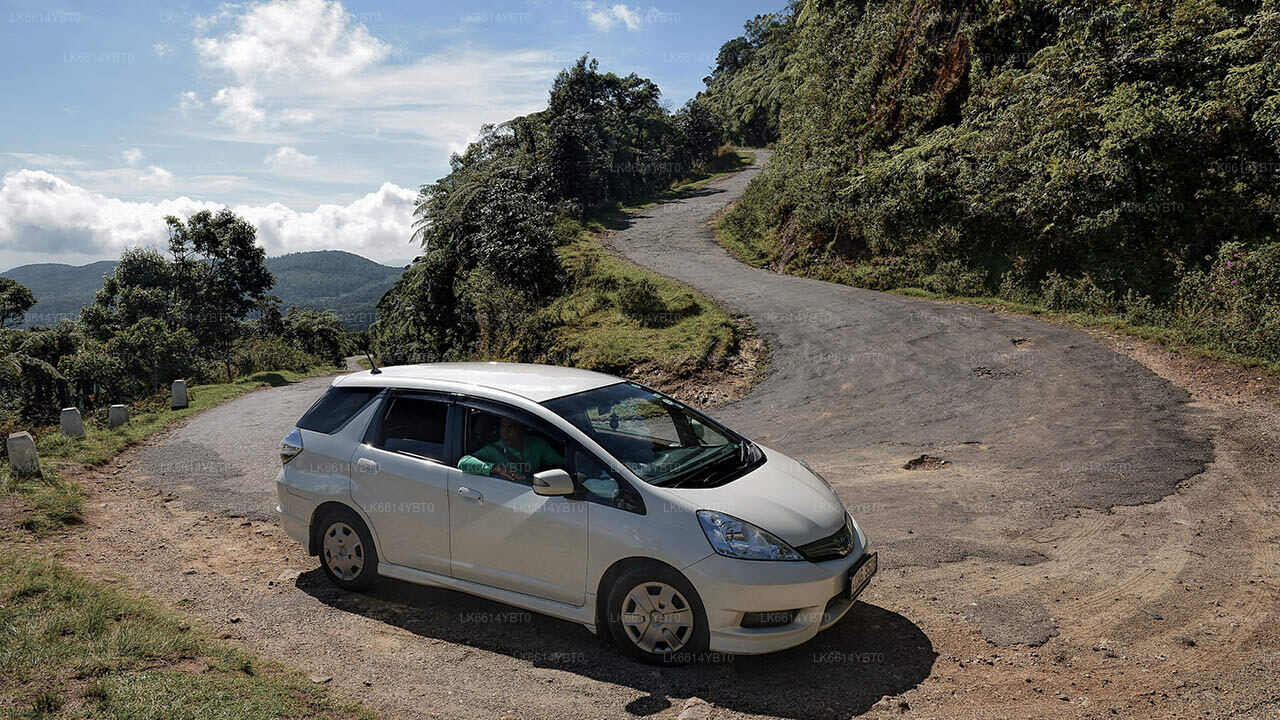
Sella Kataragama sits in the Uva Province borderlands, roughly 270 kilometres south-east of Colombo. The most practical approach for most visitors is by private vehicle or organised transfer — public transport connections exist but involve multiple changes and can make timings unpredictable. The main route from Colombo typically runs via Ratnapura and Wellawaya, or alternatively via the Southern Expressway toward Hambantota and then inland. From Kataragama town, Sella Kataragama is just a short drive or a manageable walk of around 4 kilometres to the north-west.
If you are combining Sella Kataragama with Yala National Park, the two are within roughly an hour of each other by road, making a combined itinerary straightforward.
What should visitors know before arriving?
Dress modestly — shoulders and knees should be covered when entering the shrine area. Shoes are removed before entering individual temples and kovils. Photography is generally permitted in the common areas of the precinct but should be done respectfully; always check before photographing inside a shrine. The river crossing is typically done on foot through shallow water, so sandals or shoes you are comfortable getting wet are useful. Small change for offerings or stall purchases is helpful, as it eases transactions with vendors along the approach lane.