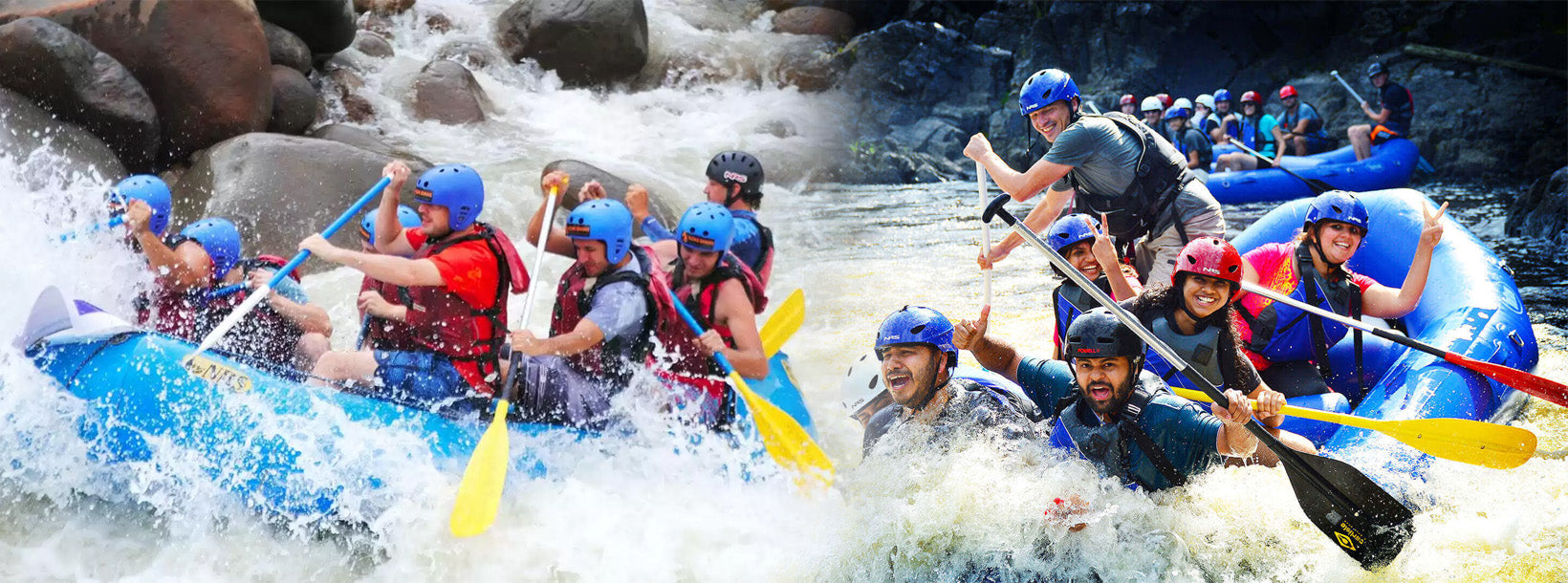
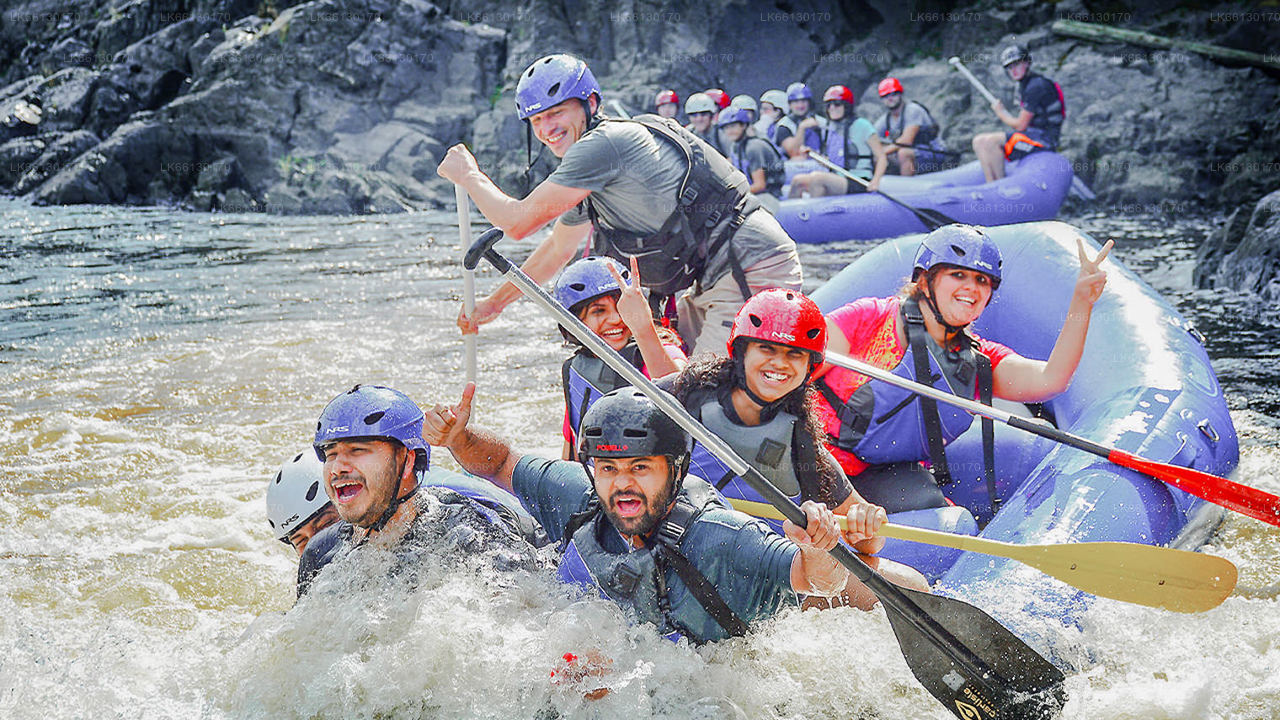
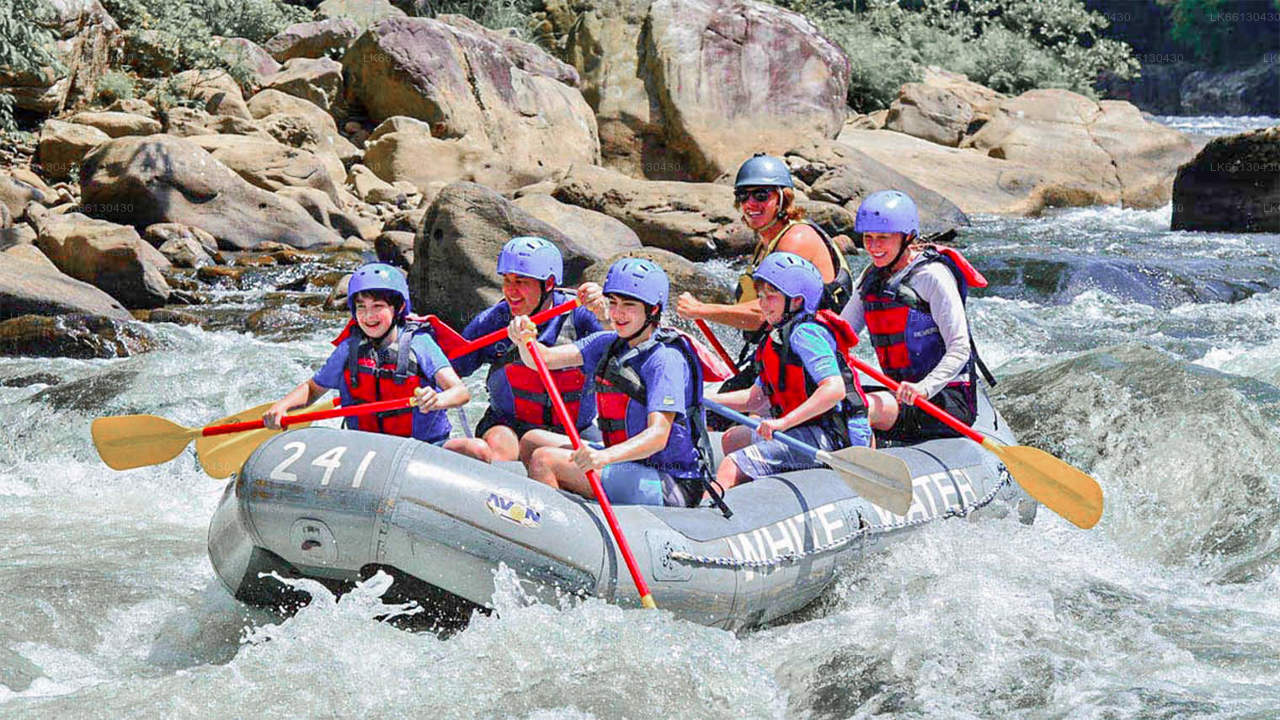
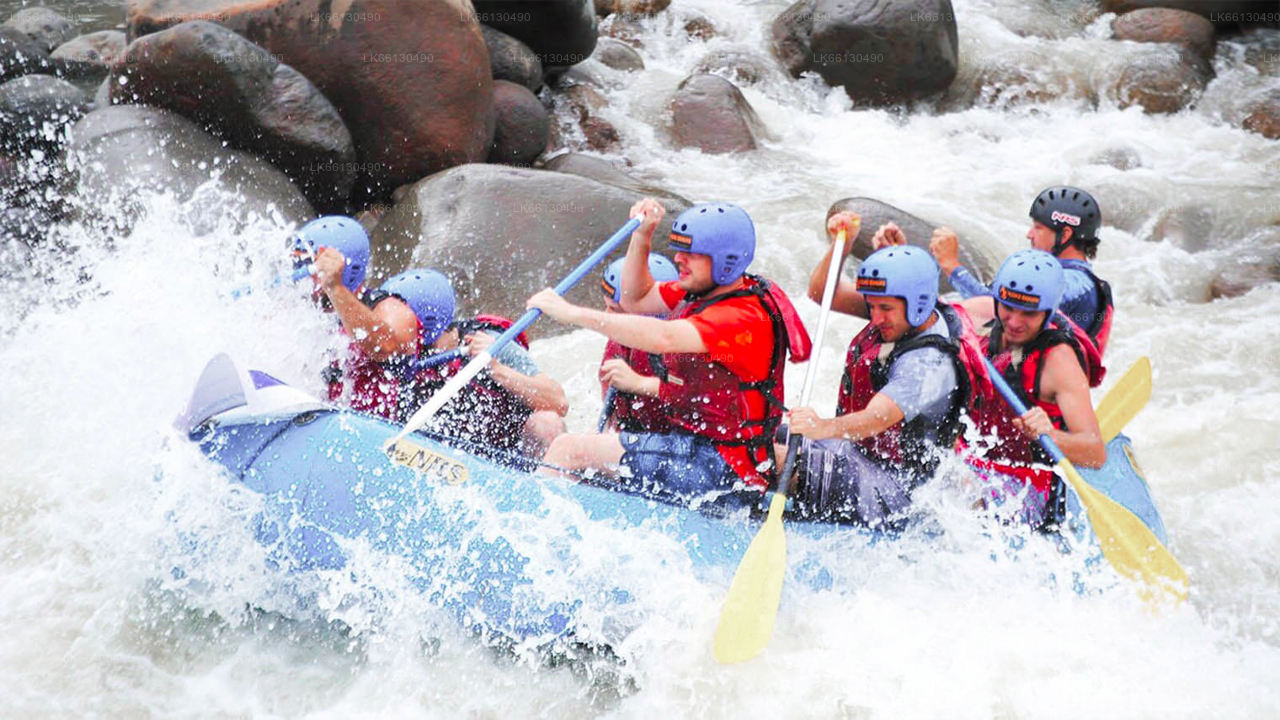
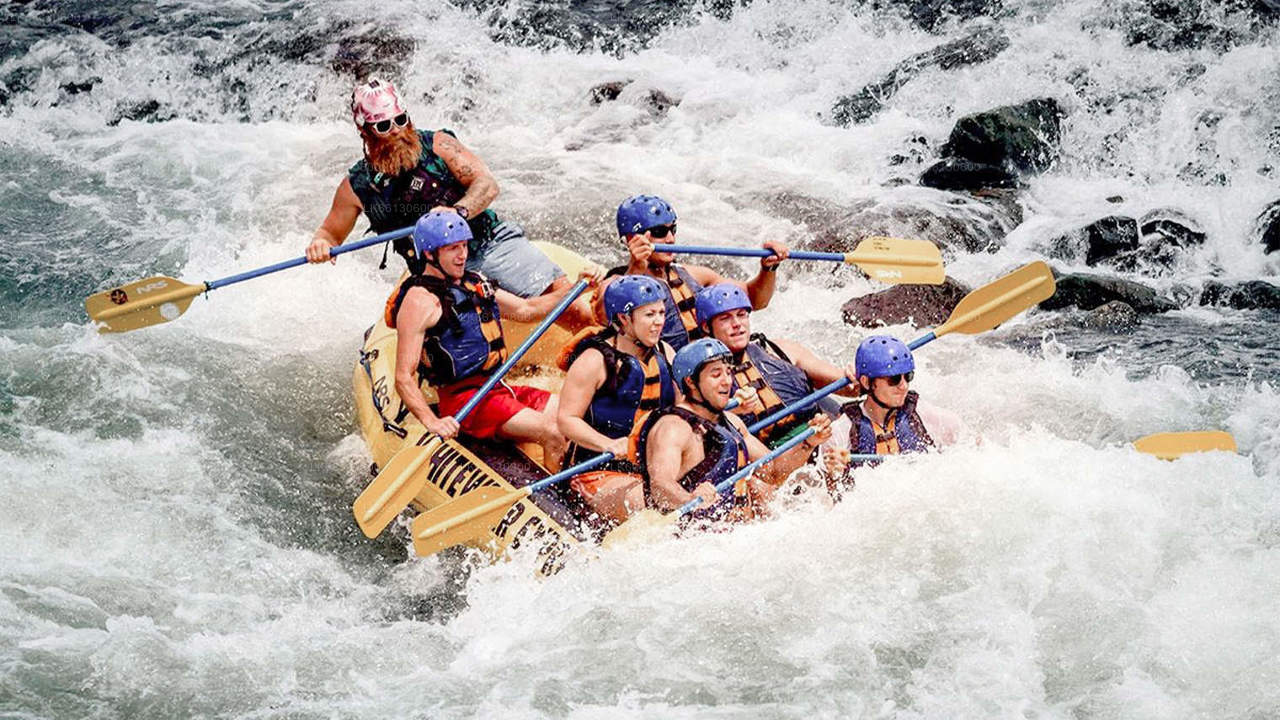
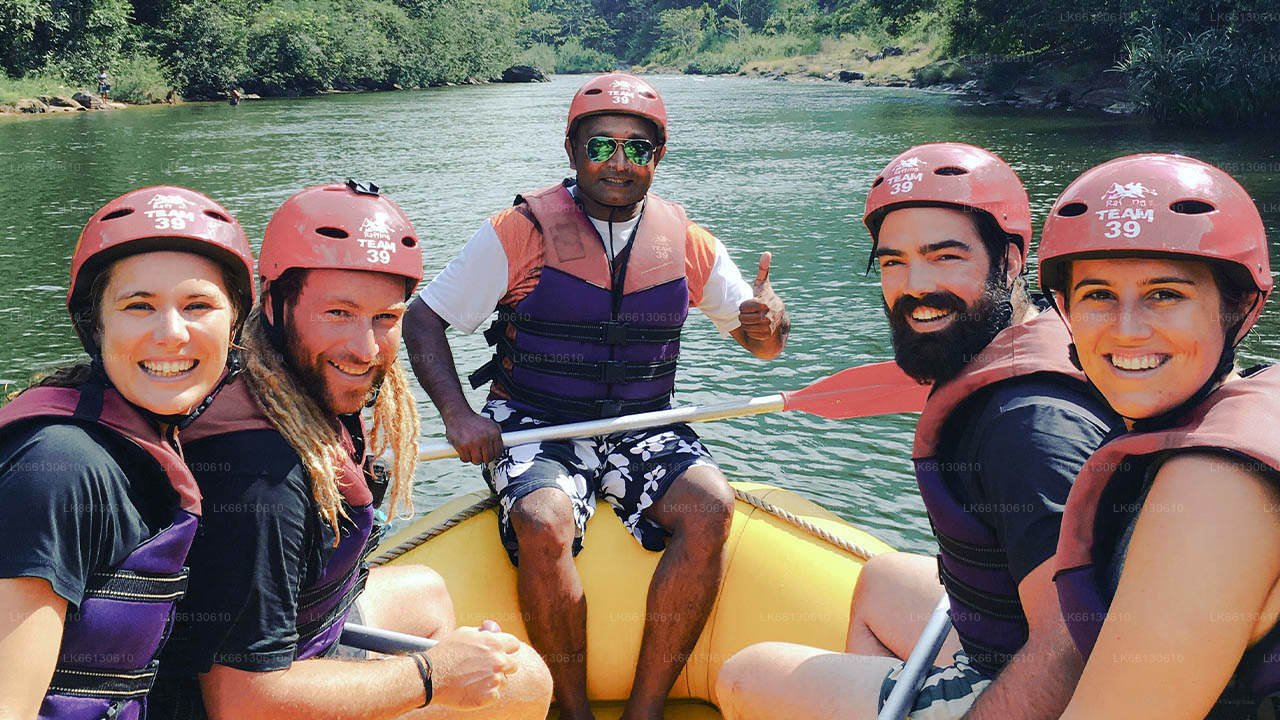
White water rafting on Sri Lanka's Kelani River is one of the island's most accessible adventure experiences. The main launch point is Kitulgala, a small town in the Sabaragamuwa foothills roughly 90 kilometres east of Colombo. Here, the Kelani River churces through a narrow gorge lined with rainforest, producing a reliable stretch of rapids that suits both first-timers and seasoned paddlers. The same area gained international recognition as the filming location for The Bridge on the River Kwai — a detail that surprises most visitors arriving for the rapids.
What are the rafting sections on the Kelani River?
The river is typically split into two distinct sections, catering to different skill levels and appetites for adrenaline.
- Standard section (around 5 km): Covers Grade 2 and Grade 3 rapids with names like Killer Falls, End of the World, and Ulhena. This is suitable for beginners and families with older children. Most guided trips complete it in 60–90 minutes on the water.
- Upper section (around 10 km): Extends further upstream and introduces Grade 3 and Grade 4 rapids, including longer, more technical runs. This option suits those who have some prior rafting experience or are comfortable in fast-moving water.
Operators typically include a safety briefing, helmets, life jackets, and paddle instruction before any group enters the water. The river level — and therefore the intensity of the rapids — varies seasonally, with higher, faster water during and just after the south-west monsoon (roughly May to August).
What is the best time to go rafting in Sri Lanka?
Rafting runs year-round at Kitulgala, but conditions change meaningfully with the seasons. The period from November through April brings lower, cleaner water and more predictable Grade 2–3 conditions — ideal if you are bringing children or are new to the sport. From May to September, higher monsoon-fed water levels push many rapids up a grade, making runs faster and more physically demanding. Experienced rafters often prefer this window precisely for that reason. Check with your operator in advance during peak monsoon months, as extreme rainfall can occasionally force closures for safety.
How do I get to Kitulgala from Colombo?
Kitulgala sits on the A7 highway, approximately a 2.5–3 hour drive from Colombo depending on traffic. Private transfers are the most practical option, as public transport connections require multiple changes and make timing an early river start difficult. The drive itself passes through Makandawa Rainforest and the tea-growing hills, and many visitors combine the journey with a stop in Nuwara Eliya or Ella. Lakpura can arrange door-to-door transfers from Colombo, Negombo, or Nuwara Eliya that include rafting as part of the transfer itinerary — a practical way to break up a long drive.
Is rafting in Sri Lanka safe?
The standard section of the Kelani River is considered a low-to-moderate risk activity when guided by a certified operator. All reputable outfitters provide life jackets, helmets, and a pre-trip safety briefing that covers paddle commands, how to position yourself if you fall out of the raft, and how to re-enter. Guides are stationed at key rapids to assist if needed. Children are generally accepted from around 8–10 years of age and a minimum weight threshold, though this varies by operator. Swimming ability is recommended but not always mandatory for the standard section — confirm requirements when booking.
What else can I do around Kitulgala?
The Kitulgala area offers more than rafting alone. The Makandawa Rainforest reserve, directly across the river, is a birding destination of note — over 130 species have been recorded in the forest, including several Sri Lankan endemics. Guided nature walks, waterfall hikes, and canyoning are commonly offered by the same operators who run rafting trips. For those interested in a multi-activity day, canyoning combined with rafting makes for an efficient programme that uses the same base camp and equipment.
If you are building a wider itinerary through the hill country, consider pairing Kitulgala with a visit to Ella, which is roughly 120 kilometres to the south-east and offers hiking, scenic train travel, and views across tea country. The Sinharaja Forest Reserve — Sri Lanka's largest remaining lowland rainforest and a UNESCO World Heritage site — is also reachable as a day trip from Kitulgala for those with a naturalist interest.
What should I bring for a rafting day?
- Swimwear or quick-dry shorts — you will get wet
- Secure footwear: old trainers or water shoes that strap to your feet (no flip-flops)
- A change of clothes and a dry bag for valuables
- Sunscreen applied before arrival (operators typically ask you not to apply it at the river to protect the water quality)
- A light snack and water for before and after — most launch points have basic facilities nearby
Leave cameras and phones with a trusted person on the bank, or use a waterproof case. GoPro-style mounts on helmets are sometimes permitted — ask your guide before the run.
Can I combine rafting with other adventure activities?
Yes, and Kitulgala lends itself to exactly this kind of combination. Canyoning — abseiling down waterfalls and jumping into plunge pools — is the most popular pairing with rafting and typically takes place in the morning before the river section. Hot-air ballooning operates from Dambulla and Sigiriya, and can be scheduled on the same multi-day trip if you are travelling the Cultural Triangle route. For travellers who prefer water experiences of a different pace, deep sea fishing from the southern or western coast provides a compelling contrast to the fast-water environment of Kitulgala.