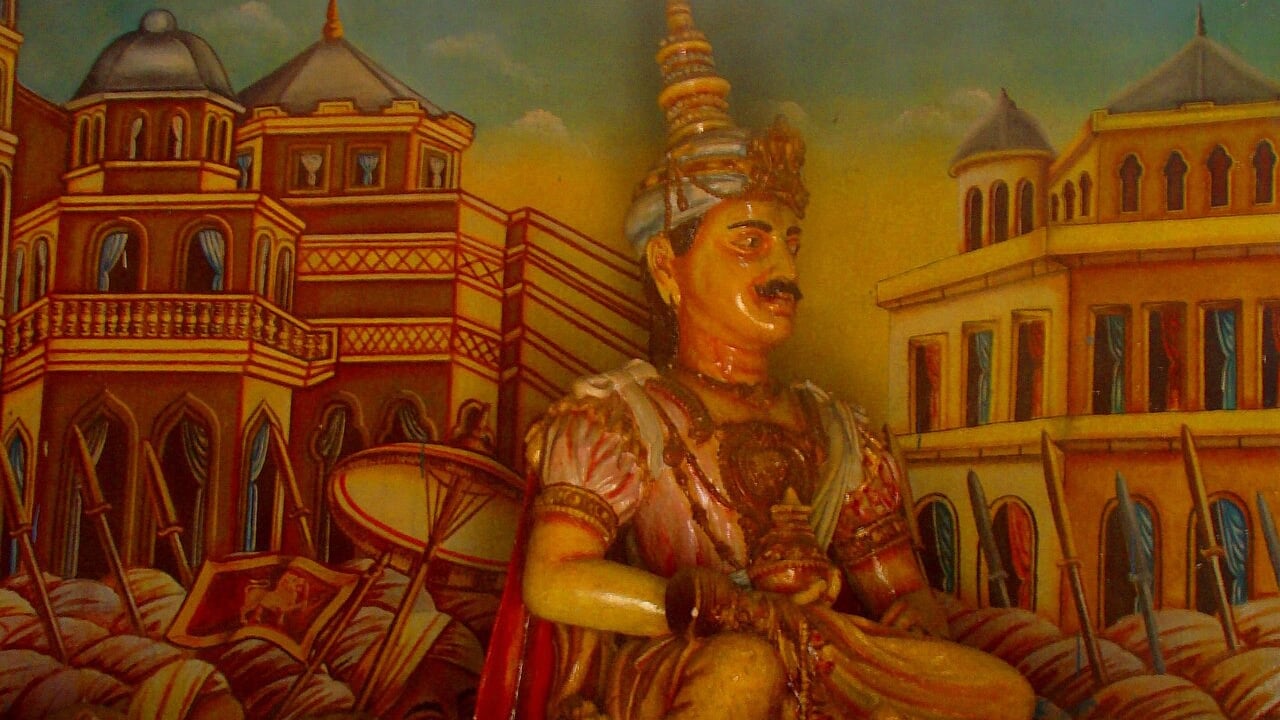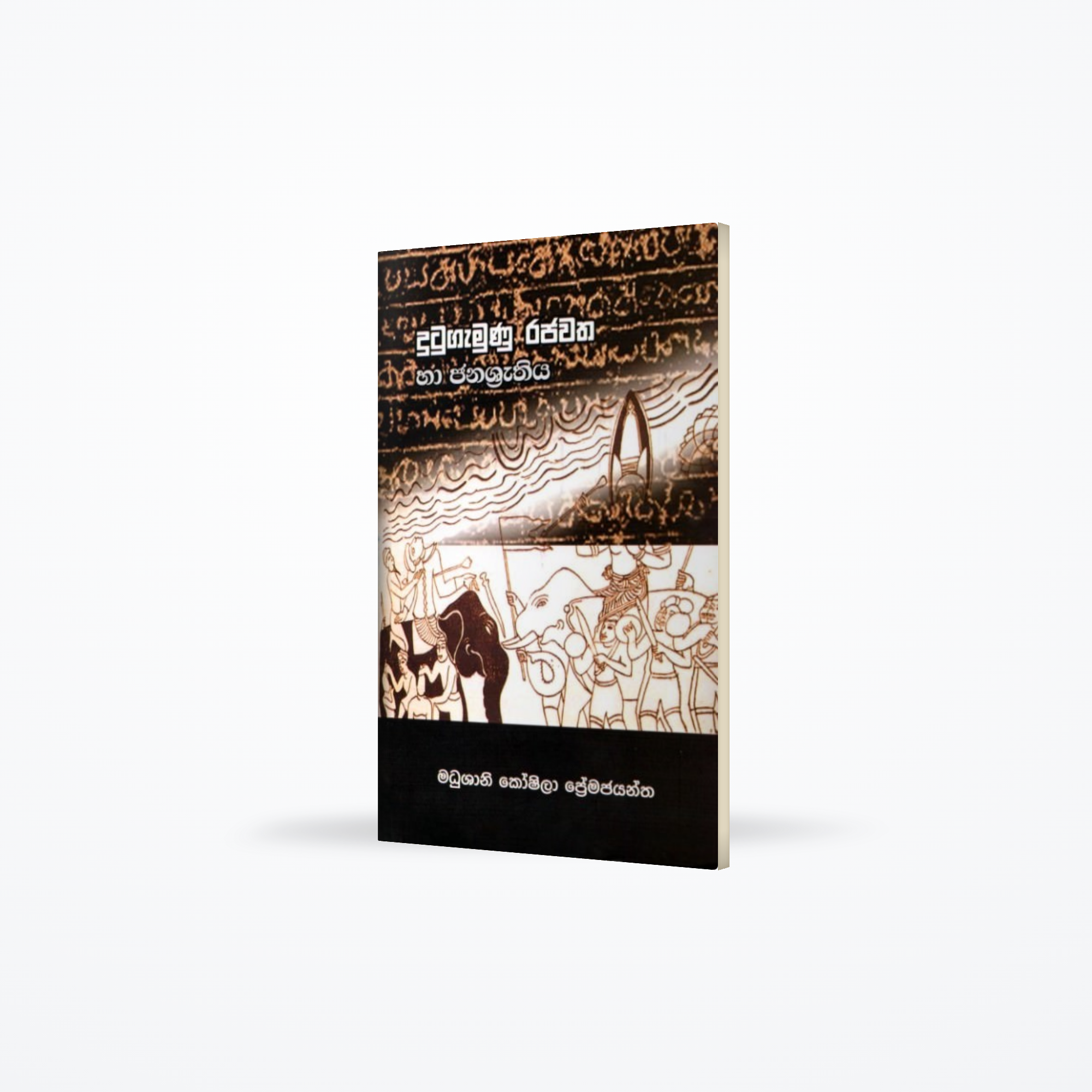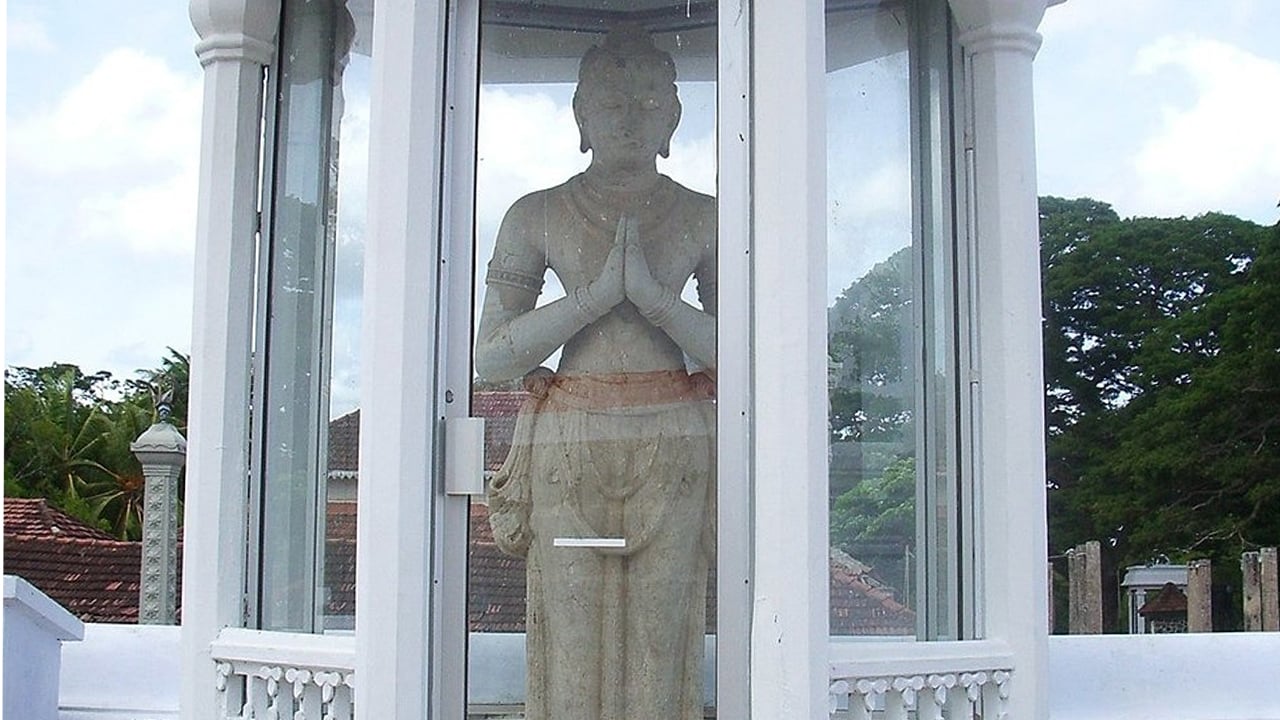
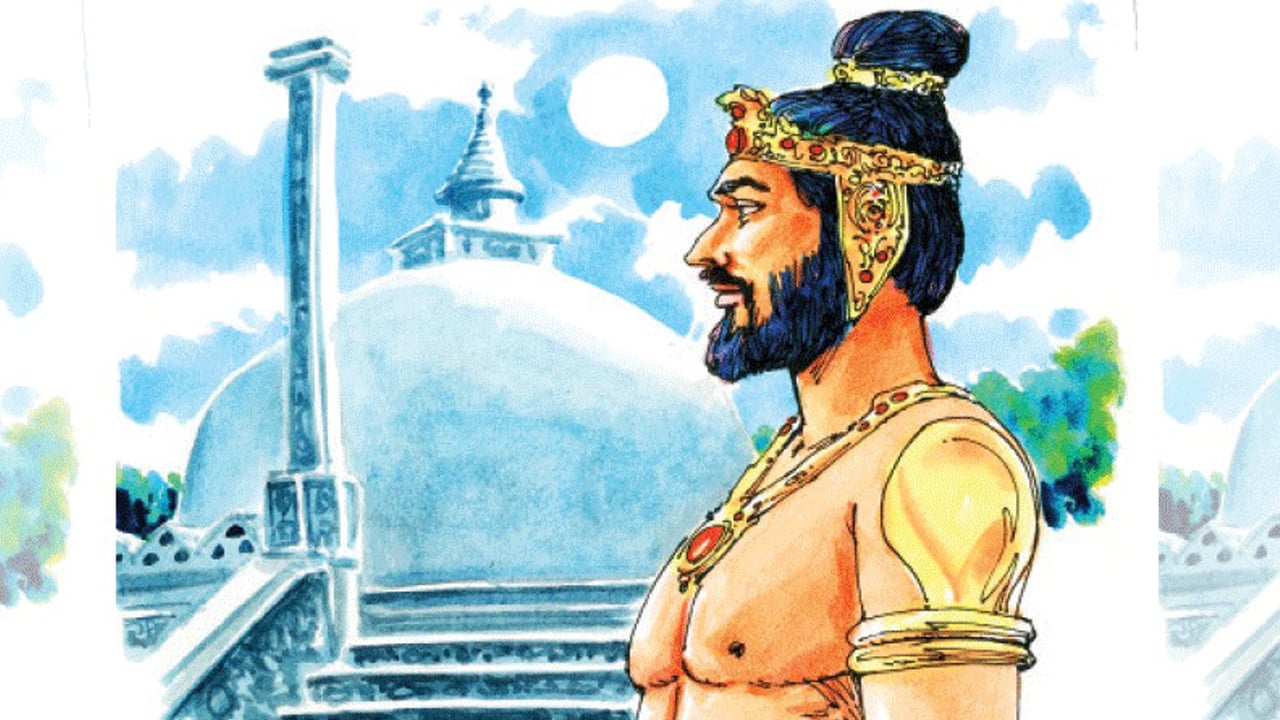


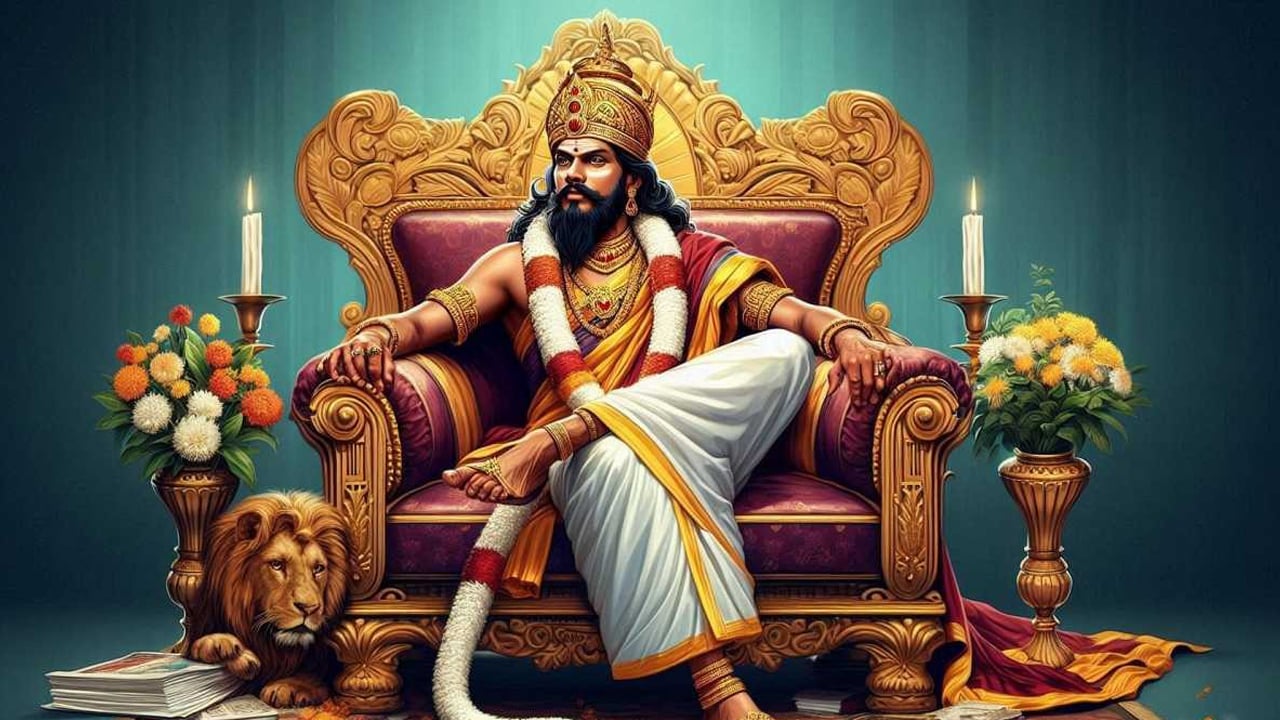
Few figures in Sri Lankan history command as much reverence as King Dutugamunu, who ruled from approximately 161 to 137 BCE. His reign marks a pivotal chapter in the island's story — a period during which political unification, monumental architecture, and the consolidation of Theravada Buddhism all converged under a single crown. The Mahavamsa, the great Pali chronicle compiled centuries after his death, devotes more chapters to Dutugamunu than to almost any other ruler, a testament to how deeply he shaped the island's historical consciousness.
Who was King Dutugamunu?
Born as Gamani Abhaya, the prince who would become Dutugamunu was the eldest son of King Kavantissa of Magama in the southern kingdom of Ruhuna. According to the Mahavamsa, he chafed under his father's reluctance to confront the Chola ruler Elara, who governed the northern capital of Anuradhapura with a widely acknowledged reputation for justice. Legend holds that the young prince sent his father a woman's ornament to signal his frustration at what he saw as passivity — an act that earned him house arrest but also cemented his image as a man of fierce conviction.
His epithet "Dutugamunu" — sometimes rendered as Dutugemunu — is traditionally explained as a contraction of "Duta Gamani," meaning the disobedient or impetuous Gamani, though historians debate its precise etymology.
How did Dutugamunu unite Sri Lanka?
After his father's death, Dutugamunu first consolidated the fractured southern kingdoms, subduing regional chiefs one by one before marching north. He carried a relic of the Buddha enshrined in his spear, framing the campaign in explicitly Buddhist terms rather than purely political ones. His army, described in the Mahavamsa as including a vanguard of monks, fought a series of engagements northward along the ancient route linking Ruhuna to Anuradhapura.
The decisive confrontation was a single combat — or at least the chronicles present it that way — between Dutugamunu and the elderly king Elara near the gates of Anuradhapura. Elara fell, and Dutugamunu reportedly ordered a monument erected in his honour, forbidding even his own retinue to pass the spot without showing respect. This gesture is frequently cited as evidence that the war was not framed along ethnic lines by Dutugamunu himself; the Mahavamsa's own framing, however, has been a subject of significant scholarly discussion in modern Sri Lanka.
What monuments did Dutugamunu build?
Dutugamunu's construction programme at Anuradhapura remains his most tangible legacy. His signature achievement is the Ruwanweliseya Stupa (also called Mahathupa or Ruvanvelisaya), a vast white dome that still dominates the sacred city's skyline. Begun during his reign, the stupa was completed by his brother Saddhatissa after Dutugamunu's death. Even in its unfinished state, the king is said to have been carried to view it on his deathbed.
Beyond the Ruwanweliseya, Dutugamunu is credited with building or renovating several important structures in Anuradhapura, including the Mirisavetiya Stupa, which he reportedly ordered built on the spot where he planted his relic-spear after his victory, and the Brazen Palace (Lohaprasada), a multi-storeyed monastic residence whose 1,600 stone pillars still stand as ruins. These projects required enormous resources and sophisticated engineering, reflecting a state that was simultaneously centralising political authority and investing heavily in religious infrastructure.
What was Dutugamunu's approach to Buddhism and governance?
The Mahavamsa portrays Dutugamunu as a deeply devout ruler who saw himself as a protector of the Sangha — the community of Buddhist monks. He is credited with hosting a vast almsgiving, feeding monks across the island, and using a significant portion of state revenue for religious welfare. His reign is often described as a model of the Buddhist ideal of the Dhamma-raja, or righteous king, who governs justly and sustains the faith.
Alongside religious patronage, the Mahavamsa records acts that modern readers might recognise as social welfare: feeding the poor, building hospitals, and distributing medicine. Whether these accounts are strictly historical or partly hagiographic is debated by scholars, but they reveal what later Sri Lankan tradition valued in a ruler.
His reported remorse after the wars — he is said to have felt guilt over the lives lost in battle and sought solace from monks who reassured him — is one of the more humanising episodes in the chronicle and echoes similar traditions around Ashoka of India.
Where does Dutugamunu appear in Sri Lankan culture today?
Dutugamunu's presence in living Sri Lankan culture is hard to overstate. His image appears in murals in temples across the country, and his life story is taught in schools as a foundational national narrative. Popular plays, novels, and television dramas have retold his campaigns repeatedly.
The sacred city of Anuradhapura, where his greatest monuments stand, remains an active pilgrimage site as well as a UNESCO World Heritage Site, attracting hundreds of thousands of Sri Lankan Buddhists and international visitors each year. Walking through its ruins — the Ruwanweliseya, the Mirisavetiya, the forest of stone pillars that was the Lohaprasada — gives a physical sense of the scale of Dutugamunu's ambitions. The ancient city of Polonnaruwa, which succeeded Anuradhapura as the island's capital centuries later, grew in part from the administrative and religious traditions that Dutugamunu's era helped establish.
The annual Esala Perahera Festival in Kandy, while centred on a different relic and a later era, reflects the same tradition of public Buddhist kingship that Dutugamunu helped define in the ancient period.
How reliable is the Mahavamsa's account of Dutugamunu?
The Mahavamsa was compiled around the 5th or 6th century CE, several centuries after Dutugamunu's reign. Historians treat it as an invaluable but partial source — rich in detail and clearly drawing on older oral and written traditions, but also shaped by the religious and political priorities of the monks who wrote it. Archaeological evidence from Anuradhapura broadly supports the existence of major construction activity in the period attributed to Dutugamunu, lending credibility to the chronicle's architectural claims even where the narrative details remain debated.
For travellers interested in ancient Sri Lanka, the distinction between history and chronicle matters less in practice than the sheer weight of tradition that Dutugamunu's story carries — a tradition that has shaped temples, place names, and national identity for over two thousand years.
How can I learn more about Dutugamunu's Sri Lanka?
The best way to encounter Dutugamunu's legacy directly is to visit Anuradhapura, the ancient capital where the Ruwanweliseya and other monuments he commissioned still stand. The Anuradhapura Archaeological Museum holds artefacts from the ancient city, and the surrounding sacred precinct can be explored on foot or by bicycle. Many visitors combine Anuradhapura with nearby Mihintale, the hill where Buddhism is said to have first been introduced to Sri Lanka — a site intimately connected to the religious world Dutugamunu inherited and championed.