Every July and August, the ancient pilgrimage town of Kataragama transforms into one of the most extraordinary religious spectacles in South Asia. The Kataragama Esala Perahera — observed for centuries at the Ruhunu Kataragama Maha Devalaya in Sri Lanka's south-east — brings together Buddhists, Hindus, Muslims, and indigenous Vedda communities in shared reverence for the deity Kataragama, also venerated as God Skanda and Lord Murugan. This is not a festival staged for tourists; it is a living act of collective faith, and attending it with some preparation will make the experience far more meaningful.
What is the Kataragama Esala Perahera?
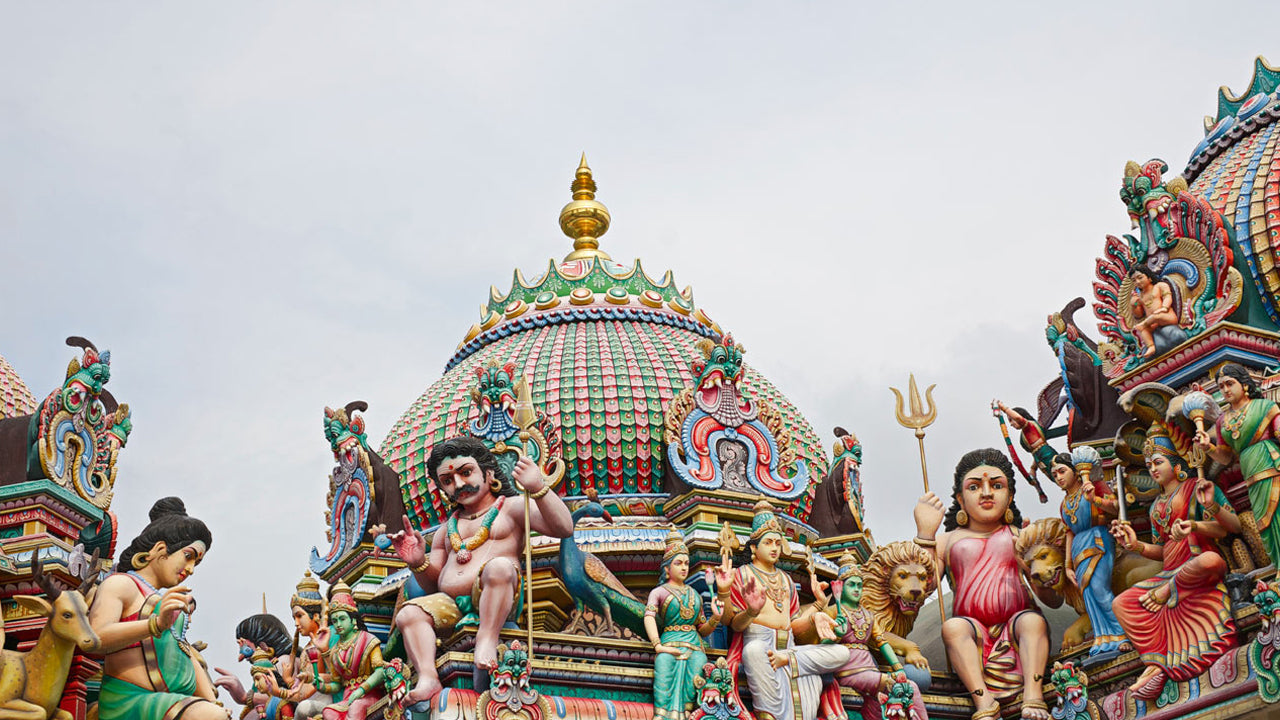
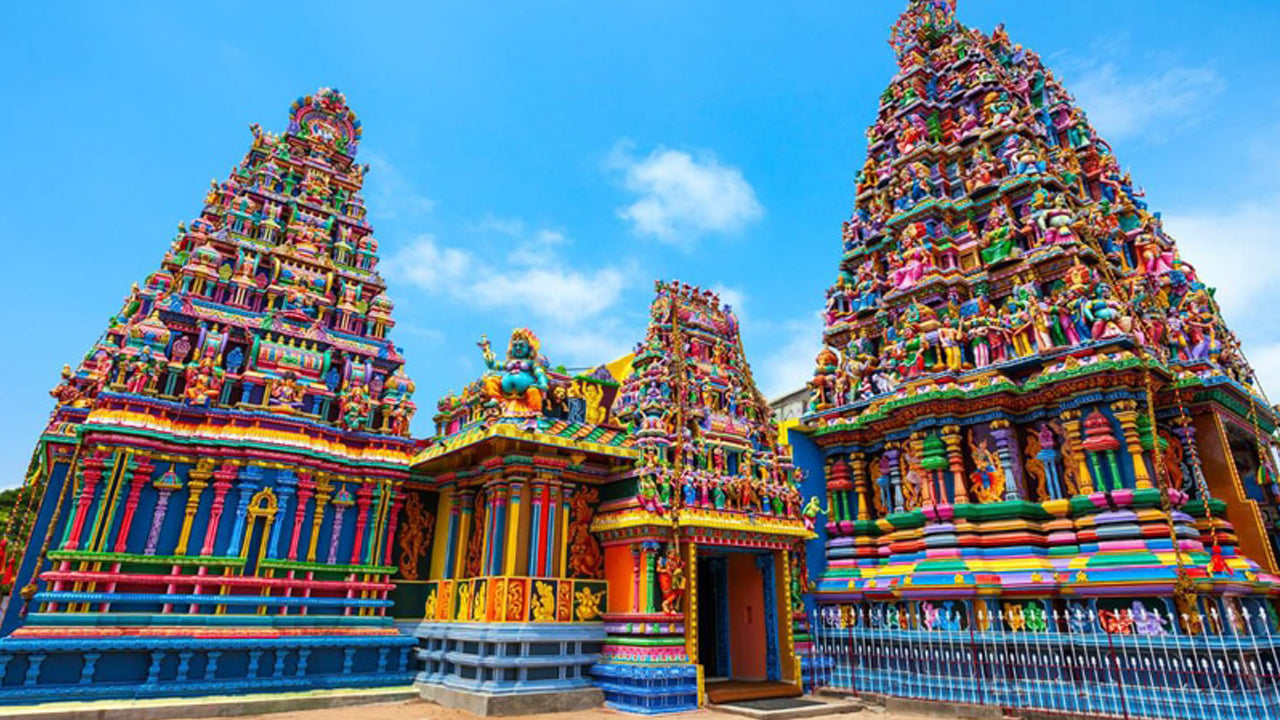
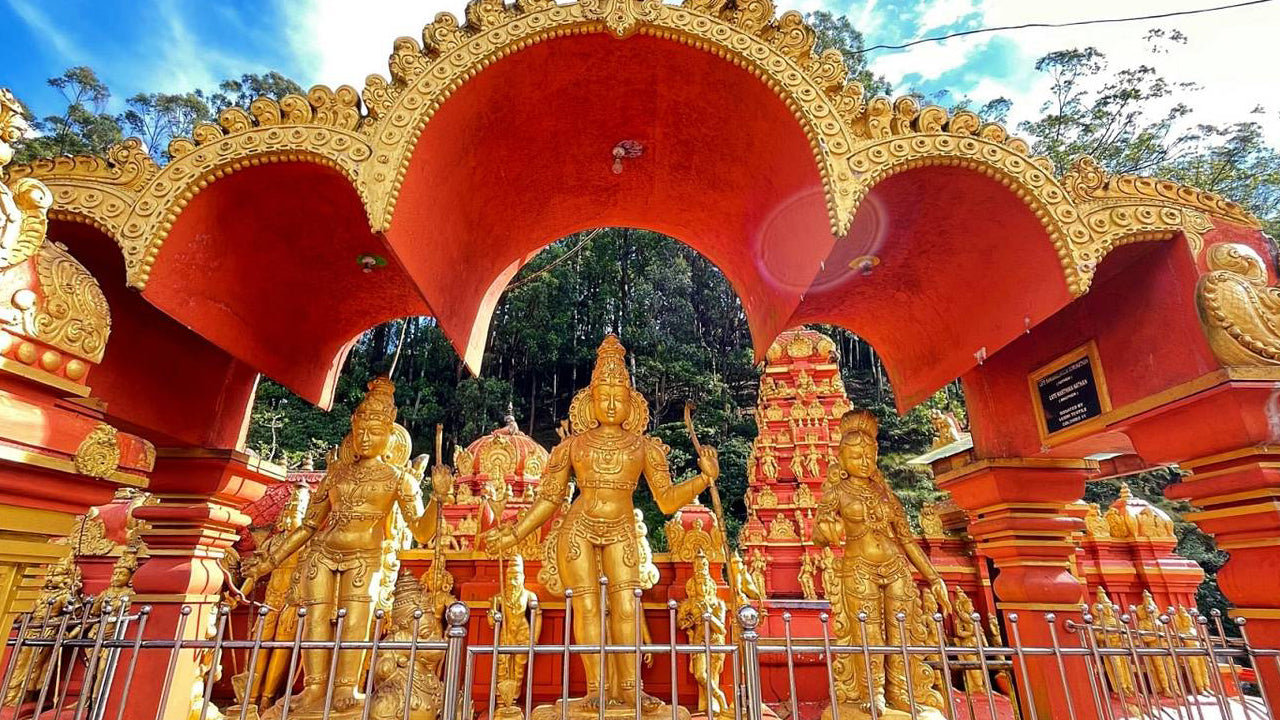
The Esala Perahera is a 15-day festival centred on the Ruhunu Kataragama Maha Devalaya, the principal shrine dedicated to the six-faced, twelve-armed deity mounted upon a peacock. The festival follows the Esala full moon, typically falling between mid-July and early August. Streets around the shrine complex are lit with oil lamps and electric illuminations, and the entire town fills with the sound of drums, conch shells, and devotional chanting around the clock.
The festival is formally opened by the hoisting of a ceremonial flagpole at the main devalaya — a ritual called kap situweema — which signals the beginning of the processions and observances. Over the following two weeks, nightly torch-lit processions wind through the town, growing in scale and grandeur until the climactic Maha Perahera on the night of the full moon. Unlike the Esala Perahera in Kandy, the Kataragama festival draws heavily from Hindu tradition and Vedda heritage alongside its Buddhist elements, giving it a distinctly multi-faith character.
What rituals take place during the festival?
The range of devotional practices at Kataragama is unlike anything else in Sri Lanka. Some are meditative and austere; others are physically extreme acts of penance performed in a state of deep trance.
- Nightly processions: Costumed dancers, drummers, fire-twirlers, and decorated elephants move through the shrine precincts each evening. The processions build in size each night until the Maha Perahera.
- Firewalking (Thimithi): Devotees walk barefoot across a long bed of red-hot embers after days of fasting and prayer. The ritual is understood as both penance and proof of divine grace — and those who walk typically show no burns.
- Kavadi: Perhaps the most visually striking act of devotion, Kavadi involves devotees bearing elaborate wooden or metal structures — often adorned with peacock feathers and flowers — on their shoulders as an offering of sacrifice or gratitude for answered prayers. Preparation for Kavadi involves extended fasting and ritual purification.
- Thooku Kavadi: A more intensive form of Kavadi in which devotees fulfil vows by being suspended from iron hooks pierced through the skin. Performed in a state of devotional trance, this practice is considered a testament to absolute faith in the deity.
- Water-cutting ceremony (Diya Kepeema): On the final day of the festival, a priest ritually cuts the waters of the Menik Ganga river to bring the celebrations to a close — a moment of quiet solemnity after 15 days of intense observance.
What is the Pada Yatra pilgrimage?
One of the most profound elements of the Kataragama festival is the Pada Yatra — a pilgrimage on foot from the northern tip of Sri Lanka to Kataragama in the south-east. The journey typically begins at Nagadeepa in the Jaffna district and covers hundreds of kilometres through jungle, paddy land, and coastal scrub, often taking several weeks.
The roots of the Pada Yatra reach back to the Vedda people, Sri Lanka's indigenous community, who made this journey to honour Valli Amma — the jungle princess who became the consort of God Kataragama. Today, thousands of pilgrims — men, women, and children of all ages — undertake the walk carrying only basic provisions. They sleep in the open or at wayside temples, and villagers along the route traditionally offer food and shelter as an act of merit. The Pada Yatra is a journey of spiritual stripping-away: of comfort, of distraction, and of ego. For many pilgrims, it is the defining experience of their religious lives.
Who attends the Kataragama Perahera?
Kataragama is one of the few places in Sri Lanka — and in Asia — where you will see Buddhists, Shaivite Hindus, and Muslims gathered at the same shrine for shared ritual. The deity is claimed by all three traditions under different names and forms. Sinhalese Buddhists venerate him as a protector deity; Tamil Hindus worship him as Murugan or Skanda; many Muslims visit the adjacent Khizr mosque within the same sacred precinct. This convergence is not a modern interfaith project — it is centuries old, and it gives Kataragama a spiritual atmosphere that is genuinely hard to describe to someone who has not been there.
Pilgrims arrive from across Sri Lanka throughout the festival period, and a smaller number of visitors come from India, particularly Tamil Nadu, where devotion to Murugan is deeply rooted.
When is the Kataragama Esala Perahera held?
The festival follows the lunar calendar, beginning in the month of Esala (which corresponds to July–August in the Gregorian calendar) and running for 15 days until the full moon. The exact dates shift each year by a few days. The flagpole hoisting marks the opening; the Maha Perahera — the grand final procession — takes place on the full-moon night; and the Diya Kepeema water-cutting ceremony closes the festival the following morning. If you can attend only one night, the Maha Perahera is the one to prioritise.
How do I get to Kataragama?
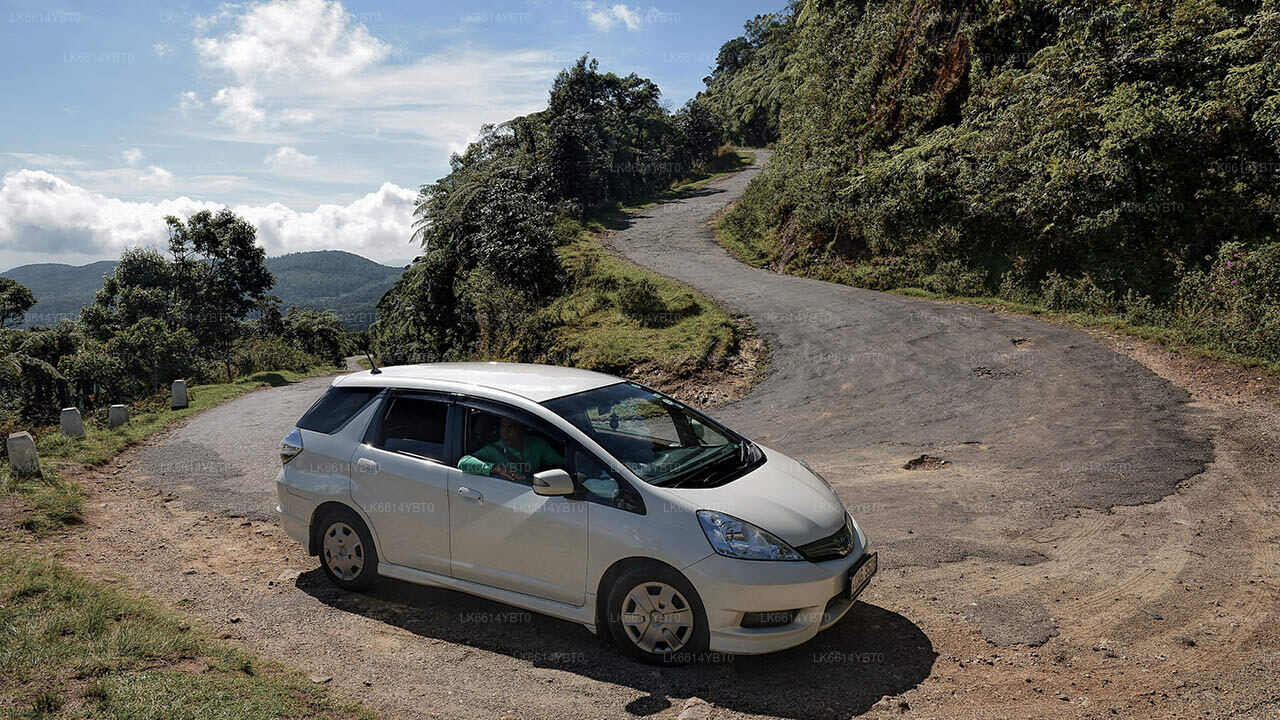
Kataragama sits in the Uva Province, near the edge of Yala National Park. The town is roughly 290 kilometres south-east of Colombo by road, a journey of around five to six hours depending on route and traffic. It is also accessible from the Southern coastal towns: Tangalle is approximately 70 kilometres to the west, and Tissamaharama — the nearest large town, often used as a base — is around 20 kilometres away.
There is no direct rail link to Kataragama. Most visitors arrive by private vehicle or intercity bus from Colombo, Galle, or Tissamaharama. During the festival, road traffic into Kataragama intensifies significantly; arriving early in the day or arranging accommodation within walking distance of the shrine saves considerable time and stress. Lakpura can arrange private transfers from Colombo Airport directly to hotels in and around Kataragama.
What should visitors know before attending?
Kataragama is an active place of worship throughout the year, not only during the Esala Perahera. The following practical points apply at any time, and especially during the festival:
- Remove footwear before entering the shrine precincts. Dress modestly — shoulders and knees covered.
- Photography inside the inner sanctum is generally not permitted. Ask before raising a camera anywhere near an active ritual.
- During the Perahera, the area around the shrine becomes extremely crowded after dark. Allow extra time for movement and keep valuables secure.
- The Elephant Transit Home at Udawalawe is roughly two hours away — a worthwhile addition to a longer itinerary in this part of Sri Lanka.
- Accommodation in Kataragama fills rapidly during the festival. Book well in advance — ideally two to three months ahead for the peak Maha Perahera dates.
Is it respectful for non-Hindu, non-Buddhist visitors to attend?
Yes. Kataragama has always been open to people of all faiths, and foreign visitors who attend with genuine curiosity and respectful behaviour are generally welcomed. The key is to observe rather than intrude — stand back from active rituals unless invited to participate, and follow the lead of worshippers around you. The atmosphere during the Perahera is one of concentrated devotion, not performance, and treating it as such will be appreciated by everyone present.