Eleusine coracana (Finger Millet; Kurakkan; කුරක්කන්)


Eleusine coracana, or finger millet, also known as Bala Kurakkan, is an annual herbaceous plant widely grown as a cereal crop in the arid and semiarid areas in Africa and Asia. It is a tetraploid and self-pollinating species probably evolved from its wild relative Eleusine africana.
Interesting crop characteristics of finger millet are the ability to withstand cultivation at altitudes over 2000 m above sea level, its high drought tolerance, and the long storage time of the grains.
Finger millet contains nutrient rich components such as dietary fibers, minerals, vitamins, and phytochemicals that include phenolic compounds with several potential health benefits. Calcium (Ca) is an important macronutrient for healthy life of plants, humans and animals. It plays an indispensable role in structure and signaling and its deficiency causes low bone density, osteoporosis, colon cancer etc.
Kurakkan is a variety of Sri Lankan wild millet whose richness makes it a unique product. Nowadays, junk food is popular the world over and the situation is the same in Sri Lanka too. Most of the foods are based on milled wheat flour which is less nutritious.
Due to this the risk of diabetes, obesity and other health defects have increased.
When we compared wheat flour and rice flour, the glycemic index of wheat flour is comparatively higher than rice flour where it raises the blood glucose level quickly. Also, when compared to rice flour, wheat flour is low in dietary fiber.
Due to these reasons, we thought it beneficial to substitute wheat flour It is very environmentally friendly as it enriches the earth and draws carbon pollution. Kurakkan contributes to the rapid sequestration of carbon, while it enriches the soil with nitrogen.
Finger millet grain is made into porridge, Idle, Pittu, Rotti, Thalapa, string hoppers, and bread. Finger millet porridge is a famous drink among Sri Lankans. Finger millet flour is becoming popular as a bakery product. Various types of porridge and alcoholic beverages are prepared from Finger millet seeds.
Health benefits of finger millet
- Good for people who are overweight.
- help to keeping the blood sugar at a low level.
- Finger millet is connected to a lower risk of heart disease.
- Helps to control the bad cholesterol without medication.
- Help keep kidneys and heart functioning properly because the finger millet has potassium.
- It help you to allows your brain and muscles to work together smoothly.


-
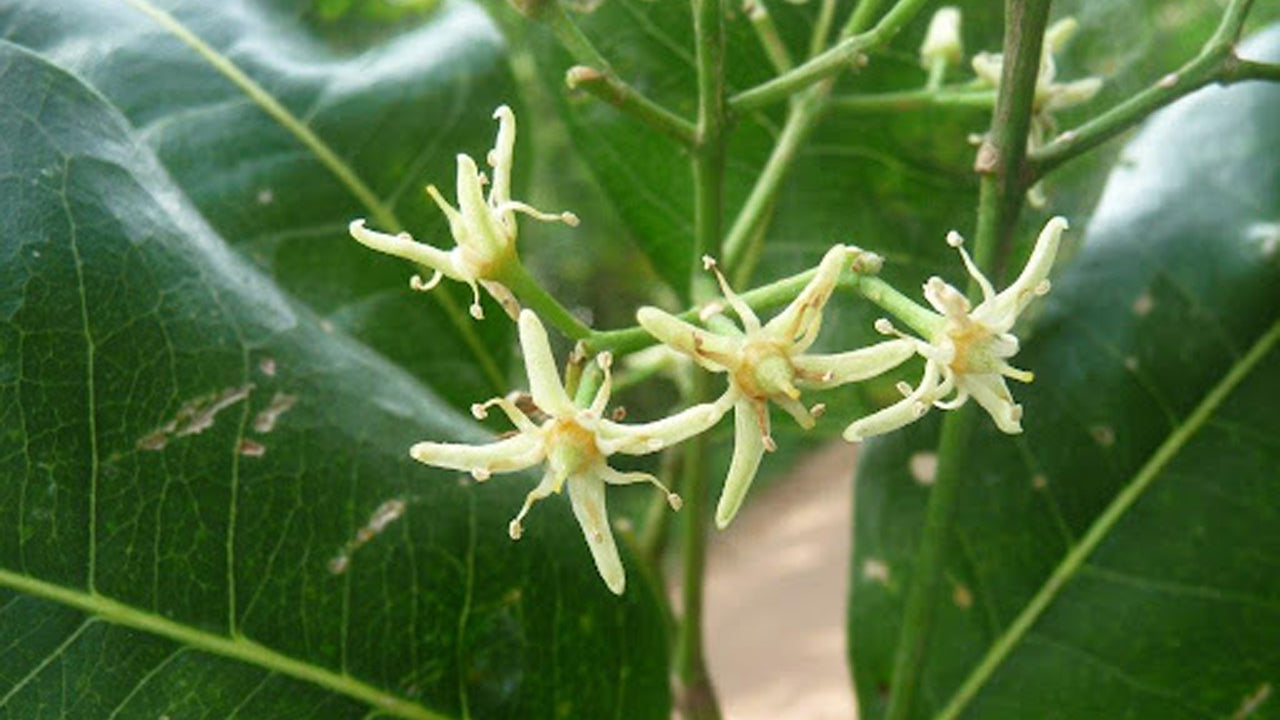
Claw-flowered laurel
Acronychia pedunculata -
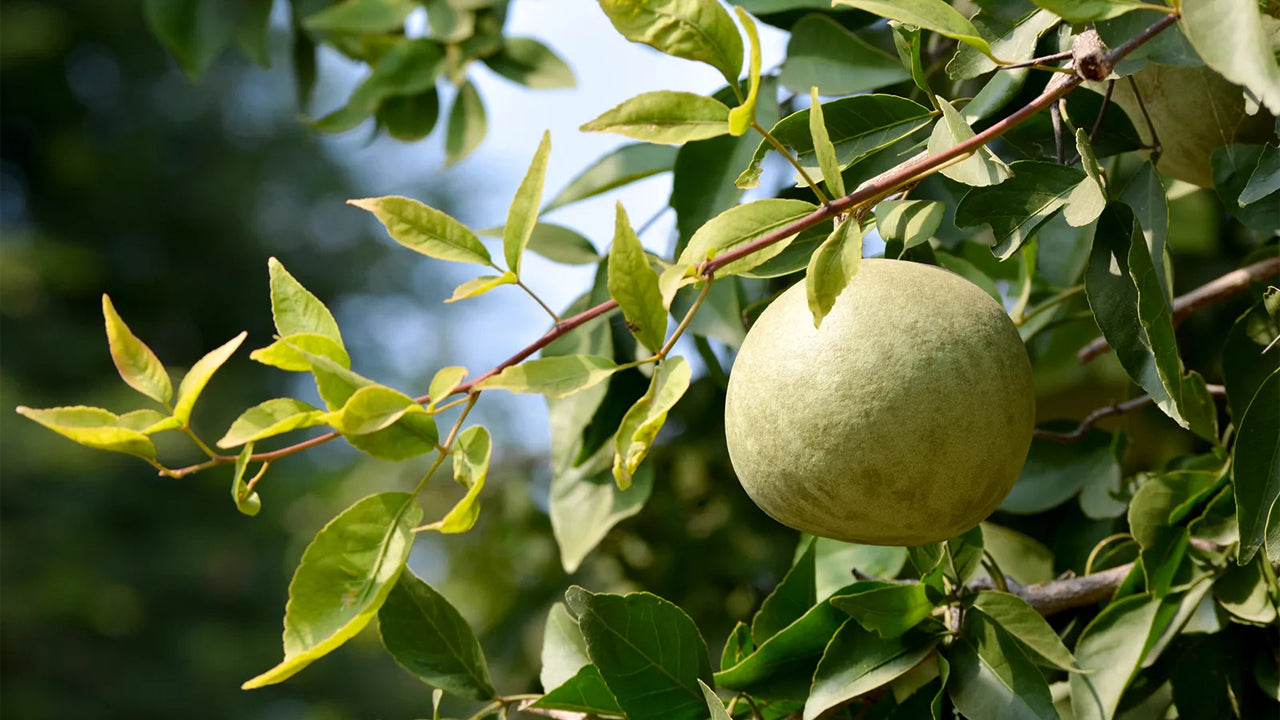
Bael
Aegle marmelos -
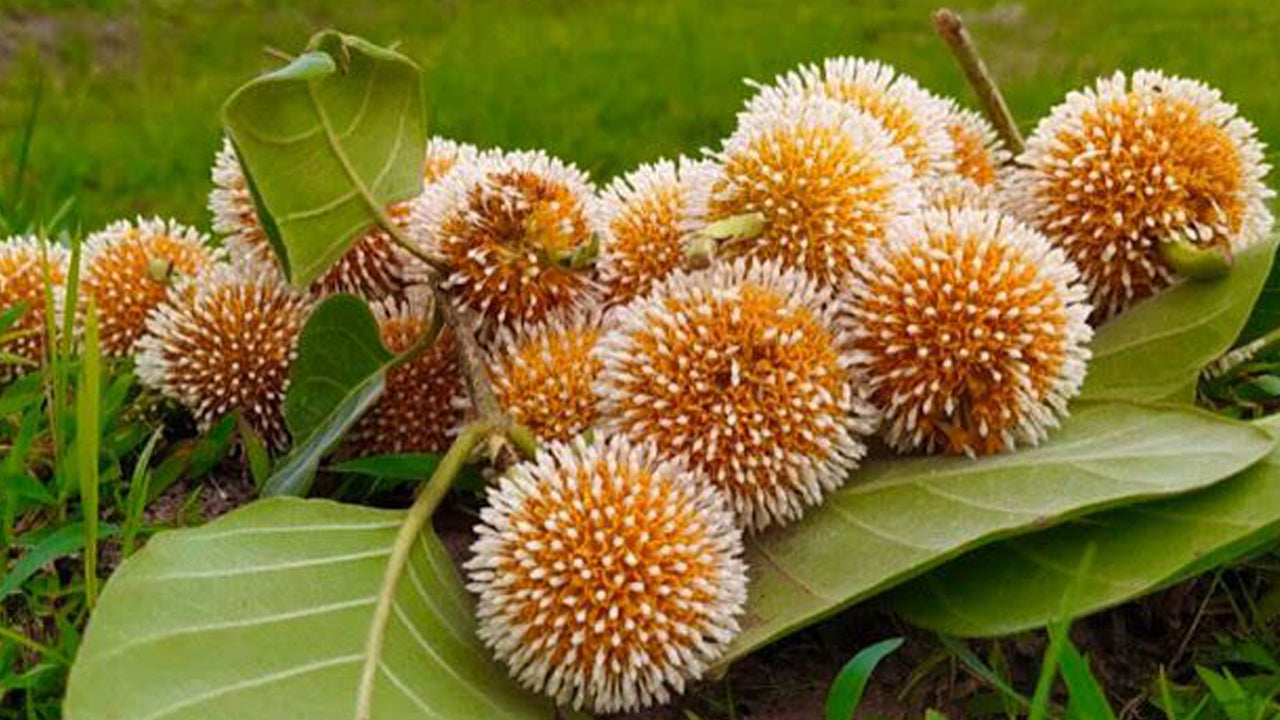
Leichhardt tree
Nauclea orientalis -
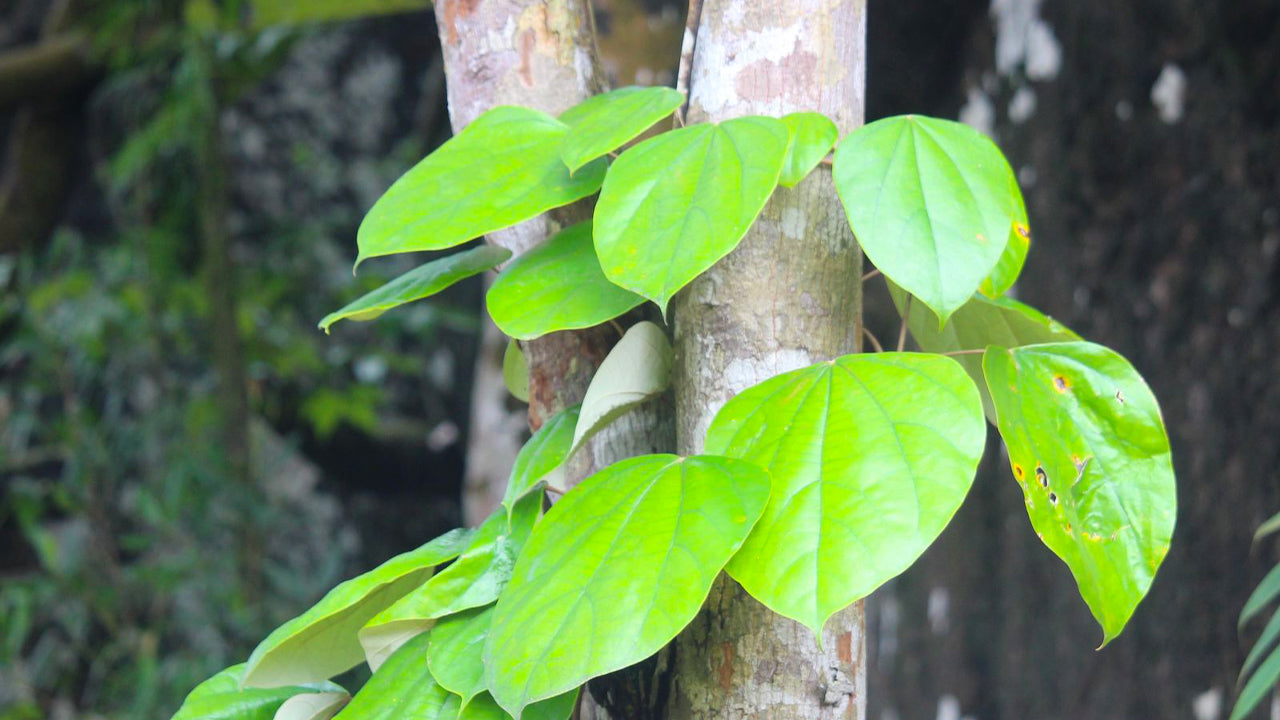
False Calumba
Coscinium fenestratum -

Malabar Gulbel
Tinospora malabarica -
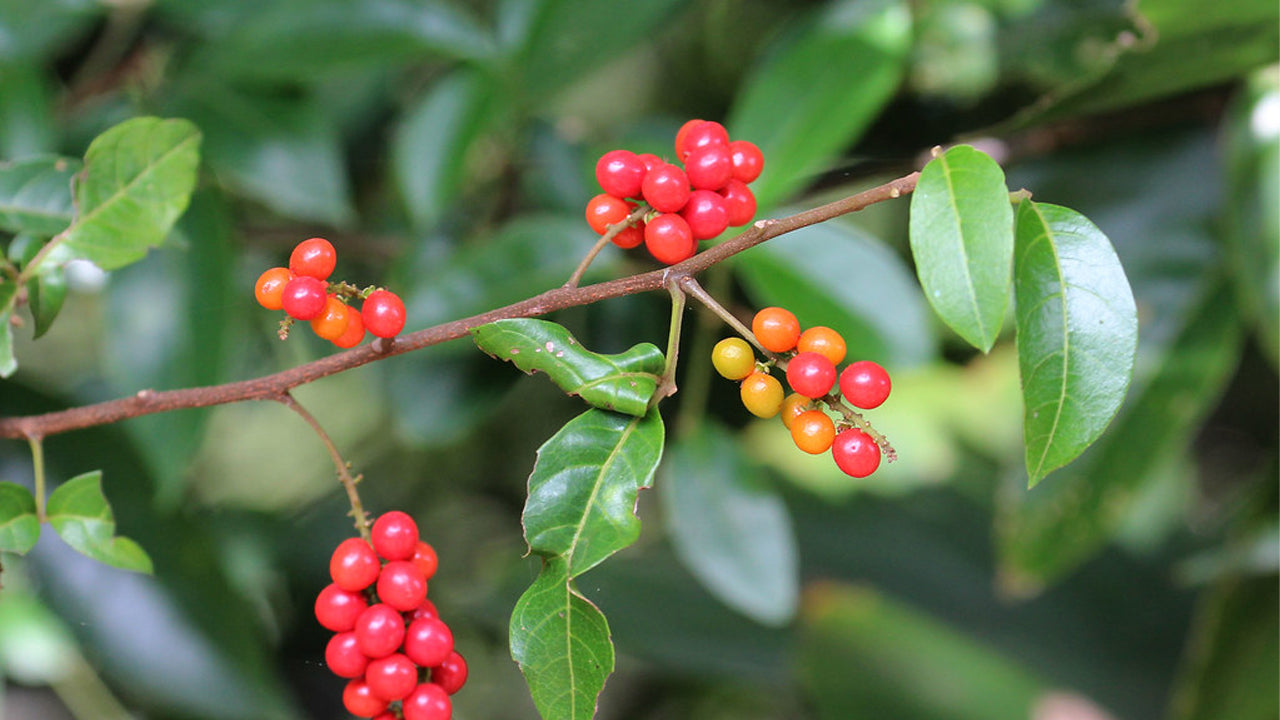
Titberry
Allophylus cobbe -
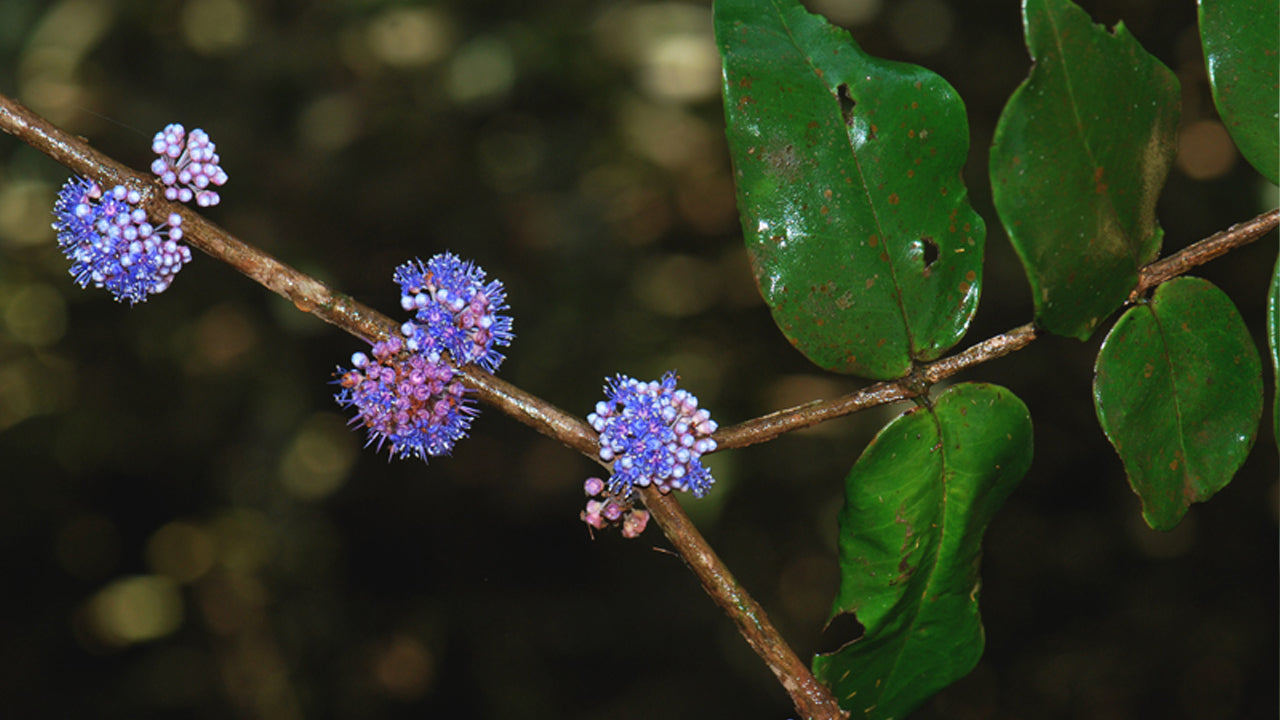
Ironwood Tree
Memecylon capitellatum -
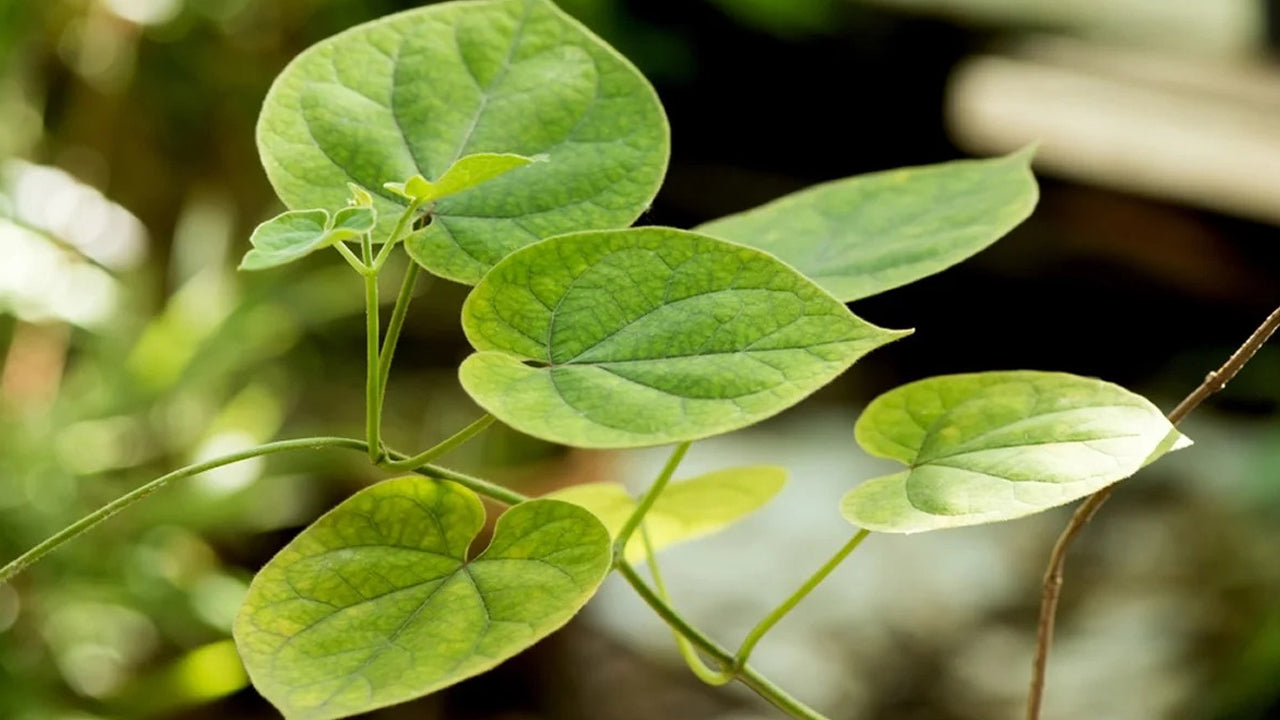
Velvet Leaf
Cissampelos pareira -
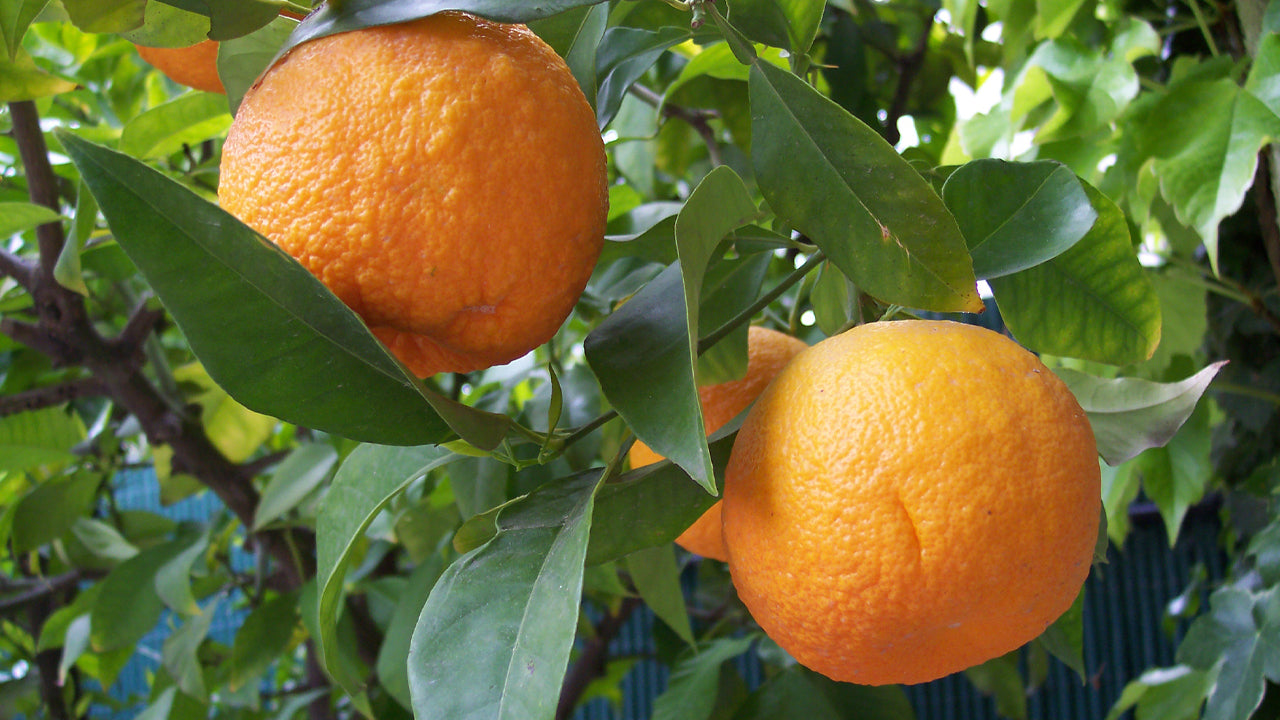
Bitter orange
Citrus aurantium -

Reinwardt's Tree Plant
Biophytun reinward -
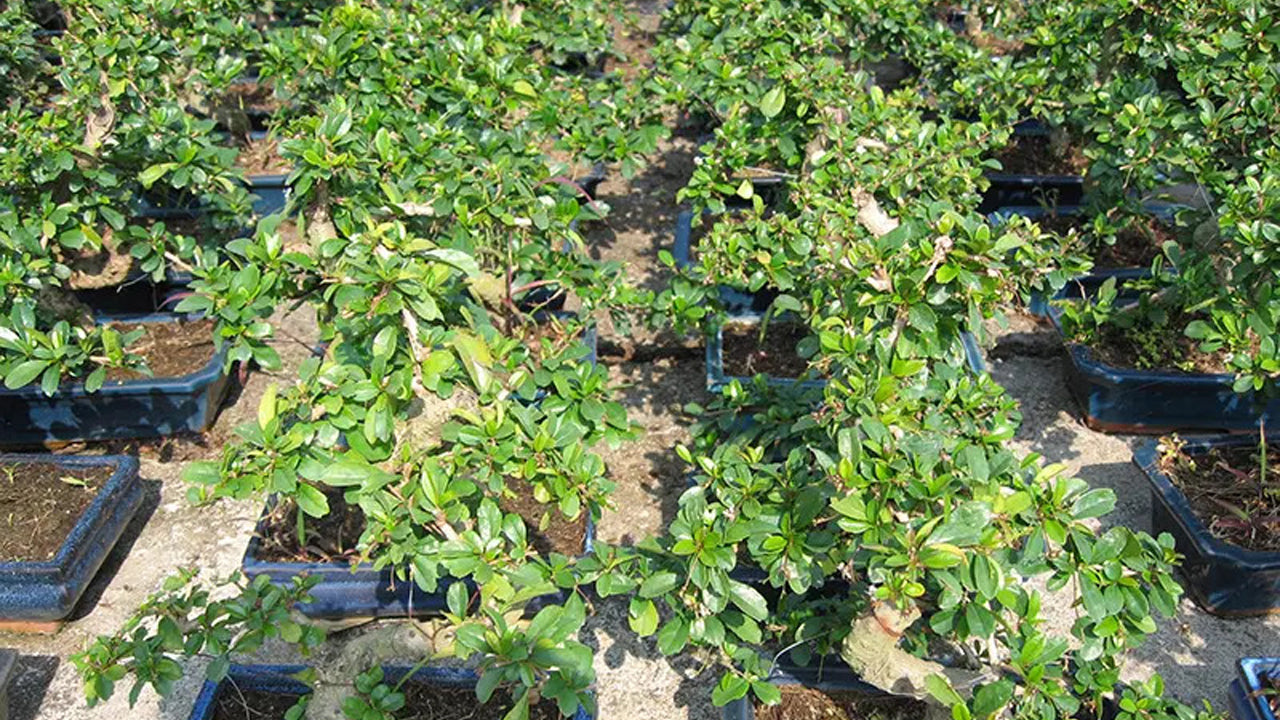
Fukien tea
Carmona microphylla -
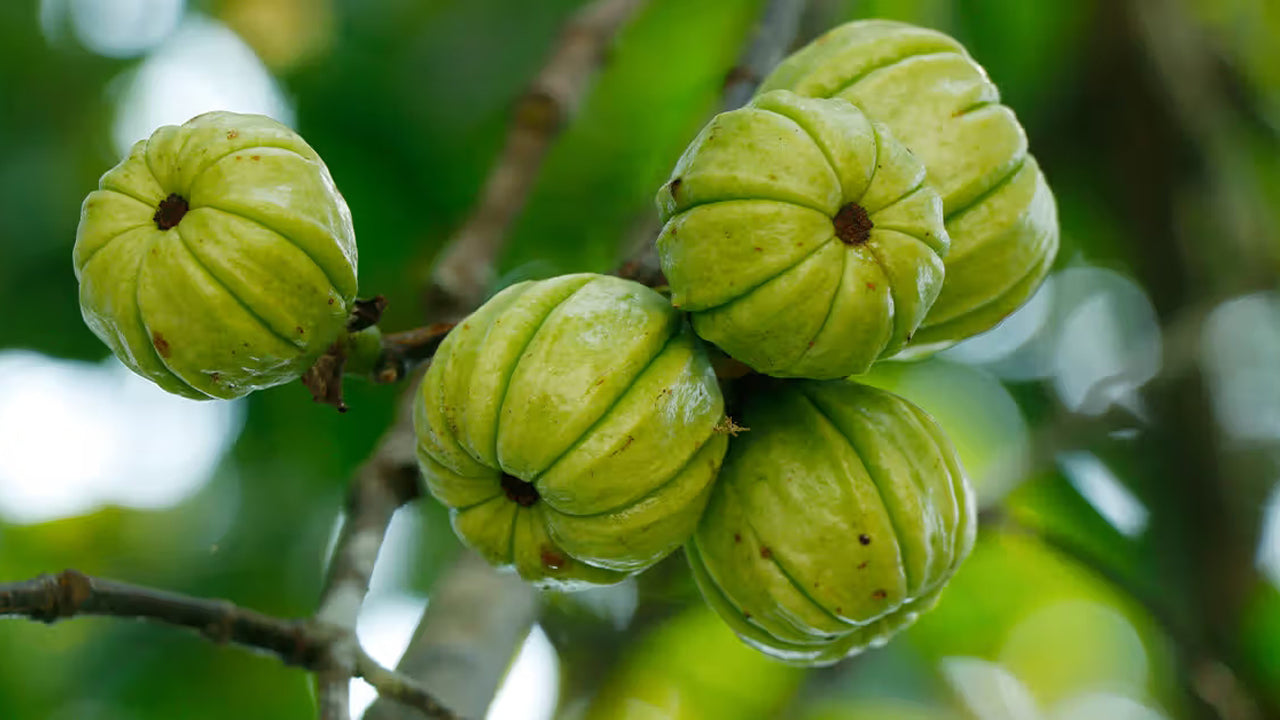
Malabar tamarind
Garcinia cambogia -
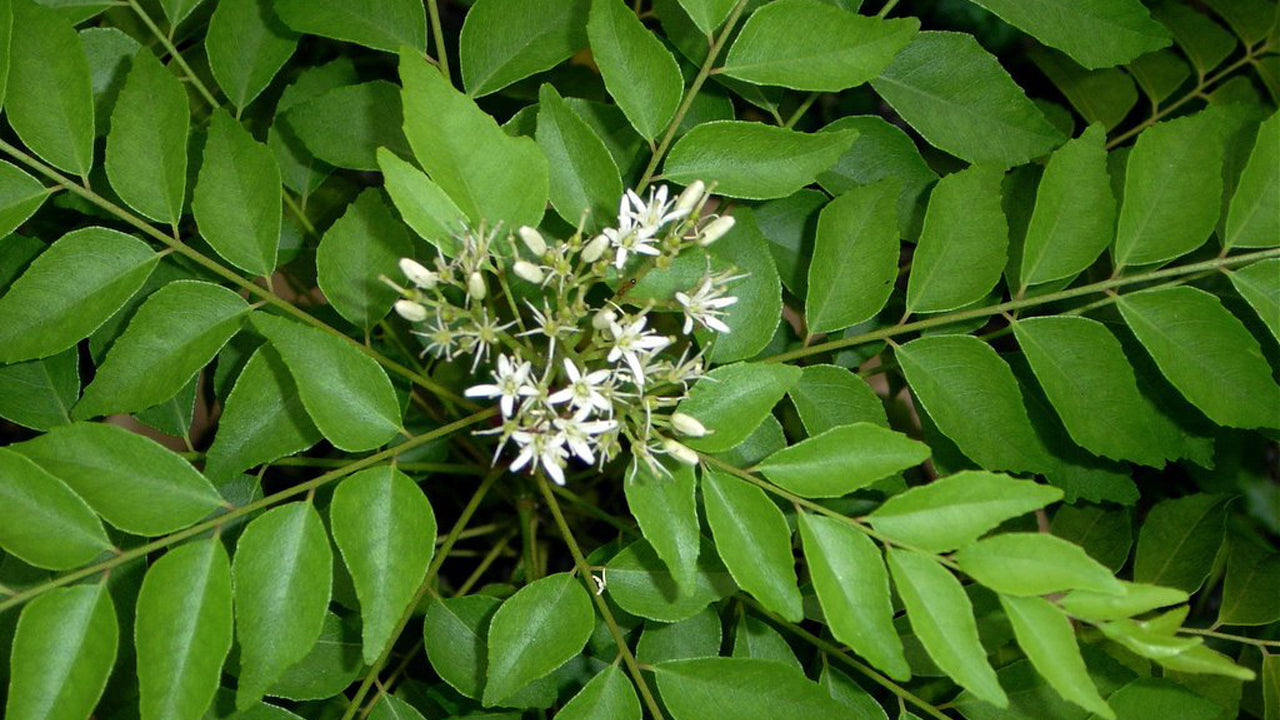
Curry leaf tree
Murraya koenigii -
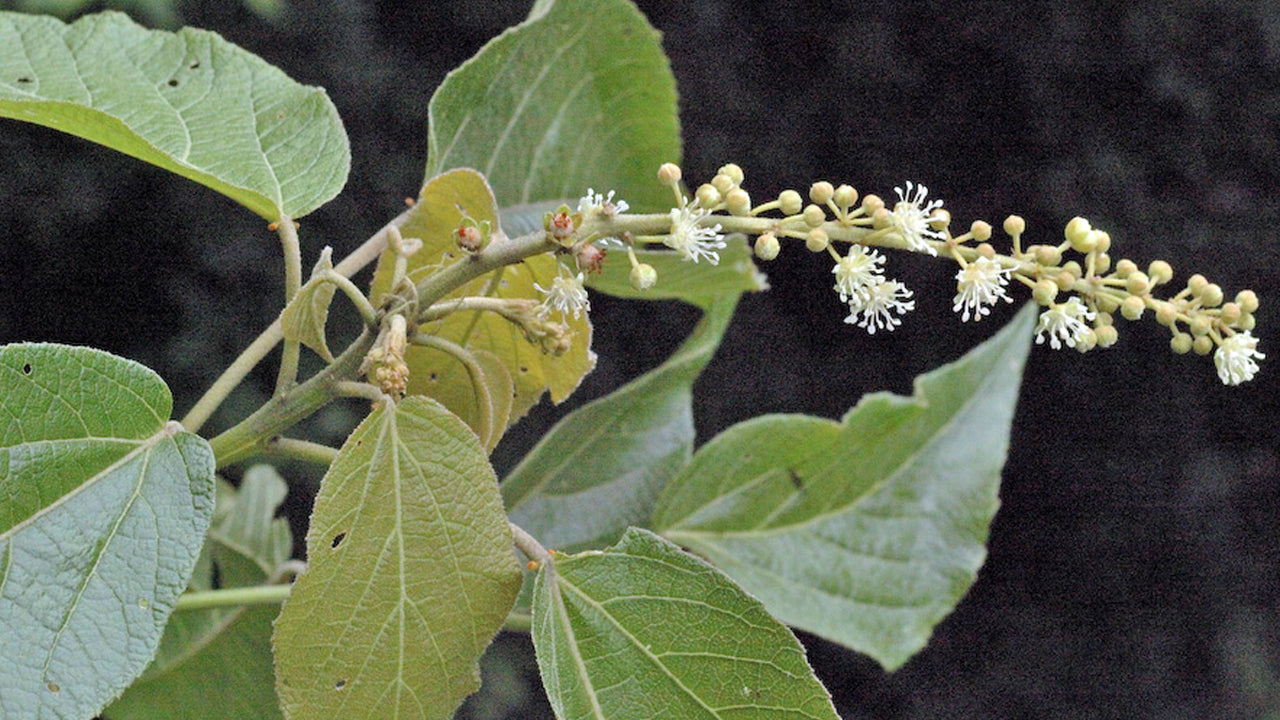
Kappetiya
Croton laccifer -
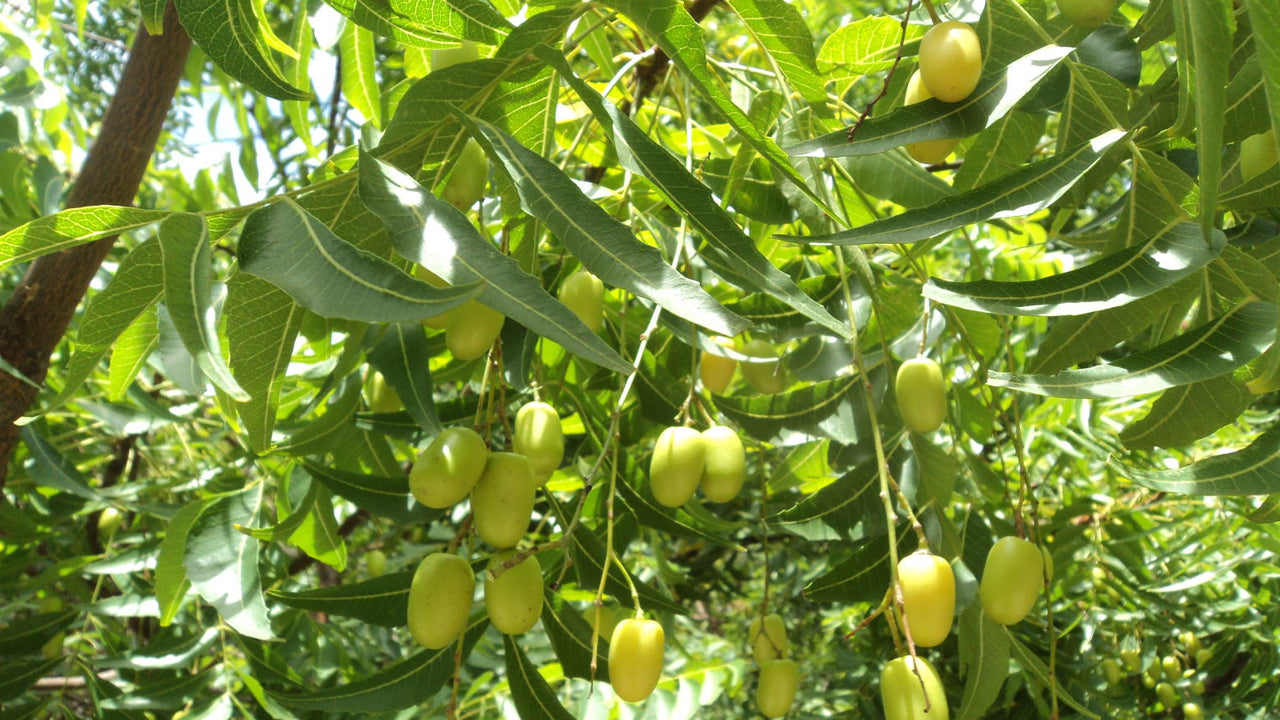
Indian lilac
Azadirachta indica -
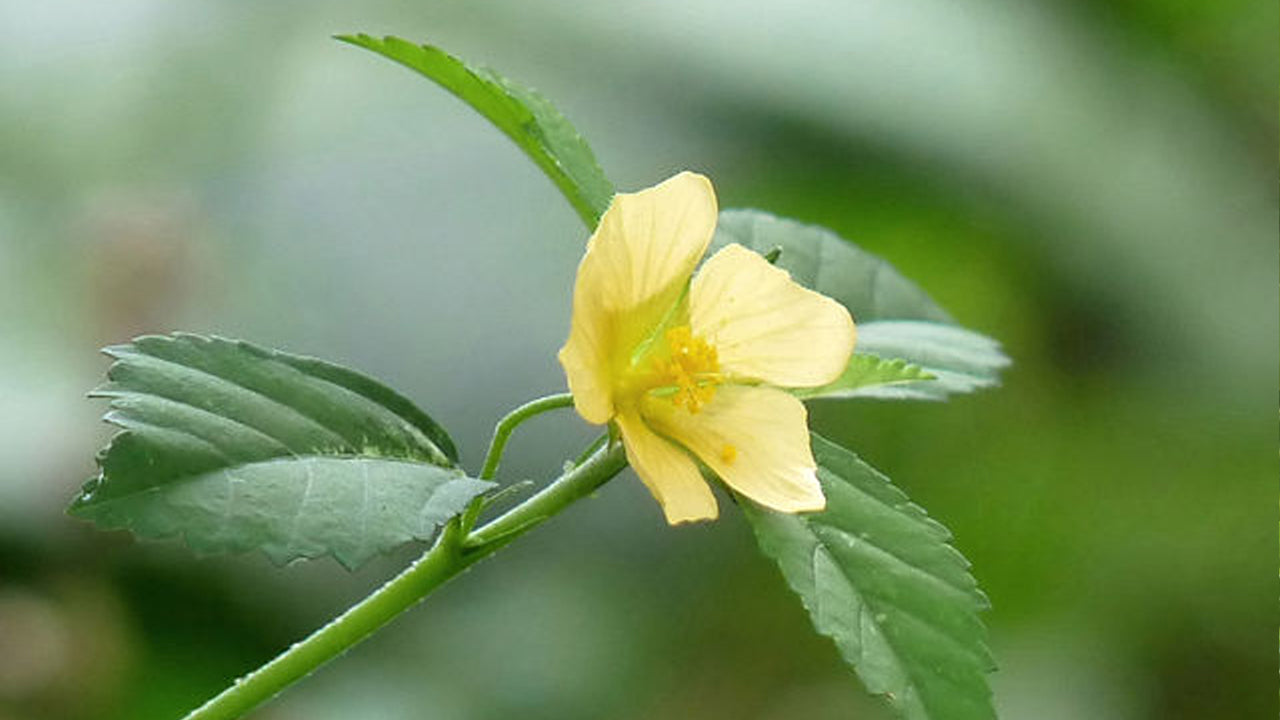
Spiny sida
Sida alba -
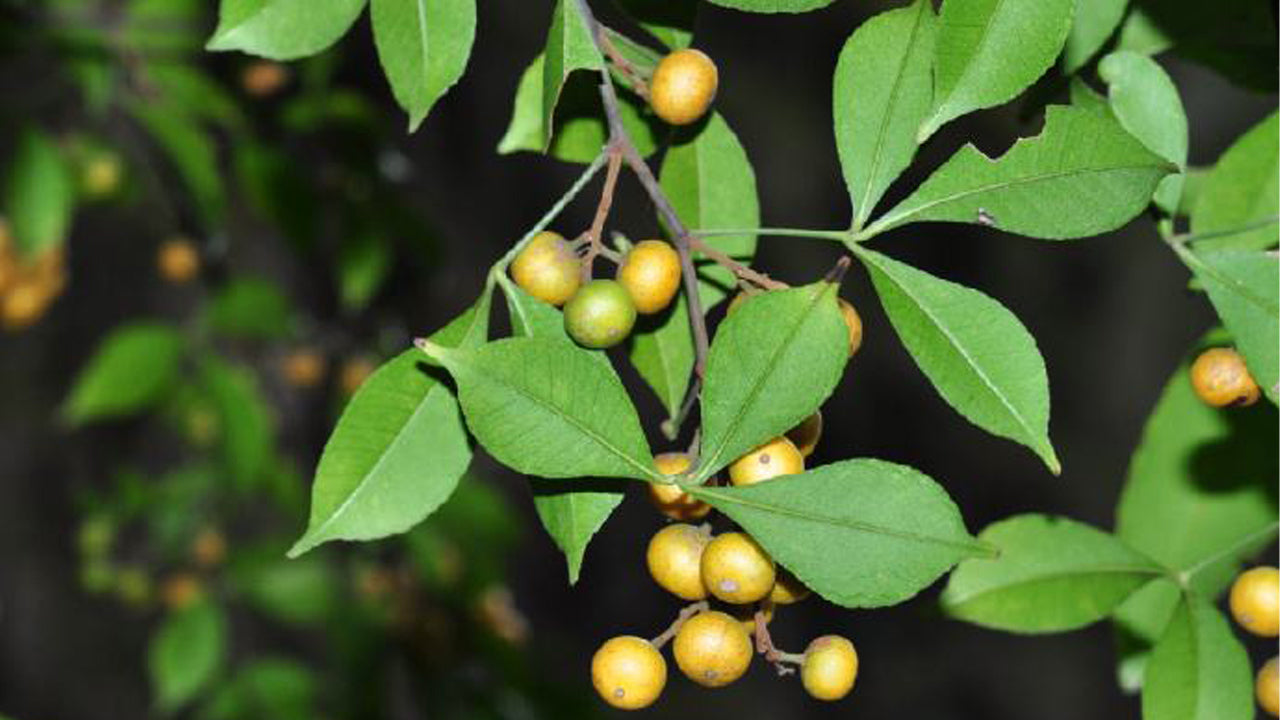
Orange climber
Toddlia asiatica -
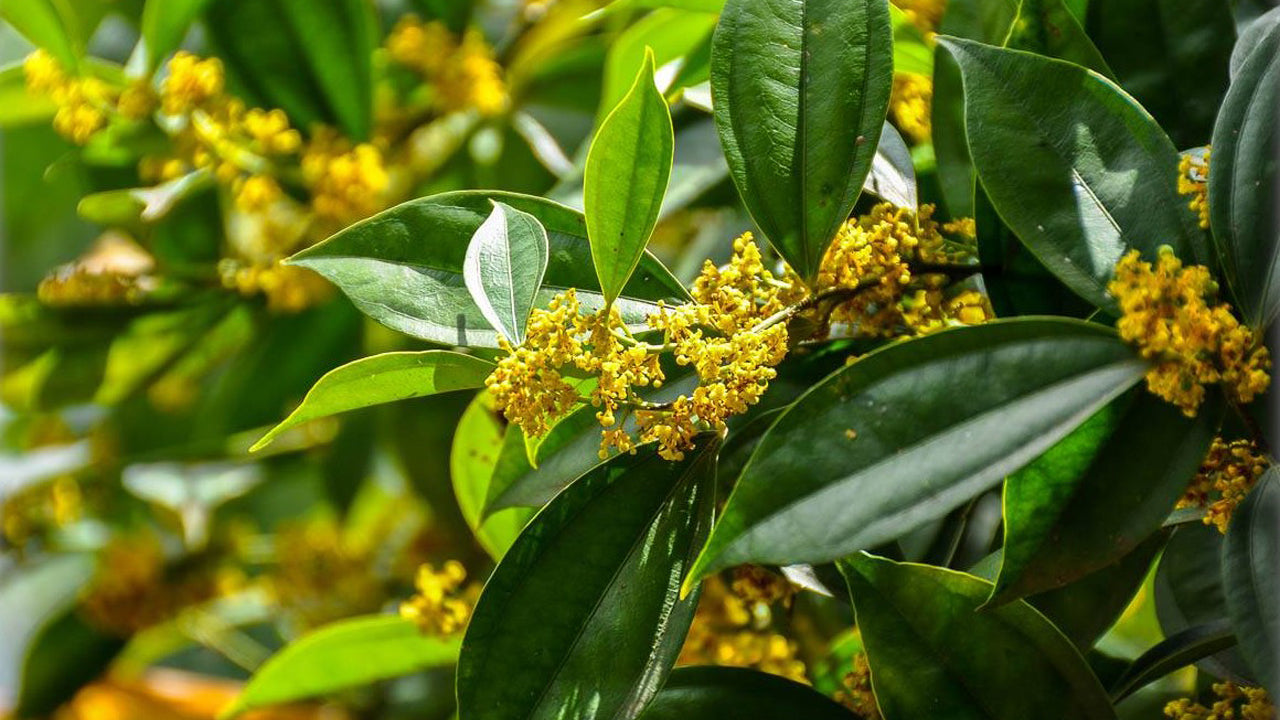
Ceylon cinnamon
Cinnamomum zeylanicum -
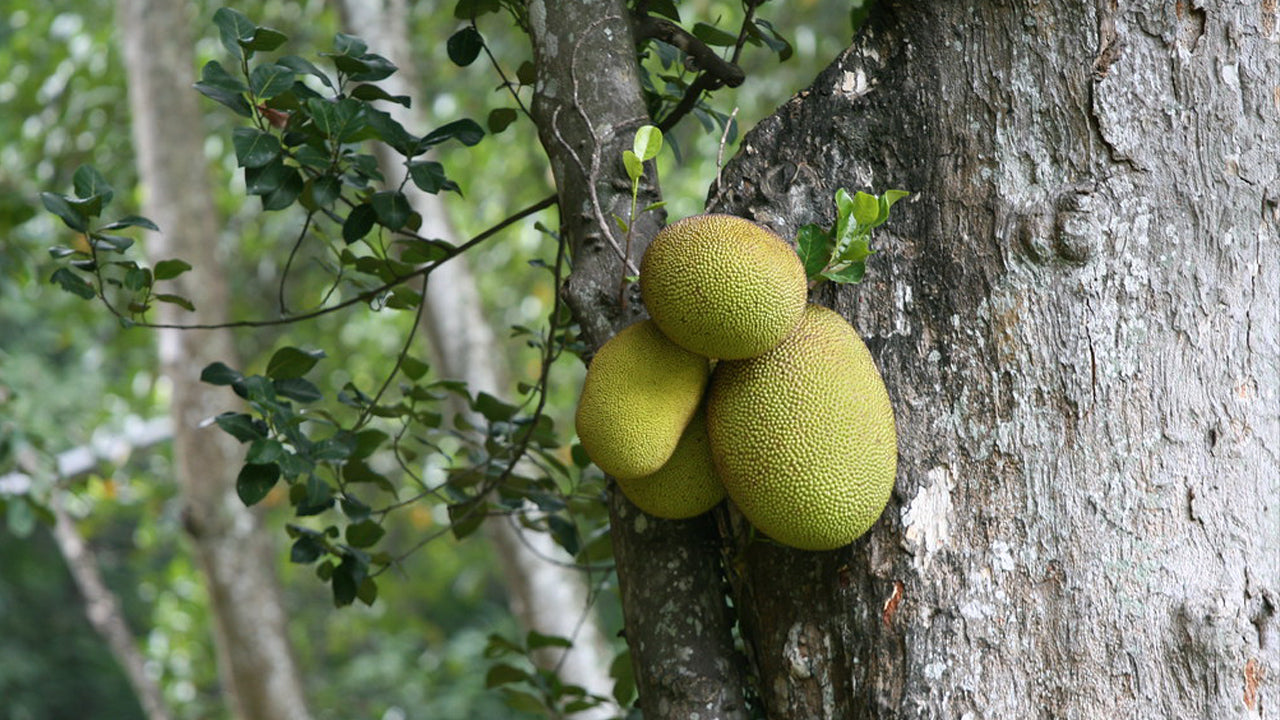
Jackfruit
Artocarpus heterophyllus -
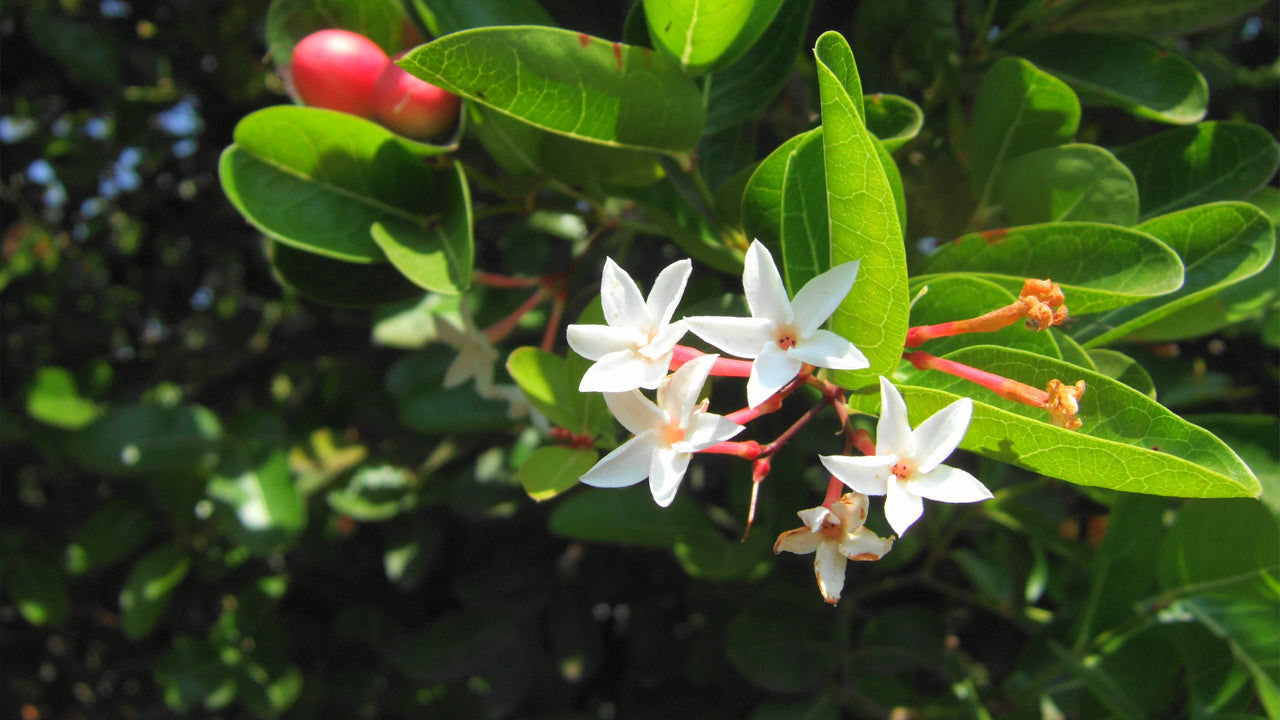
Karonda
Carissa carandas -
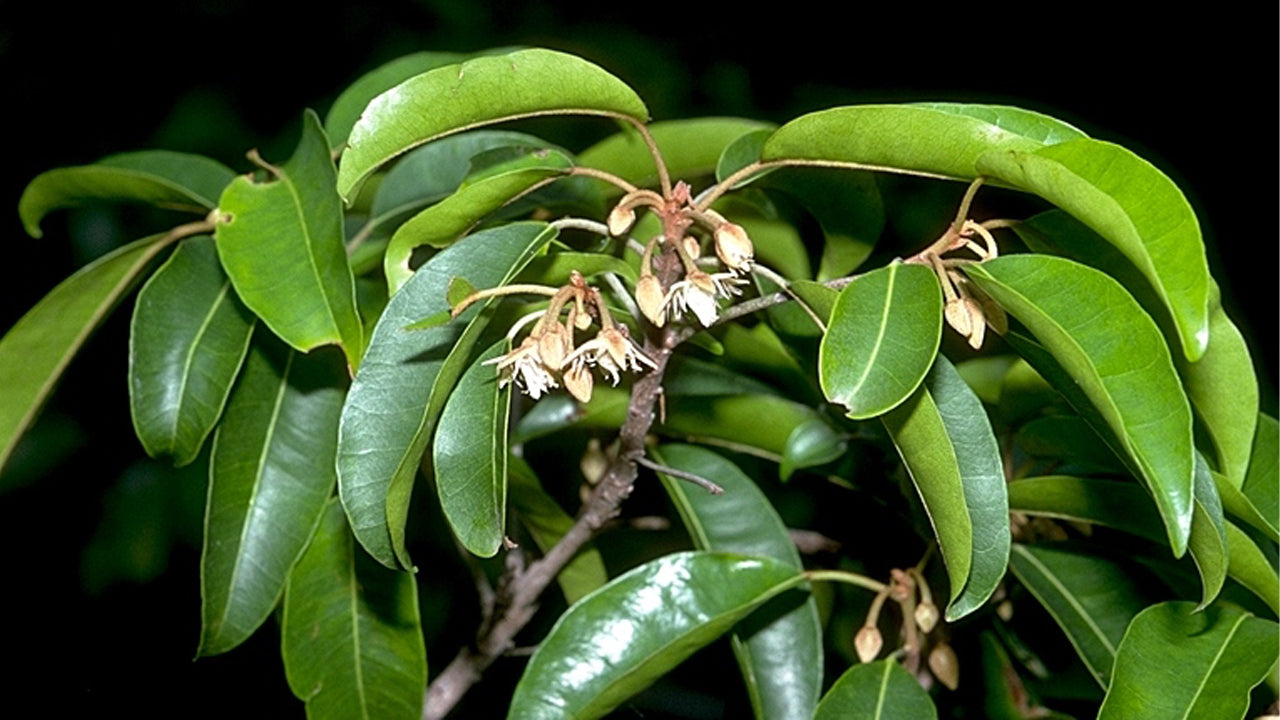
Spanish cherry
Mimusops elengi -
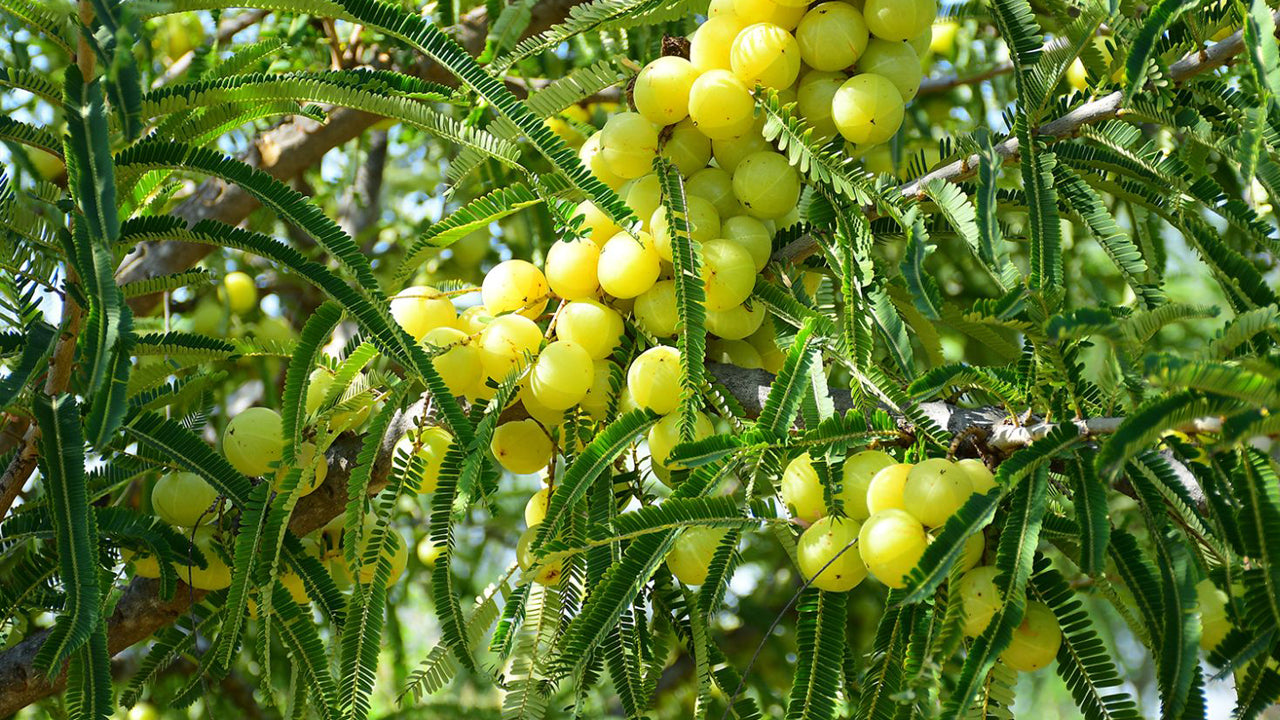
Indian gooseberry
Phyltanthus emblica -
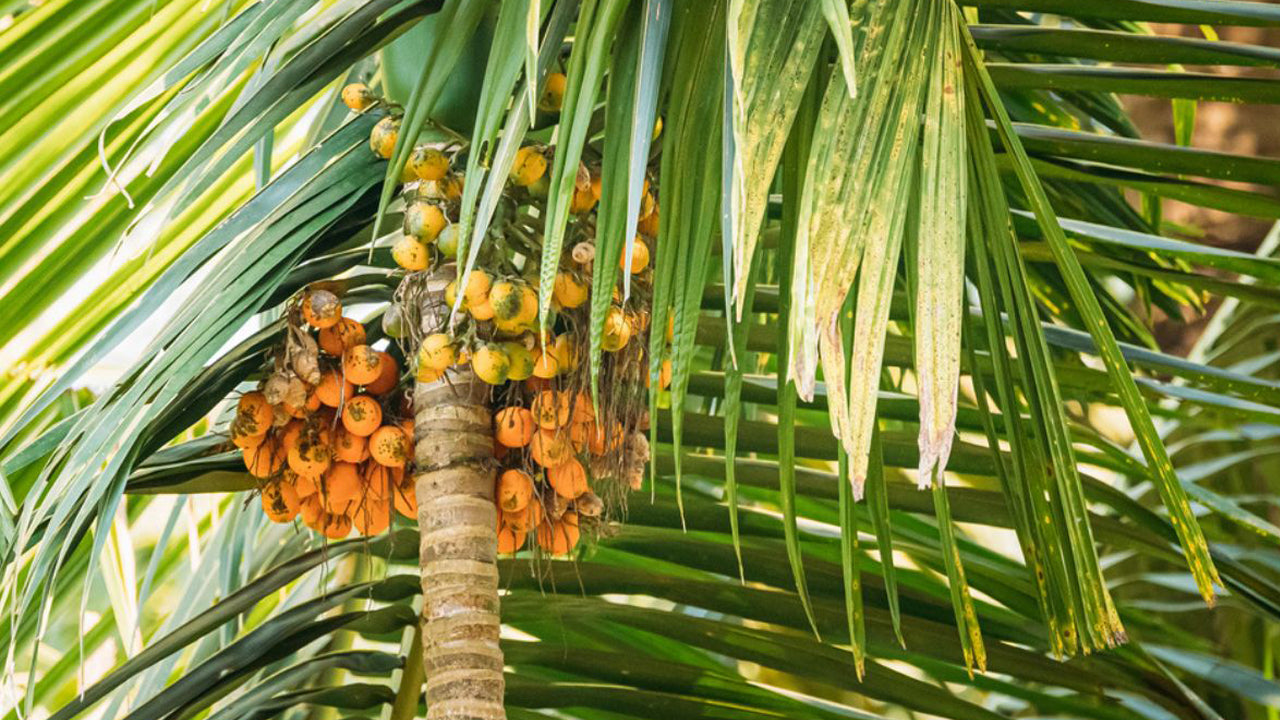
Betel palm
Areca catechu -
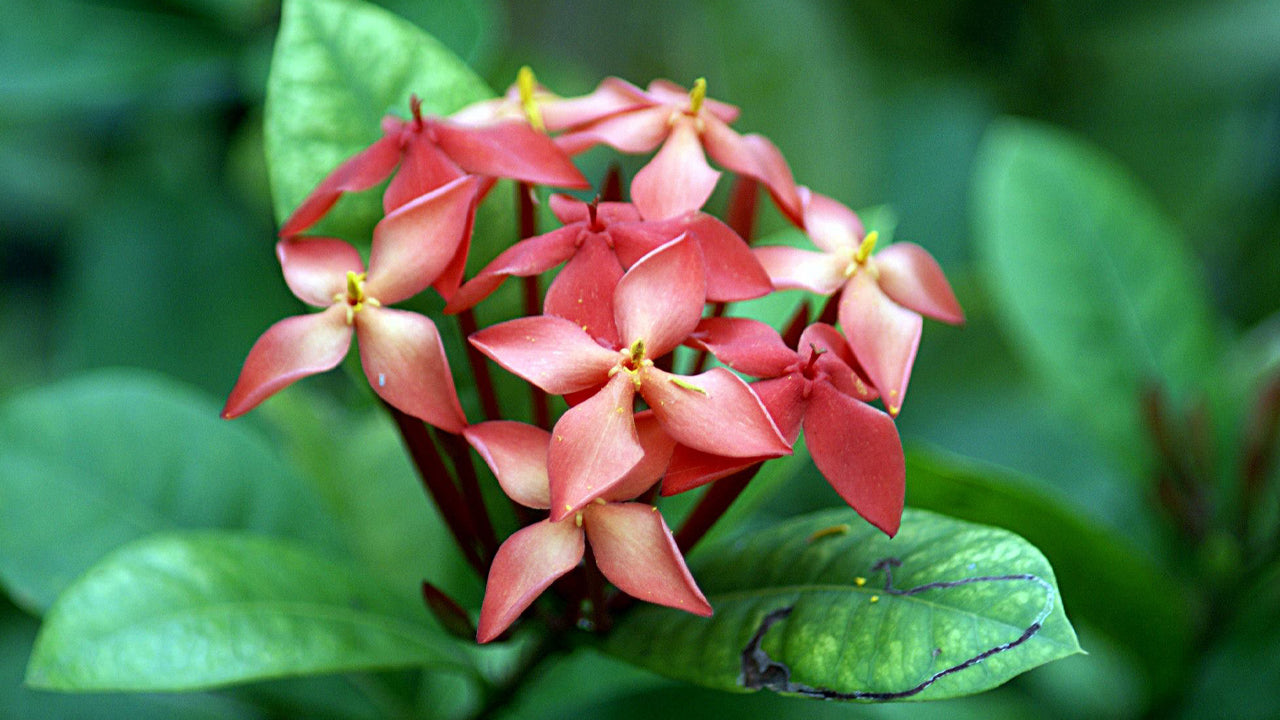
Jungle geranium
Ixora coccinea -
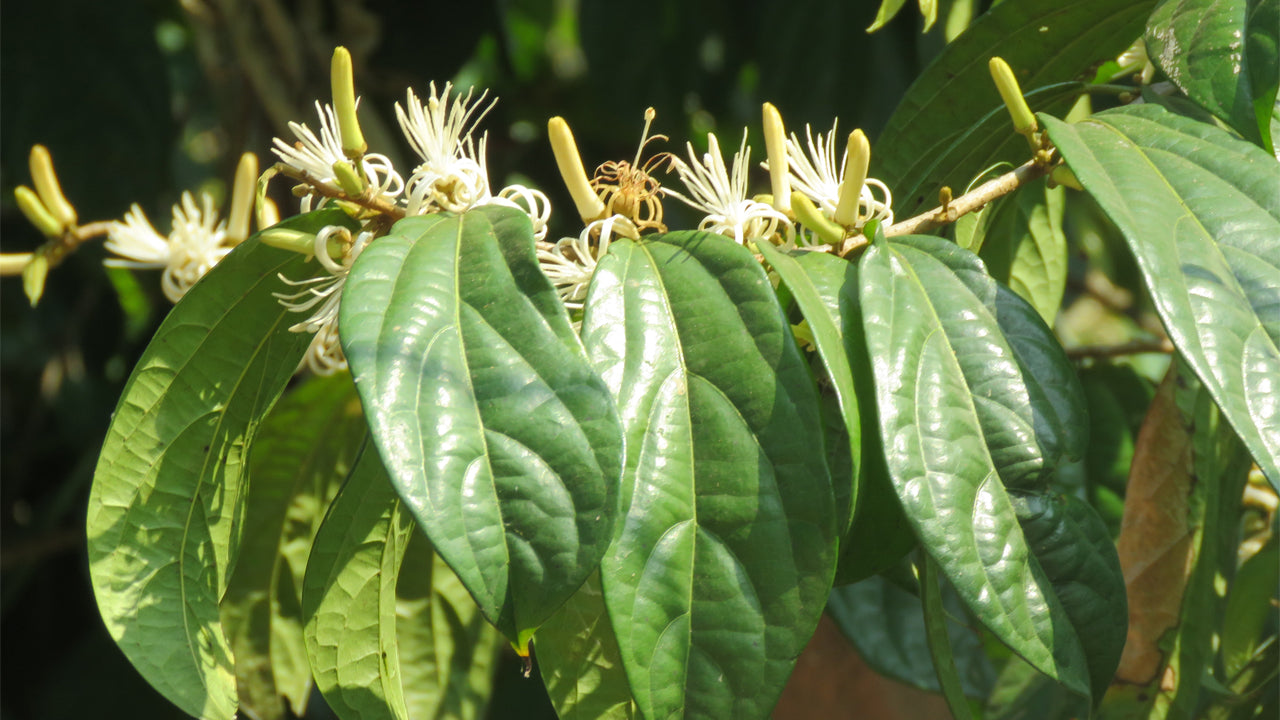
Sage-leaved alangium
Alangium salviifolium -
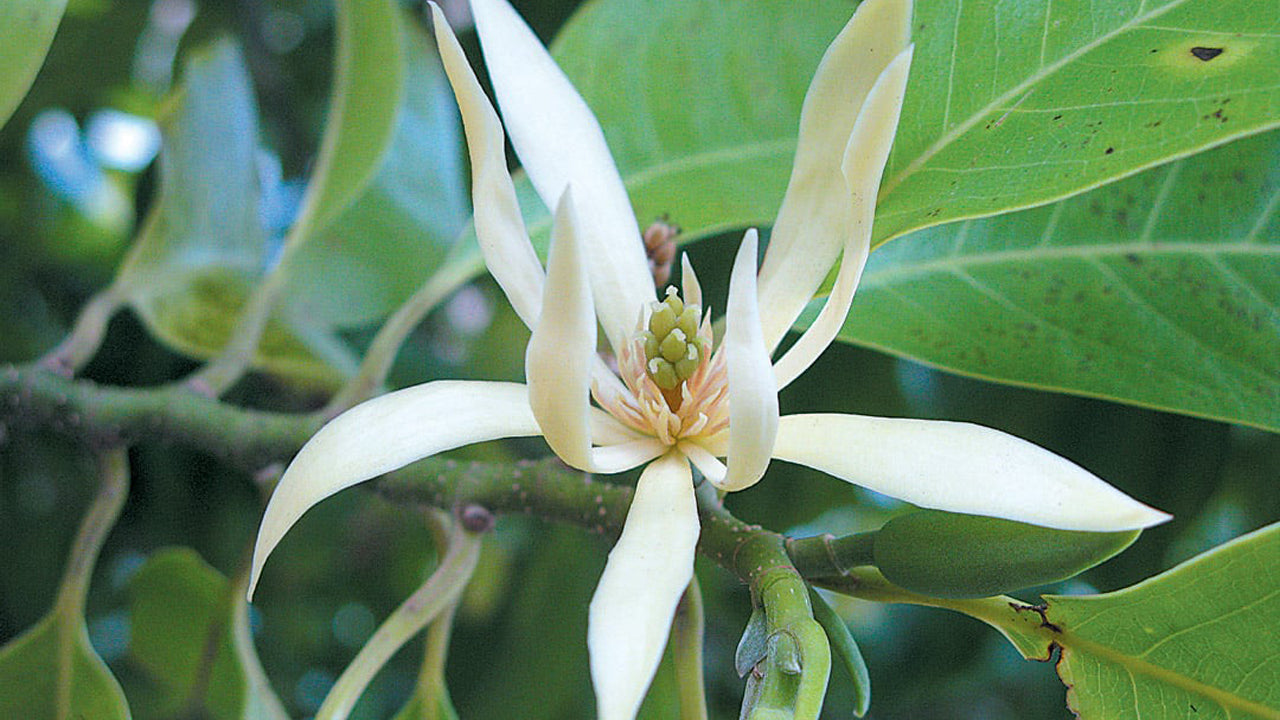
Champak
Michelia champaca -
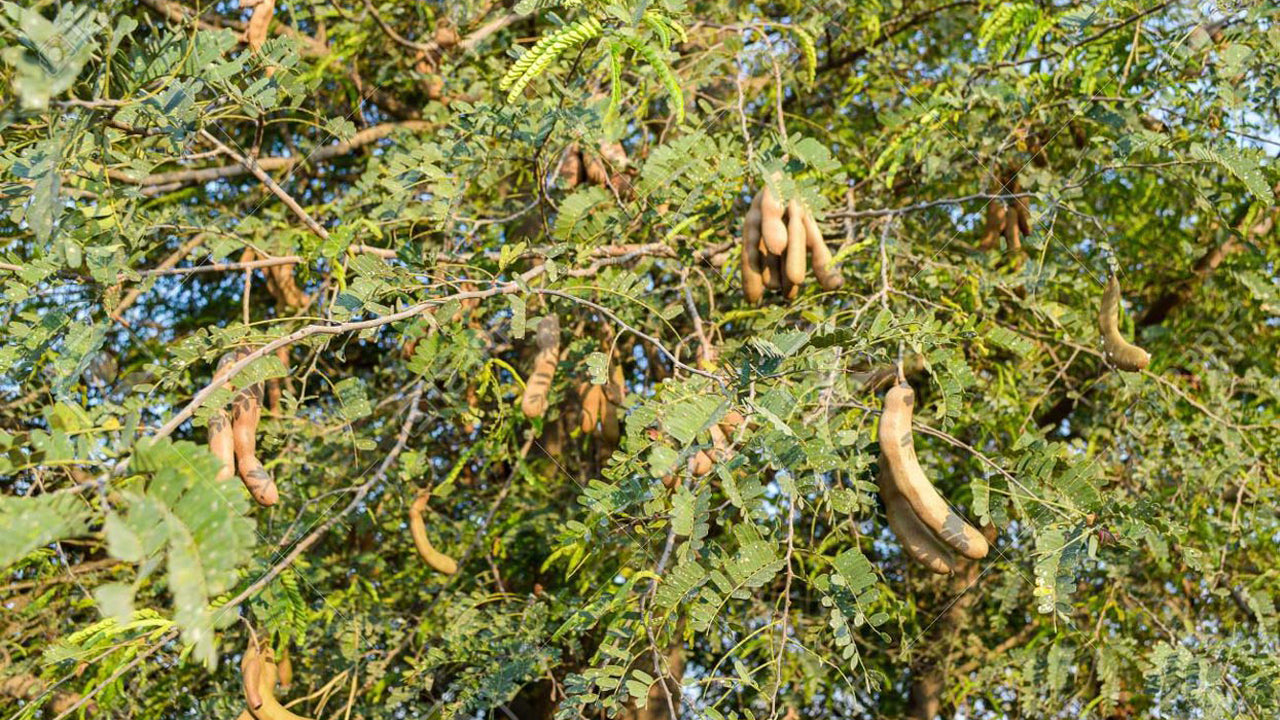
Tamarind
Tamarindus indica -
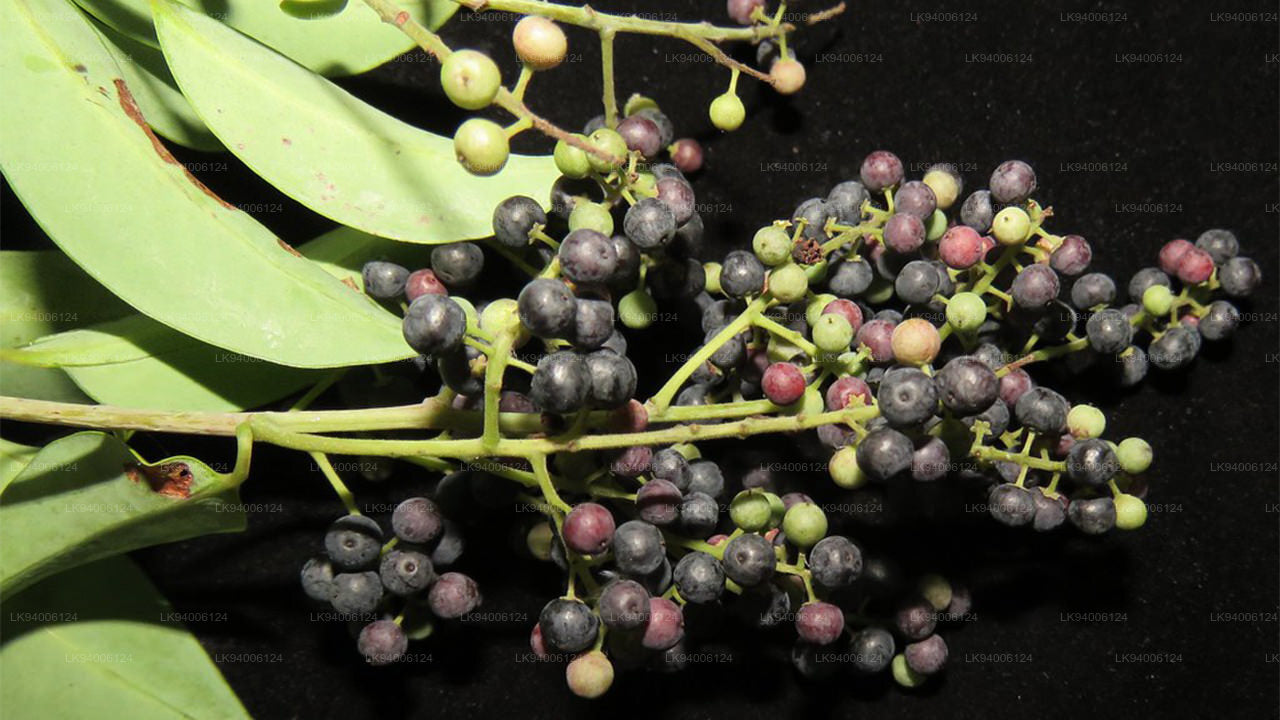
False Black Pepper
Embelia ribes -
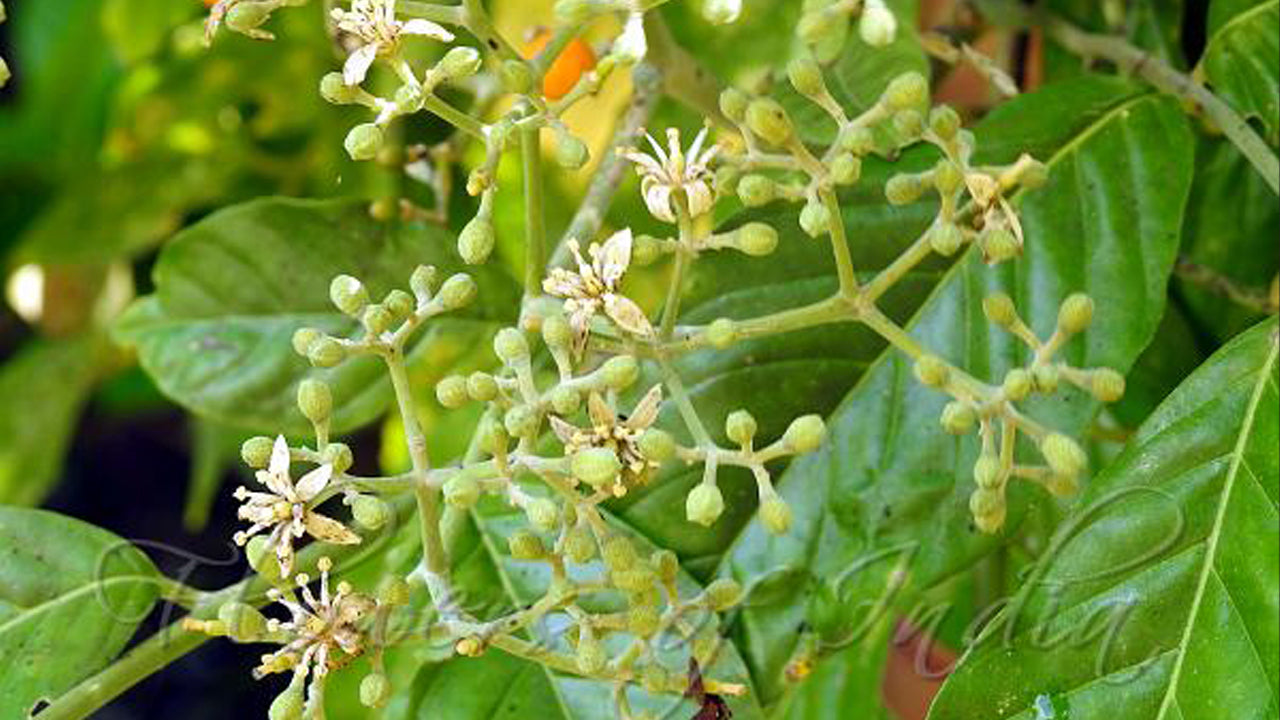
Limeberry
Micromelum ceylanicum -
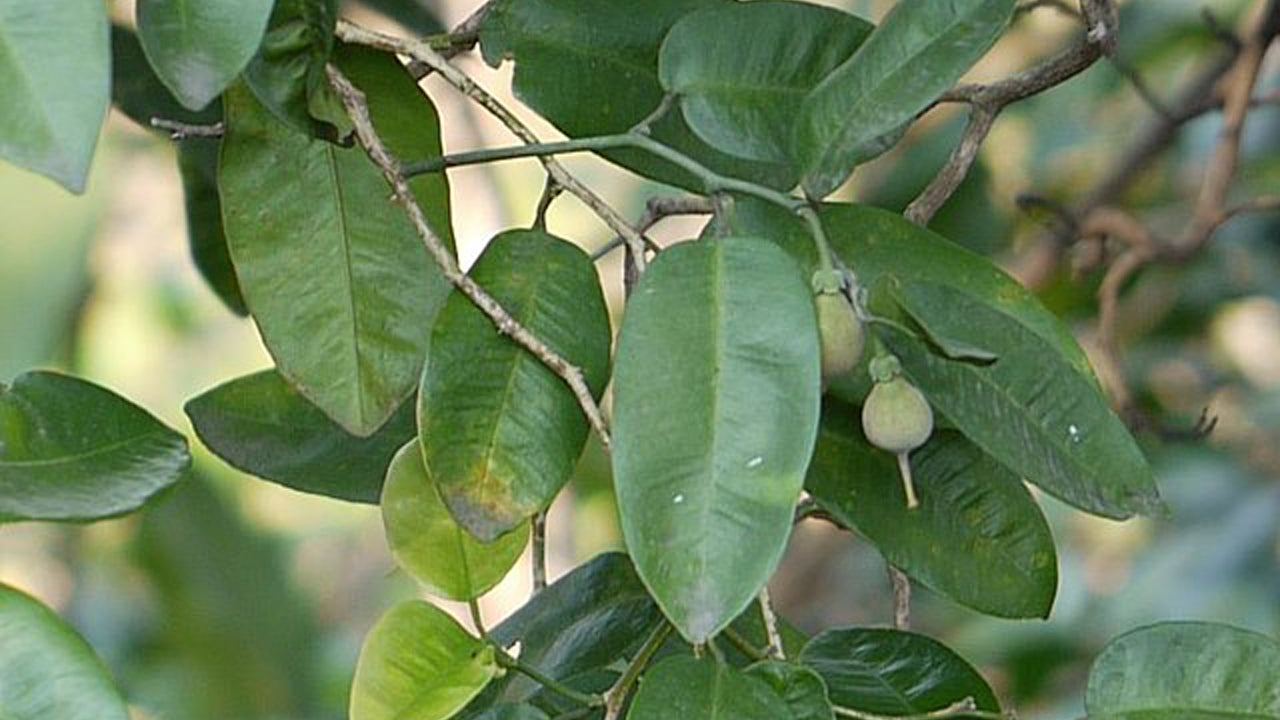
Climbing Atalantia
Paramignya monophylla



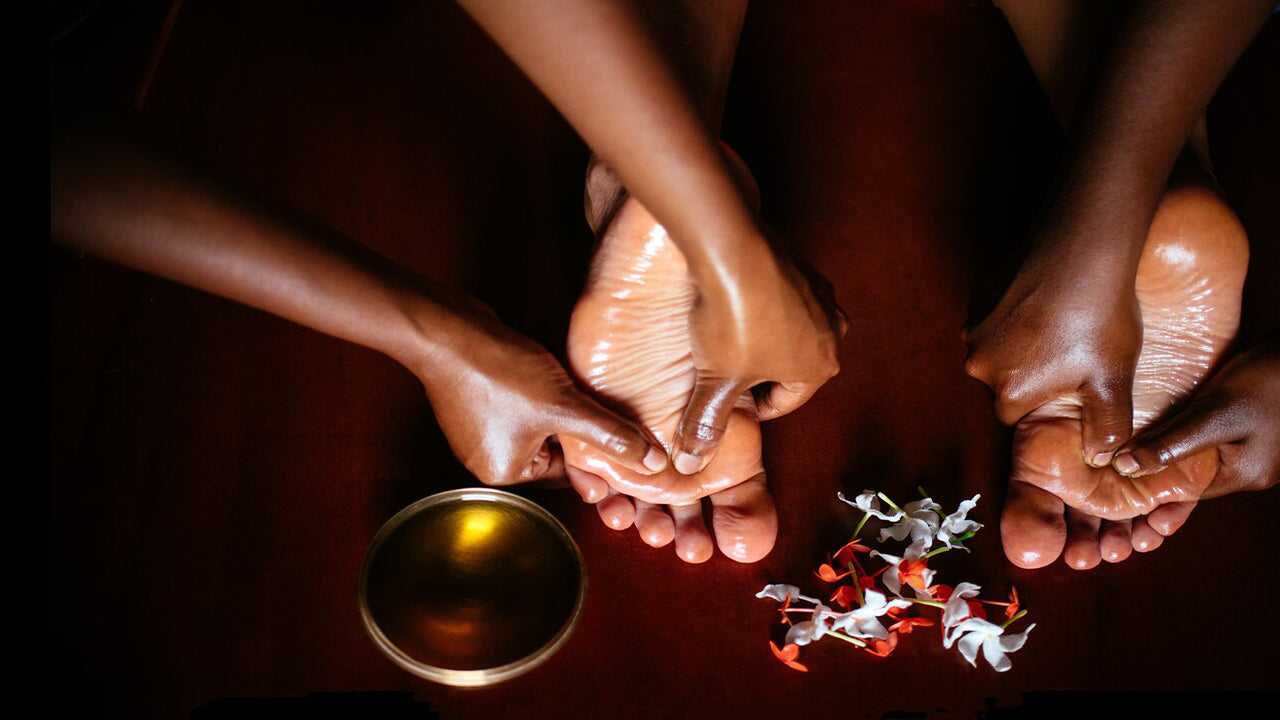

Ayurvedic and Herbal
-
Siddhalepa Ayurveda Herbal Balm
Regular price From $0.48 USDRegular price$0.54 USDSale price From $0.48 USDSale -
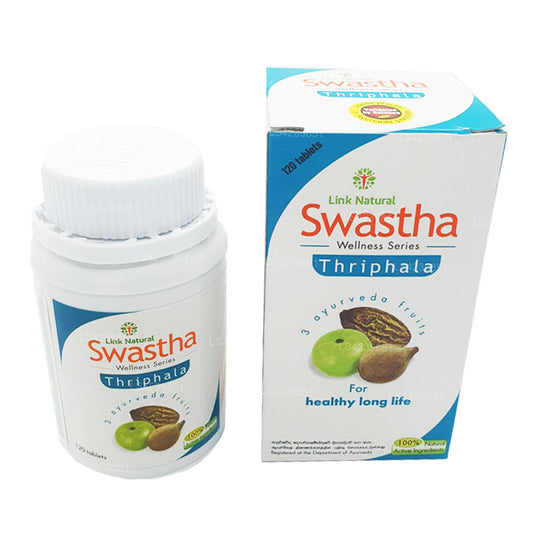
Link Swastha Triphala
Regular price From $1.74 USDRegular price$1.93 USDSale price From $1.74 USDSale -
Lakpura® Wildcrafted Soursop (Guanabana, Graviola, Guyabano) Dehydrated Leaves (Whole)
Regular price From $0.72 USDRegular price$0.81 USDSale price From $0.72 USDSale -
Sethsuwa Pranajeewa Oil
Regular price From $3.85 USDRegular price$4.28 USDSale price From $3.85 USDSale