Dehiwala sits just south of Colombo's city centre, straddling the boundary between the capital and the Mount Lavinia coastline. It is one of the Western Province's most established suburban districts — dense with residential streets, local markets, and a handful of attractions that draw both day-trippers from Colombo and visitors using it as a quieter base near the airport corridor. If you are planning a Colombo city tour, a half-day loop through Dehiwala is a natural extension.
What is Dehiwala best known for?
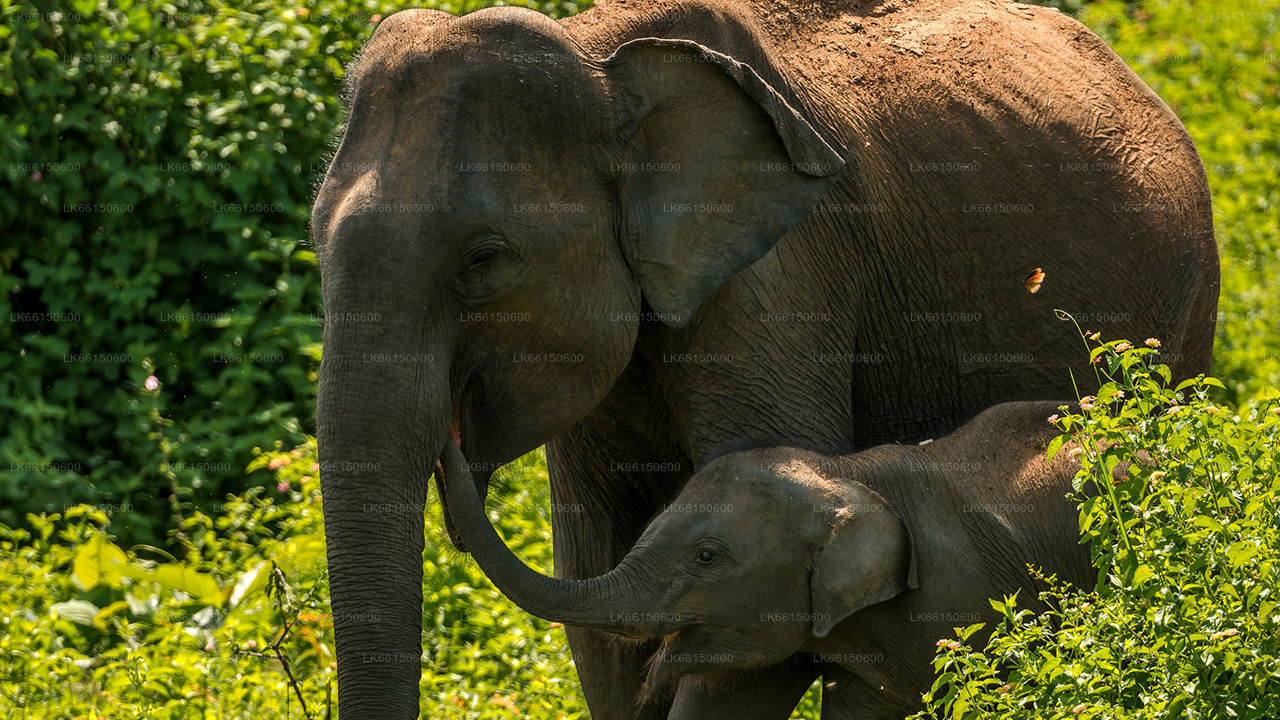
The National Zoological Gardens of Sri Lanka — almost universally called the Dehiwala Zoo — is the district's headline draw. Established in 1936, it is one of the oldest and largest zoos in South Asia, covering roughly 14 hectares along the Diyawanna and Bolgoda drainage. The collection includes Asian elephants, leopards, various primate species, reptiles, and a well-regarded bird section with both endemic and migratory species represented. An aquarium on the grounds houses marine and freshwater species found in Sri Lankan waters.
Entry is managed by the Department of National Zoological Gardens, and hours are typically 8:30 am to 6:00 pm daily. Overseas visitors pay a higher gate fee than locals; children under a certain height enter free or at reduced rates. Confirm current fees at the entrance or through the department's official notices before visiting, as they are revised periodically.
What is the coastline around Dehiwala like?
Dehiwala's western edge meets the Indian Ocean, and the beach strip here transitions seamlessly into the more famous Mount Lavinia Beach a short distance south. The stretch of coast is popular with local joggers and fishermen in the early morning. Swimming conditions vary by season — the southwest monsoon (roughly May to September) brings stronger currents and is not ideal for casual bathing, while the period from November through March tends to offer calmer water and more reliable sunshine.
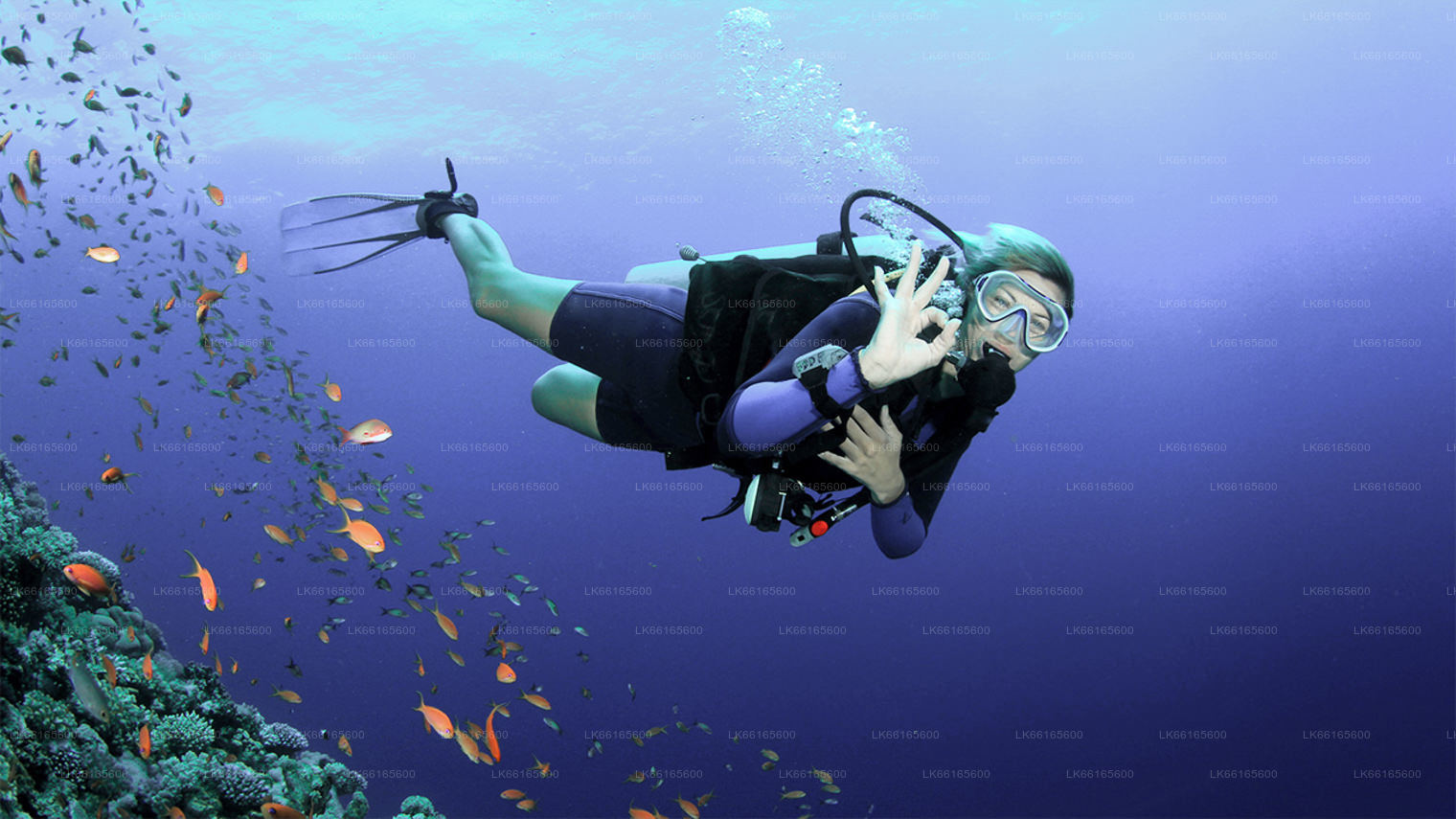
Fishing boats operate from small community harbours along this coastline, and it is sometimes possible to watch the early-morning catch being sorted. For those interested in more structured ocean activities, deep sea fishing excursions depart from nearby Colombo-area ports.
How do I get to Dehiwala from Colombo?
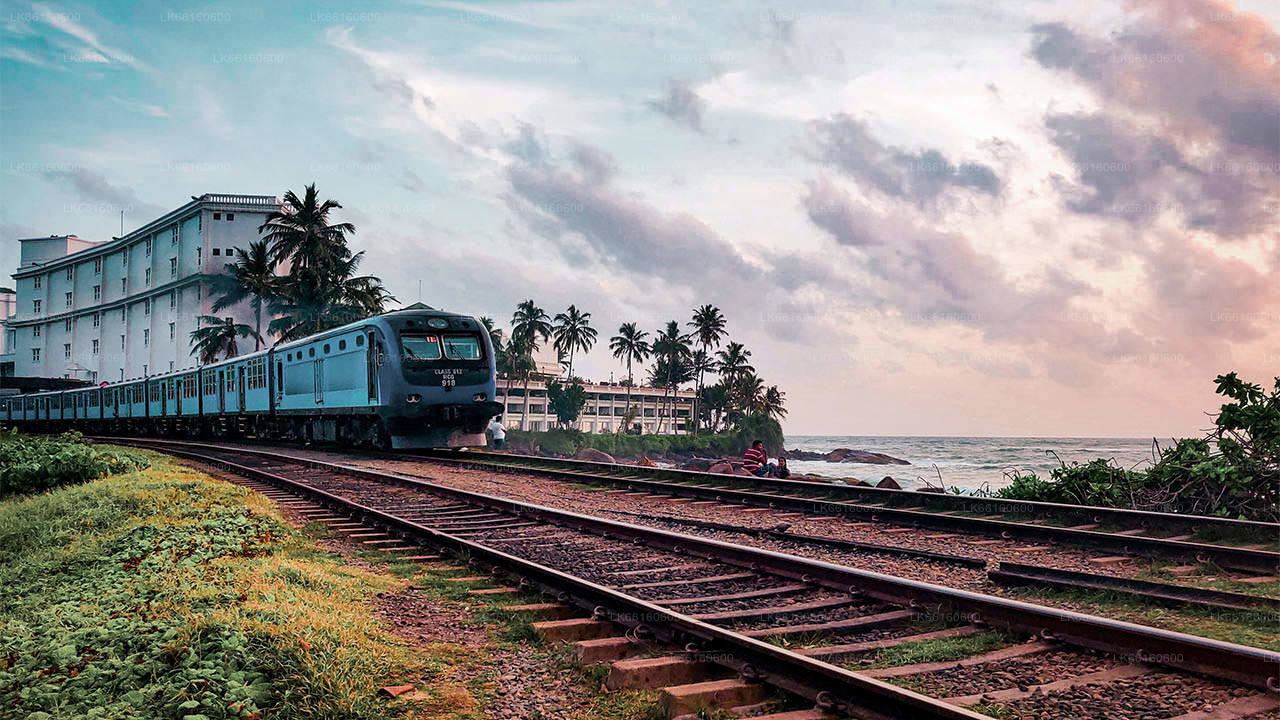
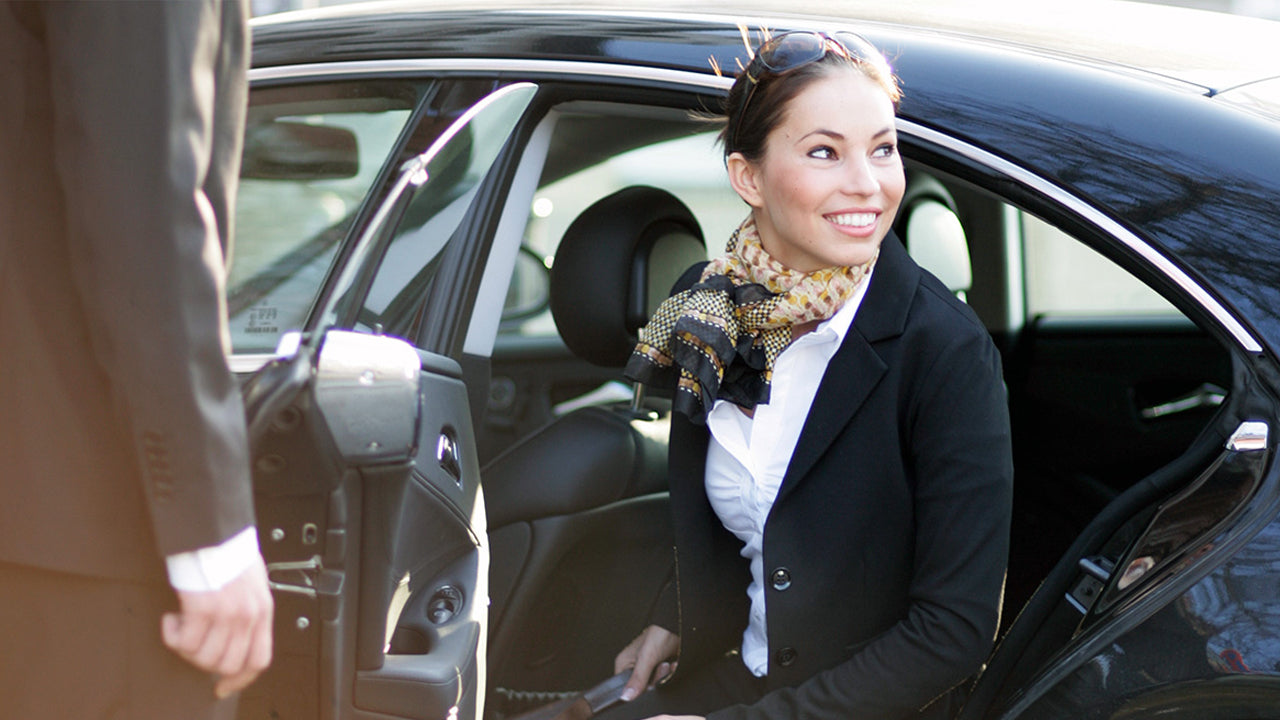
Dehiwala is straightforward to reach. The coastal railway line that runs south from Colombo Fort passes through Dehiwala station, with frequent commuter services throughout the day — journey time from Fort is typically under 30 minutes. Buses on several routes also connect Dehiwala to Pettah, Wellawatte, and Moratuwa. For visitors arriving at Bandaranaike International Airport (CMB) in Katunayake, the drive to Dehiwala takes between 45 minutes and 90 minutes depending on traffic; a pre-arranged airport transfer is the most predictable option.
| From | Mode | Approx. Time |
|---|---|---|
| Colombo Fort | Train (coastal line) | 25–35 min |
| Colombo Fort | Bus / tuk-tuk | 30–50 min (traffic dependent) |
| Bandaranaike Airport (CMB) | Private car transfer | 45–90 min |
| Mount Lavinia | Walk / tuk-tuk | 10–20 min |
Where should I eat in Dehiwala?
The district has a broad spread of dining options pitched at everyday local budgets. Along the main Galle Road corridor you will find rice-and-curry lunch spots, kottu roti counters, and bakeries stocking Sri Lankan short-eats. Seafood is a natural strength given the proximity to the coast — small restaurants near the beach tend to offer fresh catch prepared in local style. A number of mid-range restaurants near the zoo cater to family groups visiting for the day.
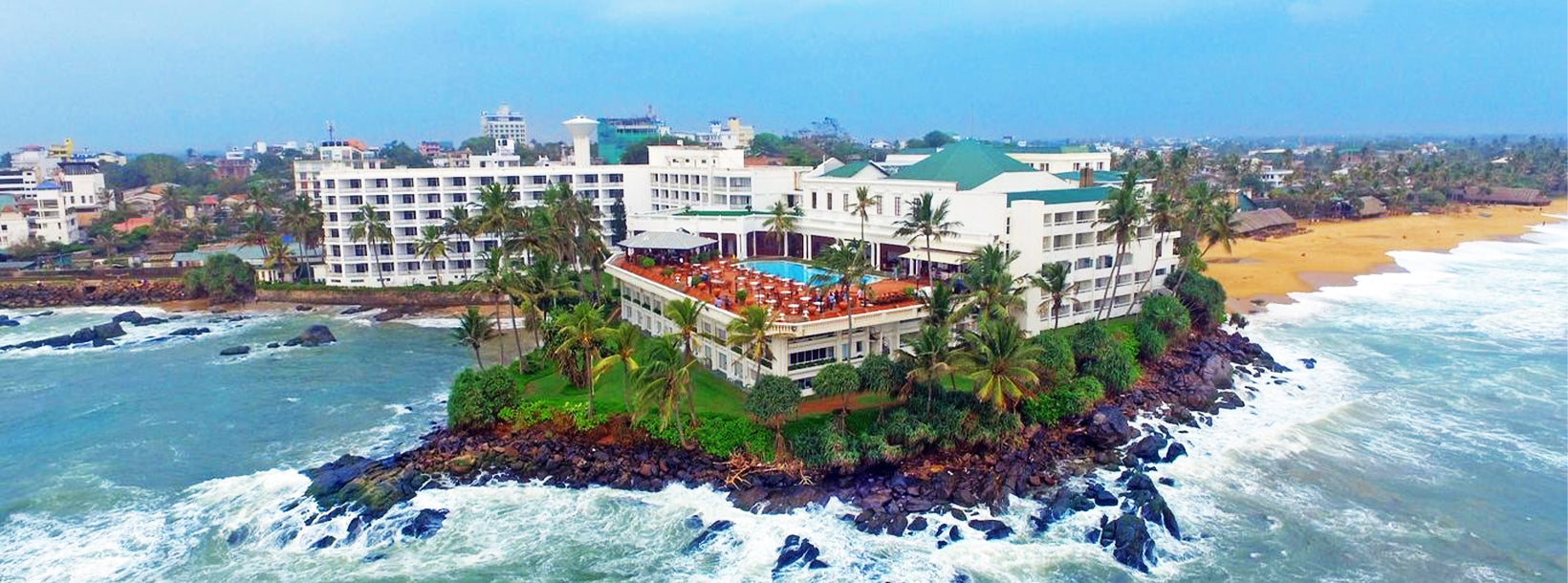
For a more polished meal, the Mount Lavinia Hotel — technically just south of the Dehiwala district boundary — is the area's best-known historic dining destination, set in a colonial-era building on a beachfront promontory.
What else is worth seeing near Dehiwala?
Dehiwala serves as a practical base for exploring a wider stretch of the western coast and Colombo's cultural sites. The Colombo Lotus Tower, Sri Lanka's tallest structure and an observation landmark, is a short drive north. Heading south, the historic beach suburb of Mount Lavinia gives way to Moratuwa and then the lagoon and fishing communities around Panadura.
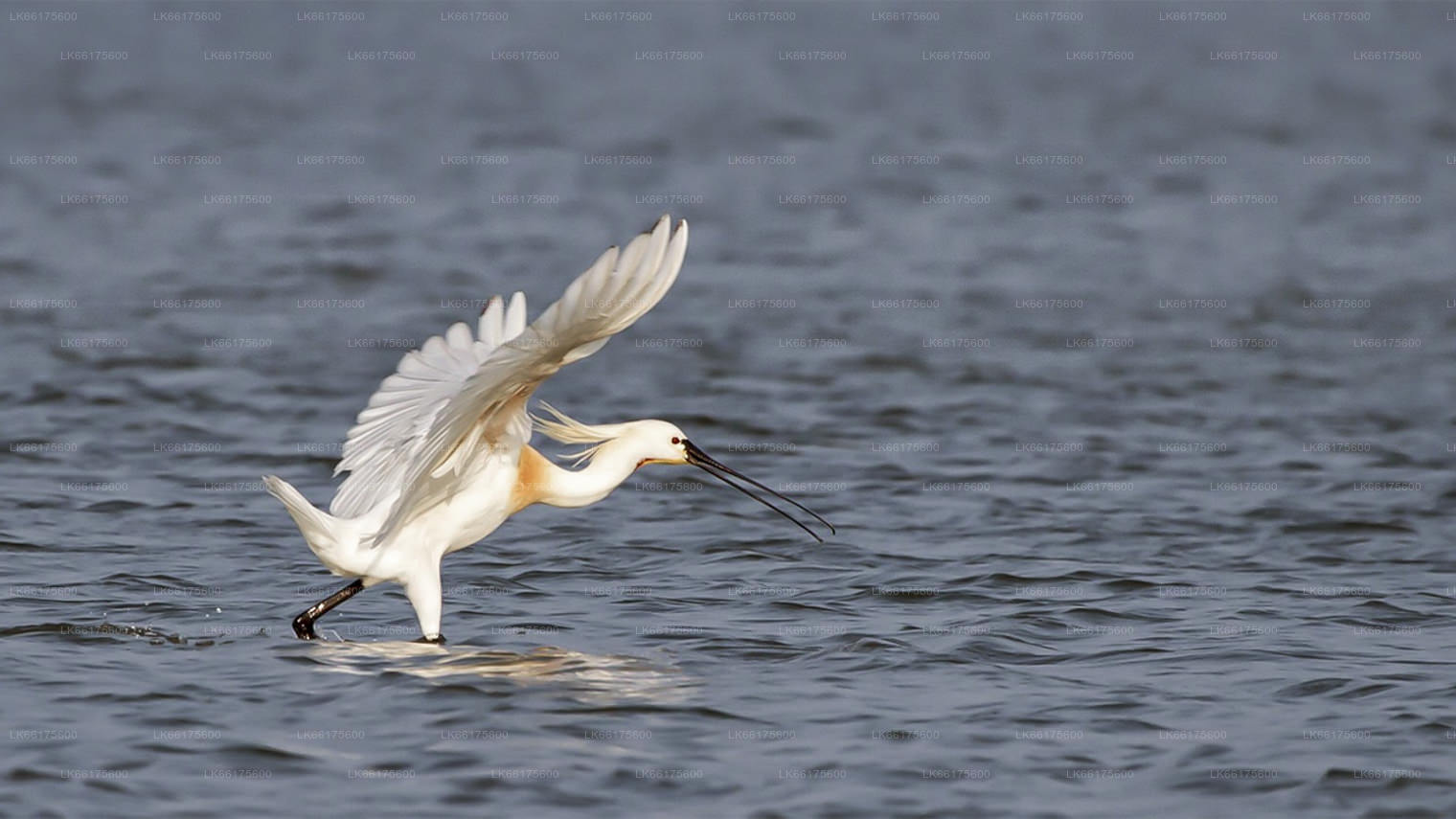
Inland, the Bolgoda Lake system — one of the largest natural freshwater lakes in Sri Lanka — begins near Dehiwala's eastern edge. The lake is popular for small-boat outings and birdwatching, particularly in the early morning when herons, kingfishers, and migratory waterfowl are active.
When is the best time to visit Dehiwala?
As with most of Sri Lanka's western coast, the most comfortable period to visit Dehiwala is between December and April. Humidity is lower, rainfall is minimal, and the sea is calm enough for beach activities. The city-based attractions — the zoo, restaurants, and local markets — are open year-round and are largely unaffected by seasonal weather. During the southwest monsoon the coast can be grey and wet for extended periods, though daytime temperatures remain warm.
Is Dehiwala a good base for a Sri Lanka trip?
Dehiwala works well as a first or last night stop given its position between the airport and Colombo's main sights. Accommodation ranges from guesthouses and boutique stays to apartment-style properties suited to longer visits. It is not a destination that demands multiple days on its own, but combined with a Colombo city circuit and the southern coastal drive, it fits naturally into any itinerary that starts or ends at CMB. Travellers continuing upcountry toward the Cultural Triangle or the hill country can use Colombo's train and bus network, both easily accessible from Dehiwala station.