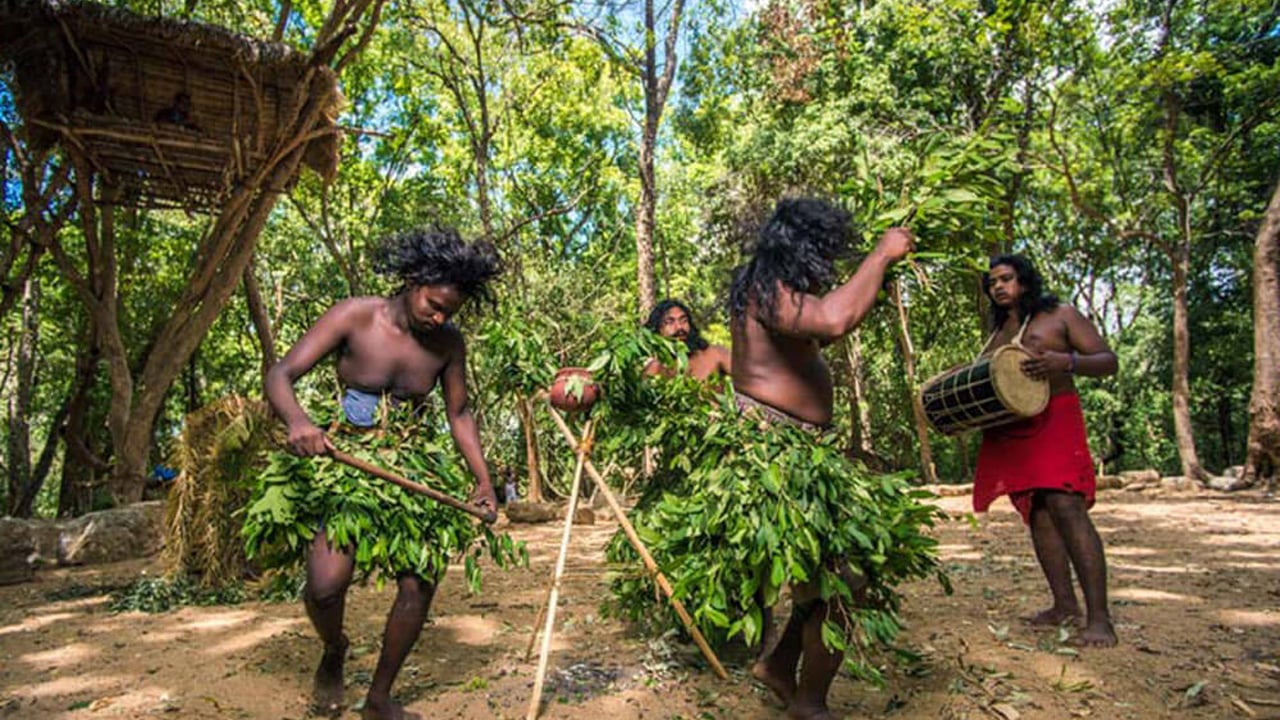
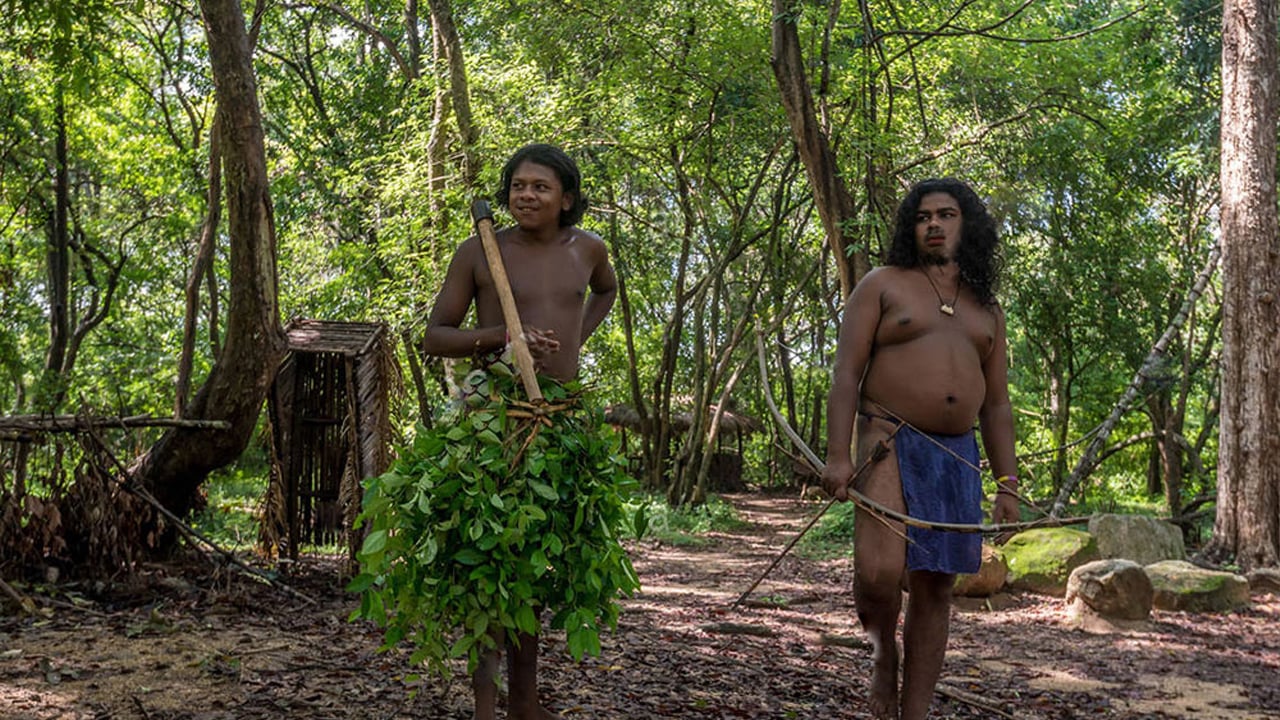
Tucked into the forest edge near the town of Mahiyangana in Badulla District, Dambana is the most accessible settlement of the Vedda people — Sri Lanka's last recognised indigenous community. While small in size, the village carries an outsized cultural and historical significance: it is one of the few places on earth where a direct link to prehistoric hunter-gatherer life can still be observed, however fragile that thread has become.
Who Are the Vedda People?
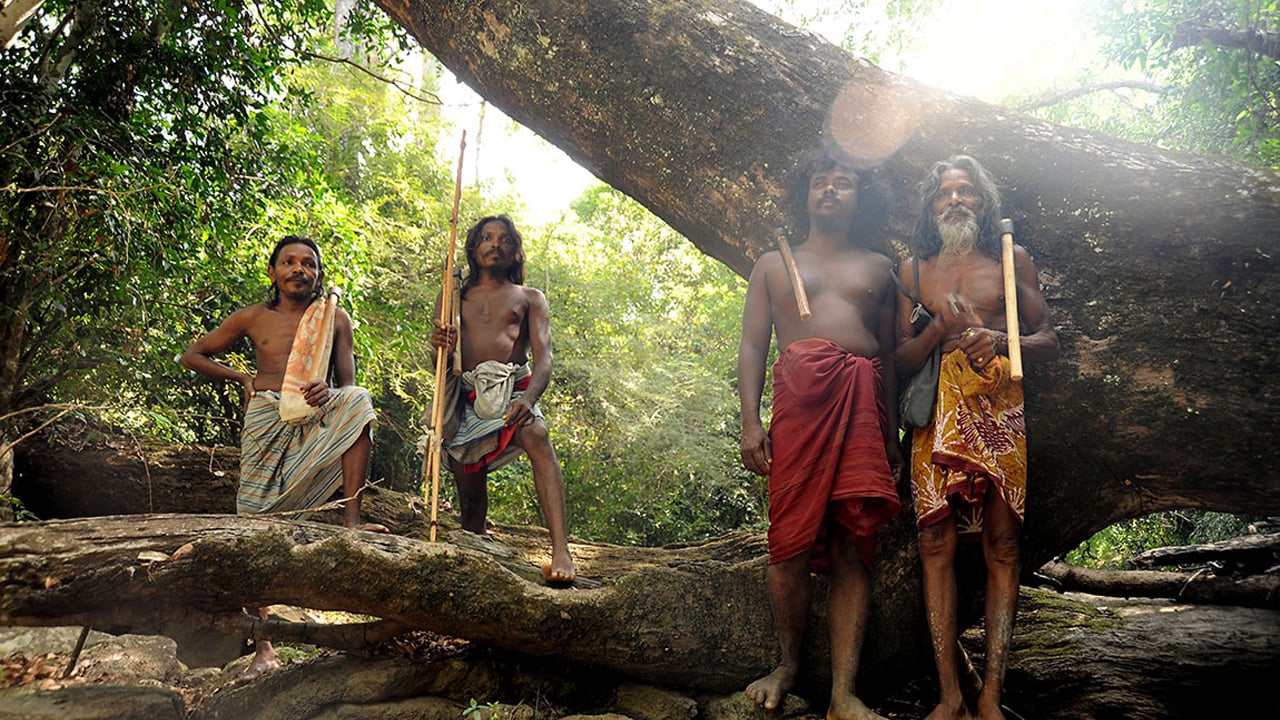
The Vedda (sometimes spelled Veddah or Vadda) are widely considered the original inhabitants of Sri Lanka, predating the arrival of both Sinhalese and Tamil settlers by thousands of years. Genetic and archaeological evidence places their ancestry among the island's earliest human populations, with cultural practices — including honey gathering, ritual chanting, and veneration of ancestral spirits known as nae yakku — that have been maintained across generations.
As of the 2010 census, around 1,000 individuals living in Dambana identified as members of Vedda families. Today, the community is led by the hereditary chief, Uruwarige Wannila Aththo, who has been a prominent voice for indigenous rights in Sri Lanka. The village functions both as a living community and as a cultural meeting point for visitors and researchers.
The Vedda language — a creole with roots distinct from Sinhala — is now spoken by very few people and is considered critically endangered. Dambana remains one of the only places where traces of it can still be heard.
What Can You See and Do in Dambana?
A visit to Dambana is unlike a trip to a heritage monument or a wildlife reserve. There are no grand ruins or manicured viewpoints. What the village offers instead is the chance to engage directly with a community that has maintained a way of life largely unchanged for centuries.
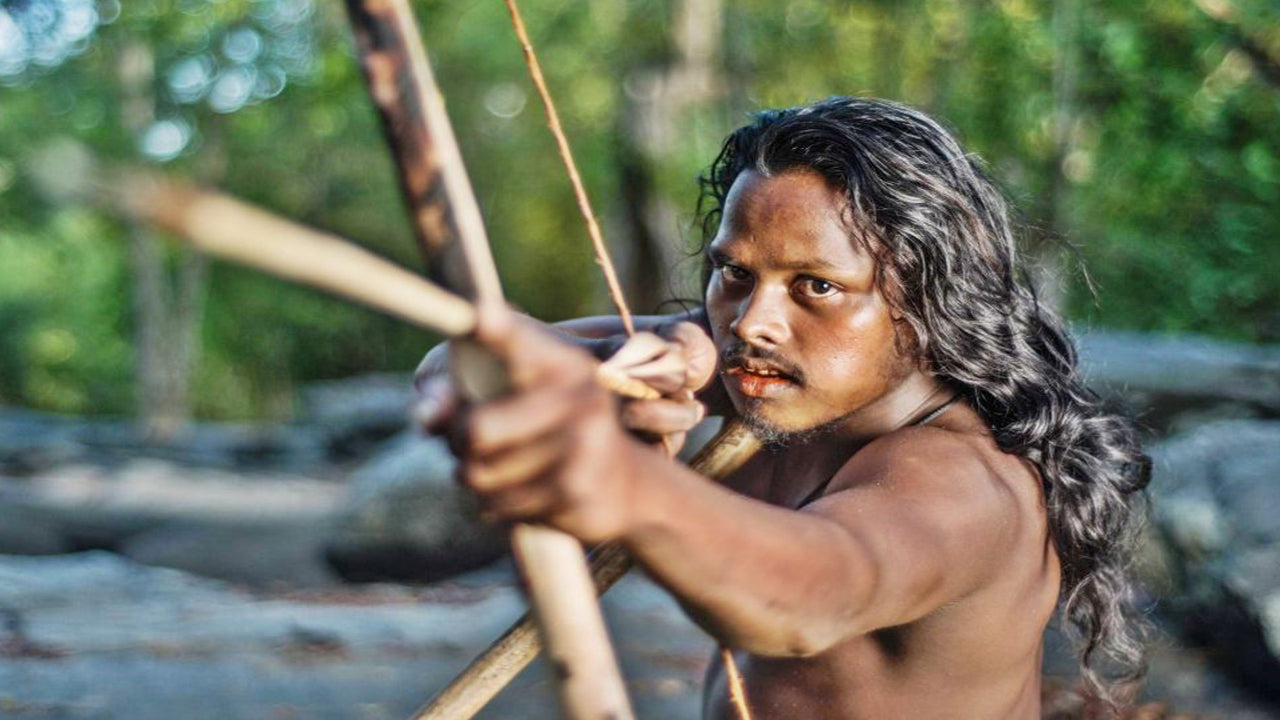
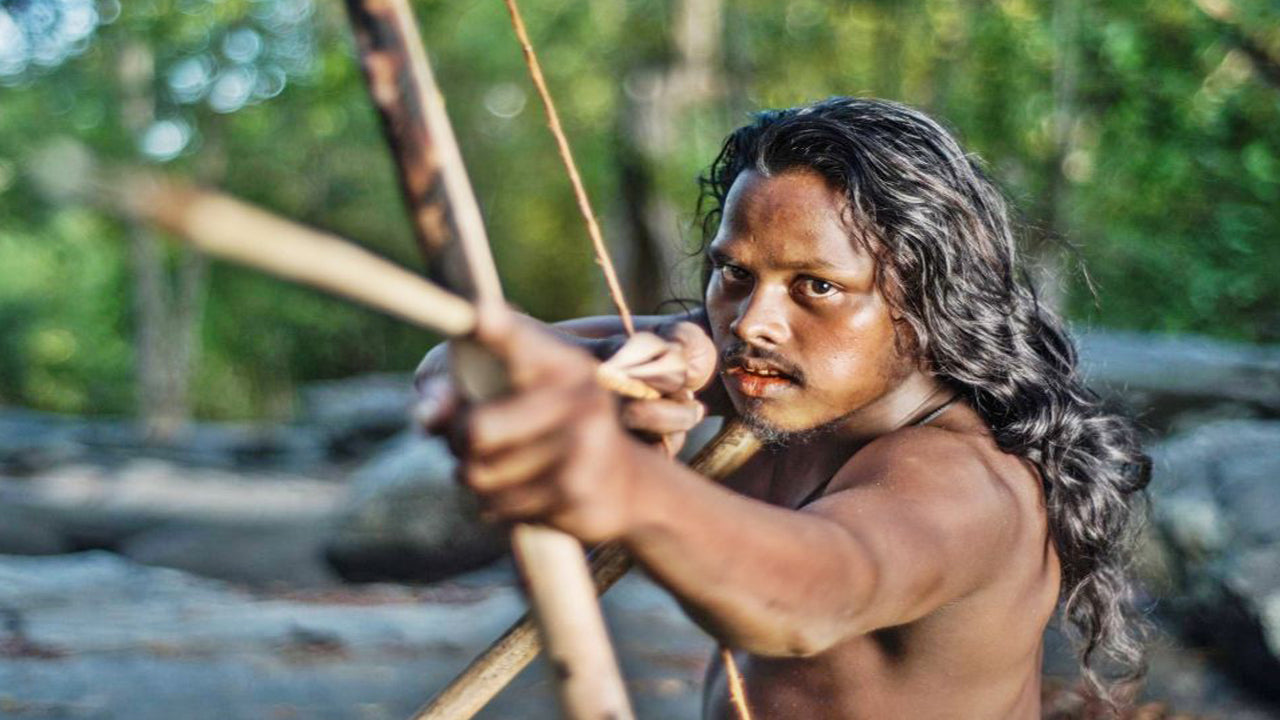
- Cultural demonstrations: Community members demonstrate traditional practices including bow-and-arrow hunting technique, honey harvesting, and fire-lighting using friction methods.
- Ritual chanting: Visitors may witness kiri koraha, a ceremonial offering to ancestral spirits — one of the most distinctive elements of Vedda spiritual life.
- Meeting the chief: Audiences with the village chief have historically been part of organised visits, offering insight into the community's perspective on modern pressures and land rights.
- Forest walks: The surrounding dry-zone forest is ecologically rich. Guides from the community can point out medicinal plants and foraging traditions that remain part of Vedda daily practice.
Eco Team, a Sri Lankan eco-tourism operator, has long facilitated responsible visits to Dambana and operates accommodation in the area. Their model is built around minimising cultural disruption while ensuring that tourism revenue flows directly to the community.
How Do I Get to Dambana from Colombo or Kandy?
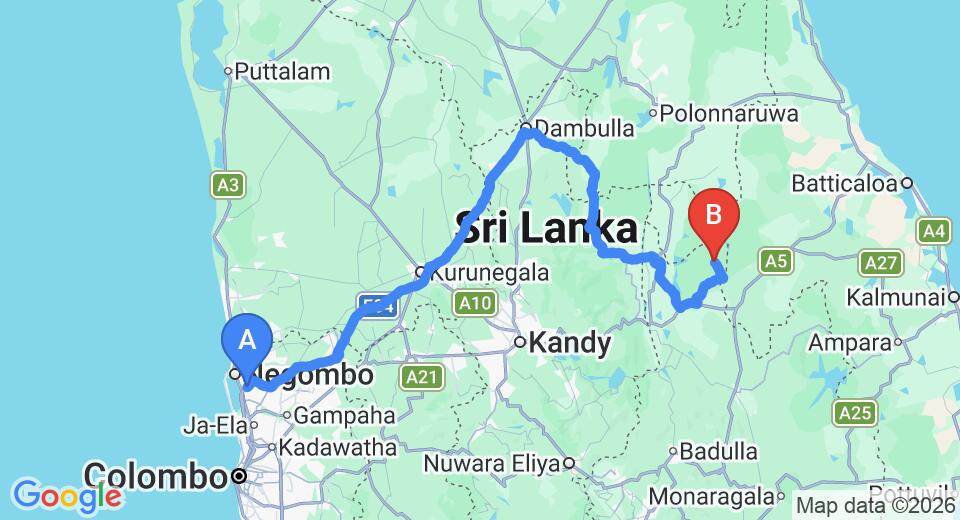
Dambana lies roughly 8–10 kilometres from Mahiyangana town, which is itself around 120 kilometres from Kandy via the A26 road through Teldeniya and the Knuckles foothills. The drive from Kandy takes approximately three to four hours depending on road and weather conditions. From Colombo, allow five to six hours by road.
There is no direct rail connection. The closest functioning railway station is at Mahiyangana, served by occasional services, but the final stretch to Dambana requires a vehicle. Hiring a private car or joining an organised day tour is the most practical option for most travellers. The road into the village is manageable in a standard car but may be slow after rain.
| Origin | Approximate Distance | Approximate Drive Time |
|---|---|---|
| Kandy | ~120 km | 3–4 hours |
| Colombo | ~220 km | 5–6 hours |
| Mahiyangana | ~10 km | 20–30 minutes |
| Ella | ~95 km | 2.5–3 hours |
When Is the Best Time to Visit Dambana?
Dambana can be visited year-round, but the most comfortable months are generally December through April, when the dry season makes forest tracks and rural roads more passable. The area receives monsoon rainfall from May to September — visits are still possible, but access to forest areas may be limited and road conditions can deteriorate.
There are no fixed visitor seasons tied to festivals at Dambana, though the community does observe traditional ceremonies at various points in the year. If observing a ceremony is a priority, it is worth confirming with your tour operator in advance, as scheduling is not always public.
Combining Dambana with Nearby Attractions
Dambana is well placed for travellers moving between the Cultural Triangle in the north and the hill country or east coast. Mahiyangana itself has historical significance as one of the sites associated with the Buddha's legendary third visit to Sri Lanka. The nearby Mahiyangana Raja Maha Viharaya is worth a stop for those with an interest in Buddhist heritage.
Travellers coming from the Ella area can combine a visit to Dambana with the scenic drive through Badulla District. Those approaching from the Cultural Triangle may also want to include Polonnaruwa, the ancient capital roughly 90 kilometres to the north, as part of a broader historical circuit.
The Randenigala Dam and reservoir, located between Kandy and Mahiyangana, is a striking stop along the route — the road runs along the reservoir edge and the scenery is impressive, particularly in the early morning.
Responsible Tourism at Dambana
Visiting an indigenous community carries ethical responsibilities that are worth taking seriously. The Vedda people have faced sustained pressure on their land and identity for well over a century, and not all forms of cultural tourism have served their interests. Before visiting, consider the following:
- Book through operators who have an established, community-approved relationship with Dambana, rather than arriving unannounced.
- Ask your guide about community protocols before taking photographs of individuals.
- Purchasing crafts or honey directly from community members is a straightforward way to ensure revenue reaches residents.
- Avoid framing the visit as a kind of human exhibit. The Vedda are a living community navigating contemporary life, not a fixed historical artefact.
Eco Team's model has been broadly praised for its approach to community benefit, and their guides are typically drawn from Mahiyangana and have longstanding connections to the village.