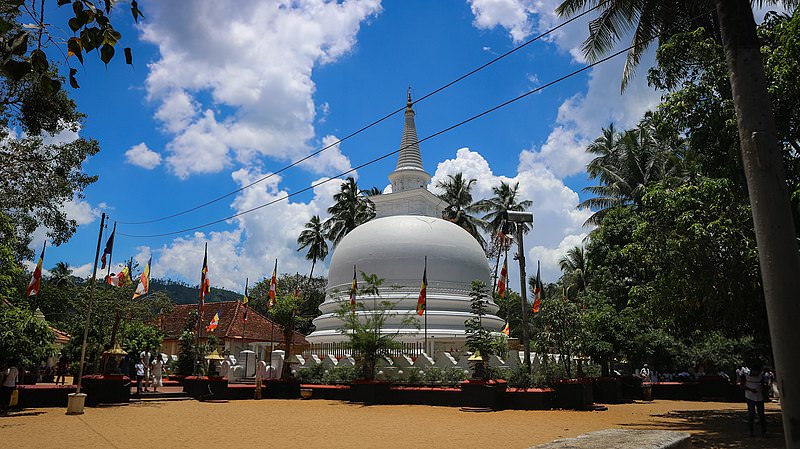
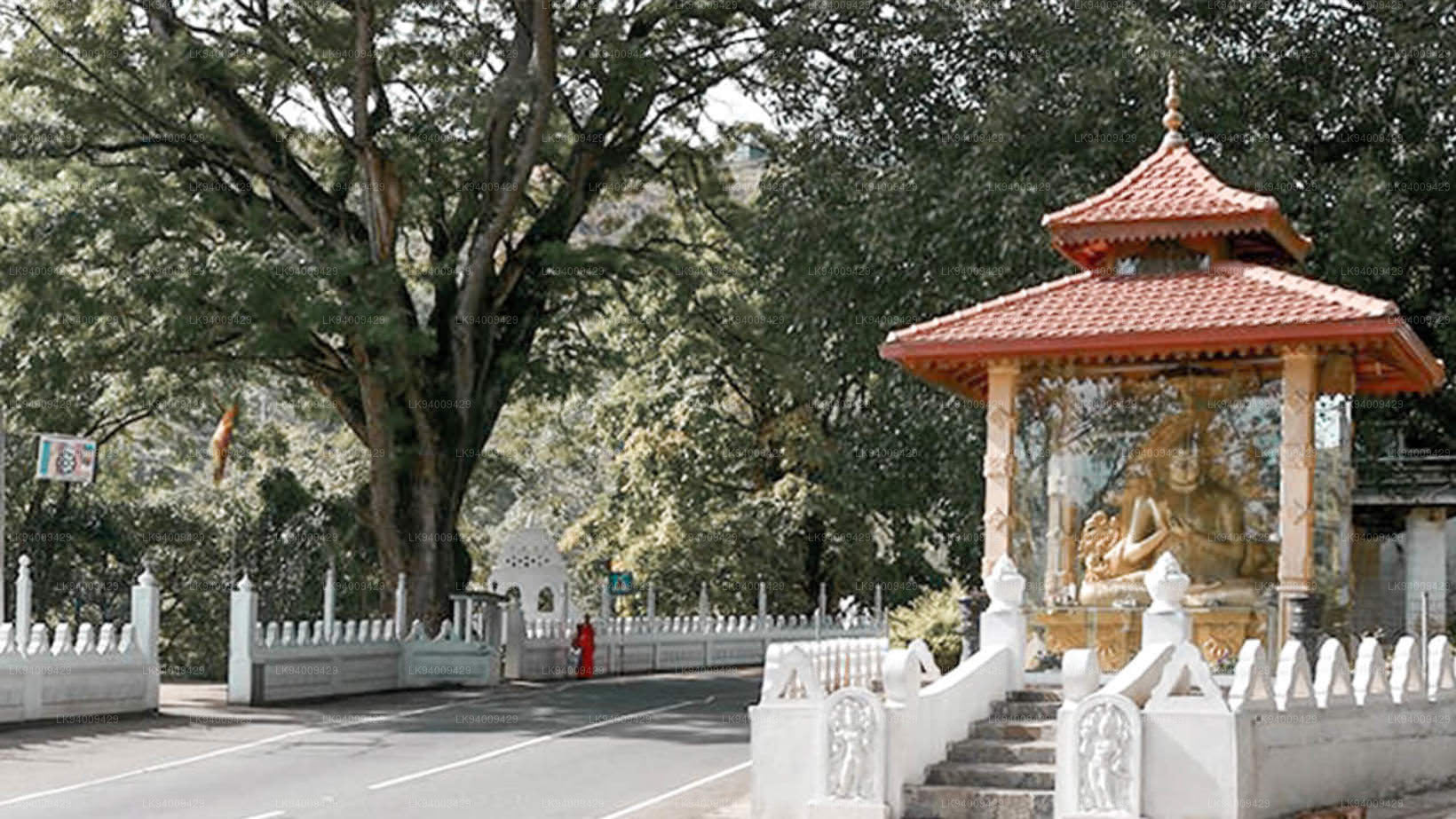
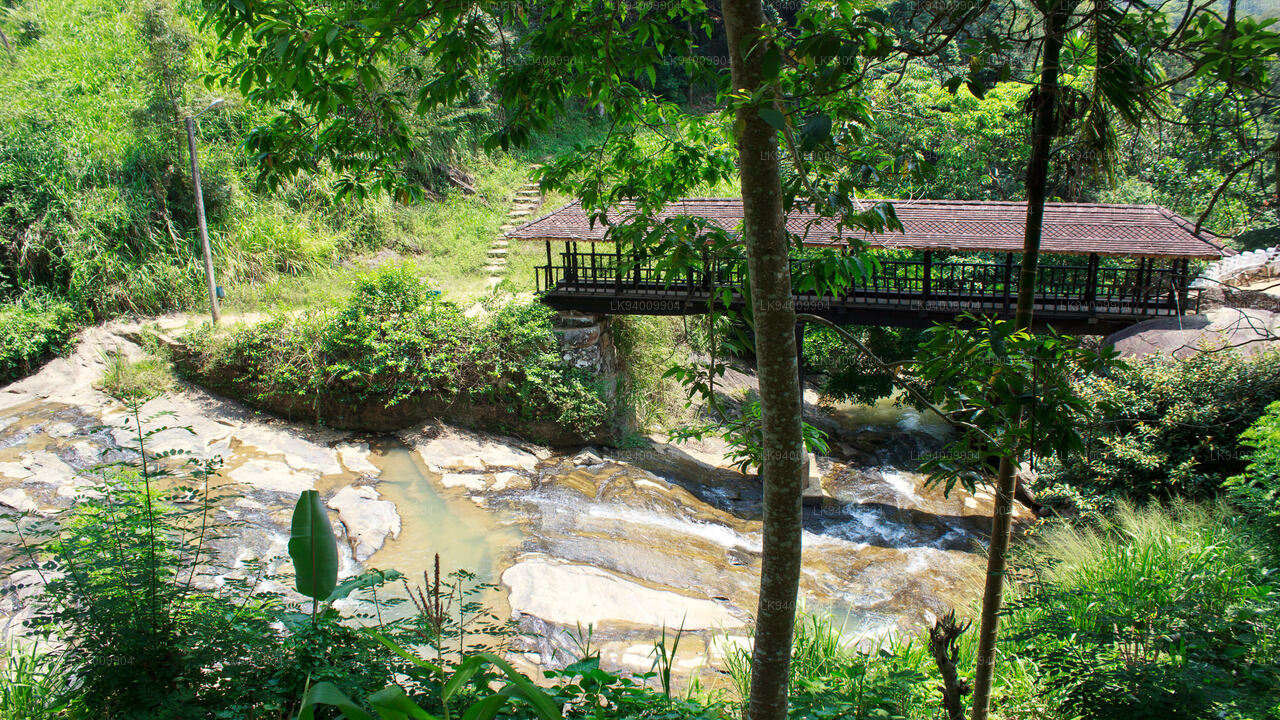
Beragala sits at one of the most strategically placed crossroads in Sri Lanka's hill country, where the A4 Highway meets the A16 road that climbs toward Hali-Ela. Located roughly 183 km from Colombo in the Badulla District of Uva Province, this small town is far more than a fuel stop. At an elevation that keeps temperatures around a cool 22°C year-round, Beragala offers a calm, rural counterpoint to the busier tourist centres nearby — and acts as a natural base for exploring some of the island's most celebrated highland destinations.
Where exactly is Beragala, and how do I get there?
Beragala lies along the A4 Highway, the long ribbon of road that connects Colombo with Batticaloa via Ratnapura, Balangoda, Koslanda, and Wellawaya. The town also sits at the foot of the A16, which winds northeast toward Hali-Ela and Badulla. From Colombo, the drive typically takes around four to five hours depending on traffic through the Sabaragamuwa foothills.
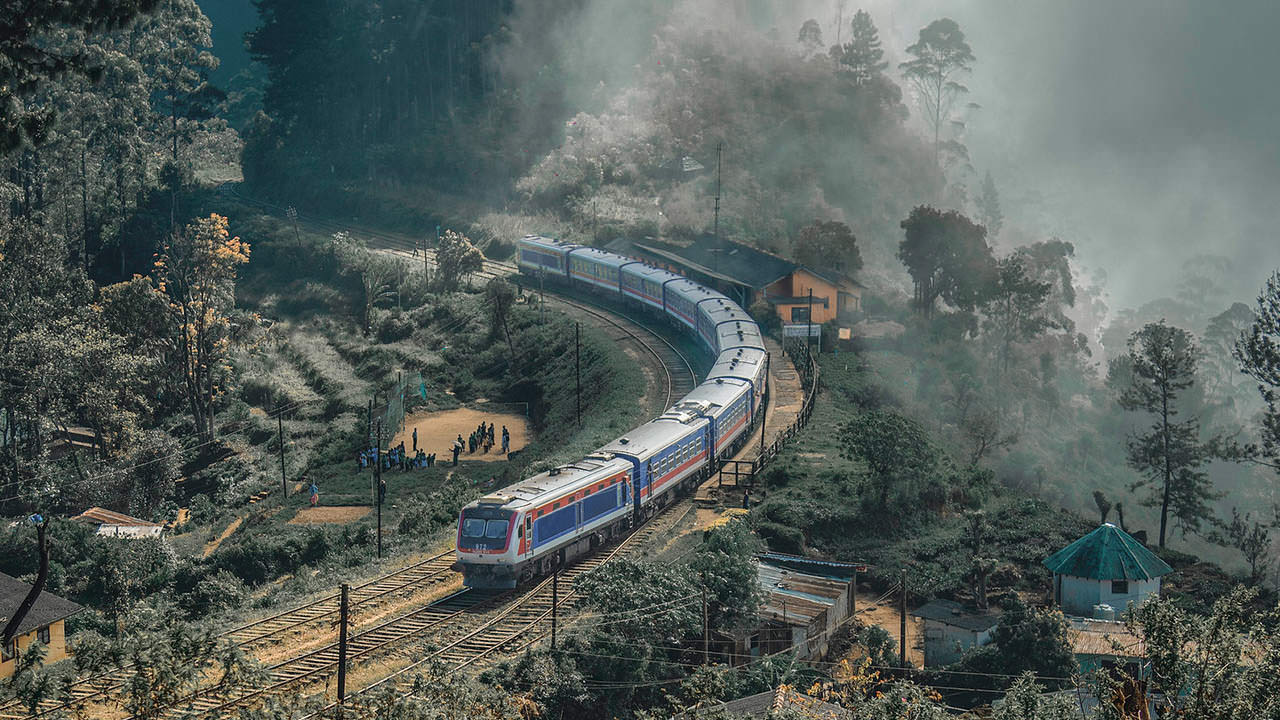
Public buses ply both routes regularly, and the town is served by long-distance coaches running between the Western Province and the Eastern Province. Travellers preferring a private journey can arrange a chauffeur-driven vehicle, which makes it easier to stop at viewpoints and waterfalls along the way.
What is the best time to visit Beragala?
Beragala's elevation keeps temperatures moderate throughout the year, making it comfortable at almost any time. The driest and clearest conditions in the Uva region generally fall between July and September, when the southwest monsoon largely bypasses the eastern hill slopes. January and February also tend to be dry and bright. The town and surrounding slopes do experience heavy rainfall during the inter-monsoon periods, and the area has a known history of landslides during exceptionally wet spells — worth bearing in mind if you plan road travel in October or November.
What waterfalls can I visit near Beragala?
The Beragala area is ringed by three significant waterfalls, each with a distinct character.
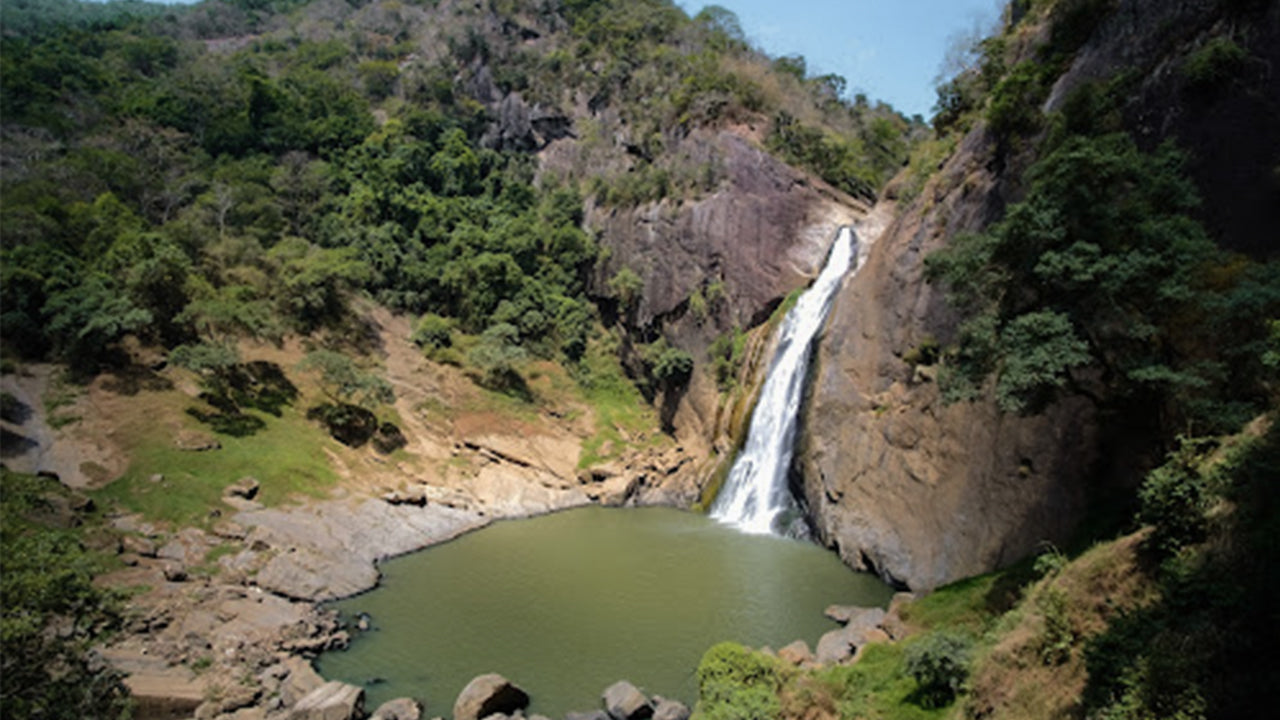
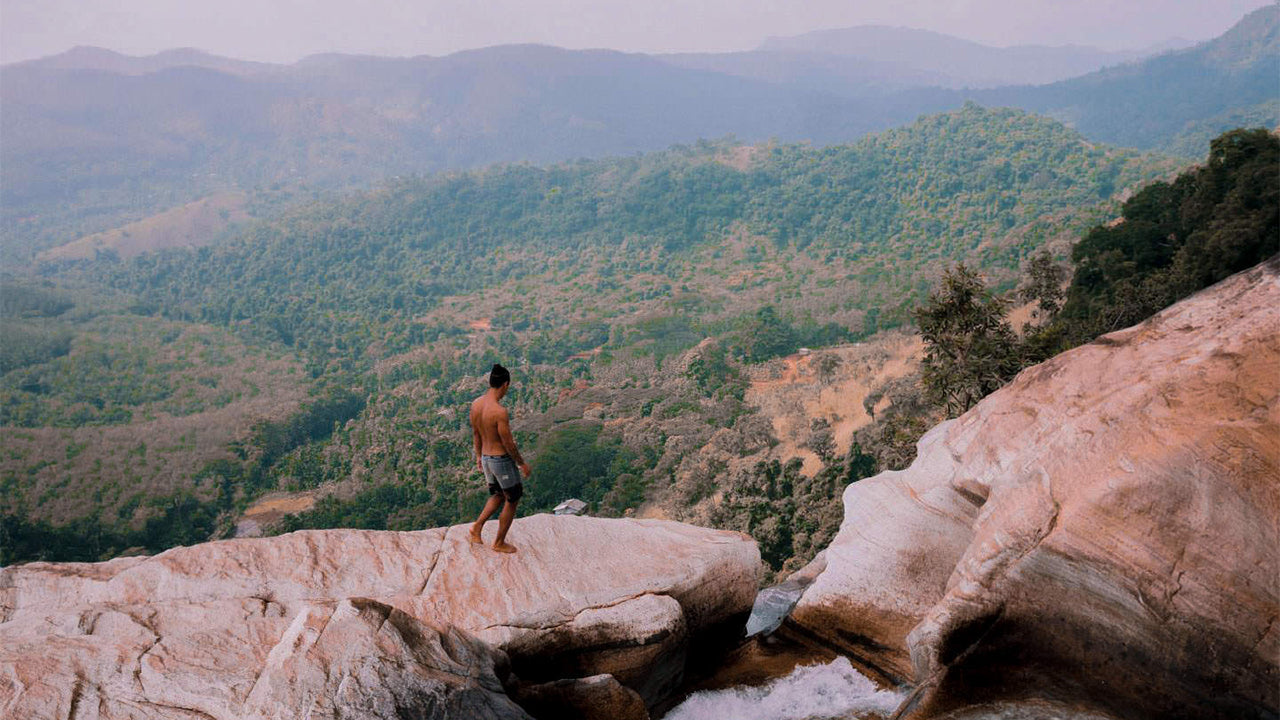
- Diyaluma Falls — At around 220 metres, this is one of the tallest waterfalls in Sri Lanka. It plunges over a sheer cliff face near Koslanda, roughly 10 km along the A4 from Beragala. Natural rock pools at the top are accessible on foot and popular with visitors willing to make the climb.
- Bambarakanda Falls — Located off a side road near Kalupahana, Bambarakanda is Sri Lanka's highest single-drop waterfall, at approximately 263 metres. The access track passes through pine and eucalyptus forest.
- Koslanda Falls — A shorter but picturesque cascade close to the small town of Koslanda, easy to combine with a visit to Diyaluma.
All three falls are within a reasonable half-day excursion from Beragala, making the town a practical hub for waterfall touring in the Uva highlands.
What other attractions are within easy reach of Beragala?
The town's position on the A4/A16 junction gives travellers quick access to several of Sri Lanka's most-visited highland destinations.
- Haputale — Around 15 km northeast via the A16, Haputale sits on a narrow ridge with panoramic views stretching to the southern coast on clear days. The Adisham Monastery and Lipton's Seat viewpoint are the key draws.
- Ella — Approximately 30 km from Beragala, Ella is known for the Nine Arch Bridge, Little Adam's Peak, and a relaxed café culture that has made it one of the most popular stops on the island.
- Horton Plains National Park — The plateau of Horton Plains is reachable from Beragala via Haputale or from Nuwara Eliya. The World's End escarpment drops nearly 900 metres and is best seen in early morning before cloud rolls in.
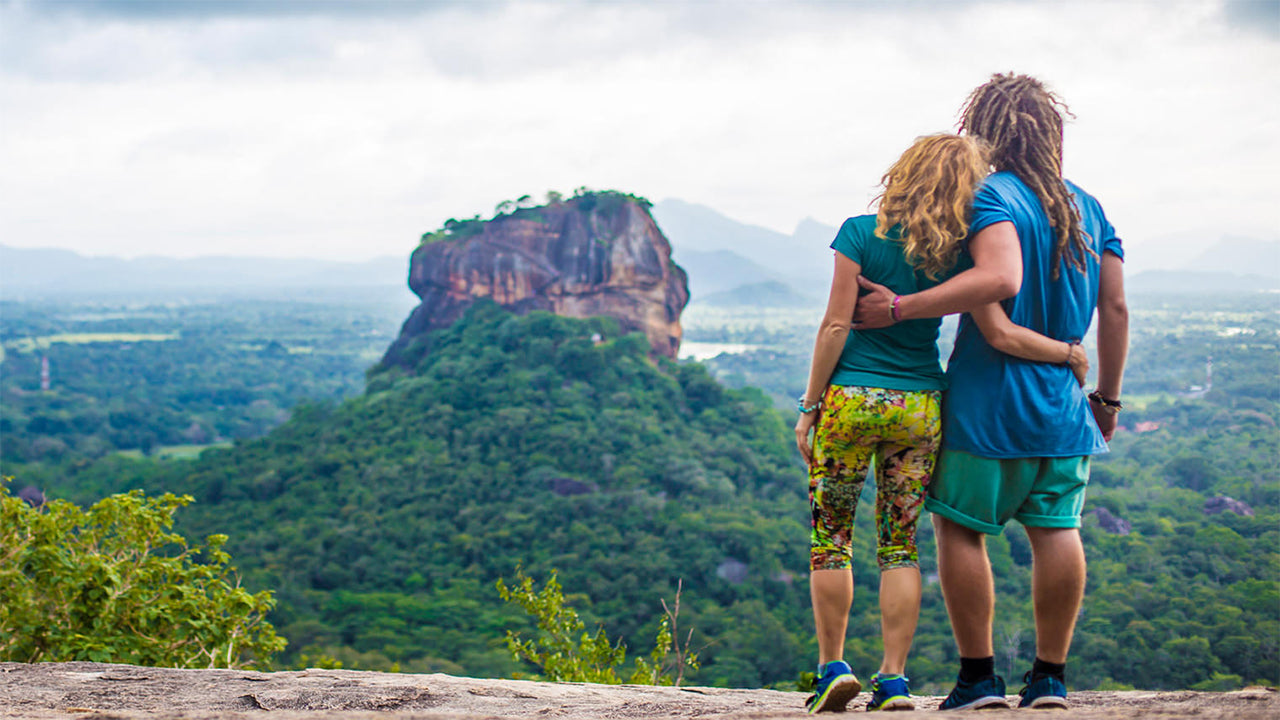
- Rawanagala — The dramatic Rawanagala rock formation rises near Koslanda, offering a short but steep hike with sweeping views over the Uva basin.
What is Beragala's local economy and character like?
Agriculture anchors Beragala's community. Ceylon tea cultivation is the most visible industry on the surrounding slopes, with smallholder gardens and estate land both contributing to the district's output. Vegetables, fruits, and subsistence crops also grow well in the fertile hill soil and moderate climate.
The town itself is quiet — a row of small shops, a few guesthouses, roadside eateries serving rice and curry, and the steady movement of lorries and buses on the highway. There is an authenticity to Beragala that more developed tourist towns have largely lost. Visitors who spend a night here often remark on the cool mornings, birdsong, and the unhurried pace that reflects the rhythms of a farming community rather than a tourism economy.
Is Beragala safe to visit, and are there any risks to know about?
Beragala and the surrounding districts are generally safe for tourists. The main hazard to be aware of is the region's susceptibility to landslides during periods of sustained heavy rainfall. The steep terrain and clay-rich soils mean that intense monsoon rain can destabilise slopes, occasionally closing the A4 or A16 temporarily. Travellers should check road conditions with their accommodation or driver before setting out during the rainy season, and should avoid lingering near steep cuttings after heavy overnight rain.
Where can I stay in or near Beragala?
Accommodation options around Beragala range from simple guesthouses in the town itself to boutique properties on the surrounding slopes. The area's elevation and rural setting suit smaller, nature-focused retreats rather than large resort hotels. A few properties in the hills above Beragala offer views across tea gardens and valley forest, making them a quieter alternative to the busier lodging scene in Ella or Haputale. Lakpura works with carefully selected properties in the area and can arrange airport transfers directly to your chosen retreat.