Tucked into the greenery of Battaramulla, just a short drive from central Colombo, Ape Gama — which translates from Sinhala as "Our Village" — is a thoughtfully constructed replica of a traditional Sri Lankan rural settlement. It offers a rare chance to experience the rhythms of pre-modern village life without travelling deep into the countryside. For travellers on a tight itinerary, or for those curious about everyday Sri Lankan heritage beyond temples and national parks, it makes a worthwhile half-day stop.
What is Ape Gama and how did it come about?
The site originally operated as the Battaramulla Janakala Kendraya, a centre that showcased local cottage crafts. Ahead of the Commonwealth Heads of Government Meeting (CHOGM) held in Sri Lanka in 2013, the grounds were extensively revamped and reimagined as a living heritage village. The redesign expanded the scope well beyond craft displays, adding a bird-watching zone, a mini zoo, and a fuller recreation of rural domestic life. Today it sits adjacent to Diyatha Uyana — the waterfront park on the banks of the Diyawanna Oya — making it easy to combine both into a single afternoon outing.
What can you see and experience at Ape Gama?
The village is arranged around a central open courtyard — the meda midula — the traditional heart of a Sri Lankan rural home where children played and the community gathered. Radiating outward from this space are mud-walled, wattle-fenced houses furnished to reflect everyday life from a century or more ago. Figurines positioned throughout the compound depict villagers at work and rest, lending the site a lived-in quality that sets it apart from a conventional museum.
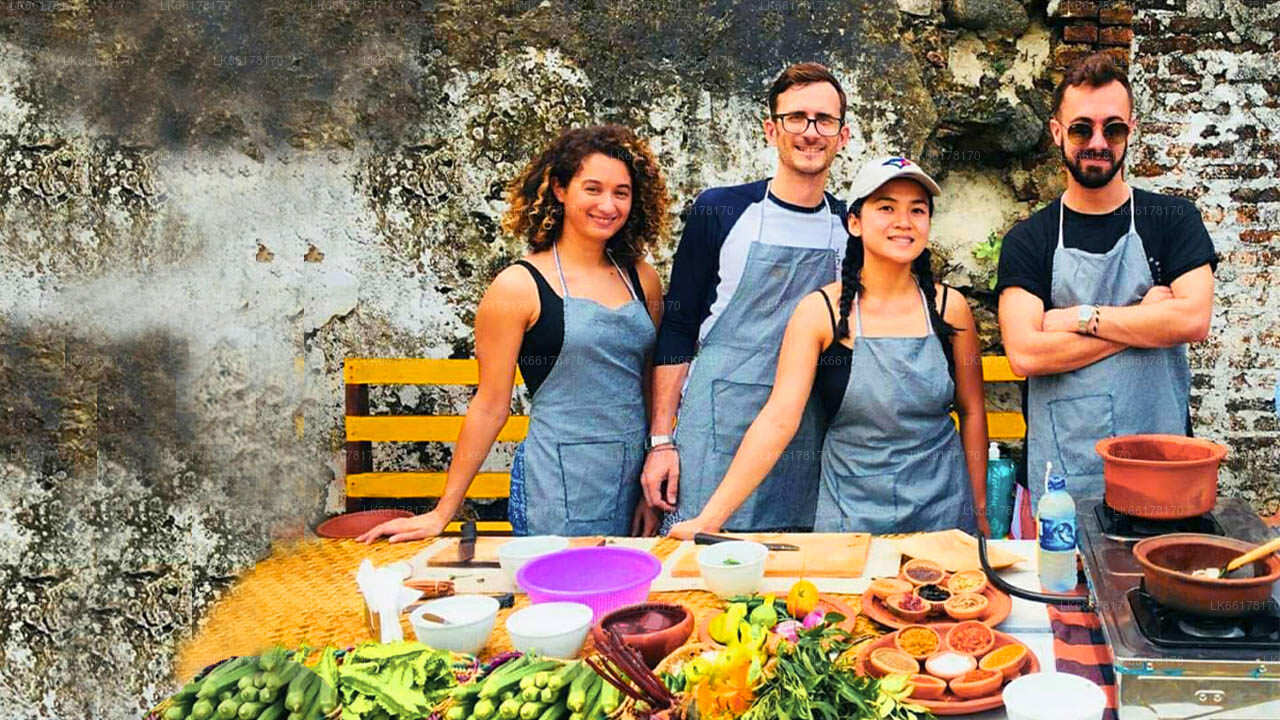
What brings the recreation to life, however, are the real people at work within it. Women prepare and sell traditional Sri Lankan sweetmeats — kokis and other festival confections — frying them fresh in large pans over open flames, stirring sugar and grated coconut in heavy woks. The demand from visitors is brisk, and the small village boutique sells out quickly on busy days. After sampling the sweets, visitors can round off the experience with a herbal drink served in a coconut shell. Occasionally, a village drummer can be heard keeping rhythm from the porch of one of the houses.
Beyond the domestic core, the property extends into a craft village where artisans produce and sell work that is distinctly Sri Lankan in character:
- Traditional jewellery making
- Mask carving and painted statues
- Fabric painting and batik
- Lacework and hand-sewing
- Other cottage industries with roots in rural Sri Lanka
Several of these craft traditions have been practised as cottage industries for generations, and watching artisans at close range gives context that a souvenir shop cannot.
How does the village layout reflect traditional Sri Lankan design?
The circular arrangement of houses around a central garden is not an aesthetic choice — it reflects a functional logic that governed Sri Lankan village planning for centuries. The outer ring of homes created a natural boundary that helped protect the interior space and fostered a strong sense of communal identity. Vegetable plots run along the wattle fences between houses, mirroring the kitchen gardens that fed rural families. In one corner of the property, a small tree platform recalls the watch-huts farmers once built to guard their crops through the night.
The paths between houses are sometimes bridged by sections of coconut trunk laid across drainage channels — a detail that underscores how central the coconut palm was to village infrastructure, not just as a food source but as a building material.
Is Ape Gama suitable for children and families?
The site is well suited to families travelling with children. The mini zoo, bird-watching area, open courtyards, and hands-on food demonstrations hold the attention of younger visitors in a way that formal museums rarely do. The flat, walkable layout is also manageable for most age groups. School groups visit regularly, and the site is designed to be as much educational as it is entertaining.
Parents should note that the sweetmeat stalls are popular — arriving before midday on weekends gives a better chance of seeing the full preparation process and purchasing fresh sweets before they sell out.
When is Ape Gama open and how do I get there?
Ape Gama is open every day of the year, typically from 9 am to 9 pm. The evening hours are a practical option for visitors staying in Colombo who want to avoid midday heat. The grounds are lit at night, and the craft stalls generally remain open until closing.
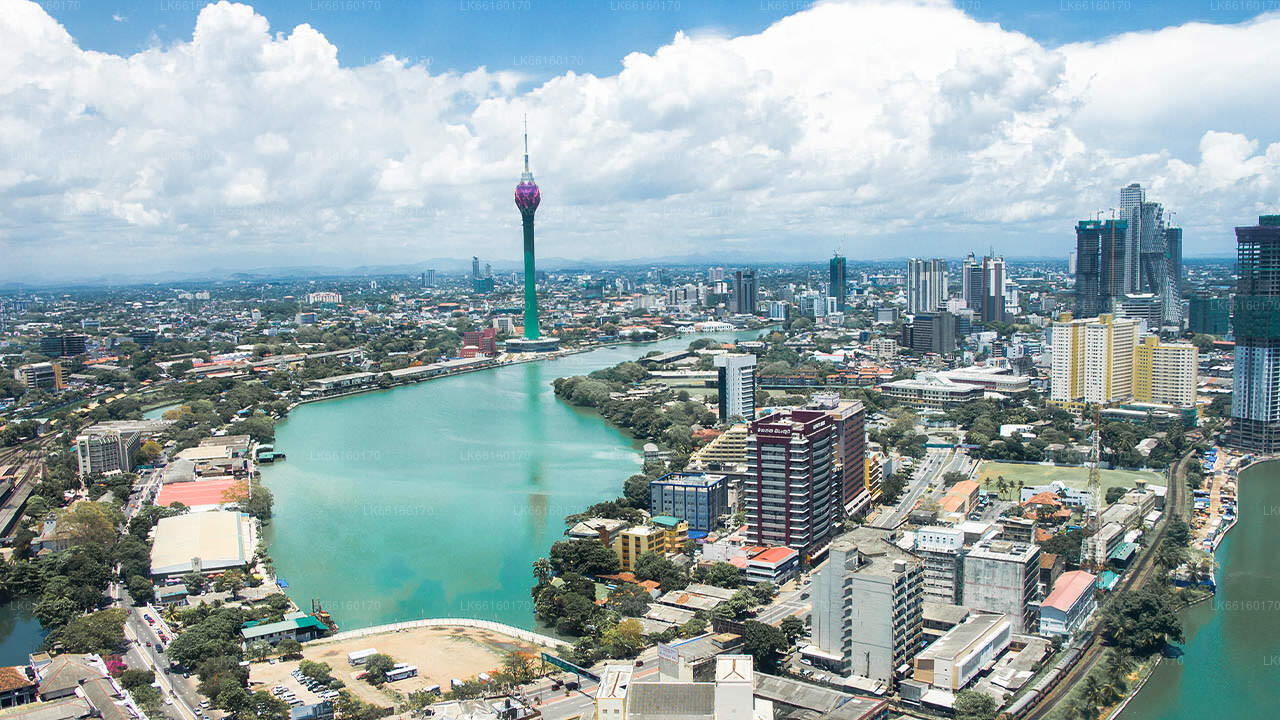
The village is located in Battaramulla, on the eastern edge of greater Colombo, close to the parliamentary complex and the Diyawanna Oya. It is accessible by three-wheel taxi from central Colombo in around 30–45 minutes depending on traffic, or by private car. A Colombo city tour can be arranged to include Ape Gama as one of several stops in the capital area.
| Detail | Information |
|---|---|
| Location | Battaramulla, Western Province |
| Opening hours | 9 am – 9 pm, daily (365 days) |
| Nearest landmark | Diyatha Uyana (Diyawanna Oya waterfront park) |
| Best time to visit | Weekday mornings or early afternoons |
What makes Ape Gama different from other cultural sites near Colombo?
Most heritage sites within reach of Colombo are archaeological or architectural — colonial-era buildings, ancient temples, or formal museums. Ape Gama occupies a different space: it is a living, participatory environment where the focus is on the material culture and daily routines of ordinary Sri Lankan villagers rather than royalty, religion, or colonial history. The demonstration of traditional food preparation, the presence of resident craftspeople, and the domestic scale of the exhibits give it an intimacy that larger heritage attractions cannot replicate.
For travellers who have visited or plan to visit the ancient cities of the Sigiriya region, Ape Gama provides a complementary perspective — shifting the lens from monumental history to everyday life.
What traditional crafts and foods should I look for?
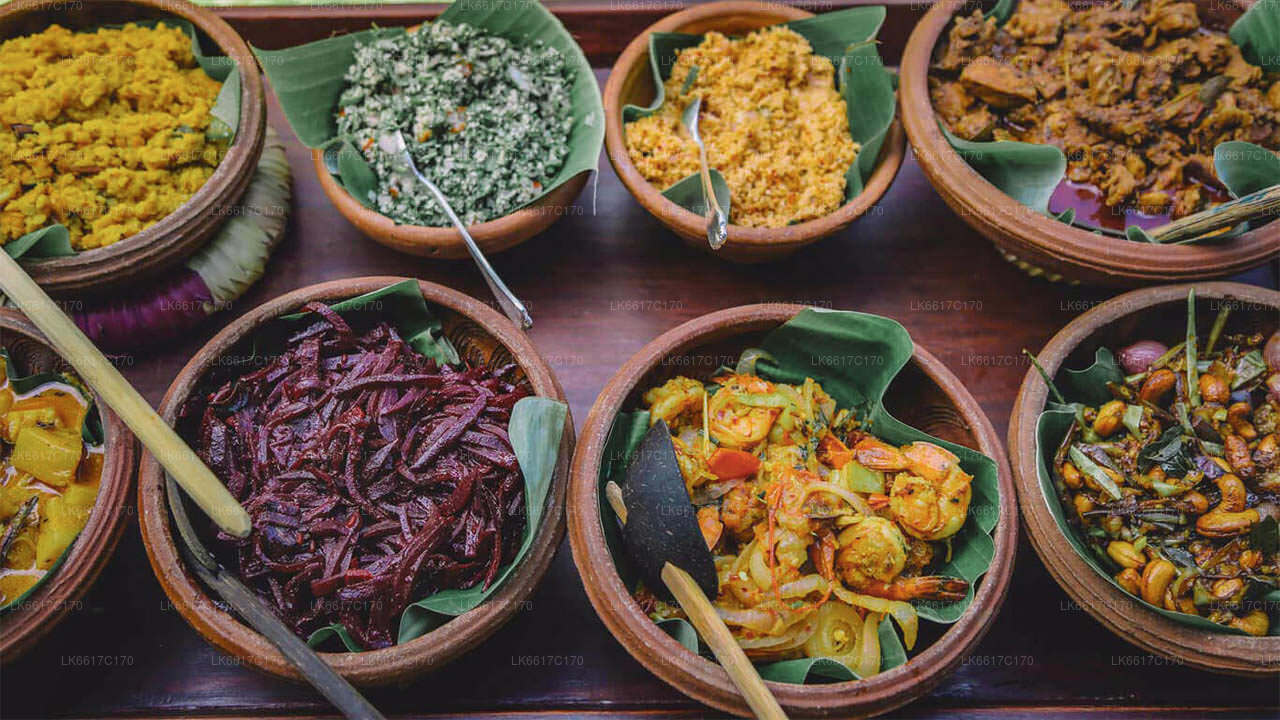
The sweetmeats produced and sold at Ape Gama include both everyday Sri Lankan confections and items more commonly associated with festival seasons. Many are made from rice flour, treacle, jaggery, coconut, and sesame — ingredients that defined rural cooking before processed foods were available. Visitors regularly describe the freshly made sweets as a highlight of the visit.
In the craft village extension, mask carving deserves particular attention. The tradition of Sri Lankan ritual masks — most famously associated with the southern town of Ambalangoda — is one of the country's more distinctive art forms, and watching a carver work on a raw piece of kaduru wood brings that tradition considerably closer than a display cabinet can.