Kiri Vehera Stupa

Kiri Vehera Stupa Kiri Vehera Stupa Kiri Vehera Stupa

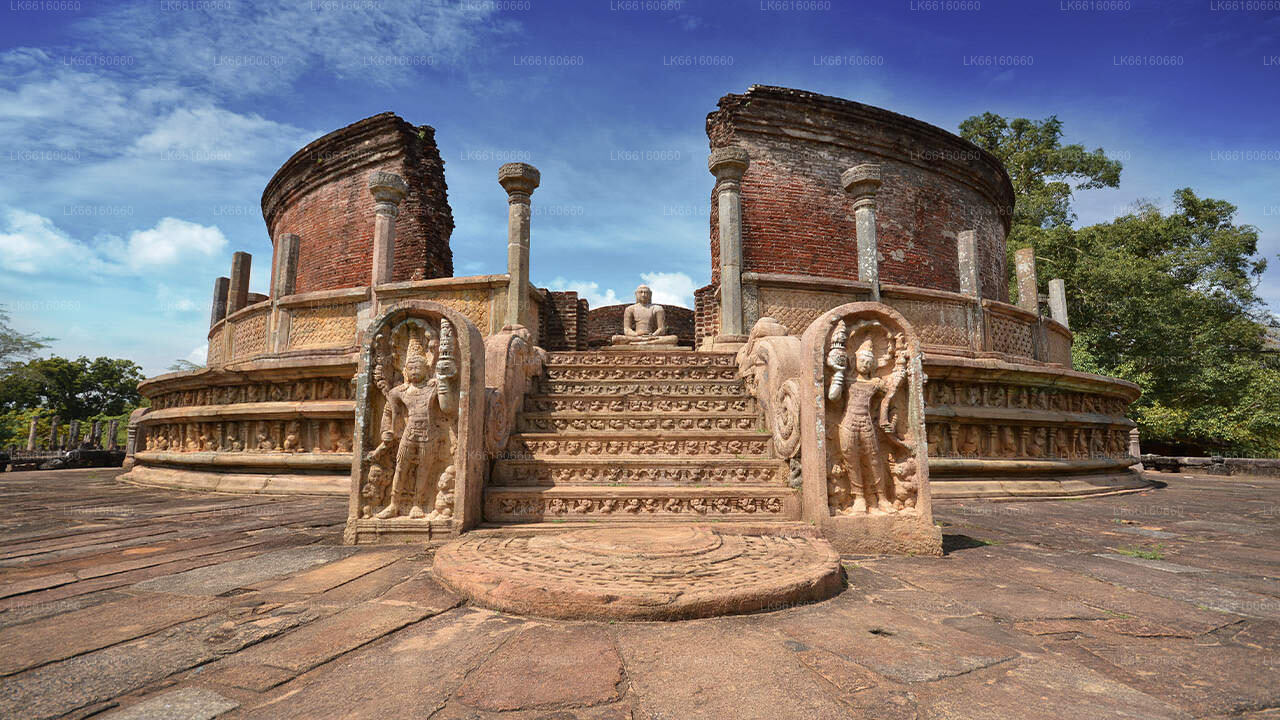
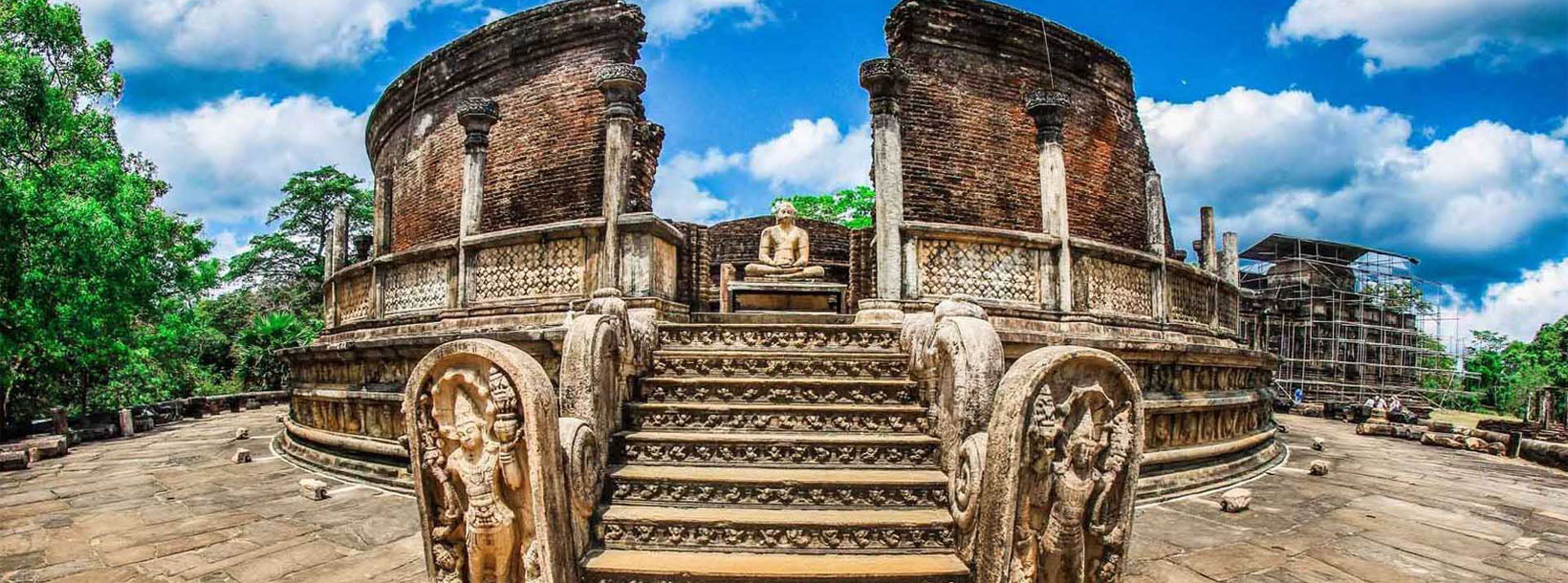
Kiri Vehera Stupa is een oud boeddhistisch monument gelegen in de historische stad Polonnaruwa, Sri Lanka. Deze heilige stupa werd gebouwd tijdens het bewind van koning Parakramabahu I in de 12e eeuw en is een van de belangrijkste en best bewaarde religieuze sites in het gebied. De naam "Kiri Vehera" wordt vertaald als "Melk Stupa", wat verwijst naar de ongerepte witte uitstraling en het belang ervan in het boeddhistische erfgoed van Sri Lanka.

De stupa staat bekend om zijn grote, koepelvormige structuur, omringd door prachtig gesneden stenen pilaren en oude ruïnes. Men gelooft dat het de relikwieën van Boeddha herbergt, waardoor het een belangrijke pelgrimsplaats voor boeddhisten is. De omliggende omgeving, met zijn weelderige groen en rustige sfeer, draagt bij aan de spirituele betekenis van de site en biedt bezoekers een plek voor vrede en reflectie.

Bezoekers van Kiri Vehera Stupa kunnen de archeologische overblijfselen van de site verkennen, waaronder stenen inscripties, kleinere heiligdommen en oude monastieke complexen. De serene omgeving van de stupa, gelegen in het culturele driehoek van Sri Lanka, maakt het een populaire bestemming voor zowel toeristen als pelgrims, en biedt een glimp van de rijke boeddhistische geschiedenis van het eiland.

De beste tijd om de Kiri Vehera Stupa te bezoeken is tijdens het droge seizoen, van december tot april, wanneer het weer ideaal is voor sightseeing en het verkennen van de ruïnes van Polonnaruwa. De site is gemakkelijk bereikbaar vanuit de stad, wat een betekenisvolle ervaring biedt voor degenen die geïnteresseerd zijn in de oude boeddhistische architectuur en geschiedenis van Sri Lanka.

Kiri Vehera Stupa Kiri Vehera Stupa Kiri Vehera Stupa

About Polonnaruwa District

Polonnaruwa is the 2nd largest city in north central province in Sri Lanka. The ancient city of Polonnaruwa has been declared a World Heritage site by UNESCO Polonnaruwa has a great history of conquest and struggle behind it and rightfully forms the third element in the Cultural Triangle. Located about 140 kms north east from Kandy,Polonnaruwa offers hours of endless pleasure for history and culture lovers, as there are numerous sights of significance.

Much of the physical ruins standing today are credited to King Parakrama Bahu I who spent many royal resources on town planning, including parks, edifices, irrigation systems and so on. The period of his rule is considered a golden age where the kingdom thrived and prospered under a visionary ruler. The Parakrama Samudra is a mammoth tank and named after its patron. The popular kings Royal Palace, the Audience Hall encircled by beautifully carved stone elephants and the Bathing Pool reflect the superior engineering capabilities of the time.

About North Central Province

North Central Province which is the largest province in the country covered 16% of total country's land area. North Central Province consist two districts called Polonnaruwa and Anuradhapure. Anuradhapura is the largest district in Sri Lanka. Its area is 7,128 km².

North Central Province has numerous potentials for Investors to start their Businesses, especially Agriculture, agro based industries and Livestock sectors. More than 65% of North Central Province's people depend on basic Agriculture and agro base industries. NCP also called "Wew Bendi Rajje" because there are more than 3,000 medium and large scale tanks situated in the province. Sri maha bodiya, Ruwanweli seya, Thuparama dageba, Abayagiri Monastry, Polonnaruwa Rankot wehera, Lankathilake are scared