Lakpura
Lakpura®

Caves

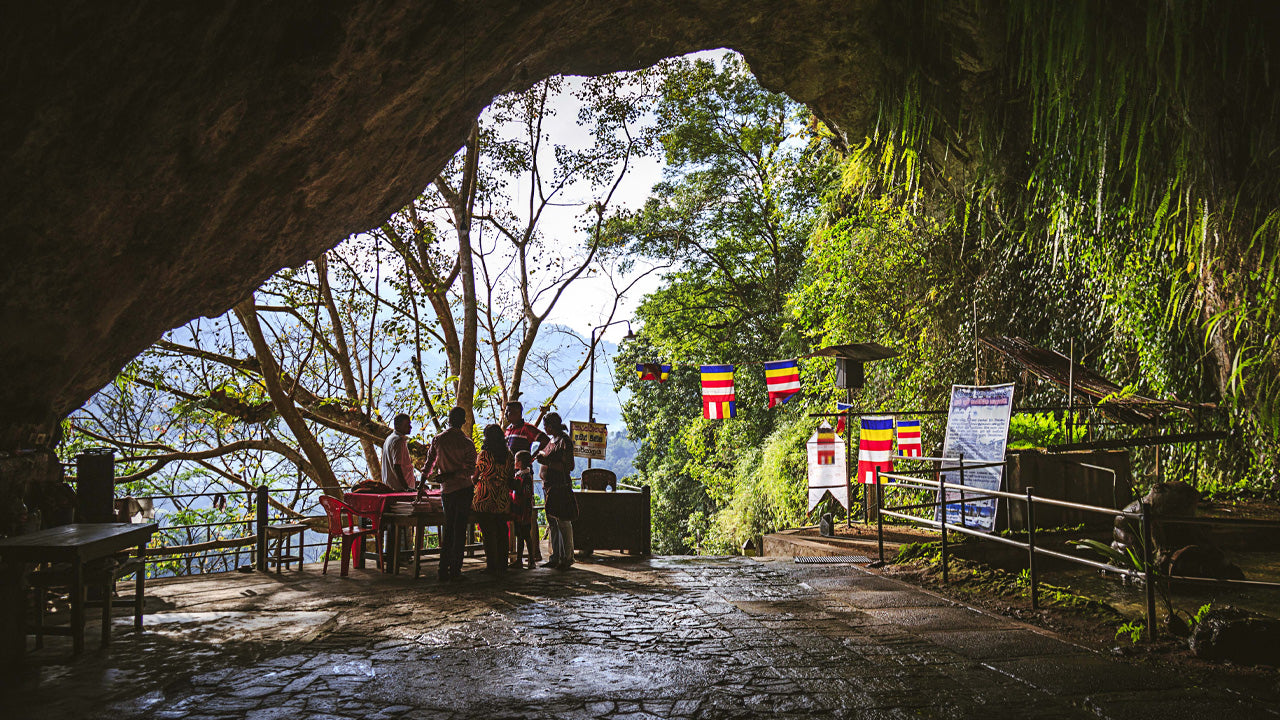
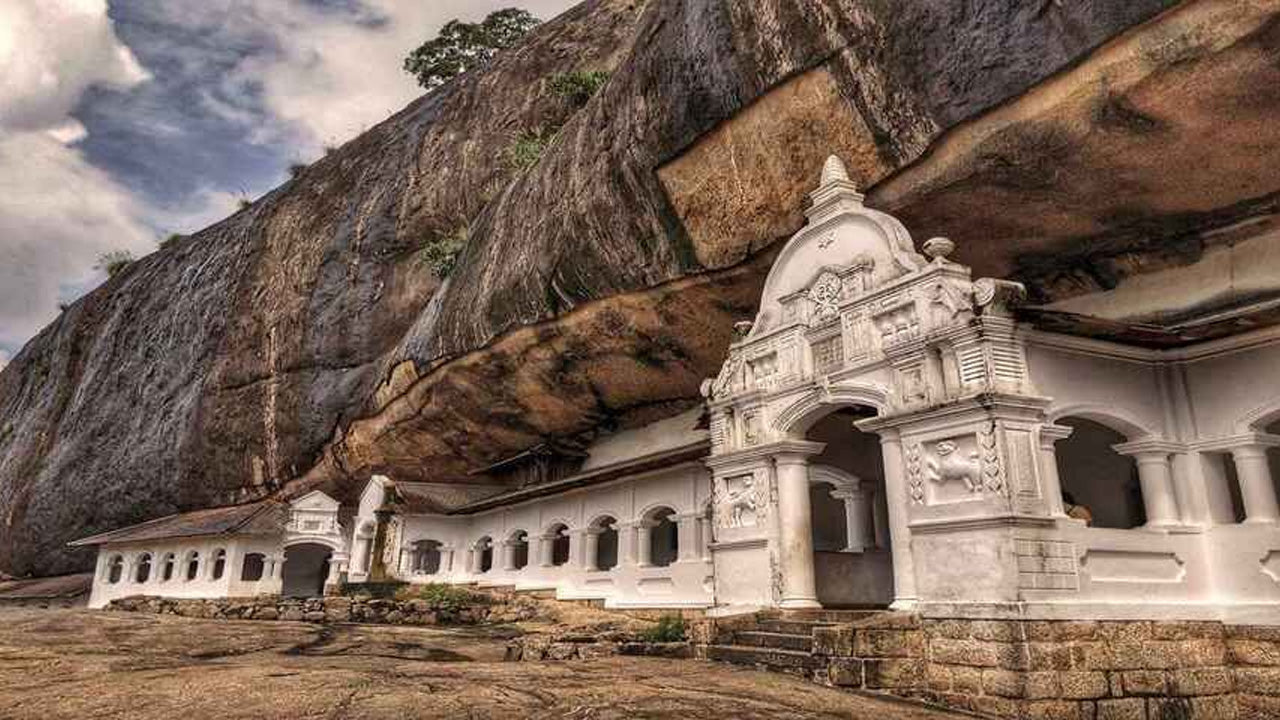
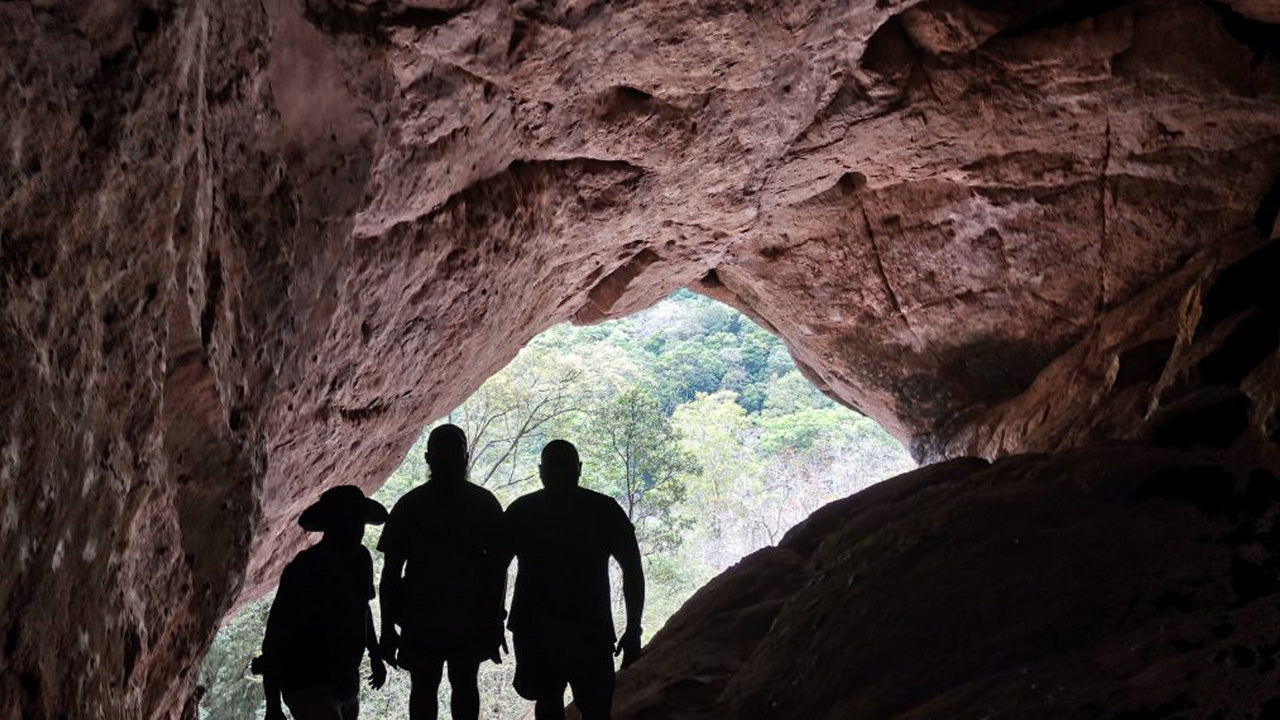
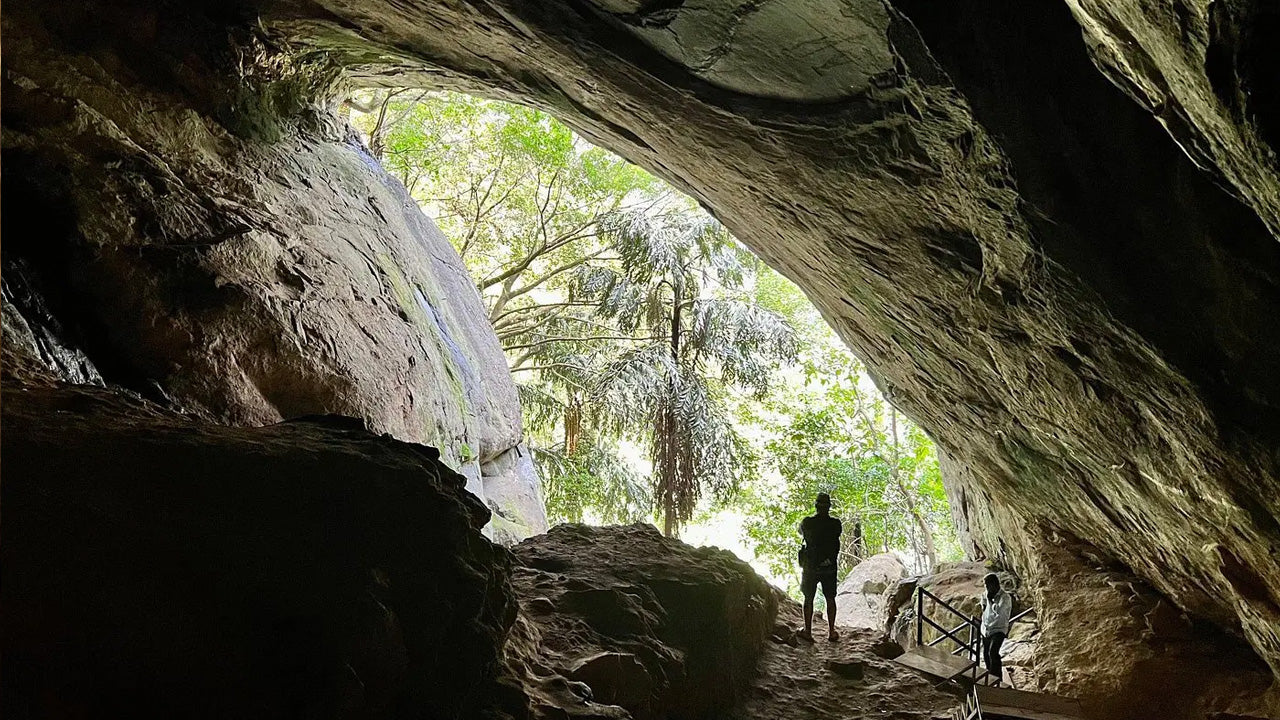
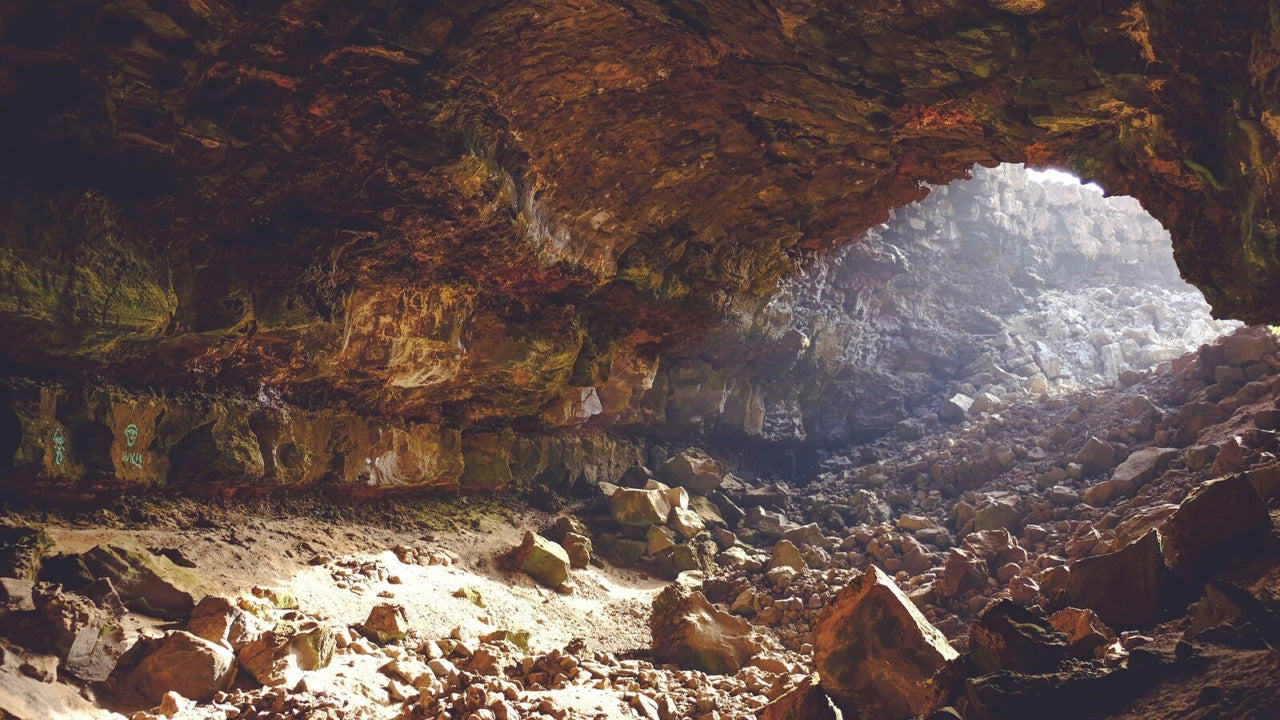
Sri Lanka's cave network stretches from the dry lowlands of the north to the mist-covered central hills and the forested hillocks of the south, offering a compelling entry point into the science and sport of speleology. For visitors with a curiosity beyond the island's more celebrated landmarks, exploring these subterranean formations is an experience with few parallels — and one that remains relatively undiscovered by mainstream tourism.

What is speleology, and why does it matter in Sri Lanka?

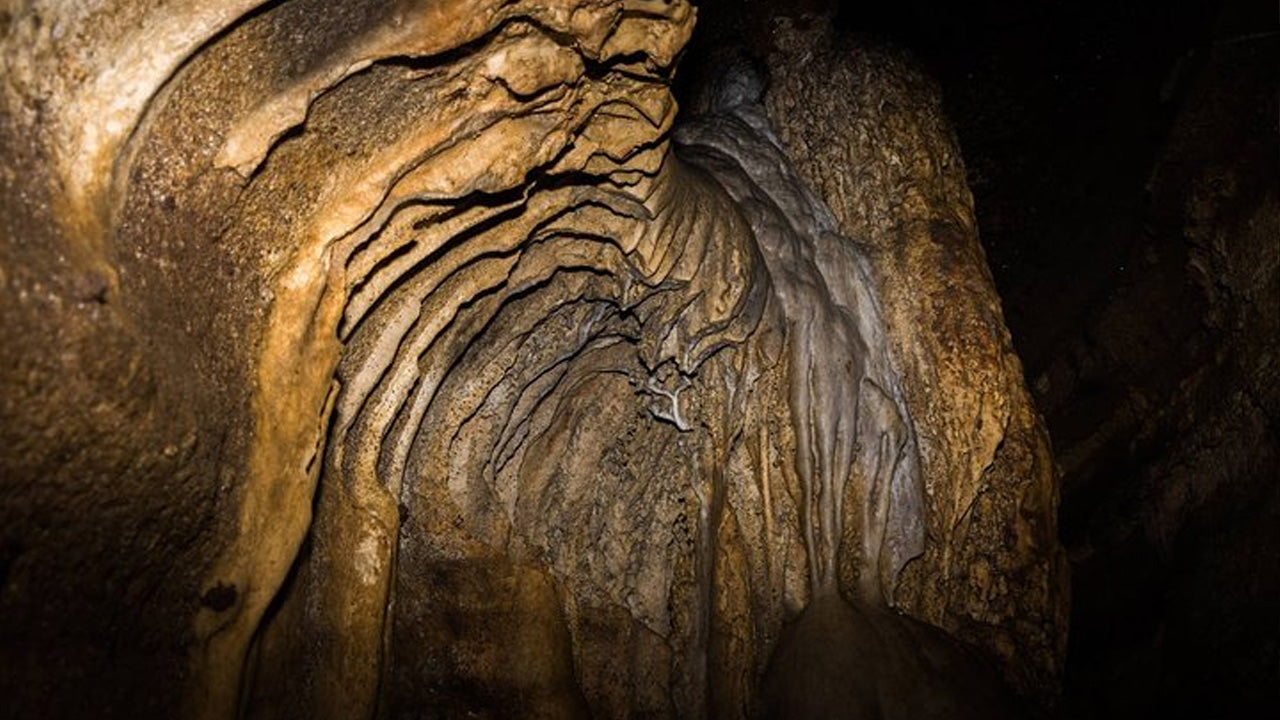
Speleology is the scientific study, exploration, surveying, mapping and photography of caves. In Sri Lanka, the discipline is still young, but interest has grown steadily as researchers and adventure travellers alike recognise the ecological and archaeological richness hidden underground. Many of the island's caves are estimated to be at least 500 million years old, their interiors shaped over millennia by dripping water into elaborate formations of stalactites and stalagmites — calcium carbonate deposits that can reach the height of a young child.

Beyond geology, these caves function as critical habitats. They shelter a wide range of nocturnal species, many of which were unknown to science until cave surveys brought them to light. Several newly documented invertebrates have been recorded exclusively inside Sri Lankan cave systems.

Which are the most significant caves in Sri Lanka?

Three sites stand out for their historical depth and natural character.

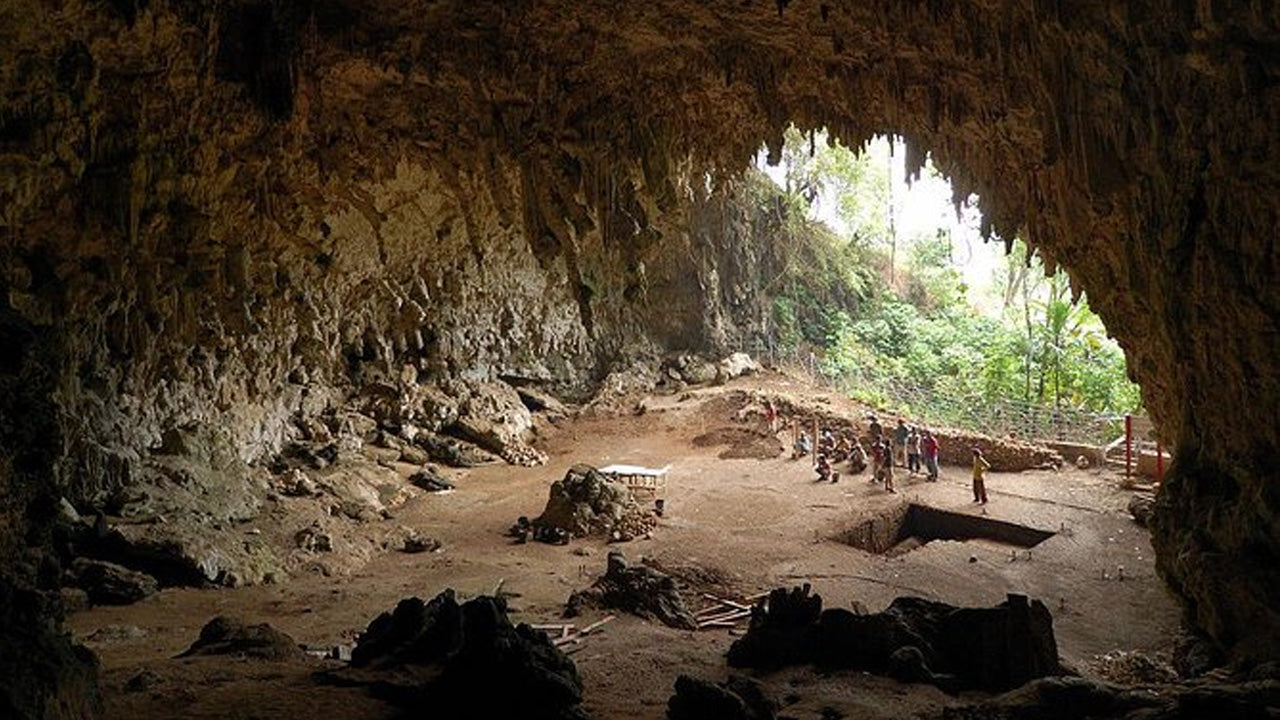
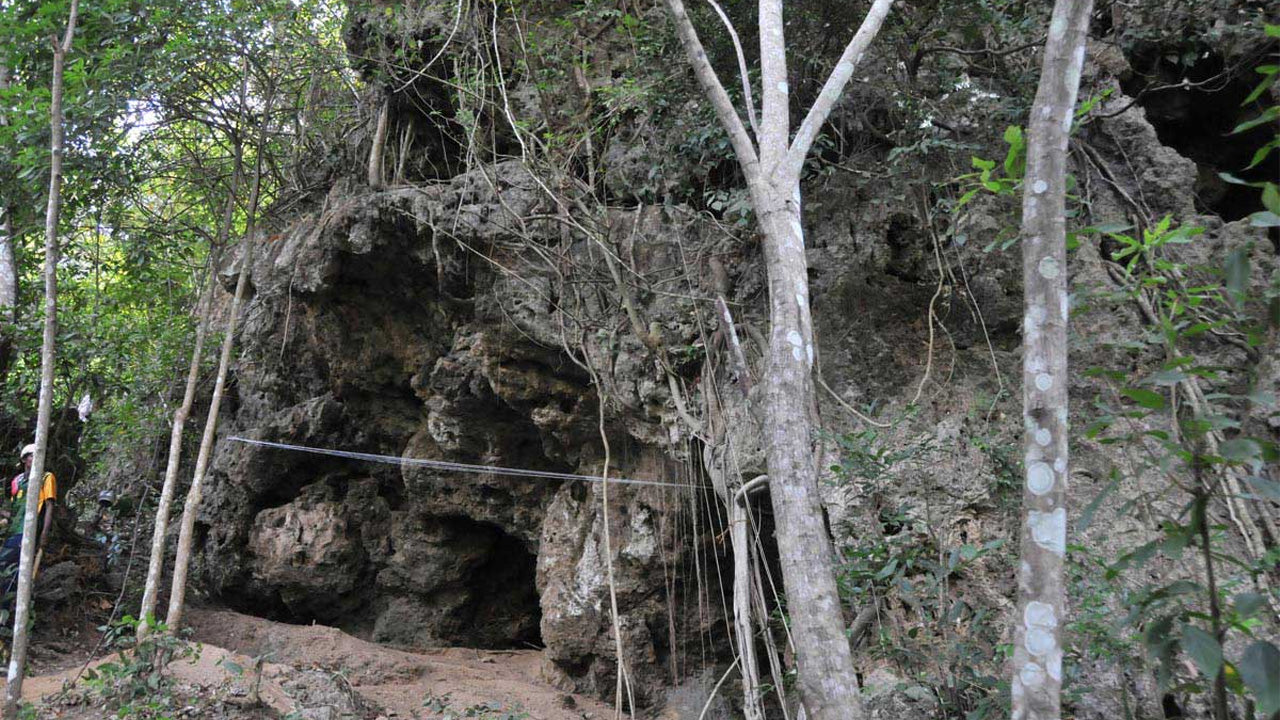
  • Batatotalena, Sudugala — Perhaps the most archaeologically important cave in Sri Lanka. Skeletal remains uncovered here are attributed to the "Balangoda Man", a prehistoric Homo sapiens whose presence on the island dates back tens of thousands of years. The site has contributed enormously to understanding early human habitation in South Asia.
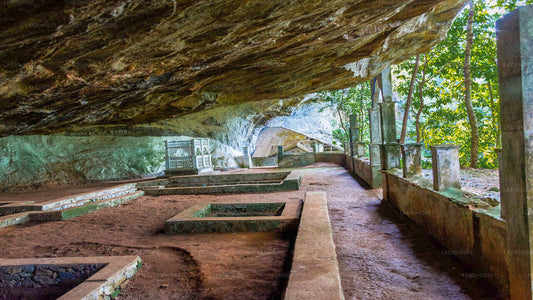
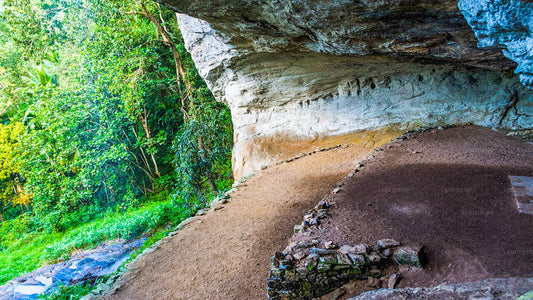
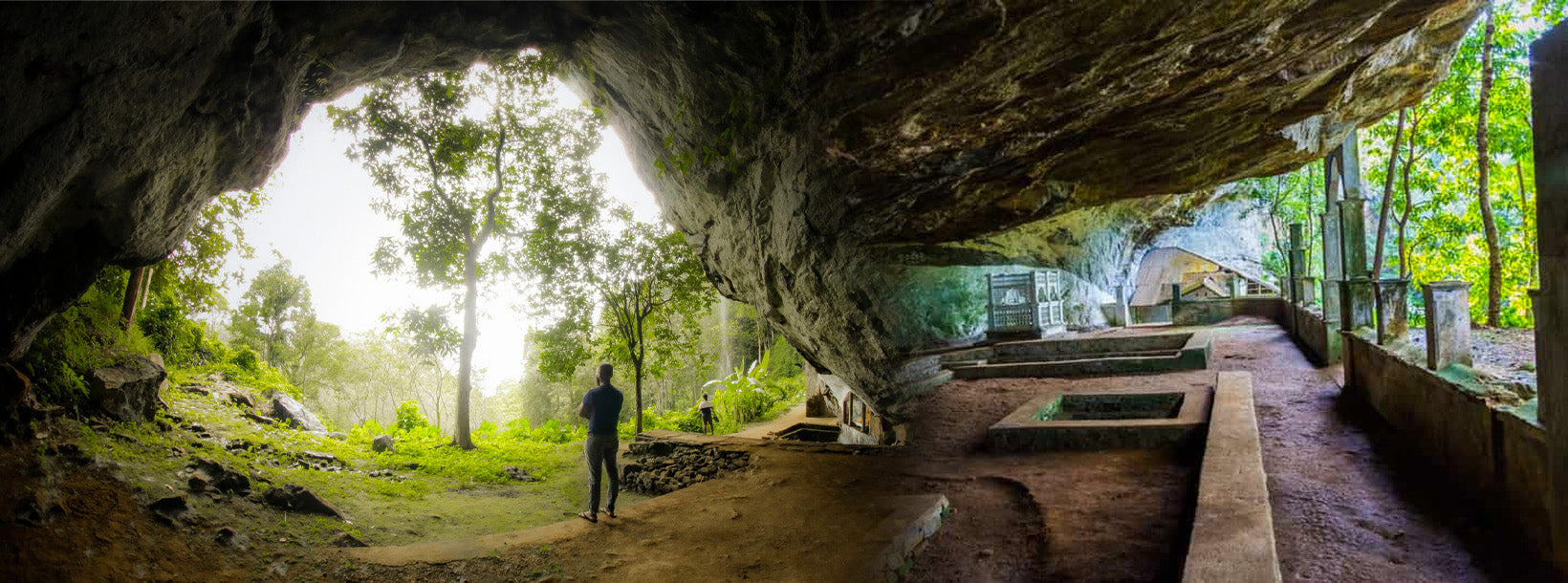
  • Belilena, Kithulgala — Located near the Makandawa Rainforest, Belilena is another site linked to prehistoric human activity. Its position in a lush river valley makes it accessible and scenically rewarding, attracting both researchers and nature-oriented travellers.
  • Wavulpone — Named directly from the Sinhala word for bat, this cave earns its name honestly. Estimates of its resident bat population run as high as 100,000 individuals, and witnessing the evening exodus of this colony is a spectacle with an almost cinematic quality. The bats play a significant ecological role in pollination and insect control across surrounding agricultural areas.

What geological features can visitors expect inside Sri Lanka's caves?

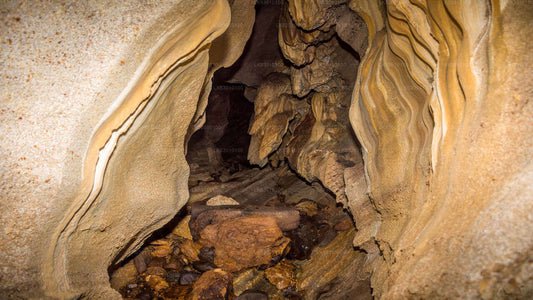
The majority of Sri Lanka's explored caves are formed in metamorphic and sedimentary rock rather than the limestone karst typical of caving destinations in Southeast Asia. The result is a different but equally rewarding set of formations. Stalactites hang from cave ceilings where calcium-rich water has dripped and evaporated over thousands of years; stalagmites build upward from the floor beneath them. In well-developed cave systems, the two sometimes meet to form full columns.

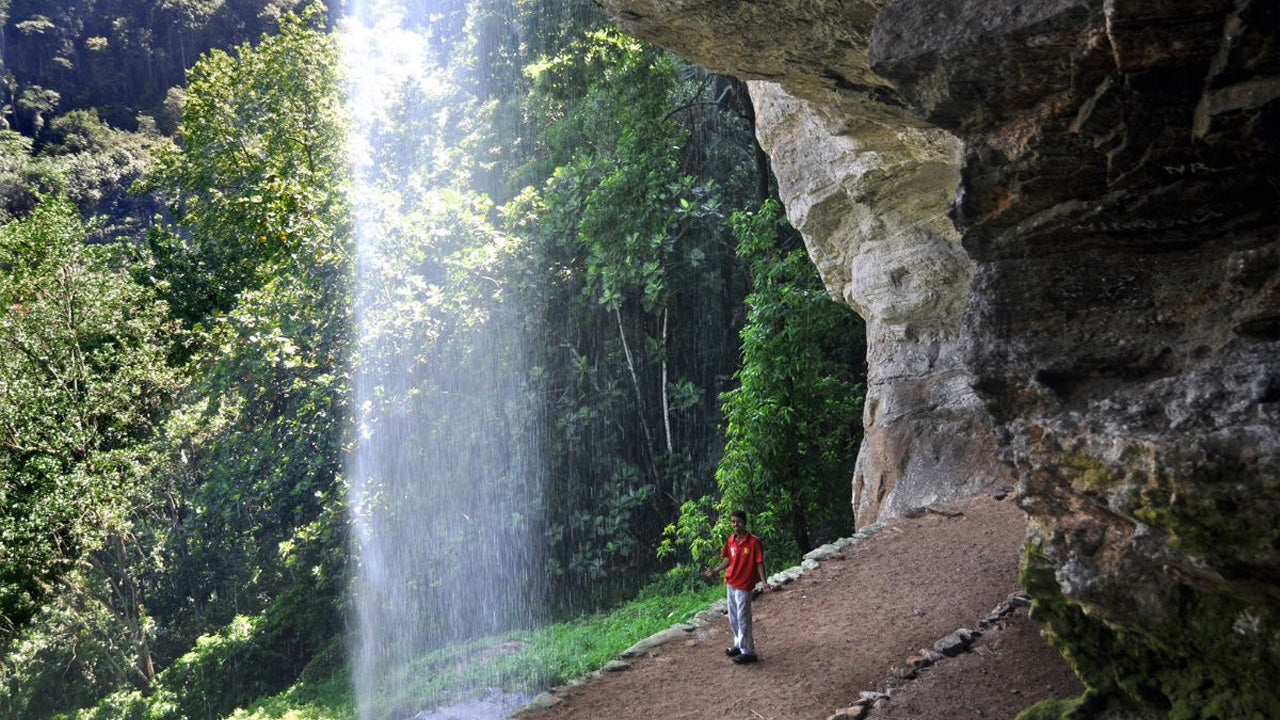
Water is a constant presence in many cave interiors, and underground streams are not unusual. Cave pearls — small rounded calcium formations created by dripping water agitating a pool — have been recorded in a number of sites, along with flowstone sheets that coat walls and floors with a smooth, polished surface.

What wildlife lives in Sri Lanka's caves?

Bats are the most visible cave inhabitants. Sri Lanka is home to around 30 bat species, and several — including insectivorous and fruit bat varieties — roost in large colonies in cave systems across the island. Beyond bats, cave environments shelter cave-adapted fish in underground pools, a range of arachnids including several potentially undescribed spider species, cave crickets, and blind or pale-pigmented crustaceans adapted to permanent darkness.

The nocturnal habits of most cave fauna mean that early morning or evening visits typically offer the best chances of observing animal activity, particularly the mass departure of bat colonies at dusk — a sight worth planning an itinerary around.

Where are Sri Lanka's main cave sites located?

Cave sites are spread across several regions, which means they can be incorporated naturally into broader Sri Lanka itineraries without significant detours.

Cave Location Primary Interest
Batatotalena Sudugala, Sabaragamuwa Prehistoric archaeology, Balangoda Man
Belilena Kithulgala, Sabaragamuwa Prehistoric habitation, rainforest setting
Wavulpone Southern hill country Large bat colony, cave ecology
Ritigala caves North Central Province Ancient monastic use, forest setting

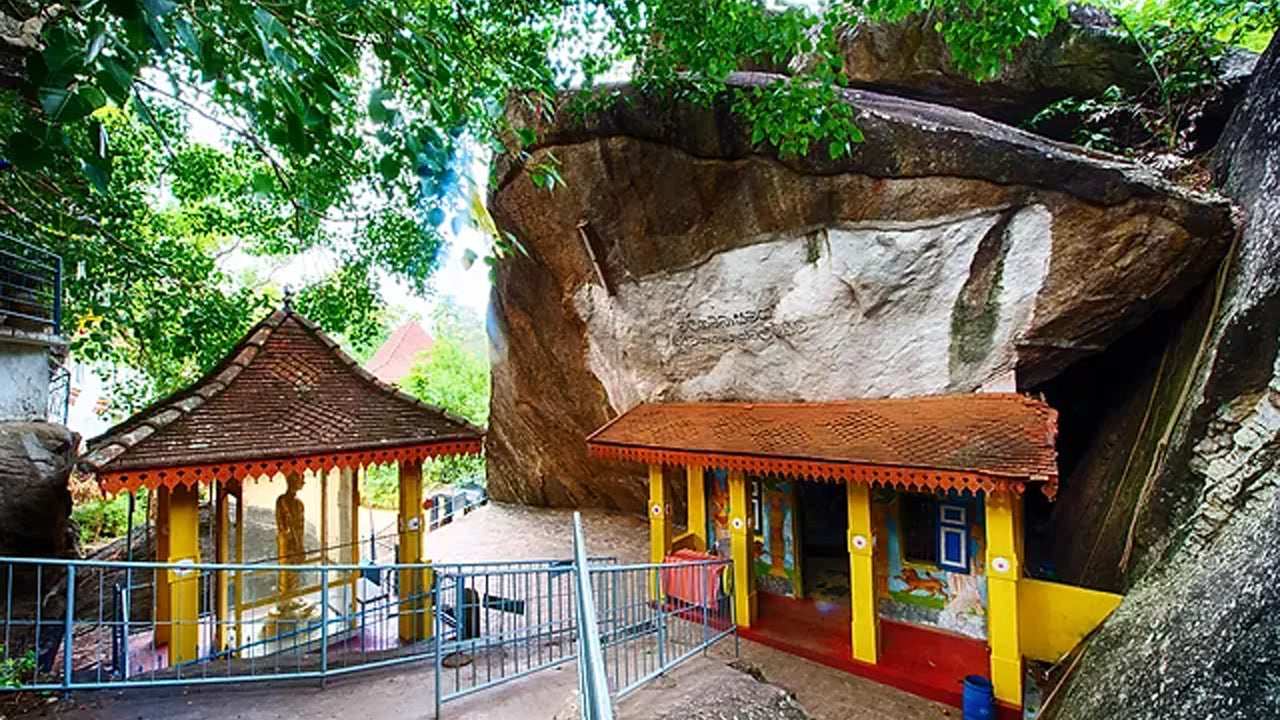
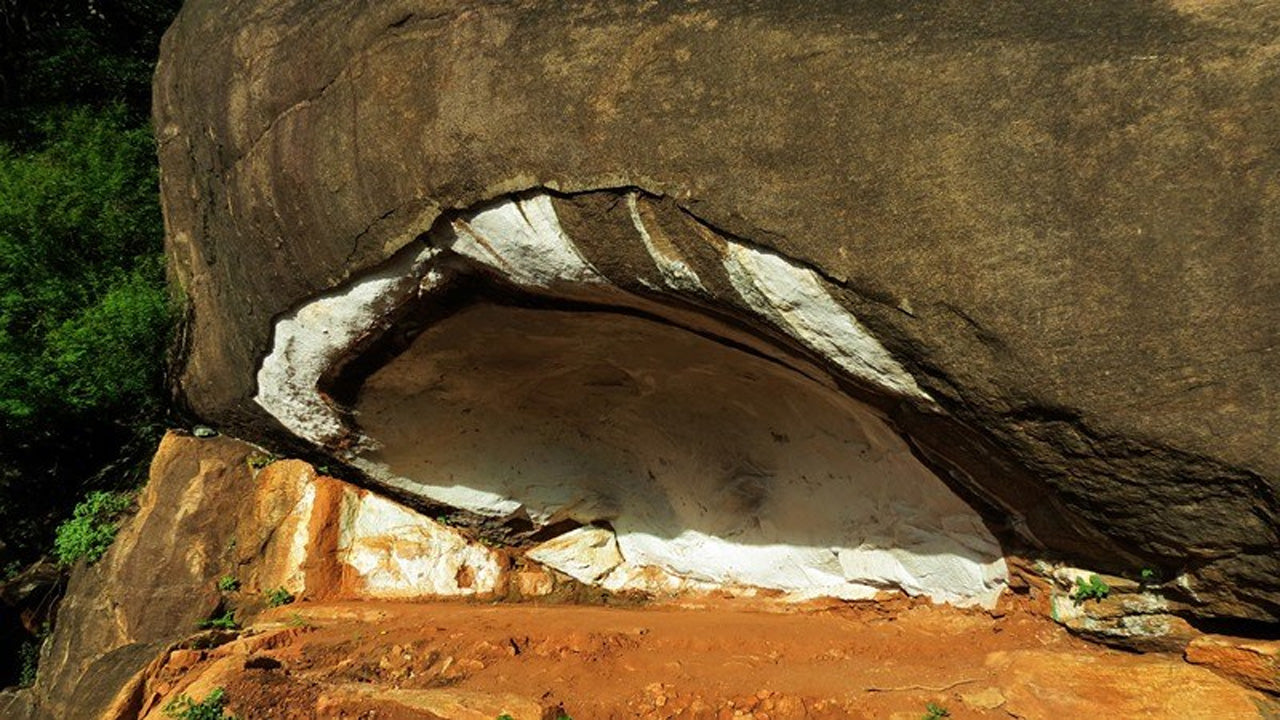
The Ritigala mountain range in the north holds additional cave formations that served as meditation retreats for forest-dwelling Buddhist monks in antiquity. Their remoteness is part of their appeal — reaching them requires a forest trek through Wilpattu National Park territory, rewarding visitors with a genuine sense of discovery.

How do I prepare for a caving experience in Sri Lanka?

Most cave sites in Sri Lanka do not require specialist technical climbing equipment, but basic preparation matters. Closed, non-slip footwear is essential — cave floors are often wet and uneven. A reliable head torch (plus a spare) is more practical than a handheld light, leaving both hands free for balance. Lightweight long trousers and a long-sleeved shirt protect against minor abrasions and the guano-heavy air that some bat caves carry.

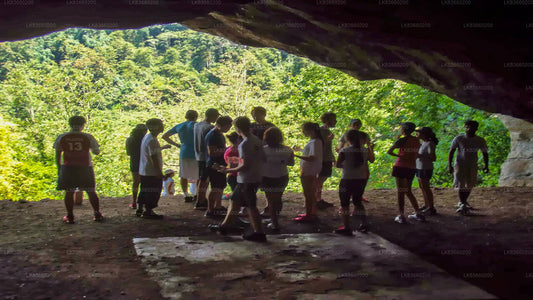
Guided visits are strongly recommended for any cave beyond a well-marked tourist site. Local guides understand cave geography, can identify safe passage through tight sections, and carry knowledge of the resident species that significantly enriches the experience. Carrying a camera with low-light capability is worthwhile — flash photography should be used minimally and never directed at bats or other wildlife.

Can caving be combined with other activities in Sri Lanka?

Easily. The Kithulgala area surrounding Belilena is also a hub for white-water rafting on the Kelani River, making a half-day cave visit a natural pairing with a morning on the water. Caves in the central hills sit within reach of tea country — a visit to Bluefield Tea Gardens pairs well with a cave excursion in the same region. Ritigala's caves can anchor a cultural circuit that takes in Polonnaruwa and the ancient cities of the north-central plains. For travellers drawn to unusual natural experiences, caves sit comfortably alongside adventure tours that combine multiple off-the-beaten-track activities in a single journey.

What is the best time of year to visit caves in Sri Lanka?

Caves can be visited year-round, but conditions differ by season. During the two main monsoon periods — the southwest monsoon from roughly May to September and the northeast monsoon from October to January — cave entrances can accumulate surface water and some trails become slippery. The dry months for the relevant region generally offer the most comfortable access, though interior cave temperatures remain relatively stable regardless of season. Bat populations are typically at their largest between December and April, when breeding colonies are fully established.

Book this experience with Lakpura

Curated by our local team. Direct booking, instant confirmation.

Ask Lakpura® Agent