Lakpura
Lakpura®

Birds

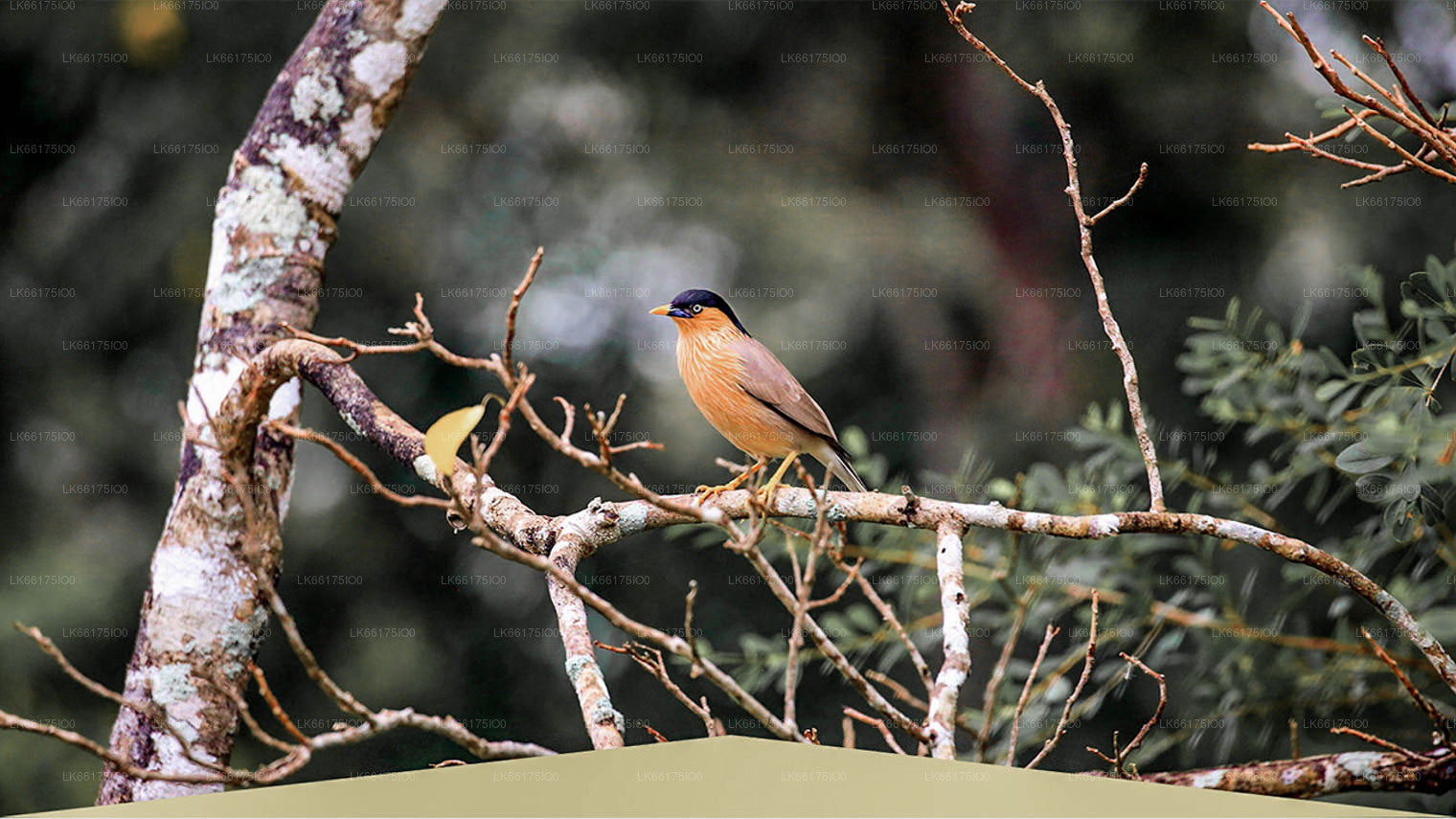
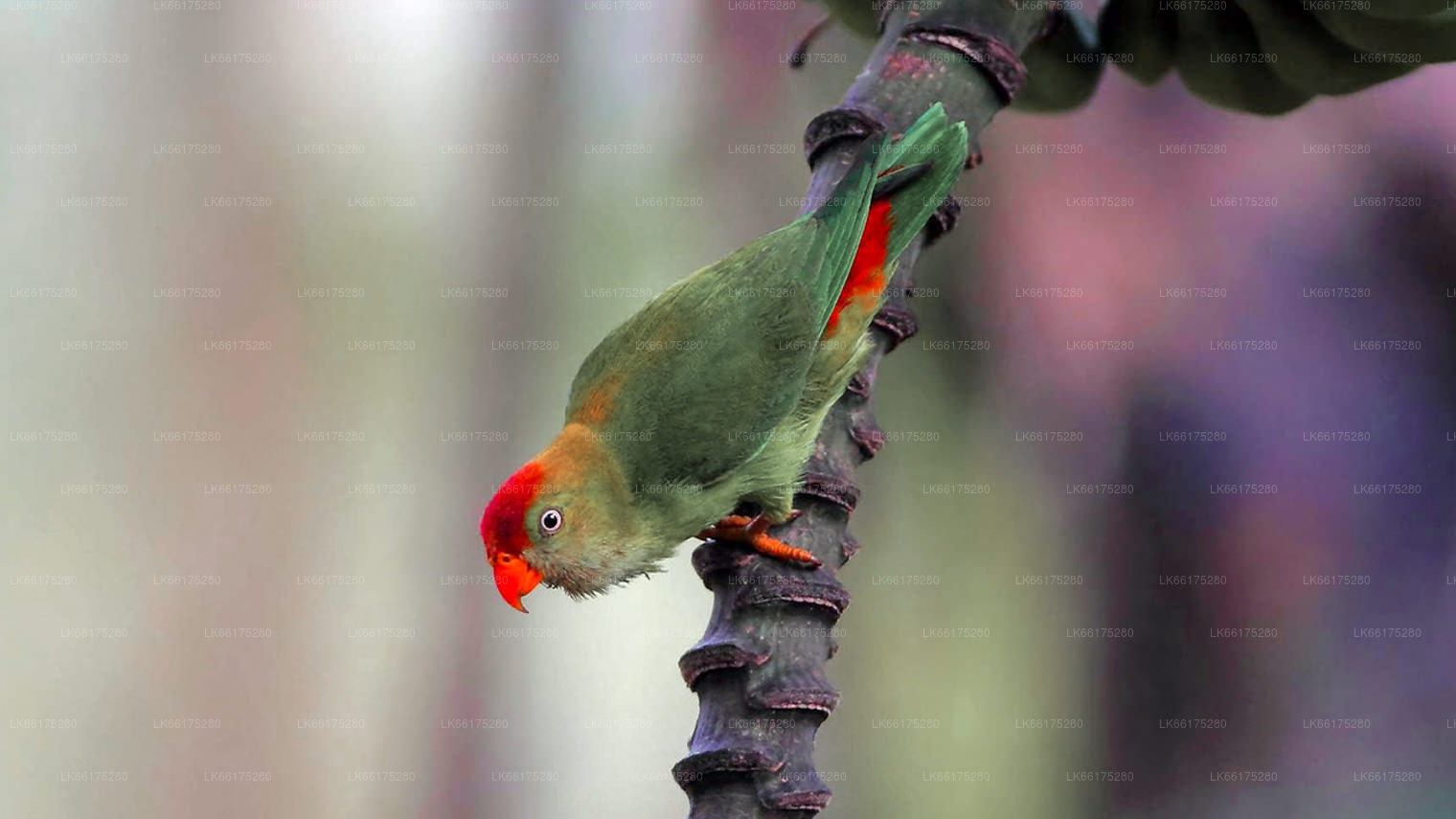
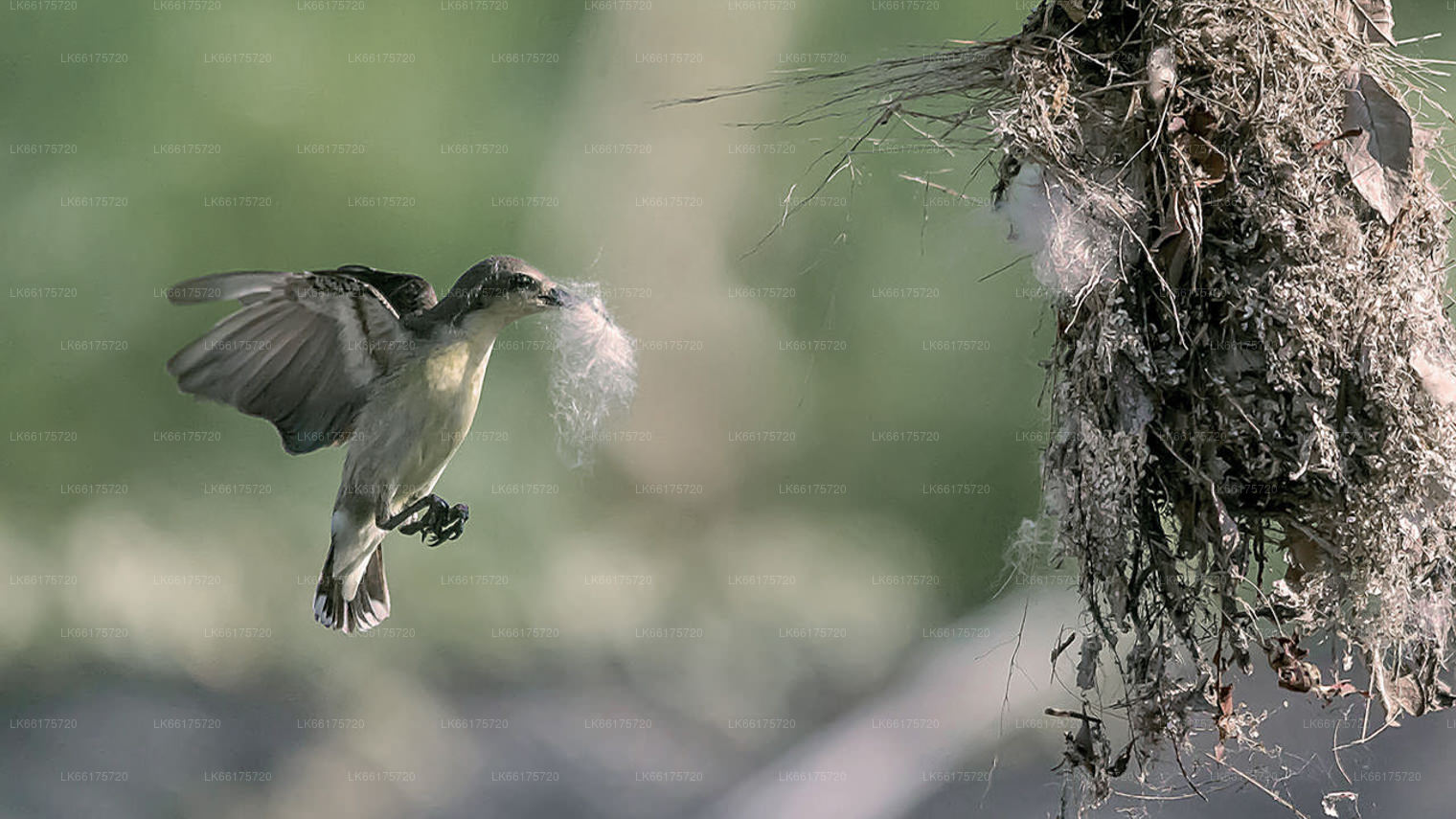
Sri Lanka packs an extraordinary diversity of birdlife into an island measuring roughly 270 km by 140 km. With over 430 recorded species — including around 33 endemics found nowhere else on earth — it ranks among Asia's premier birdwatching destinations. Rainforest interiors, highland cloud zones, coastal lagoons, ancient irrigation tanks, and river wetlands each harbour distinct bird communities, making it possible to encounter genuinely different species lists within a single day's travel.

What makes Sri Lanka special for birdwatching?

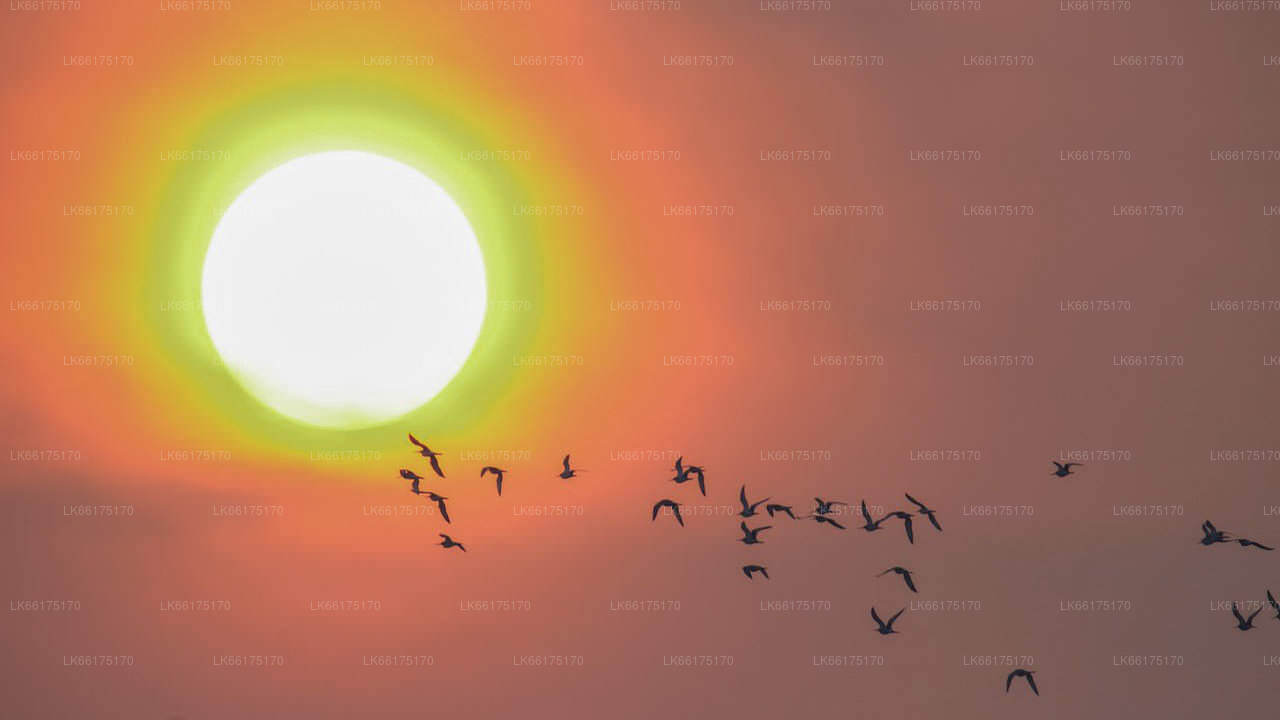
The island sits at the southern tip of the Indian subcontinent and acts as a natural funnel for migratory species travelling between Central Asia and the tropics. From roughly October to April, resident populations are swelled by waders, raptors, and waterfowl arriving from the Palearctic. At the same time, Sri Lanka's wet zone forests and central highlands shelter an unusually high proportion of endemic species — birds that evolved in isolation and cannot be seen anywhere else on the planet.

The diversity of habitats within a compact area means a well-planned itinerary can cover lowland rainforest, montane grassland, coastal wetland, and dry-zone scrub within a week, each biome contributing a fresh set of species to a trip list.

Which are the most important birdwatching sites in Sri Lanka?

Sinharaja Forest Reserve

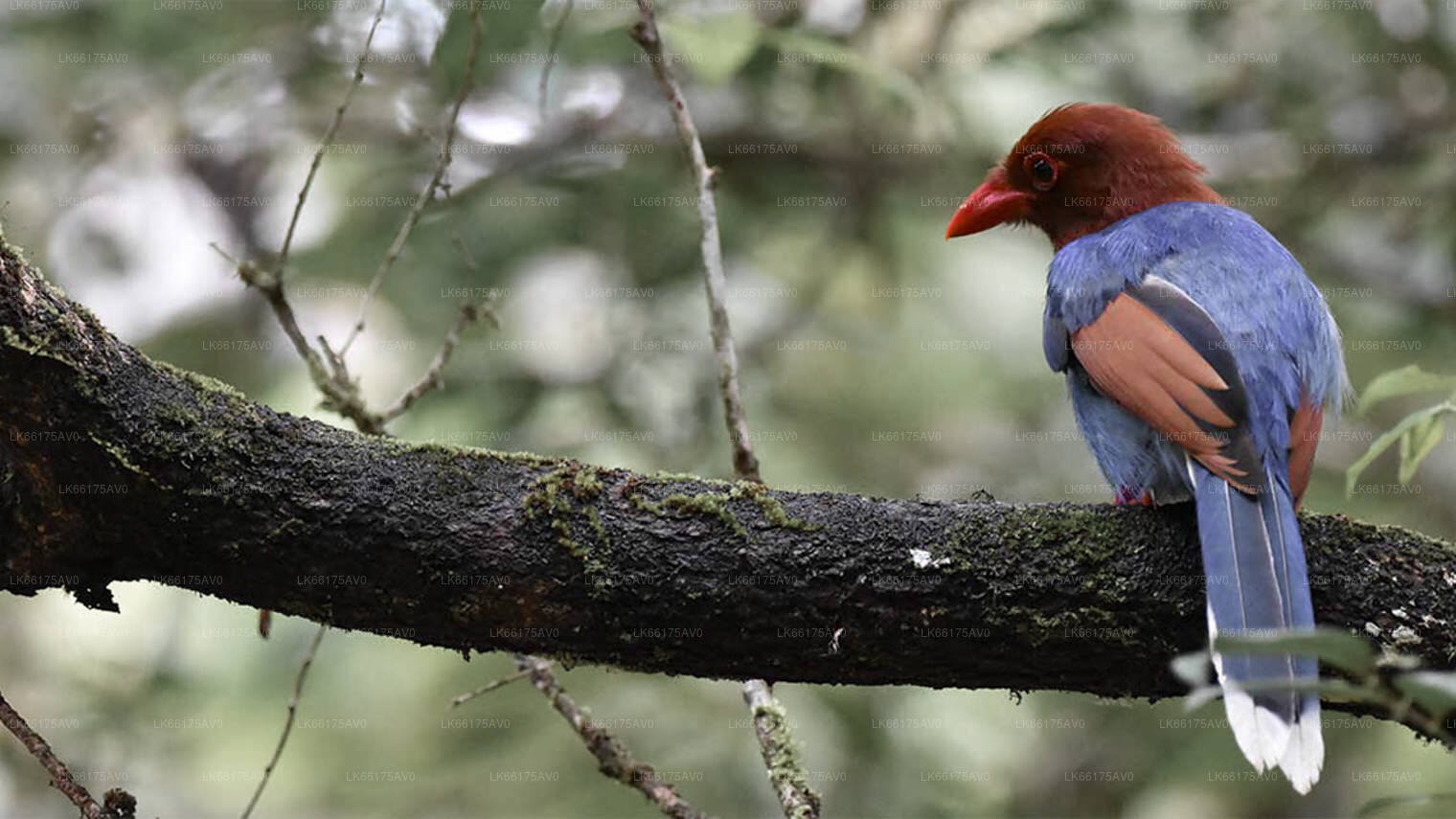
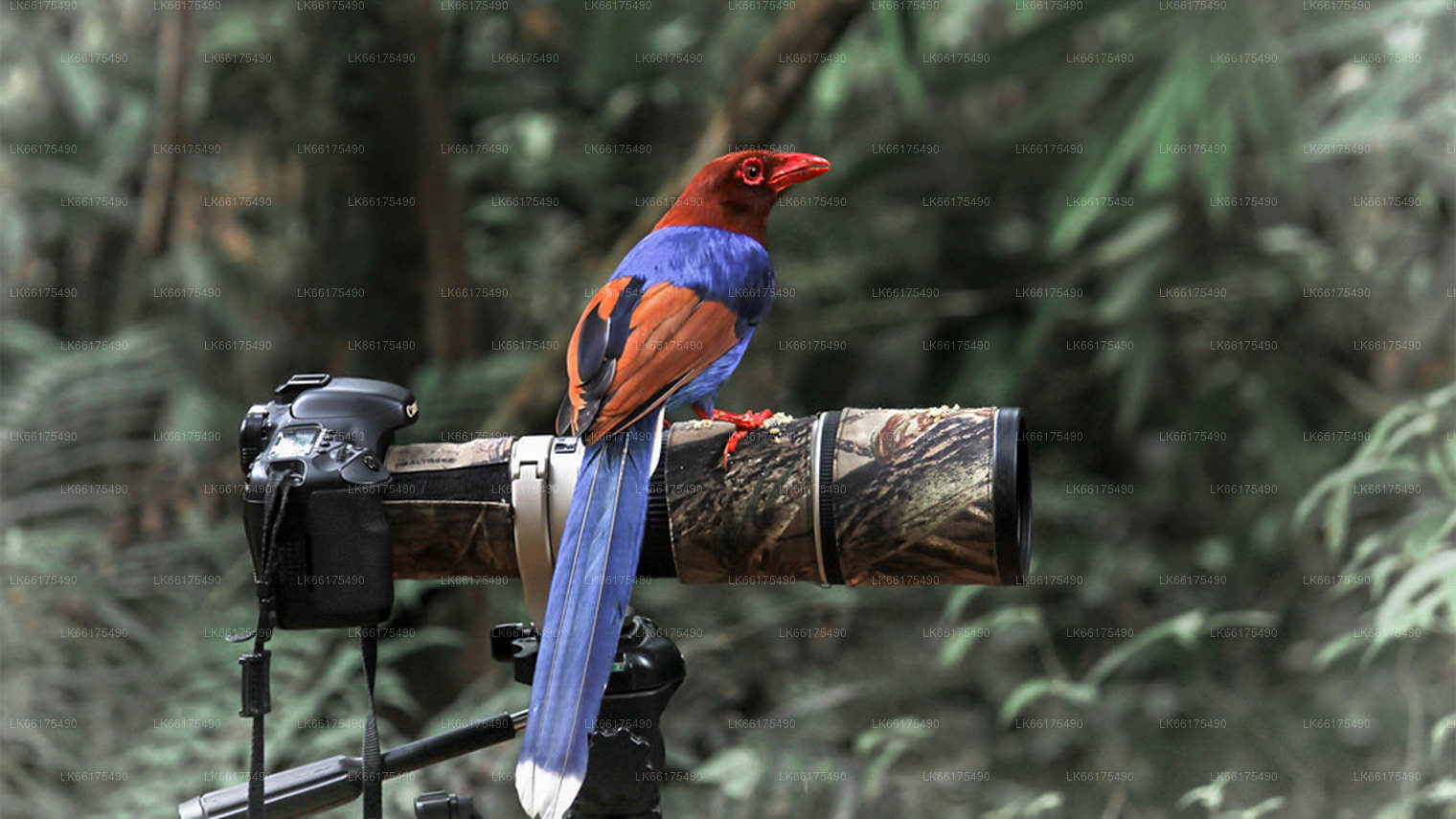
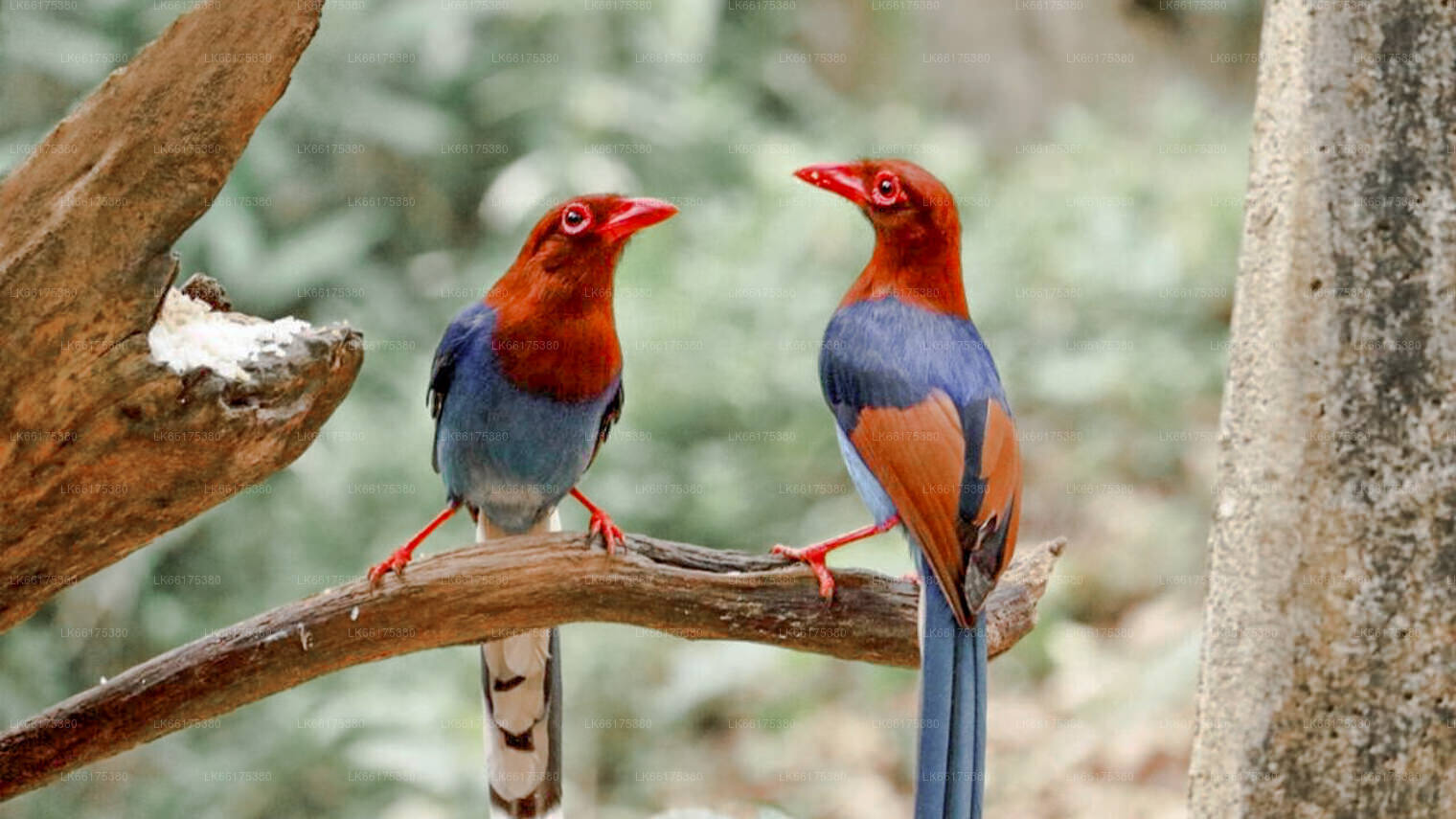
The Sinharaja Forest Reserve in the southwestern wet zone is the single most celebrated birdwatching location on the island. This UNESCO-listed rainforest is renowned for its mixed-species feeding flocks — loose aggregations of up to a dozen species moving together through the canopy, allowing a patient observer to record many endemics in a single morning. Species typically encountered include the Green-billed Coucal, Red-faced Malkoha, Ceylon Blue Magpie, Rufous Babbler, Ceylon Hill Myna, Ashy-headed Laughingthrush, and White-faced Starling. A Forest Department permit and a registered guide are mandatory; the standard entry point at Kudawa is car-accessible, though reaching the deeper forest requires a vehicle with good ground clearance. Basic accommodation is available through the Forest Department but must be arranged in advance from their Battaramulla office. Private guesthouses near the reserve also offer meals and lodging. A secondary entrance exists at Deniyaya.

Bundala National Park

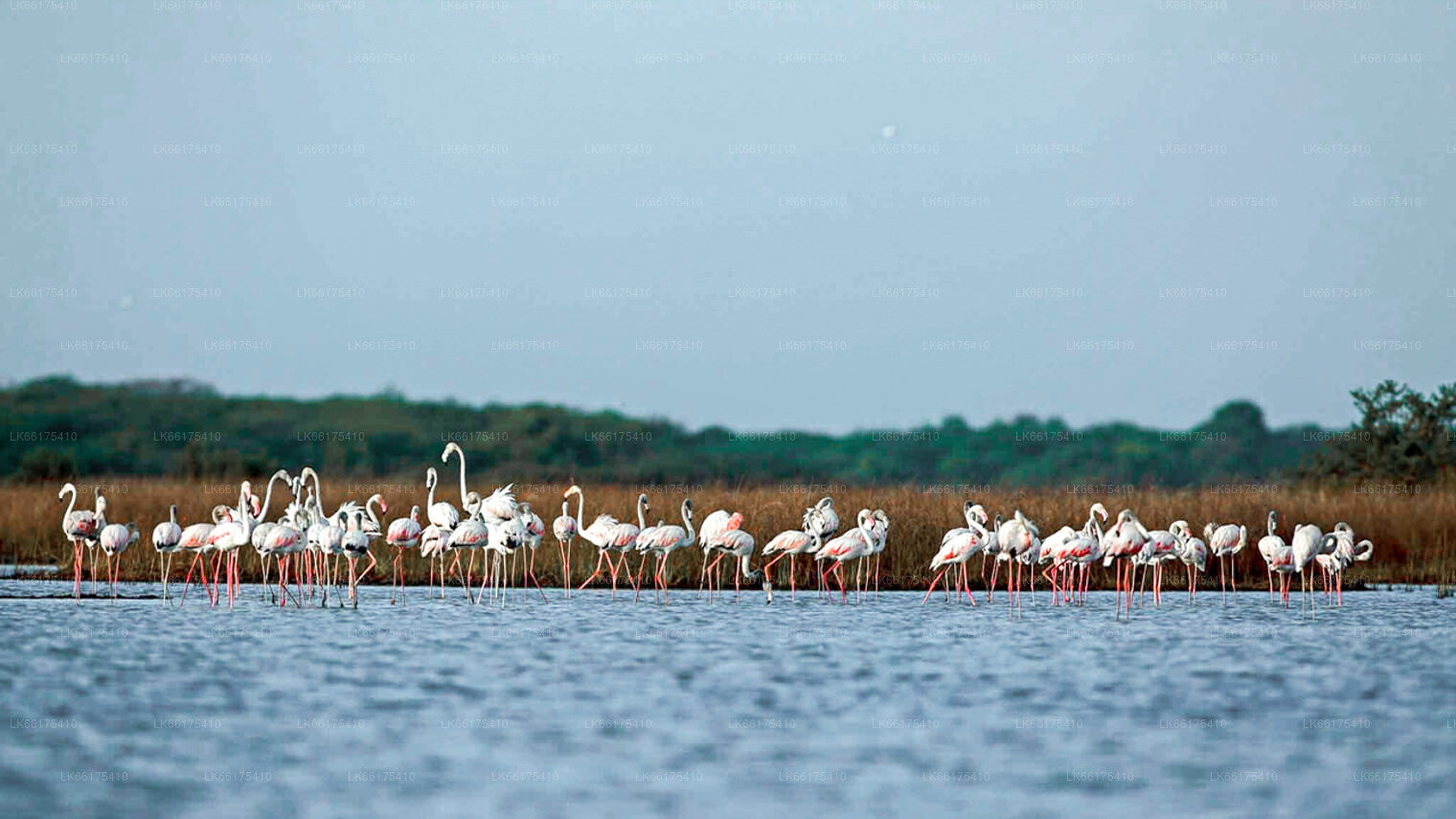
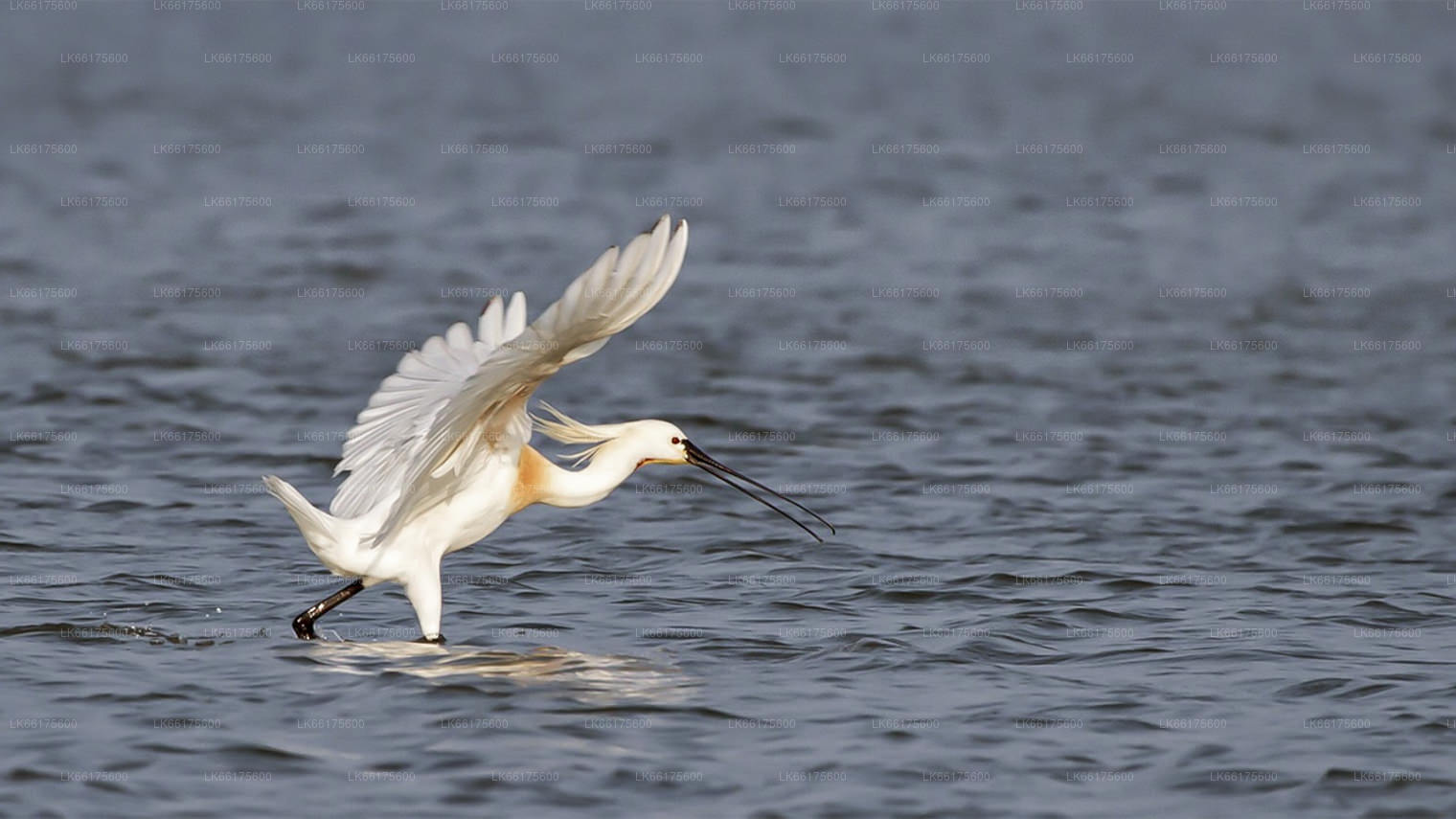
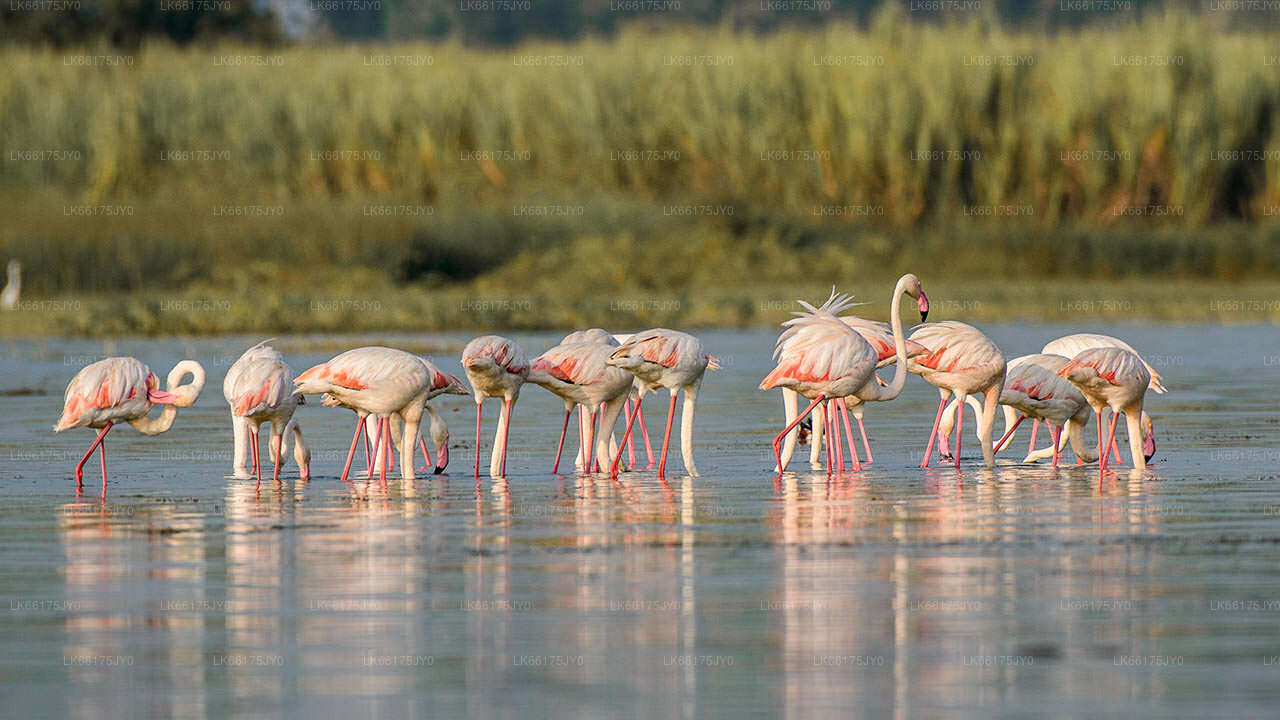
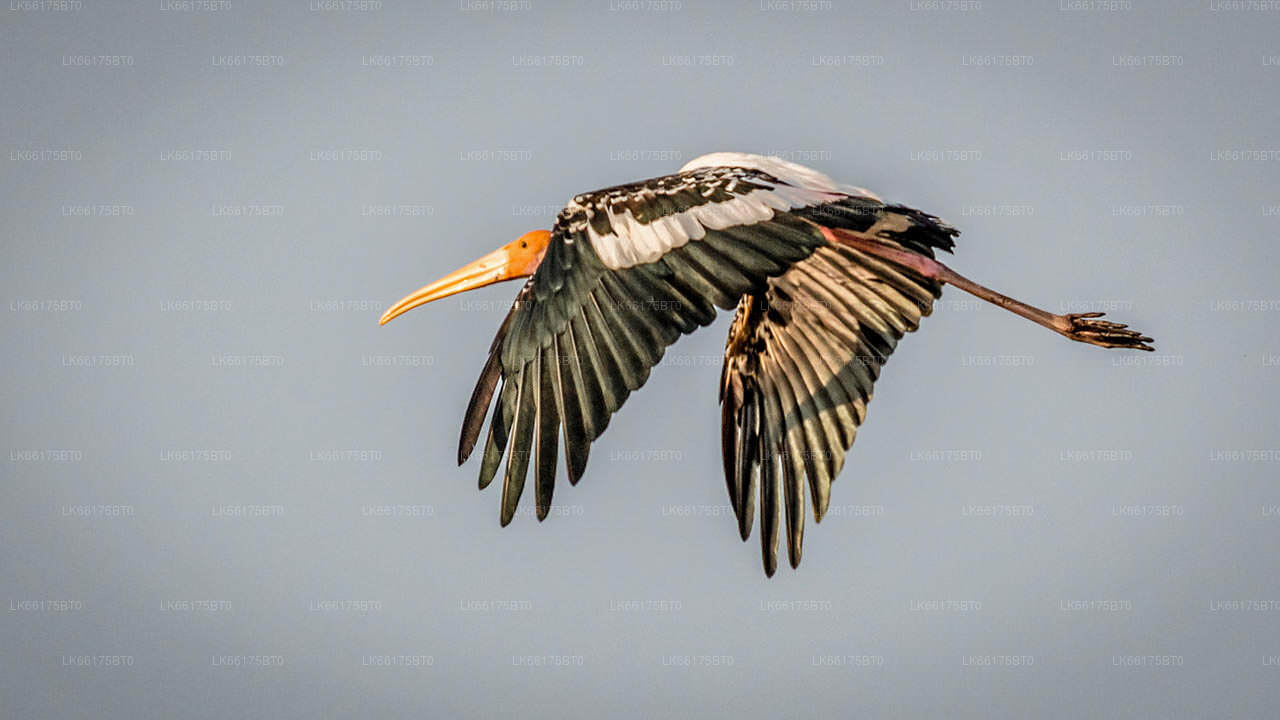
Bundala, on the southern coast around 259 km from Colombo, is Sri Lanka's premier wetland birding destination and a Ramsar-listed site. Its interconnected lagoons and salt pans attract large concentrations of waterbirds year-round, with numbers peaking between November and March when thousands of migratory waders and ducks arrive. Lesser Flamingos are a seasonal highlight. The park is also home to resident species including Painted Storks, Asian Openbills, and several species of kingfisher.

Kumana National Park

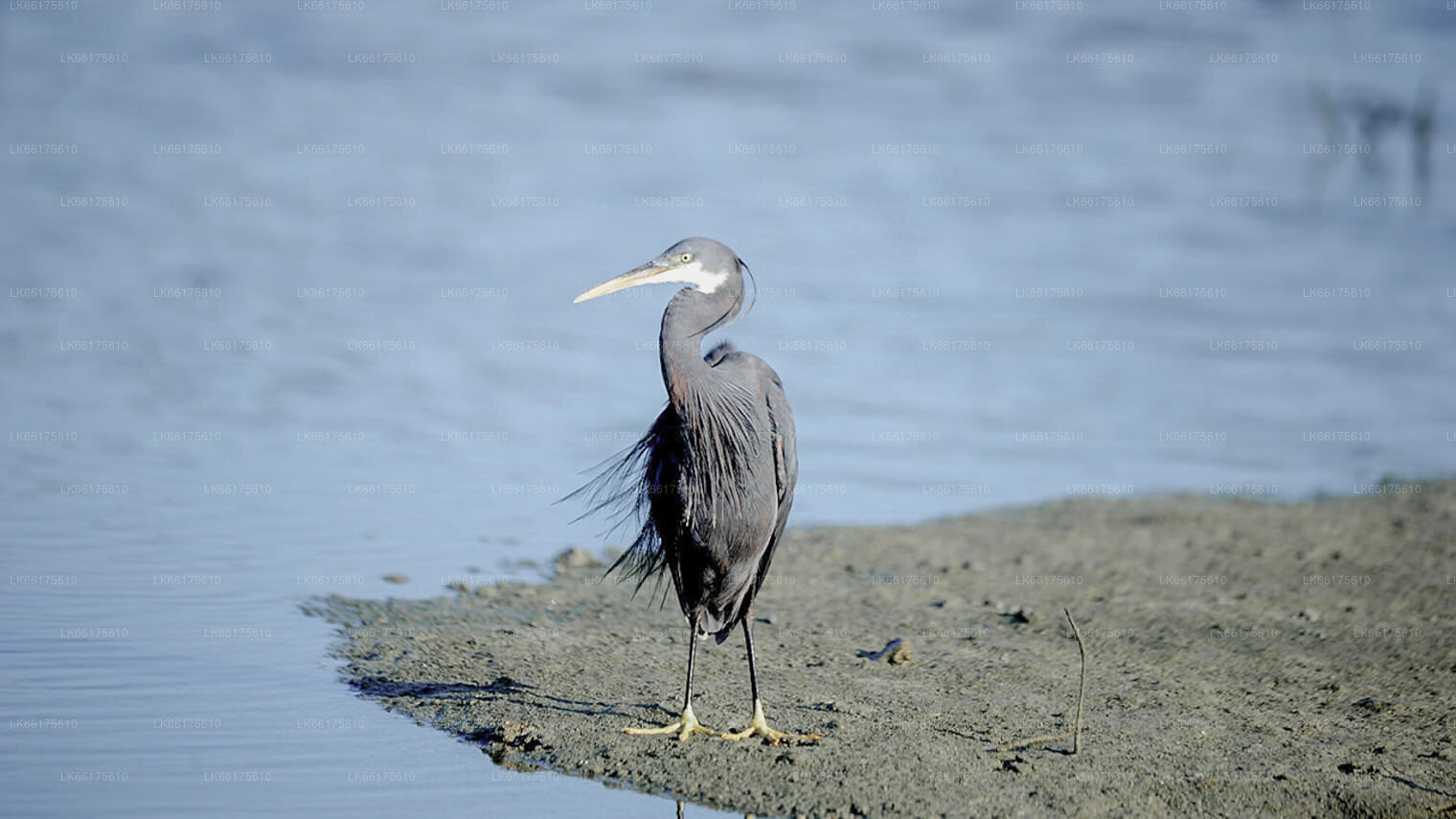
Kumana, situated on the east coast approximately 312 km from Colombo, centres on a large mangrove lagoon that serves as a major nesting colony for herons, egrets, and storks. The nesting season, typically between April and July, draws impressive concentrations of birds and is widely considered one of the finest avian spectacles in Sri Lanka. Surrounding dry-zone forest adds raptors and dry-country species to the mix.

Kalametiya Bird Sanctuary

Kalametiya, around 224 km from Colombo, is a quieter alternative to Bundala and sits within the same stretch of southern coastline. The sanctuary's lagoon, mangrove fringe, and adjacent scrubland consistently produce good lists of waterbirds and waders, with less visitor pressure than the larger parks nearby.

Horton Plains National Park

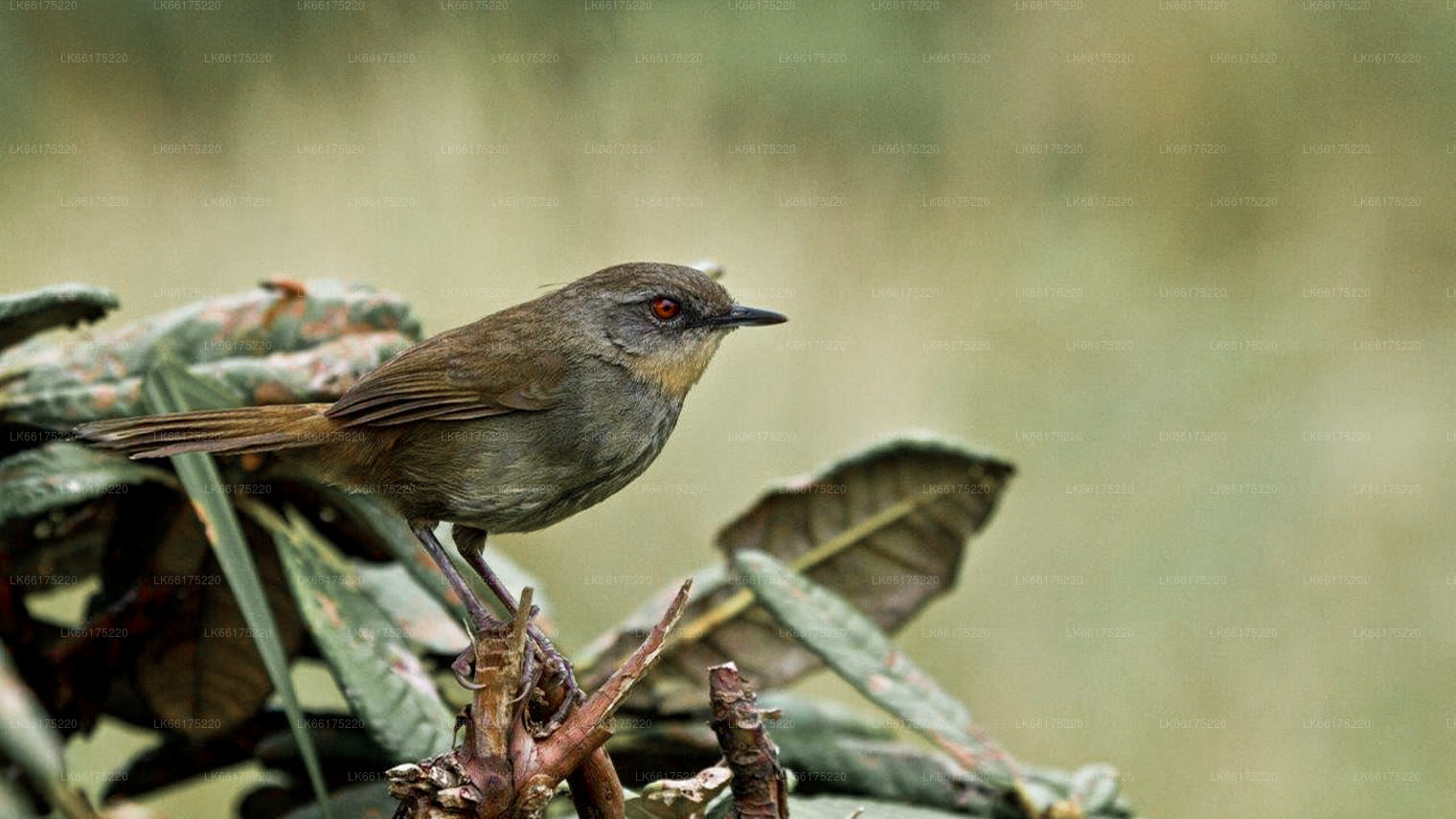
The high-altitude grasslands and cloud forest of Horton Plains National Park (around 2,100–2,300 m above sea level) shelter a distinct highland avifauna. Sri Lanka Bush Warbler, Dull-blue Flycatcher, Yellow-eared Bulbul, and Sri Lanka Wood Pigeon are among the species best sought here. Early mornings, before mist rolls in, tend to offer the most productive birding.

Udawalawe National Park

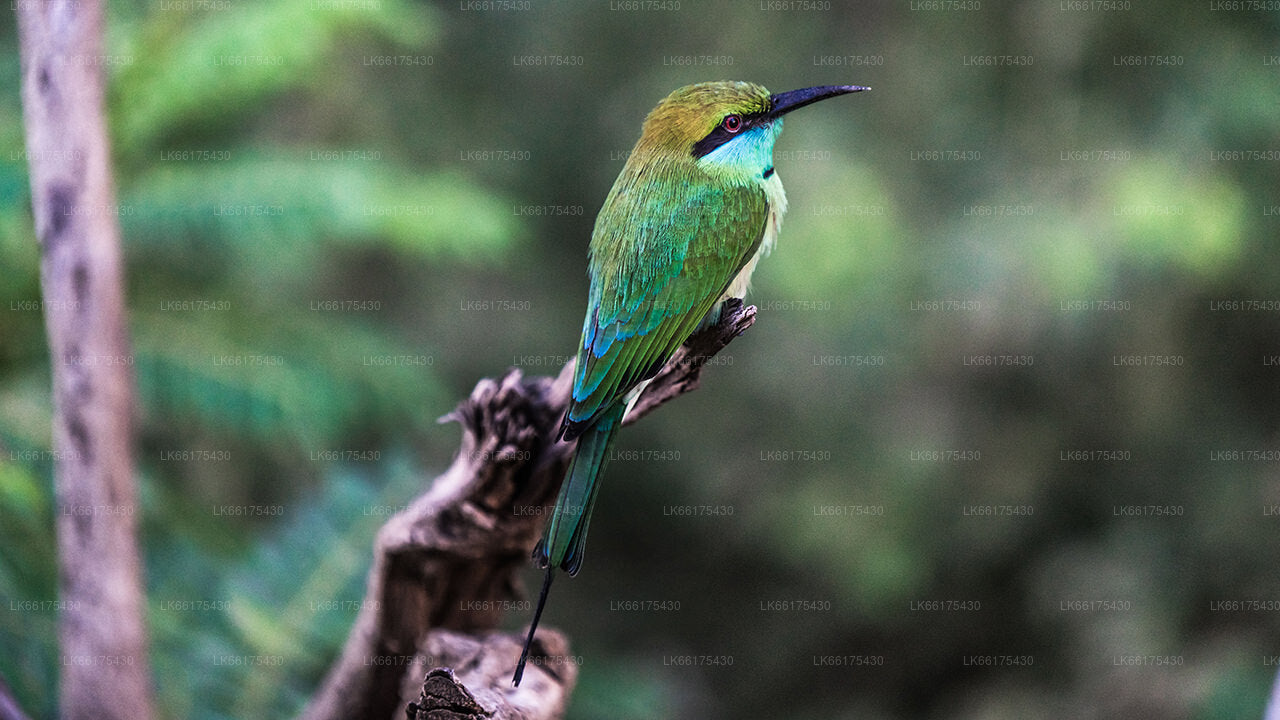
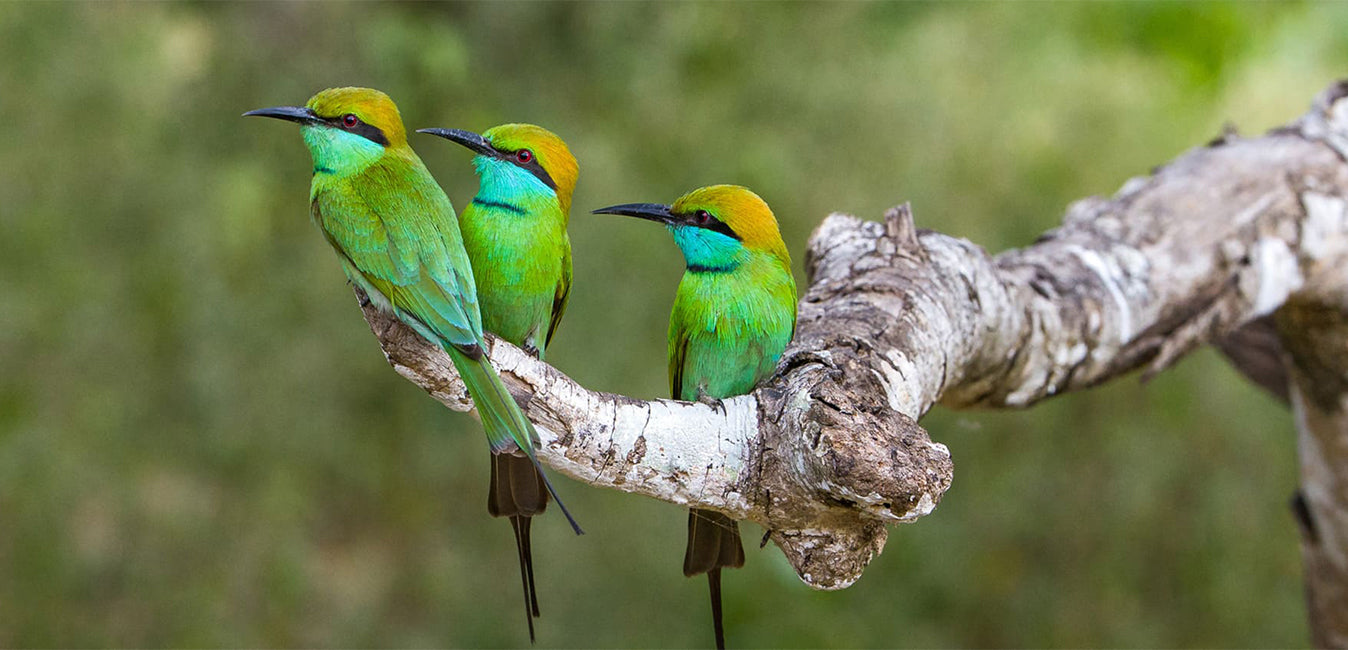
Udawalawe National Park is best known for its elephants, but the reservoir and surrounding grasslands support a strong bird list. Grey-headed Fish Eagles, Crested Serpent Eagles, Lesser Adjutants, and numerous bee-eaters are reliably seen. The open terrain makes observation straightforward — birding here pairs naturally with a morning game drive.

Muthurajawela Wetlands

Located north of Colombo near Negombo, Muthurajawela is a brackish marsh and one of the most accessible birdwatching sites in the country. Boat-based exploration of the channels reveals Purple Herons, Whiskered Terns, Pheasant-tailed Jacanas, and a range of kingfishers. The wetland connects to the Madu River system further south, which offers similar mangrove-edge birding.

Bellanwila-Attidiya Sanctuary

This marshland on the southern edge of Colombo is a remarkable resource for urban birdwatchers. Easily visited on a half-day excursion from the capital, it regularly turns up waterbirds, raptors, and migrants during the northeast monsoon season.

Kitulgala

The forests around Kitulgala in the wet zone foothills are particularly rewarding for endemic species. Several Sinharaja endemics extend their range here, and the Kelani River adds kingfishers and river-dependent species to the list. Many visiting birders use Kitulgala as an accessible alternative to, or complement to, Sinharaja.

Ancient Tanks of the Dry Zone

Sri Lanka's network of ancient irrigation reservoirs — including Minneriya, Kaudulla, Wirawila, and the Giant's Tank in the northwest — functions as critical habitat for waterbirds. Minneriya is famous for its elephant gatherings, but the reservoir edge also supports large flocks of cormorants, pelicans, painted storks, and waders. The Giant's Tank, covering around 3,800 hectares near Mannar, is particularly productive for migratory ducks and shorebirds during the winter months.

When is the best time for birdwatching in Sri Lanka?

Sri Lanka offers year-round birdwatching, but the two broad seasons reward different interests. Between November and April, the dry season in much of the island coincides with peak migration, bringing Palearctic visitors to lagoons, tanks, and coasts. Resident breeding activity in the lowlands also intensifies after the northeast monsoon eases.

May to August sees the southwest monsoon bringing rain to the wet zone, but this is prime nesting season at Kumana and many highland endemics are actively singing and therefore easier to locate. The Makandawa Rainforest near Kitulgala and similar wet-zone sites can be particularly productive during this period.

In practical terms, the best all-round window for combining endemic forest species, migrants, and wildlife is December to March, when most of the country is accessible and dry.

How many endemic bird species does Sri Lanka have?

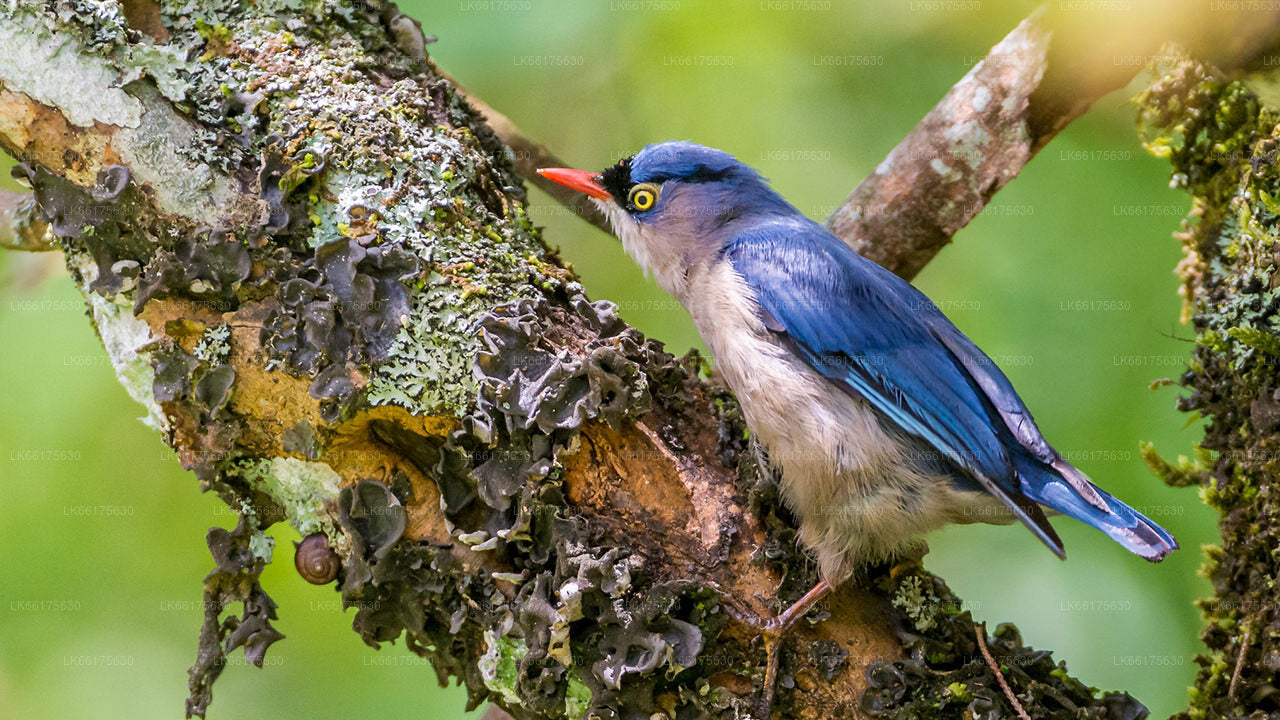
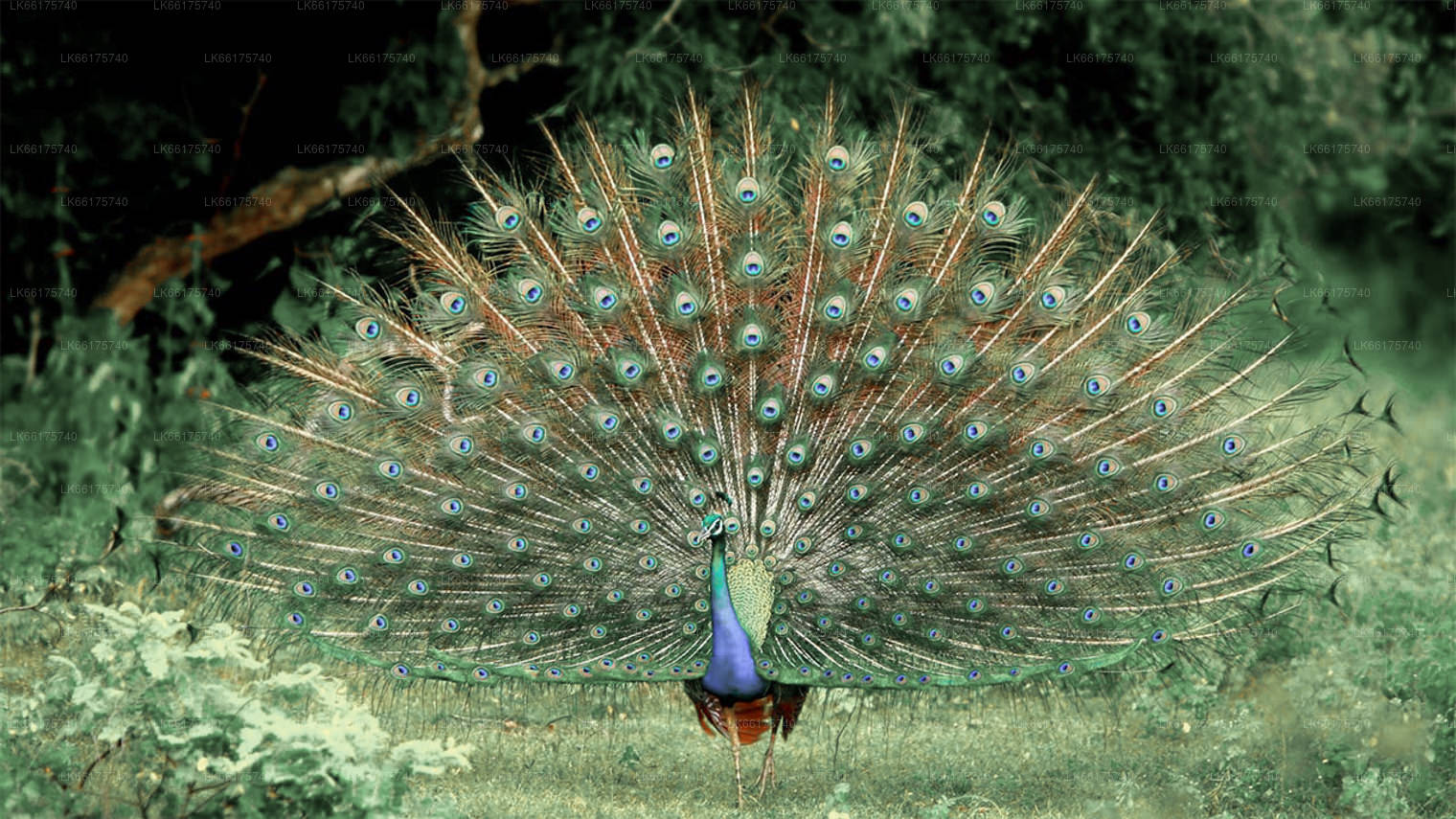
Sri Lanka is home to around 33 bird species found nowhere else in the world. These range from the conspicuous Ceylon Junglefowl — the national bird — to subtler species such as the Sri Lanka Scimitar Babbler, Crimson-fronted Barbet, and Serendib Scops Owl. The last was only formally described by science in 2004, a reminder that Sri Lanka's forests continue to yield surprises.

A serious endemic-focused itinerary typically requires visits to three main habitat zones: wet-zone lowland rainforest (Sinharaja, Kitulgala), the central highlands (Horton Plains, Nuwara Eliya area), and dry-zone scrub forest (Yala, Wilpattu). Wilpattu National Park in the northwest is particularly rewarding for dry-zone species and sees significantly fewer visitors than Yala.

What equipment should I bring for birdwatching in Sri Lanka?

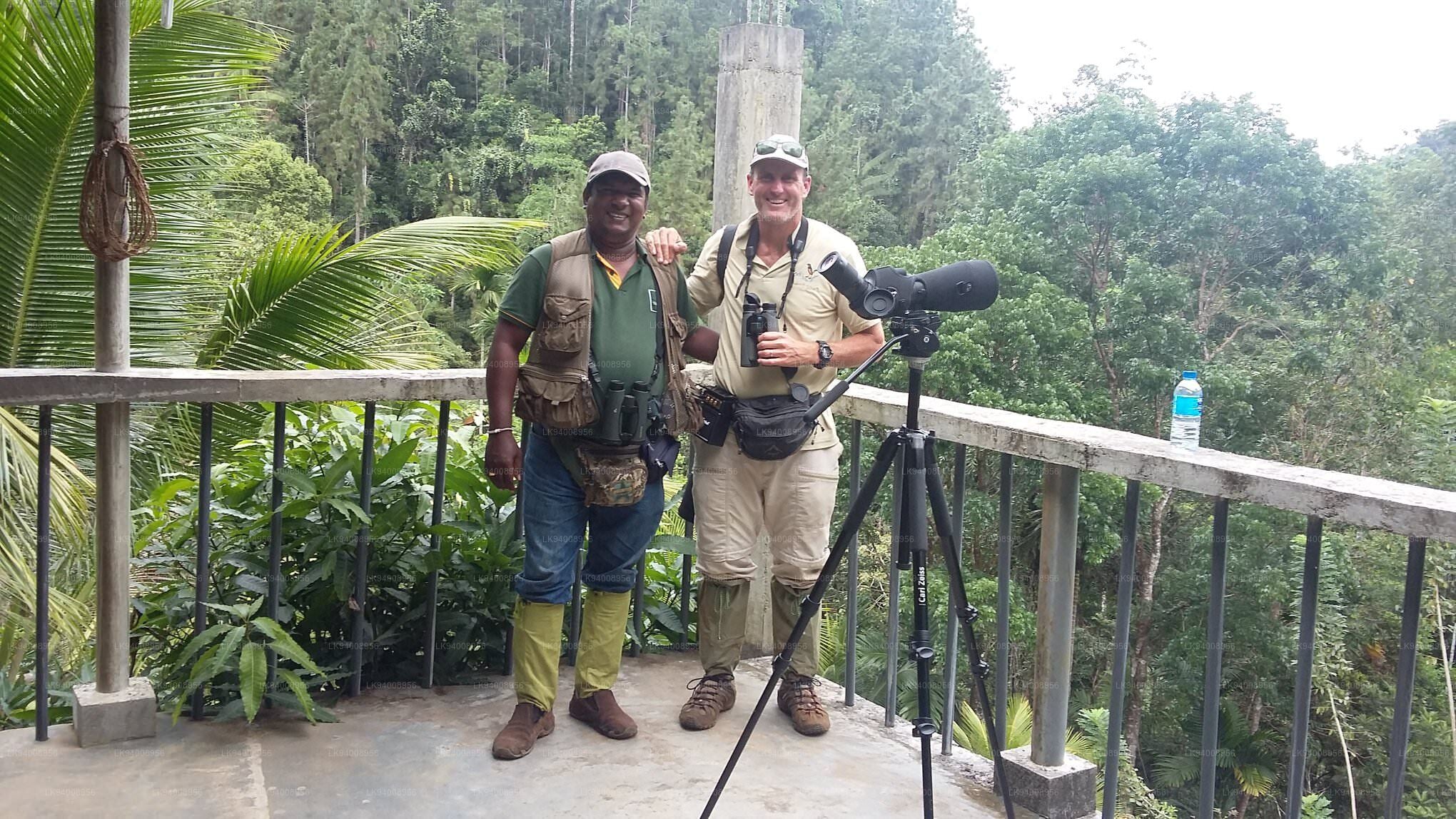
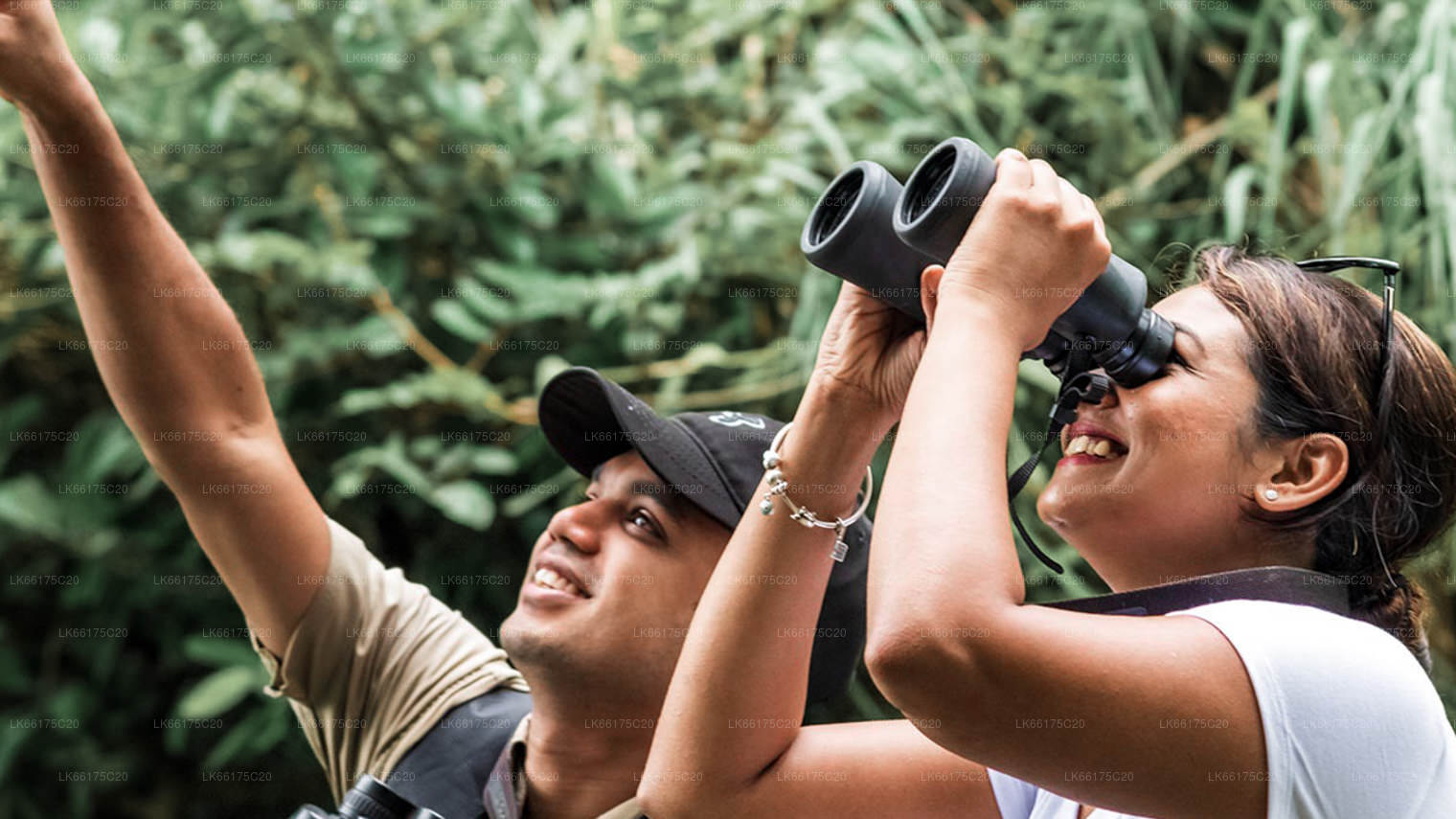
A pair of binoculars with 8x or 10x magnification is essential. A spotting scope is useful at open wetlands such as Bundala and Minneriya but impractical in dense forest. A field guide specific to Sri Lanka will make a significant difference — several authoritative titles are available locally. Lightweight, muted-colour clothing is advisable; bright colours can flush birds at close range. In forest environments, particularly Sinharaja during wet months, leech socks or gaiters are strongly recommended.

Do I need a guide for birdwatching in Sri Lanka?

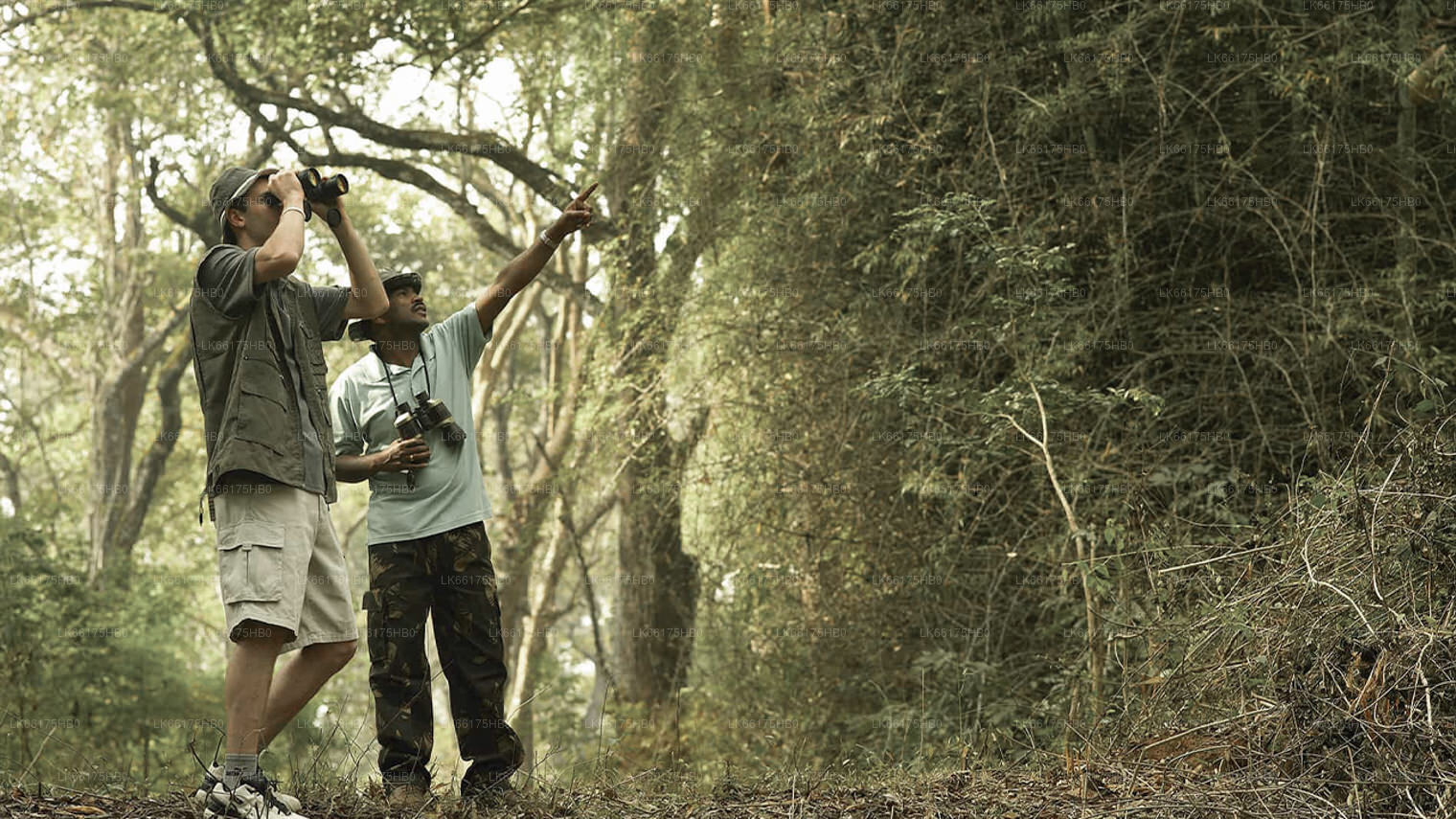
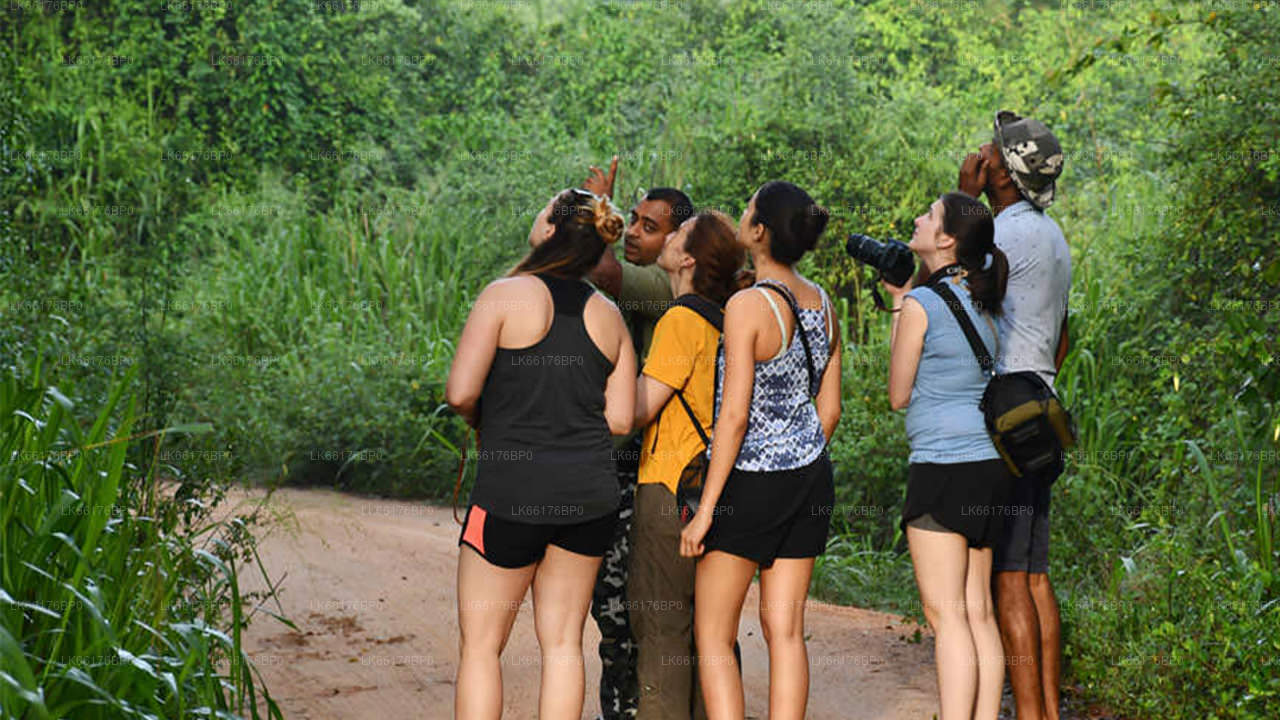
Inside designated reserves such as Sinharaja, a registered local guide is mandatory and is arranged at the permit office. For national parks, entry is in a vehicle with a tracker; independent birding on foot within park boundaries is generally not permitted. Outside these areas — around tanks, along river edges, or in village forests — independent birding is possible, but a specialist local guide will dramatically increase the species count and minimise time spent searching unfamiliar habitat. Lakpura's birding itineraries pair travellers with experienced naturalist guides throughout.

Book this experience with Lakpura

Curated by our local team. Direct booking, instant confirmation.

Ask Lakpura® Agent