Nilaveli sits on Sri Lanka's northeast coast, roughly 16 kilometres north of Trincomalee, where the Indian Ocean delivers calm, clear water for most of the year. Its name is rooted in Tamil and is widely translated as "moonshine over the blue sea" — an apt description for a coastline where the shallow bay turns silver after dark. Long stretches of uncrowded beach, healthy coral just offshore, and easy access to a protected marine reserve make Nilaveli one of the country's more rewarding coastal destinations, particularly for travellers who combine a beach break with the cultural sites of the northern interior.
What is Nilaveli Beach like?
The beach extends for several kilometres in a gentle arc, backed by casuarina trees and low-key guesthouses rather than high-rise development. The sand is pale and soft, the gradient into the water gradual enough to make it comfortable for families with young children. Compared with the busier resort strips on the south and west coasts, Nilaveli remains quiet — crowds are rare even during peak season. Early mornings and late afternoons reward walkers with near-empty sands and good light.
Currents along this stretch are generally mild between May and October — the southwest monsoon largely spares the northeast coast during those months. The northeast monsoon, which arrives around December and runs into February, can bring rougher conditions, so most visitors plan their stay between April and September.
When is the best time to visit Nilaveli?
The optimal window runs from roughly late April through to early October, when the sea is calm, visibility underwater is at its clearest, and daytime temperatures are warm but tempered by a coastal breeze. This period coincides with the dry season on the east coast, making it the principal tourist season for Trincomalee district. Outside this window the northeast monsoon can make swimming and boat trips unpredictable, and some smaller guesthouses close temporarily.
- April–September: Best beach and snorkelling conditions; Pigeon Island ferry services running regularly.
- October–November: Transitional months; occasional showers but often still manageable.
- December–March: Northeast monsoon season; sea can be rough and some accommodation closes.
What can I do at Nilaveli?
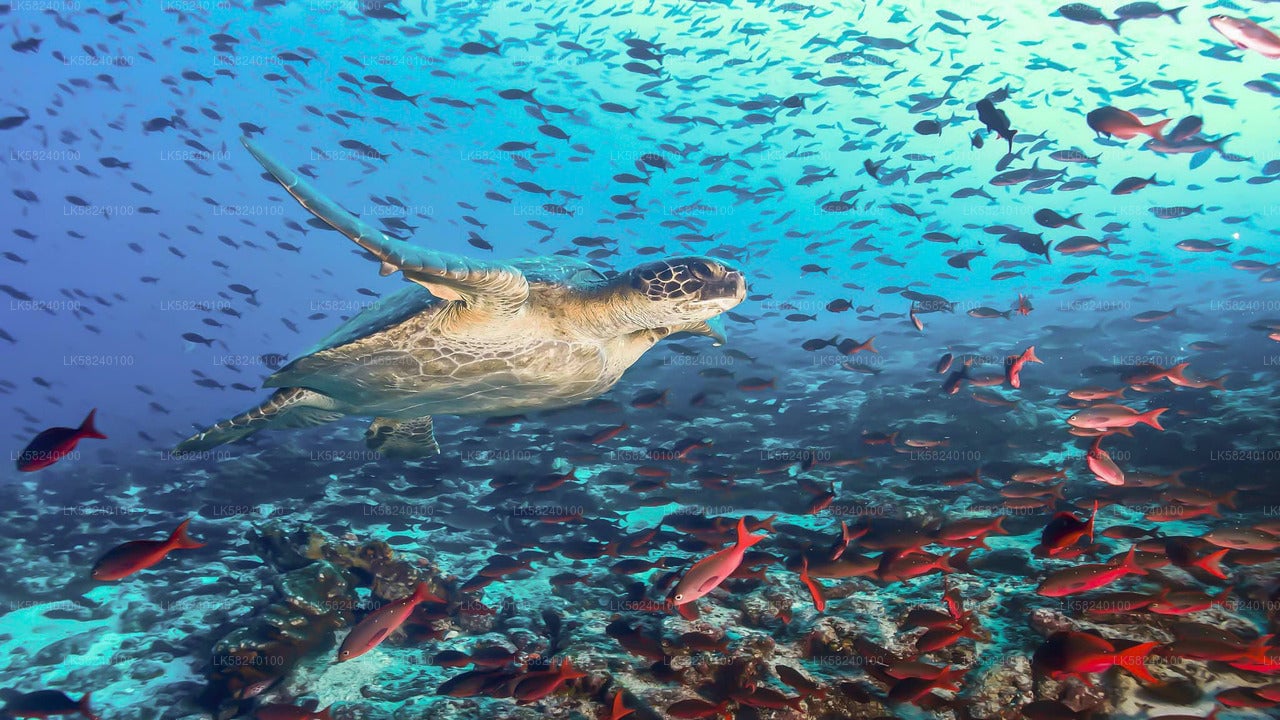
Swimming and sunbathing are the baseline, but the coastline supports a wider range of activities. Several dive centres operating from the beach offer equipment hire and guided dives for all experience levels. The reef systems close to shore — and around nearby Pigeon Island — shelter reef fish, sea turtles, blacktip reef sharks, and a mix of hard and soft corals. Visibility on a clear day can reach 15–20 metres, though this varies with season and weather.
For those who prefer to stay at the surface, deep sea fishing charters are also available from Trincomalee harbour, targeting species such as yellowfin tuna and barracuda. Kayaking along the shoreline at dawn is a quieter option that requires no prior experience.
How do I get to Pigeon Island from Nilaveli?
Pigeon Island National Park lies roughly a kilometre offshore and is reached by a short boat ride from Nilaveli Beach — typically under ten minutes. The island is one of Sri Lanka's two marine national parks, gazetted to protect both its terrestrial rock pigeon colony and its surrounding reef ecosystem. Snorkelling is the main activity; visitors wade from the sandy beaches fringing the island directly into coral gardens. Entry requires a Wildlife Department permit, purchased at the jetty or through a licensed operator. Boats usually depart throughout the morning on calm days during the open season.
Swimming with blacktip reef sharks is a draw for many visitors. These animals are small, non-aggressive, and frequently seen in the shallows — encounters are common but always on the sharks' terms.
What cultural sites are near Nilaveli?
Trincomalee, about 16 kilometres south, provides the main cultural context for a stay in Nilaveli. The Koneswaram Temple — a Shaivite Hindu temple perched on Swami Rock above the harbour — is one of the most significant pilgrimage sites on the island's east coast. The cliff setting and sea views make it worth visiting regardless of religious background. Fort Frederick, a colonial-era fortification built initially by the Portuguese and subsequently held by the Dutch and British, occupies the same headland and can be walked around freely; it also shelters a small herd of spotted deer.
Travellers with time to extend inland can combine a Nilaveli beach stay with a visit to the ancient city of Polonnaruwa, Sri Lanka's medieval royal capital and a UNESCO World Heritage Site, which lies roughly three hours to the southwest through the dry zone.
How do I get to Nilaveli from Colombo?
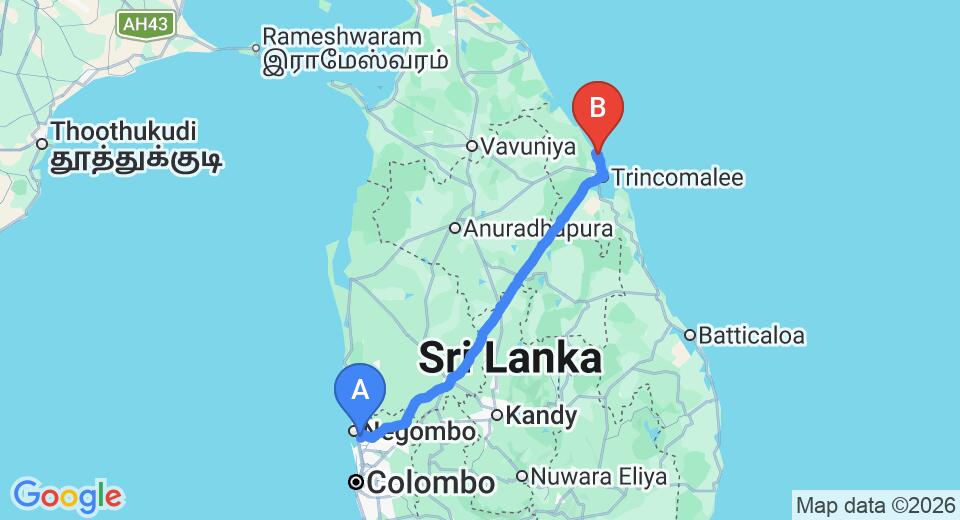
The most straightforward option is a private car or van from Colombo, which takes around five to six hours depending on the route and traffic through Habarana or Dambulla. The road is fully sealed and passes through interesting dry-zone scenery. A train from Colombo Fort to Trincomalee is also an option — the journey takes around eight hours on the intercity service and is a scenic but slow alternative. From Trincomalee town, Nilaveli is a 20–30 minute drive north along the coastal road. Arranging a private airport transfer in advance is strongly recommended for first-time visitors, as taxis at Colombo's Bandaranaike International Airport can be difficult to negotiate without prior booking.
Where should I stay in Nilaveli?
Accommodation in Nilaveli ranges from small family-run guesthouses directly on the beach to mid-range resort properties with pools. Most properties are spread along the coastal road that runs parallel to the beach, meaning beach access is rarely more than a short walk. The options are more limited than on the south coast, which for many travellers is part of the appeal — the area has retained a low-key atmosphere. Booking in advance is advisable during the April-to-September peak season, when rooms fill quickly at the more established beachfront hotels. Lakpura works with a range of vetted properties across Nilaveli and can arrange accommodation alongside transfers and activities as part of a wider Sri Lanka itinerary.
Is Nilaveli safe for swimming?
During the dry season — roughly April to September — the bay is calm and well-suited to swimming at all ability levels. The gradual seabed slope means there are no sudden drop-offs close to shore. Outside the main season, northeast swells can make conditions rougher; it is always worth checking locally before entering the water, particularly after extended periods of wind. Lifeguard coverage is inconsistent at most beaches in Sri Lanka, so swimmers should exercise personal judgment. Children should be supervised at all times.