세인트 앤스 리프

세인트 앤 리프 세인트 앤 리프 세인트 앤 리프

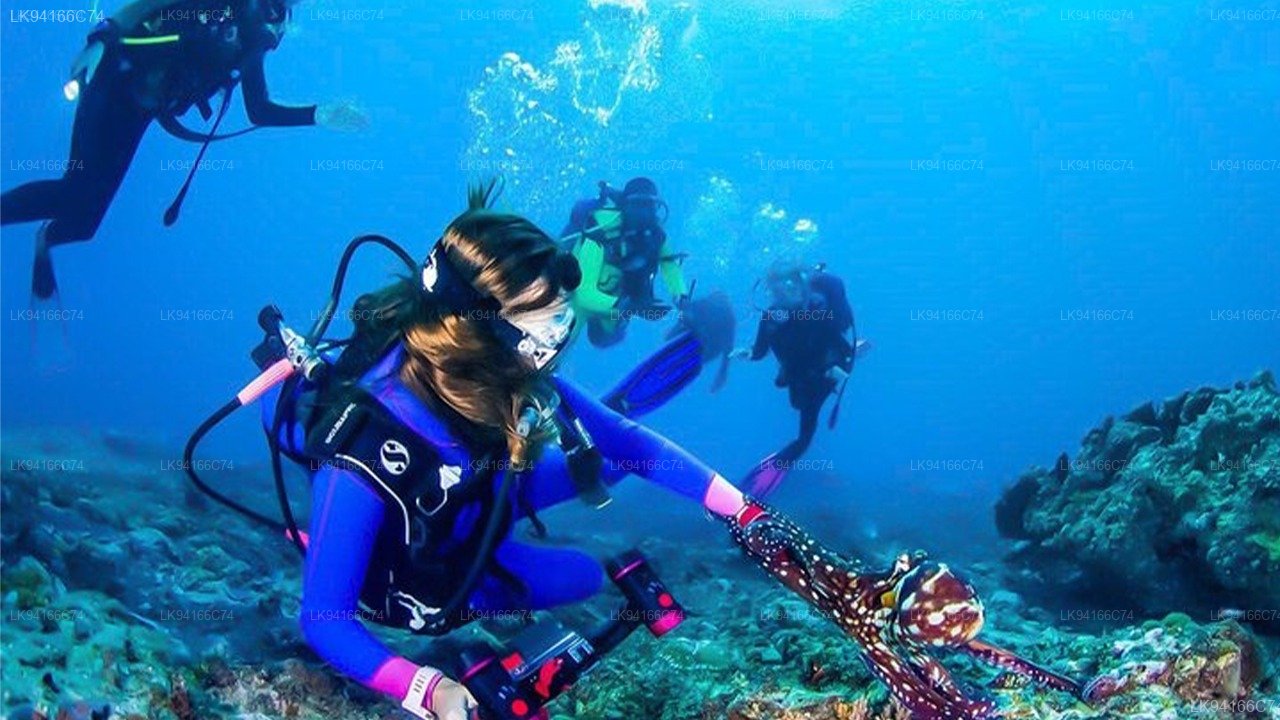
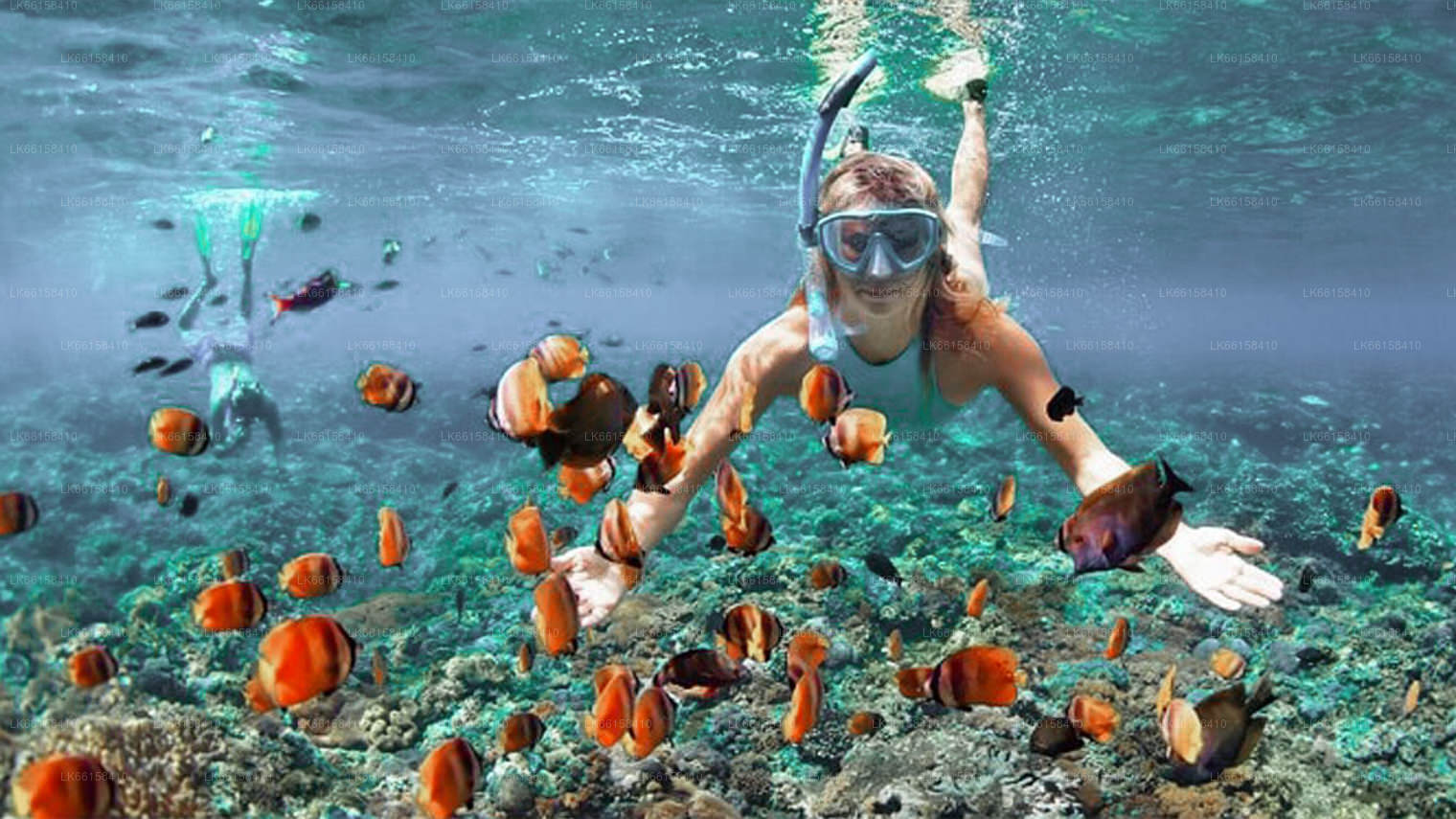
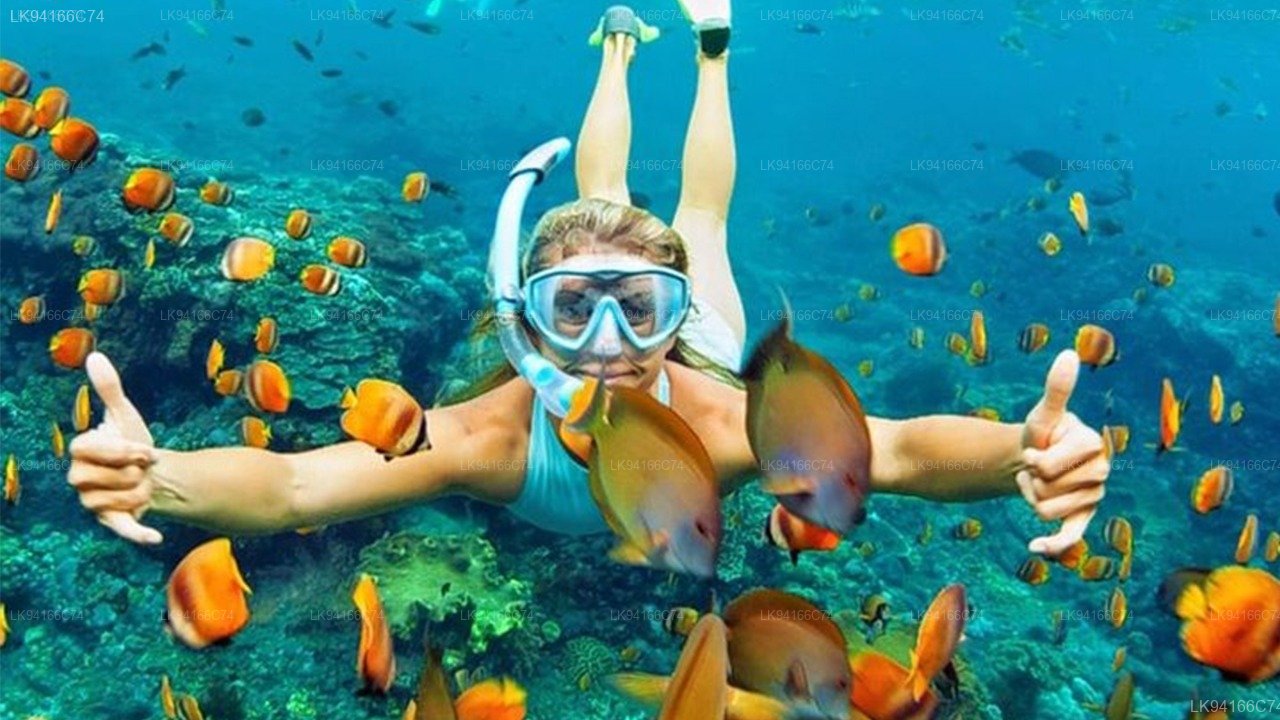
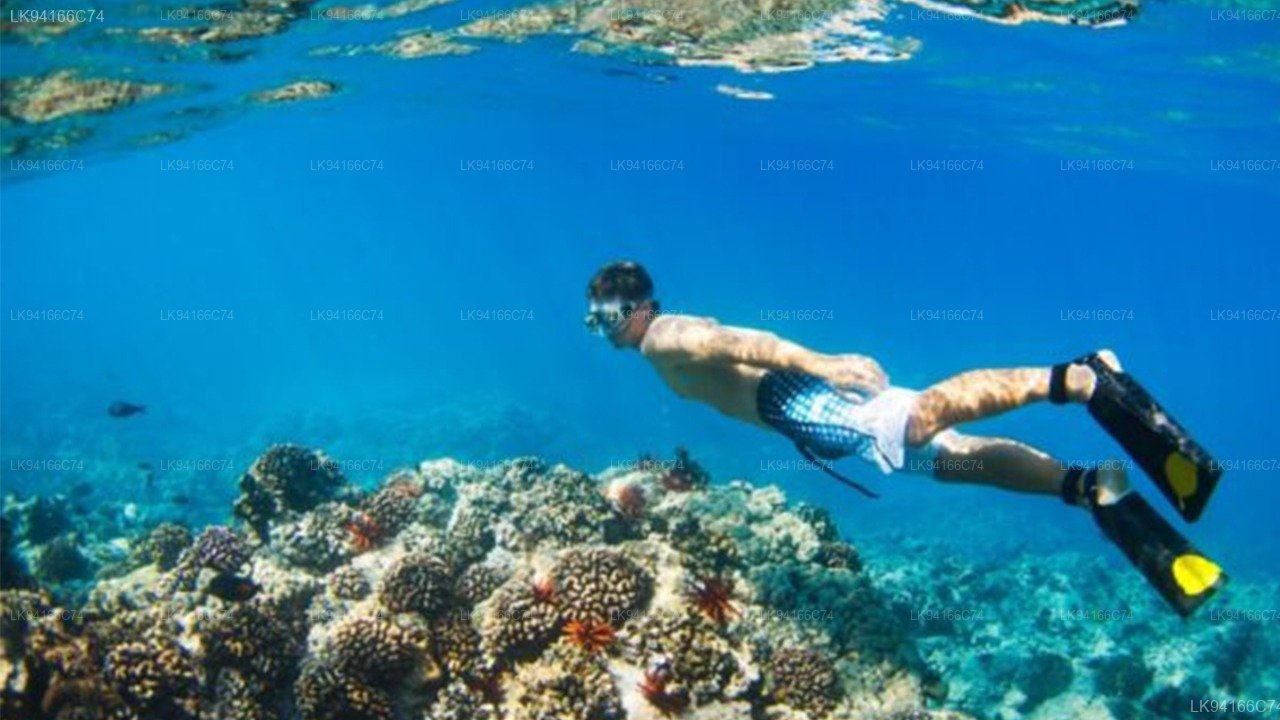
세인트 앤 리프는 스리랑카에서 가장 중요한 산호초 생태계 중 하나로, 칼피티야 해안 앞바다의 노스웨스턴 주에 위치해 있습니다. 이 산호초는 더 넓은 바 리프 해양 보호구역의 일부이며, 다양한 산호 종, 리프 어류, 갑각류 및 기타 해양 생물을 지원하는 풍부한 해양 생태계의 일부를 형성합니다. 산호초는 비교적 얕은 수역에 위치해 있어 스노클링과 다이빙에 적합하며, 오래전부터 생태적·경제적 가치로 인정받아 왔습니다.

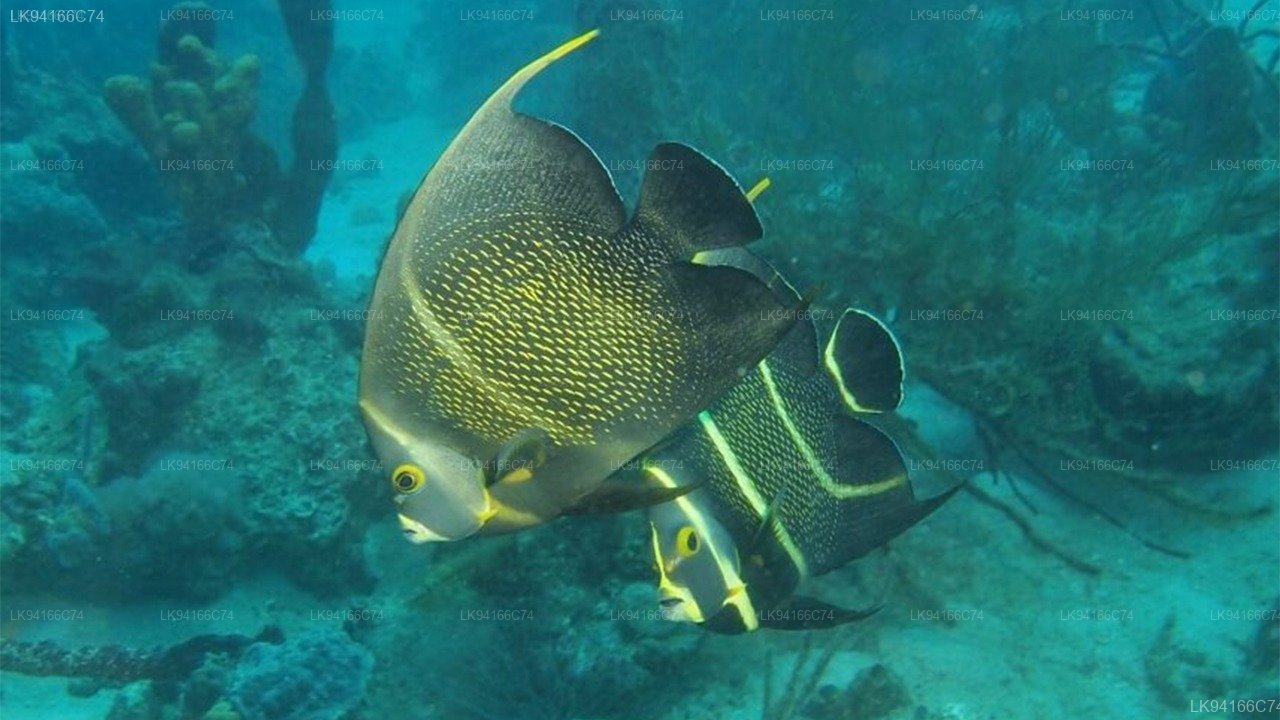
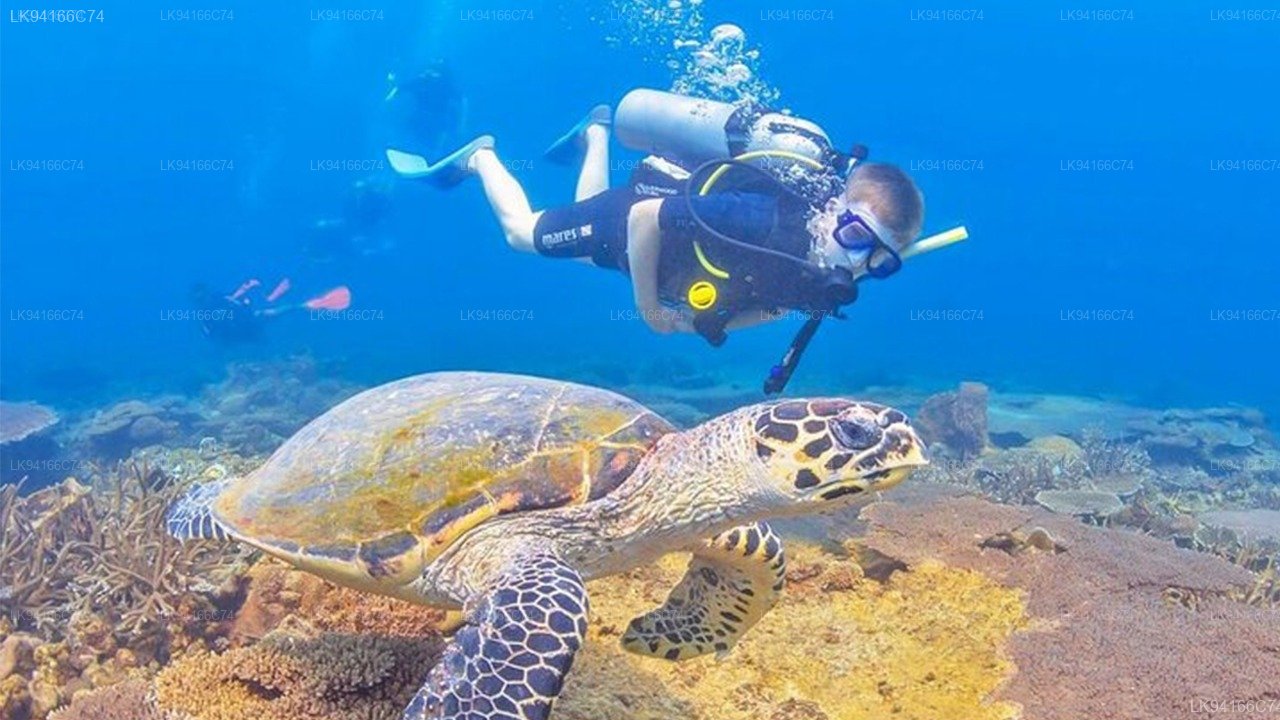
생태학적으로 세인트 앤 리프는 매우 중요한 서식지입니다. 이곳에는 가지 모양, 덩어리 모양, 판 모양 등 다양한 산호 형성이 넓게 분포되어 있으며, 이는 많은 해양 생물에게 은신처와 번식지를 제공합니다. 이 지역에서는 패럿피시, 버터플라이피시, 그루퍼, 스내퍼와 같은 리프 어류가 흔히 발견되며, 해삼, 불가사리, 때때로 바다거북도 볼 수 있습니다. 또한 이 산호초는 파도의 에너지를 줄이고 해안 침식을 완화함으로써 해안선을 보호하는 역할도 합니다. 이러한 이유로 이 지역은 생물다양성뿐만 아니라 칼피티야 지역의 어업 공동체의 생계에도 중요한 역할을 합니다.

그러나 전 세계의 많은 산호초와 마찬가지로 세인트 앤 리프도 심각한 환경적 압력을 받아 왔습니다. 해수 온도 상승과 관련된 산호 백화 현상은 지난 수십 년 동안 산호초에 피해를 입혔습니다. 또한 파괴적인 어업 방식, 과거의 불법 산호 채취, 그리고 퇴적물 축적 등이 산호초의 훼손에 영향을 미쳤습니다. 이러한 생태적 중요성을 인식한 스리랑카 정부는 주변 지역을 해양 보호구역으로 지정하여 유해한 활동을 제한하고 보존 노력을 강화했습니다.

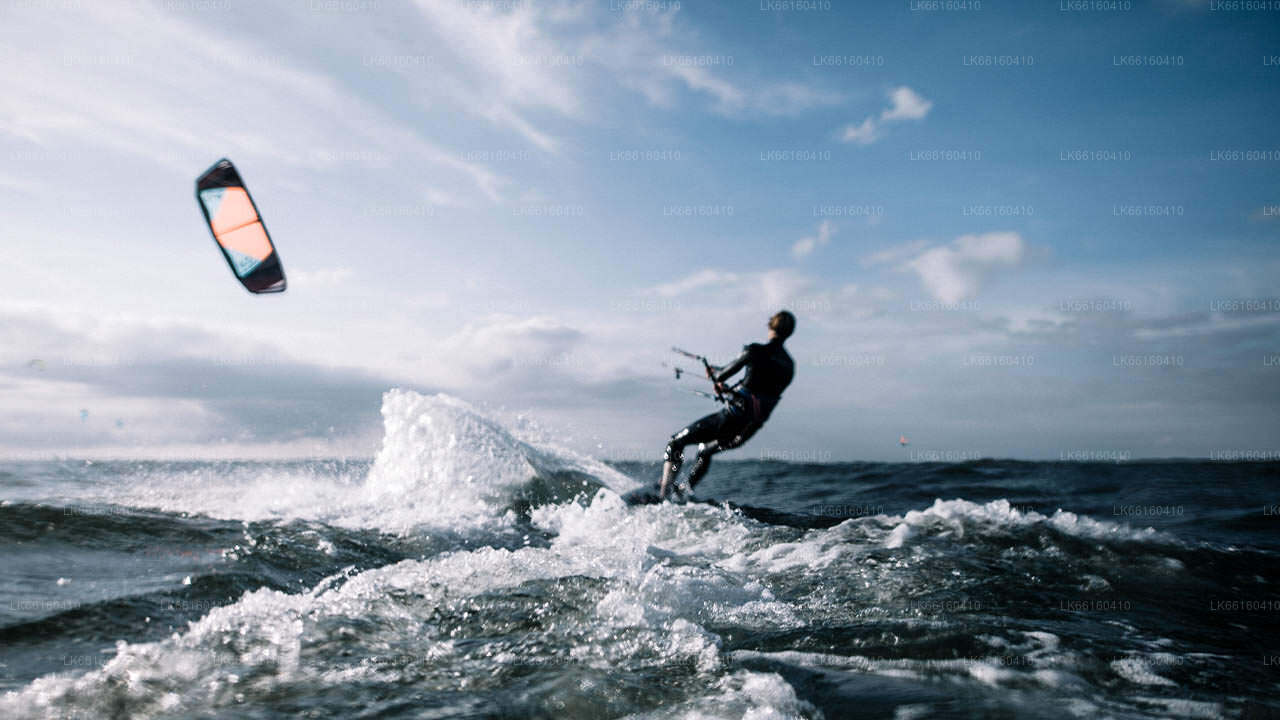
오늘날 세인트 앤 리프는 스리랑카의 성장하는 해양 관광 산업에도 기여하고 있습니다. 칼피티야는 돌고래 관찰, 카이트 서핑, 다이빙으로 잘 알려져 있으며, 이 산호초는 수중 세계를 탐험하려는 국내외 관광객을 끌어들이고 있습니다. 경제적 이익과 환경 보호 사이의 균형을 유지하기 위해 지속 가능한 관광 관행이 점점 더 강조되고 있습니다. 책임 있는 스노클링과 다이빙 지침, 그리고 지역사회 인식 프로그램을 통해 방문객들이 연약한 산호 구조를 손상시키지 않도록 노력하고 있습니다.

더 넓은 스리랑카의 맥락에서 세인트 앤 리프는 자연 유산과 환경적 책임을 모두 상징합니다. 이 산호초는 섬의 풍부한 해양 생물다양성을 보여주는 동시에 기후 변화와 인간 활동의 영향 속에서 보존의 필요성을 강조합니다. 이 산호초를 보호하는 것은 단순히 바닷속의 아름다움을 지키는 것만이 아니라, 어업 자원과 해안 안정성을 보호하고 미래 세대가 경험할 수 있도록 스리랑카의 가장 가치 있는 해양 생태계 중 하나를 지키는 것을 의미합니다.
세인트 앤 리프 세인트 앤 리프 세인트 앤 리프

Puttalam District

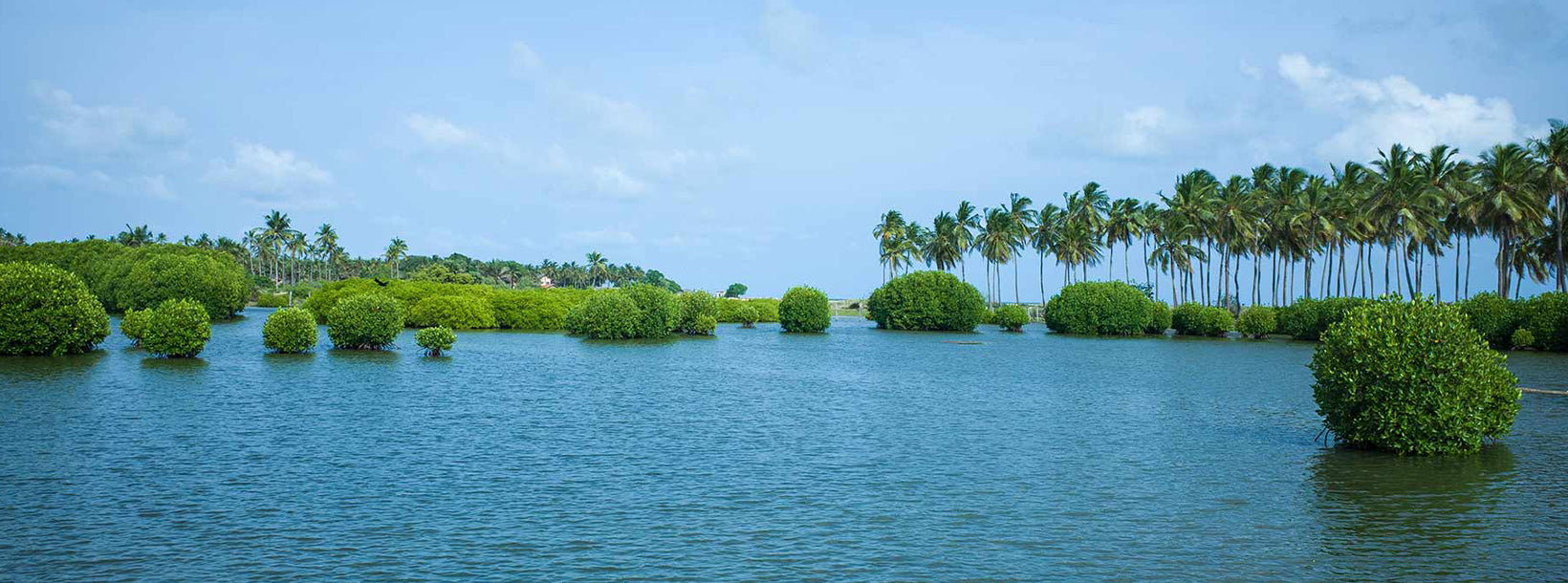
Puttalam is a town in Puttalam District,Sri Lanka. Situated at the apex of the Coconut triangle, Puttalam is the second largest Coconut producer of the country. And Tabbowa, a fertile land for agriculture records highest paddy production per acre.Puttalam is the main salt producer of the country. Holland fort at Kalpitiya, St. Anne's Church in Thalawila,Munneshwaram Kovil in Chilaw and Mohideen Jumma Mosque (known as Grand Mosque) in Puttalam underline the historical importance of this region.

North Western Province

North Western Province is a province of Sri Lanka. The districts of Kurunegala and Puttalam formulate North Western or Wayamba. Its capital is Kurunegala, which has a population of 28,571. The province is known mainly for its numerous coconut plantations. Other main towns in this province are Chilaw (24,712) and Puttalam (45,661), which are both small fishing towns. The majority of the population of Wayamba province is of Sinhalese ethnicity. There is also a substantial Sri Lankan Moor minority around Puttalam and Sri Lankan Tamils in Udappu and Munneswaram. Fishing, prawn farming and rubber tree plantations are other prominent industries of the region. The province has an area of 7,888 km² and a population of 2,184,136 (2005 calculation).

Wayamba is the third largest paddy producing area in Sri Lanka .Wayamba has a highly developed agricultural economy, growing a variety of fruits and vegetables, flowering plants, spices, oil-seeds in addition to the traditional plantation crops such as Coconut, Rubber and Rice. Rich soils and varied climate give Wayamba a potential for growing of virtually any crop.

In Wayamba or North Western province, home for ancient Buddhist rock temples, magnificent citadels Panduwasnuwara, Dambadeniya, Yapahuwa and Kurunegala. Impressive remains of those citadels, palaces, Buddhist temples and monasteries provide exciting sight seeing to the visitors.