Lakpura
Lakpura®

Rakwana

Rakwana sits quietly at around 464 metres above sea level on the northern fringe of the Sinharaja Mountains, in the Ratnapura District of Sabaragamuwa Province. Small in population but significant in geography, this highland town serves as one of the most convenient gateways to the Sinharaja Forest Reserve — Sri Lanka's only surviving lowland rainforest and a UNESCO World Heritage Site. Beyond its role as a forest gateway, Rakwana is a working tea and gem town, shaped more by industry than by tourism, which gives it an authenticity that larger resort towns have largely lost.

Where is Rakwana and how do I get there?

Rakwana lies along the A17 highway, roughly 12 km from Madampe on the road toward Galle. From Colombo, the most direct route runs through Ratnapura, continuing south on the A17. The town also has road connections to Kalawana to the west and Godakawela to the east, making it a useful junction for travellers exploring the Sabaragamuwa interior. The drive from Colombo typically takes around three to four hours depending on traffic and road conditions.

Godakawela-Rakwana Urban Council administers the area. According to the 2010 census, the town and its surrounding divisions — including Kottala — recorded a population of just over 10,500, reflecting a diverse community of Sinhalese, Tamil, and Muslim residents.

What is Rakwana known for?

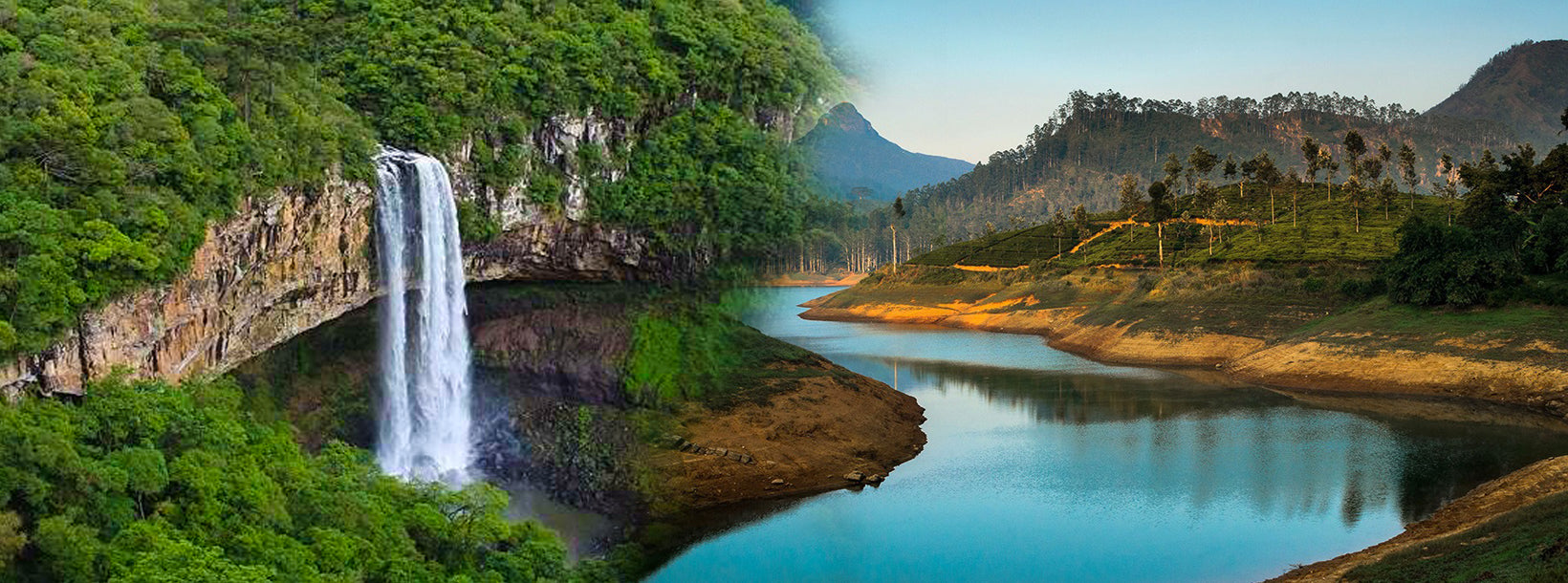
The town has two principal industries that define daily life here: Ceylon tea and gemstones. The surrounding highlands carry extensive tea estates, and the rolling rows of tea bushes visible from the A17 are characteristic of this part of Sabaragamuwa. The district sits within the broader Ratnapura gem belt, and Rakwana itself is known locally to have gem-bearing soils, particularly for sapphires and other corundum varieties.

  • Tea estates: The area supports several working plantations producing primarily orthodox black tea suited to the mid-elevation terroir of this region.
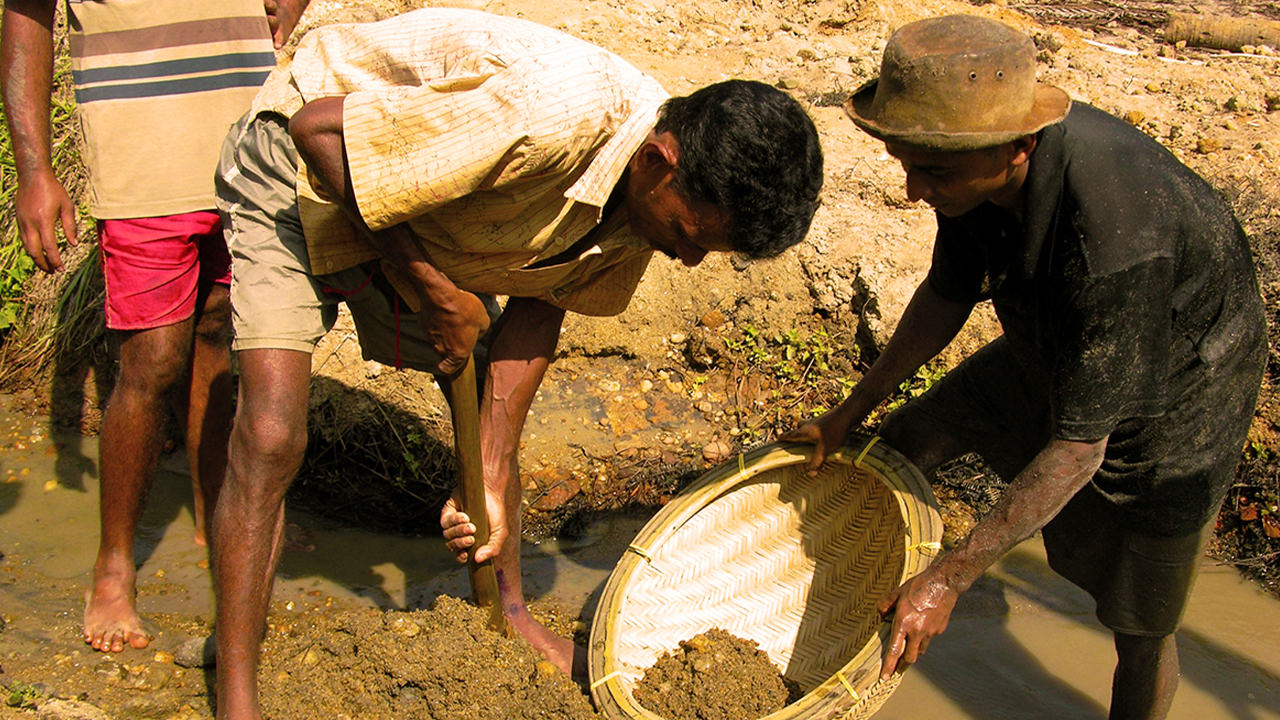
  • Gem resources: Rakwana falls within a zone historically associated with alluvial gem mining, a practice that continues in parts of the Ratnapura District.
  • Sinharaja access: The town provides entry points to the southern and western reaches of Sinharaja, where guided trail options into the forest begin.

What can I see and do around Rakwana?

The primary draw for most visitors is proximity to Sinharaja, but the Rakwana hills themselves offer quieter rewards: estate walks through tea country, rural villages, and a landscape that changes character with elevation and season. Birdwatchers often pass through Rakwana specifically because the forest edge around this part of Sinharaja produces consistent sightings of endemic species including the Sri Lanka blue magpie and the red-faced malkoha.

Tea estate visits can sometimes be arranged through guesthouses and boutique bungalows in the area, giving travellers a chance to see plucking, withering, and rolling at a working factory rather than a purpose-built visitor centre. The experience here tends to be more candid than at heavily touristed plantation stops.

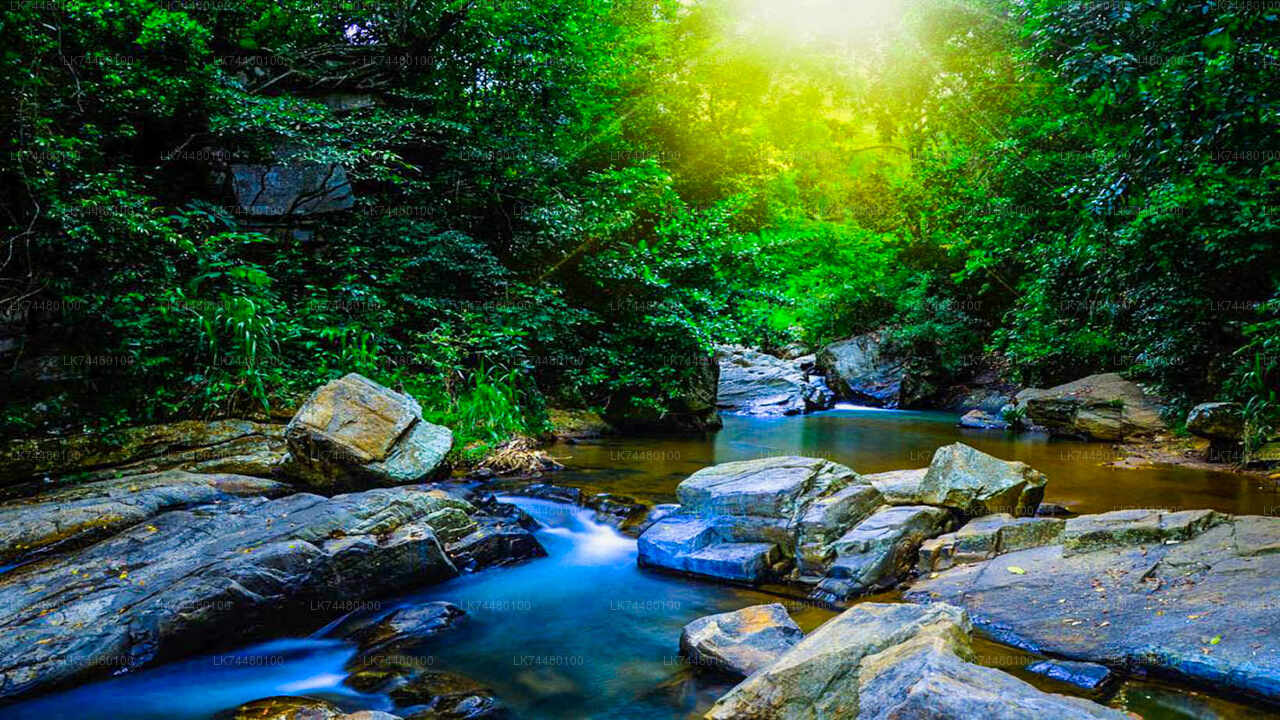
Waterfall enthusiasts will find several cascades accessible from Rakwana's surroundings. The terrain, carved by rivers draining off the Sinharaja massif, produces numerous seasonal and year-round falls that are largely unknown to mainstream tourist circuits.

When is the best time to visit Rakwana?

The Sinharaja region receives rainfall from two monsoons — the southwest monsoon from May to August and the northeast monsoon from October to January — which means Rakwana sees rain for much of the year. The drier and more settled windows fall roughly between January and April, and again between August and September. Even during wetter months, the forest is extraordinary; heavy rain simply means more dramatic mist, stronger river flow, and a more intense canopy soundtrack.

If the goal is wildlife observation in Sinharaja, the months of February through April tend to offer the best visibility along the forest trails. For tea country walks, the landscape is most photogenic in the mornings when low cloud sits between the ridgelines.

Is Rakwana suitable as a base for exploring Sinharaja?

Rakwana works well as a low-key base, particularly for travellers who want to avoid the more visited Kudawa entrance on the western side of the reserve. The route through Rakwana gives access to less-crowded sections of the forest and a different cross-section of its biodiversity. Several small guesthouses and colonial-era bungalows in and around Rakwana cater to nature travellers, offering simple accommodation with home-cooked meals and guided trail arrangements.

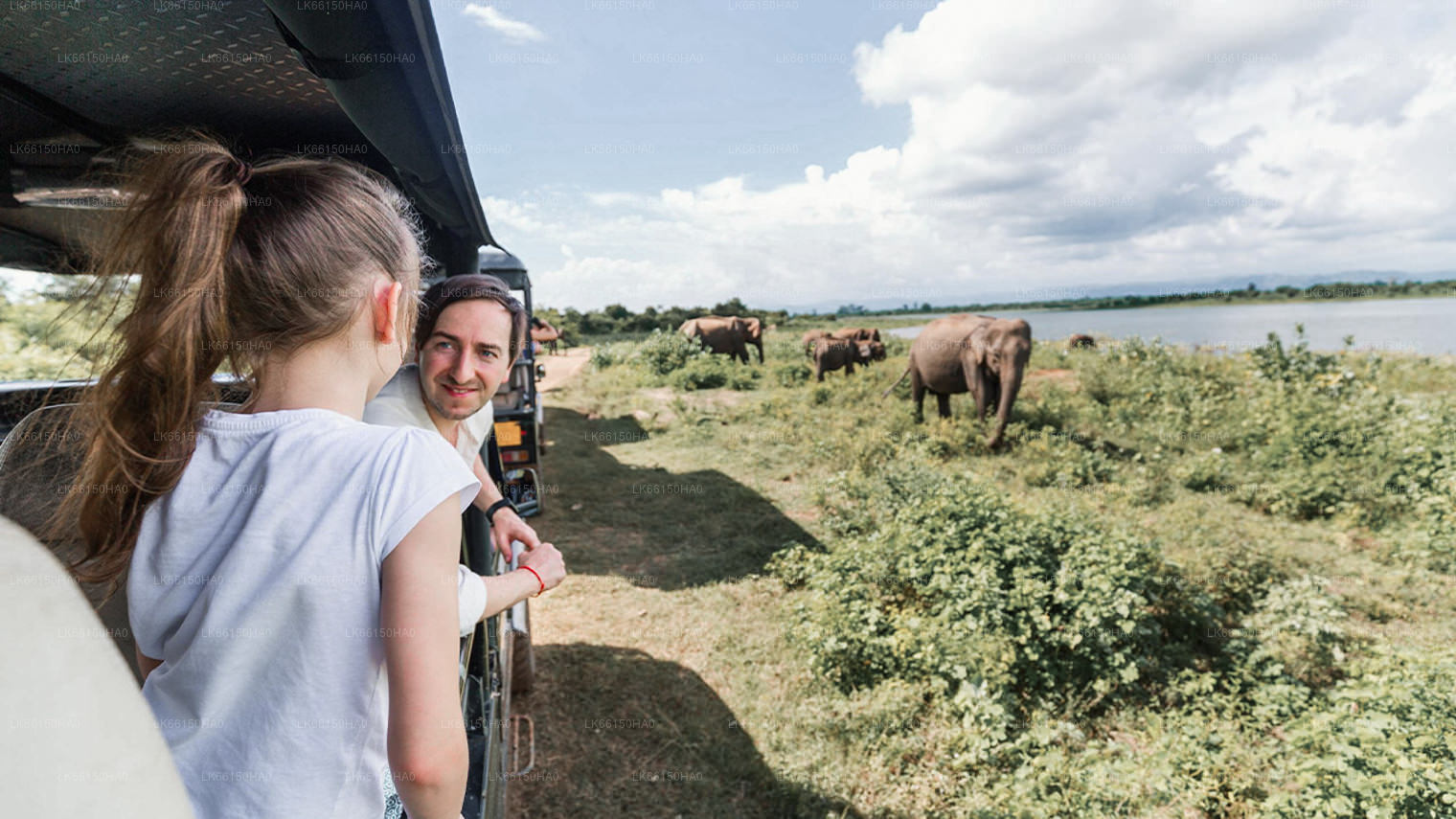
For those combining Sinharaja with broader Sabaragamuwa exploration, Rakwana pairs naturally with a stop at Elephant Transit Home in Udawalawe, which lies around two hours east through the hill country.

How does Rakwana fit into a longer Sri Lanka itinerary?

Rakwana works best positioned between Colombo or Galle on the coast and the central hill country. A logical sequence might run Colombo — Ratnapura — Rakwana — Sinharaja — then onward to Ella or the south coast. This creates a circuit through three distinct landscapes: the urban lowlands, the gem-country foothills, the rainforest interior, and either the high tea country around Ella or the beach towns of the south.

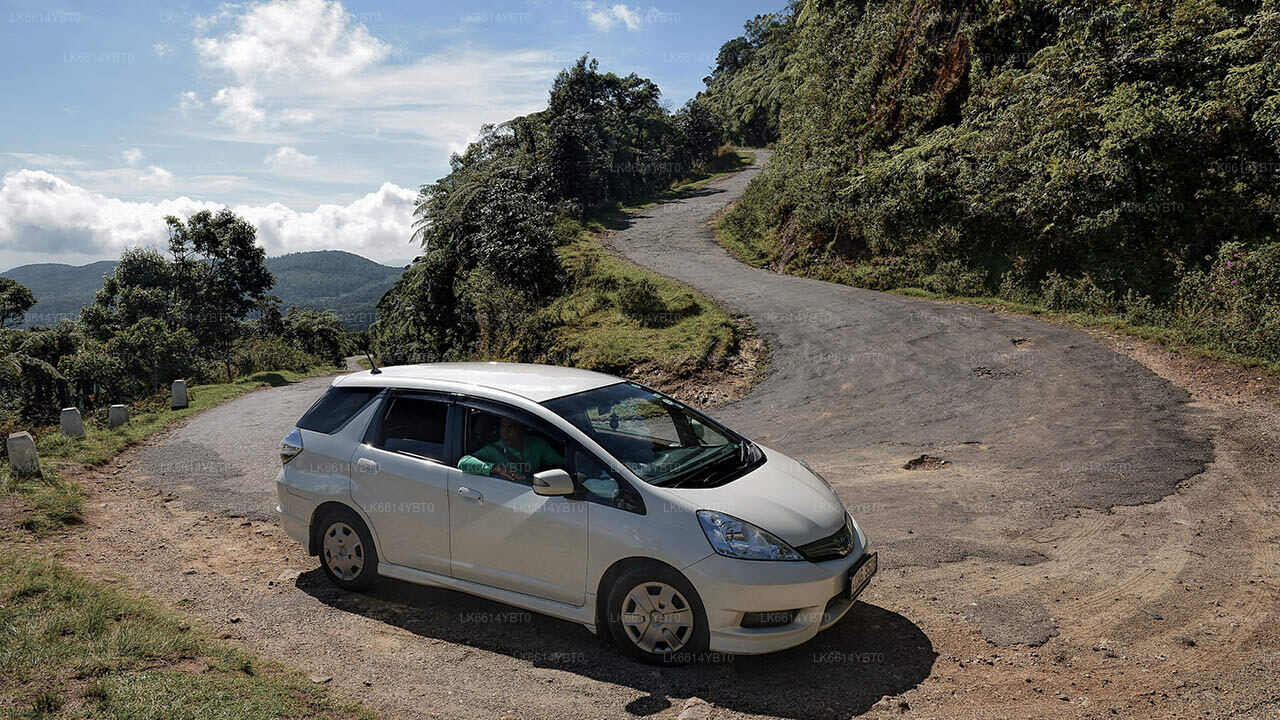
Because Rakwana is off the main tourist trail, road infrastructure is narrower and driving times can be longer than maps suggest. Arranging a private transfer with an experienced driver familiar with the A17 and surrounding hill roads makes the journey significantly more comfortable.

What accommodation options are available in Rakwana?

Accommodation in Rakwana leans toward character rather than luxury. The area is known for colonial-era planter's bungalows that have been retained or converted for guests, offering a different atmosphere from the standard hotel room. These bungalows typically sit within or adjacent to working estates, which means the setting is genuinely immersive. Booking in advance is advisable, as inventory is limited and demand increases during the drier months when Sinharaja trail conditions are at their best.

Book this experience with Lakpura

Curated by our local team. Direct booking, instant confirmation.

Ask Lakpura® Agent