Lakpura
Lakpura®

Pattipola

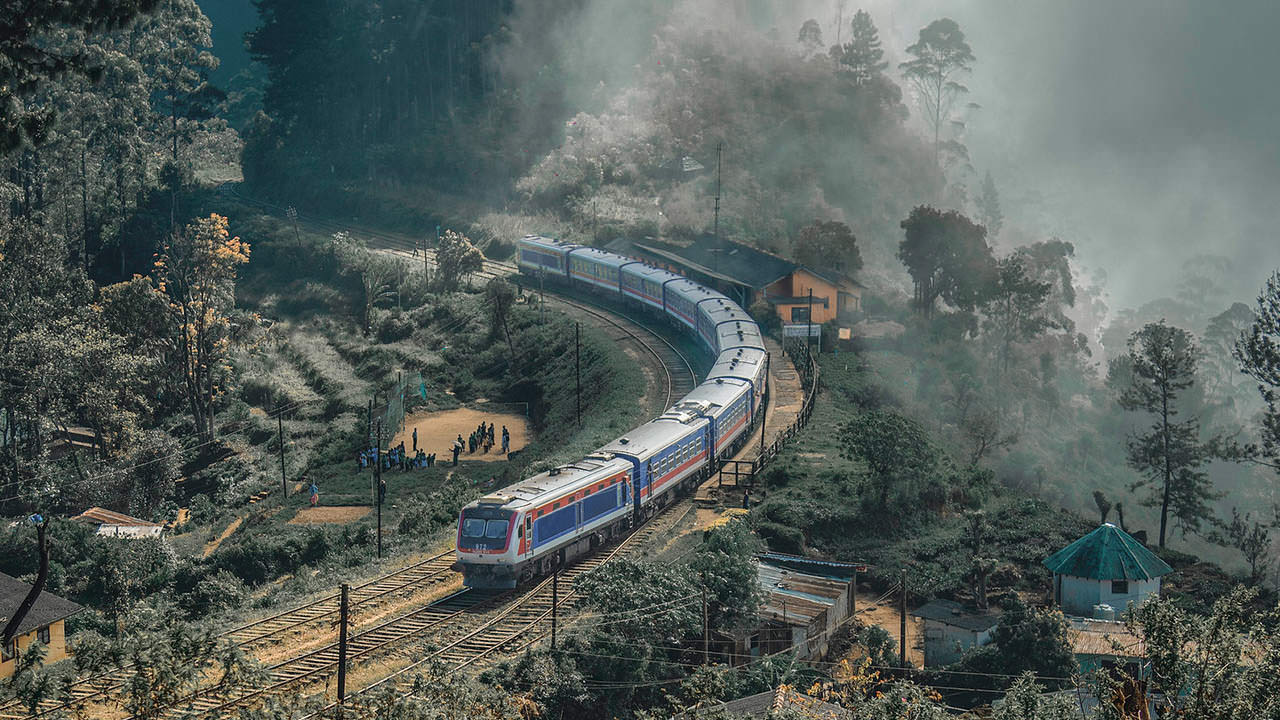
Perched at an elevation of 1,897.5 metres above sea level in the Central Highlands of Sri Lanka, Pattipola is a small village that carries an outsized reputation among railway enthusiasts, hikers, and highland travellers. The thin, cool air, rolling montane grasslands, and the sight of a blue express train threading through mist-covered hills make this one of the most atmospheric stops on Sri Lanka's famous hill country rail route.

Where is Pattipola, and how far is it from major cities?

Pattipola sits within the Nuwara Eliya District of the Central Province. Kandy, the province's cultural capital, lies around 113 km to the north-west, while Colombo is approximately 224 km away. The nearest major hill-country town is Nuwara Eliya, which is a short drive away via the A5 highway. Ella, another popular highland base, is accessible by continuing along the rail line or road through Ohiya.

DestinationApprox. DistanceTravel Mode
Colombo Fort224 kmTrain / Road
Kandy~113 kmTrain / Road
Nuwara Eliya~20 kmRoad
Ella~40 kmTrain / Road

How do I get to Pattipola?

The most rewarding way to arrive is by train. The Main Line from Colombo Fort passes through Kandy and Nuwara Eliya before climbing to Pattipola — a journey widely regarded as one of the most scenic rail rides in Asia. Both the Podi Menike and Udarata Menike express services stop here, as do several slower intercity trains. Travelling by road is equally straightforward via the A5 Colombo–Nuwara Eliya highway; private taxis and hired vehicles can reach Pattipola without difficulty.

What makes Pattipola Railway Station significant?

Pattipola Railway Station holds the distinction of being the highest railway station in Sri Lanka, sitting at 1,897.5 metres (6,225 feet) above mean sea level. It is the 62nd station on the Main Line, located between Ambewela and Ohiya stations on the Colombo–Badulla route. The station has one passenger platform and a siding loop used for operational purposes. Because every scheduled Main Line service is required to stop here, visitors can rely on relatively frequent connections in both directions without planning around infrequent departures.

The station building itself, like many hill-country stations, retains a colonial-era character — stone construction, timber trim, and a quiet platform wrapped in highland mist on most mornings. For railway photographers, the combination of high elevation and dramatic scenery makes it one of the most photographed stations on the island.

What can I do near Pattipola?

The village functions primarily as a gateway to the wider Nuwara Eliya highlands rather than as a destination with many in-village attractions. That said, several significant natural and botanical sites lie within a short drive or a manageable hike.

  • Horton Plains National Park (~6 km): A UNESCO World Heritage–listed montane plateau famous for World's End — a sheer escarpment with a near-vertical drop of around 870 metres — and for Baker's Falls. Access is straightforward from Pattipola, either by road or along the old rail track through the park boundary.
  • Hakgala Botanical Gardens (~14 km): One of Sri Lanka's premier botanical gardens, located at around 1,700 metres elevation, specialising in temperate-zone plants, roses, and tree ferns. Managed by the Department of National Botanic Gardens.
  • Hakgala Strict Nature Reserve (~11 km): Adjacent to the botanical gardens, this protected area supports cloud forest habitat and several endemic bird and mammal species. Independent entry is restricted; guided visits are the norm.
  • Kande Ela Reservoir (~12 km): A highland reservoir set against open grassland and pine plantations, popular for quiet walks and birdwatching.
  • Conical Hill (~16 km): One of the prominent peaks visible from the highland plateau, offering a longer hiking option for those seeking wider panoramas.
  • Hakgala Mountain (~14 km): The rocky peak that forms the backdrop to the Hakgala gardens and reserve, associated in folklore with the Ramayana legend.

Is hiking from Pattipola to Horton Plains possible?

Yes, and it is one of the more unusual highland experiences available in Sri Lanka. The route follows the old Main Line rail track from Pattipola station toward the Horton Plains border — a path that passes through montane grassland, patches of cloud forest, and occasional steam-of-mist valleys. The trail is relatively flat by Sri Lankan highland standards because it tracks an existing rail alignment, making it accessible to walkers of moderate fitness. Early morning departures are advisable, both to avoid midday heat and to catch the highland mist at its most atmospheric.

What is the best time to visit Pattipola?

The Central Highlands receive rain from both the south-west monsoon (roughly May to August) and the north-east monsoon (December to January), so the weather can be unpredictable year-round. The driest and clearest conditions in this area tend to occur between January and April and again from August to September. Temperatures at this altitude rarely exceed 20 °C and can drop to near 5 °C at night, so layered clothing is essential regardless of season. Morning visits to Horton Plains and the surrounding plateau are almost always recommended, as clouds typically roll in by early afternoon.

What are the accommodation options near Pattipola?

Pattipola itself is a small settlement with limited accommodation. Most travellers use Nuwara Eliya as a base, where a range of colonial-era hotels, guesthouses, and boutique properties are available. Ohiya, the next station down the line toward Ella, also has a small cluster of homestays that appeal to hikers. For those who want to experience the highland railway fully, spending a night in Nuwara Eliya and catching an early train to Pattipola is a practical approach.

What wildlife might I encounter in the Pattipola highlands?

The montane zone around Pattipola and Horton Plains supports a distinct set of species found nowhere else on Earth. Sambar deer are frequently spotted grazing on the open plateau. The Sri Lanka leopard, while present, is elusive. Birdwatchers can expect to find several highland endemics — yellow-eared bulbul, dull-blue flycatcher, and Sri Lanka white-eye among them. The area is also known for sightings of purple-faced leaf monkeys in forest patches along stream edges.

Book this experience with Lakpura

Curated by our local team. Direct booking, instant confirmation.

Ask Lakpura® Agent