나말 우야나

Namal Uyana Namal Uyana Namal Uyana

스리랑카의 자티카 나말 우야나는 아시아에서 가장 큰 아이언우드 숲이자 핑크 쿼츠 산입니다. 아이언우드 나무는 스리랑카 고유종이며, 재조림된 숲은 260에이커 이상에 걸쳐 있습니다. 고고학 연구 결과에 따르면 이 역사적인 장소의 핑크 쿼츠는 5억 5천만 년 이상의 역사를 가지고 있습니다. 나말 우야나는 서기 8세기에 아이언우드 나무로 재조림된 매우 희귀한 숲으로, 데바남피야티사 왕 시기부터 다풀라 4세 왕 시기까지 이어졌습니다. 나말 우야나는 8세기 데바남피야티사 왕 통치 기간 동안 불교 승려들의 피난처였습니다. 이후에는 나무를 심는 형벌이 내려지는 수용소로 사용되었습니다. 다풀라 왕 시대에는 인간 보호 구역으로 선언되었습니다. 이 독특한 자연 명소는 약 15년 전 불교 승려인 와나와시 라훌라 테로에 의해 세계에 소개되었습니다.

자티카 나말 우야나는 스리랑카의 콜롬보-아누라다푸라 고속도로에 있는 마다투가마 교차로에서 7km 떨어진 곳에 위치해 있습니다. 아이언우드 숲은 260에이커에 걸쳐 아이언우드 나무가 식생을 지배하는 스리랑카의 독특한 숲입니다. 나말 우야나는 스리랑카의 건조 지대에 위치해 있습니다. 나 나무 숲 또는 나말 우야나는 강한 햇빛을 차단하고 그늘을 제공하여 작은 약용 식물들이 자랄 수 있도록 하며, 방문객들에게 마치 스리랑카에서 가장 시원한 장소에 있는 듯한 느낌을 줍니다. 식물학적으로 나 나무는 Mesua Ferara라고 불리며 영어로는 Iron Wood Tree라고 합니다. 나무의 모든 부분은 스리랑카에서 약초 명상에 사용됩니다. 이 중요한 나무는 스리랑카, 인도, 말레이시아, 미얀마, 태국, 파푸아뉴기니에 자생합니다. 이 나무는 스리랑카의 국목으로 지정되었습니다. 불교를 비롯한 여러 종교에서 나 나무는 큰 종교적 가치를 지니고 있습니다.

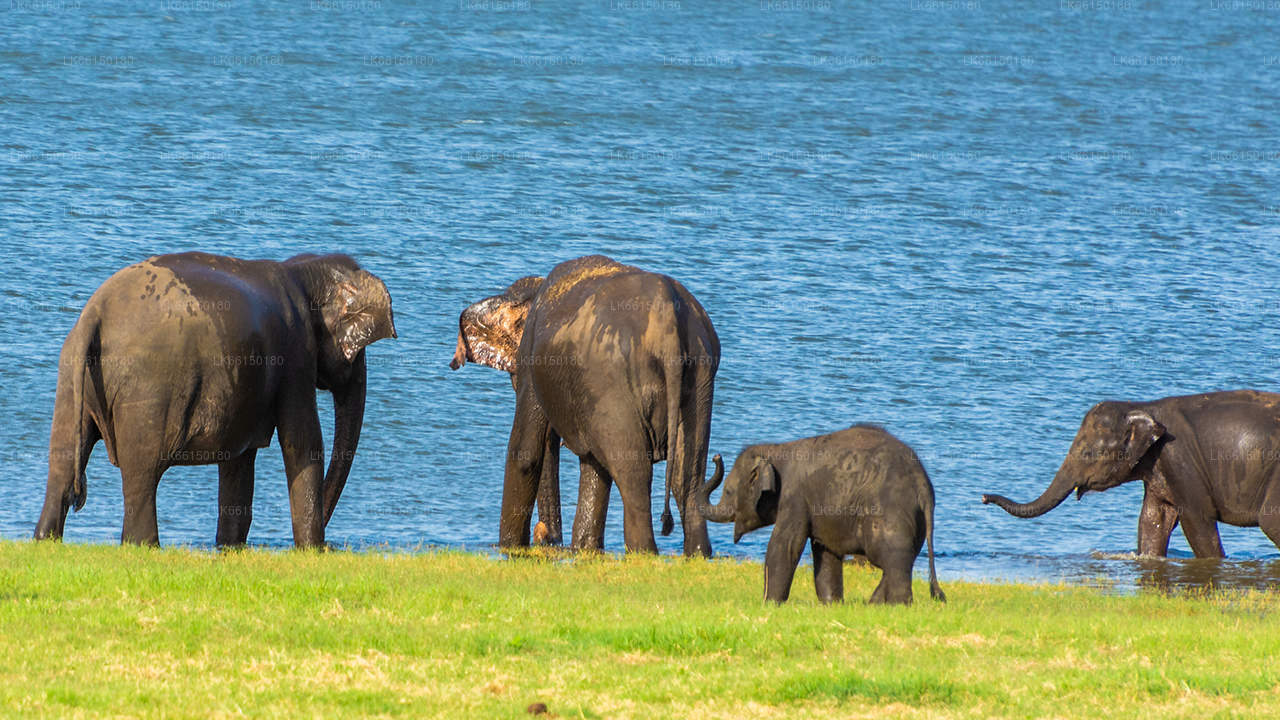
생물학자들에 따르면 나말 우야나의 중요성은 260에이커의 정원과 인접한 숲에 102종의 열대 식물이 있으며 그중 82종이 약용 식물이라는 점입니다. 또한 코끼리, 표범, 원숭이, 사슴을 포함한 다양한 포유류와 18종의 조류가 이 지역과 주변에 서식하고 있습니다.

나 숲과 생물 다양성만이 이 장소의 특징은 아닙니다. 나말 우야나의 핑크 쿼츠 산맥은 아시아에서 가장 큰 핑크 쿼츠 산맥입니다. 최근 야생동물보호국(DWLC)에 의해 국가 유산지로 지정된 이후, 나말 우야나는 최근 몇 년간 스리랑카 사람들 사이에서 인기를 얻고 있습니다. 7개의 산으로 이루어진 이 산맥은 해발 180m에서 300m 사이에 위치해 있습니다. 고고학 연구에 따르면 핑크 쿼츠는 5억 5천만 년 이상의 역사를 가지고 있습니다. 전체적으로 보면 정상 부분은 안개로 덮여 있으며, 분홍색과 하얀 안개가 어우러져 다른 산들과 차별화되는 아름다운 경관을 제공합니다. 이 산맥의 다양한 매력을 깊이 탐험한다면 매우 놀라운 경험이 될 것입니다.

자티카 나말 우야나의 오랜 역사를 보여주는 몇 가지 고대 유적지가 있습니다.

  • 푸라나 나말 세야.
  • 보디가라야.
  • 필리마게야.
  • 아와사게야.
  • 시마말라카야.
  • 파다나가라.
  • 갈파나.
  • 갈파스

About Matale District

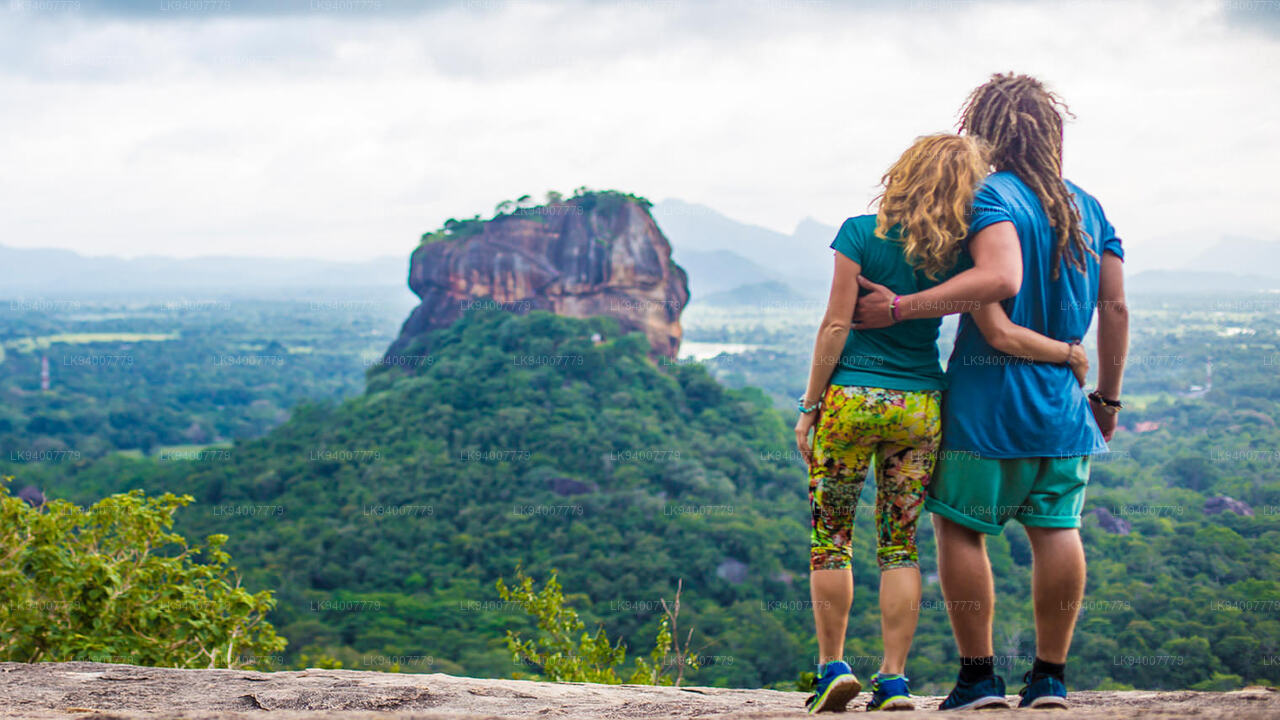
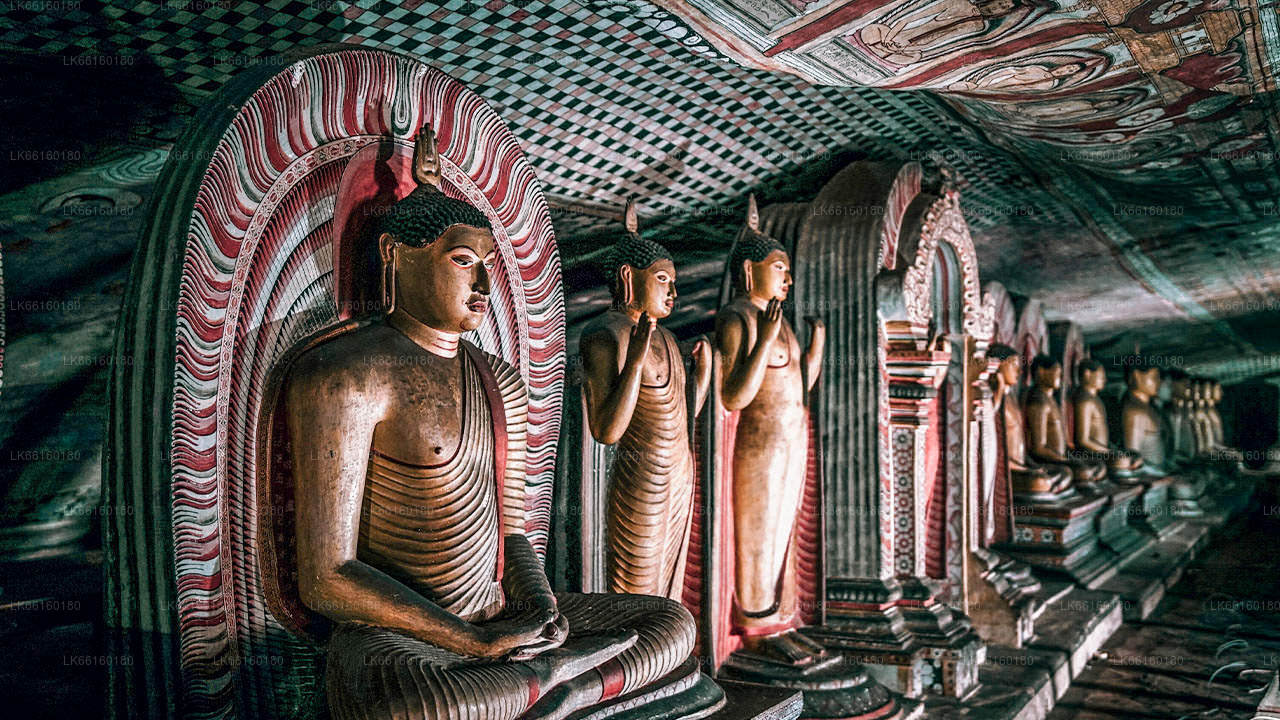
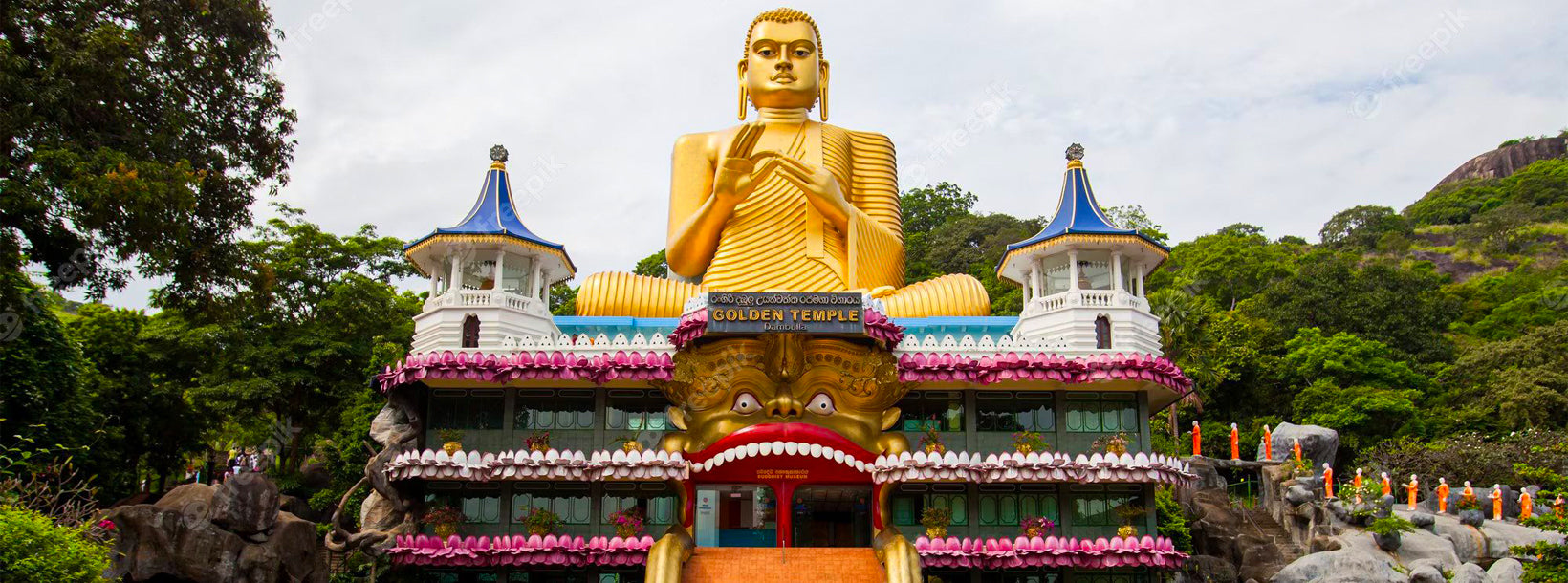
Matale is a town in the hill country of Sri Lanka. The Knuckles Mountain Range is a special landmark of Matale.The Matale administrative district also contains the historic Sigiriya rock castle, Aluvihare Temple and Dambulla Cave Temple . Surrounding the town are the Knuckles foothills called Wiltshire. It is a mainly agricultural area, where tea, rubber, vegetable and spice cultivation dominate.

The Aluvihare Temple, on the North side of the town, is the historic location where the Pali Canon was first written down completely in text on ola (palm) leaves. Situated near Aluvihare are numerous monastery caves, some of which exhibit fine frescoes.

About Central Province

The Central Province of Sri Lanka consists primarily of mountainous terrain. The province has an area of 5,674 km², and a population of 2,421,148. Some major towns include Kandy, Gampola (24,730), Nuwara Eliya and Bandarawela. The population is a mixture of Sinhalese, Tamil and the Moors.

Both the hill capital Kandy and the city of Nuwara Eliya are located within the Central Province as well as Sri Pada. The province produces much of the famous Ceylon tea, planted by the British in the 1860s after a devastating disease killed all the coffee plantations in the province. Central Province attracts many tourists, with hill station towns such as Kandy, Gampola, Hatton and Nuwara Eliya. Temple tooth or Dalada maligawa is the main sacred place in Centrel province.

The climate is cool, and many areas about 1500 meters often have chilly nights. The western slopes are very wet, some places having almost 7000 mm of rain per year. The eastern slopes are parts of the mid-dry zone as it is receiving rain only from North-Eastern monsoon. The Temperatures range from 24°C at Kandy to just 16°C in Nuwara Eliya, which is located 1,889 m above sea level. The highest mountains in Sri Lanka are located in the Central Province. The terrain is mostly mountainous, with deep valleys cutting into it. The two main mountain regions are the central massif and the Knuckles range to the east of Kandy.