
For more than two thousand years, from the legendary landing of Prince Vijaya to the surrender of Kandy in 1815, Sri Lanka was governed by kings and a handful of ruling queens. Their names are stamped on almost everything a visitor comes to see: the great white stupas of Anuradhapura, the rock fortress at Sigiriya, the reservoirs that still water the rice fields of the dry zone, and the Temple of the Tooth in Kandy. This guide follows the monarchy capital by capital, picks out the rulers who changed the island most, and closes with a reign-by-reign table.
How the line of kings is known
Most of what we know comes from the island's Pali chronicles. The Mahavamsa, compiled by monks of the Mahavihara around the 5th and 6th centuries, carries the story from Vijaya to King Mahasena; its continuation, the Culavamsa, was extended in stages until the fall of Kandy. Thousands of stone inscriptions, coins and the ruins themselves fill in details the chronicles leave out. The chronicles count years from the passing of the Buddha, so early dates are traditional: scholars disagree by a few decades for the first centuries, and the dates below follow the reckoning most Sri Lankan textbooks use.
Vijaya and the first settlements
The chronicles open with Vijaya, an exiled prince from northern India who is said to have landed with seven hundred followers on the day of the Buddha's passing. He settled at Tambapanni on the north-west coast and married Kuveni, a woman of the island's Yakkha people, before taking a bride from the Pandyan court in southern India. Vijaya left no son, so his nephew Panduvasudeva crossed from India to succeed him and ruled from Upatissa Nuwara.
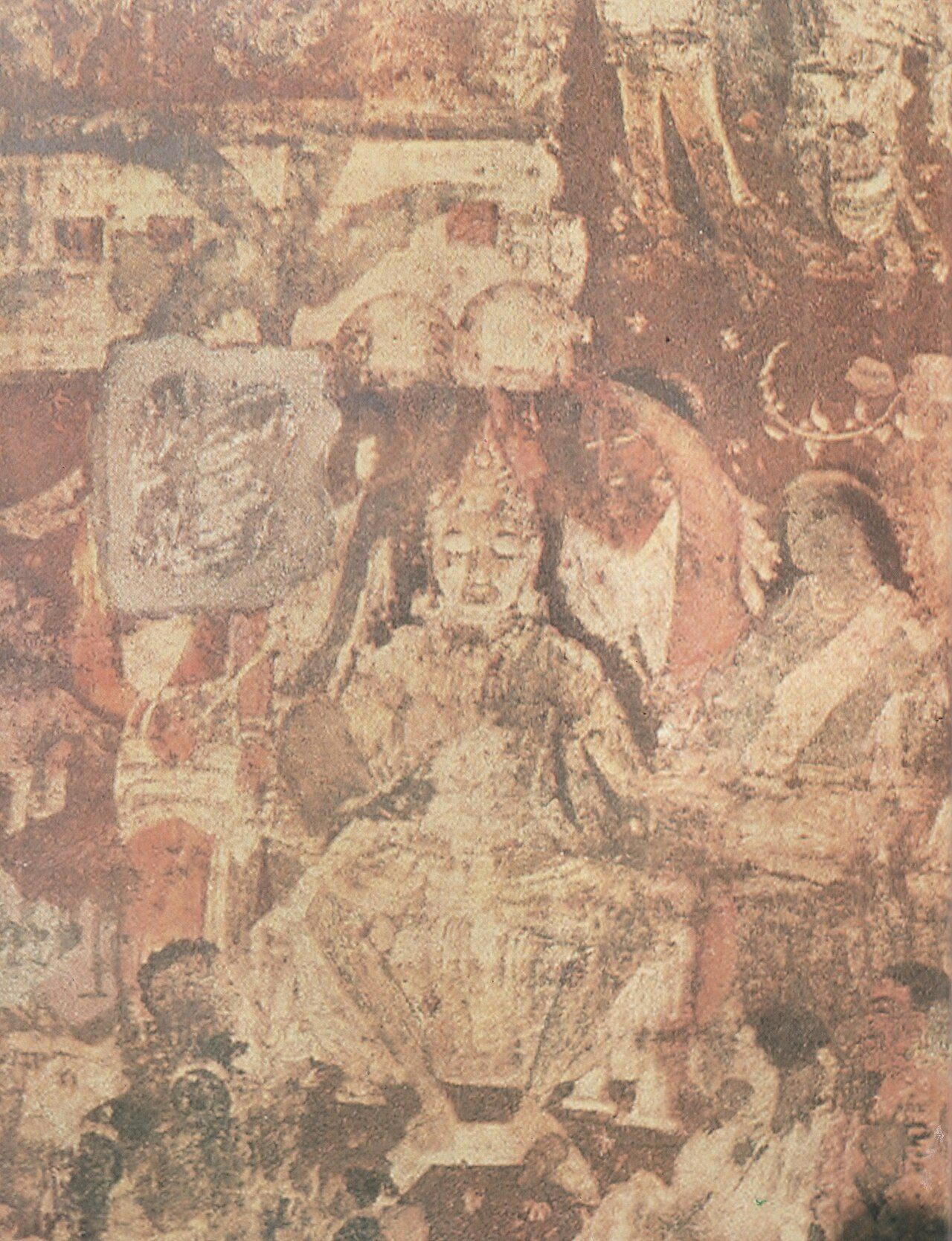
The decisive figure of this early age is Pandukabhaya, who fought his uncles for the throne and in the late 5th century BCE made Anuradhapura his capital. He laid out the city with quarters for different communities, built the Abhaya reservoir and gave the island a centre it would keep for nearly fourteen hundred years.
The Anuradhapura kingdom
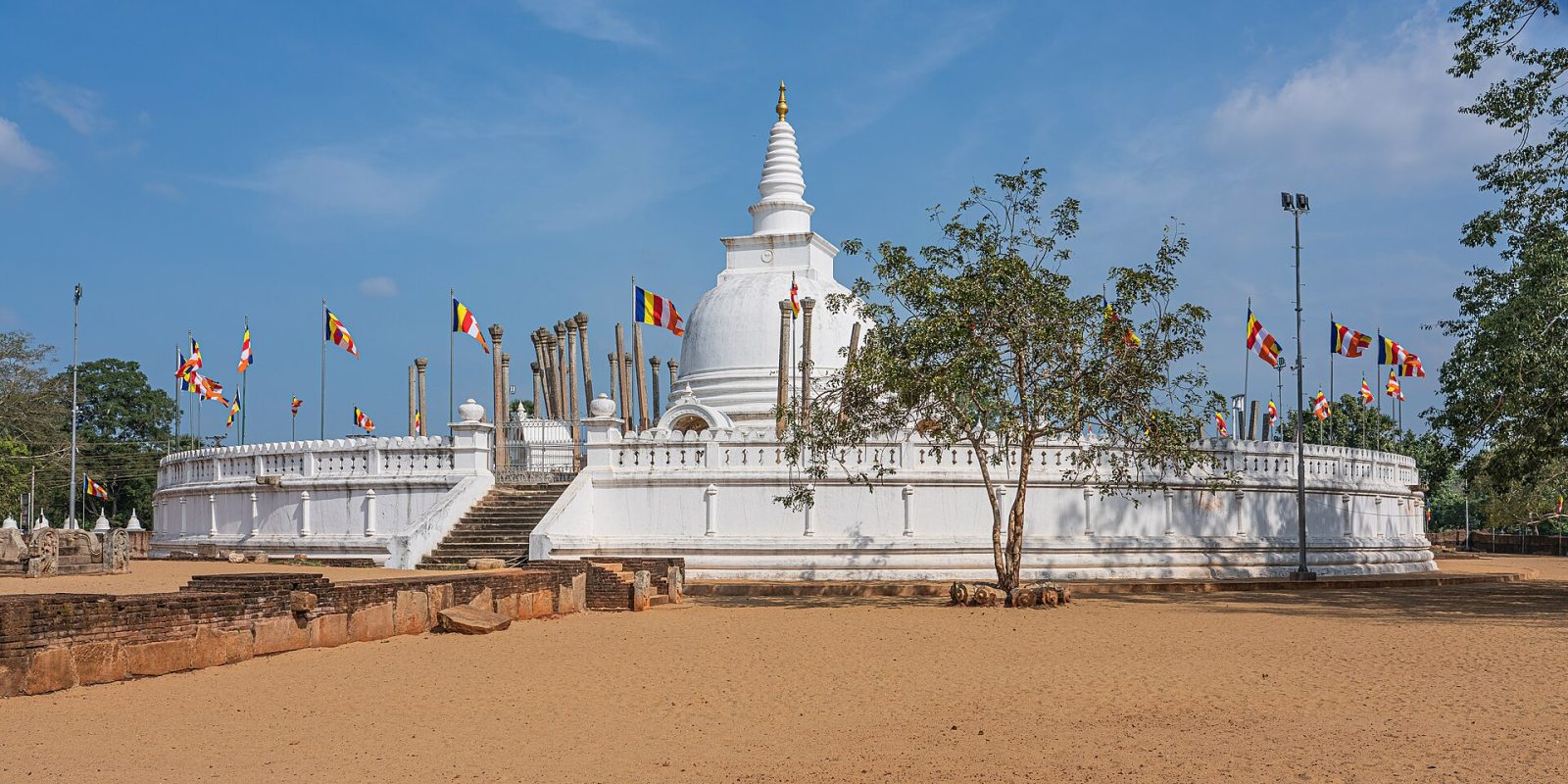
Anuradhapura's history turns on one reign. Under Devanampiya Tissa, a friend and ally of the Indian emperor Ashoka, the monk Mahinda brought Buddhism to the island at Mihintale. A sapling of the Bodhi tree followed, carried by the nun Sanghamitta, and the king built Thuparamaya, the first stupa in Sri Lanka. From then on, protecting the Buddhist order became the first duty of a Sinhalese king.
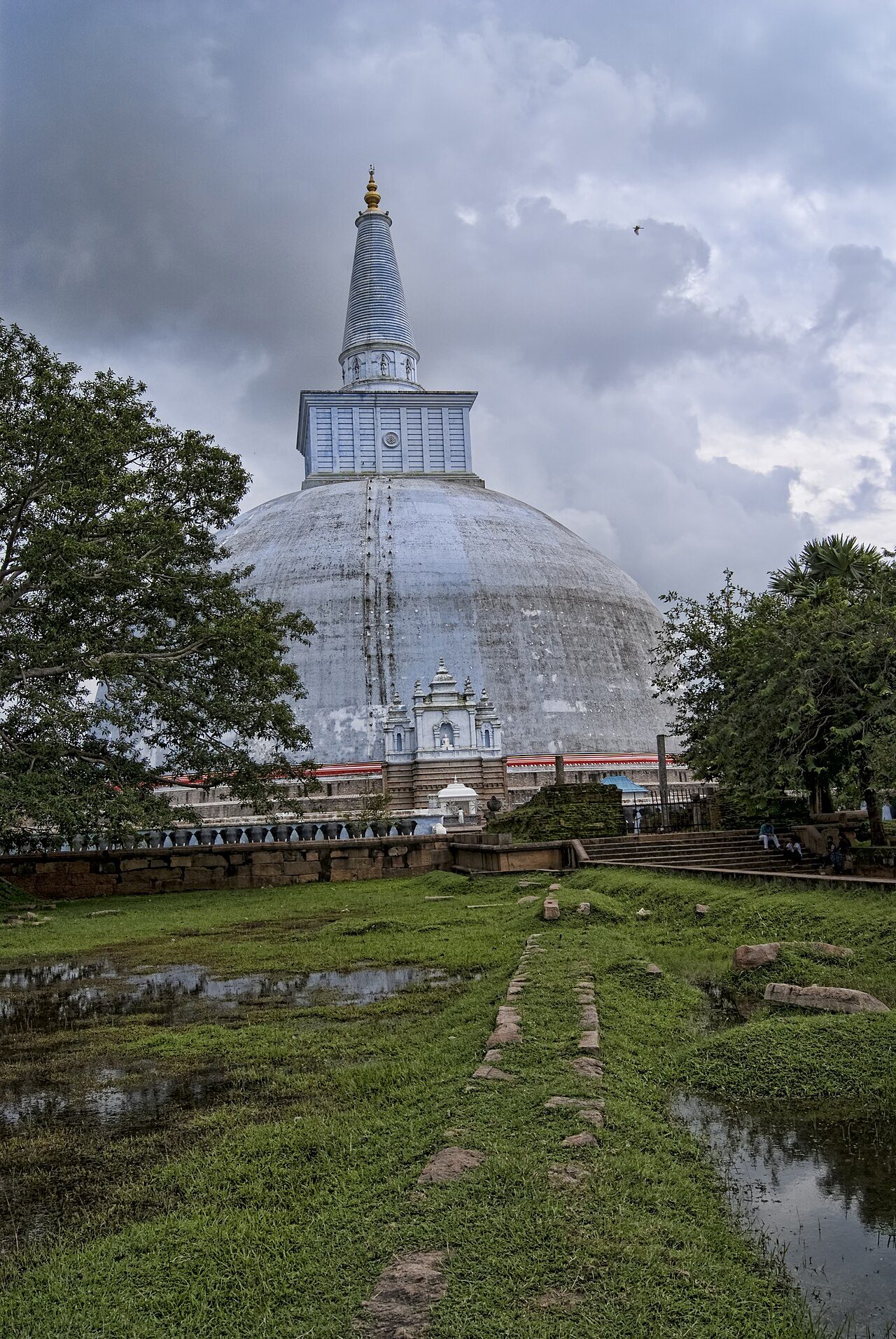
Twice in the 3rd and 2nd centuries BCE the throne passed to rulers from South India. The second of them, Elara, governed Anuradhapura for forty-four years and is remembered even in the Sinhalese chronicle as a just king. He was defeated by Dutugamunu, a prince of the southern kingdom of Ruhuna, whose father Kavantissa had built up its army. Dutugamunu united the island and spent his reign building: the Mirisawetiya, the nine-storeyed Lovamahapaya and the immense Ruwanwelisaya, which he did not live to see finished.
Later kings left their own marks. Valagamba was driven from his throne by invasion and rebellion, hid in the hills for fourteen years, and on his return founded the Abhayagiri monastery and the cave temple at Dambulla; in his time the Buddhist canon was first written down at Aluvihare. Queen Anula, in the 1st century BCE, became the first woman to rule the island in her own right. Vasabha, the first king of the Lambakanna line, began the age of large reservoirs, and Mahasena carried it furthest with Minneriya, the canal that feeds it and the Jetavanaramaya, once among the tallest buildings in the world. Under Sirimeghavanna the Sacred Tooth Relic reached the island from Kalinga, and Buddhadasa was remembered as a physician who treated people and animals alike.
In the 5th century Dhatusena drove out another South Indian occupation and built the Kalawewa reservoir. His son Kashyapa I seized power from him and moved the court to the summit of Sigiriya, where he built a palace, water gardens and the mirror wall. After eighteen years his brother Moggallana returned with an army from India, Kashyapa died in battle, and the court went back to Anuradhapura.

The kingdom lasted another five centuries, weakened by succession quarrels and wars with the Pandyas and Cholas of South India. In 1017 a Chola army captured Mahinda V and took him to India, and Anuradhapura was abandoned as a capital.
Ruhuna and the other courts
Anuradhapura never held the whole island alone. The southern kingdom of Ruhuna, with its seat at Magama near today's Tissamaharama, was founded according to tradition by Mahanaga, a brother of Devanampiya Tissa, and repeatedly sheltered princes who went on to reclaim the north. In later centuries the Jaffna kingdom of the Aryacakravarti dynasty ruled the far north until the Portuguese took it in 1619, and Vanni chieftains held the forests between.
The Polonnaruwa kingdom
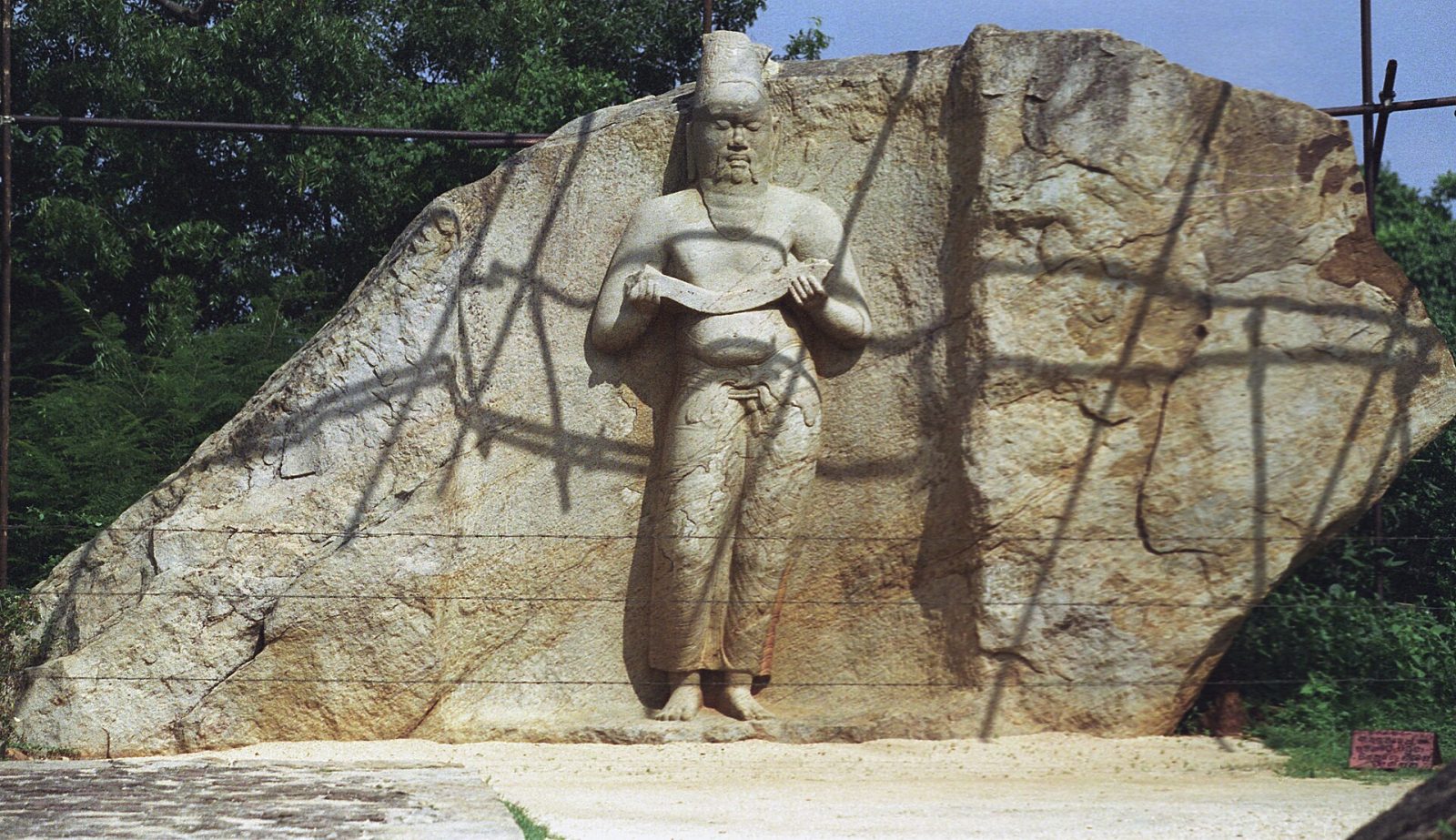
For half a century the Cholas governed the island from Polonnaruwa. Vijayabahu I waged a long campaign from Ruhuna, expelled them in 1070 and kept Polonnaruwa as his capital. His great successor Parakramabahu I reunited three rival kingdoms, sent forces to Burma and South India and, by the chronicle's account, insisted that not one drop of rain should reach the sea without serving the people. The Parakrama Samudra that bears his name is a vast reservoir formed by joining older tanks behind a single embankment.

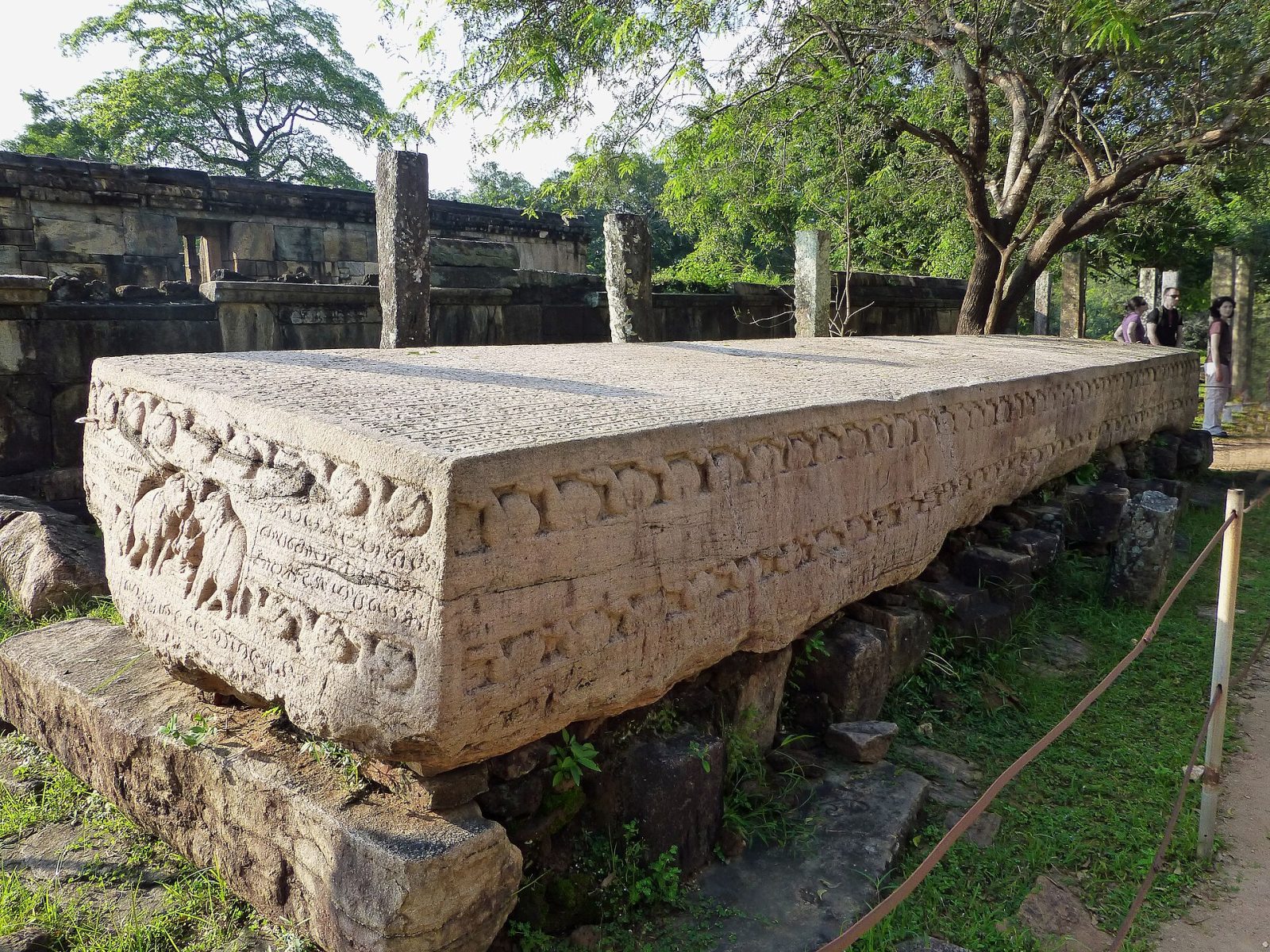
Nissanka Malla, a prince of the Kalinga line from eastern India, built the Hatadage and the Rankot Vehera and recorded his own virtues on the Gal Pota, a stone slab carved to look like a palm-leaf book. After him the throne changed hands quickly, three times to Queen Lilavati, until in 1215 the invader Kalinga Magha took Polonnaruwa. His harsh rule drove the population away from the old heartland of the north-central plain.
Dambadeniya, Yapahuwa and Kurunegala
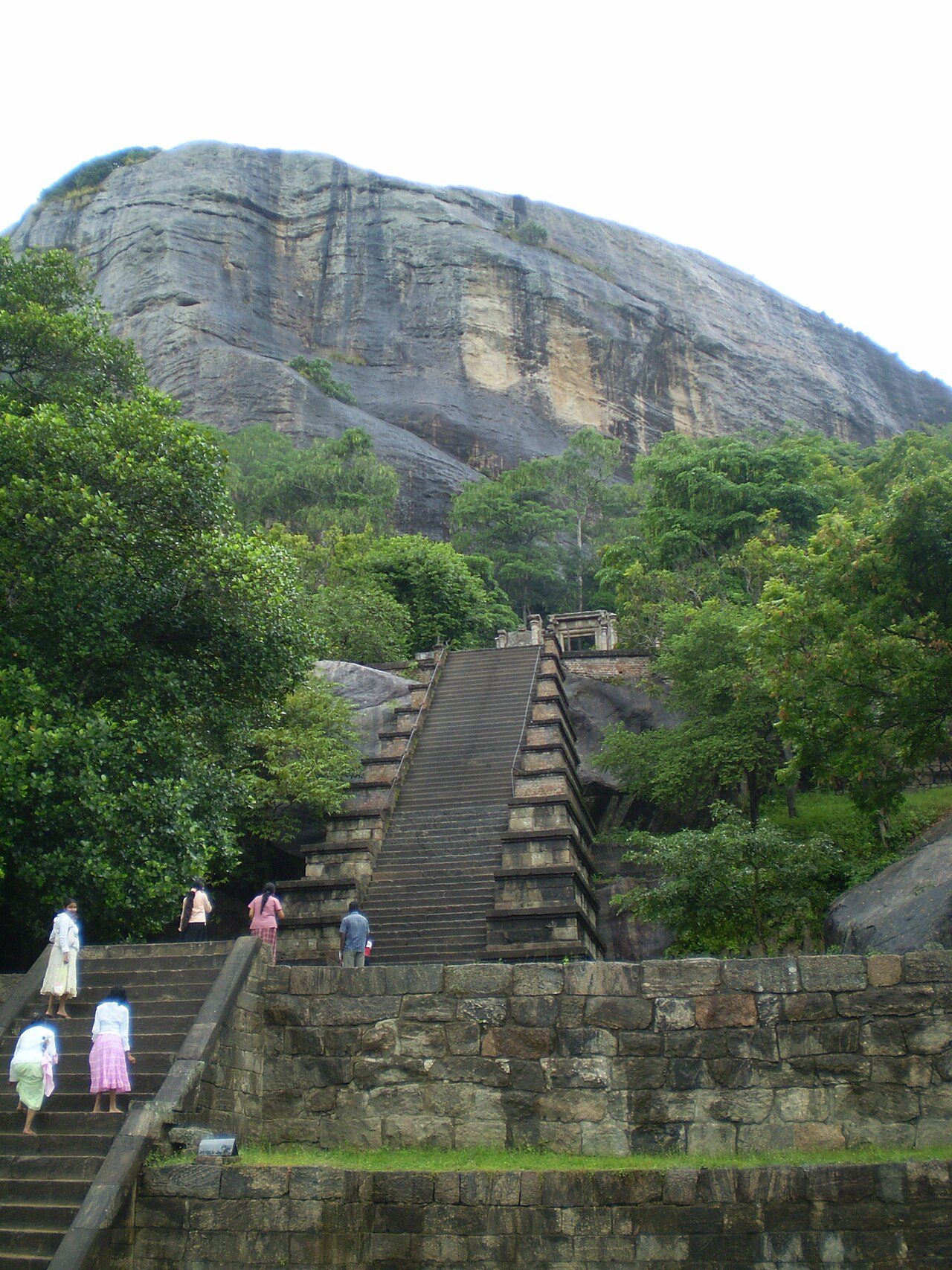
The kings now ruled from the hill fortresses and towns of the south-west. Vijayabahu III established a court at Dambadeniya and kept the Tooth Relic safe at Beligala. His son Parakramabahu II ended Magha's rule and was so celebrated as a writer and scholar that he was called the all-knowing pandit of the age. Bhuvanekabahu I fortified the rock of Yapahuwa, whose carved stairway is one of the finest pieces of stone work of the period, and is recorded as sending an embassy to the Mamluk sultan of Egypt. The court then moved again to Kurunegala.
Gampola and Kotte
In the 14th century the capital moved into the hills at Gampola, where Bhuvanekabahu IV built the Gadaladeniya and Lankatilaka temples. Real power slipped to the Alagakkonara family of ministers, who fortified Kotte near today's Colombo against the Jaffna kingdom. Parakramabahu VI, crowned in 1412, made Kotte his capital and became the last king to bring the entire island under one rule, including Jaffna. His reign is remembered as a golden age of Sinhala poetry.
The Portuguese reached Colombo in 1505. In 1521 three brothers divided Kotte between them in the episode known as the Vijayaba Kollaya. Mayadunne made Sitawaka the centre of resistance, and his son Rajasinghe I defeated a Portuguese force at Mulleriyawa and besieged Colombo itself. Kotte's last king, Dharmapala, was baptised and, on his death in 1597, left his kingdom to the King of Portugal.
The Kandyan kingdom
Only the hill kingdom of Kandy stayed independent. Vimaladharmasuriya I destroyed a Portuguese army at Danture in 1594 and brought the Tooth Relic to Kandy, where it has remained ever since. Rajasinghe II won at Gannoruwa in 1638 and allied with the Dutch, who drove out the Portuguese but kept the coast for themselves. Kirti Sri Rajasinha invited monks from Siam in 1753 to restore higher ordination, and gave the Esala Perahera much of the form it has today.

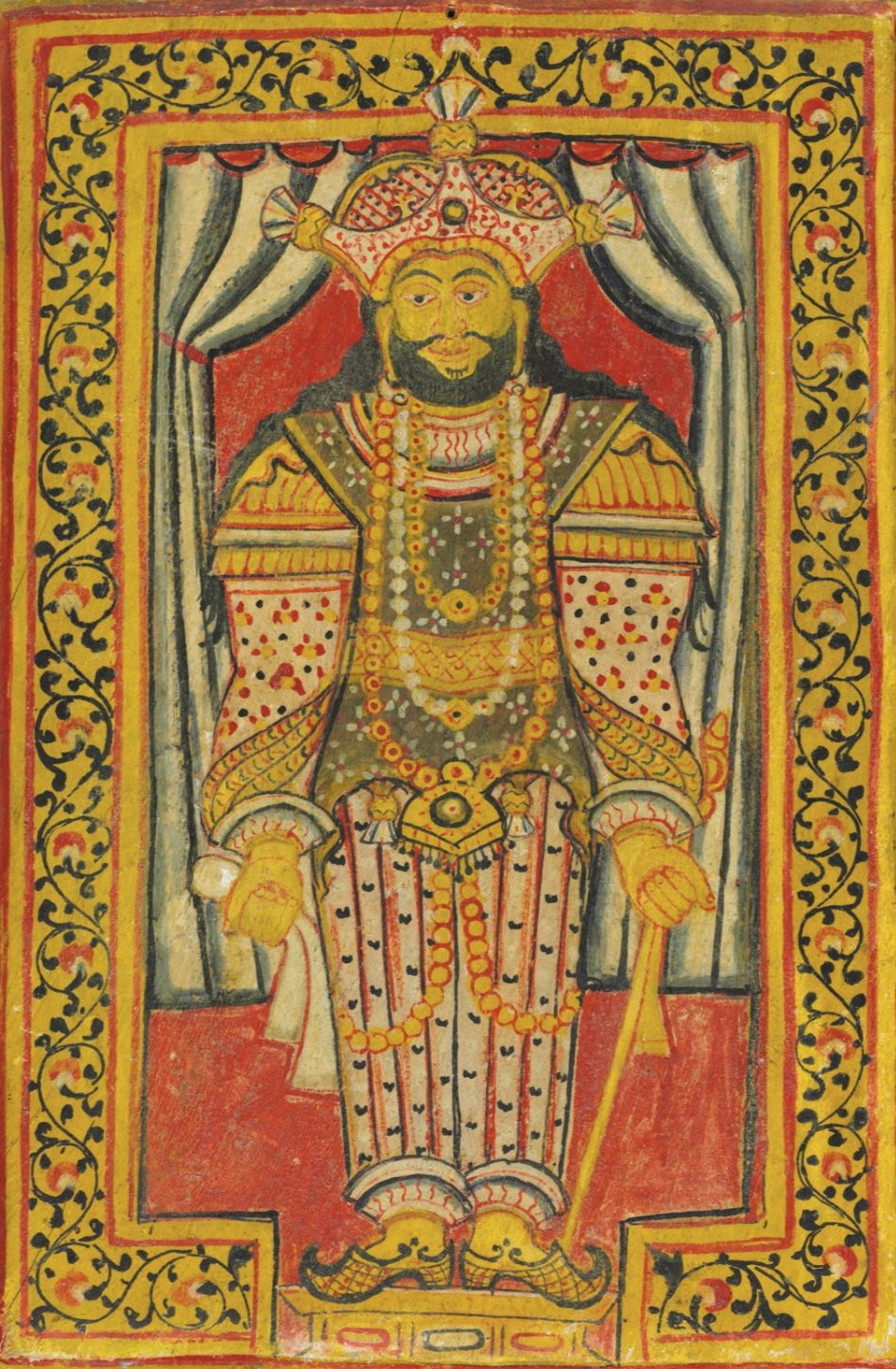
From 1739 the throne passed to the Nayakkar kings, related by marriage to the last Sinhalese king, Vira Narendrasinha. The last of them, Sri Vikrama Rajasinha, built the Kandy Lake but fell out with his own chiefs. In 1815 the chiefs signed the Kandyan Convention with the British, ending more than two millennia of monarchy. The king was captured, held at what is now known as the prison of the last king, and exiled to Vellore in South India, where he died in 1832. You can read more about this final chapter on our page about Kandy, the last kingdom.
Where to see the legacy of the kings
- Anuradhapura: Ruwanwelisaya, Thuparamaya, Jetavanaramaya, Abhayagiri and the sacred Bodhi tree.
- Sigiriya: Kashyapa's palace on the rock, its frescoes and water gardens.
- Polonnaruwa: the royal palace, the Quadrangle with the Hatadage and Gal Pota, the Gal Vihara and the Parakramabahu statue.
- Minneriya: Mahasena's reservoir, now famous for the dry-season gathering of elephants.
- Kandy: the Temple of the Tooth, the royal palace complex and the lake built by the last king.
The royal lineage
These family trees follow the main royal houses as the chronicles record them. A red line runs from parent to child; a dashed line marks a nephew, an in-law or another kind of succession; a double line marks a marriage. Princesses and princes who never reigned are shown in grey when the crown passed through them. Where the chronicles do not say how two houses were related, a new tree begins. Tap a chart to open it full size.


Kings and queens of Sri Lanka at a glance
The table lists the principal rulers named in the chronicles, grouped by capital. It is not exhaustive: the Anuradhapura period alone had well over a hundred reigns, some lasting only months. Where a name links, we have a page dedicated to that ruler.
| Reign | Ruler | Capital | Remembered for |
|---|---|---|---|
| Before Anuradhapura | |||
| 543–505 BCE | Vijaya | Tambapanni | Founding prince of the chronicles |
| 505–504 BCE | Upatissa (regent) | Upatissa Nuwara | Held the realm until an heir arrived |
| 504–474 BCE | Panduvasudeva | Upatissa Nuwara | Vijaya's nephew and successor |
| 474–454 BCE | Abhaya | Upatissa Nuwara | Deposed by his brothers |
| 437–367 BCE | Pandukabhaya | Anuradhapura | Made Anuradhapura the capital |
| Anuradhapura (437 BCE – 1017 CE) | |||
| 367–307 BCE | Mutasiva | Anuradhapura | Laid out the Mahamegha garden |
| 307–267 BCE | Devanampiya Tissa | Anuradhapura | Buddhism arrives with Mahinda Thera |
| 267–257 BCE | Uttiya | Anuradhapura | Reign in which Mahinda Thera passed away |
| 257–247 BCE | Mahasiva | Anuradhapura | Brother of Devanampiya Tissa |
| 247–237 BCE | Suratissa | Anuradhapura | Overthrown by Sena and Guttika |
| 237–215 BCE | Sena and Guttika | Anuradhapura | First foreign rulers in the chronicles |
| 215–205 BCE | Asela | Anuradhapura | Restored the native line |
| 205–161 BCE | Elara | Anuradhapura | Chola ruler remembered for his justice |
| 161–137 BCE | Dutugamunu | Anuradhapura | Unified the island; Ruwanwelisaya |
| 137–119 BCE | Saddhatissa | Anuradhapura | Completed his brother's great stupa |
| 103, 89–77 BCE | Valagamba | Anuradhapura | Abhayagiri; the canon put in writing |
| 47–42 BCE | Anula | Anuradhapura | First queen to rule in her own right |
| 22 BCE – 7 CE | Bhatikabhaya | Anuradhapura | Lavish offerings at Ruwanwelisaya |
| 67–111 CE | Vasabha | Anuradhapura | First Lambakanna king; reservoirs |
| c. 114–136 CE | Gajabahu I | Anuradhapura | Expedition to the Chola country |
| c. 247–249 CE | Sri Sangabodhi | Anuradhapura | Remembered for self-sacrifice |
| c. 274–301 CE | Mahasena | Anuradhapura | Minneriya and Jetavanaramaya |
| c. 301–328 CE | Sirimeghavanna | Anuradhapura | The Tooth Relic reaches the island |
| c. 337–365 CE | Buddhadasa | Anuradhapura | The physician king |
| c. 455–473 CE | Dhatusena | Anuradhapura | Kalawewa reservoir |
| c. 477–495 CE | Kashyapa I | Sigiriya | Built the Sigiriya rock fortress |
| c. 495–512 CE | Moggallana I | Anuradhapura | Returned the court to Anuradhapura |
| c. 684–718 CE | Manavamma | Anuradhapura | Won the throne with Pallava help |
| c. 833–853 CE | Sena I | Anuradhapura | City sacked in a Pandyan invasion |
| c. 853–887 CE | Sena II | Anuradhapura | Avenged his father in Madurai |
| 982–1017 CE | Mahinda V | Anuradhapura | Taken captive by the Cholas; end of the era |
| Polonnaruwa (1055 – 1232) | |||
| 1055–1110 | Vijayabahu I | Polonnaruwa | Drove out the Cholas in 1070 |
| 1153–1186 | Parakramabahu I | Polonnaruwa | Parakrama Samudra; reunified the island |
| 1186–1187 | Vijayabahu II | Polonnaruwa | Scholar-poet; letters to Burma |
| 1187–1196 | Nissanka Malla | Polonnaruwa | Hatadage and the Gal Pota |
| 1197–1212 (three times) | Lilavati | Polonnaruwa | Queen of Parakramabahu I |
| 1200–1202 | Sahassa Malla | Polonnaruwa | First consecration with an exact date |
| 1202–1208 | Kalyanavati | Polonnaruwa | Queen regnant of the Kalinga line |
| 1215–c. 1236 | Kalinga Magha | Polonnaruwa | Harsh rule that emptied the Rajarata |
| Dambadeniya, Yapahuwa and Kurunegala (1232 – 1341) | |||
| 1232–1236 | Vijayabahu III | Dambadeniya | Founded the Dambadeniya kingdom |
| 1236–1270 | Parakramabahu II | Dambadeniya | Scholar king; ended Magha's rule |
| 1270–1272 | Vijayabahu IV | Dambadeniya | Called Bosat Vijayabahu |
| 1272–1284 | Bhuvanekabahu I | Yapahuwa | Fortified Yapahuwa; envoy to Egypt |
| 1287–1293 | Parakramabahu III | Polonnaruwa | Recovered the Tooth Relic from the Pandyas |
| 1293–1302 | Bhuvanekabahu II | Kurunegala | Moved the capital to Kurunegala |
| 1302–1326 | Parakramabahu IV | Kurunegala | Patron of learning and literature |
| Gampola (1341 – 1412) | |||
| 1341–1351 | Bhuvanekabahu IV | Gampola | Gadaladeniya and Lankatilaka temples |
| 1344–1359 | Parakramabahu V | Gampola | Ruled under powerful ministers |
| 1357–1374 | Vikramabahu III | Gampola | The Alagakkonara family rises |
| 1372–1408 | Bhuvanekabahu V | Gampola / Kotte | Kotte fortified against Jaffna |
| Kotte and Sitawaka (1412 – 1597) | |||
| 1412–1467 | Parakramabahu VI | Kotte | Last king to unite the whole island |
| 1469–1477 | Bhuvanekabahu VI | Kotte | Formerly Prince Sapumal of Jaffna |
| 1489–1513 | Dharma Parakramabahu IX | Kotte | The Portuguese arrive (1505) |
| 1513–1521 | Vijayabahu VII | Kotte | Killed in the Vijayaba Kollaya |
| 1521–1551 | Bhuvanekabahu VII | Kotte | Allied with the Portuguese |
| 1521–1581 | Mayadunne | Sitawaka | Founded the Sitawaka kingdom |
| 1551–1597 | Dharmapala | Kotte | Baptised; left Kotte to Portugal |
| 1581–1593 | Rajasinghe I | Sitawaka | Hero of Mulleriyawa |
| Kandy (1590s – 1815) | |||
| 1591–1604 | Vimaladharmasuriya I | Kandy | Brought the Tooth Relic to Kandy |
| 1604–1635 | Senarat | Kandy | Held off the Portuguese |
| 1635–1687 | Rajasinghe II | Kandy | Gannoruwa; alliance with the Dutch |
| 1687–1707 | Vimaladharmasuriya II | Kandy | Rebuilt the Temple of the Tooth |
| 1707–1739 | Vira Narendrasinha | Kandy | Last king of Sinhalese descent |
| 1739–1747 | Sri Vijaya Rajasinha | Kandy | First of the Nayakkar kings |
| 1747–1782 | Kirti Sri Rajasinha | Kandy | Revived higher ordination (1753) |
| 1782–1798 | Sri Rajadhi Rajasinha | Kandy | Poet and patron of the arts |
| 1798–1815 | Sri Vikrama Rajasinha | Kandy | Last king; the Kandyan Convention |
Sources and further reading
This page draws on the Mahavamsa and Culavamsa and on standard histories of Sri Lanka. For a ruler-by-ruler reference with a profile for each king and queen, we recommend Kings of Sri Lanka on ceylonhistory.com, an independent history project by Suhas Dissanayake that we consulted while revising this page. Photographs are from Wikimedia Commons and are credited under each image.
The kings of Sri Lanka
Reigns we have written up, from Anuradhapura to the fall of Kandy.
K 26
- King Bhuvanaikabahu IV
- King Buddhadasa
- King Coconut Oil
- King Coconuts
- King Devanampiya Tissa
- King Dhatusena
- King Dutugamunu
- King Kashyapa I of Anuradhapura
- King Kasyapa
- King Mahanaga
- King Mahasen
- King Mayadunne
- King Pandukabhaya
- King Parakramabahu
- King Parakramabahu II
- King Parakramabahu V
- King Raja Singha
- King Rajasinghe I
- King Rajasinghe II
- King Sri Vickrama Rajasinghe
- King Valagamba
- King Vijayabahu I
- King Vijayabahu II
- King Vijayabahu III
- King Vikramabahu III
- King Vimaladharmasuriya I
Related reading
4 pages on closely related subjects.


