Yoda Wewa


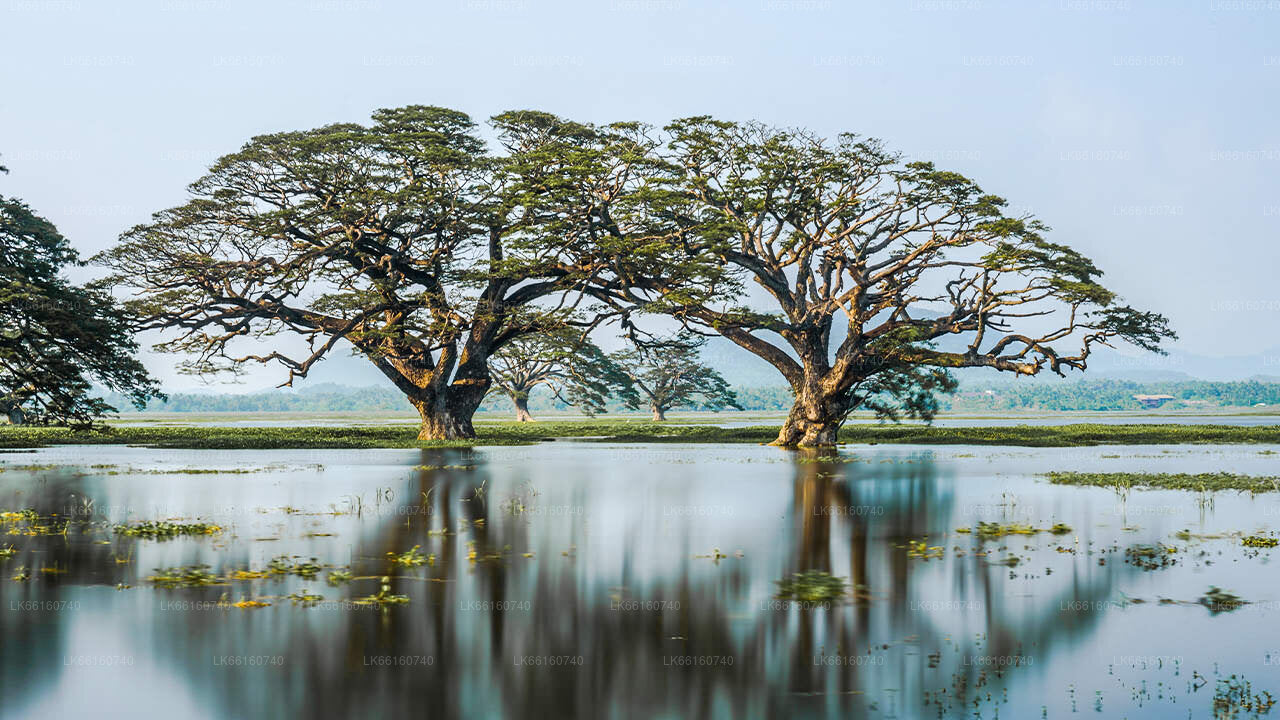
Yoda Wewa is one of Sri Lanka's most remarkable ancient irrigation reservoirs, located near the historic city of Tissamaharama in the Southern Province. Believed to have been constructed during the reign of King Mahanaga in the 3rd century BCE, the reservoir stands as a testament to the advanced hydraulic engineering skills of early Sri Lankan civilization. Built to support agriculture in the dry zone, Yoda Wewa played a crucial role in transforming arid land into fertile paddy fields, sustaining settlements and strengthening the agrarian economy of the region.
The design of Yoda Wewa reflects the deep understanding ancient Sri Lankans had of water management and environmental balance. The reservoir was fed by a carefully planned network of canals and feeder streams, ensuring efficient collection and distribution of rainwater. Its massive earthen embankments and sophisticated spillways helped regulate water levels and prevent flooding during monsoon seasons. Such engineering innovations allowed farmers to cultivate rice throughout the year, reducing dependence on unpredictable rainfall and ensuring food security for surrounding communities.
Beyond its agricultural importance, Yoda Wewa has long been associated with religious and cultural life in southern Sri Lanka. The reservoir supported nearby Buddhist monasteries and temples, including the sacred Tissamaharama Raja Maha Viharaya. Water from the wewa was essential not only for cultivation but also for daily monastic life and ritual practices. As a result, Yoda Wewa became intertwined with spiritual traditions, symbolizing prosperity, harmony, and the benevolent rule of ancient kings.
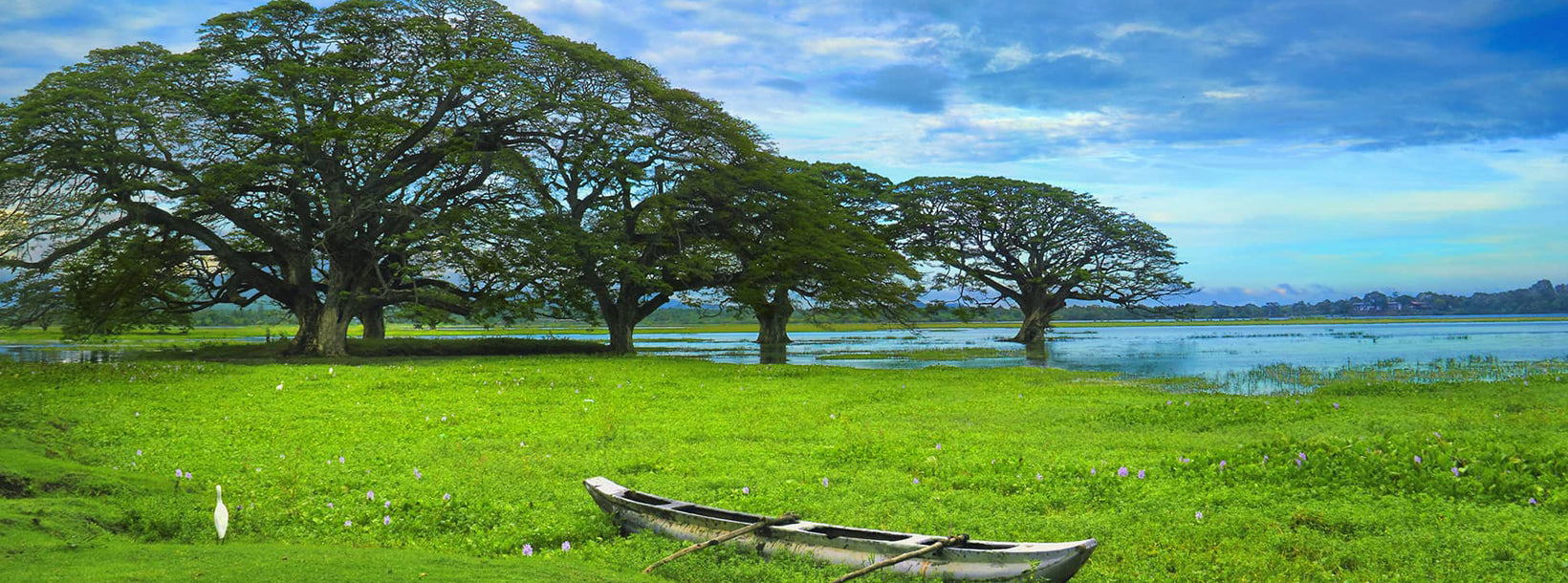
Today, Yoda Wewa continues to serve both practical and aesthetic purposes. It remains an active irrigation reservoir, supporting local farmers while also attracting visitors with its serene landscape and abundant birdlife. Especially during migratory seasons, the wewa becomes a haven for water birds, making it a popular spot for nature enthusiasts and photographers. As part of Sri Lanka's living heritage, Yoda Wewa stands as a powerful reminder of the island's ancient wisdom in sustainable water management and its enduring connection between nature, culture, and community.