Città di Matale
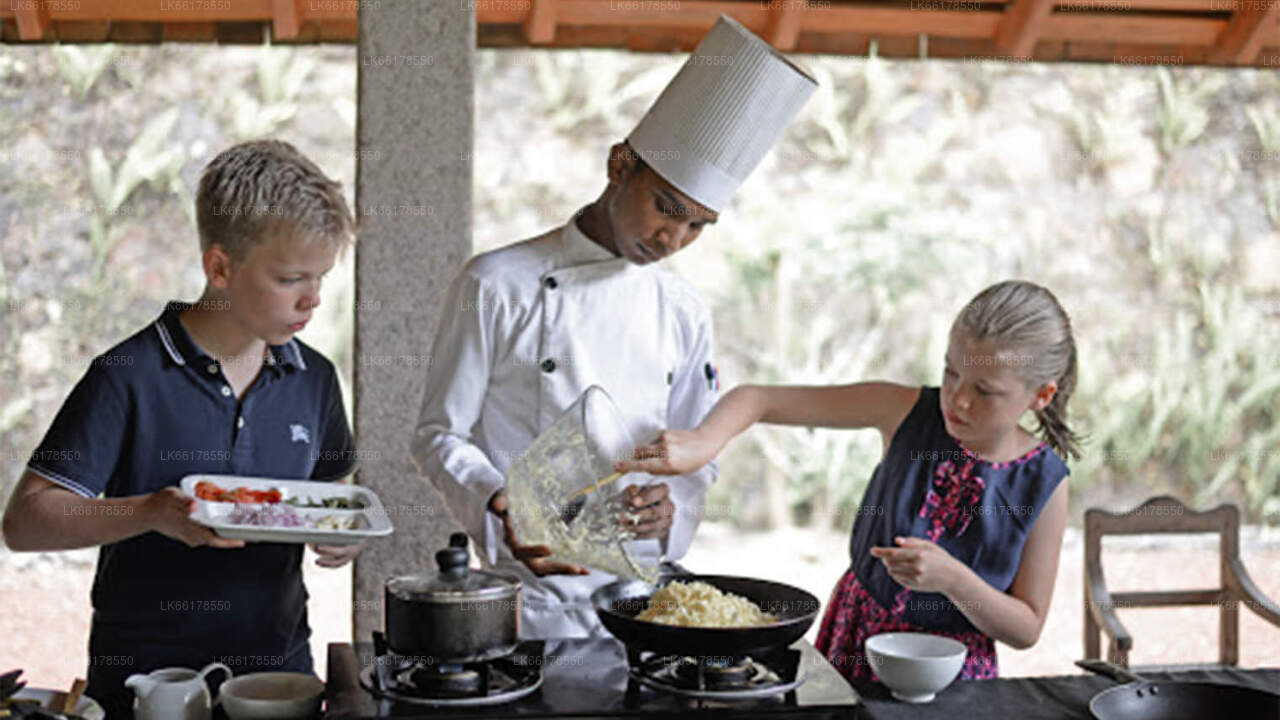
Matale, nello Sri Lanka, è rinomata per la sua vegetazione lussureggiante e i suoi giardini di spezie. Situata nella provincia centrale, offre una ricca esperienza culturale con corsi e dimostrazioni di cucina. I visitatori possono imparare ricette e tecniche tradizionali, come la cottura in pentola di terracotta, e gustare piatti come il pollo al curry e il dhal curry, rendendo Matale un tesoro culinario e culturale.
Mirror Wall
The Mirror Wall at the Sigiriya Rock Fortress in Sri Lanka, is now stained in hues of orange. When it was built by King Kasyapa over 1600 years ago it was a highly polished white masonry parapet wall that inched its way precariously along the near-perpendicular western surface of Sigiriya Rock.
This wall is called as the ' Kedapath Pavura' or the Sigiriya Mirror Wall. It is done in brick masonry and has a polished plaster finish. Many of these writings on the Mirror Wall belongs to the time period between the 7th and the 11th Centuries AD. some of these had been written by native women indicating the literacy among the females at that time. These graffiti had been written using a metal styles which might had been common among people at that time for writing purposes. The expressions made in the verses are refined and the beauty of the ladies had been much appreciated in a simple literal way.
Only about one hundred meters of this wall exists today, but brick debris and grooves on the rock face along the western side of the rock clearly show where the rest of this wall once stood. Holes and grooves chiseled into the rock on the opposite side of the wall suggest that these were mounting points for supporting beams of a roof.
Informazioni sulla Provincia Centrale
La Provincia Centrale dello Sri Lanka è costituita principalmente da territorio montuoso. La provincia ha una superficie di 5.674 km² e una popolazione di 2.421.148 abitanti. Alcune delle principali città includono Kandy, Gampola (24.730 abitanti), Nuwara Eliya e Bandarawela. La popolazione è un mix di singalesi, tamil e mori.
Sia Kandy, capoluogo di montagna, che Nuwara Eliya e Sri Pada si trovano nella Provincia Centrale. La provincia produce gran parte del famoso tè di Ceylon, piantato dagli inglesi nel 1860 dopo che una devastante malattia aveva distrutto tutte le piantagioni di caffè della provincia. La Provincia Centrale attrae molti turisti, grazie alle sue località di montagna come Kandy, Gampola, Hatton e Nuwara Eliya. Il tempio del Dente di Buddha, o Dalada Maligawa, è il principale luogo sacro della provincia Centrale.
Il clima è fresco e in molte zone a circa 1500 metri di altitudine le notti sono spesso fredde. I versanti occidentali sono molto umidi, con alcune zone che registrano quasi 7000 mm di pioggia all'anno. I versanti orientali fanno parte della zona medio-arida, poiché ricevono precipitazioni solo dal monsone di nord-est. Le temperature variano dai 24°C di Kandy ai soli 16°C di Nuwara Eliya, situata a 1889 metri sul livello del mare. Le montagne più alte dello Sri Lanka si trovano nella Provincia Centrale. Il territorio è prevalentemente montuoso, con profonde valli che lo solcano. Le due principali regioni montuose sono il massiccio centrale e la catena dei Knuckles a est di Kandy.