Città di Balapitiya
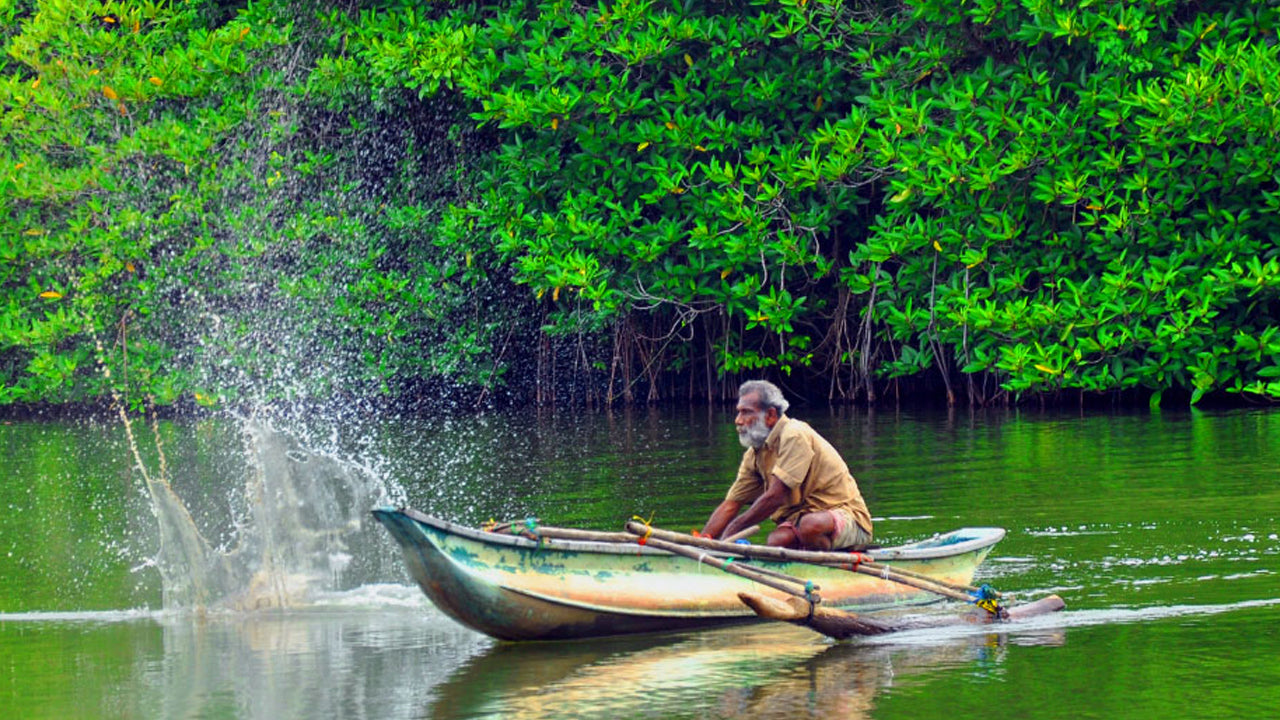
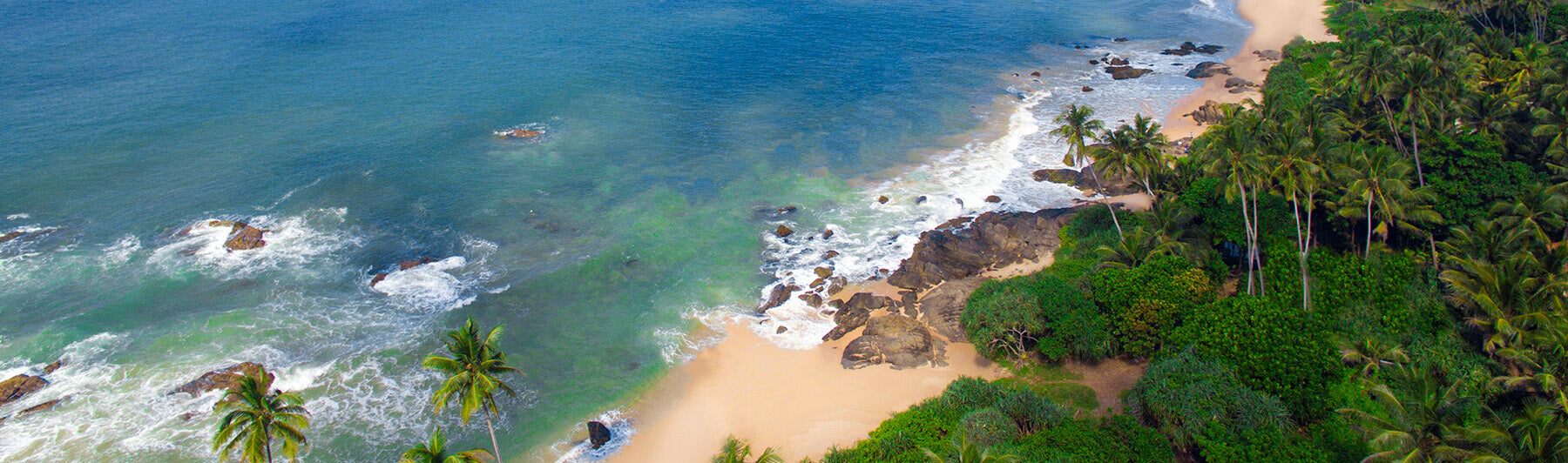
Balapitiya: città costiera dello Sri Lanka con spiagge panoramiche, fiumi costeggiati da mangrovie e opportunità di safari in barca per esplorare la ricca biodiversità.
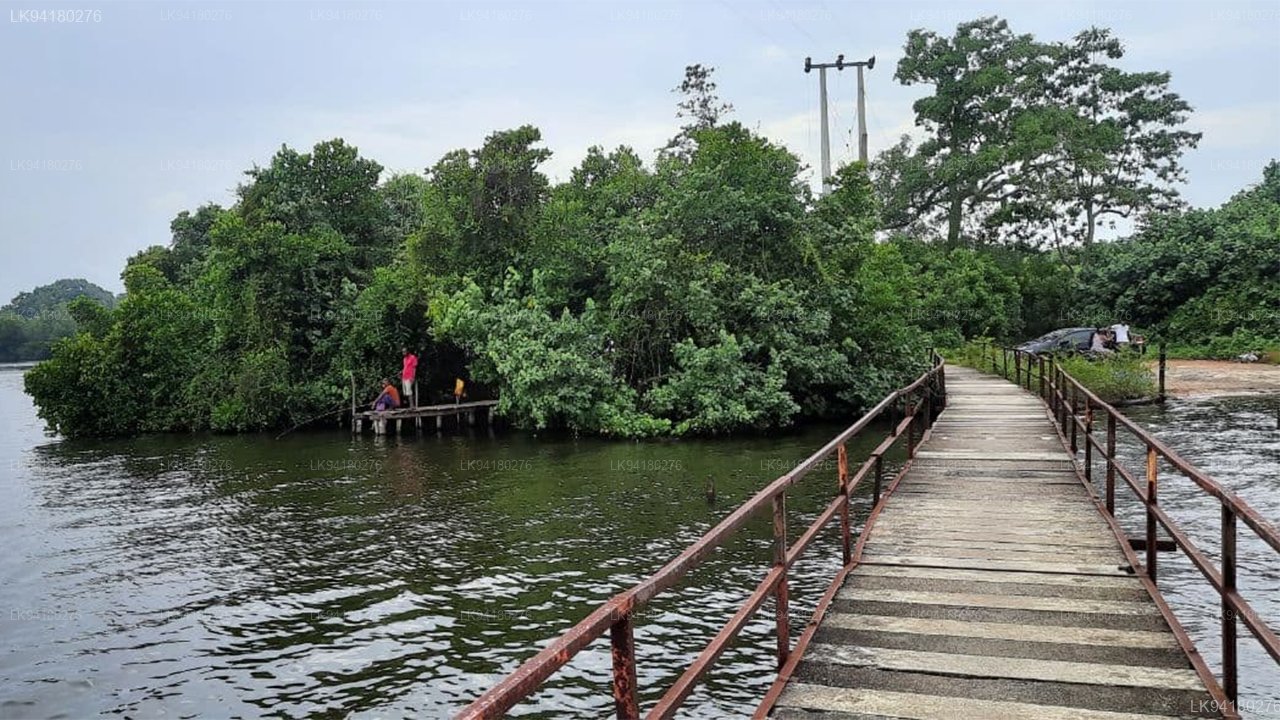
Madhuwa Bridge
Madhuwa Bridge, located in the lush and serene landscape of Sri Lanka, is more than just a means of crossing water; it is a symbol of the country's rich cultural heritage and historical significance. The bridge spans over the Madhuwa River, connecting communities and serving as a vital link for transportation and communication. This bridge is renowned for its unique architectural design, which blends traditional Sri Lankan craftsmanship with modern engineering techniques, creating a structure that is both functional and aesthetically pleasing.
The construction of Madhuwa Bridge was a significant event in the region's history, marking a period of development and modernization. It was built to facilitate the movement of people and goods, thus contributing to the economic growth of the surrounding areas. The bridge has since become an integral part of the local infrastructure, supporting daily commuting, trade, and tourism.
One of the most striking features of Madhuwa Bridge is its harmonious integration with the natural environment. The bridge's design includes elements that reflect the local flora and fauna, creating a seamless blend between the built and natural landscapes. This design philosophy not only enhances the visual appeal of the bridge but also underscores the importance of preserving the region's ecological balance.
Visitors to Madhuwa Bridge can enjoy scenic views of the river and the surrounding greenery. The area is also a popular spot for photography, especially during sunrise and sunset when the bridge is bathed in soft, golden light. Additionally, the bridge serves as a cultural landmark, often featured in local festivals and community events, symbolizing unity and progress.
In summary, Madhuwa Bridge is a significant cultural and historical landmark in Sri Lanka, offering a unique blend of architectural beauty and practical utility. It stands as a testament to the region's rich heritage and ongoing development, making it a must-visit for anyone interested in exploring the cultural landscape of Sri Lanka.
Informazioni sul distretto di Galle
Galle è una città situata sulla punta sud-occidentale dello Sri Lanka, a 119 km da Colombo. Galle è il miglior esempio di città fortificata costruita dagli europei nell'Asia meridionale e sud-orientale, a dimostrazione dell'interazione tra stili architettonici europei e tradizioni dell'Asia meridionale. Il forte di Galle è patrimonio dell'umanità e la più grande fortezza rimasta in Asia costruita dagli occupanti europei.
Galle è il miglior esempio di città fortificata costruita dagli europei nell'Asia meridionale e sud-orientale, a dimostrazione dell'interazione tra stili architettonici europei e tradizioni dell'Asia meridionale. Il forte di Galle è patrimonio dell'umanità e la più grande fortezza ancora esistente in Asia costruita dagli occupanti europei.
Galle is a sizeable town, by Sri Lankan standards, and has a population of 91,000, the majority of whom are of Sinhalese ethnicity. There is also a large Sri Lankan Moor minority, particularly in the fort area, which descend from Arab merchants that settled in the ancient port of Galle.
Informazioni sulla provincia meridionale
La provincia meridionale dello Sri Lanka è una piccola area geografica composta dai distretti di Galle, Matara e Hambantota. L'agricoltura di sussistenza e la pesca sono le principali fonti di reddito per la stragrande maggioranza della popolazione di questa regione.
Tra i luoghi di interesse più importanti della Provincia Meridionale figurano le riserve naturali dei parchi nazionali di Yala e Udawalawe, la città sacra di Kataragama e le antiche città di Tissamaharama, Kirinda e Galle. (Sebbene Galle sia una città antica, non è sopravvissuto quasi nulla di prima dell'invasione portoghese). Durante il periodo portoghese, due famosi poeti singalesi, Andare, originario di Dickwella, e Gajaman Nona, originario di Denipitiya, nel distretto di Matara, componevano poesie dedicate all'uomo comune.