Stupa di Kiri Vehera

Kiri Vehera Stupa Kiri Vehera Stupa Kiri Vehera Stupa

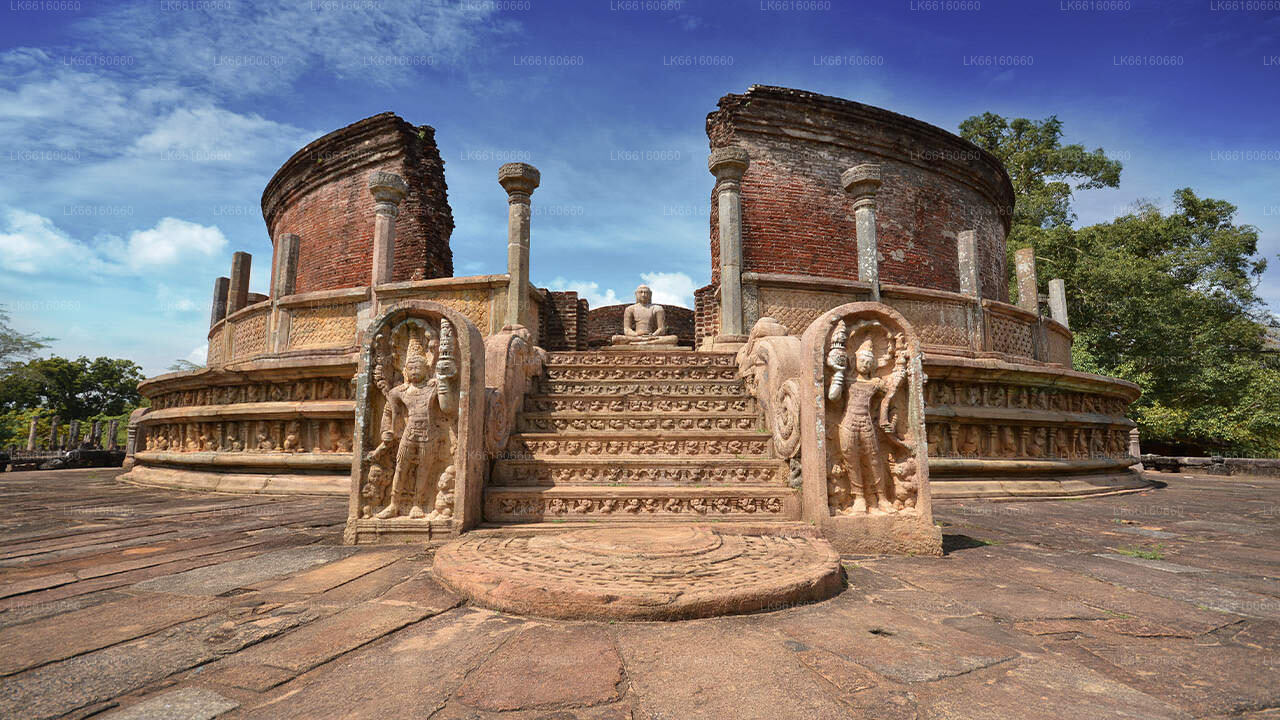
La Stupa di Kiri Vehera è un antico monumento buddhista situato nella città storica di Polonnaruwa, in Sri Lanka. Questa sacra stupa è stata costruita durante il regno del re Parakramabahu I nel XII secolo ed è uno dei siti religiosi più importanti e meglio conservati della regione. Il nome "Kiri Vehera" si traduce come "Stupa del latte", riflettendo il suo aspetto bianco e la sua importanza nel patrimonio buddhista dello Sri Lanka.

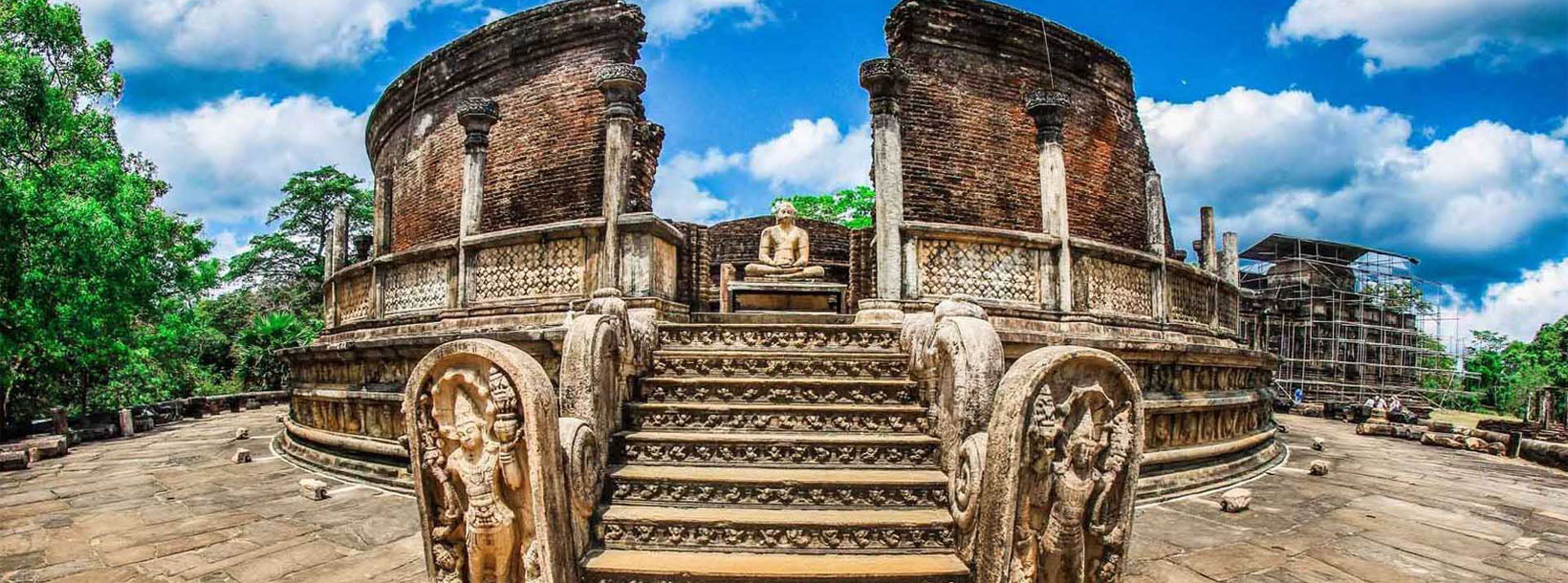
La stupa è famosa per la sua grande struttura a cupola, circondata da bellissime colonne di pietra scolpite e antiche rovine. Si ritiene che contenga le reliquie di Buddha, rendendola un importante sito di pellegrinaggio per i buddhisti. L'ambiente circostante, con la sua vegetazione lussureggiante e l'atmosfera tranquilla, aggiunge al significato spirituale del luogo, offrendo ai visitatori un posto di pace e riflessione.

I visitatori della Stupa di Kiri Vehera possono esplorare i resti archeologici del sito, tra cui iscrizioni in pietra, piccoli santuari e antichi complessi monastici. Il tranquillo ambiente della stupa, situato nel triangolo culturale dello Sri Lanka, la rende una meta popolare sia per i turisti che per i pellegrini, offrendo uno spunto sulla ricca storia buddhista dell'isola.

Il periodo migliore per visitare la Stupa di Kiri Vehera è durante la stagione secca, da dicembre ad aprile, quando il clima è ideale per fare sightseeing ed esplorare le rovine di Polonnaruwa. Il sito è facilmente accessibile dalla città, offrendo un'esperienza significativa per coloro che sono interessati all'antica architettura buddhista e alla storia dello Sri Lanka.

Kiri Vehera Stupa Kiri Vehera Stupa Kiri Vehera Stupa

About Polonnaruwa District

Polonnaruwa is the 2nd largest city in north central province in Sri Lanka. The ancient city of Polonnaruwa has been declared a World Heritage site by UNESCO Polonnaruwa has a great history of conquest and struggle behind it and rightfully forms the third element in the Cultural Triangle. Located about 140 kms north east from Kandy,Polonnaruwa offers hours of endless pleasure for history and culture lovers, as there are numerous sights of significance.

Much of the physical ruins standing today are credited to King Parakrama Bahu I who spent many royal resources on town planning, including parks, edifices, irrigation systems and so on. The period of his rule is considered a golden age where the kingdom thrived and prospered under a visionary ruler. The Parakrama Samudra is a mammoth tank and named after its patron. The popular kings Royal Palace, the Audience Hall encircled by beautifully carved stone elephants and the Bathing Pool reflect the superior engineering capabilities of the time.

About North Central Province

North Central Province which is the largest province in the country covered 16% of total country's land area. North Central Province consist two districts called Polonnaruwa and Anuradhapure. Anuradhapura is the largest district in Sri Lanka. Its area is 7,128 km².

North Central Province has numerous potentials for Investors to start their Businesses, especially Agriculture, agro based industries and Livestock sectors. More than 65% of North Central Province's people depend on basic Agriculture and agro base industries. NCP also called "Wew Bendi Rajje" because there are more than 3,000 medium and large scale tanks situated in the province. Sri maha bodiya, Ruwanweli seya, Thuparama dageba, Abayagiri Monastry, Polonnaruwa Rankot wehera, Lankathilake are scared