Hatton City
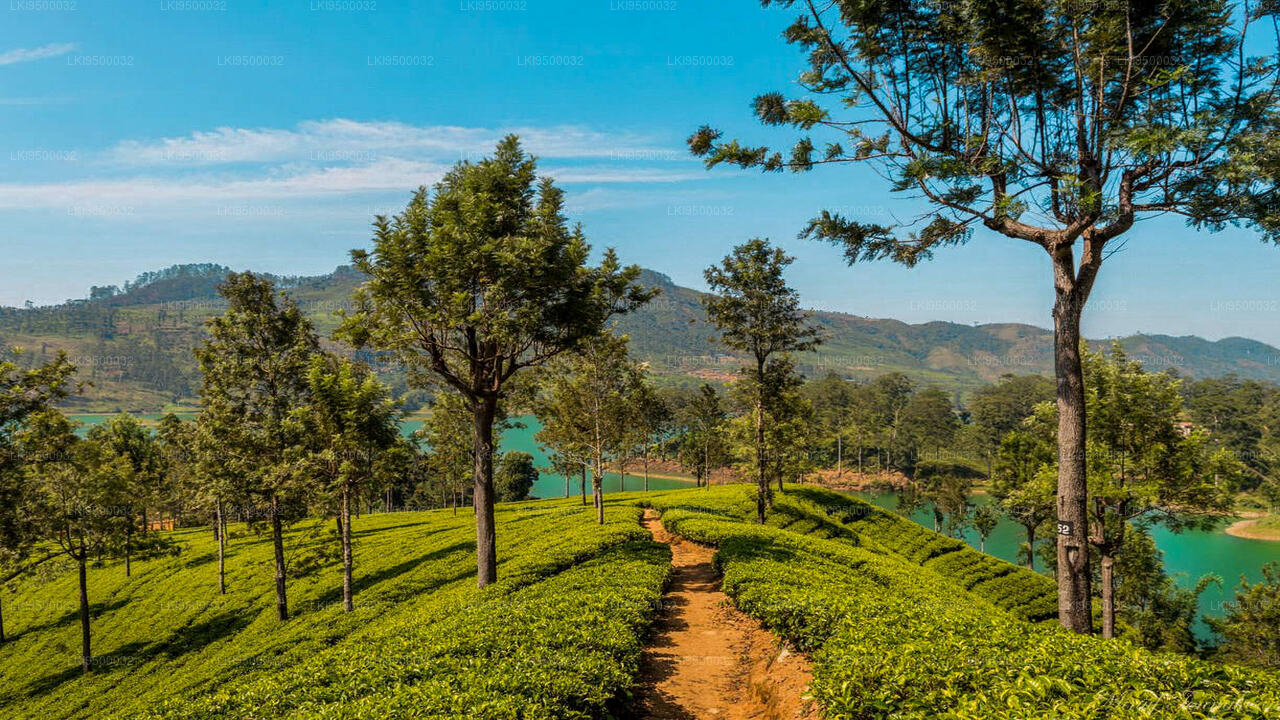
Hatton è, in una parola, verde. Quasi ogni pendio disponibile è illuminato da cespugli di tè potati così ordinatamente che, da lontano, le colline sembrano ricoperte da un tappeto di pelo spesso. Offrendo un fresco sollievo dal caldo delle pianure, le mattine sono solitamente avvolte da una foschia che si dissipa lentamente rivelando la curiosa mole piramidale dell'Adam's Peak a sud-ovest.
Dunkeld Estate
Dunkeld Estate is a picturesque tea estate located in the heart of Sri Lanka's tea country, near the town of Hatton. Known for its breathtaking landscapes and rich tea-producing heritage, Dunkeld Estate offers a unique glimpse into the world of Ceylon tea, from cultivation to cup. The estate is part of a region that has been synonymous with tea production since the British colonial era, when tea plants first replaced the coffee plantations that were devastated by disease.
The estate encompasses a vast area of rolling hills and lush tea gardens, where visitors can witness the traditional methods of tea plucking and processing that have been refined over decades. Dunkeld Estate is home to one of the most scenic and historically significant tea factories in Sri Lanka. Built in the early 20th century, the factory has been modernized over the years but still retains much of its original charm and machinery, offering tours that showcase the intricate process of tea production.
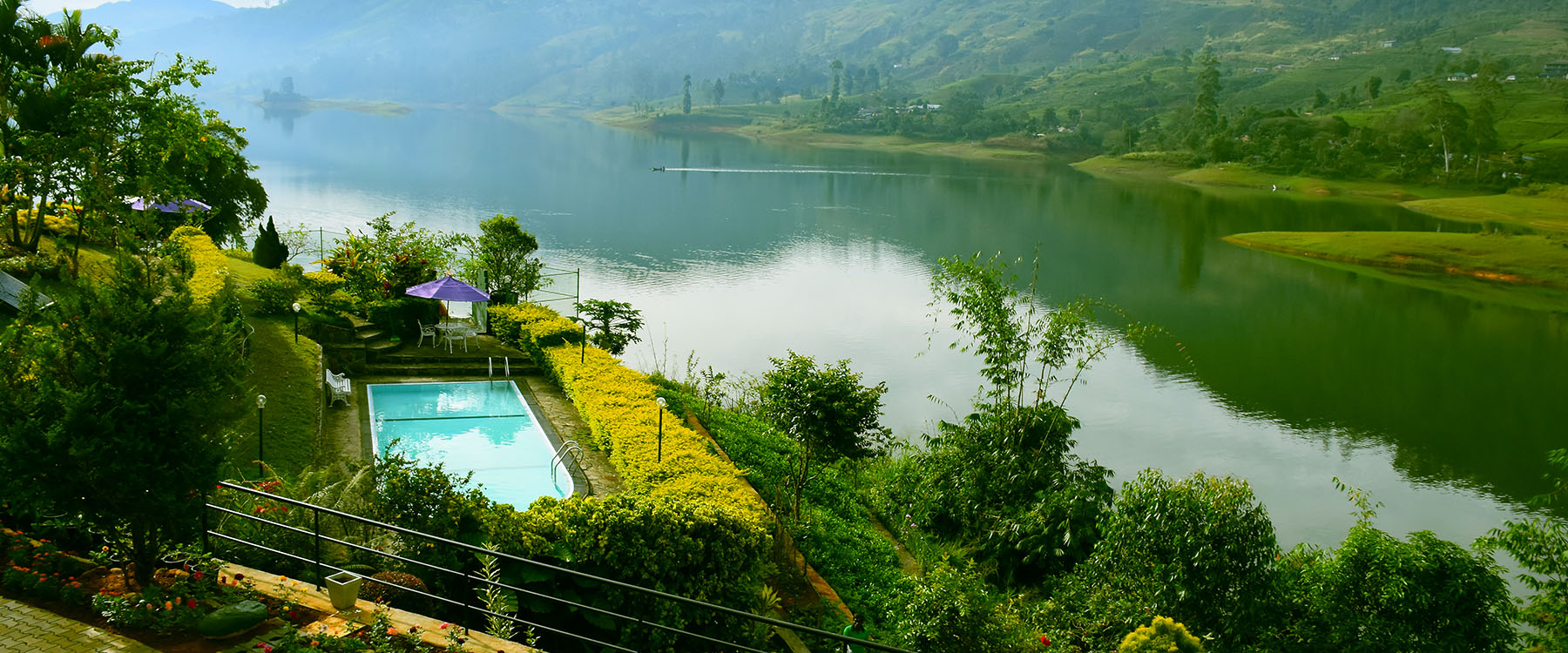
One of the highlights of visiting Dunkeld Estate is the opportunity to stay at the luxurious bungalow located on the property. This bungalow provides panoramic views of the Castlereigh Reservoir and the surrounding tea country, offering guests an immersive experience in the tranquil beauty of the highlands. Visitors can enjoy guided walks through the tea fields, participate in tea tasting sessions, and learn about the sustainable practices that the estate employs to preserve the natural environment and support the local community.
Dunkeld Estate not only stands as a testament to Sri Lanka's colonial past and its legacy as a world-class tea producer but also as a destination for those seeking a serene escape into nature and a deeper understanding of tea culture. The estate's commitment to conservation and community involvement makes it a model for responsible tourism in Sri Lanka's tea region.
Riguardo al distretto di Nuwara Eliya
Nuwara Eliya è una città della provincia centrale dello Sri Lanka. Si trova a un'altitudine di 1.868 m (6.128 piedi) nelle alte terre centrali ed è considerata una delle località più importanti per la produzione di tè nello Sri Lanka. La città è dominata dal Pidurutalagala, la montagna più alta dello Sri Lanka. A causa dell'elevata altitudine, Nuwara Eliya ha un clima molto più fresco rispetto alle zone più basse dello Sri Lanka, con una temperatura media annuale di 16 °C. Tuttavia, la temperatura può variare e talvolta scendere a 3°C. Nei mesi invernali, fa piuttosto freddo di notte e può anche verificarsi il gelo. Tuttavia, la temperatura aumenta rapidamente quando il sole tropicale sale durante il giorno.
Riguardo alla provincia centrale
La provincia centrale dello Sri Lanka è principalmente montuosa. La provincia ha una superficie di 5.674 km² e una popolazione di 2.421.148 abitanti. Alcune delle principali città includono Kandy, Gampola (24.730), Nuwara Eliya e Bandarawela. La popolazione è composta da una miscela di singalesi, tamil e moor.
Sia la capitale montana di Kandy che la città di Nuwara Eliya si trovano nella provincia centrale, insieme a Sri Pada. La provincia produce gran parte del famoso tè di Ceylon, piantato dai britannici negli anni '60 del 1800 dopo che una malattia devastante aveva distrutto tutte le piantagioni di caffè della regione. La provincia centrale attira molti turisti, con città montane come Kandy, Gampola, Hatton e Nuwara Eliya. Il Tempio del Dente o Dalada Maligawa è il principale luogo sacro della provincia centrale.
Il clima è fresco, e molte aree oltre i 1500 metri hanno notti fredde. Le pendici occidentali sono molto umide, con alcune aree che ricevono quasi 7.000 mm di pioggia all'anno. Le pendici orientali sono parte della zona semi-arida, in quanto ricevono pioggia solo dal monsone nord-est. Le temperature variano da 24°C a Kandy a soli 16°C a Nuwara Eliya, che si trova a 1.889 m sul livello del mare. Le montagne più alte dello Sri Lanka si trovano nella provincia centrale. Il terreno è principalmente montuoso, con valli profonde che lo attraversano. Le due principali aree montuose sono il massiccio centrale e la catena montuosa dei Knuckles a est di Kandy.