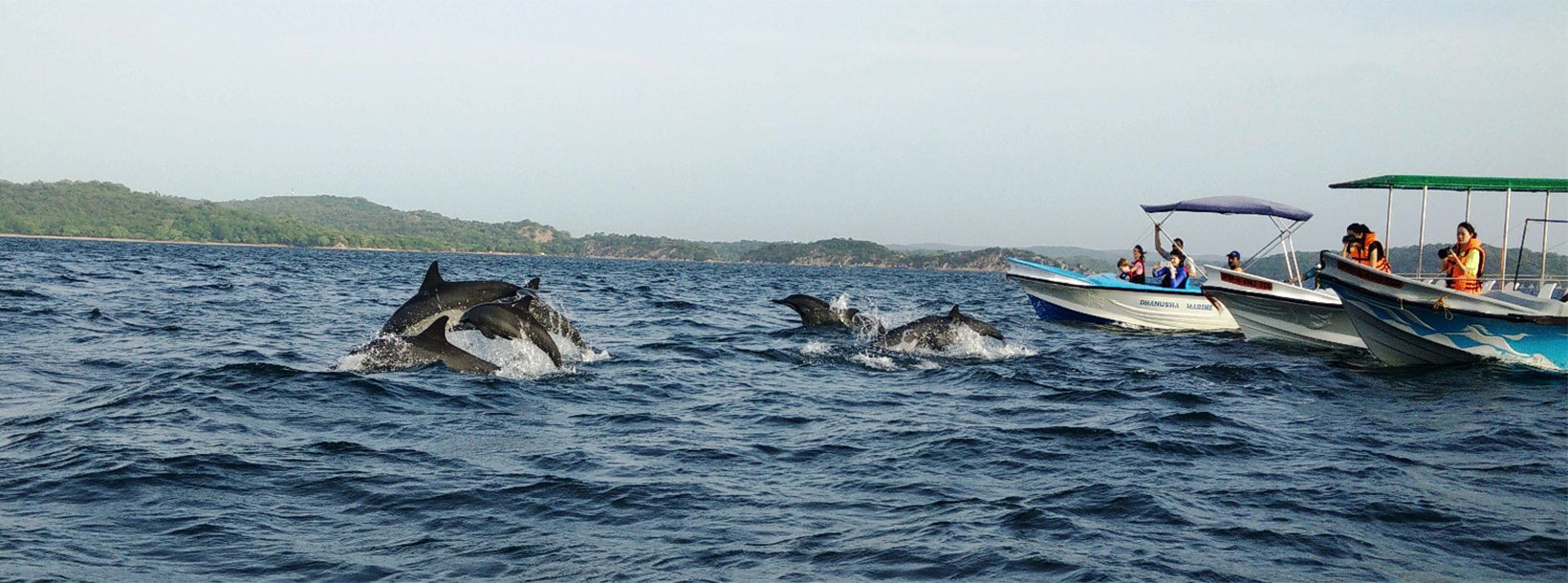
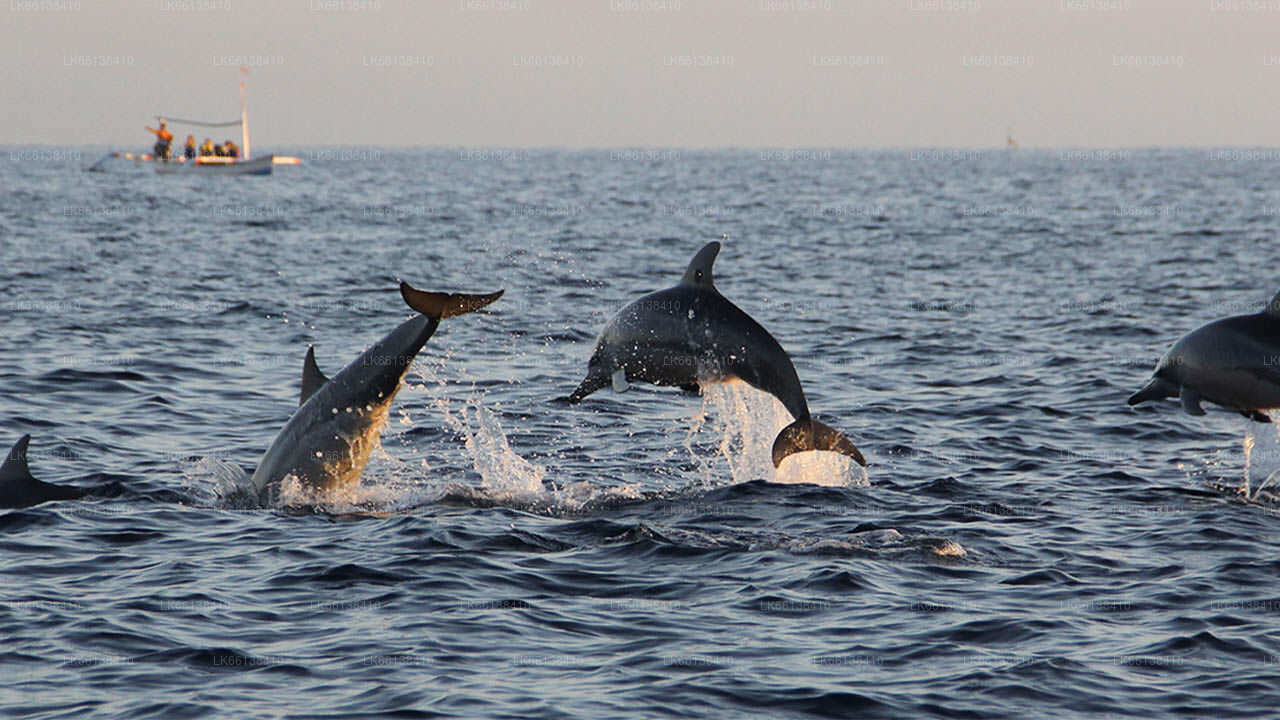
Sri Lanka sits at the intersection of two of the Indian Ocean's most productive marine corridors, which is why its coastal waters support an exceptional range of cetaceans year-round. Spinner dolphins are by far the most frequently encountered, but common dolphins, bottlenose dolphins, and Risso's dolphins are also regularly spotted, often alongside blue whales and sperm whales sharing the same waters. Whether you join a boat tour from the northwest, east, or south coast, a dolphin encounter in Sri Lanka tends to be a reliable highlight rather than a lucky bonus.
Where are the best places to watch dolphins in Sri Lanka?
Three locations stand out for consistent dolphin sightings, each offering a distinct experience depending on your itinerary and travel style.
- Kalpitiya (Northwest Coast): A wide, sheltered lagoon opening into deep ocean channels makes Kalpitiya one of the most reliable dolphin-watching destinations on the island. Spinner dolphins are seen here in pods that can number in the hundreds, particularly from November to April when the northwest coast is calm. The proximity of the offshore sandbanks also makes combined snorkelling itineraries practical.
- Trincomalee (East Coast): The natural deep-water harbour at Trincomalee channels warm upwellings that attract both dolphins and large whales within eight nautical miles of shore — roughly 30 minutes by boat. This is the preferred base between April and September, when the east coast benefits from settled seas. Spinner dolphins are common throughout, and encounters with sperm whales and blue whales are a genuine possibility during peak months.
- Tangalle and the South Coast: The southern waters between Mirissa and Tangalle are well-established for whale watching and also produce regular dolphin sightings, especially on morning departures between November and April. Spinner and common dolphins are frequently seen riding the bow wave of slower whale-watch vessels.
For visitors on the west coast, day cruises departing from Colombo reach spinner dolphin grounds in the open ocean, though these trips are longer and subject to seasonal sea conditions.
When is the best time to watch dolphins in Sri Lanka?
Because Sri Lanka has two coastlines governed by opposing monsoon patterns, it is possible to watch dolphins in some part of the island during most months of the year.
| Location | Best Season | Notes |
|---|---|---|
| Kalpitiya | November – April | Coincides with peak whale shark season; seas are generally calm |
| Trincomalee | April – September | Peak season roughly May – July; blue and sperm whales also present |
| South Coast (Tangalle, Mirissa) | November – April | Early morning departures strongly recommended for calmer conditions |
| Colombo offshore | November – April | Longer sea crossing; suitable for those without coastal overnight stays |
Outside these windows, rough seas driven by the southwest or northeast monsoon make boat trips inadvisable. Local operators are the best judge of daily sea conditions, and a reputable guide will postpone a trip rather than risk passenger safety.
What dolphin species can I expect to see?
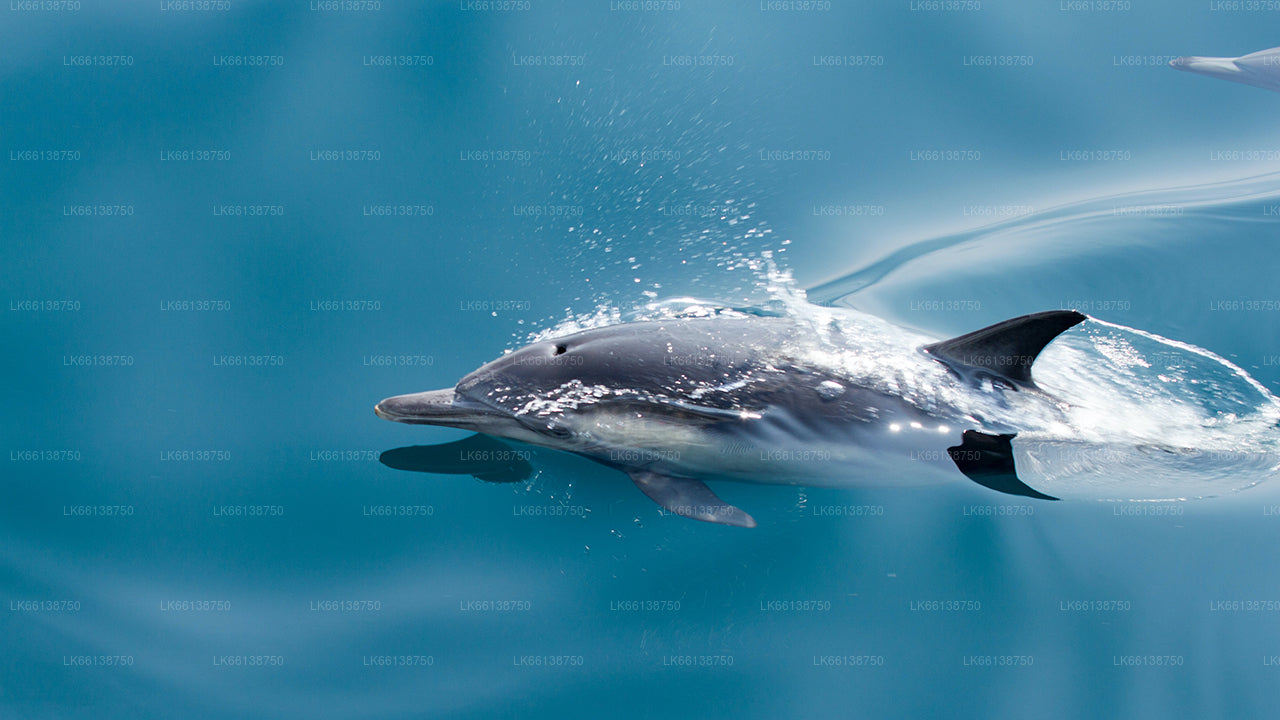
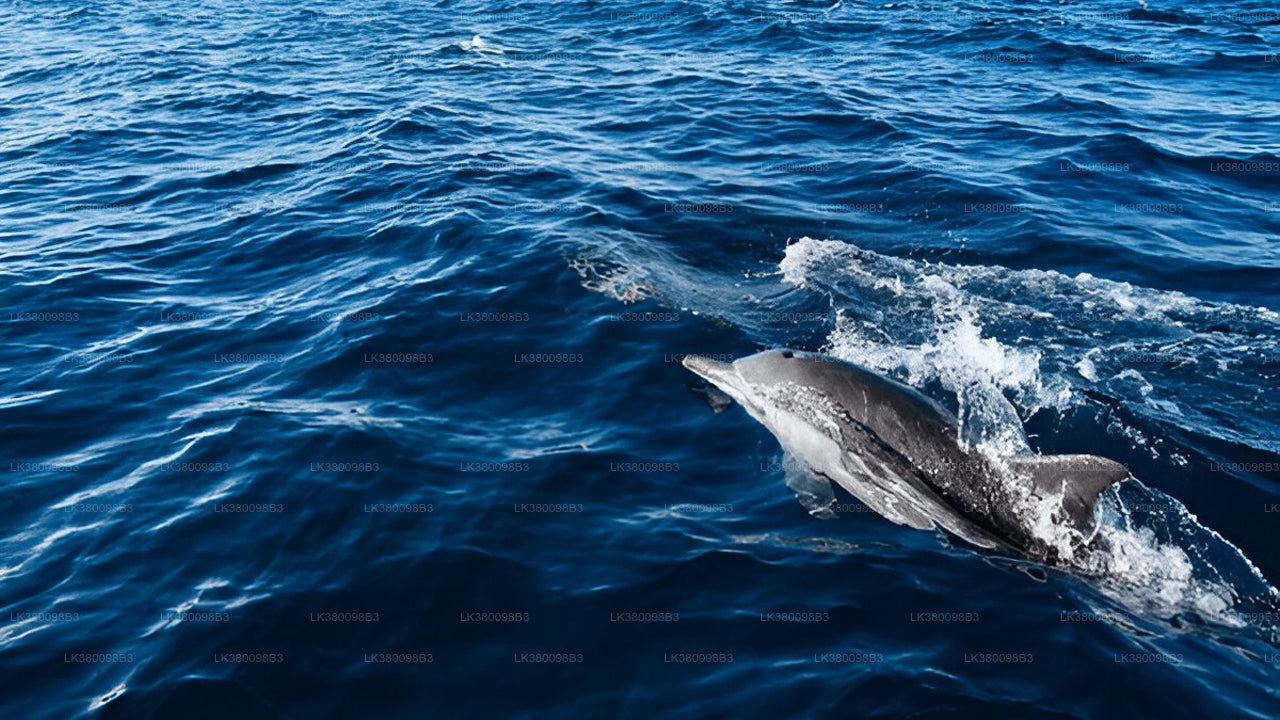
Spinner dolphins (Stenella longirostris) are the signature species and named for their acrobatic leaping displays. They typically gather in large, fast-moving pods and are active feeders in the early morning. Common dolphins and bottlenose dolphins are seen regularly along the south and east coasts, while Risso's dolphins — recognisable by their blunt heads and scarred grey skin — appear occasionally in deeper offshore waters. Striped dolphins are periodically reported in Trincomalee's outer channels. On longer or luckier trips, false killer whales and pilot whales round out an impressive cetacean checklist.
Can I watch dolphins from land in Sri Lanka?
Swami Rock, the dramatic headland at the northern edge of Trincomalee town, provides an elevated vantage point over the open ocean. During the April–July peak, patient observers have spotted whale flukes and dolphin pods from the cliff edge — no boat required. The viewpoint is accessible on foot and is worth visiting regardless of whether a marine sighting materialises, given its sweeping panorama of the bay.
Along the northwest coast near Kalpitiya, the narrow Bar Reef area can sometimes produce sightings from elevated positions on the beach, though boat access gives a substantially better chance. Sri Lanka's Pigeon Island marine sanctuary off Nilaveli, near Trincomalee, is another location where snorkellers frequently share the water with dolphins in calm conditions.
How do I get to the main dolphin-watching departure points?
Getting to the coast from Colombo or the central highlands is straightforward, though distances are significant.
- To Kalpitiya: Approximately 120 km north of Colombo via Puttalam. Allow around three hours by private vehicle. The town itself is small; accommodation is limited to a cluster of beach lodges on the peninsula.
- To Trincomalee: Around 260 km northeast of Colombo. The drive takes roughly five to six hours; alternatively, trains run from Colombo Fort to Trincomalee with a change at Gal Oya, though the journey is long. Many visitors base themselves in Trincomalee for two or three nights to make the most of both marine activities and the town's historic forts and temples.
- To Tangalle: About 190 km south of Colombo along the Southern Expressway and coastal road. The journey takes roughly three to four hours by private transfer, making it feasible as part of a south-coast circuit.
For multi-day itineraries combining wildlife and marine experiences, pairing a Trincomalee dolphin trip with a visit to Wilpattu National Park to the northwest makes geographical sense, as both destinations lie on the same northern circuit.
What should I bring on a dolphin-watching boat trip?
- Polarised sunglasses to reduce glare and spot fins breaking the surface
- Reef-safe sunscreen — standard sunscreen is harmful to marine ecosystems
- A light windproof layer, even in warm months; sea breezes can be deceptively cool
- A waterproof bag for cameras and phones
- Sea-sickness tablets if you are prone to motion sensitivity — open-ocean swells can be lively
- Water and snacks for longer offshore trips
Most organised boat tours last between two and four hours for dolphin-focused excursions. Combined tours that add snorkelling or fishing extend the time at sea, so factor that in when planning around young children or those who are new to open-water boating.
Are dolphin-watching tours in Sri Lanka responsibly operated?
The quality of boat operations varies considerably. Look for operators who maintain a respectful distance from pods, avoid surrounding or chasing dolphins, limit engine revving near animals, and cap group sizes. Responsible operators will move away from a pod if it shows signs of stress — erratic direction changes, tight group formation, or submerging without surfacing. Lakpura works with vetted marine operators who follow guidelines aligned with international cetacean welfare standards. If you observe unsafe practices during a trip — such as boats cutting across a pod or passengers leaning overboard to touch animals — note the vessel registration and report to the Sri Lanka Coast Guard or the Department of Wildlife Conservation.
Dolphin watching sits naturally alongside other coastal wildlife activities. Sri Lanka's deep sea fishing grounds overlap with cetacean habitat, and responsible combined tours that include fishing, snorkelling, and dolphin watching have become popular along the east coast.