Beddagana Wetland Park


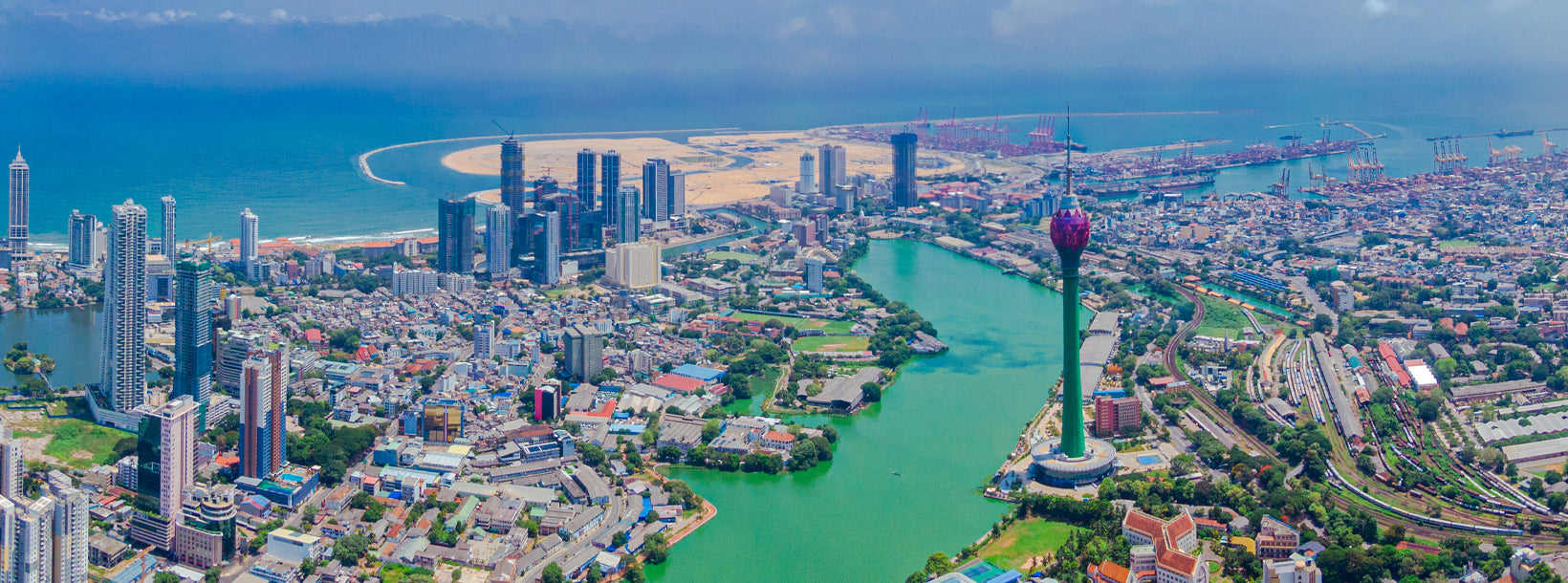
Directly outside the main part of the Greater Colombo City, lie the suburbs of Rajagiriya and Ethul Kotte. The area was once the location of the Kotte Kingdom, centuries ago, and remains the seat of power with the country’s Parliament being located in the area.
Ethul Kotte in specific, was the heart of the Kotte Kingdom and held a fort, homes of ministers and, a moat. The names of the roads in the area, such as Rampart Road and Colombotantri (Colombo Regime) Mawatha, still bear the footprints of their long history. The fort appears to have been protected by Diyawanna Lake at the back, while a moat fed from the lake protected the other sides. With the passing of centuries, there was water seepage and a major portion of the water drained back into the lake. The water that remained turned the surrounding land into a sludgy marshland, unfit for inhabitation by humans. It also became a part of the flood plains of Diyawanna lake.
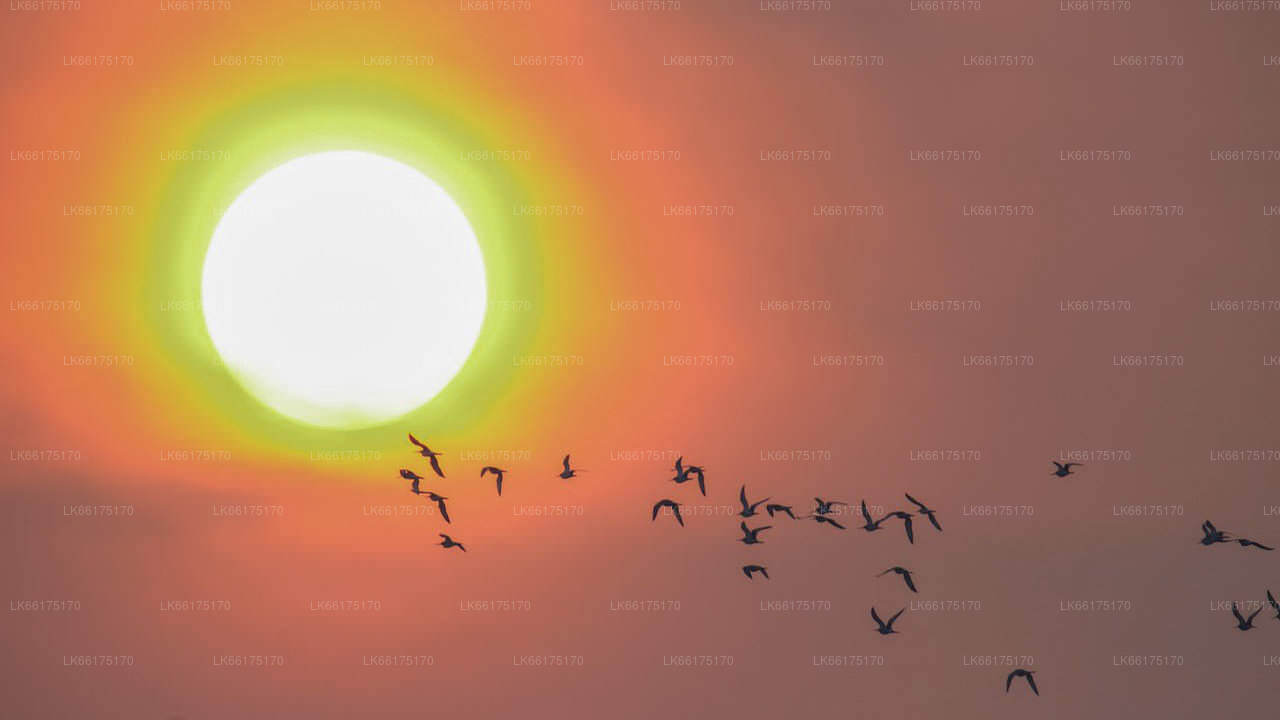
The marsh remained undisturbed for many centuries, becoming overgrown with mangroves and wetland plants. It became the location of a rich and flourishing ecosystem as many birds and animals made their home amongst the wilderness. Untouched by humans and unseen from prying eyes, the marshland became a haven for rare local and migratory birds, and a large number of insect life. Seeds brought in by the birds also gave rise to many beautiful and rare flowering plants, causing a number of butterfly species to visit the area.
In 1985, the Sri Lankan Department of Wildlife Conservation took into consideration the biodiversity in the area and declared the 18 hectare area a Wildlife Sanctuary. Then in 2013, the Metro Colombo Urban Development Project (MCUDP) redesigned the area as a wetland park where people could enjoy nature and have some healthy recreation. It was opened in 2016. Today the park also serves to protect the flora and fauna in the area, while helping control the flooding that occurs from any overflows from the Diyawanna Lake. It is visited by locals and foreigners alike and is famous for birdwatching and butterfly watching.
Visiting
is located in the Beddagana area of Ethul Kotte, close to back end of Rampart Road. The main entrance can be reached by turning at the Beddagana turn-off while traveling down Kotte Road, and then turning onto the lane on the left (one lane after the lane with the Beddagana Bo Tree) that leads to the wetland park. The park itself has a spacious carpark available at the corner, right after your read it. So you can park your vehicles there easily. You will need to do a lot of walking. So keep your jogging shoes and glass water bottles ready. Plastic bottles and containers are not allowed in the park. You will have to leave them outside at the ticket counter. If you bring any snacks, please do not leave any wrappers or plastic within the park. Don’t forget to bring your binoculars and cameras though. Keep the flash and shutter sound