Anuradhapura

Anuradhapura è una città nel Anuradhapura District della North Central Province dello Sri Lanka. Questa città sacra fu fondata attorno a un ramo dell’“albero dell’illuminazione”, il fico sotto cui il Buddha raggiunse l’illuminazione. Il ramo fu portato qui nel III secolo a.C. da Sanghamitta, fondatrice dell’ordine delle monache buddhiste. Anuradhapura fu capitale politica e religiosa singalese per 1300 anni, ma venne abbandonata dopo un’invasione nel 993. Rimasta nascosta nella giungla per molti anni, oggi il sito affascinante con palazzi, monasteri e monumenti è nuovamente accessibile.

Oggi Anuradhapura è una delle città più sacre per i buddhisti di tutto il mondo ed è ricca di antiche dagoba, monasteri, palazzi, bacini idrici artificiali e parchi reali. Grazie alle sue rovine dell’antica civiltà singalese, l’UNESCO l’ha dichiarata world heritage site nel 1982 con il nome di “Città Sacra di Anuradhapura”.

Il Buddhismo ad Anuradhapura

Anuradhapura fu un importante centro intellettuale del primo Buddhismo Theravāda e dimora di filosofi buddhisti di grande rilievo, tra cui Buddhaghosa. Durante il regno di Dhatusena (455–473) fu redatto il canone buddhista Theravāda; inoltre vennero costruiti 18 nuovi vihara (complessi templari) e fu eretta una statua per Mahinda, il principe-monaco indiano che introdusse il Buddhismo nell’isola. Nel tardo periodo di Anuradhapura, la famiglia reale e la nobiltà sostennero fortemente il Buddhismo, finanziando opere d’arte che venivano donate ai templi. In cambio, i templi e la comunità buddhista locale sostenevano l’autorità del re.

Luoghi speciali di Anuradhapura:

Sri Maha Bodhi: Questo sacro albero di fico ad Anuradhapura si ritiene discenda dal Bodhi originale sotto cui il Buddha raggiunse l’illuminazione. Simbolo di illuminazione, è un importante luogo di pellegrinaggio.

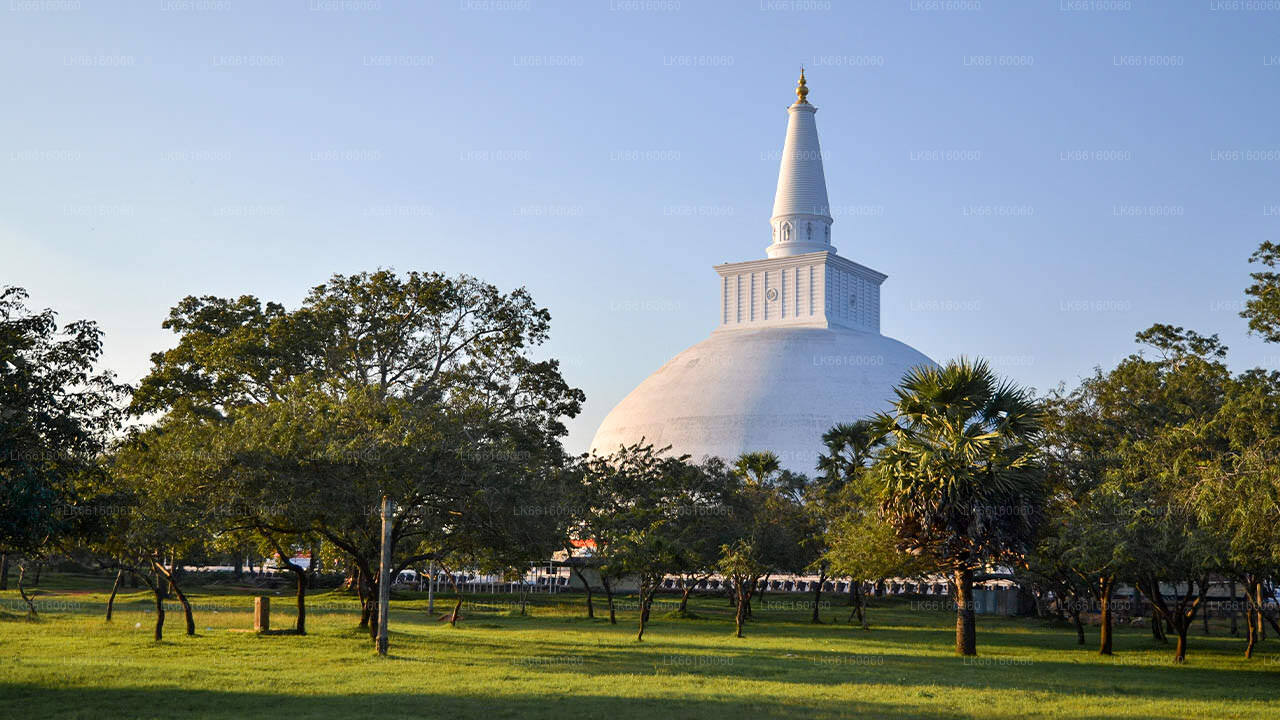
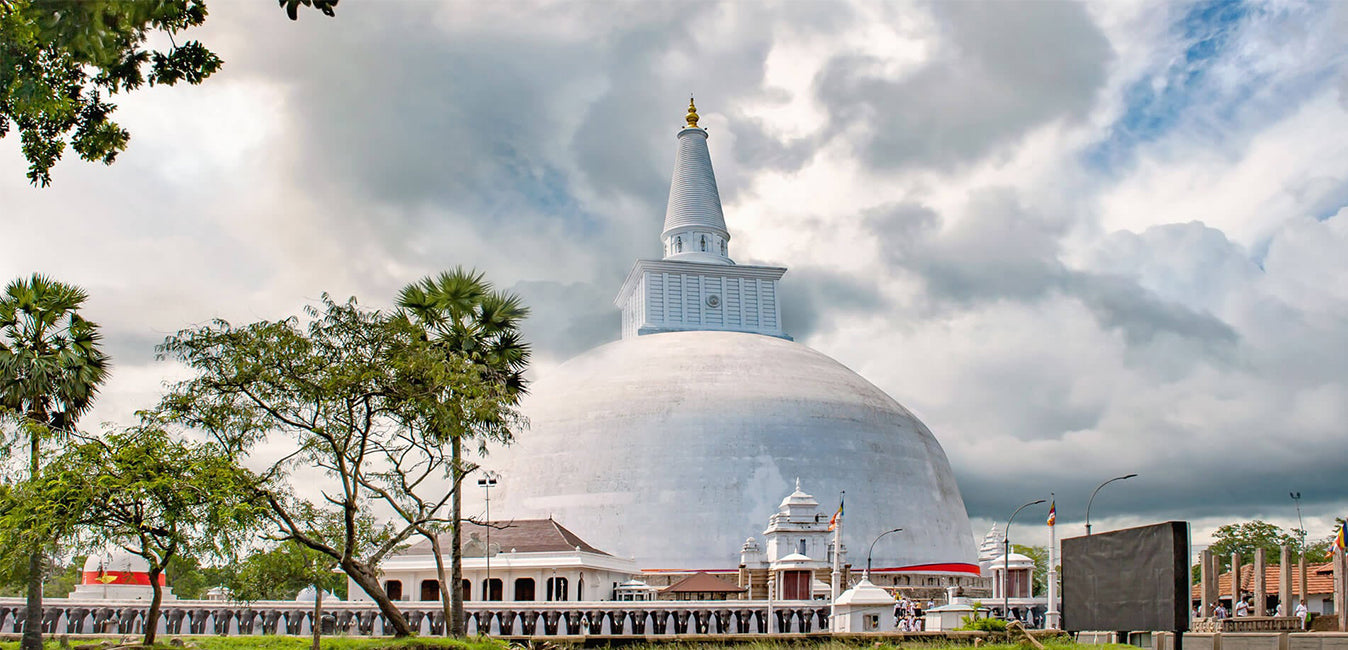
Ruwanweli Seya: Conosciuto anche come il Grande Stupa, è uno dei più grandi stupa dello Sri Lanka. Custodisce reliquie del Buddha ed è un sito fondamentale per il culto buddhista.

Thuparamaya: Considerato lo stupa più antico dello Sri Lanka, conserva una reliquia del Buddha. Presenta elementi architettonici unici ed è un importante sito storico per devoti e studiosi.

Lovamahapaya: Conosciuto come il Palazzo di Bronzo, è un sito archeologico significativo ad Anuradhapura. Serviva come complesso monastico e mostra l’imponente architettura antica.

Abhayagiri Dagaba: Questo grande stupa faceva parte del Monastero di Abhayagiri. Ebbe un ruolo fondamentale nella diffusione del Buddhismo in Sri Lanka ed è noto per le sue dimensioni e il valore storico.

Jetavanaramaya: Un tempo una delle strutture più alte del mondo antico, questo stupa contiene reliquie del Buddha. È un notevole capolavoro ingegneristico e un importante luogo di pellegrinaggio.

Mirisaweti Stupa: Questo stupa è legato alla leggenda del re Dutugemunu. Simboleggia l’unificazione dello Sri Lanka ed è un luogo significativo per la venerazione e la meditazione.

Lankarama: Questo stupa circolare di Anuradhapura presenta un’architettura unica ed è parte dell’antico complesso monastico. È un luogo tranquillo per la meditazione e di grande importanza storica.

  • Jaya Sri Maha Bodhi is a sacred bo tree in the Mahamewna Gardens, Anuradhapura, Sri Lanka. It is the southern branch from the historical Sri Maha Bodhi at Buddha Gaya in India under which Buddha attained Enlightenment. It was planted in 288 BC, and is the oldest living human-planted tree in the world with a known planting date.

    Sri Maha Bodhiya 
  • The Ruwanweli Maha Seya, also known as the Mahathupa (the Great Thupa) is a stupa (a hemispherical structure containing relics) in Anuradhapura, Sri Lanka. Two quarts or one Dona of the Buddha's relics are enshrined in the stupa, making it the largest collection of his relics anywhere. It was built by Sinhalese King Dutugemunu in c. 140 B.C., who became king of Sri Lanka after a war in which the Chola King Elāra (Ellalan) was defeated.

    Ruwanweliseya 
  • Thuparamaya is the first Buddhist temple that was constructed, after the arrival of mahinda thero(mahindagamanaya) in Sri Lanka. Located in the sacred area of Mahamewna park, the Thuparamaya Stupa is the earliest Dagoba to be constructed in the island, dating back to the reign of King Devanampiya Tissa (247-207 BC). The temple has been formally recognised by the Government as an archaeological site in Sri Lanka.

    Thuparamaya 
  • Lovamahapaya is a building situated between Ruwanweliseya and Sri Mahabodiya in the ancient city of Anuradhapura, Sri Lanka. It is also known as the Brazen Palace or Lohaprasadaya because the roof was covered with bronze tiles. In ancient times, the building included the refectory and the uposathagara (Uposatha house).

    Lovamahapaya 
  • Abhayagiri Vihāra was a major monastery site of Mahayana, Theravada and Vajrayana Buddhism that was situated in Anuradhapura, Sri Lanka. It is one of the most extensive ruins in the world and one of the most sacred Buddhist pilgrimage cities in the nation.

    Abhayagiri Stupa 
  • The Jetavanarama stupa or Jetavanaramaya is a stupa, or Buddhist reliquary monument, located in the ruins of Jetavana monastery in the UNESCO world heritage city of Anuradhapura, Sri Lanka. At 122 metres (400 ft), it was the world's tallest stupa, and the third tallest structure in the world when it was built by King Mahasena of Anuradhapura (273–301).

    Jetavanaramaya 
  • The Mirisaweti Stupa is a memorial building, a stupa, situated in the ancient city of Anuradhapura, Sri Lanka. King Dutugamunu (161 BC to 137 BC) built the Mirisaveti Stupa after defeating King Elara. After placing the Buddha relics in the sceptre, he had gone to Tissa Wewa for a bath leaving the sceptre.

    Mirisawetiya Stupa 
  • Lankarama is a stupa built by King Valagamba, in an ancient place at Galhebakada in the ancient kingdom of Anuradhapura, Sri Lanka. Nothing is known about the ancient form of the stupa, and later this was renovated. The ruins show that there are rows of stone pillars and it is no doubt that there has been a house built encircling the stupa (vatadage) to cover it.

    Lankarama 
  • Isurumuniya is a Buddhist temple situated near to the Tissa Wewa (Tisa tank) in Anuradhapura, Sri Lanka. There are four carvings of special interest in this Vihara. They are the Isurumuniya Lovers, Elephant Pond and The Royal Family. The ancient Meghagiri Vihara or Meygiri Vihara is presently identified as the Isurumuni Vihara.

    Isurumuniya 

Anuradhapura District

Anuradhapura is belongs to the North Central Province in to Sri Lanka. Anuradhapura is one of the ancient capitals of Sri Lanka, famous for its well-preserved ruins of ancient Lankan civilization. The city, now a UNESCO World Heritage Site, lies 205 km north of the current capital Colombo in Sri Lanka.

In the sacred city of Anuradhapura and in the vicinity are a large number of ruins. The ruins consist of three classes of buildings, dagobas, monastic buildings, and pokuna (ponds). The city had some of the most complex irrigation systems of the ancient world, situated in the dry zone of the country the administration built many tanks to irrigate the land. Most of the civilians are Sinhala, while Tamils and Sri Lankan Moors live in the district.

North Central Province

North Central Province which is the largest province in the country covered 16% of total country's land area. North Central Province consist two districts called Polonnaruwa and Anuradhapure. Anuradhapura is the largest district in Sri Lanka. Its area is 7,128 km².

North Central Province has numerous potentials for Investors to start their Businesses, especially Agriculture, agro based industries and Livestock sectors. More than 65% of North Central Province's people depend on basic Agriculture and agro base industries. NCP also called "Wew Bendi Rajje" because there are more than 3,000 medium and large scale tanks situated in the province. Sri maha bodiya, Ruwanweli seya, Thuparama dageba, Abayagiri Monastry, Polonnaruwa Rankot wehera, Lankathilake are Sacred
landmarks.