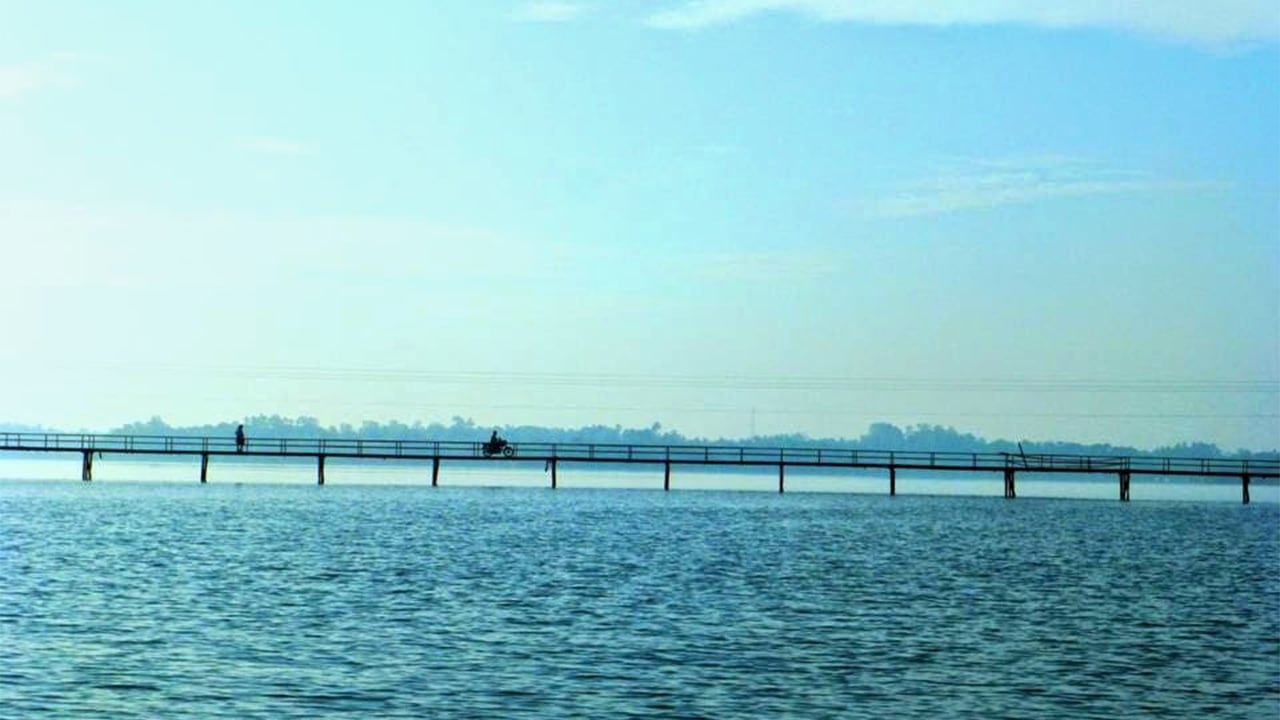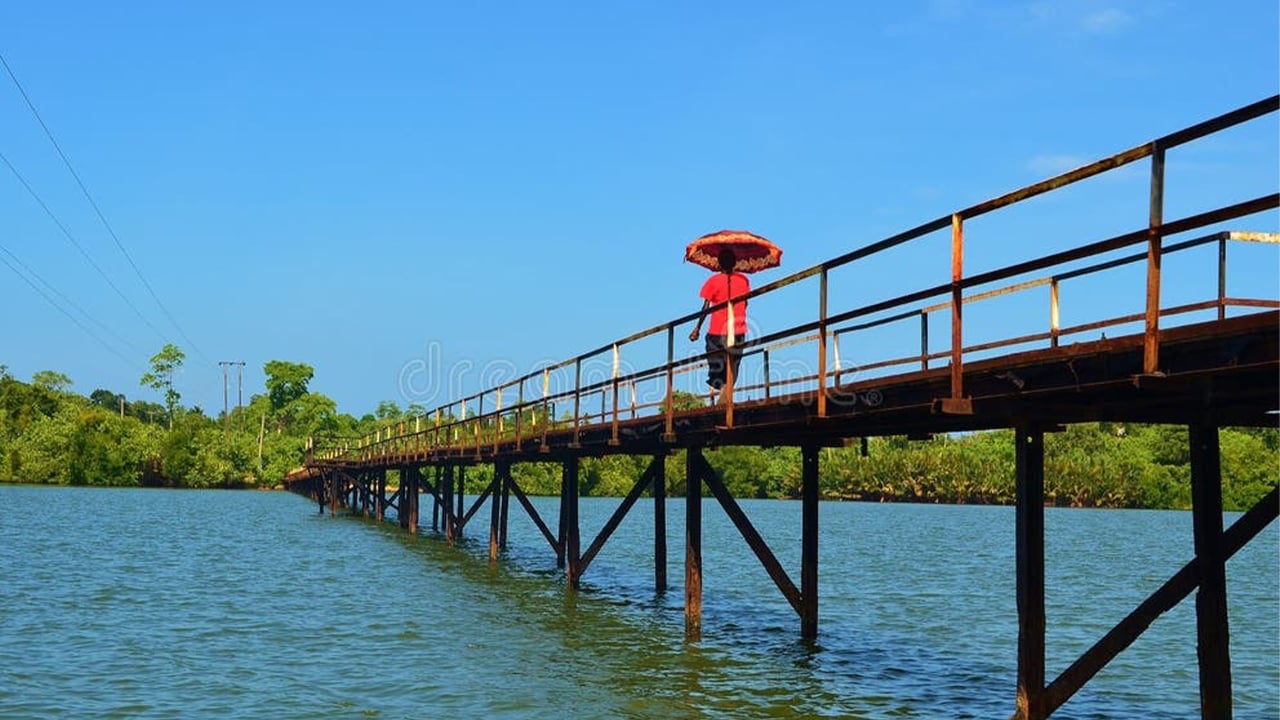
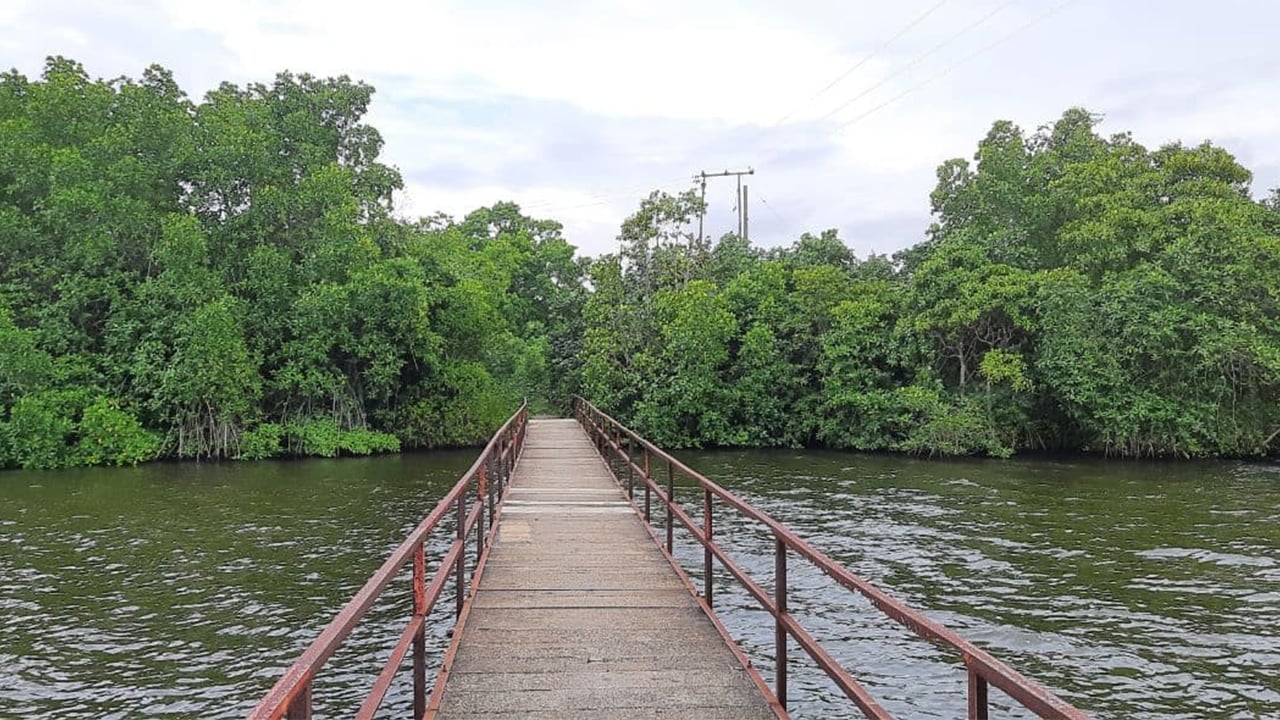
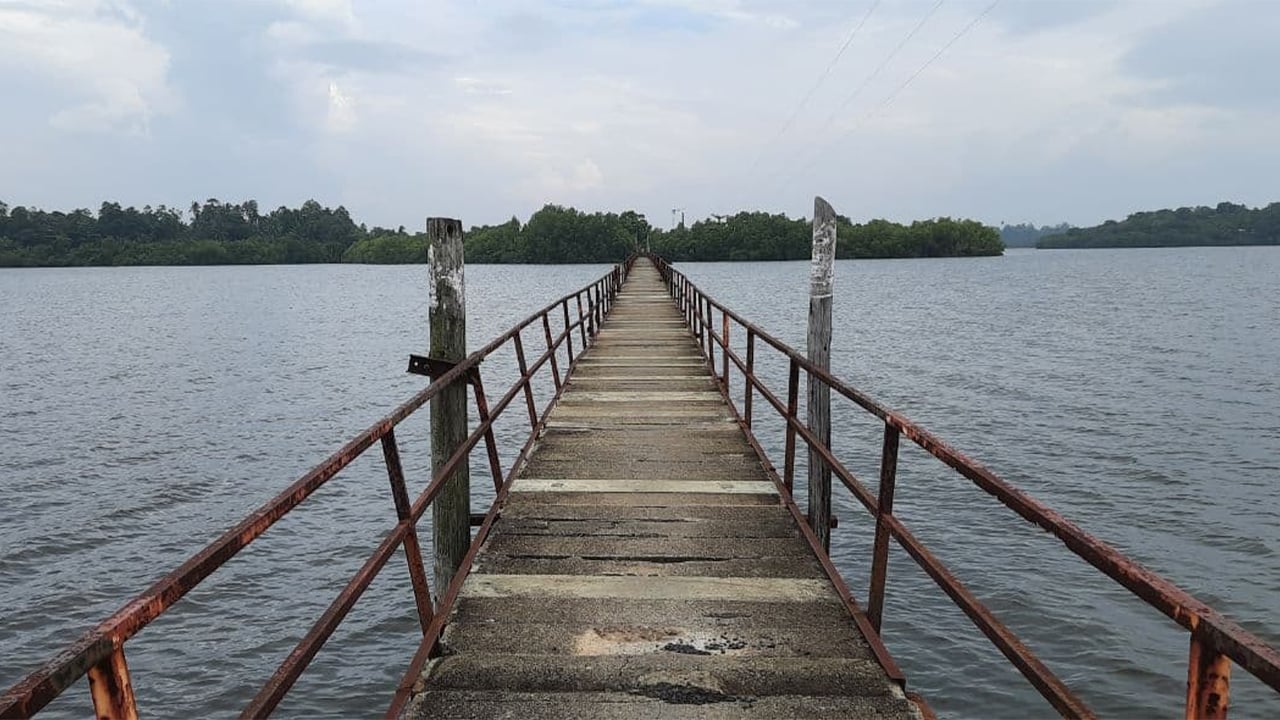

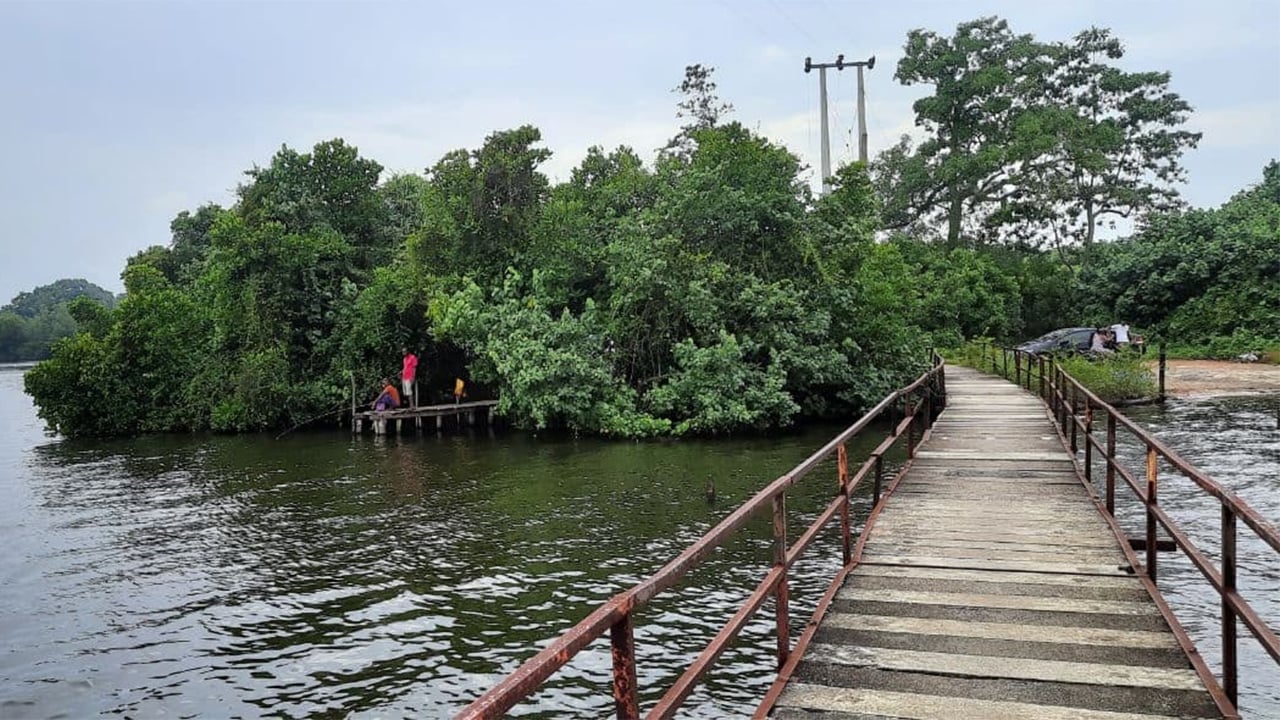
Madhuwa Bridge is a quietly rewarding stop along the Madu Ganga waterway in Sri Lanka's Southern Province. Sitting where the river narrows between stands of mangrove and coconut palm, the bridge connects small communities that have depended on this stretch of water for generations. Unlike the country's grand colonial monuments or ancient ruins, Madhuwa Bridge earns its place on the traveller's itinerary through atmosphere rather than spectacle — a place where everyday Sri Lankan life plays out against an exceptionally photogenic backdrop.
What is the significance of Madhuwa Bridge?
The bridge spans a channel of the Madu Ganga, a UNESCO-listed wetland that shelters one of Sri Lanka's most intact mangrove ecosystems. For the communities on either bank, the crossing has long been a practical necessity — carrying schoolchildren, traders, and fishing families across water that would otherwise require a lengthy detour. Over time, that practical function has layered into something richer: the bridge has become a reference point for local identity, appearing in festivals and community gatherings as a symbol of connection between the villages it links.
The structure itself reflects a considered approach to its setting. Rather than imposing industrial concrete onto a fragile riverine environment, its design draws on proportions and materials that sit compatibly with the surrounding landscape. This sensitivity to place is not accidental — the Madu Ganga wetland system is ecologically protected, and any infrastructure within it must respect that status.
What can visitors see and do at Madhuwa Bridge?
Most visitors arrive as part of a broader exploration of the Madu Ganga waterway. The river and its network of channels are best experienced by boat, and a Madu River Safari will typically pass close to the bridge, offering views from the water that are quite different from the perspective on foot. From a boat, the bridge frames a corridor of mangrove canopy and open sky that photographers find particularly rewarding in the early morning or late afternoon.
On the bridge itself, and on the banks nearby, it is common to see local fishermen at work. The Madu Ganga supports a variety of freshwater and brackish-water species, and watching the fishing activity gives an honest window into community life that more heavily touristed sites rarely provide. Crocodiles also inhabit this waterway — spotting one basking on a mudflat near the bridge is not unusual, particularly in the quieter morning hours. If wildlife observation interests you, the dedicated crocodile watching experiences on the Madu Ganga are worth arranging in advance.
The immediate surroundings reward a slow walk. The vegetation along the banks includes mature coconut palms alongside mangrove species adapted to the brackish water where the river meets tidal influence. Birdlife is active throughout the day, with kingfishers, egrets, and cormorants among the more reliably spotted species.
When is the best time to visit Madhuwa Bridge?
The Southern Province experiences two monsoon periods, and timing matters. The southwest monsoon, which runs roughly from May to August, brings heavy rainfall to this coastal fringe, making river levels rise and boat access occasionally difficult. The period from November through April — particularly December to March — offers the driest and most settled weather, with calm river conditions ideal for both boat excursions and photography on the bridge.
Within any given day, sunrise and the hour before sunset produce the most attractive light. The bridge faces a roughly east-west orientation across the channel, meaning morning light falls cleanly on the water surface and afternoon light catches the far bank. Midday visits are perfectly feasible but offer harsher contrasts and greater heat.
How do I get to Madhuwa Bridge from Colombo or Galle?
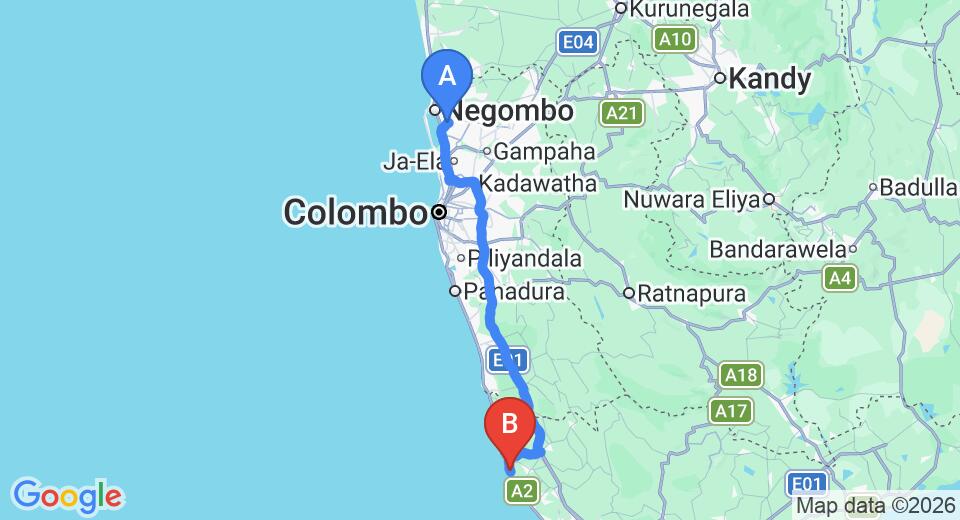
Madhuwa Bridge sits in the Balapitiya area of Galle District, within easy reach of the coastal highway that connects Colombo and Galle. From Colombo, the drive along the Southern Expressway to Dodanduwa or along the coastal A2 road takes roughly two to two-and-a-half hours depending on traffic. From Galle, the journey north along the coast is considerably shorter — typically under an hour. Balapitiya town is the practical staging point for accessing the Madu Ganga waterway and the bridge.
There is no direct public transport that deposits visitors at the bridge itself. The most straightforward approach is to arrange a private driver or join an organised river excursion from Balapitiya jetty, from which boatmen operate scheduled and private tours of the waterway. If you are staying along the southwestern coast between Hikkaduwa and Ambalangoda, the bridge is accessible as a half-day excursion without the need for an overnight stay.
What else is near Madhuwa Bridge?
The Madu Ganga wetland as a whole offers considerably more than the bridge alone. The waterway contains around sixty small islands, several of which have Buddhist shrines or small communities, and the mangrove corridors between them shelter biodiversity that rewards patient observation. Boat tours from Balapitiya commonly visit a cinnamon processing demonstration and a fish therapy pool in addition to the bridge and mangrove channels.
Further along the coast, the Kosgoda Sea Turtle Conservation Project operates a hatchery where visitors can observe sea turtle eggs and, during the right season, hatchling releases. This pairs well with a Madu Ganga visit as a full-day itinerary for travellers based on the southwestern coast.
Inland from the river, the terrain rises gently toward the foothills that eventually lead to the Sinharaja Forest Reserve, Sri Lanka's largest remaining lowland rainforest block and a UNESCO World Heritage Site. Sinharaja requires a dedicated visit rather than a quick detour, but travellers with more than a day in the area will find it an exceptional complement to the coastal and riverine landscapes near Madhuwa Bridge.
Is Madhuwa Bridge suitable for families and independent travellers?
The site imposes no particular physical demands. The bridge crossing and the riverside banks are accessible on foot without specialised equipment, and the boat excursions on the Madu Ganga are conducted on stable, low-sided vessels suitable for children and older travellers alike. There are no entry fees for the bridge itself, though boat hire is charged by operators at the jetty and rates are typically negotiated directly with the boatmen or through an organised tour. Independent travellers comfortable with basic navigation will find the area easy to explore; those who prefer structure will benefit from a guided river excursion that contextualises the ecology and history of the wetland.