

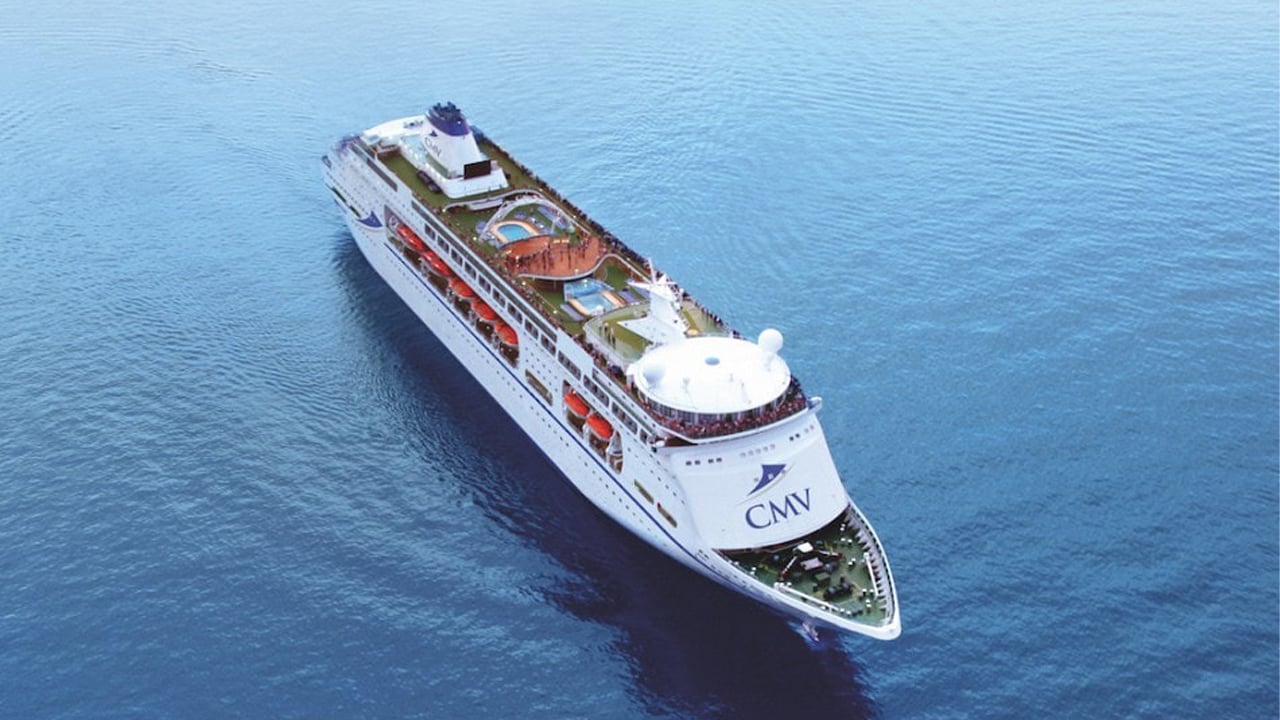
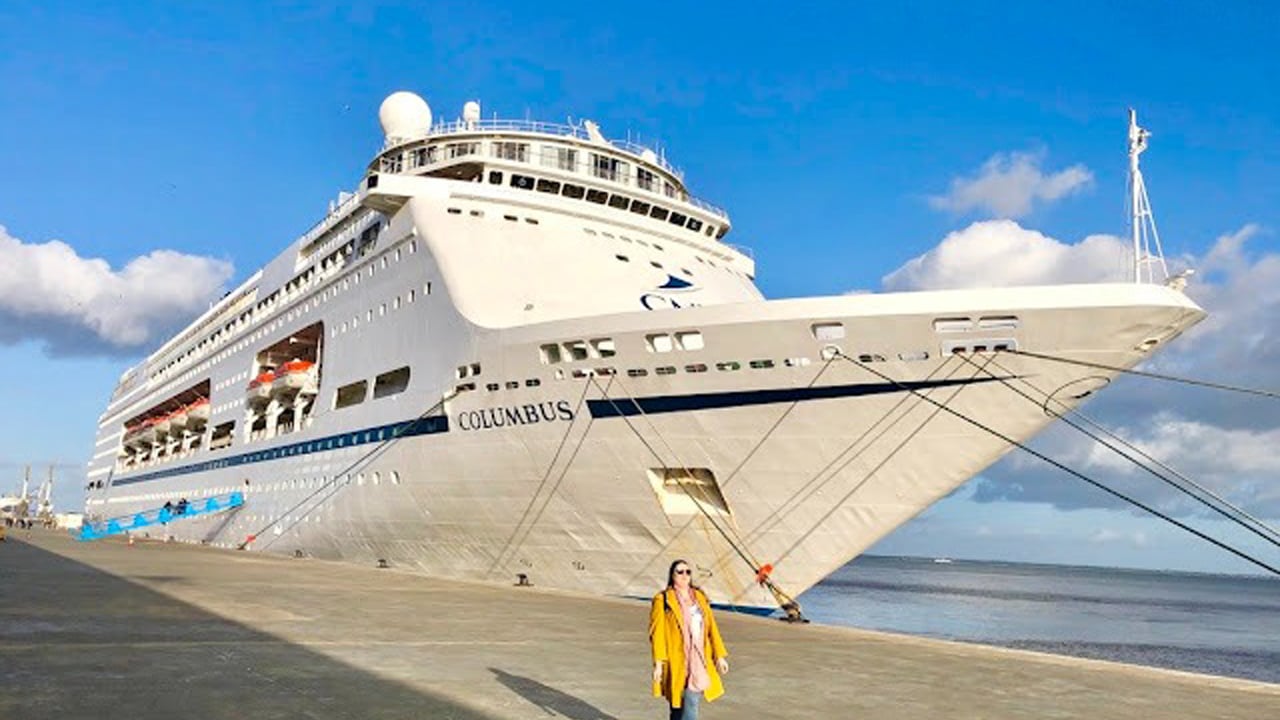


Columbus was a mid-sized ocean liner that carved out a loyal following during its years under Cruise & Maritime Voyages (CMV), offering a style of travel that felt deliberately unhurried — closer to a grand voyage than a floating resort. For travellers who valued tradition, personal service, and a sense of genuine maritime adventure, Columbus delivered something the modern mega-ship rarely can.
What was the history of the Columbus cruise ship?
The vessel was originally launched in 1989 and passed through several operators and names before joining the CMV fleet in 2017. CMV repositioned her as a flagship for classic British cruising, appealing to travellers who remembered — or had always imagined — the golden age of ocean travel. With capacity for around 1,400 guests, Columbus sat comfortably between an intimate boutique ship and a sprawling resort vessel, striking a balance that many repeat passengers found ideal.
Cruise & Maritime Voyages ceased operations in July 2020, a casualty of the global disruption to the travel industry. Columbus did not return to service under CMV, bringing a widely appreciated chapter of British cruising to a close.
What was life onboard Columbus like?
The interior design leaned into retro maritime charm rather than chasing contemporary trends. A three-deck central atrium served as the social heart of the ship, flanked by elegant lounges, a dedicated library, and spaces designed for quiet conversation as much as organised activity. Multiple dining venues catered to different moods, from formal sit-down dinners to casual daytime meals.
Entertainment leaned traditional: ballroom dancing, cabaret performances, arts and crafts workshops, and guest lectures were mainstays of the daily programme. The spa and gym offered the expected modern conveniences, but the ship's character was shaped more by its lounges and deck promenades than by its facilities list.
One practical detail that distinguished Columbus from many peers was its generous allocation of solo cabins. Independent travellers — particularly those in the mature market who cruised alone — could book without paying a punishing single supplement, making Columbus genuinely accessible to solo voyagers in a way that few ships of its size managed.
Where did Columbus sail?
Columbus operated primarily from UK ports, with London Tilbury serving as its main homeport. This made embarkation straightforward for British passengers, removing the need for a pre-cruise flight. Itineraries were wide-ranging and seasonal:
- Summer sailings focused on Northern Europe — Norway's fjords, the Baltic capitals, Iceland, and the Scottish islands.
- Winter and spring voyages ventured south to the Canary Islands, the Iberian Peninsula, and occasionally further afield into the Atlantic.
- Longer expedition-style itineraries were also offered, reflecting CMV's broader ambition to position Columbus as a genuine world traveller rather than a short-break ferry.
The pace of these itineraries matched the onboard atmosphere: port calls were generous in length, shore excursions were cultural rather than frantic, and sea days were treated as genuine rest rather than dead time.
Who was the typical Columbus passenger?
CMV marketed Columbus primarily to the British mature travel market — experienced travellers who had cruised before and had firm opinions about what they valued. The atmosphere onboard was sociable but relaxed, with dress codes that leaned smart-casual rather than black-tie heavy. Passengers tended to return voyage after voyage, creating a community feel that distinguished Columbus from ships with higher passenger turnover.
Solo travellers were particularly well represented, drawn by the dedicated cabin inventory and an onboard culture that made travelling alone feel entirely normal rather than exceptional.
How did Columbus compare to modern cruise ships?
Columbus was not trying to compete with the amenity arms race of contemporary mega-ships. There were no surf simulators, no go-kart tracks, no sprawling waterpark decks. What the ship offered instead was proportion — spaces that felt human-scaled, service that felt attentive rather than transactional, and an overall atmosphere that prioritised the voyage itself over the onboard spectacle.
| Feature | Columbus (CMV) | Typical Modern Mega-Ship |
|---|---|---|
| Passenger capacity | Around 1,400 | 3,000–6,000+ |
| Solo cabin allocation | High — a notable selling point | Limited or none |
| Entertainment style | Traditional — dancing, cabaret, lectures | Large-scale production shows, theme parks |
| Homeport | London Tilbury (UK departure) | Typically fly-cruise from major airports |
| Target market | Mature British travellers, solo voyagers | Families, multi-generational groups |
What is the legacy of Columbus and CMV?
Cruise & Maritime Voyages occupied a specific and valued niche in the British cruise market — serving travellers who wanted classic ocean voyaging without the scale or cost of the major international lines. Columbus was the most visible symbol of that positioning. Its loss, alongside CMV's broader closure, left a gap that several smaller operators have since attempted to fill, though nothing has replicated the combination of homeport convenience, traditional atmosphere, and solo-friendly pricing that defined the CMV product.
For those who sailed on Columbus, the experience is remembered less for any single amenity and more for the quality of time aboard — the rhythm of sea days, the camaraderie of shared dining rooms, and the particular satisfaction of watching a European port recede from the stern deck.
For travellers drawn to maritime experiences closer to Sri Lanka, deep sea fishing charters offer a different but equally immersive relationship with the ocean, departing from the island's southern and western coasts.

