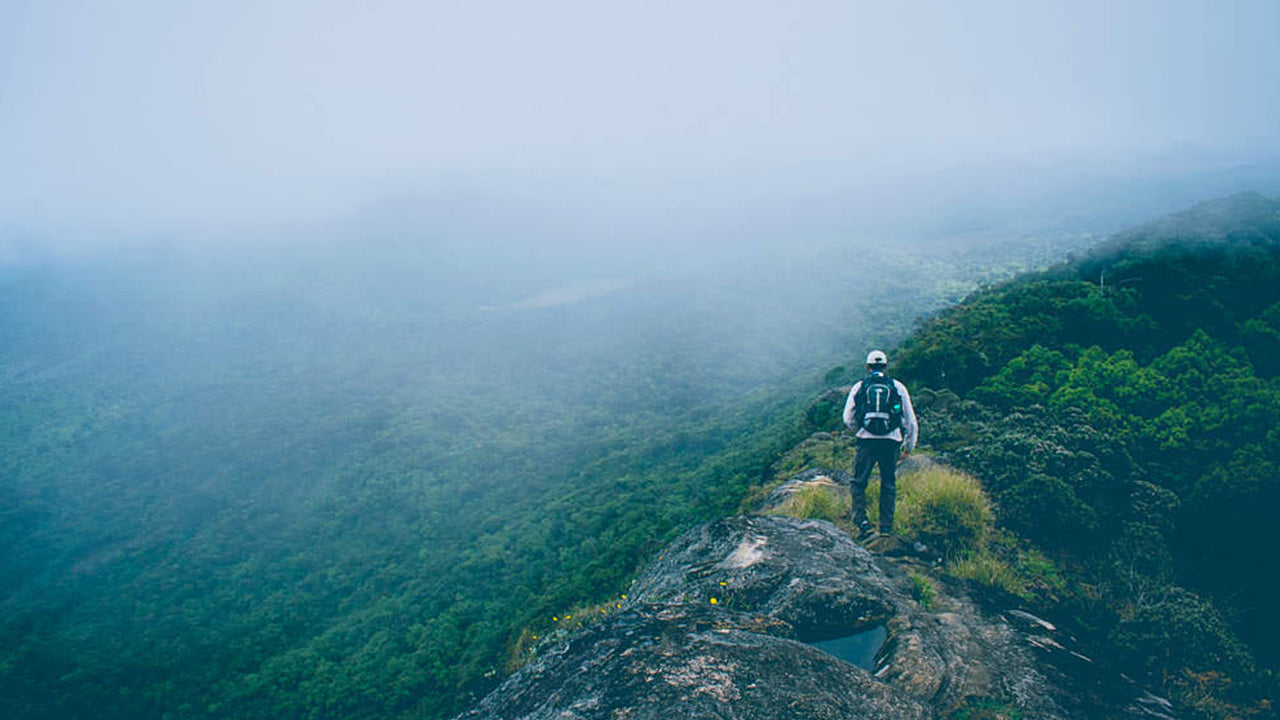
Bambarakanda Peak

Location:

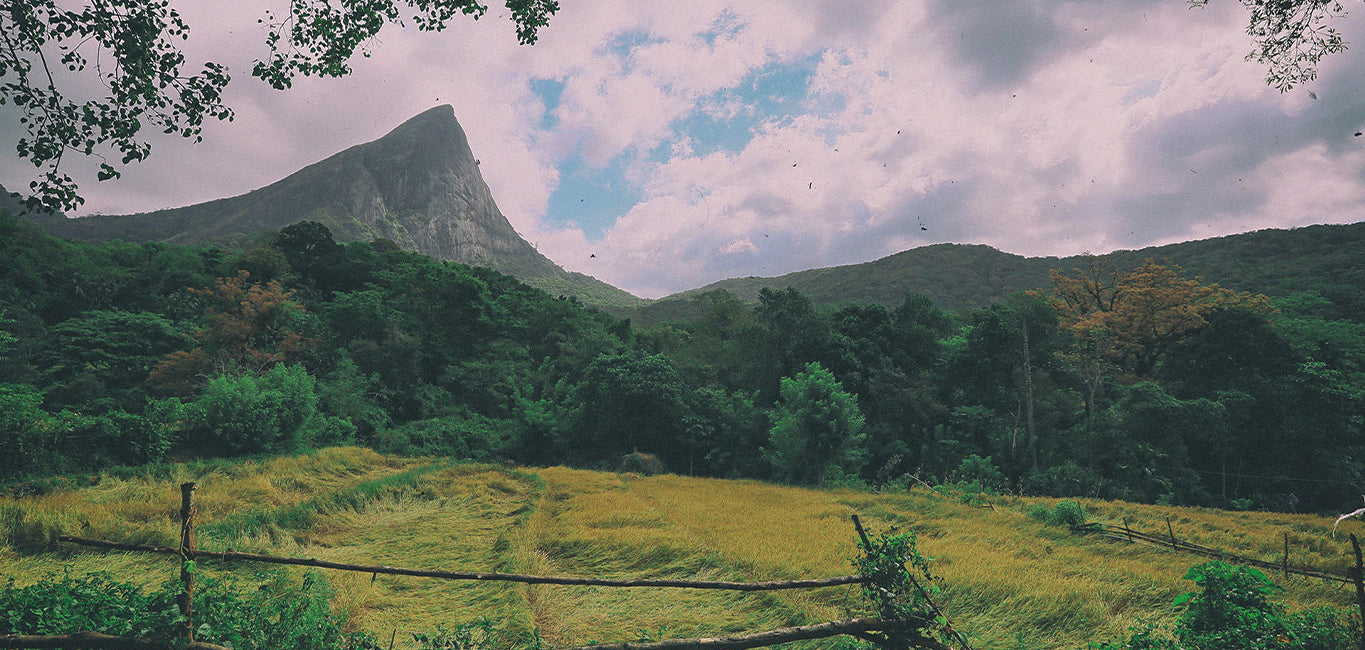
Bambarakanda Peak is located in the Badulla District of Sri Lanka, within the Uva Province. It is part of the central highlands and is situated near the famous Bambarakanda Falls, the tallest waterfall in Sri Lanka. The area is renowned for its lush greenery, cool climate, and stunning natural beauty.

Height:

Bambarakanda Peak stands at an elevation of approximately 2,259 meters (7,411 feet) above sea level. It is one of the higher peaks in Sri Lanka, offering breathtaking views of the surrounding landscape.

Notable Features:

1. Geographical Significance:

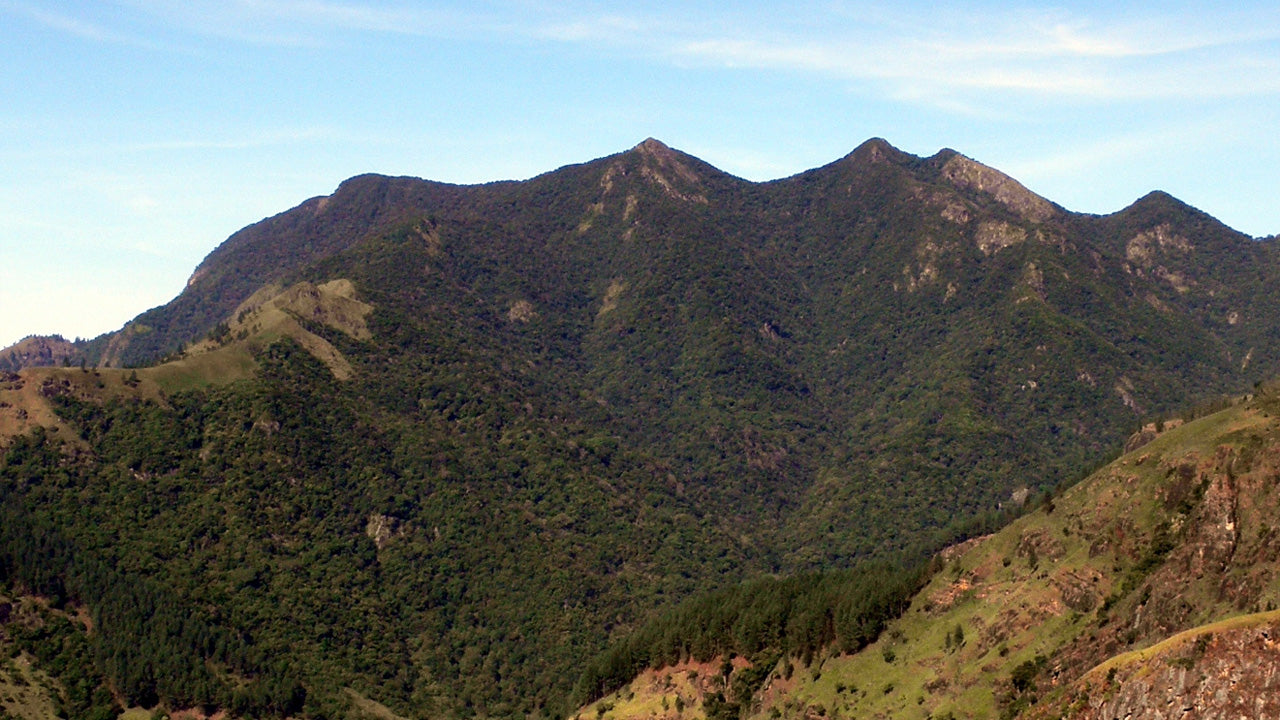
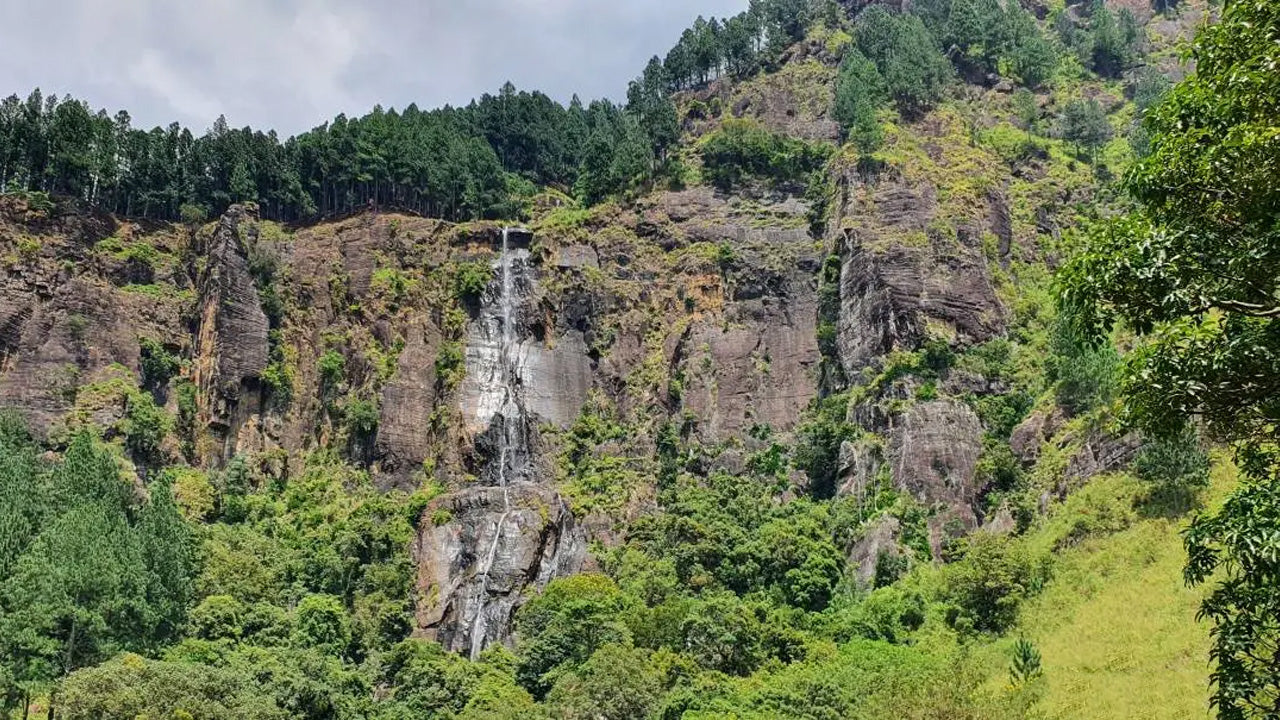
Bambarakanda Peak is part of the Bambarakanda Mountain Range, which is known for its steep terrain and scenic beauty. The peak is located near the Bambarakanda Falls, which cascades from a height of 220 meters (722 feet) and is one of Sri Lanka’s most famous waterfalls. The region is rich in natural resources, with several rivers originating from the mountains and flowing through the valleys below.

2. Flora and Fauna:

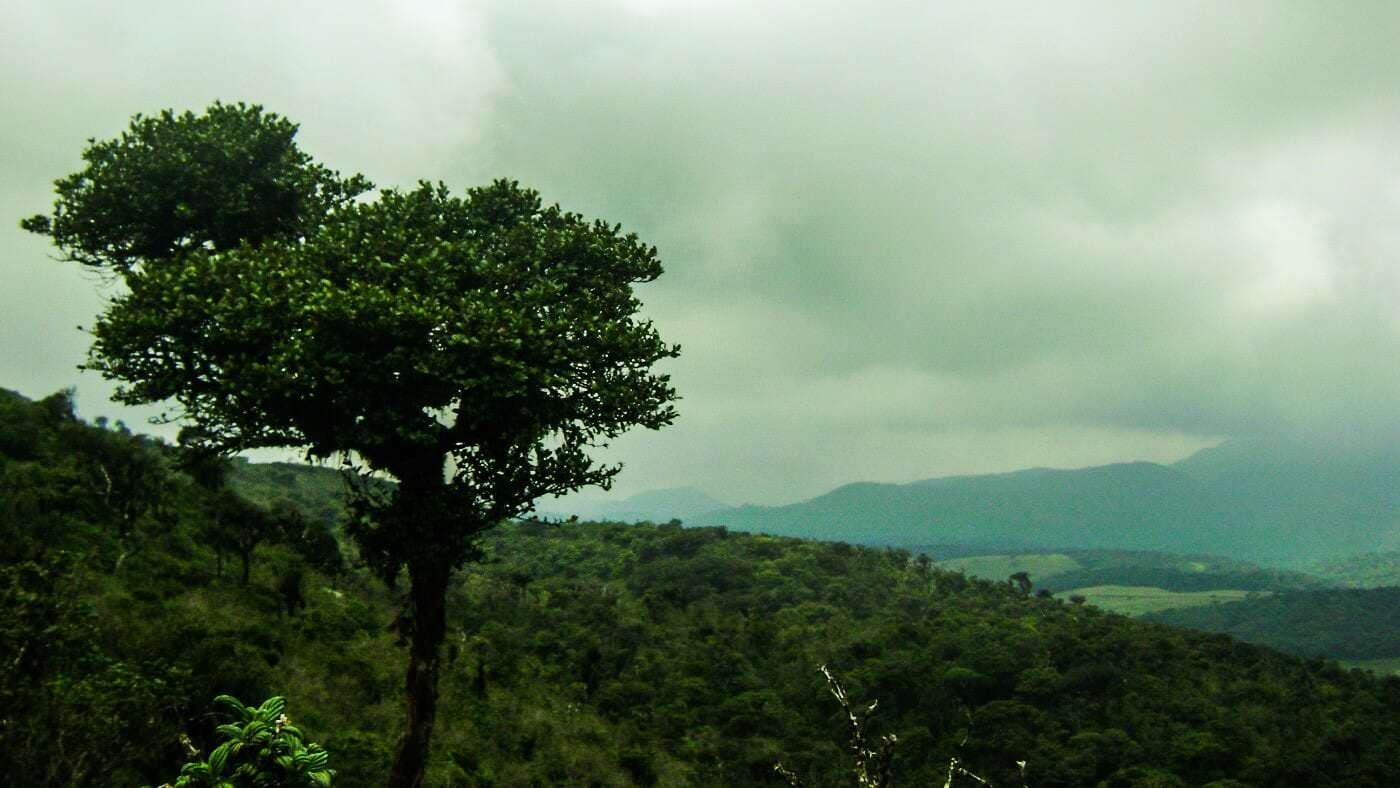
The surrounding area of Bambarakanda Peak is home to a variety of flora and fauna. The forests are lush and green, with several species of trees, shrubs, and plants, some of which are endemic to Sri Lanka. Wildlife in the region includes several species of birds, monkeys, wild boars, and deer, making it a popular destination for nature enthusiasts and wildlife photographers.

3. Trekking and Hiking:

The hike to Bambarakanda Peak is moderately challenging, involving a trek through dense forests and steep terrain. Trekkers can experience the natural beauty of the area while enjoying the cool mountain air and stunning vistas. There are several trekking routes that take visitors through the surrounding mountains and valleys, offering a chance to witness the unique flora and fauna of the region.

4. Scenic Views:

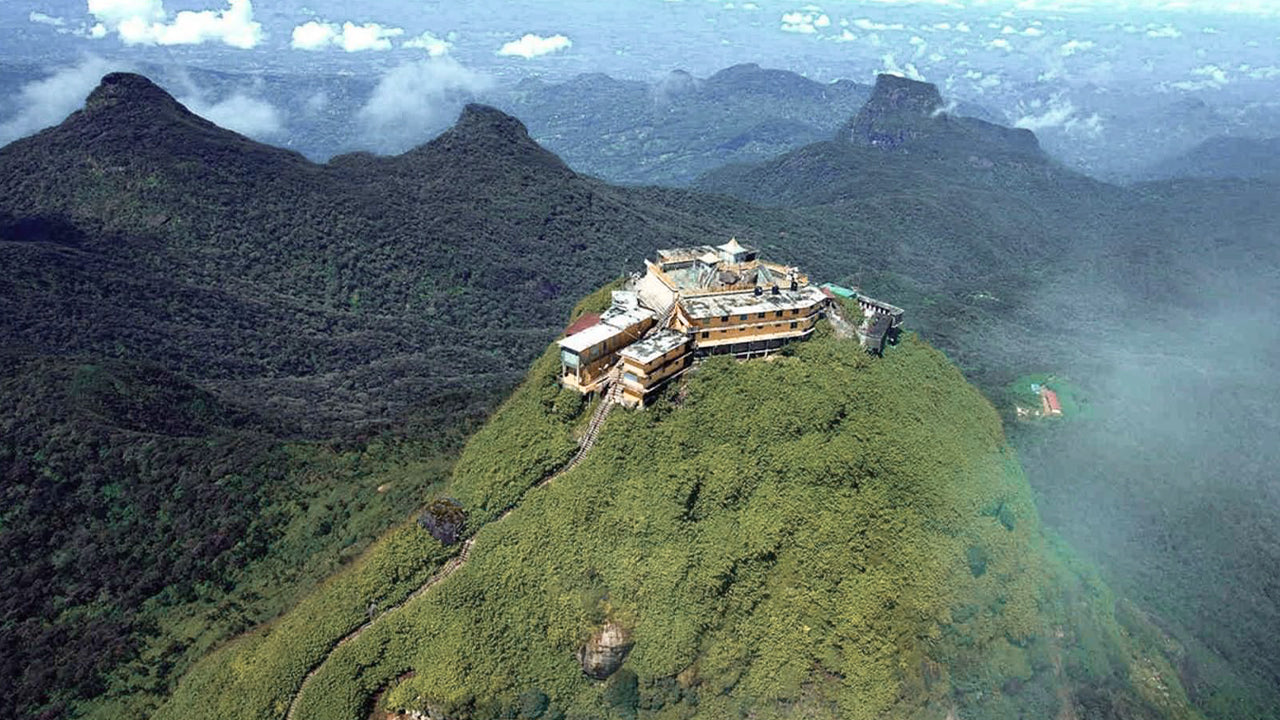
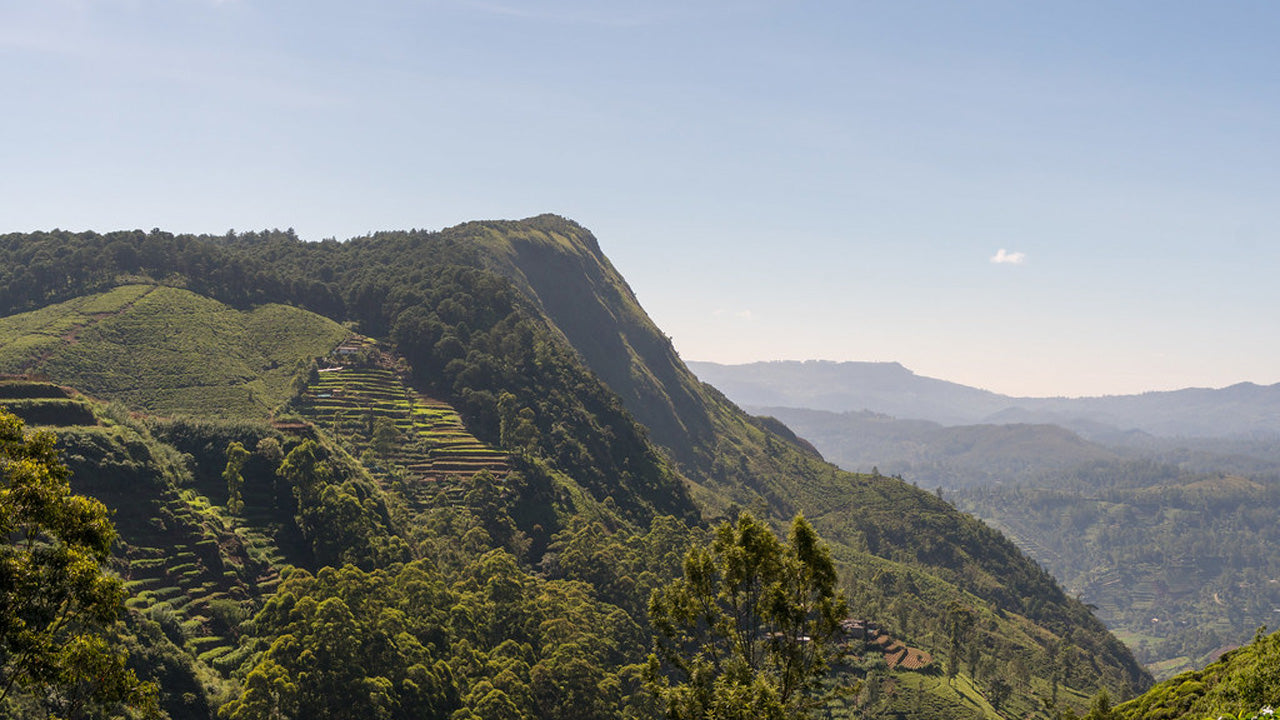
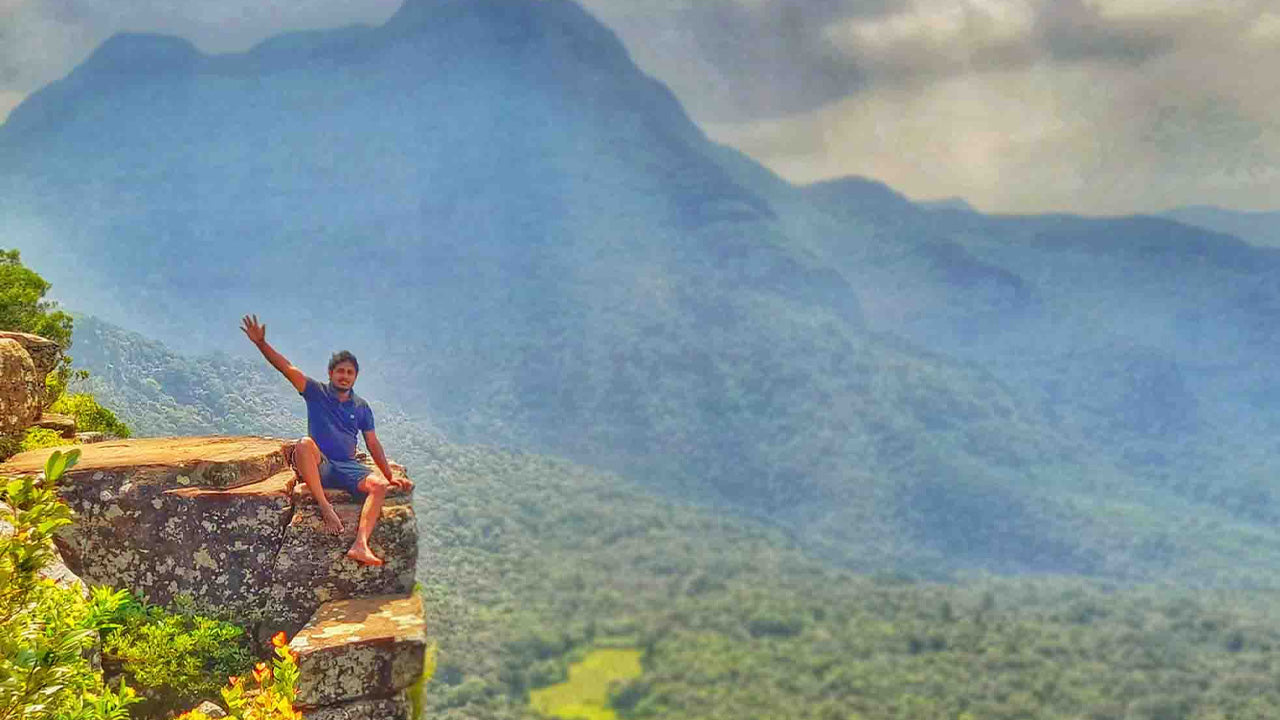
From the summit of Bambarakanda Peak, visitors are rewarded with panoramic views of the central highlands of Sri Lanka. The surrounding mountains, valleys, and tea plantations provide a picturesque backdrop. The view from the peak also includes distant views of other notable peaks in the region, including Hakgala and Sri Pada (Adam’s Peak).

5. Climate:

Bambarakanda Peak is situated in a cool climate zone, with temperatures that can drop significantly, especially during the night. The weather is typically misty and rainy, particularly during the monsoon season. The region's cool climate contributes to its lush vegetation and makes it a popular destination for those looking to escape the heat of the lowlands.

6. Bambarakanda Falls:

The most famous feature near Bambarakanda Peak is the Bambarakanda Falls. The waterfall is one of the tallest in Sri Lanka and attracts many visitors. It is located about 5 km from the peak and is a popular tourist attraction in the area. The falls are especially beautiful during the rainy season when the water flow is at its peak.

7. Access:

The peak can be accessed through several routes from nearby towns, including Bambarakanda Village. The trail leading to the peak is well-known among trekkers and nature lovers. While the hike is not as challenging as some of Sri Lanka's higher peaks, it is recommended to visit with a guide due to the sometimes difficult terrain and dense forests.

?LK94008867: Images by Google, copyright(s) reserved by original authors.?
  • Culminant à 2 388 mètres d'altitude, le mont Kirigalpoththa, au Sri Lanka, domine le district de Nuwara Eliya et projette son ombre sur la ville principale. C'est le deuxième plus haut sommet de ce paradis insulaire, et le plus haut de l'île.

    Kirigalpotta 
  • Le Totapolakanda est le troisième plus haut sommet du Sri Lanka. Situé dans le district de Nuwara Eliya, il culmine à 2 357 mètres d'altitude. Il se trouve au cœur du parc national des plaines d'Horton. Un sentier d'environ deux kilomètres mène à son sommet, à quelques mètres de l'entrée de Pattipola du parc.

    Thotupola Kanda 
  • Le site naturel le plus emblématique de Ceylan est le pic d'Adam, situé dans le district de Ratnapura. Il se trouve à la lisière du massif central, entouré d'un groupe de montagnes surnommé la « Région sauvage du pic ». Culminant à environ 2 286 mètres (7 500 pieds), il est le deuxième plus haut sommet du pays.

    Pic d'Adam (montagne Sri Pada) 
  • Le pic Hakgala se situe dans les hauts plateaux du centre du Sri Lanka, au sein de la réserve naturelle intégrale de Hakgala. Il se trouve à proximité de la ville de Nuwara Eliya et fait partie de la région des hauts plateaux centraux, réputée pour ses paysages époustouflants et son climat plus frais.

    Pic Hakgala 
  • Le pic Gommolliya fait partie de la chaîne de montagnes des Knuckles, au centre du Sri Lanka, un site inscrit au patrimoine mondial de l'UNESCO, réputé pour sa biodiversité et la beauté de ses paysages. Il est situé dans le district de Kandy, dans les hauts plateaux du centre du Sri Lanka.

    Gommolliya 
  • Le pic de Bambarakanda se situe dans le district de Badulla, au Sri Lanka, dans la province d'Uva. Il fait partie des hauts plateaux centraux et se trouve à proximité des célèbres chutes de Bambarakanda, les plus hautes du Sri Lanka. La région est réputée pour sa végétation luxuriante, son climat frais et ses paysages naturels exceptionnels.

    Pic de Bambarakanda 
  • Le pic Riverston, au Sri Lanka, est accessible en empruntant la route Matale–Girandurukotte, à environ 30 km de la ville de Matale. Cette route sinueuse et isolée, avec ses virages en épingle à cheveux, offre des panoramas exceptionnels sur la campagne environnante, au point qu'on la surnomme le « Mini Bout du Monde ».

    Pic de Riverston