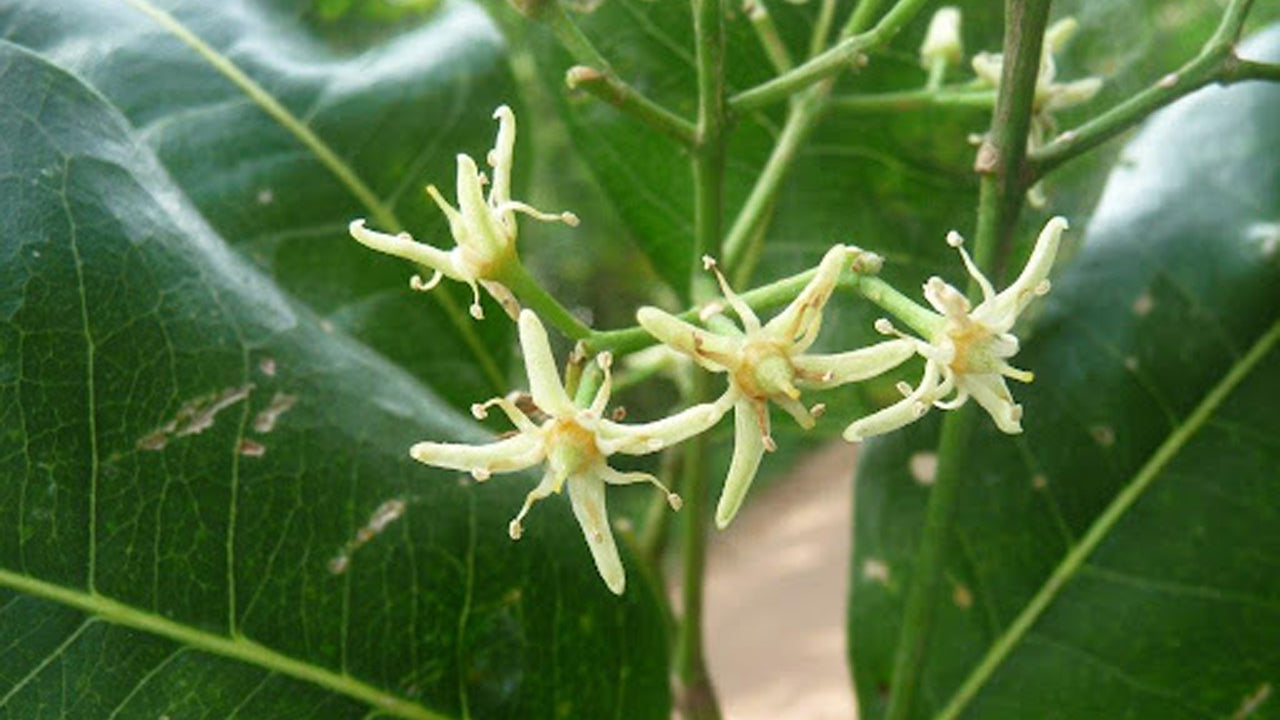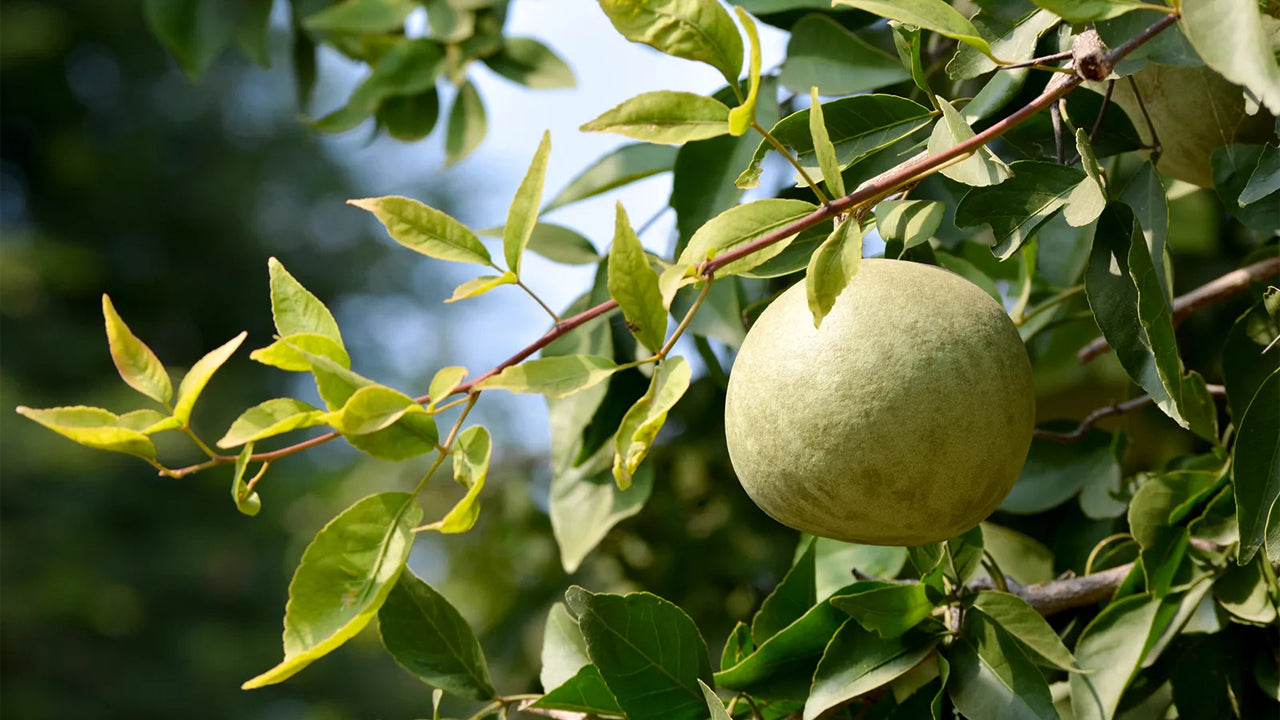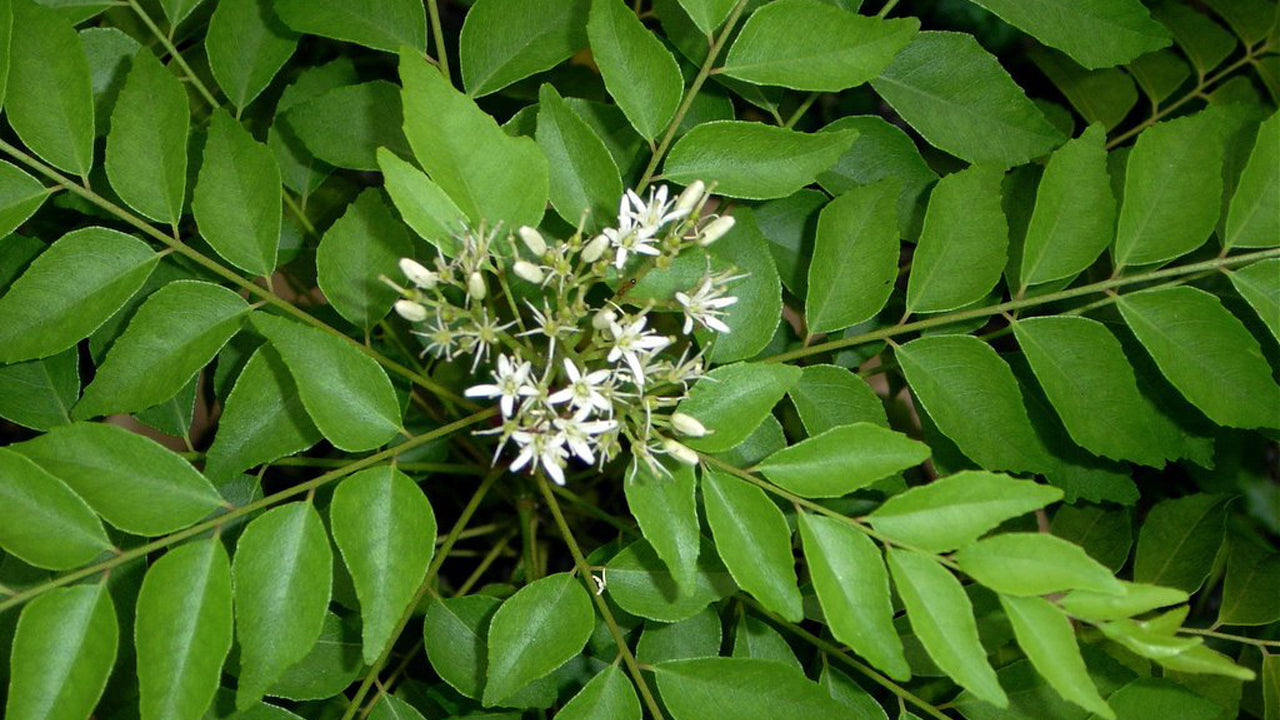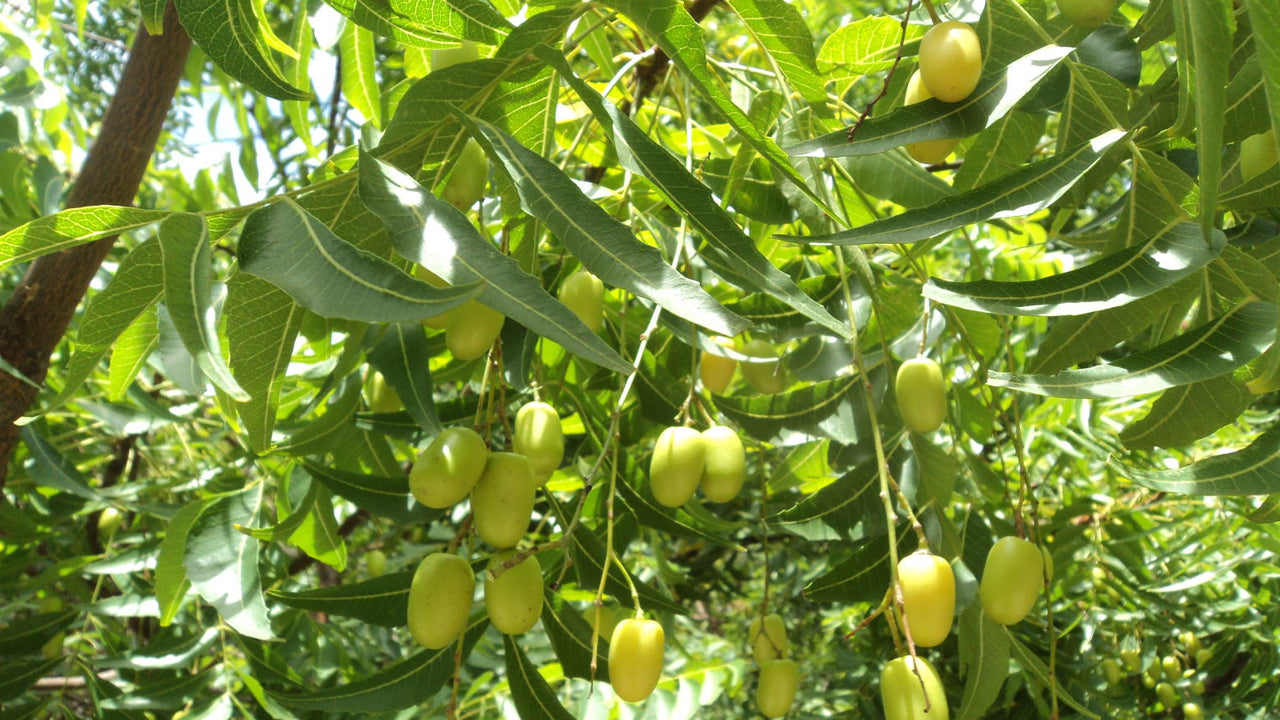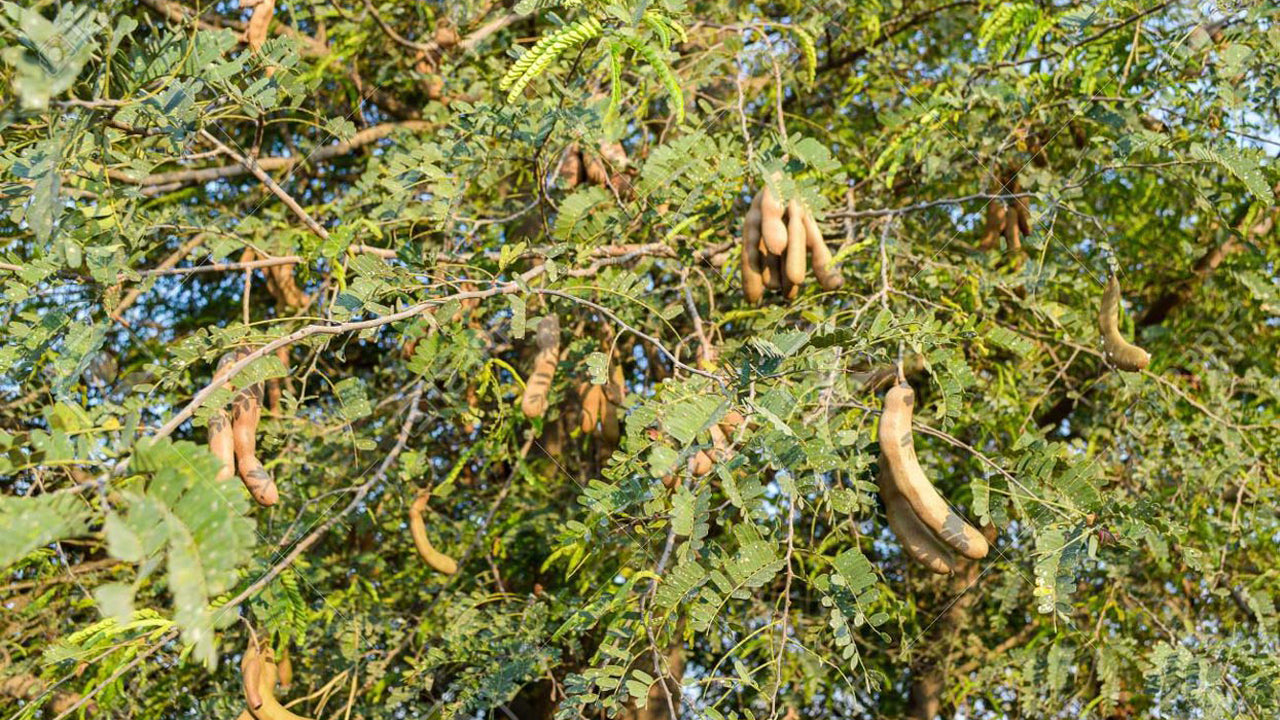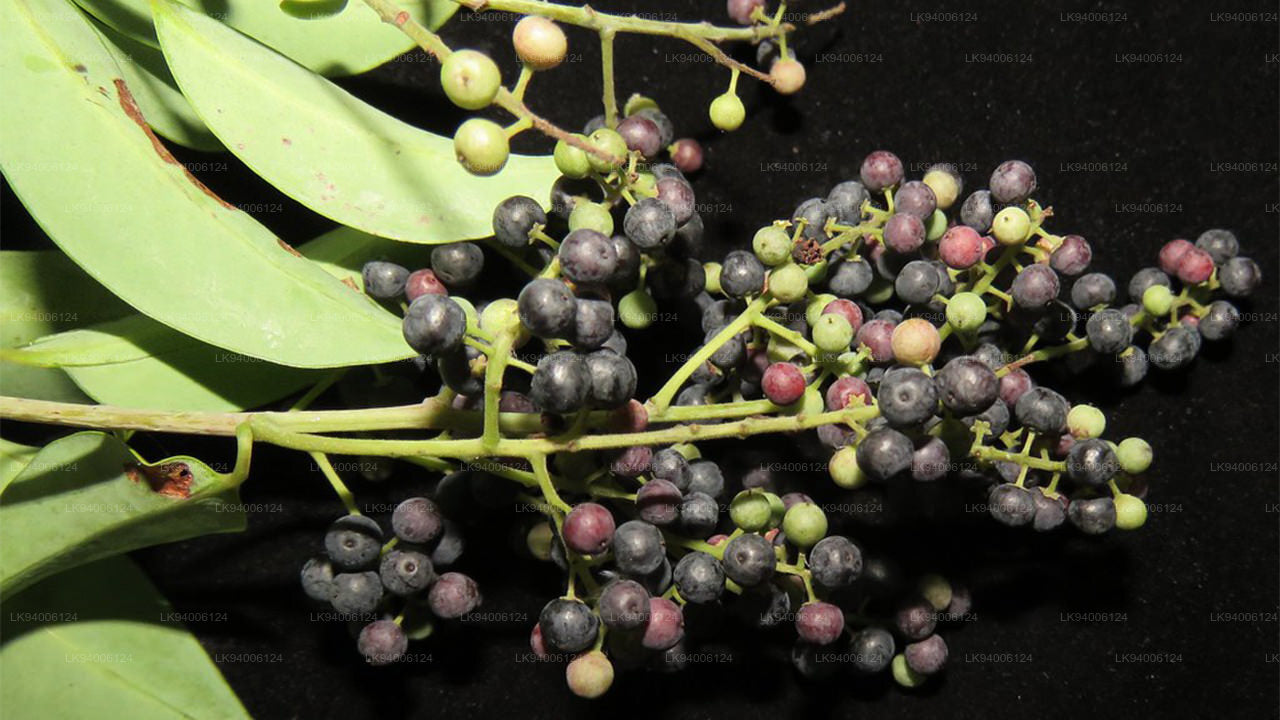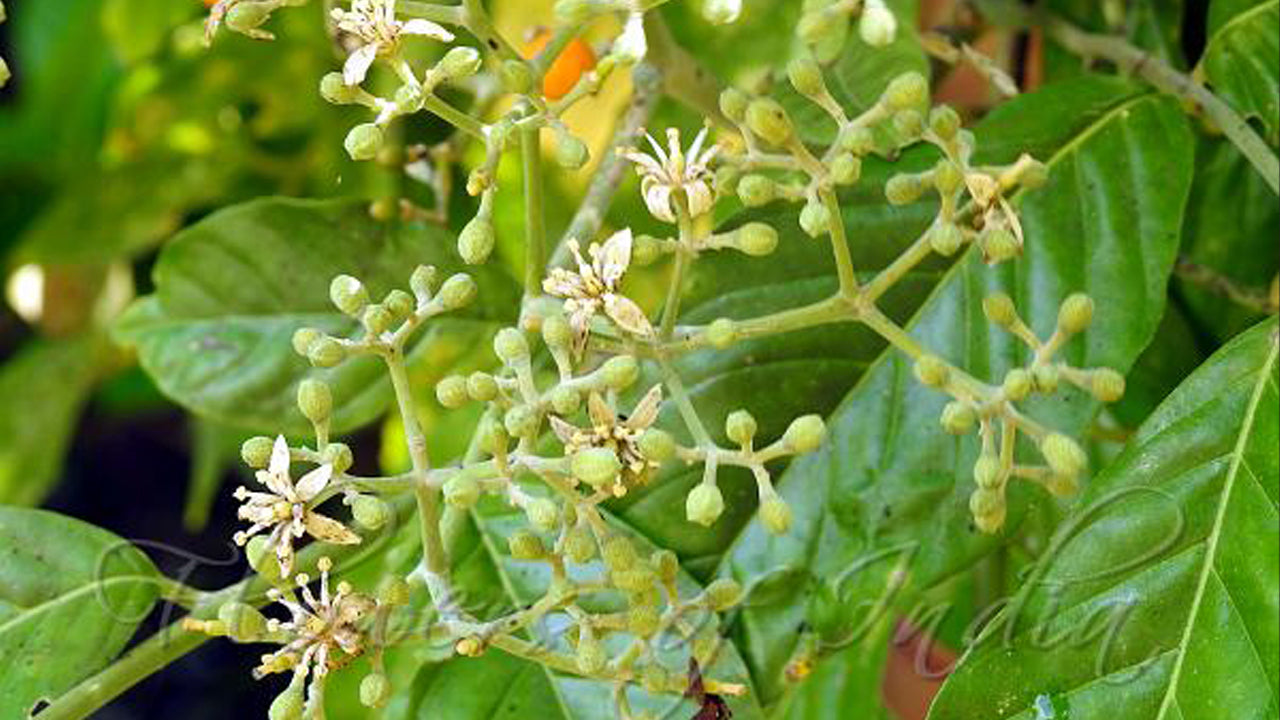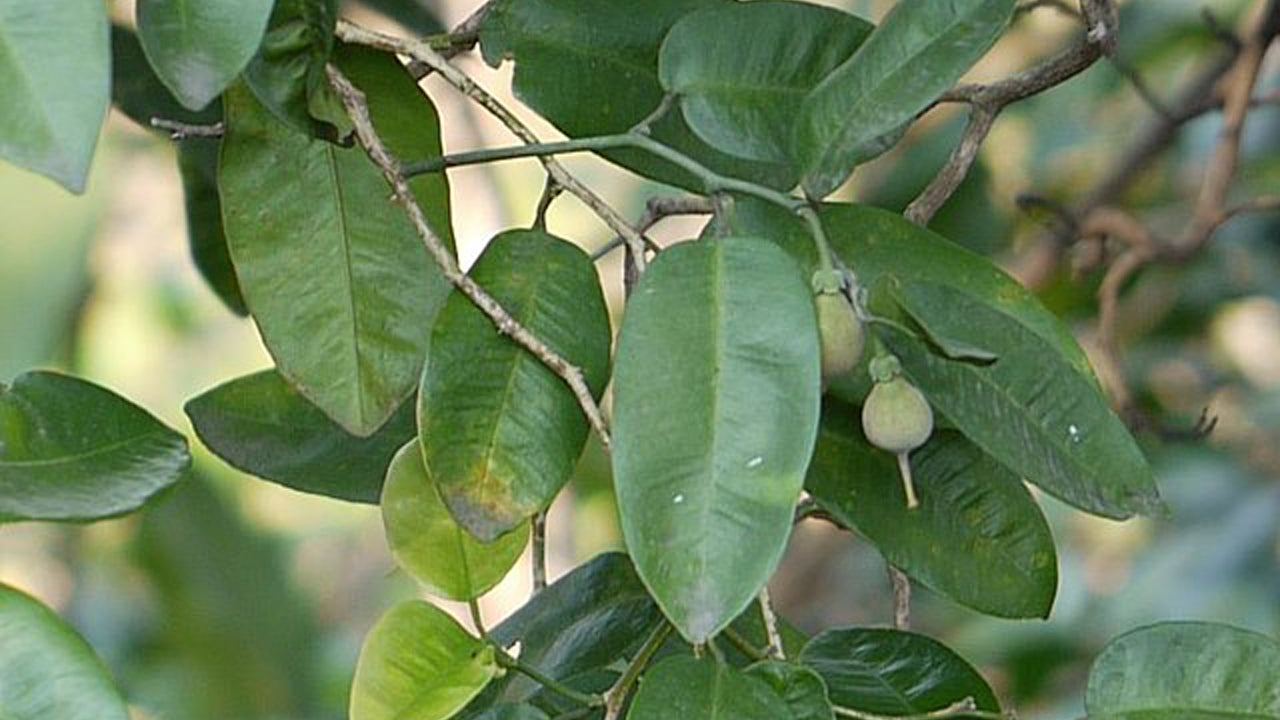
Moringa oleifera, known in Sinhala as මුරුංගා (Murunga) and commonly called the drumstick tree, is one of the most nutritionally dense plants cultivated in Sri Lanka. Originally native to the foothills of the Himalayas in northern India, it has been grown across South and Southeast Asia for centuries and is now deeply embedded in Sri Lankan home cooking and traditional medicine. Every part of the tree — leaves, pods, seeds, flowers, and roots — has a documented use, making it unusually versatile among food plants.
What makes Moringa oleifera so nutritionally valuable?
Moringa leaves contain notable concentrations of protein, calcium, iron, potassium, and vitamins A, C, and E. Gram for gram, dried moringa leaf powder can deliver a meaningful portion of several daily micronutrient requirements, which is why the plant has attracted attention from food-security researchers and development organisations working in low-income regions. The drying process preserves much of this nutritional content, making dehydrated moringa practical to store and transport.
As an antioxidant source, moringa contains compounds including quercetin and chlorogenic acid, which research suggests may help the body manage oxidative stress. It is also being studied for anti-inflammatory properties, though clinical evidence in humans remains limited. Most responsible health guidance frames moringa as a valuable dietary supplement and food ingredient rather than a therapeutic medicine.
How is Moringa used in Sri Lankan cooking?
In Sri Lankan kitchens, the drumstick pod is the most commonly eaten part of the plant. The long, ribbed pods are added to fish curries, dhal, and coconut-milk broths, where they contribute a subtly bitter, earthy flavour. Diners scrape the soft interior from the fibrous outer shell rather than eating the shell itself. Fresh moringa leaves are cooked into mallum — a dry stir-fry of shredded greens with grated coconut, green chilli, and lime — or added to soups.
Dried and powdered moringa leaves have become a popular ingredient in herbal teas, string hopper flour, and health drinks. Sri Lanka now produces a range of moringa-based wellness products that are exported internationally, reflecting growing global demand for plant-based superfoods. Like Ceylon Green Tea, moringa has carved out a niche in the premium herbal-wellness category.
What are the traditional medicinal uses of Moringa in Sri Lanka?
Ayurvedic and traditional Sri Lankan medicine have long recognised the drumstick tree for its therapeutic potential. Traditional practitioners have used various parts of the plant to address a wide range of conditions. While modern clinical evidence is still developing, the following properties have been attributed to moringa in traditional and early scientific literature:
- Antioxidant activity: leaf extracts contain polyphenols that may help neutralise free radicals.
- Anti-inflammatory potential: compounds in the seeds and leaves have shown anti-inflammatory effects in laboratory studies.
- Blood sugar management: some studies suggest moringa may support insulin sensitivity, though it is not a substitute for medical diabetes treatment.
- Cholesterol support: early human trials have shown modest reductions in LDL cholesterol with regular moringa leaf consumption.
- Bone health: the pods are a good source of calcium and phosphorus, nutrients essential for bone density.
- Iron and haemoglobin: moringa leaves are relatively iron-rich, supporting healthy red blood cell production.
- Skin and hair nourishment: moringa seed oil is used in cosmetic formulations for its moisturising and antioxidant properties.
- Respiratory health: traditional use includes preparations to ease mild asthma and congestion, though robust clinical data is lacking.
It is important to note that while moringa is a valuable addition to a balanced diet, many claimed medicinal applications lack rigorous clinical trials. Consult a qualified health professional before using moringa for any specific health condition.
How is Moringa grown and harvested in Sri Lanka?
Moringa thrives in Sri Lanka's dry and intermediate zones, where the warm climate and well-drained soils suit it well. The tree is remarkably hardy — it tolerates drought, grows rapidly from seed or cutting, and begins producing pods within its first year. Smallholder farmers often plant moringa on plot boundaries or in home gardens rather than as a dedicated crop, integrating it into mixed cultivation systems alongside paddy and vegetables.
Leaves are typically harvested by hand every few weeks from young branches, where the nutritional density is highest. Pods are picked before they fully mature — around 30 to 50 centimetres long — when the flesh inside is still tender. For commercial production of leaf powder, freshly harvested leaves are shade-dried at low temperatures to preserve heat-sensitive vitamins, then ground and packaged. Similar care for ingredient integrity is applied by producers working with plants like Ceylon black pepper.
What moringa products can I buy from Sri Lanka?
Sri Lankan producers have developed a wide range of moringa products suited to both domestic consumption and export markets. The most common categories include:
- Dehydrated leaf powder: the most concentrated form, used in smoothies, cooking, and capsules.
- Moringa tea bags: whole dried leaves or leaf powder blended with complementary herbs such as ginger, cinnamon, lime, mint, or green tea.
- Dehydrated drumstick slices and whole leaves: for culinary use, retaining flavour without refrigeration.
- Drumsticks in brine: a preserved format convenient for cooking curries at home or abroad.
- Moringa-infused flours: string hopper flour and other staple flours enriched with moringa leaf powder.
- Hair and skin oils: cold-pressed moringa seed oil used in personal-care formulations.
Lakpura curates a selection of these products — from loose-leaf powders to blended herbal teas — sourced from reputable Sri Lankan producers committed to quality standards.
Is Moringa safe to consume regularly?
For most healthy adults, moringa leaves and pods consumed as food are considered safe. The pods and leaves are eaten as everyday vegetables across India and Sri Lanka without adverse effects. In supplement form — particularly concentrated extracts or root preparations — higher doses may interact with certain medications, including blood-thinners and diabetes drugs, and the root and root bark contain compounds not recommended during pregnancy. As with any herbal supplement, moderation and professional guidance matter when moving beyond culinary quantities.