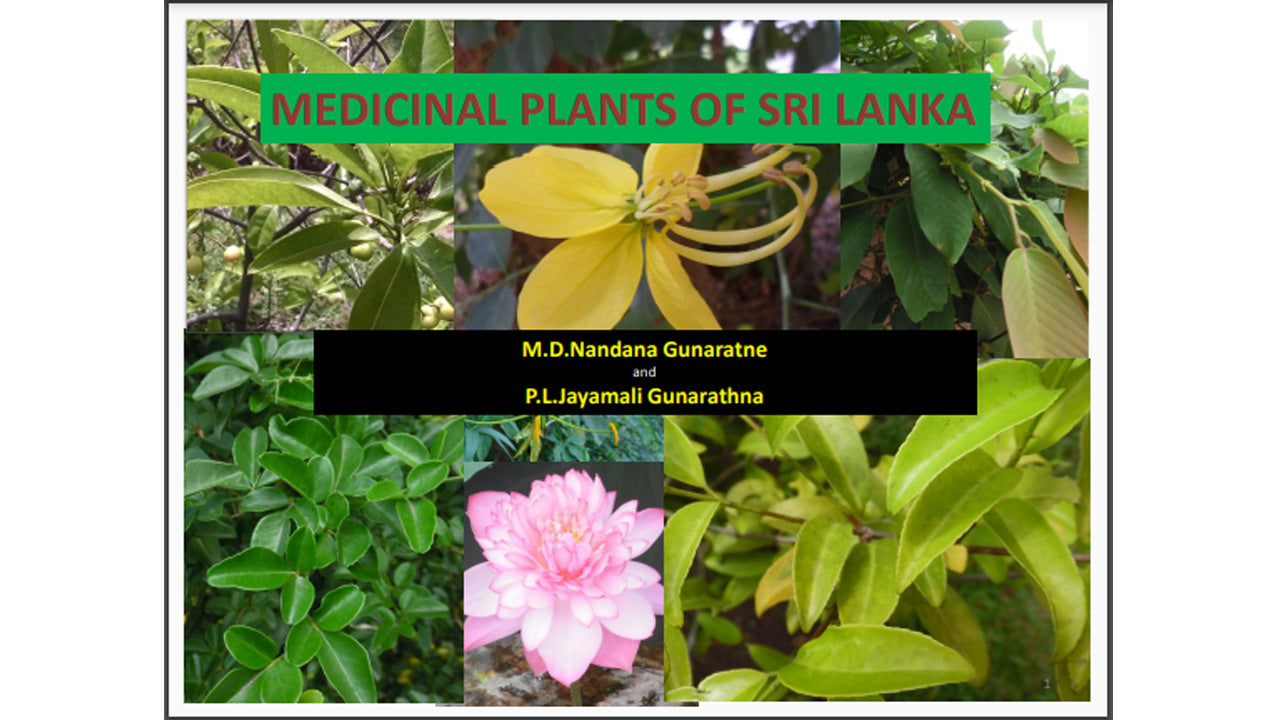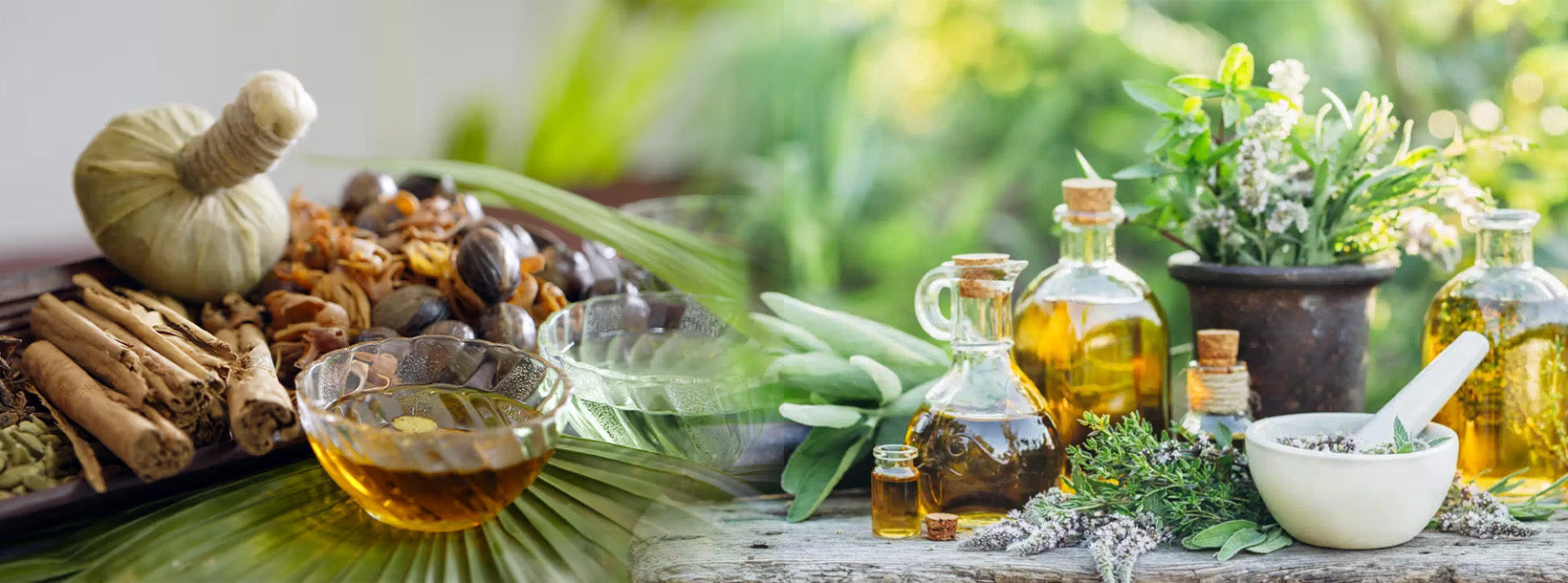
Ayurveda ravimtaimed
Sri Lanka ajurveeda traditsioon hõlmab rikkalikku valikut ravimtaimi, mida on sajandeid kasutatud. Sri Lankal on rikkalik ajurveeda meditsiini traditsioon, mis tugineb põlisrahvaste teadmistele ja mitmesugustele ravimtaimedele. Siin on mõned tähelepanuväärsed ajurveeda ravimtaimed, mida Sri Lankal leidub
Eriobotrya japonica
Eriobotrya japonica – commonly known as the loquat – is a subtropical evergreen tree native to southeastern China and possibly southern Japan. It belongs to the Rosaceae family, which also includes apples, pears, and cherries. The tree is cultivated primarily for its sweet, tangy fruit as well as its ornamental value.
Botanical Characteristics
Height & Shape: The loquat tree typically grows between 3 to 10 meters tall. It has a rounded crown with dense, glossy foliage.
Leaves: The leaves are large (up to 30 cm long), leathery, dark green, and have a serrated edge. Their prominent veining gives them a distinctive look.
Flowers: Eriobotrya japonica blooms in autumn or early winter. The small, white flowers are fragrant and grow in clusters.
Fruit: The fruit matures in late winter to early spring. It’s a small, oval to pear-shaped drupe, yellow to orange when ripe, with a thin, fuzzy skin and juicy, sweet-tart flesh. The flavor is often compared to a mix of peach, citrus, and mango.
Cultivation
Loquats prefer mild climates and are sensitive to heavy frost. They are grown in many parts of the world, including the Mediterranean region, parts of the United States (especially California and Florida), and subtropical areas of Asia and Latin America. The tree is usually propagated by grafting or seed, although seed-grown trees may not bear fruit identical to the parent.
Uses
Culinary: The fruit can be eaten fresh or used in jams, jellies, pies, and syrups. Loquat wine and liqueur are also popular in some cultures.
Medicinal: In traditional Chinese medicine, loquat leaves (known as pi pa ye) are used to make herbal teas that are believed to help with respiratory ailments, coughs, and inflammation.
Ornamental: Its attractive foliage and early flowering make it a popular choice for landscaping in suitable climates.
Interesting Facts
Loquat trees often fruit at a time when few other fruits are in season, making them valuable for early spring harvests.
The seeds of loquats are toxic if ingested in large quantities, as they contain cyanogenic compounds.
-
Küünisõieline loorber
Acronychia pedunculata -
Bael
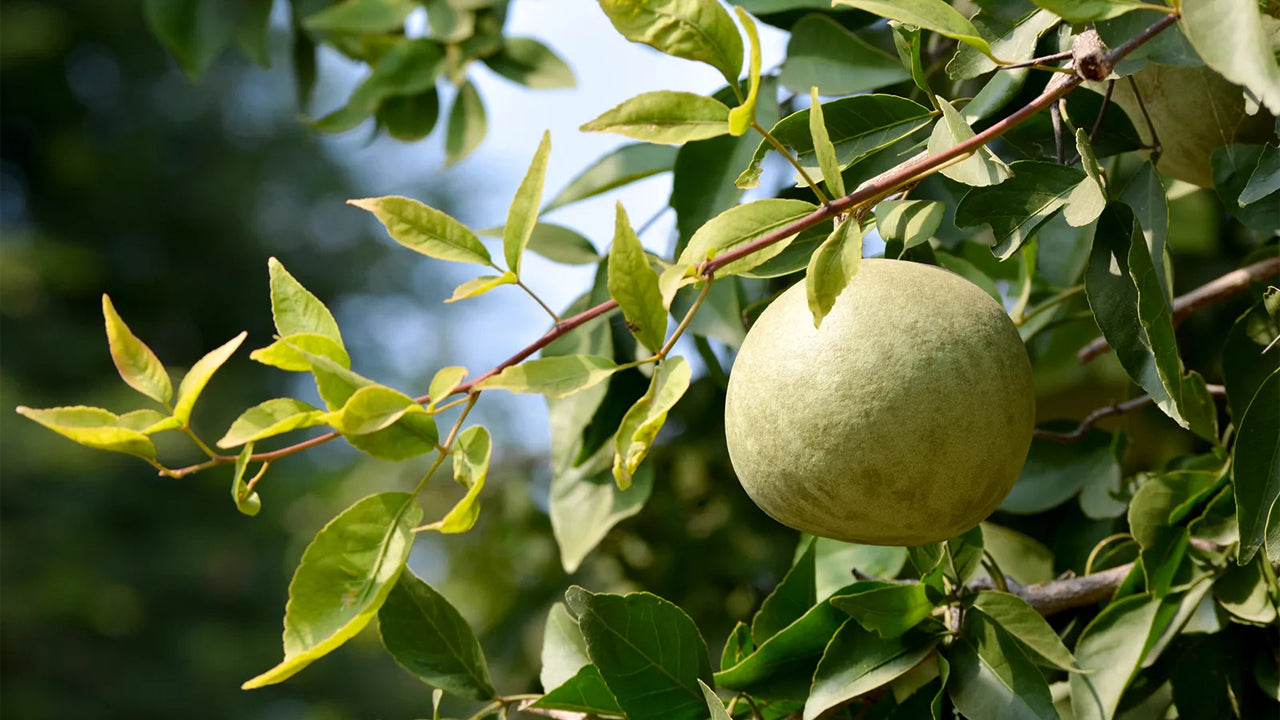
Aegle marmelos -
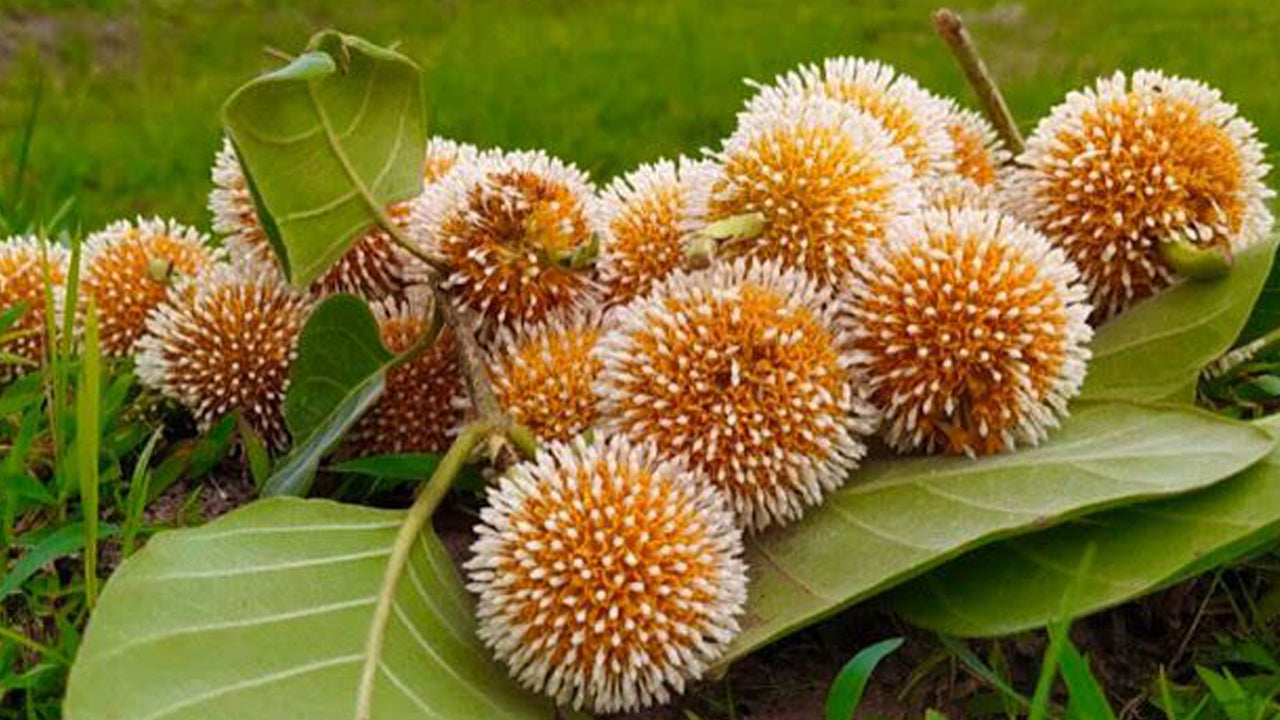
Leichhardti puu
Nauclea orientalis -
Vale-kalumba
Coscinium fenestratum -
Malabar Gulbel
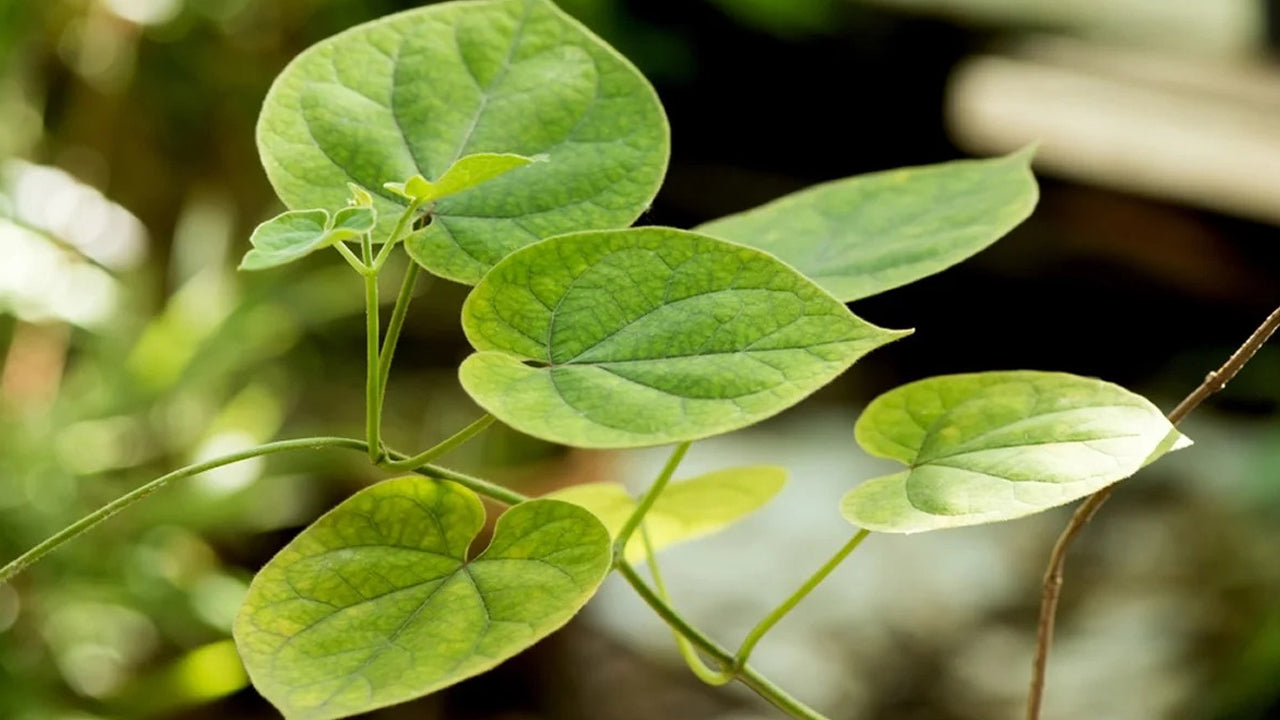
Tinospora malabarica -
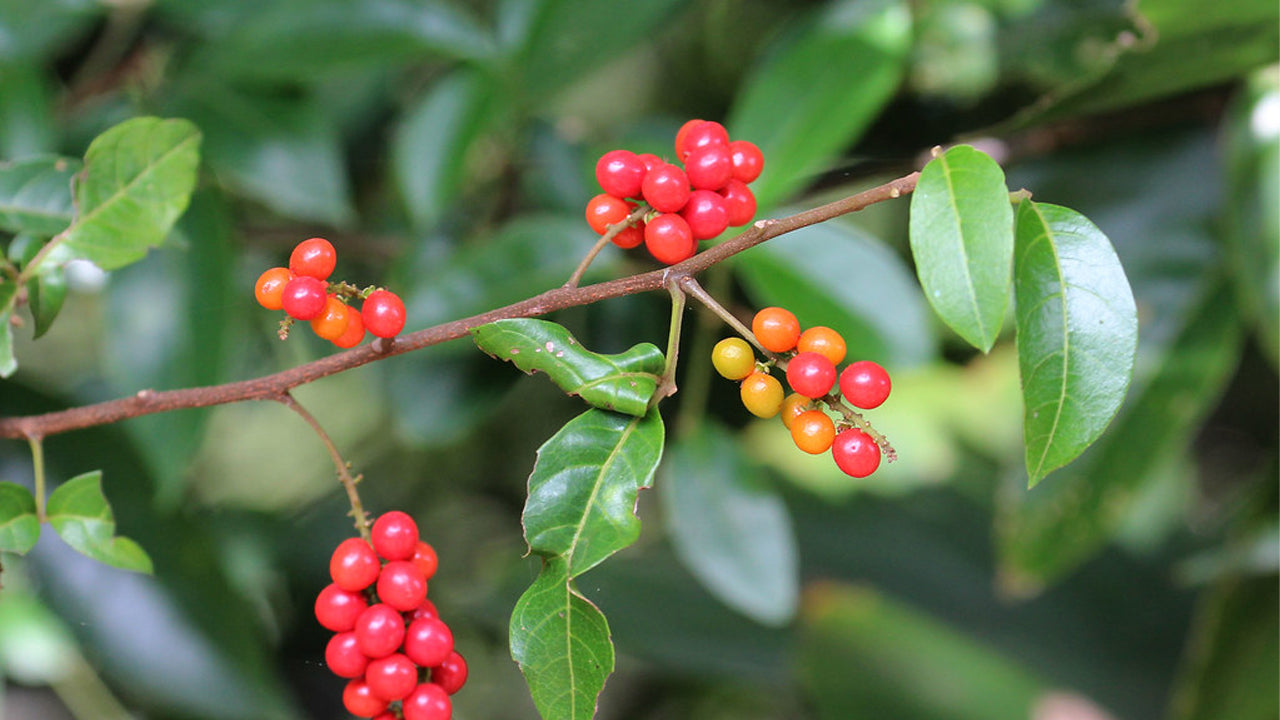
Titberry
Allophylus cobbe -
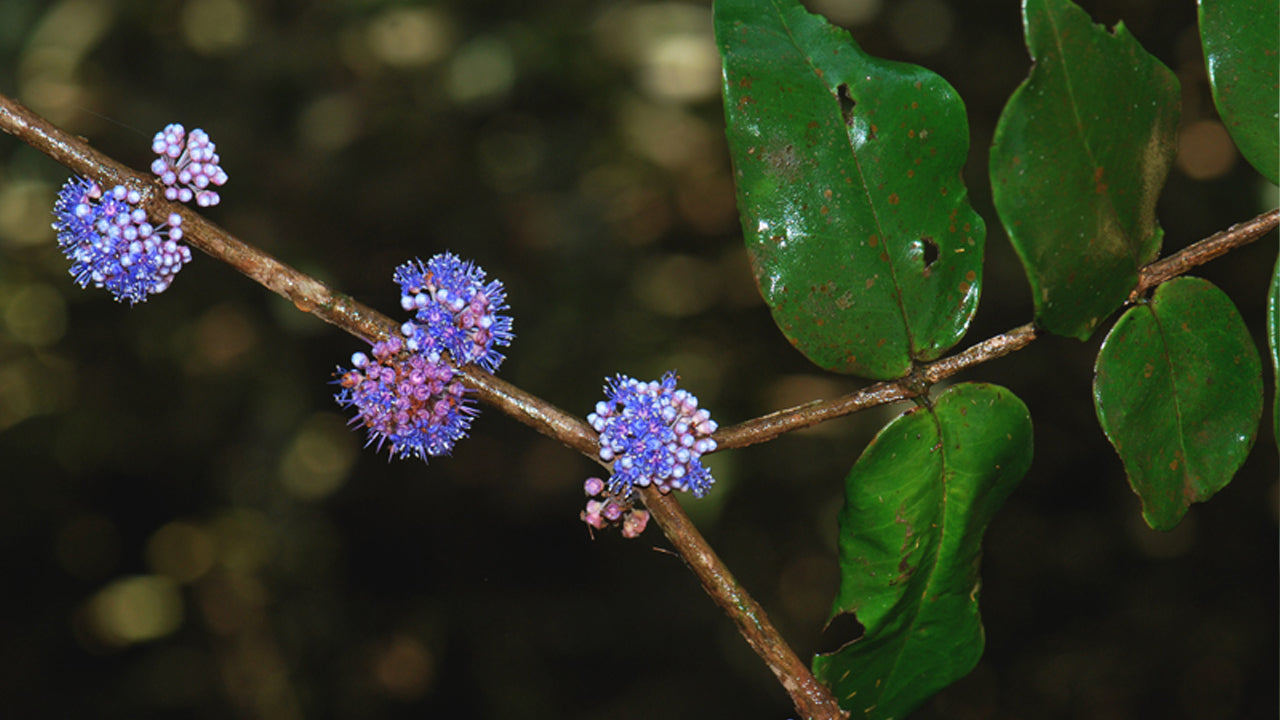
Raudpuu puu
Memecylon capitellatum -
Sametleht
Cissampelos pareira -
Mõru apelsin
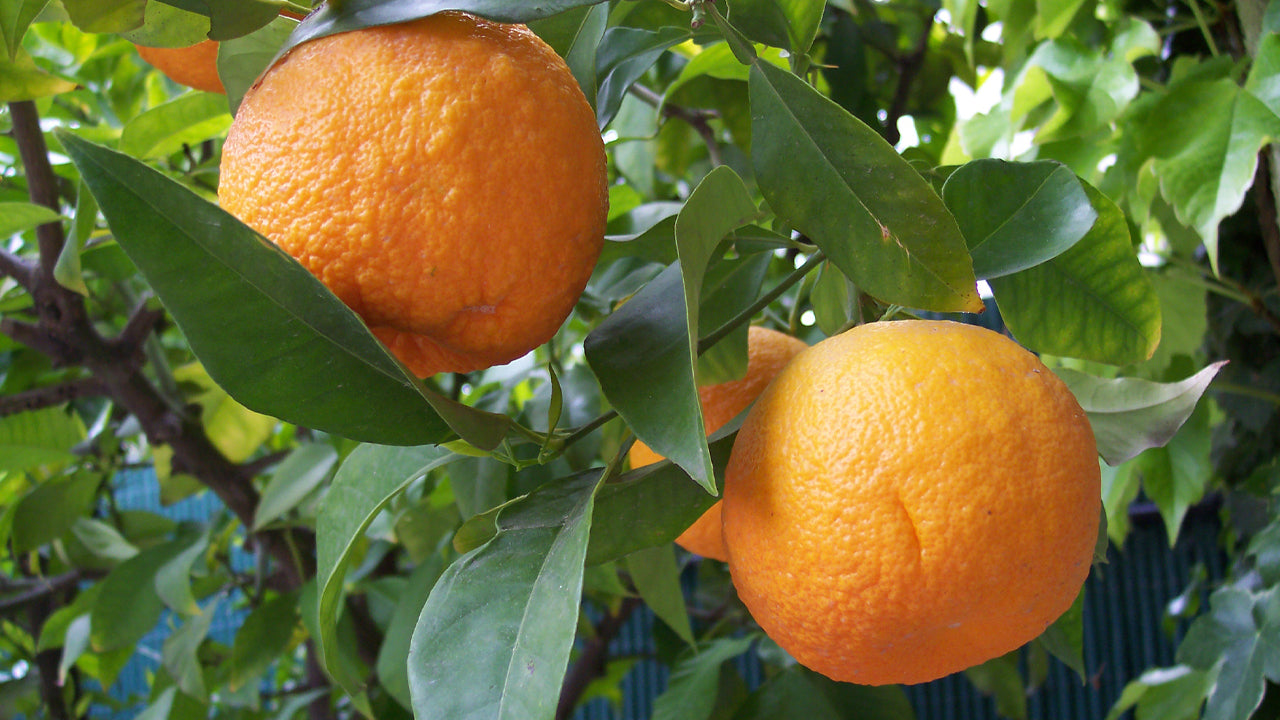
Citrus aurantium -
Reinwardti puutaim
Biophytun tagasivoolu -
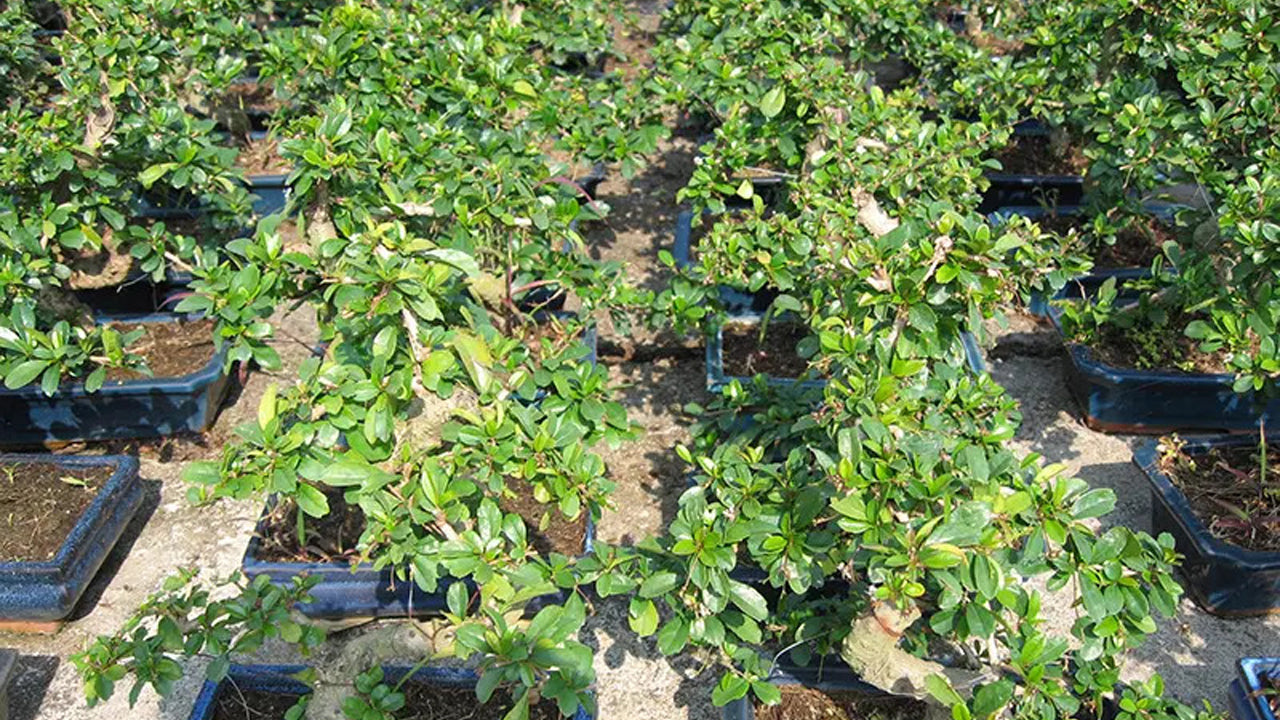
Fukieni tee
Carmona mikrofülla -
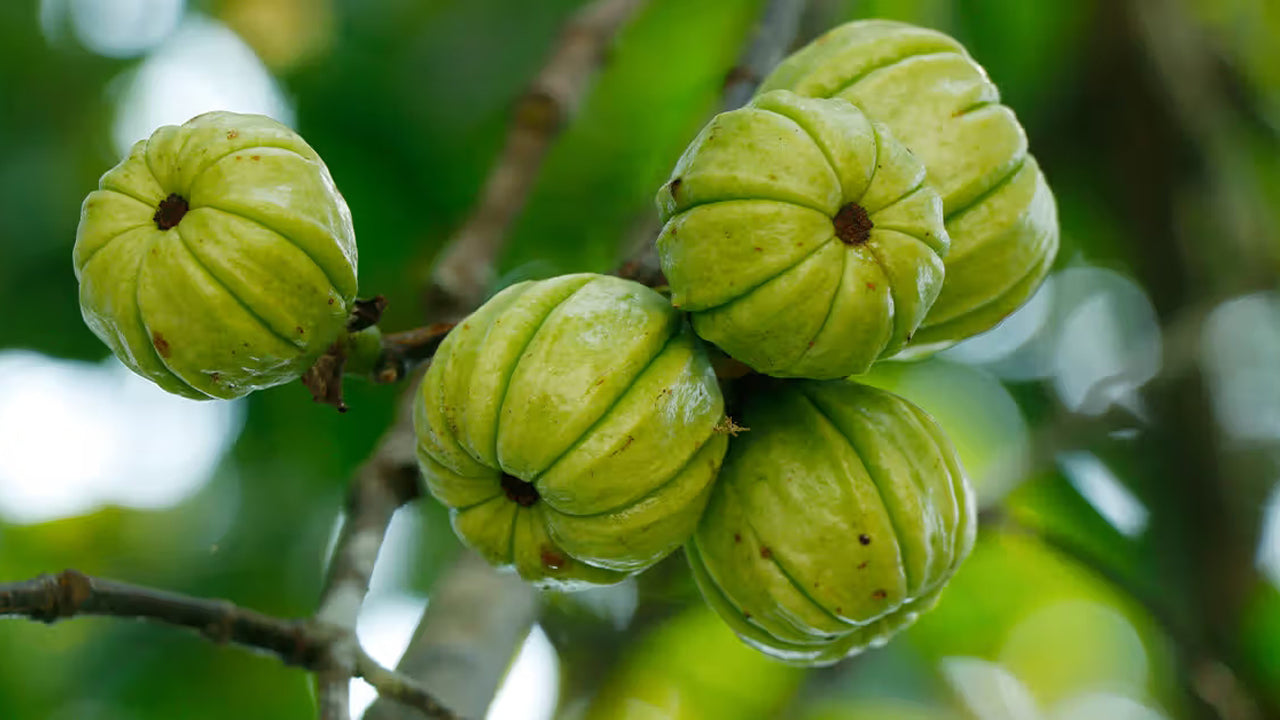
Malabari tamarind
Garcinia cambogia -
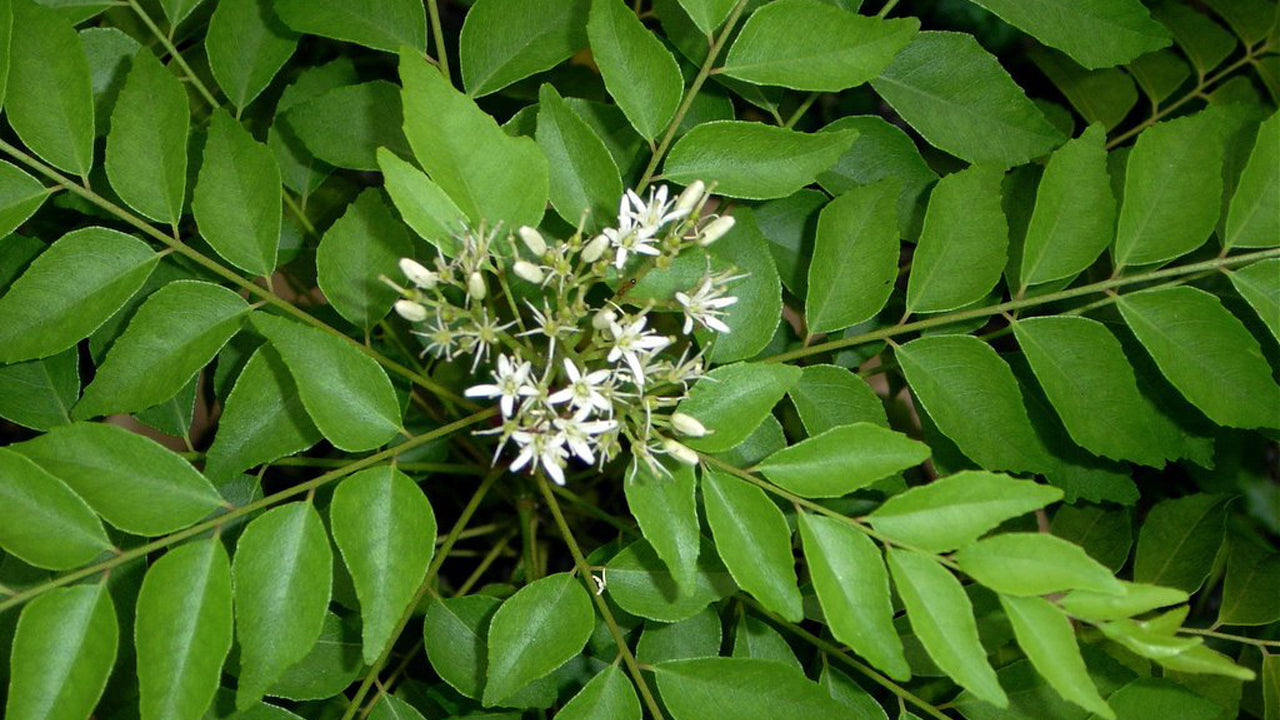
Karri lehepuu
Murraya koenigi -
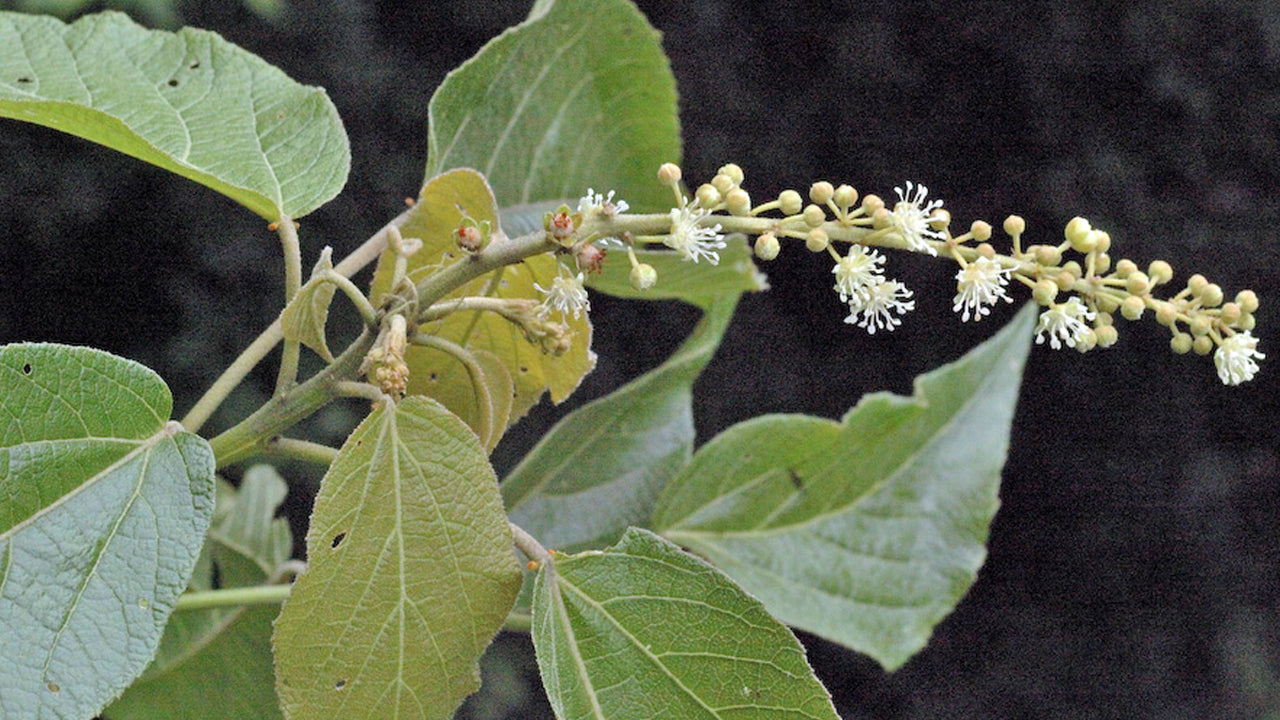
Kappetiya
Croton laccifer -
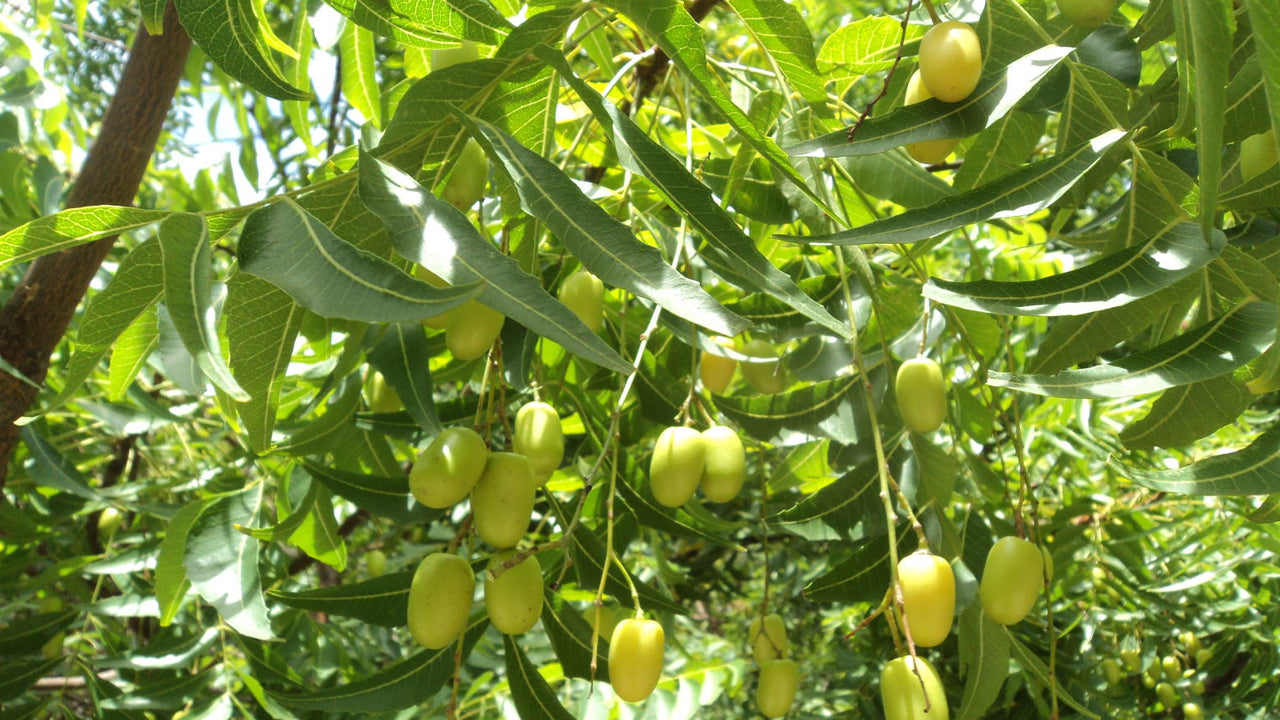
India sirel
Azadirachta indica -
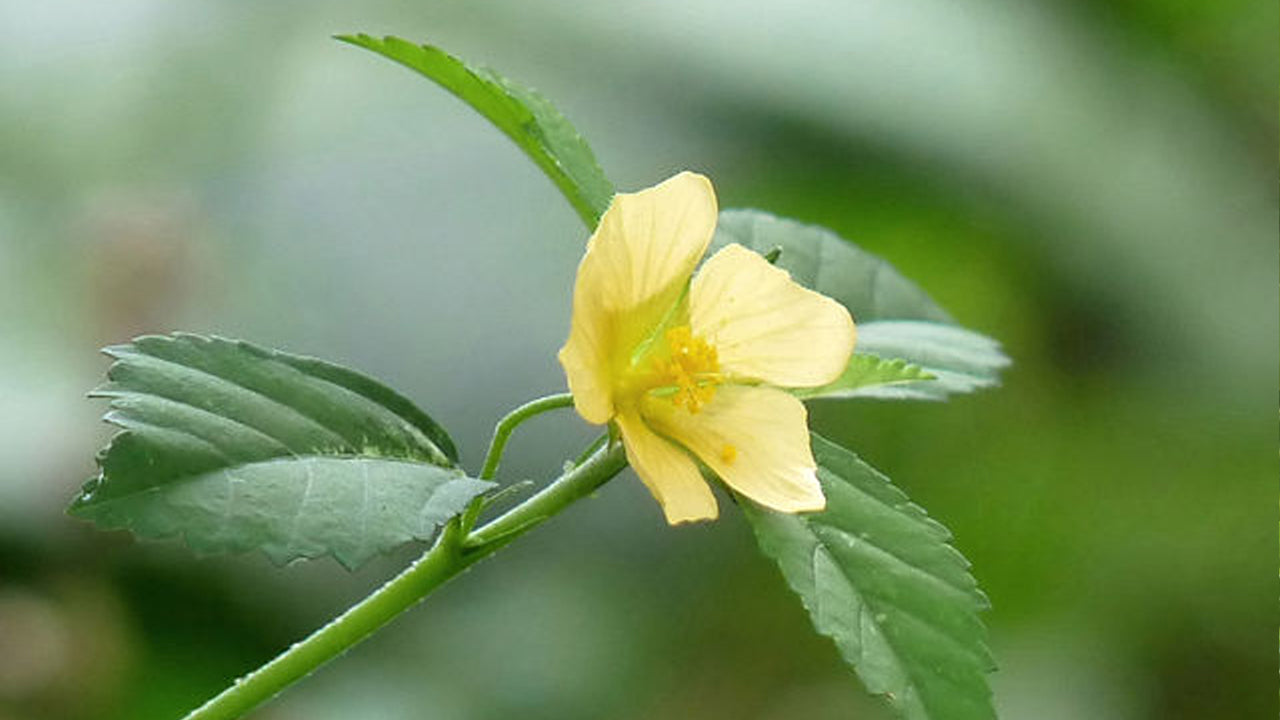
Okkaline sida
Sida alba -
Oranž ronija
Toddlia asiatica -
Tseiloni kaneel
Cinnamomum zeylanicum -
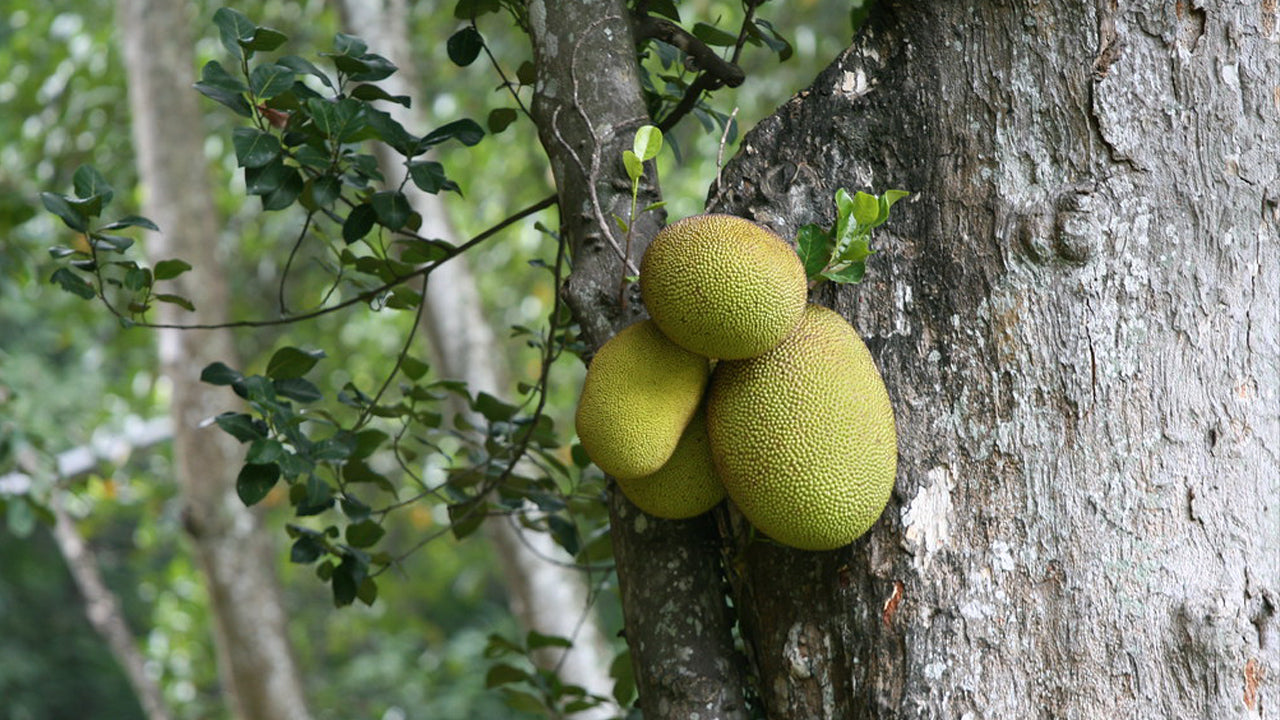
Jackfruit
Artocarpus heterophyllus -
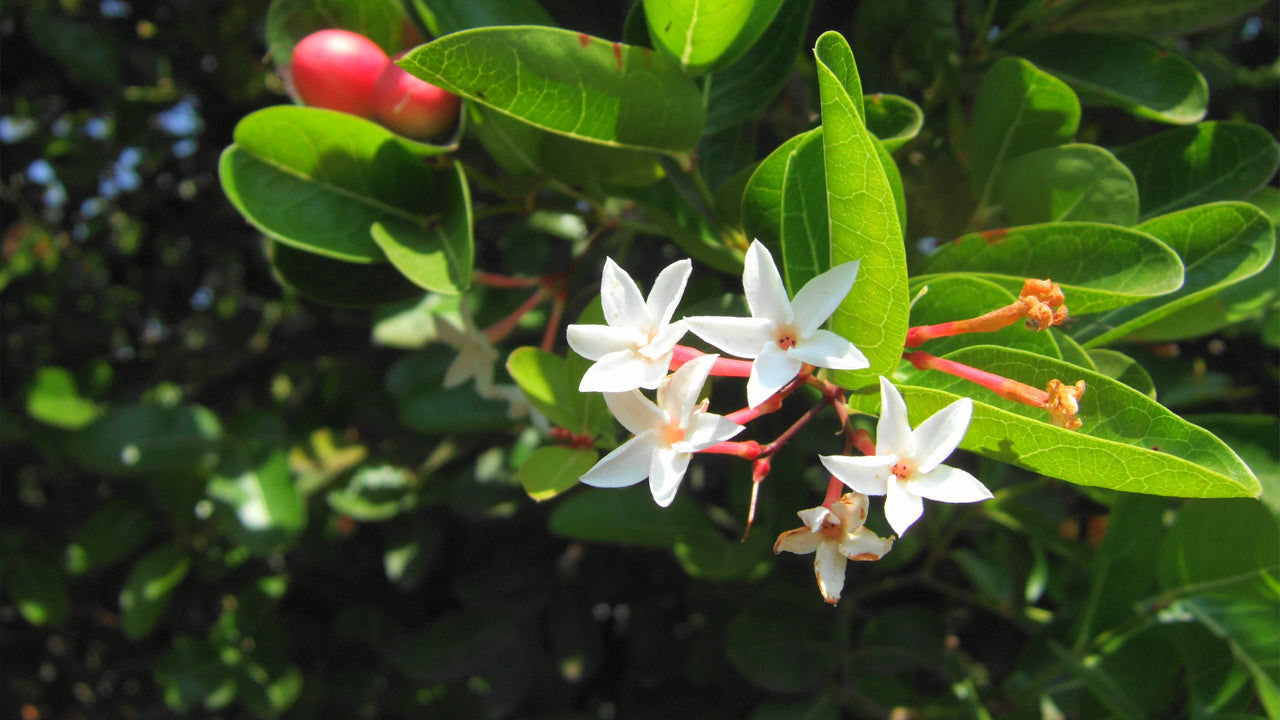
Karonda
Carissa carandas -
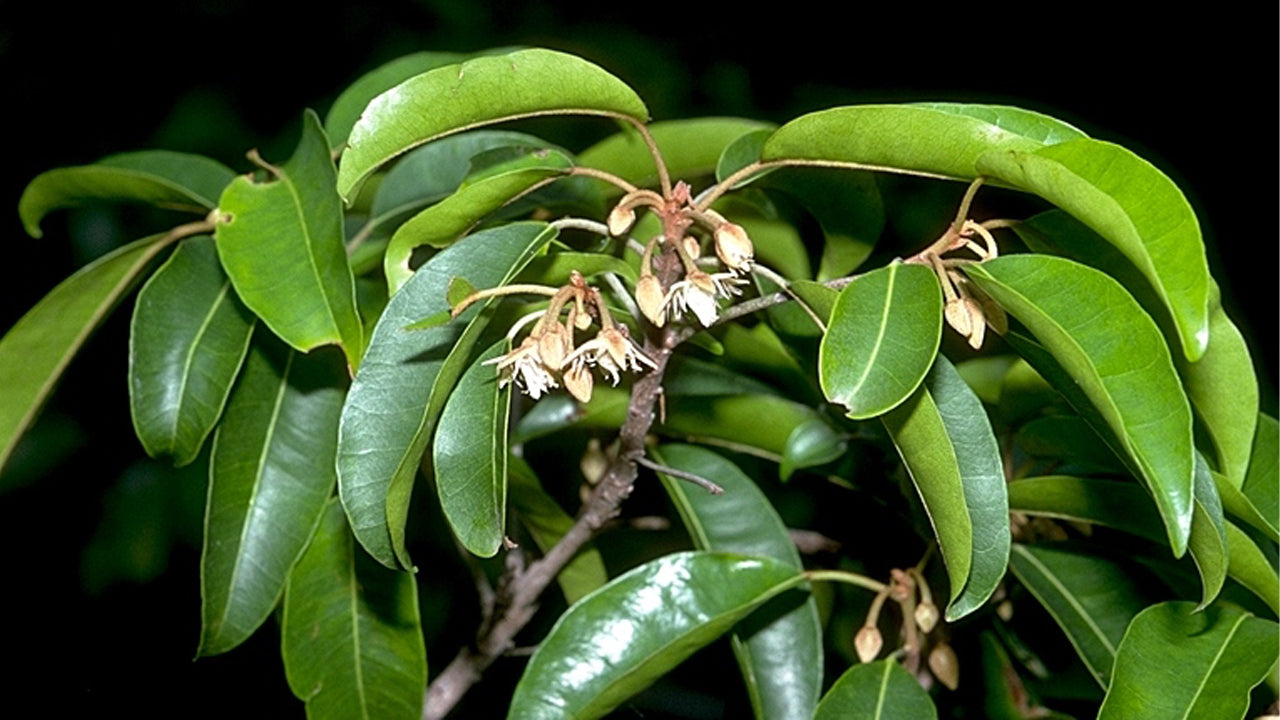
Hispaania kirss
Mimusops elengi -
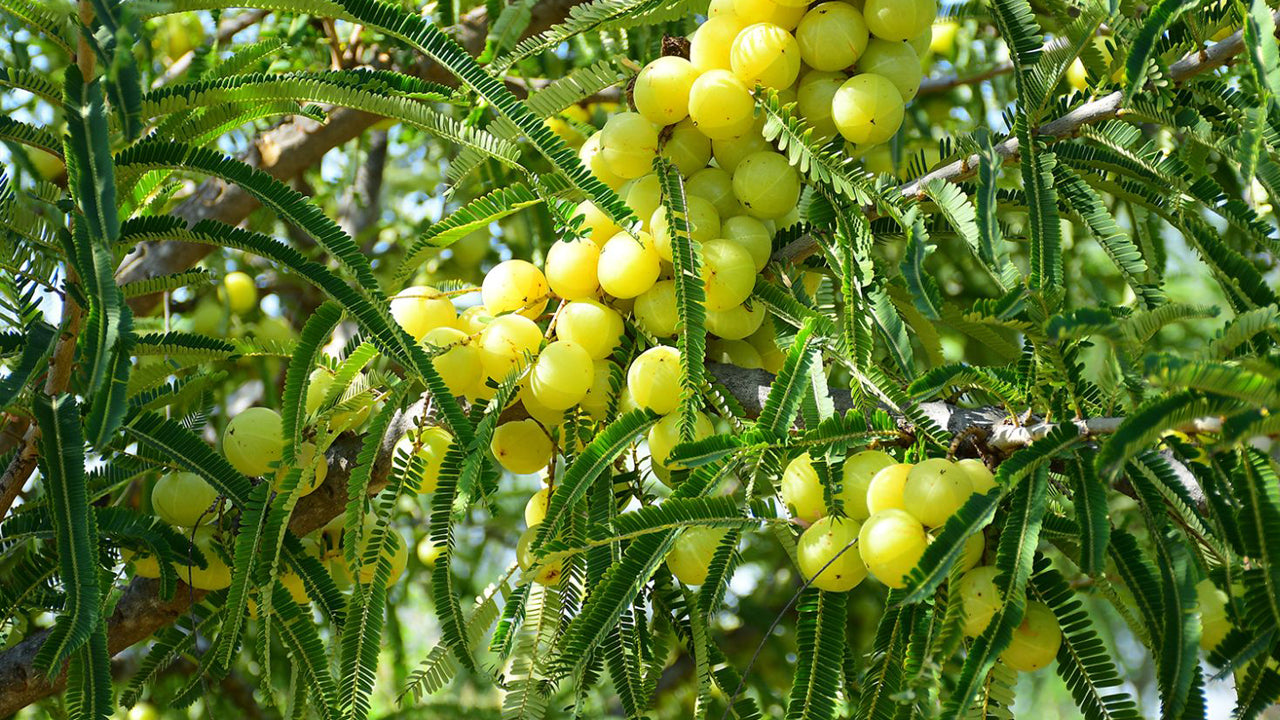
India karusmari
Phyltanthus emblica -
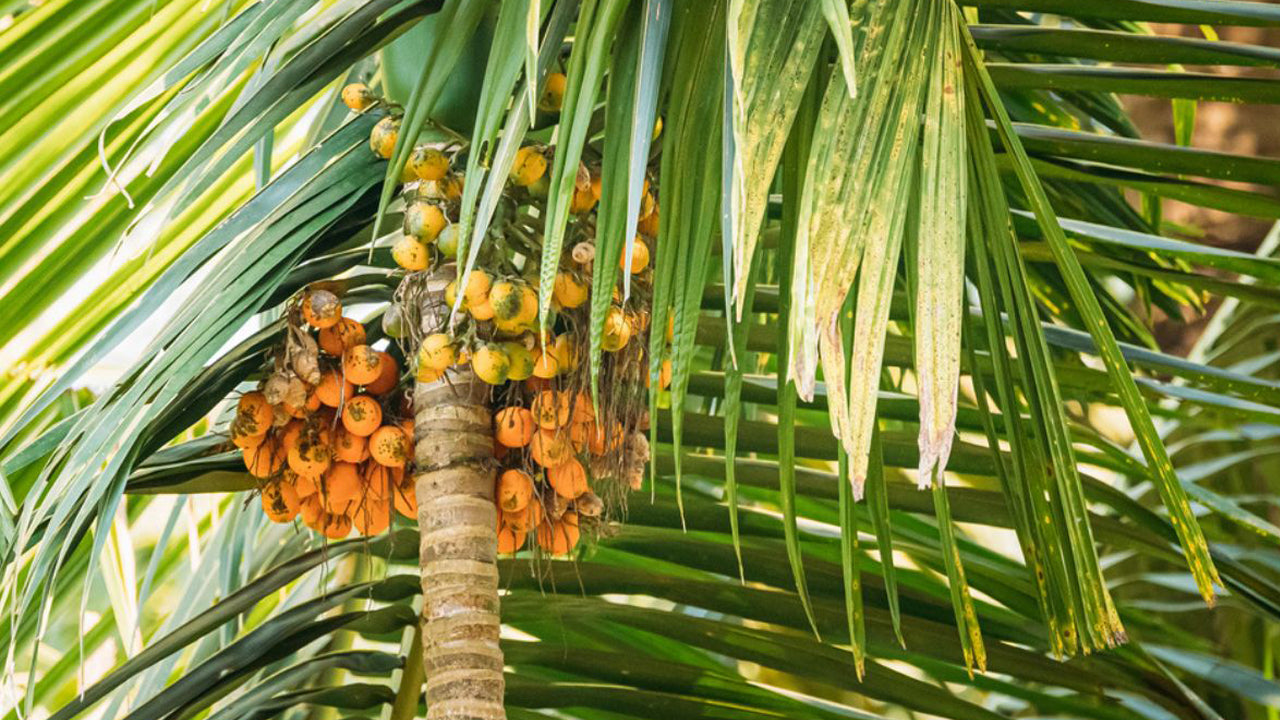
Betelpalm
Areca catechu -
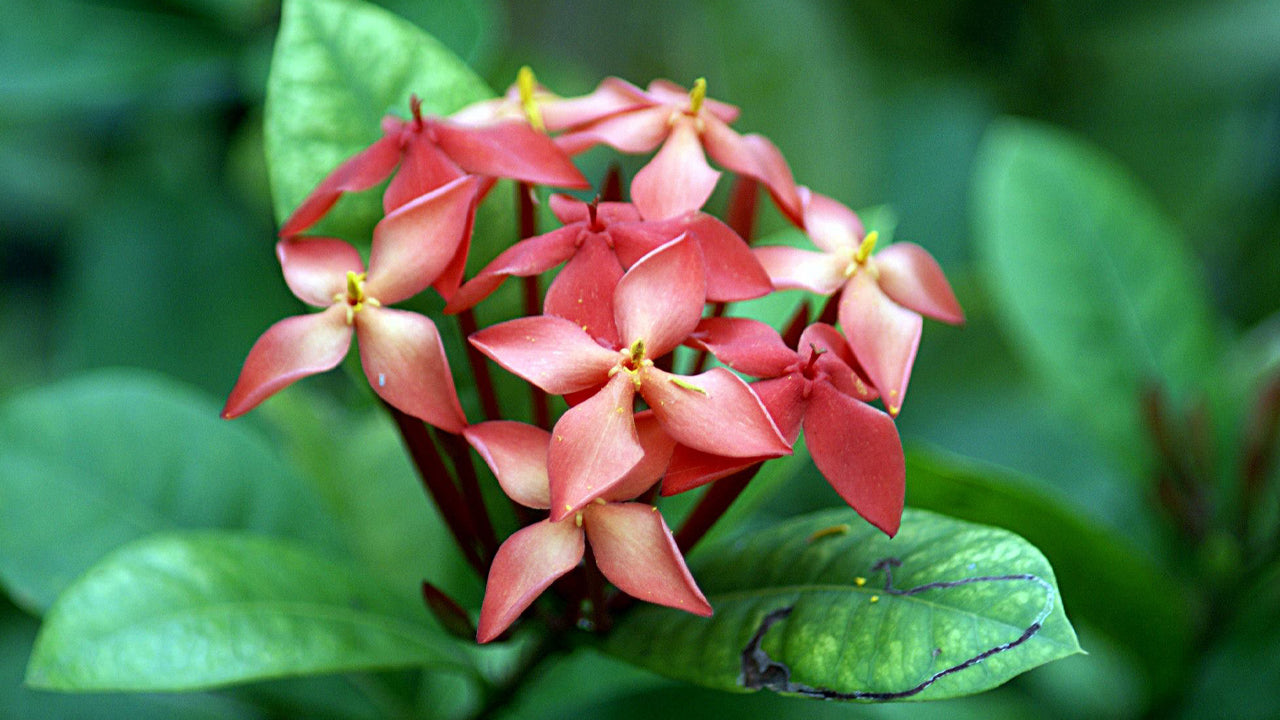
Džungli pelargoon
Ixora coccinea -
Salveilehine alangium
Alangium salviifolium -
Champak
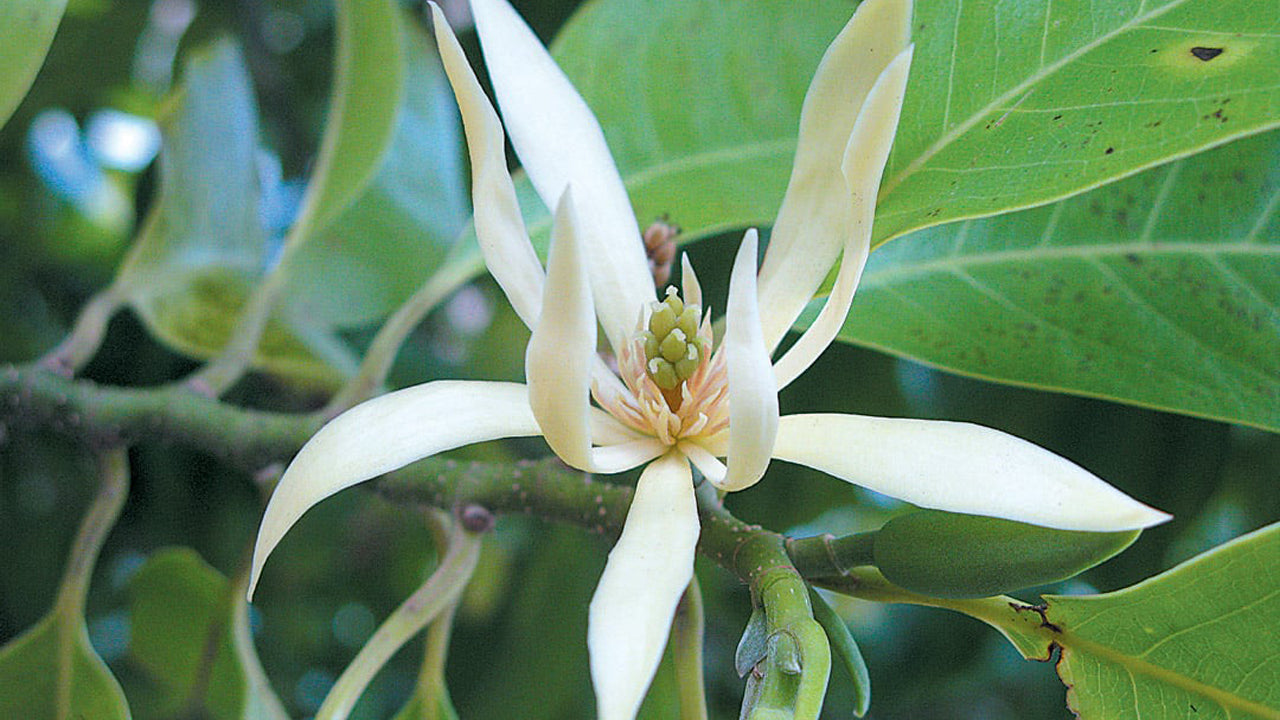
Michelia champaca -
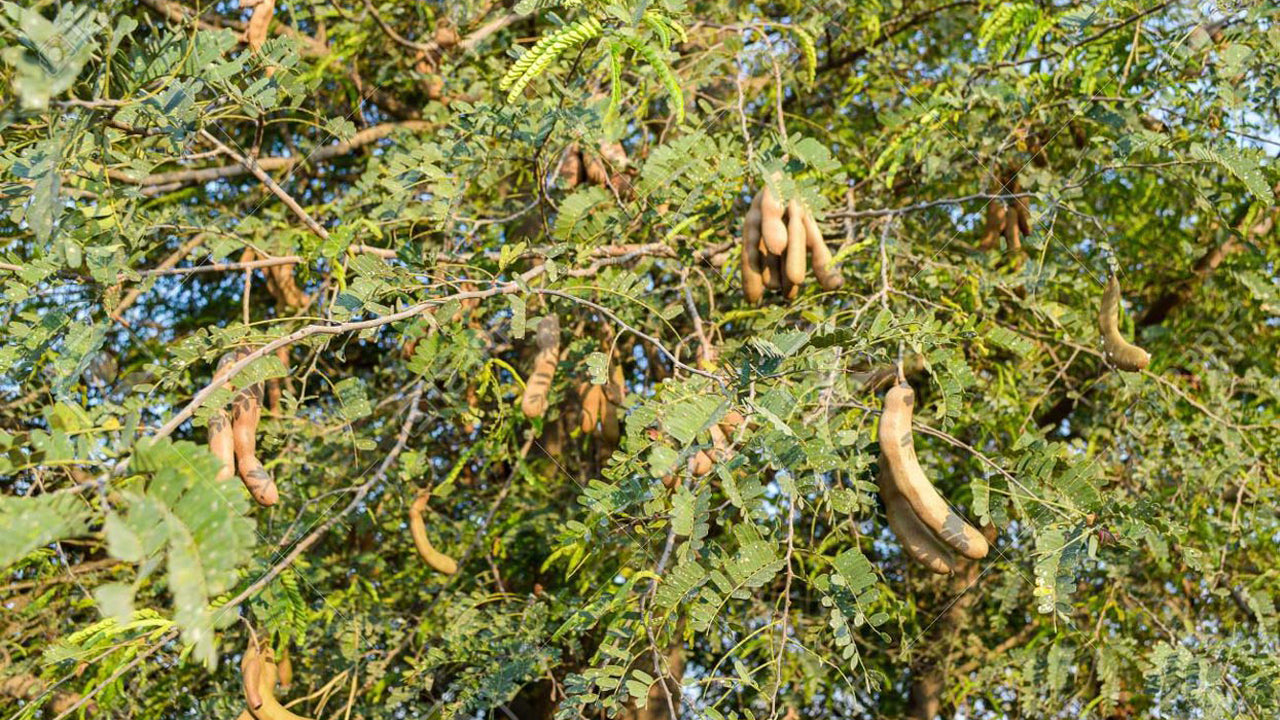
Tamarind
Tamarindus indica -
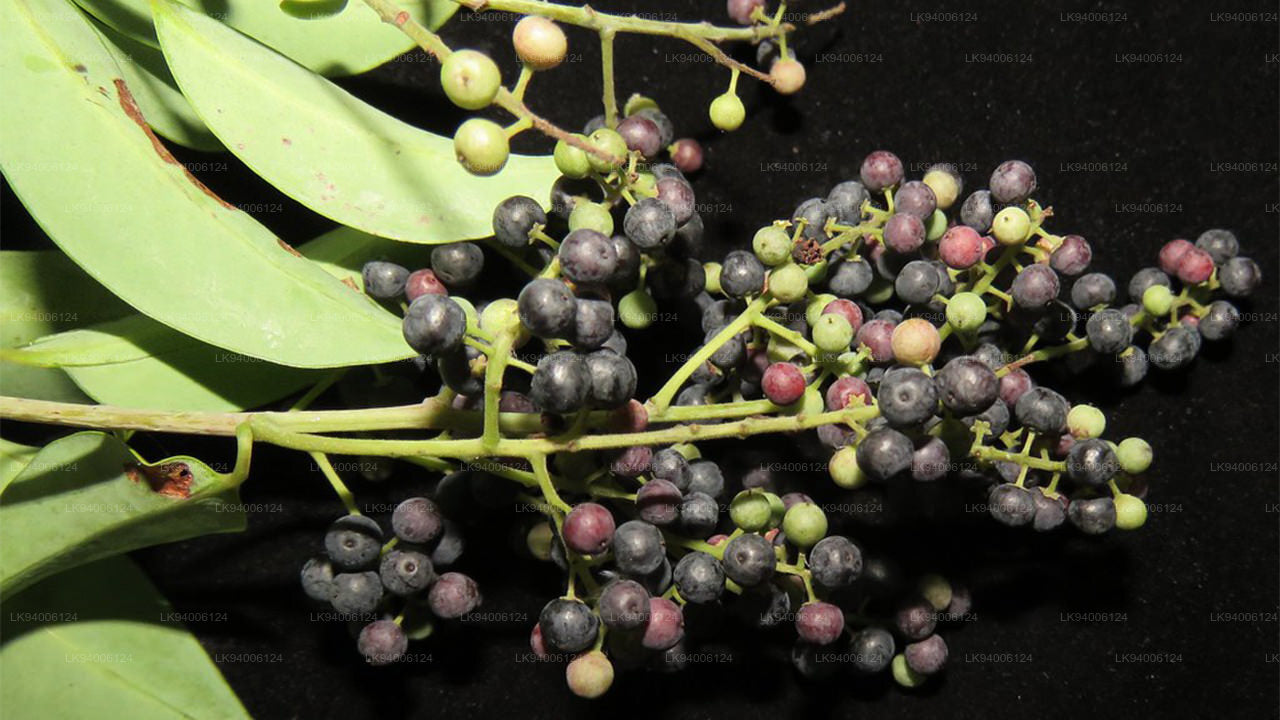
Vale must pipar
Embelia ribes -
Laimimarja
Micromelum ceylanicum -
Climbing Atalantia
Paramignya monophylla
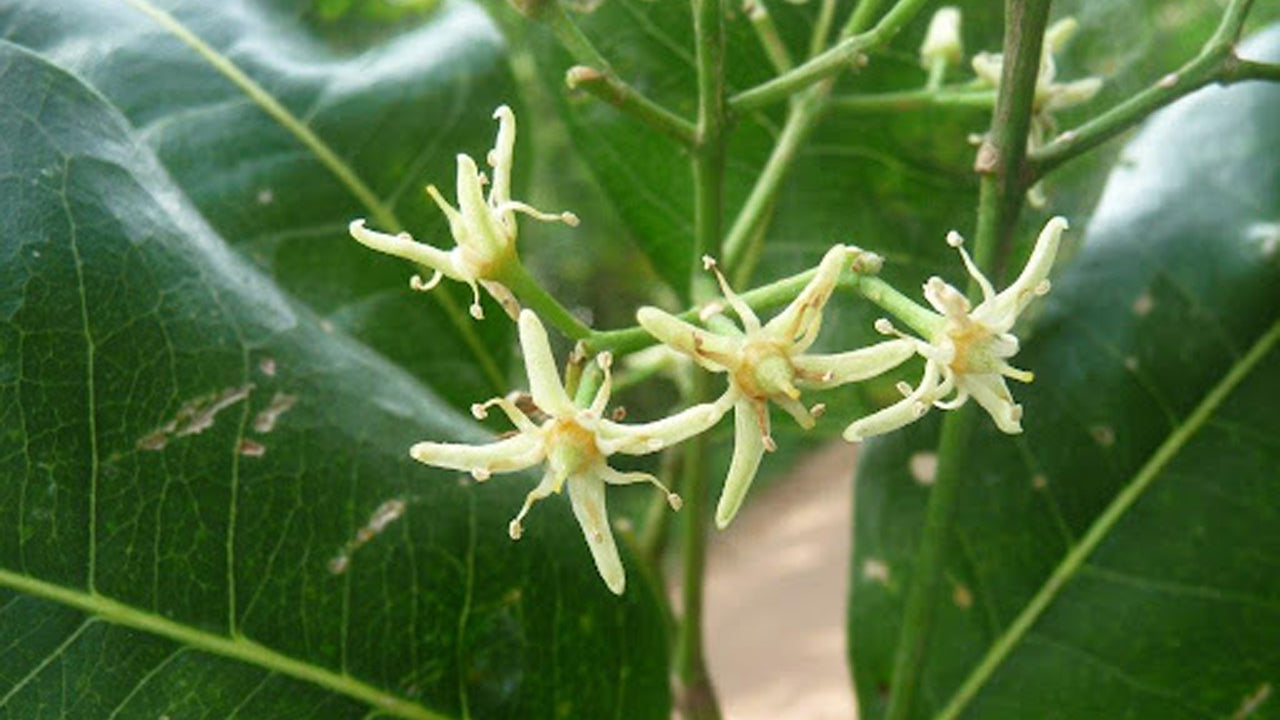
Ayurveda ja taimne
-
Siddhalepa Ayurveda taimepalsam
Regular price From $0.32 USDRegular price$0.38 USDSale price From $0.32 USDSale -
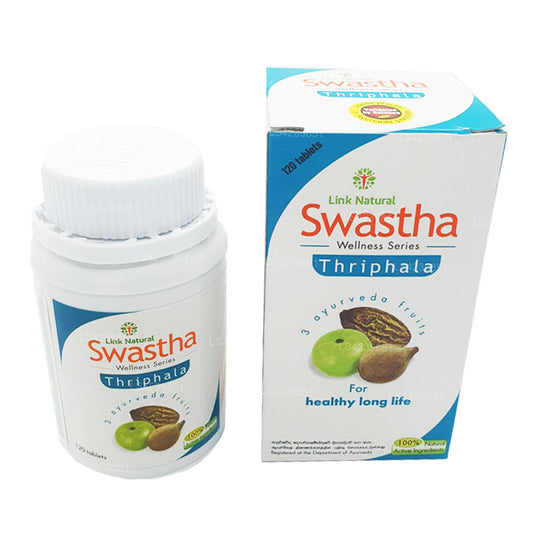
Link Swastha Triphala
Regular price From $1.90 USDRegular price$2.25 USDSale price From $1.90 USDSale -
Lakpura® Metsikult korjatud hapukapsa (Guanabana, Graviola, Guyabano) kuivatatud lehed
Regular price From $0.78 USDRegular price$0.92 USDSale price From $0.78 USDSale -
Setsuwa Pranajeeva õli
Regular price From $4.11 USDRegular price$4.88 USDSale price From $4.11 USDSale