Sri Lanka packs an extraordinary range of landscapes, history, and wildlife into an island roughly the size of Ireland. Separated from the southern tip of India by the Palk Strait and the Gulf of Mannar, this teardrop-shaped island in the Indian Ocean has been a crossroads of trade and culture for over two thousand years. Today it draws travellers with a combination that is hard to match elsewhere in Asia: ancient cities, cloud-forest highlands, protected wilderness, and a long coastline of varied character.
What follows is a practical orientation to Sri Lanka's main destination zones — the regions, the landscapes, and the experiences that distinguish each one — to help you decide where to focus your time.
What are Sri Lanka's main destination regions?
Sri Lanka divides naturally into several distinct travel zones, each with its own rhythm and appeal. Understanding these zones makes itinerary planning considerably easier.
- The Cultural Triangle — the north-central interior, anchored by Sigiriya, Polonnaruwa, and Anuradhapura, where most of the island's ancient Buddhist civilisation is concentrated.
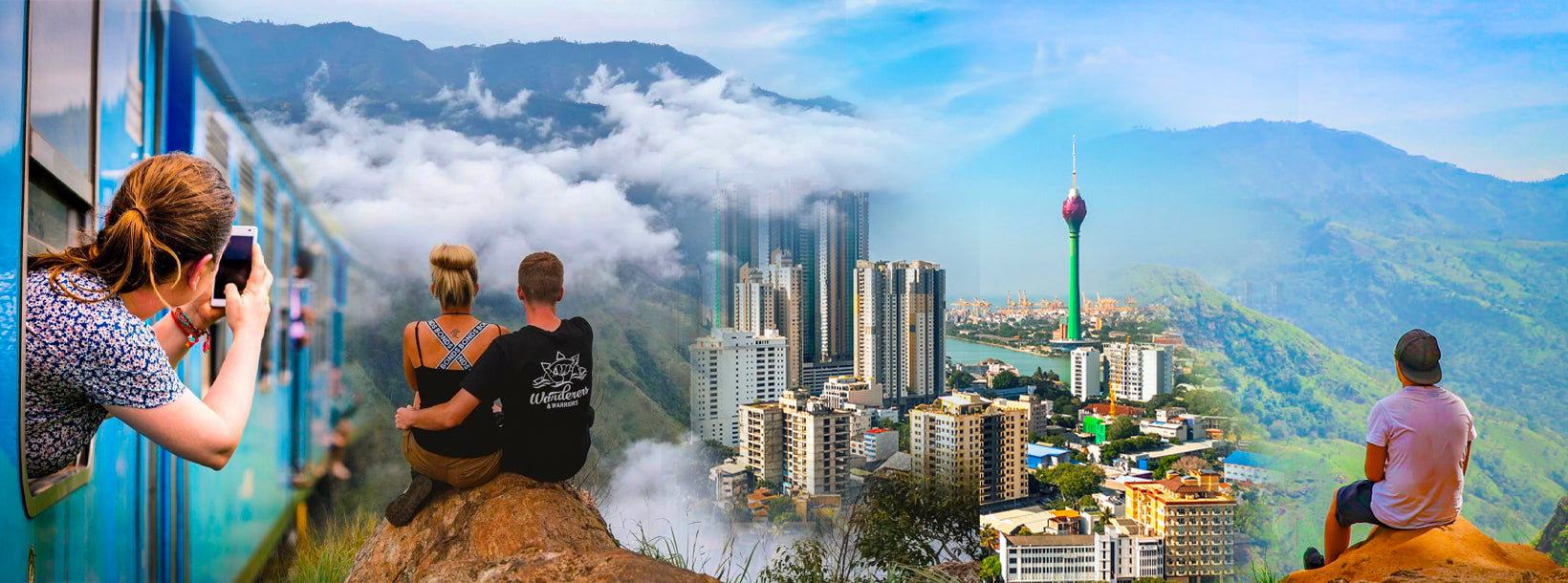
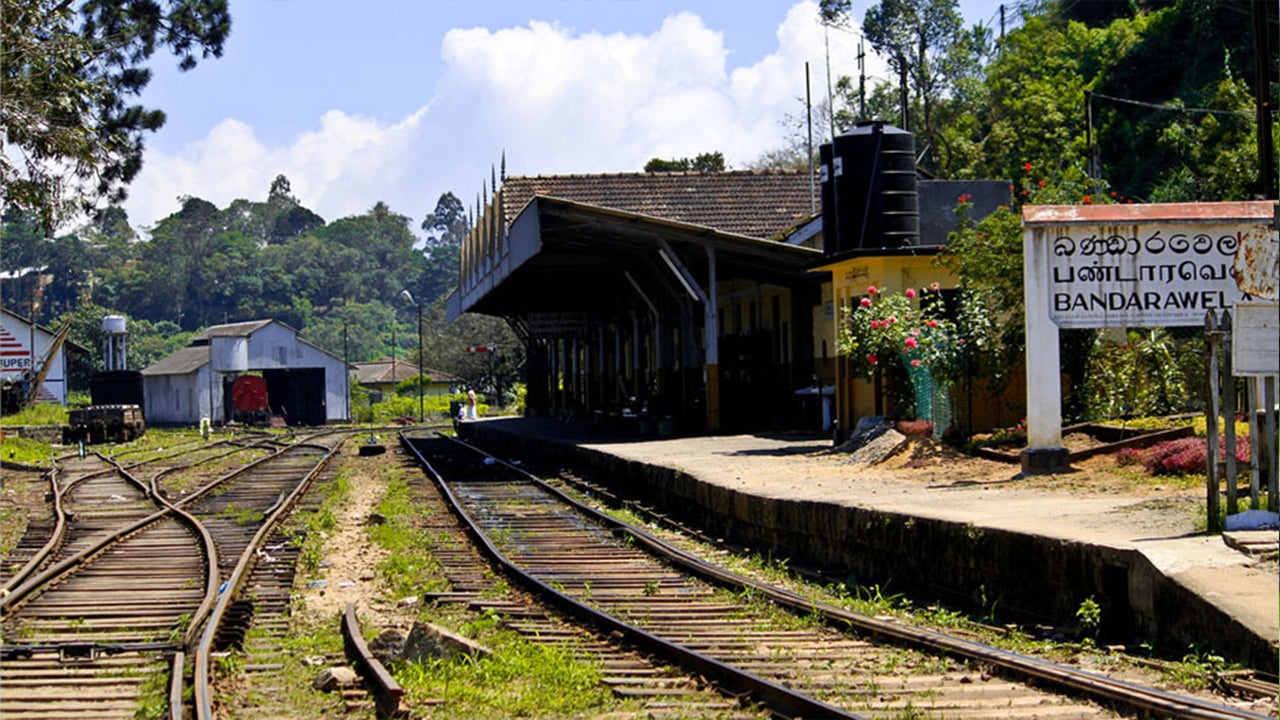
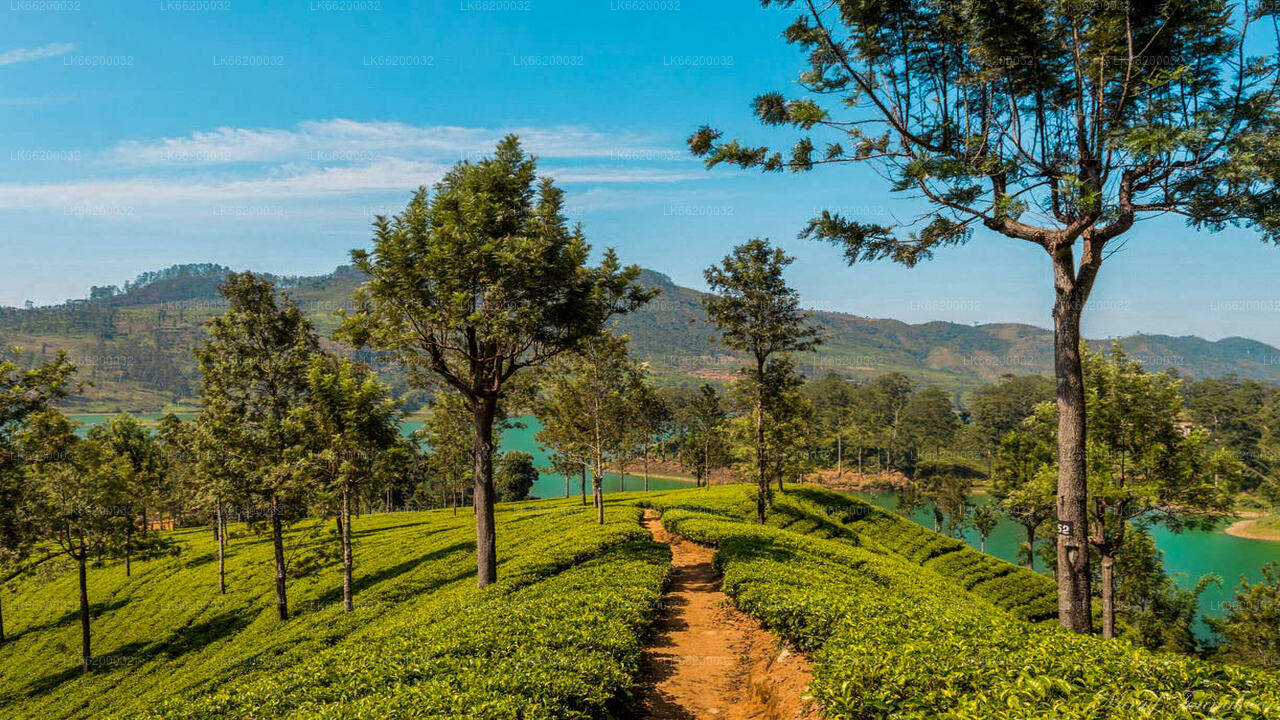
- The Hill Country — a cool central plateau rising above 2,000 metres, centred on Kandy, Nuwara Eliya, and Ella, blanketed in tea estates and threaded by some of Asia's most scenic railway journeys.
- The Southern Coast — stretching from Galle to Tangalle, combining Dutch colonial architecture, surf beaches, whale-watching grounds, and turtle nesting sites.
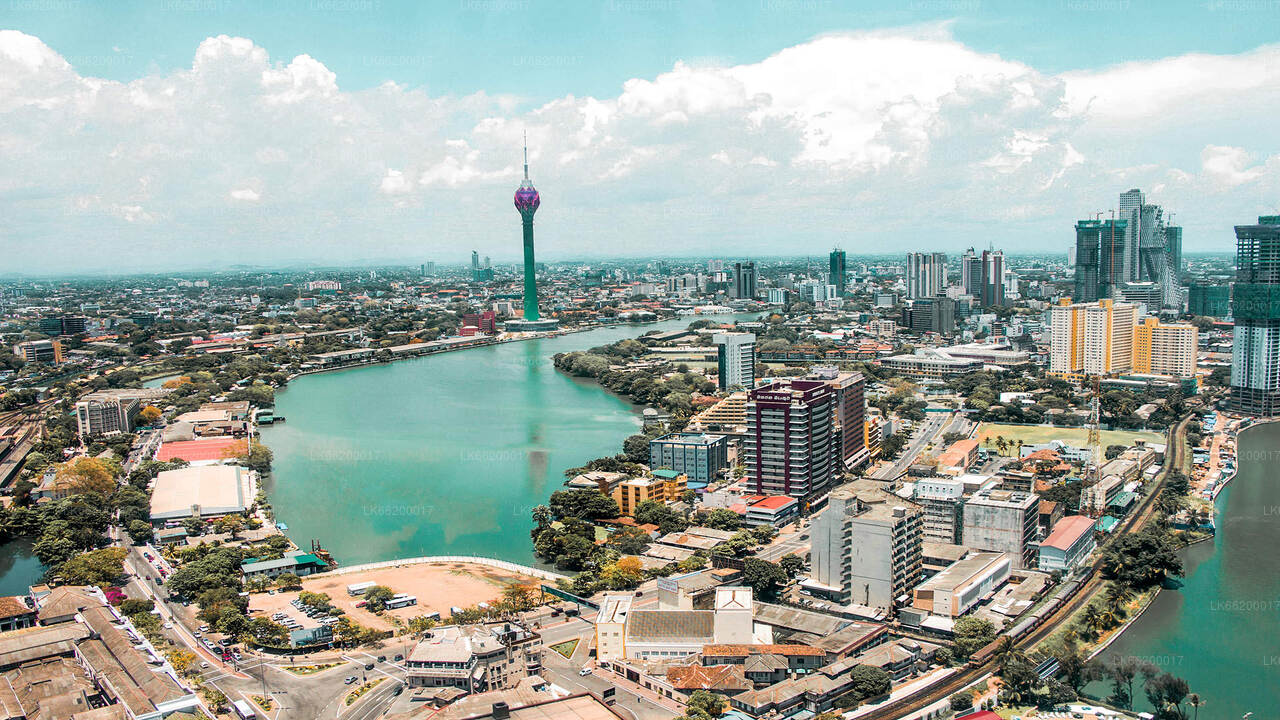
- The West Coast — Colombo, Negombo, and the beach belt heading south, the primary arrival corridor and a destination in its own right.
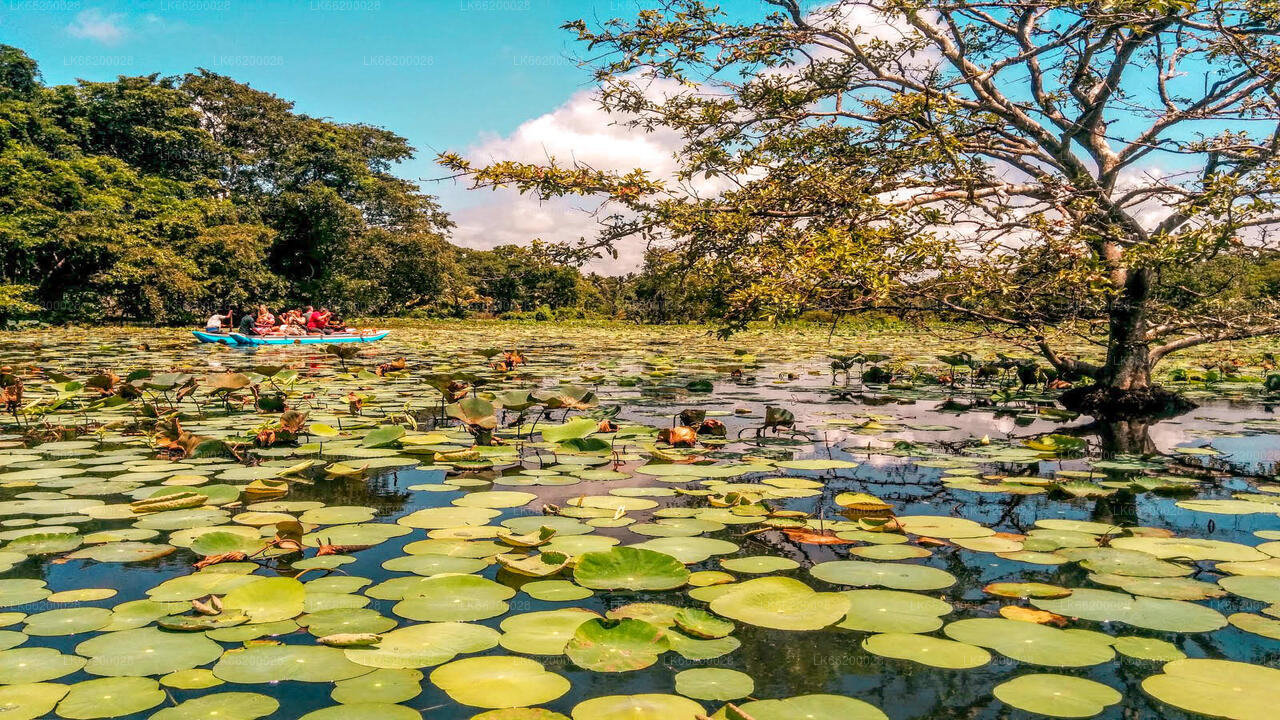
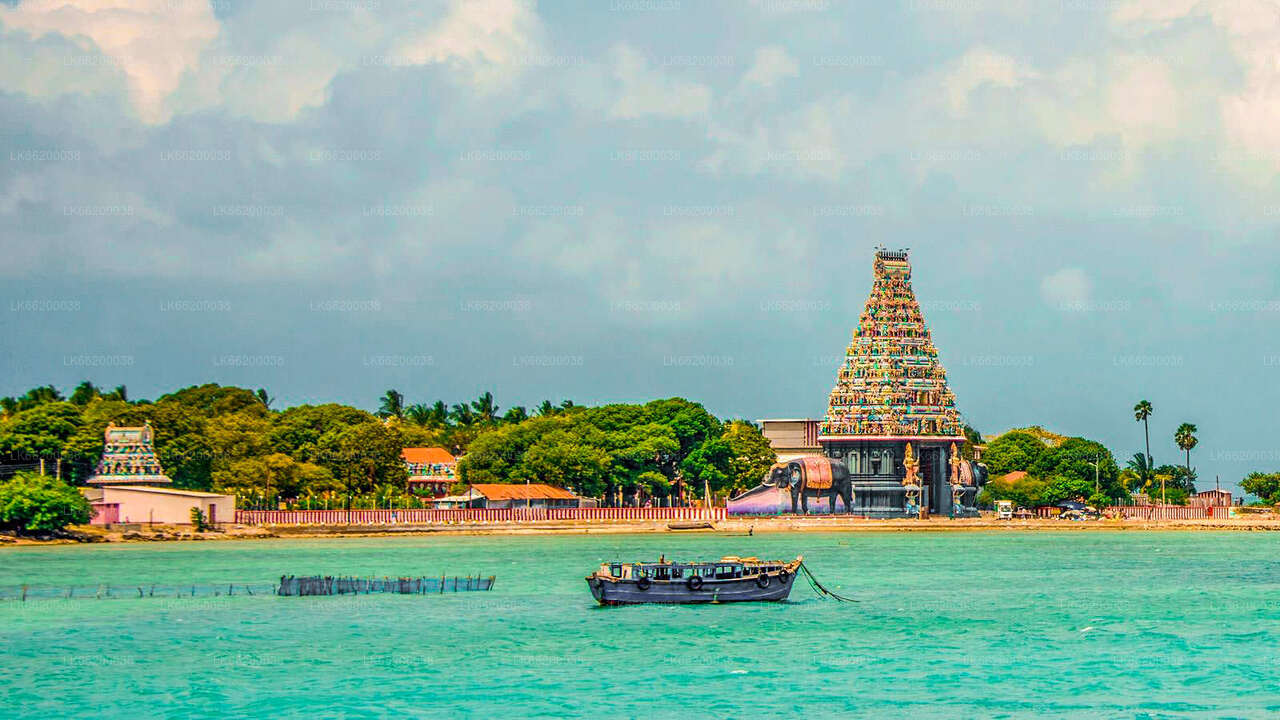
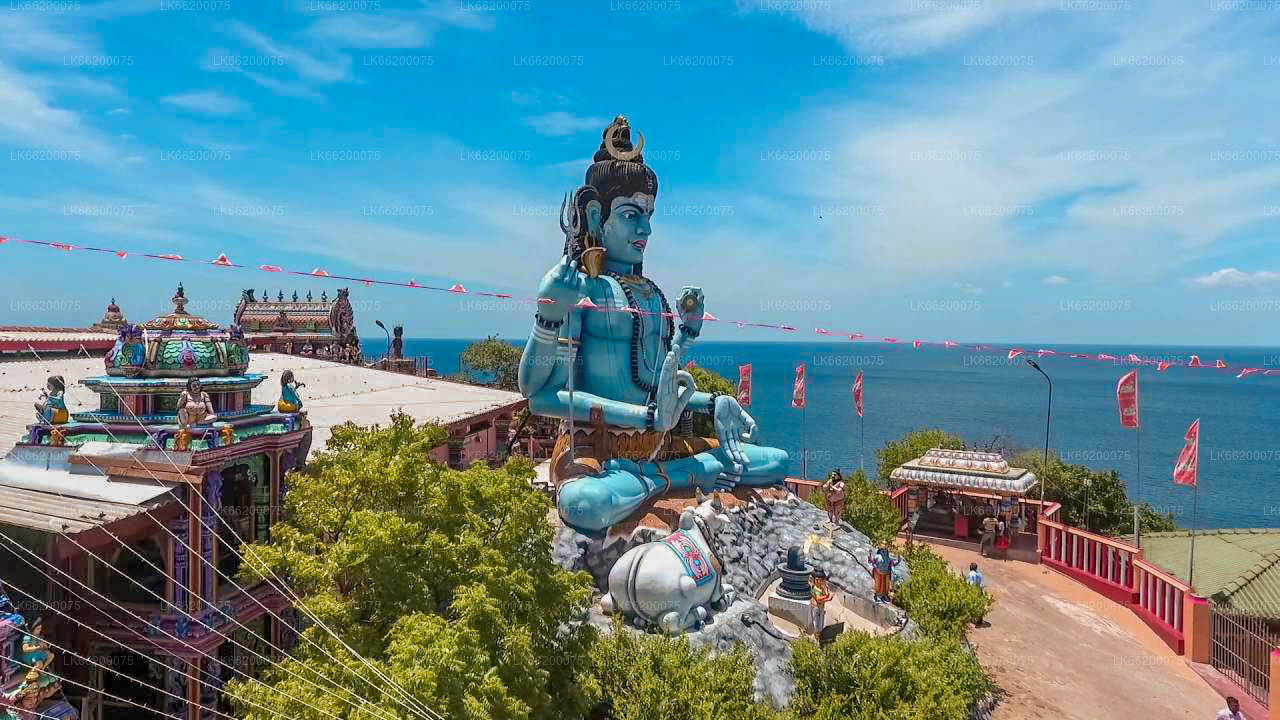
- The Dry Zone North and East — including Wilpattu, Trincomalee, Nilaveli, and the Jaffna Peninsula, less visited but rewarding for wildlife, diving, and off-the-beaten-track exploration.
- The Sabaragamuwa and Uva foothills — Sinharaja, Ratnapura, and the gem-rich lowlands that transition between coast and highlands.
What can I see in the Cultural Triangle?
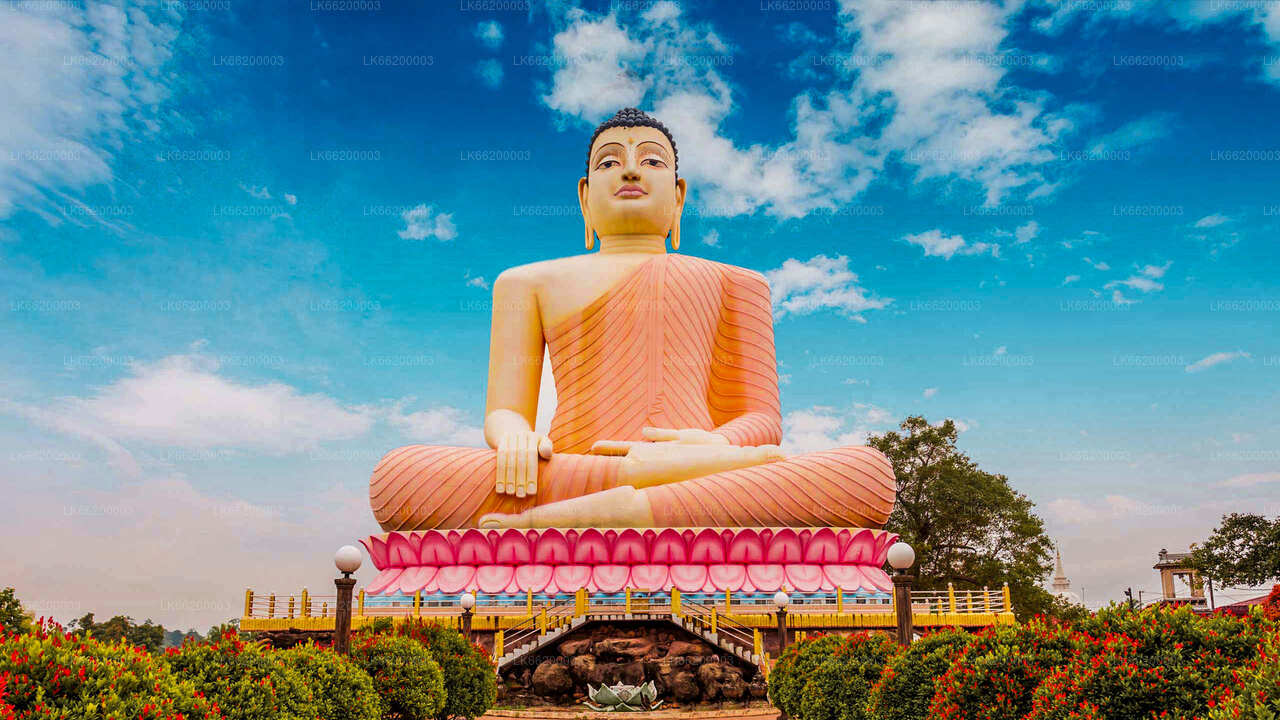
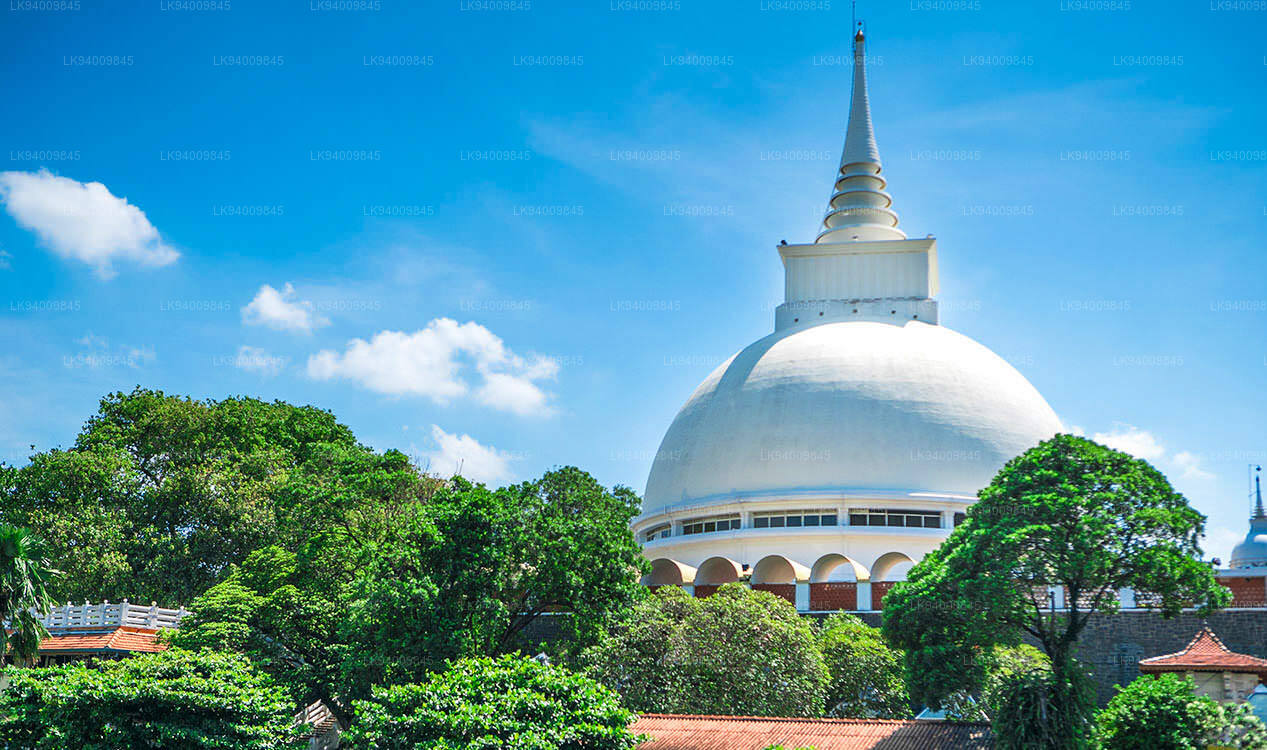
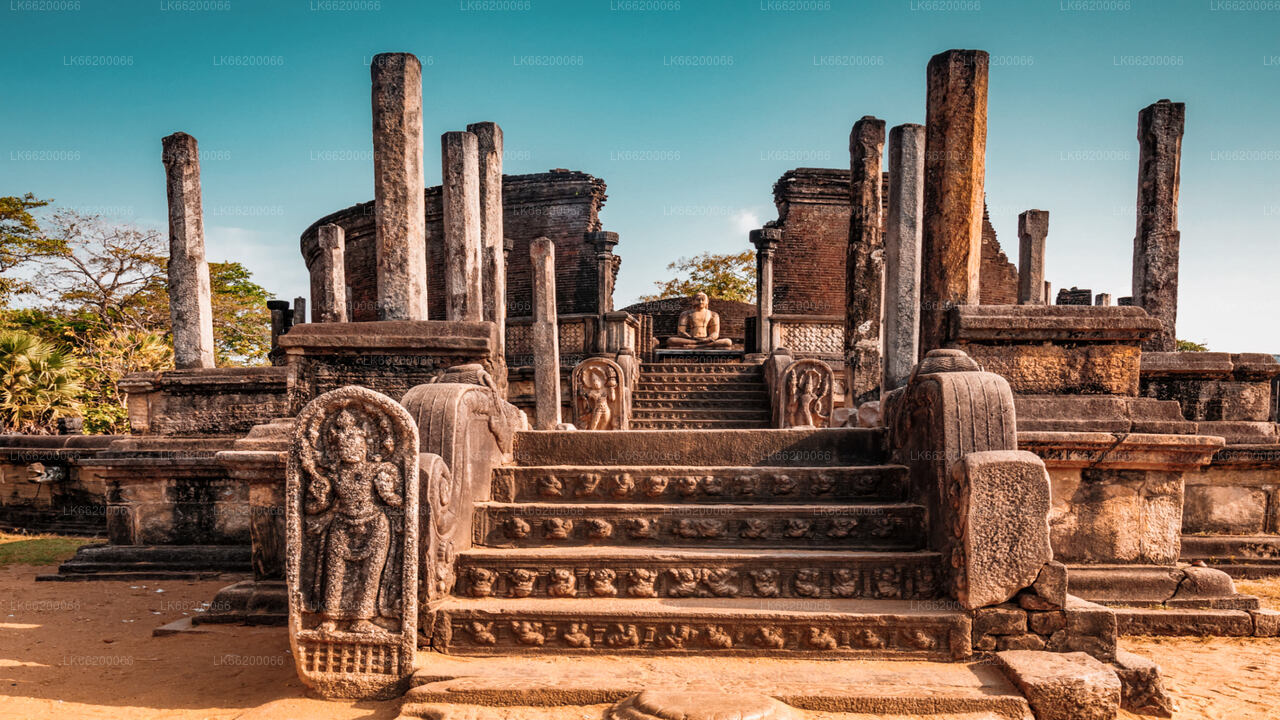
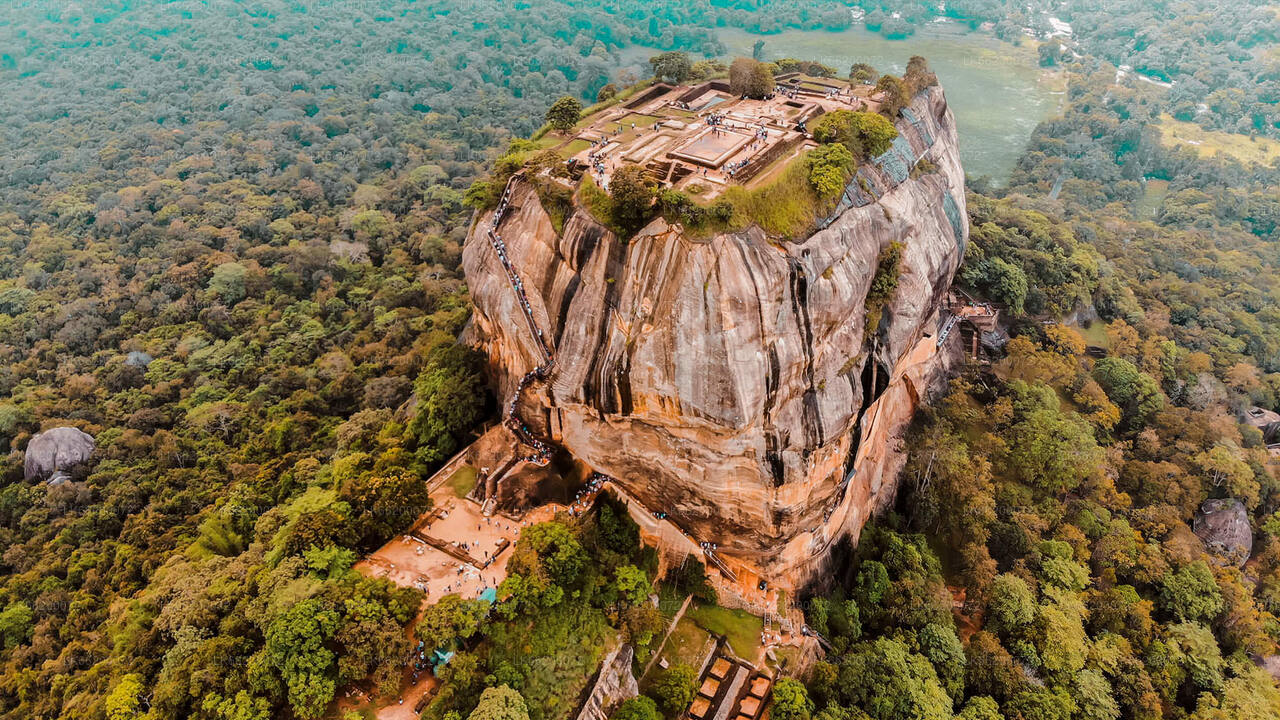
The Cultural Triangle is the heartland of Sri Lankan history. Sigiriya, a 5th-century rock fortress rising 200 metres above the surrounding plain, is the most visited single site on the island and a UNESCO World Heritage property. Nearby Polonnaruwa preserves the remarkably intact ruins of a medieval royal city, with its moonstone-paved dagobas and carved Buddha figures still largely in place.
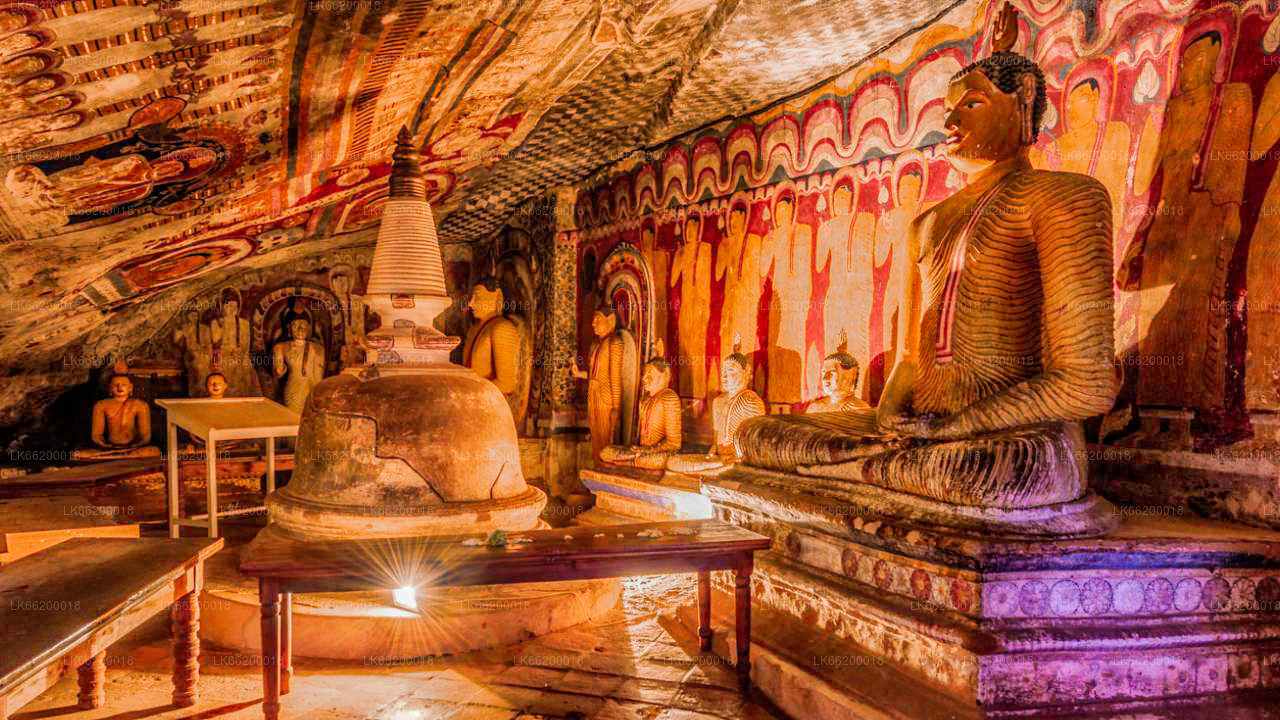
Anuradhapura, further north, was the capital of the island for over a millennium; its sacred Bo tree — grown from a cutting of the original tree under which the Buddha attained enlightenment — is said to be the oldest documented living tree in the world. Dambulla's cave temples, with their 150-plus painted statues, round out the core circuit.
Beyond the monuments, the surrounding countryside rewards slower travel. The Sigiriya village area offers paddy fields, tank irrigation systems, and a rural landscape that has changed little in centuries.
What makes the Hill Country worth the journey?
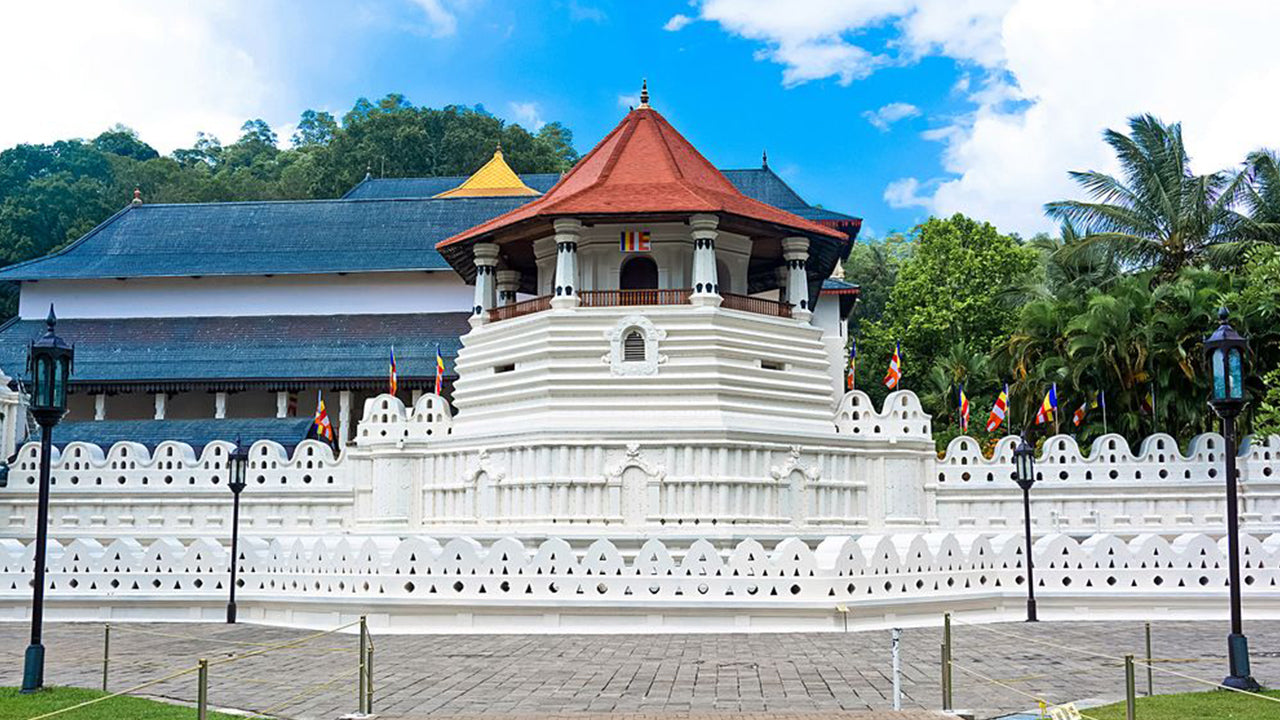
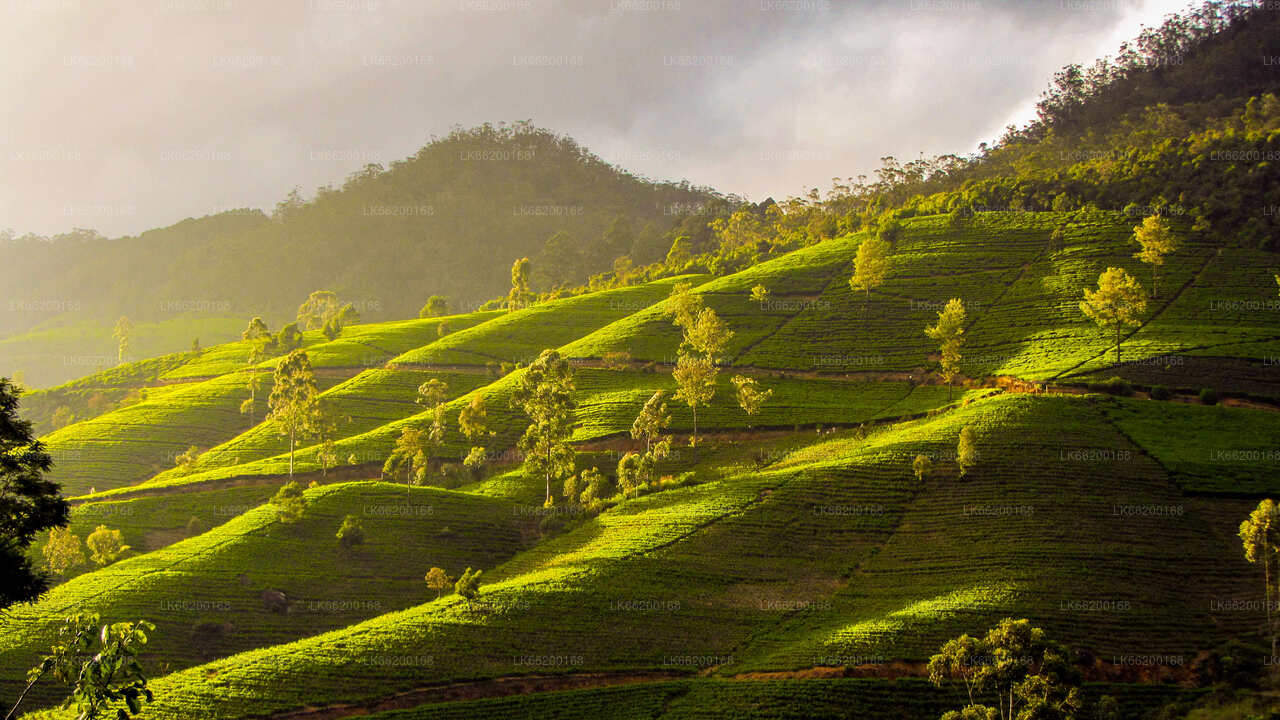
The central highlands shift the entire sensory register of a Sri Lanka trip. Temperatures are cooler, the air is sharper, and the hillsides are carpeted in the manicured green rows of tea bushes that made Ceylon famous. Kandy, the last capital of the Kandyan kingdom, sits at around 500 metres elevation and is home to the Temple of the Tooth Relic — the most sacred Buddhist site in the country. The city's annual Esala Perahera procession, held in July or August, is one of the most spectacular religious festivals in Asia.
Higher up, Nuwara Eliya sits at nearly 1,900 metres and retains a faintly colonial-era character — Victorian bungalows, a racecourse, and cool mist most mornings. The surrounding estates produce some of the island's finest high-grown teas, including Ceylon green tea varieties that are increasingly sought after internationally.
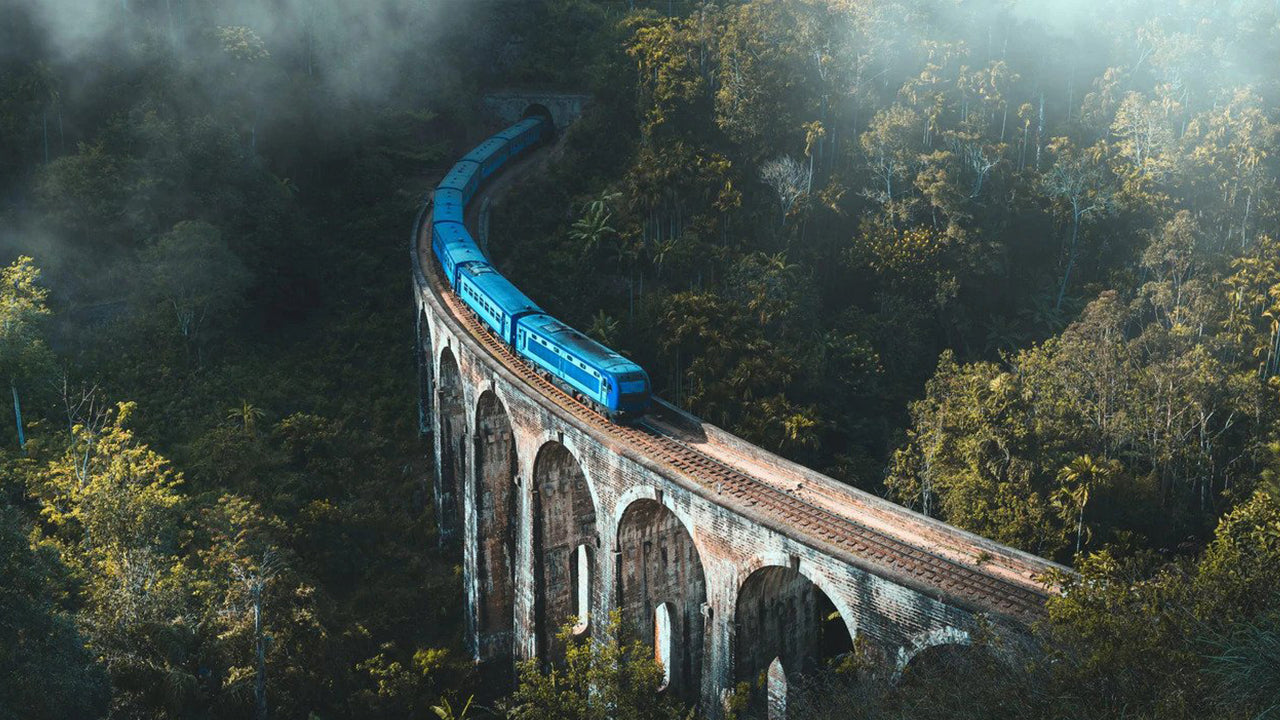
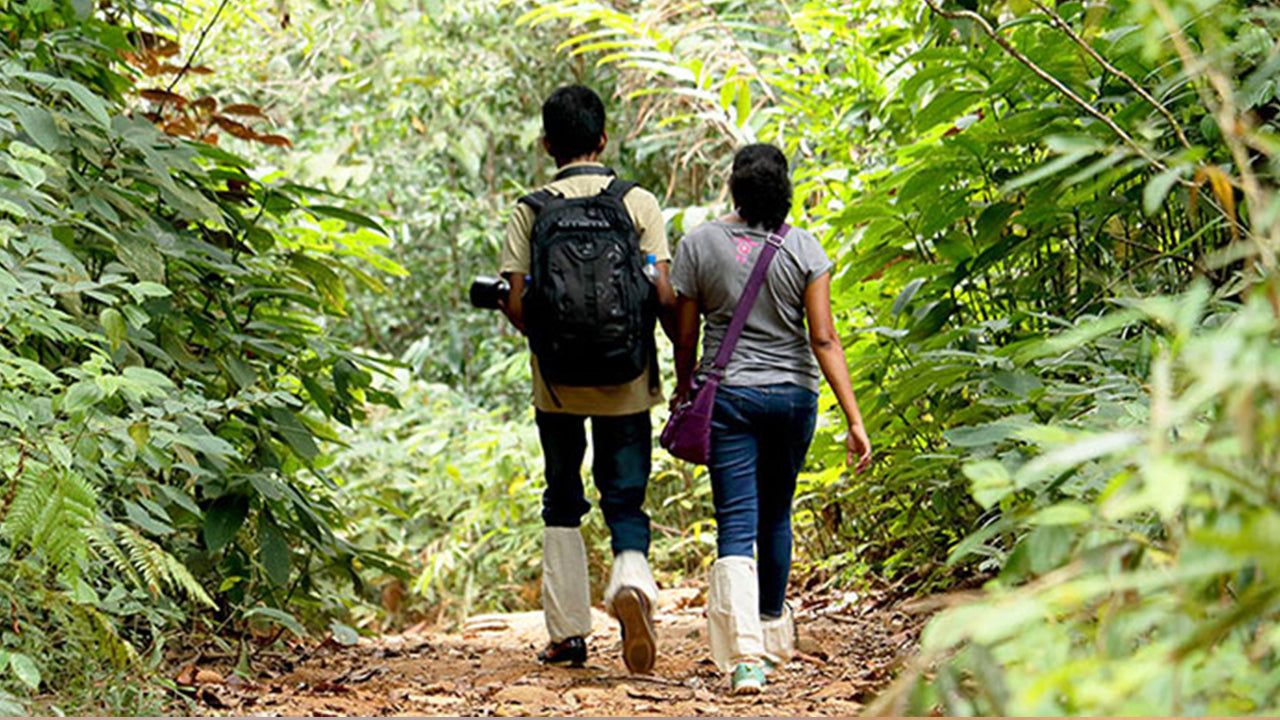
Ella, to the south-east, has become a hub for hikers and those arriving on the famous Kandy-to-Ella train. Horton Plains National Park, accessible from Nuwara Eliya, contains World's End — an abrupt escarpment dropping nearly 900 metres — and harbours cloud-forest species found nowhere else on earth.
What are the best wildlife destinations in Sri Lanka?
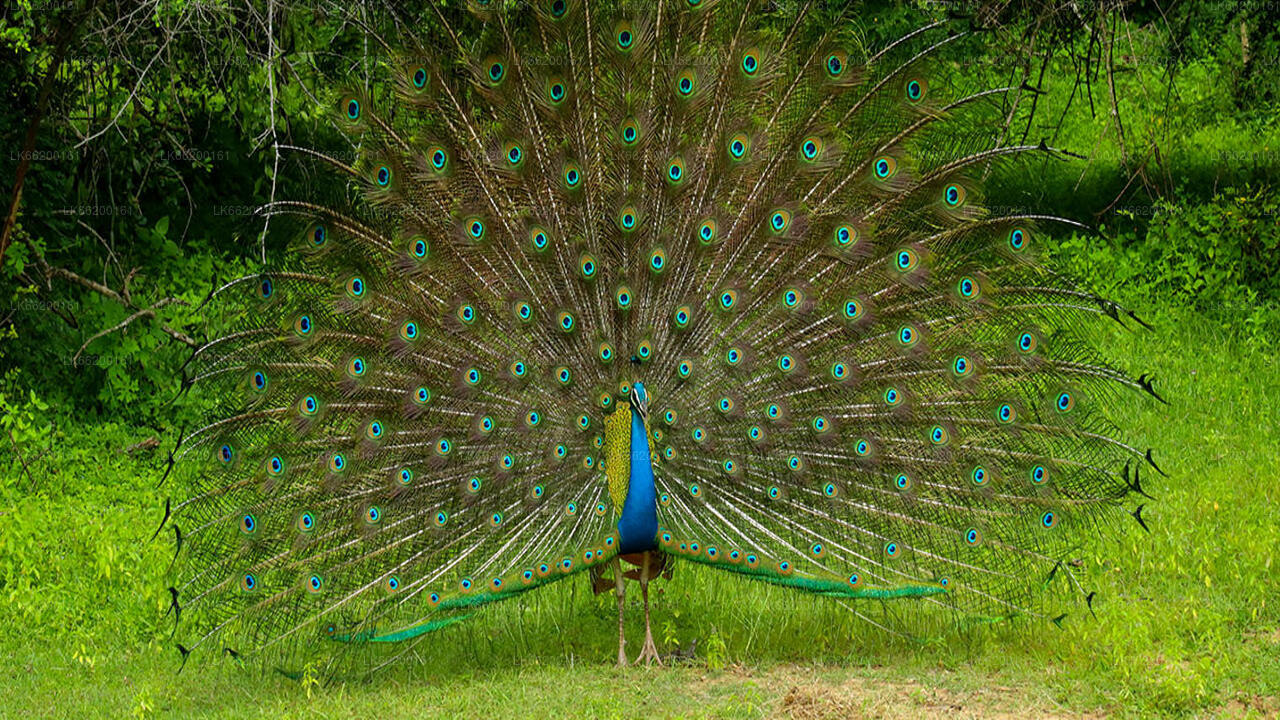
Sri Lanka has one of the highest concentrations of wildlife per square kilometre in Asia. Its national parks cover a significant proportion of the island's land area, and the diversity of habitats — dry-zone scrub, wet-zone rainforest, coastal wetlands — supports correspondingly diverse fauna.
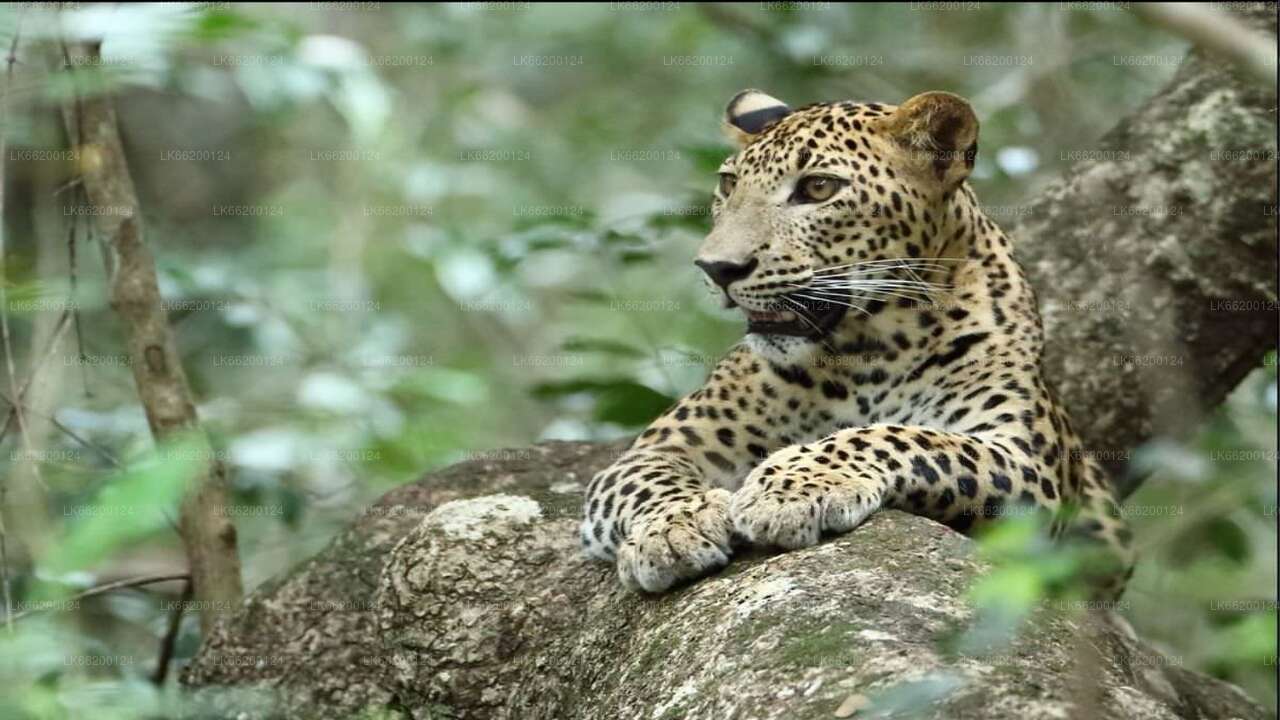
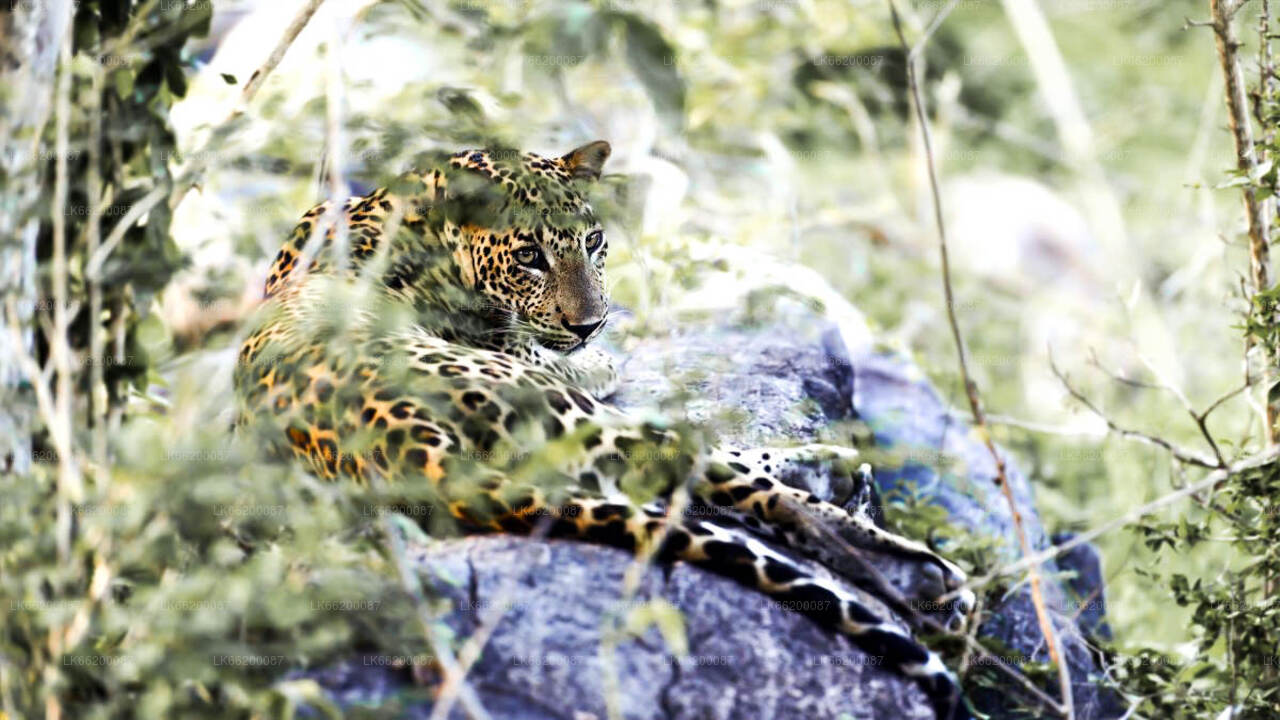
- Yala National Park — the most visited park, with one of the world's highest densities of wild leopards alongside elephants, sloth bears, and crocodiles.
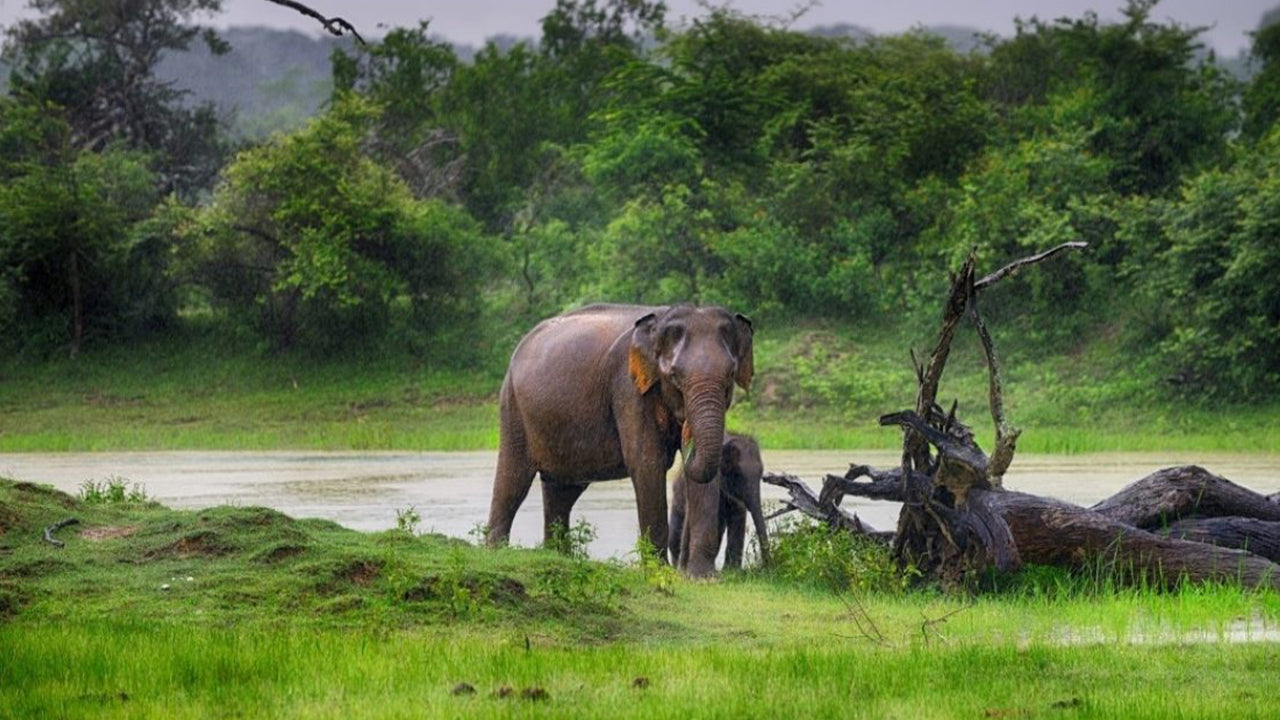
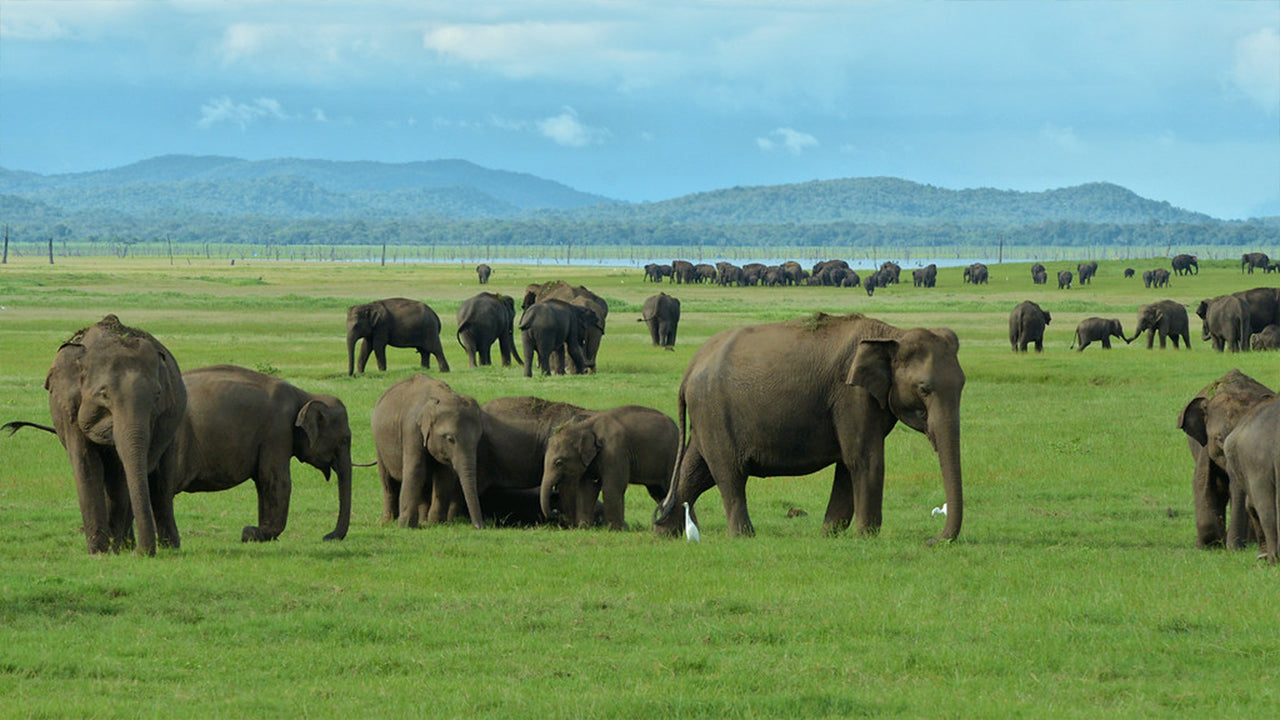
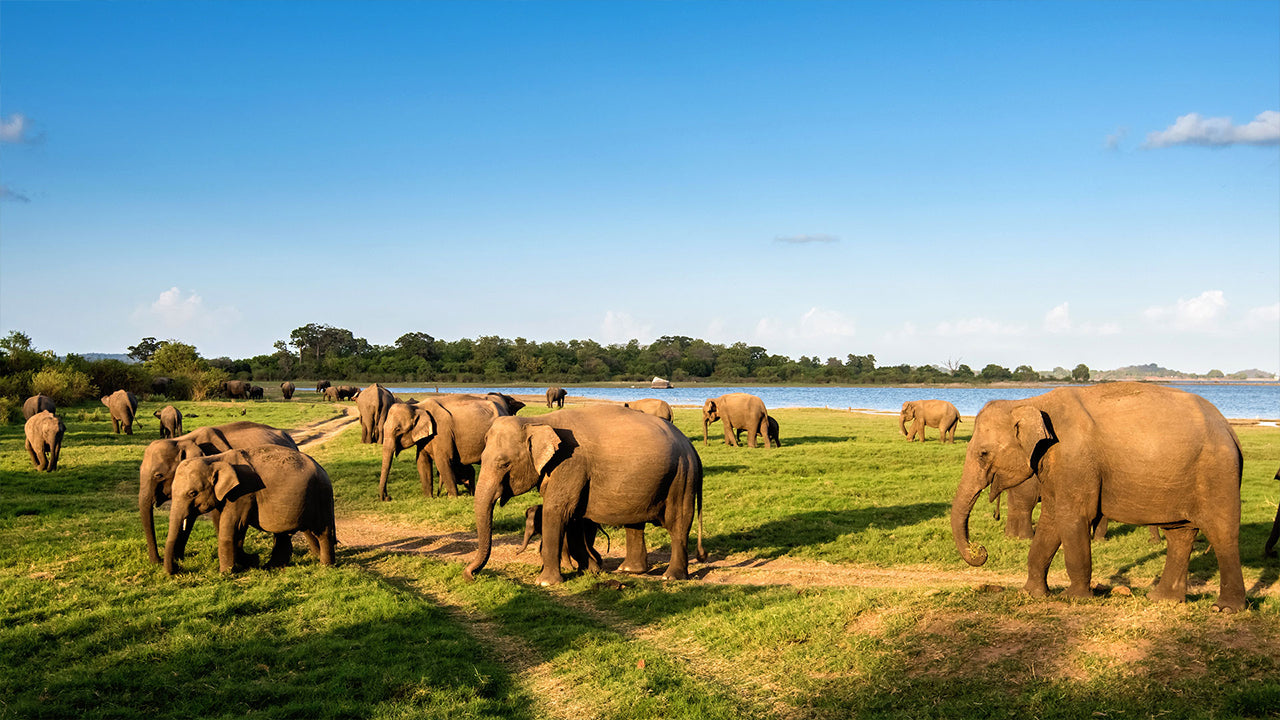
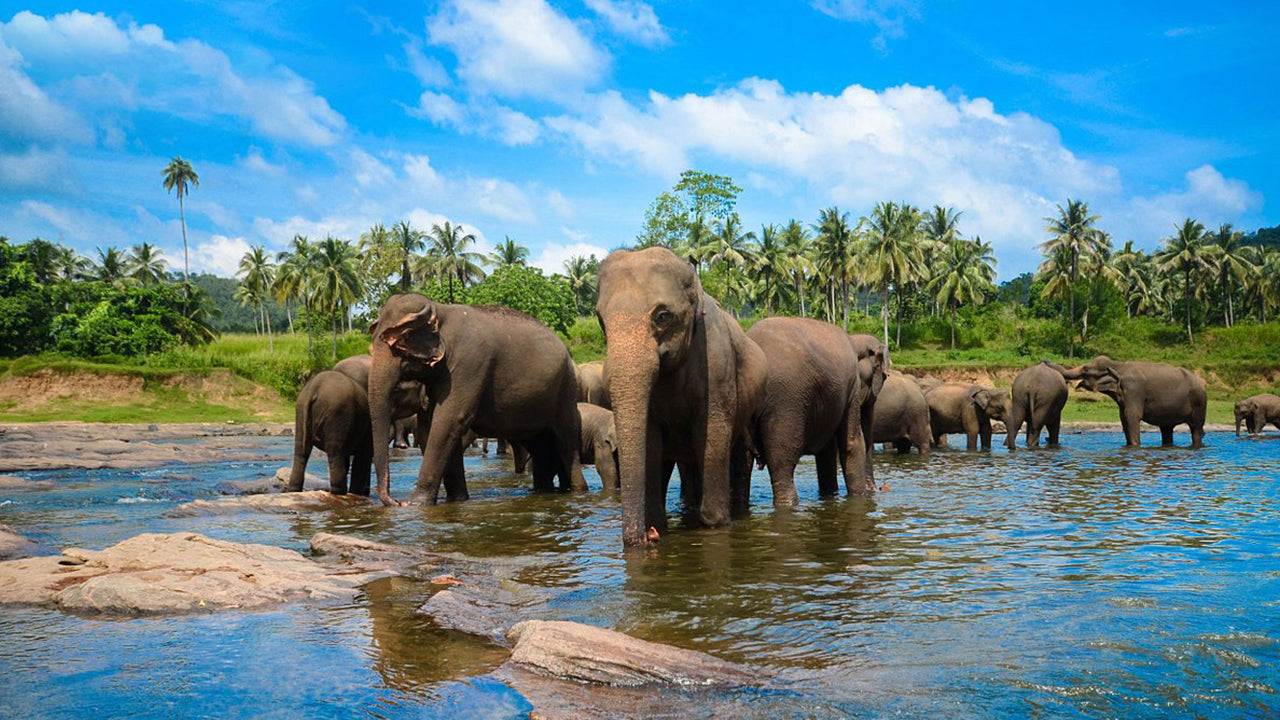
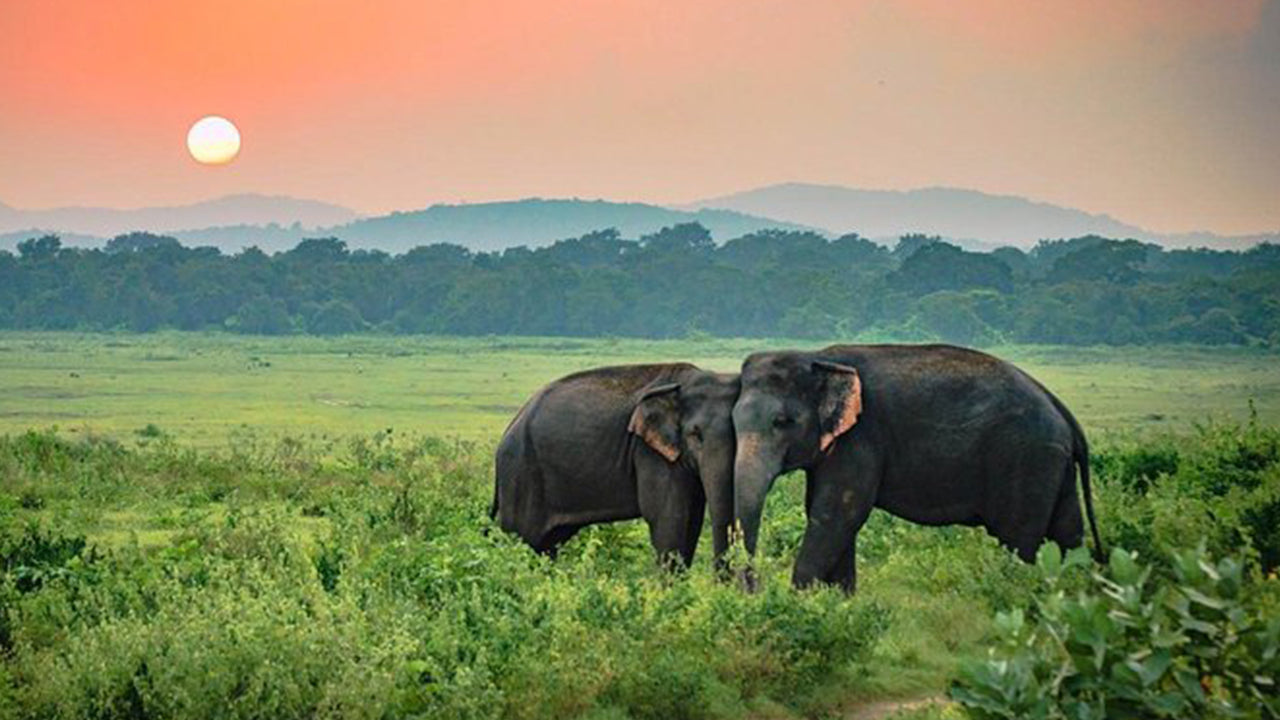
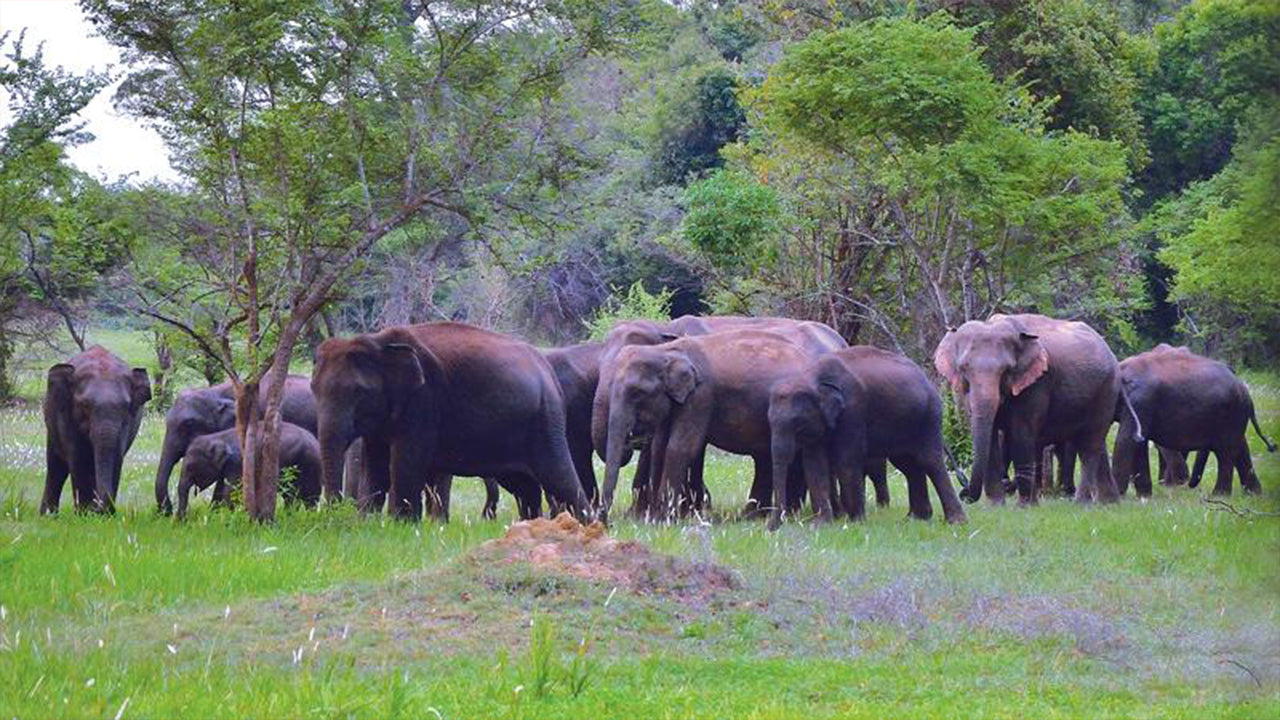
- Udawalawe National Park — reliably excellent for elephant sightings; a herd of several hundred resident elephants makes this the best place in Sri Lanka to observe them in open grassland.
- Wilpattu National Park — Sri Lanka's largest park and arguably its wildest, built around a network of natural lakes called villus; leopard sightings are increasingly common here.
- Sinharaja Forest Reserve — a UNESCO-listed lowland rainforest in the south-west, exceptional for endemic birds and butterflies.
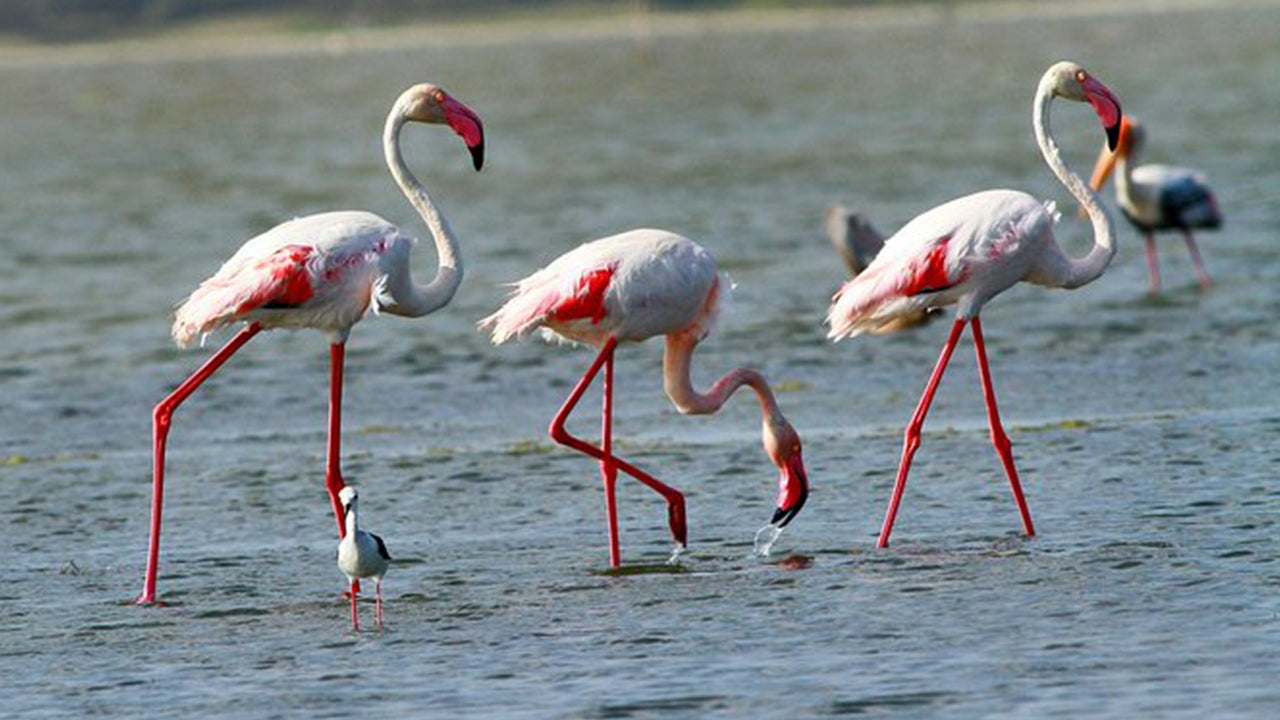
- Bundala National Park — a Ramsar-designated coastal wetland and prime flamingo territory during the northern winter.
Sri Lanka is also one of the best places on earth to watch blue whales, with peak season typically running from November to April off the southern coast near Mirissa and Dondra Head.
Which coastal destinations should I consider?
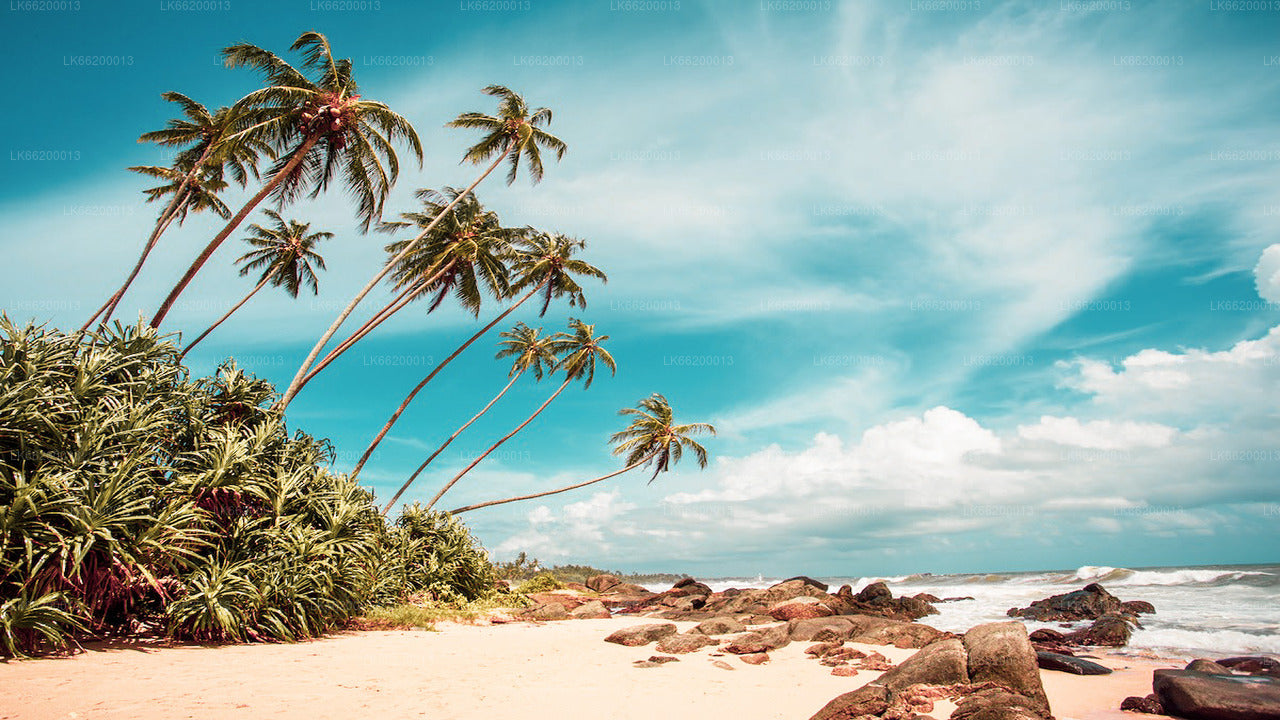
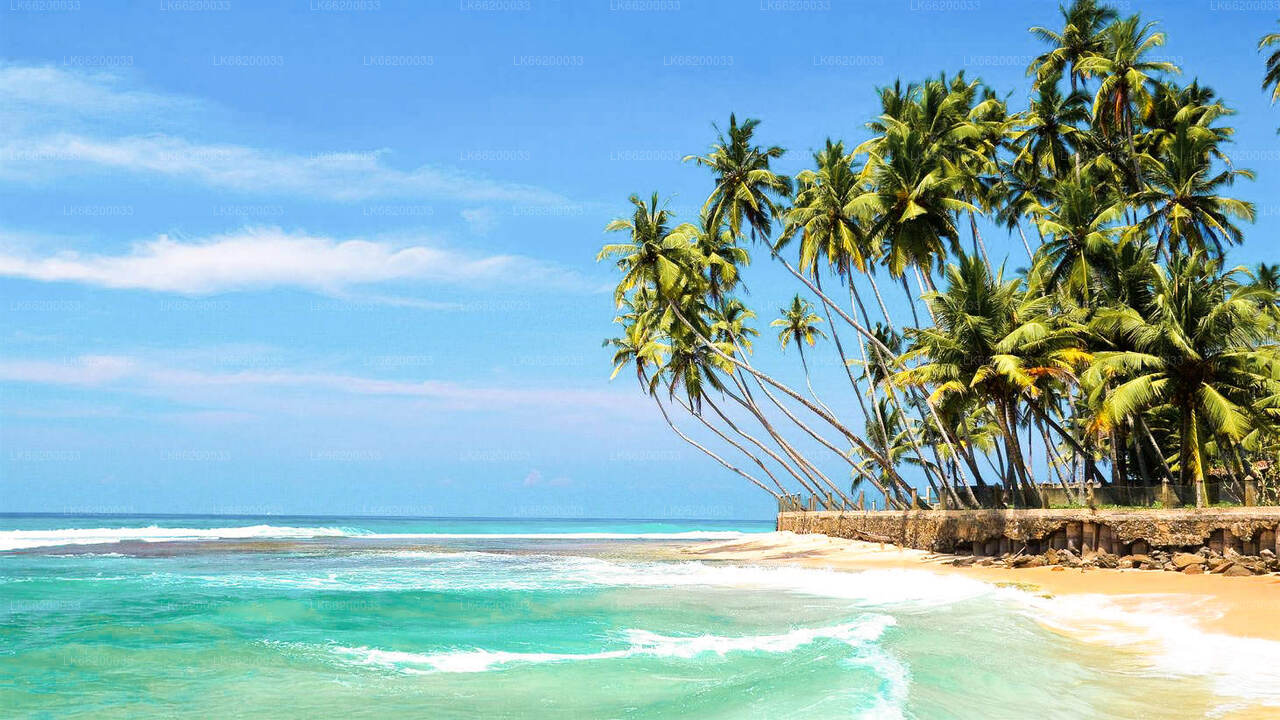
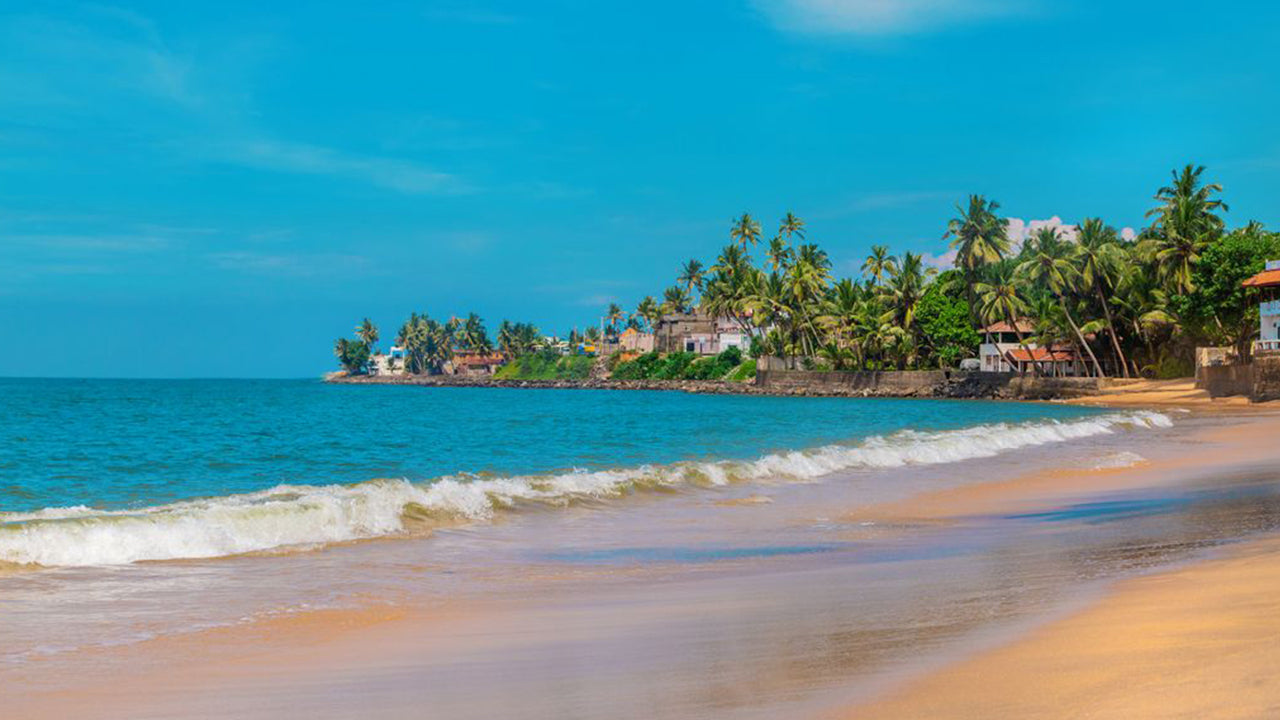
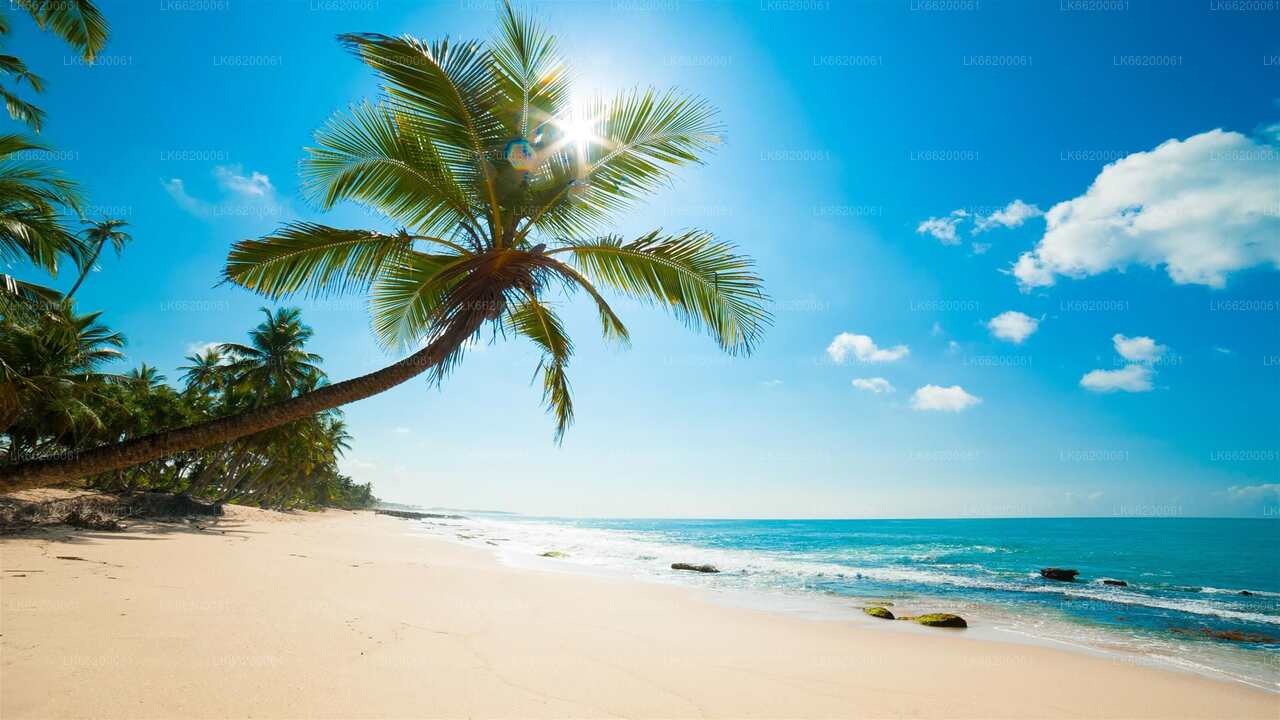
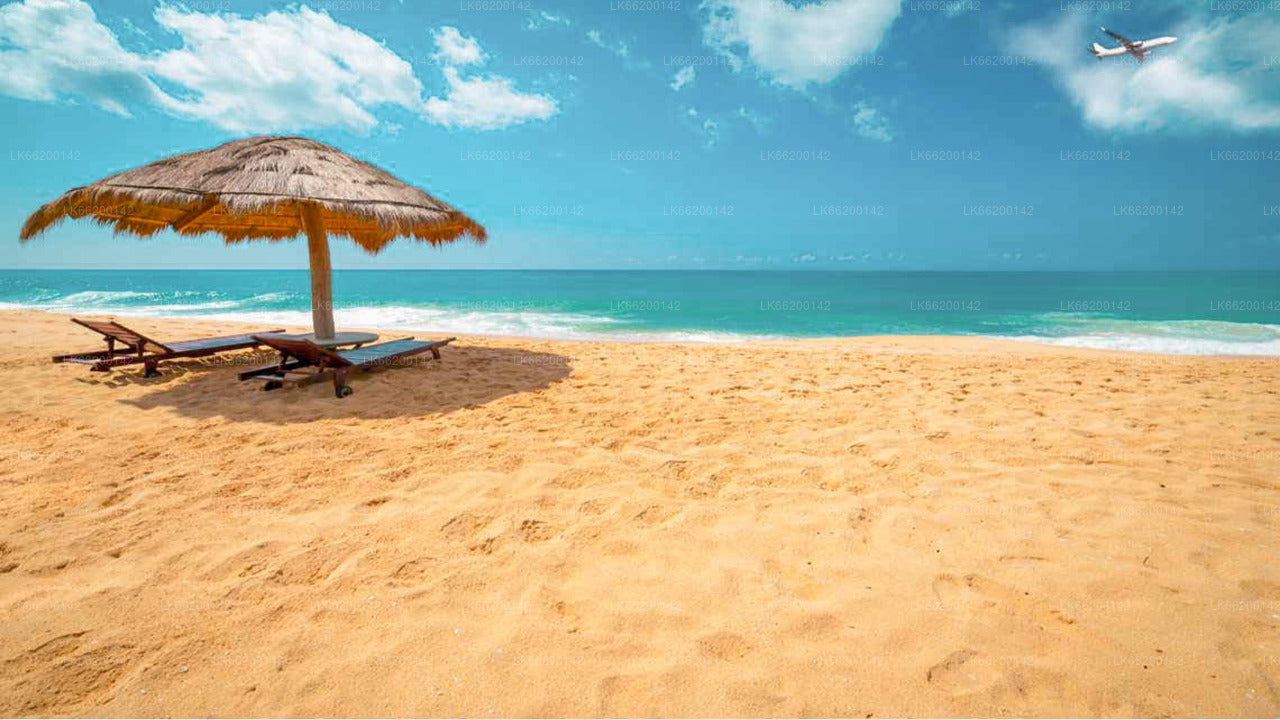
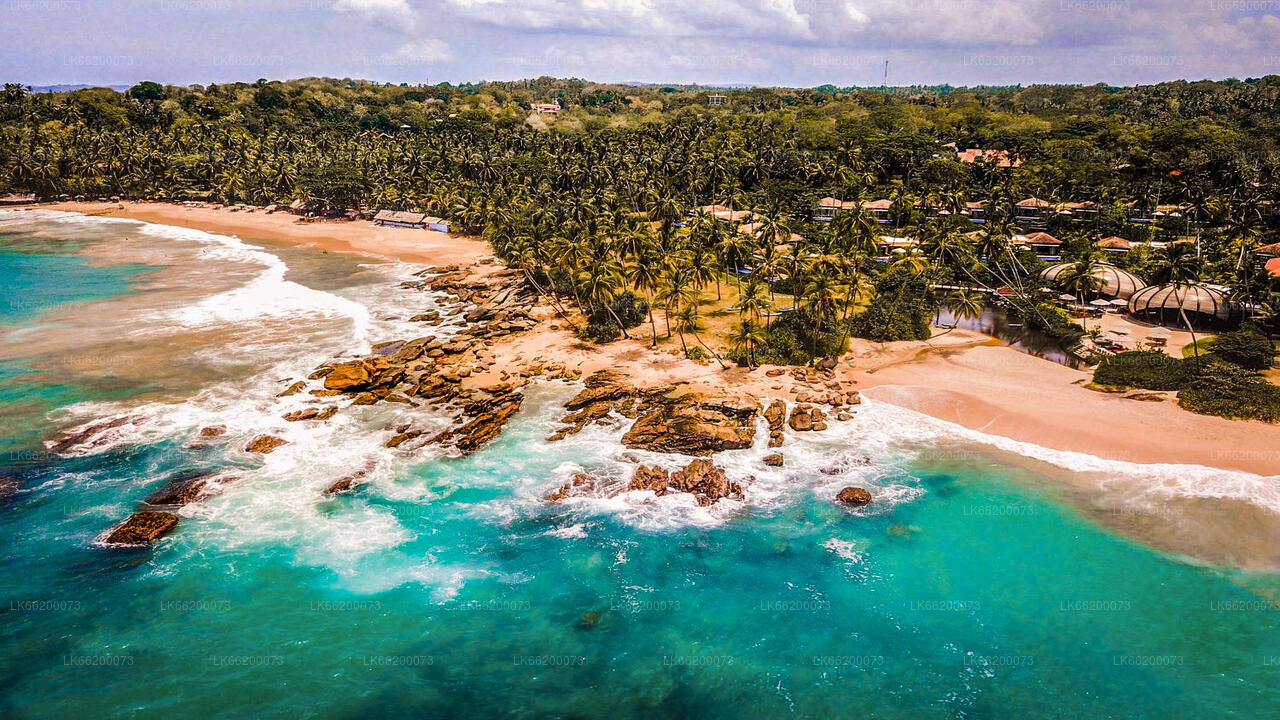
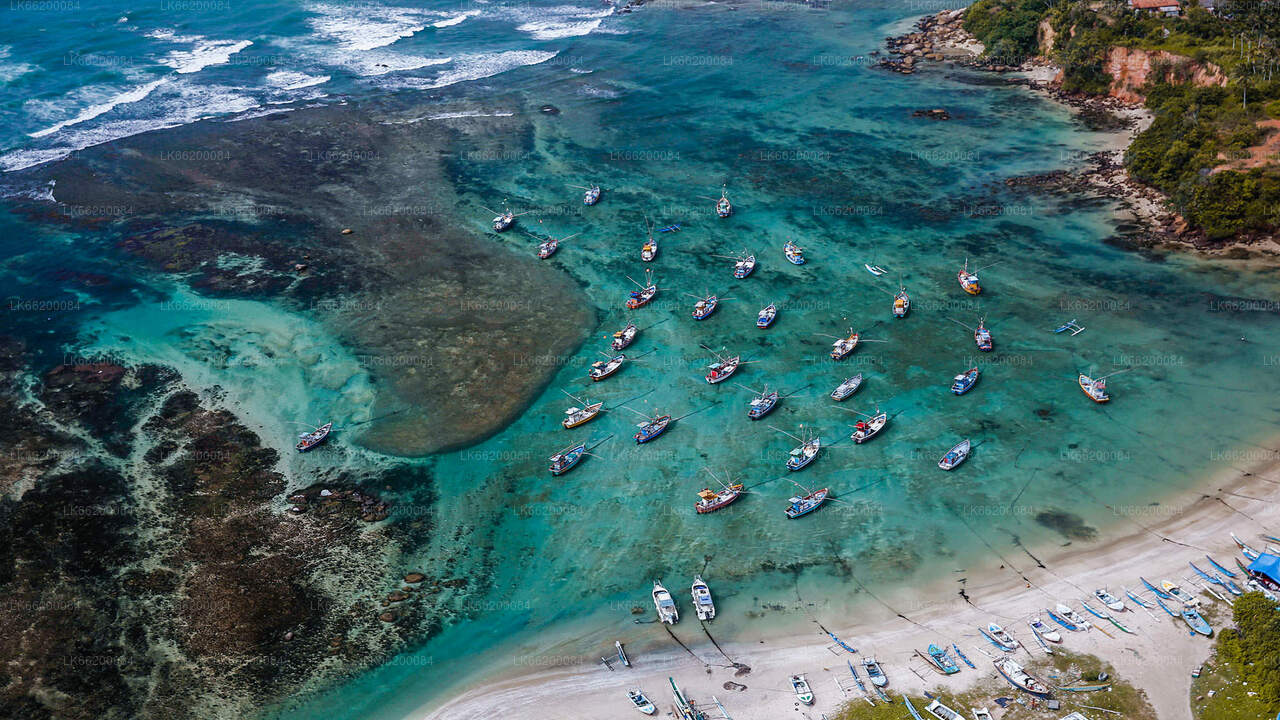
The coastline varies considerably depending on which side of the island you are on and when you visit. The south-west coast — Bentota, Hikkaduwa, Unawatuna, Mirissa — is most accessible from November to April, when the south-west monsoon has passed and the sea is calm. The east coast — Trincomalee, Nilaveli, Arugam Bay — flips the calendar, with its best weather roughly from May to October.
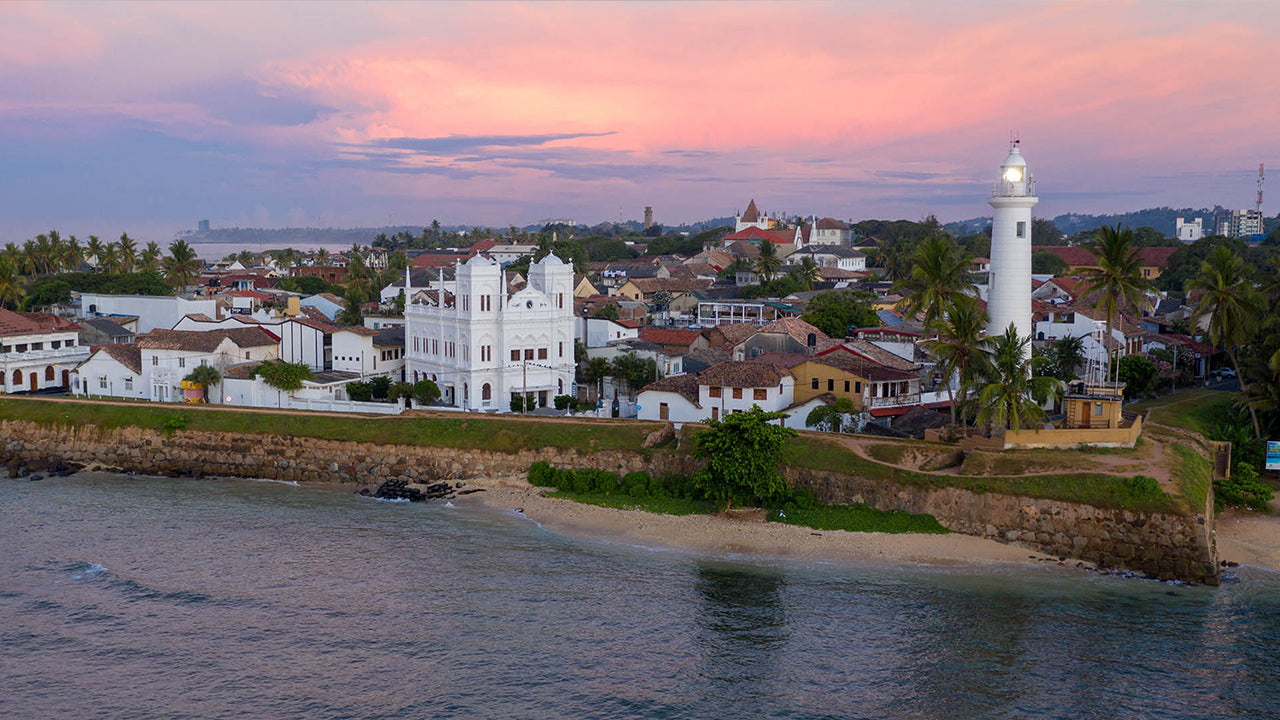
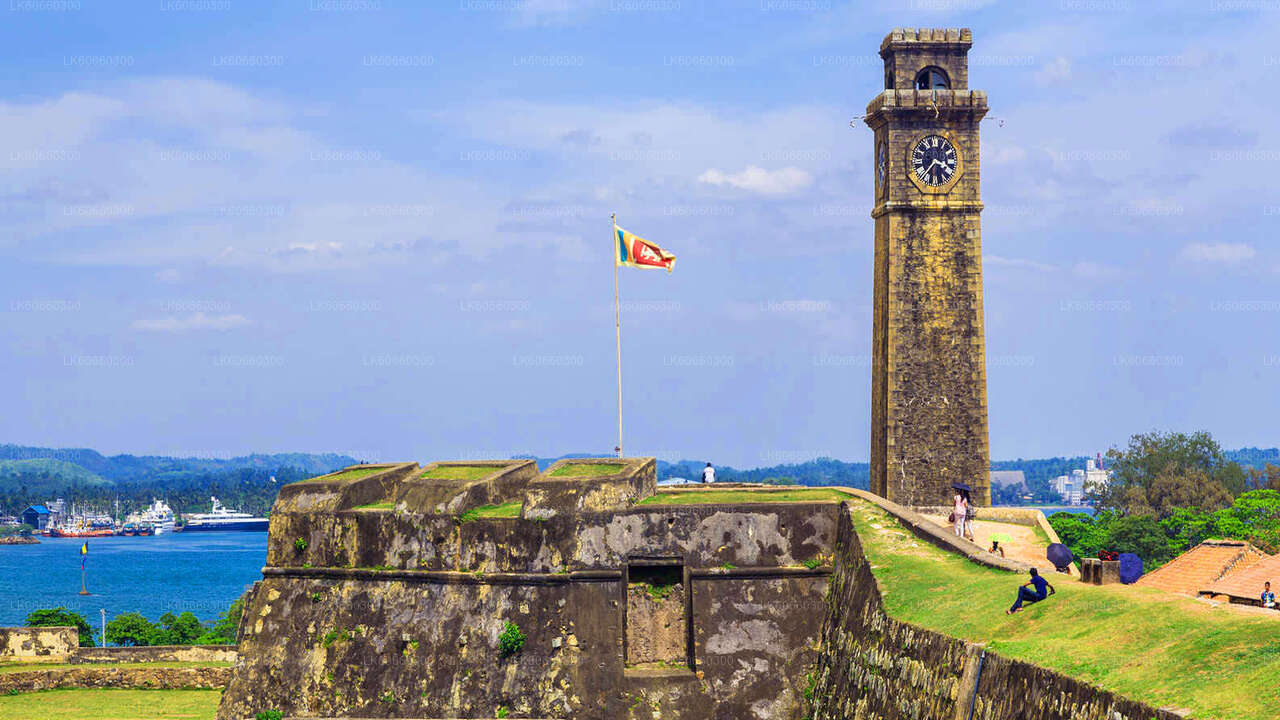
Galle, a 45-minute drive south of Colombo, deserves particular mention. Its 17th-century Dutch fort is a UNESCO World Heritage Site enclosing a living town of colonial-era streets, independent boutiques, and good restaurants. A Galle city tour typically pairs the fort with the nearby coastal wetland of Madu Ganga, where boat trips thread through mangrove channels rich in bird life.
Further along the southern coast, Koggala and Kosgoda are known for sea turtle nesting sites where conservation projects allow visitors to observe — and sometimes assist with — hatchling releases.
How do I get around between destinations?
Sri Lanka is compact enough that most journeys between major destinations take between two and five hours by road. A private car with a driver remains the most flexible and comfortable option for touring, allowing stops at viewpoints, spice gardens, and markets that public transport bypasses. Private drivers who double as guides are widely available through reputable operators.
The train network, though slow by international standards, passes through some of the most scenic terrain on the island. The hill-country routes — particularly Kandy to Ella via Nuwara Eliya — are widely regarded among the world's great rail journeys. For shorter excursions within cities, a tuk-tuk safari is a practical and enjoyable option.
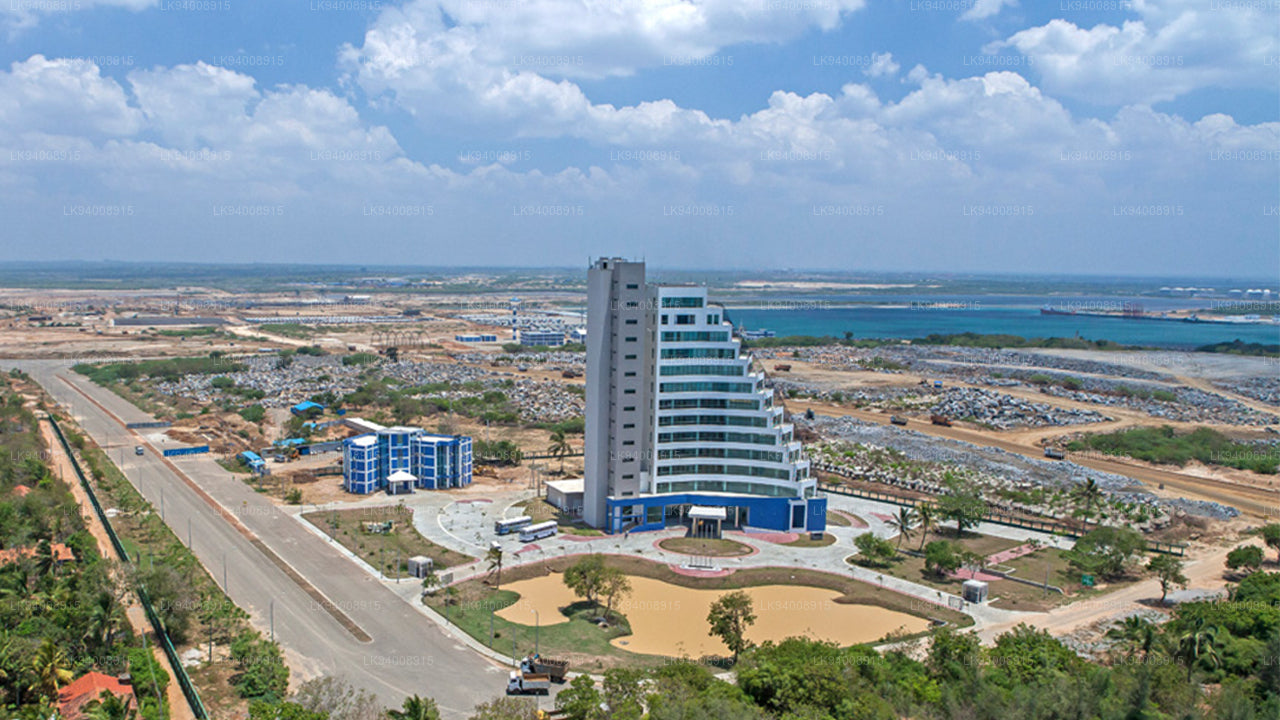
Colombo's Bandaranaike International Airport at Katunayake handles the majority of international arrivals. Mattala Rajapaksa International Airport near Hambantota serves as an alternative gateway for southern-focused itineraries, though flight options are more limited.
When is the best time to visit Sri Lanka?
Sri Lanka has two monsoon seasons that affect different parts of the island at different times, which means no single month is universally ideal — but it also means there is always somewhere worth visiting.
| Region | Best months | Avoid |
|---|---|---|
| West & South coasts | November – April | May – September (south-west monsoon) |
| East coast | May – September | October – January (north-east monsoon) |
| Hill Country | January – April, August | June – July (heaviest rains) |
| Cultural Triangle | Year-round; Jan – April optimal | Extreme heat in April–May |
| Yala / Udawalawe | February – July | September – October (Yala closed) |
The short inter-monsoon period around October–November can bring heavy showers islandwide, but sunny spells are common and the landscape is exceptionally green. December and January represent peak season, with higher prices and more visitors at major sites.
What are some lesser-known destinations worth adding to an itinerary?
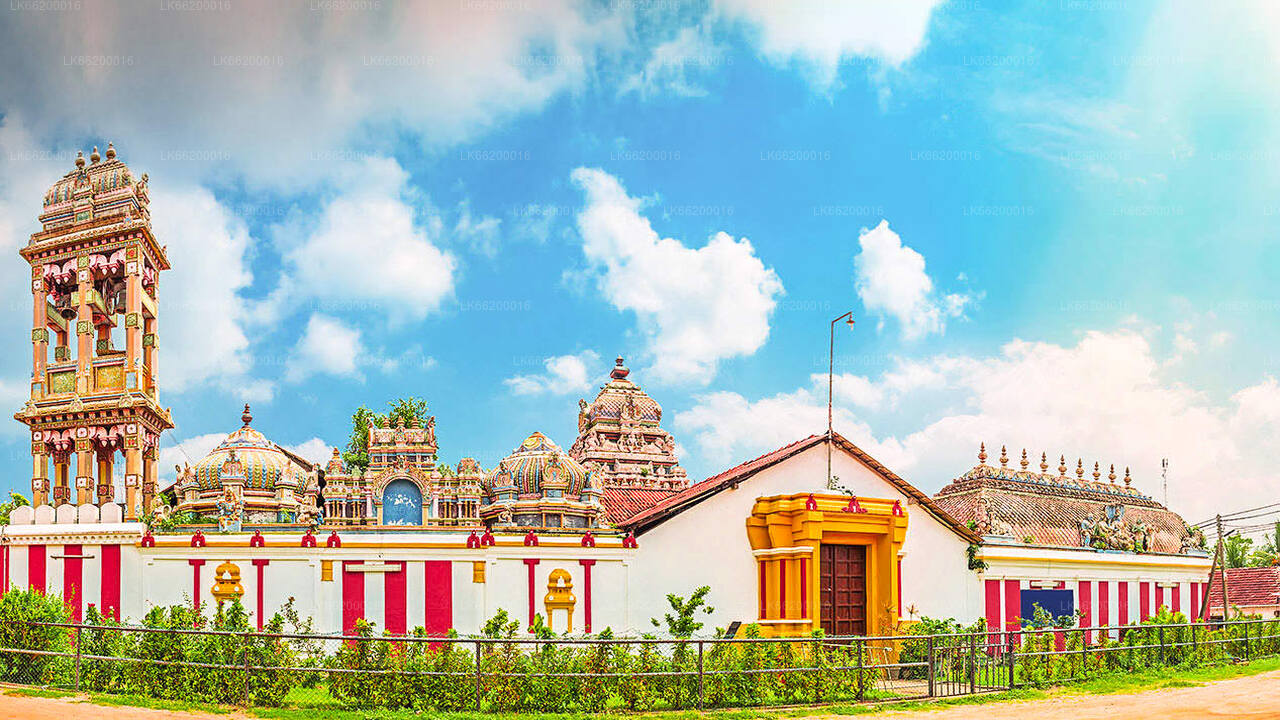
Beyond the headline sites, Sri Lanka rewards travellers willing to stray from the standard circuit. Ella itself has grown popular, but the surrounding Uva province hides quieter valleys and waterfalls such as Hakgedi Ella. The north-west coast around Iranawila is largely undiscovered, with a long beach and a historic temple. Pigeon Island near Trincomalee is one of only two national parks in Sri Lanka that protect coral reef, making it a rewarding snorkelling and diving destination.
For those interested in Ayurveda and wellness, the hill-country foothills around Kandy and the south-western lowlands have a long tradition of herbal medicine and yoga retreats. Several properties offer structured programmes combining yoga with cultural immersion.