Lakpura
Lakpura®

Codariocalyx motorius

Codariocalyx motorius — called the telegraph plant, the dancing plant, or Pranajeewa in Sri Lanka — is one of the rare plant species on Earth capable of movement that is fast enough to observe with the naked eye. A tropical shrub native to a wide belt of Asia, it has attracted scientific curiosity, folk medicine practitioners, and gardeners in equal measure. In Sri Lanka it sits within the country's recognised catalogue of Ayurvedic medicinal plants, where traditional healers have drawn on its properties for generations.

What makes the dancing plant move?

The movement that gives Codariocalyx motorius its popular names originates in its small, oval lateral leaflets, which rotate on their own axes in an elliptical arc — a behaviour botanists call seismonastic or autonomous movement. The larger terminal leaflets track sunlight much like a solar panel, while the two smaller side leaflets rotate rapidly, apparently to maximise light capture for the whole leaf assembly.

The mechanism involves motor cells at the base of each leaflet (the pulvinus), which change their turgor pressure in rhythmic pulses. Warm temperatures and bright light tend to intensify the movement, which is why the plant is most animated during the heat of the day. The motion is slow enough to be calming to watch but fast enough — under the right conditions — to be unambiguous without any time-lapse photography.

Where does Codariocalyx motorius grow in Sri Lanka?

The species is widely distributed across South and Southeast Asia, occurring naturally in India, Bangladesh, Bhutan, Cambodia, China, Nepal, and across much of Sri Lanka. Within Sri Lanka it is found both in cultivation and running semi-wild in disturbed forest margins, roadsides, and secondary scrub, particularly in the wet and intermediate zones. It is sometimes encountered near forest reserves such as Sinharaja Forest Reserve, where the understorey provides the warm, humid conditions the plant favours.

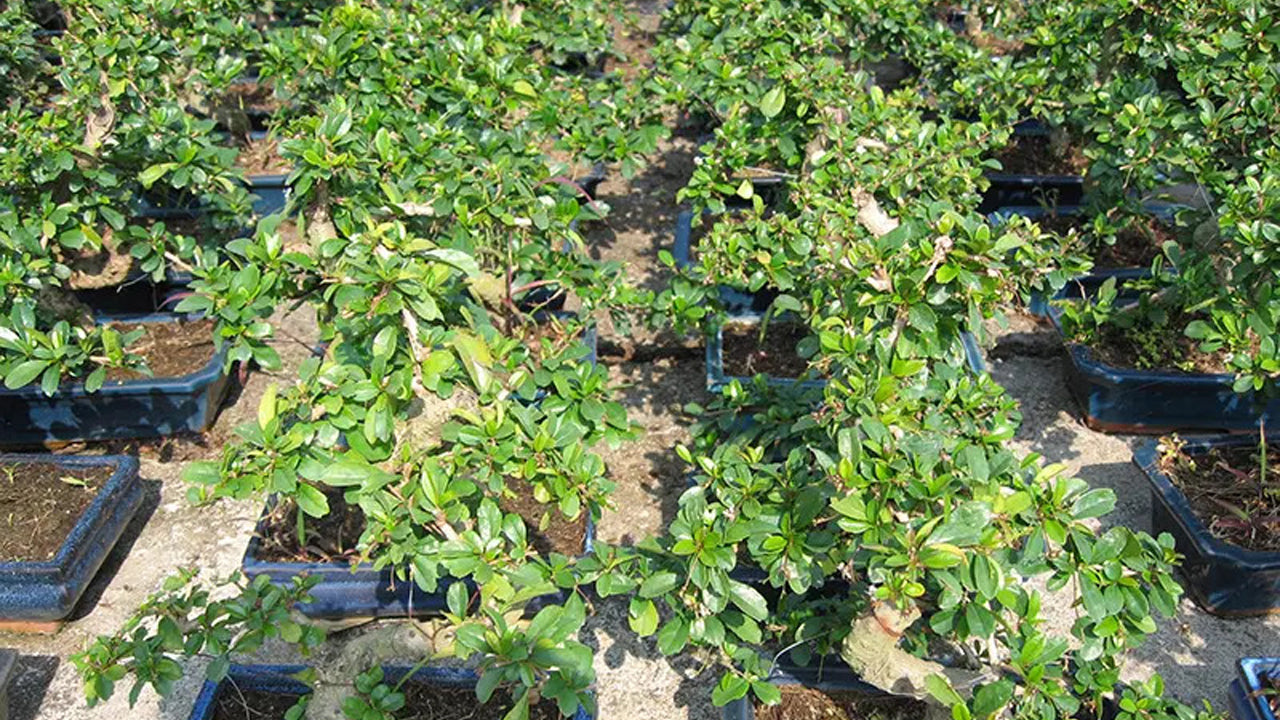
In gardens it is occasionally trained as a bonsai specimen, valued as a living conversation piece. Average mature height in open conditions reaches around 1.8 metres, though cultivated plants are often kept smaller.

What are the key identification features?

  • Common name (Sri Lanka): Pranajeewa
  • Scientific name: Codariocalyx motorius (synonym: Desmodium gyrans)
  • Family: Fabaceae (legume family)
  • Habit: Erect tropical shrub
  • Average height: Up to 1.8 m
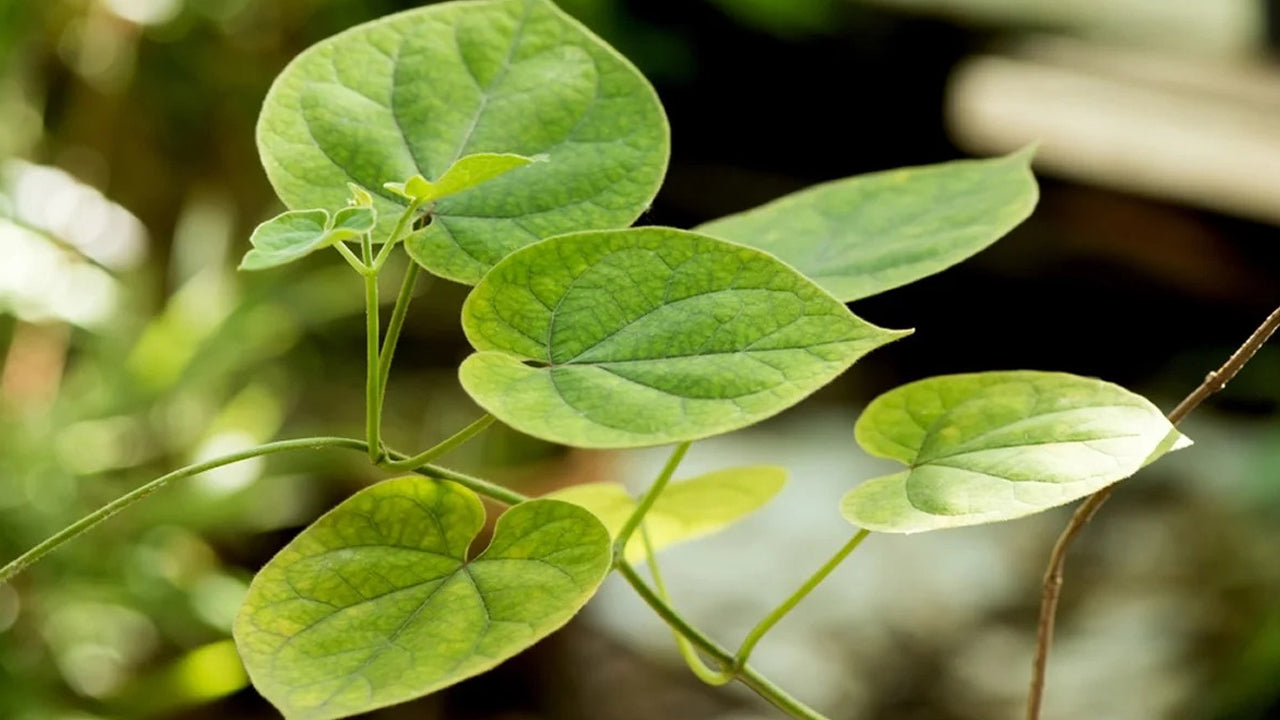
  • Leaves: Trifoliate; one large terminal leaflet flanked by two small, rapidly moving lateral leaflets
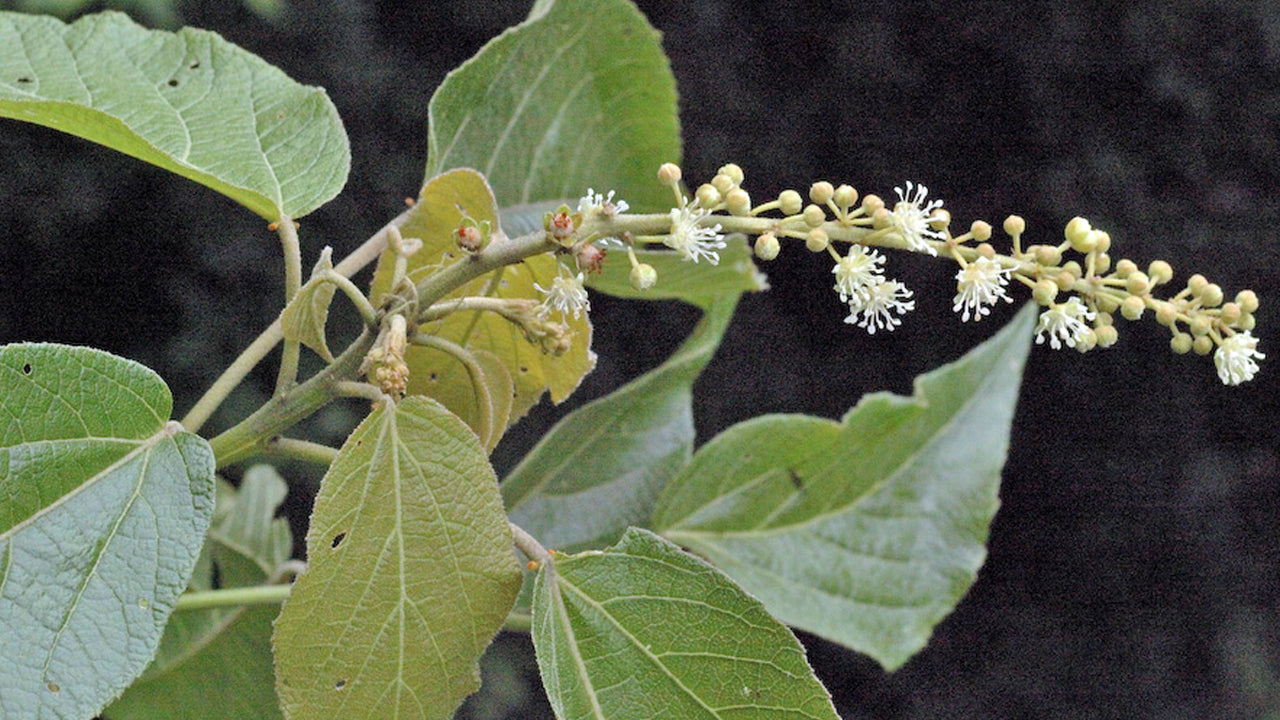
  • Flowers: Small, pink-purple, pea-like, borne in racemes
  • Habitat: Widely cultivated; naturalised on roadsides and forest margins in warm, humid zones

How has Pranajeewa been used in traditional medicine?

In classical Chinese medicine and in South Asian folk traditions, various parts of the plant — leaves, stems, and roots — have been employed to address a range of conditions. Recorded traditional applications include treatment for rheumatism, persistent cough, malaria, fever (pyrexia), dysentery, hepatitis, and haemoptysis (coughing blood). The plant is also mentioned in Ayurvedic texts used in Sri Lanka, where it is classified among plants with warming and anti-inflammatory properties.

It is important to note that while ethnobotanical use is well documented, clinical evidence for many of these applications remains limited. Anyone seeking treatment for the conditions listed above should consult a qualified medical professional. Traditional knowledge nonetheless provides a valuable starting point for modern pharmacological research, and Codariocalyx motorius is among the plants being studied for bioactive compounds including alkaloids and flavonoids.

What does modern science say about the dancing plant?

Researchers have investigated the rapid movement of Codariocalyx motorius both as a biomechanical curiosity and as a potential model for understanding plant signalling. Studies suggest the lateral leaflet rotation may be driven partly by phytochrome — a light-sensitive pigment — and that the movement frequency is temperature-dependent, increasing in warmer conditions. Some researchers have compared the oscillation pattern to animal circadian rhythms, raising interesting questions about plant neurobiology.

On the pharmacological side, extracts of the plant have shown preliminary activity in laboratory settings against inflammation pathways and certain microbial strains, lending partial scientific support to traditional claims. Full clinical trials remain scarce, and the plant is not used in standardised pharmaceutical preparations in Sri Lanka at this time.

Is Codariocalyx motorius suitable for home cultivation?

Yes, and it is relatively undemanding for a tropical species. The plant does best in well-drained, moderately fertile soil with full sun to partial shade and consistent warmth — a Sri Lankan garden or any tropical or subtropical climate suits it well. It is a legume, so it fixes atmospheric nitrogen and generally needs little added fertiliser once established.

Propagation is typically from seed, which should be scarified lightly before sowing to improve germination rates. In cooler climates the plant is grown as an indoor specimen or annual, kept near a sunny window where warmth will encourage visible leaf movement. Bonsai enthusiasts sometimes select Codariocalyx motorius for the novelty of a living, animated miniature tree.

How does it fit into Sri Lanka's wider ethnobotanical heritage?

Sri Lanka's tropical ecosystems support an exceptionally rich pharmacopoeia of medicinal plants. Codariocalyx motorius is one entry in an officially recognised Ayurvedic plant catalogue that encompasses hundreds of species, many of which are also used in traditional preparations such as Yogaraja Guggulu. Visitors with an interest in herbal medicine and forest ecology often combine a visit to a botanical garden with broader nature tours, discovering how these plants fit into the island's living therapeutic tradition.

The plant's dual character — scientifically intriguing for its movement, medicinally relevant for its chemistry — makes it a fitting emblem of Sri Lanka's approach to natural heritage: practical, deeply rooted in knowledge systems that predate modern pharmacology, and still capable of surprising contemporary scientists.

Ask Lakpura® Agent