Lakpura
Lakpura®

Broken Orange Pekoe

Broken Orange Pekoe, universally abbreviated to BOP, sits at the heart of the global tea trade. It is one of the most widely produced grades of Ceylon tea, prized by blenders and home brewers alike for its fast infusion, full body, and consistent cup. Understanding what distinguishes BOP from other grades helps you choose the right tea for your palate and your brewing method.

What exactly is Broken Orange Pekoe?

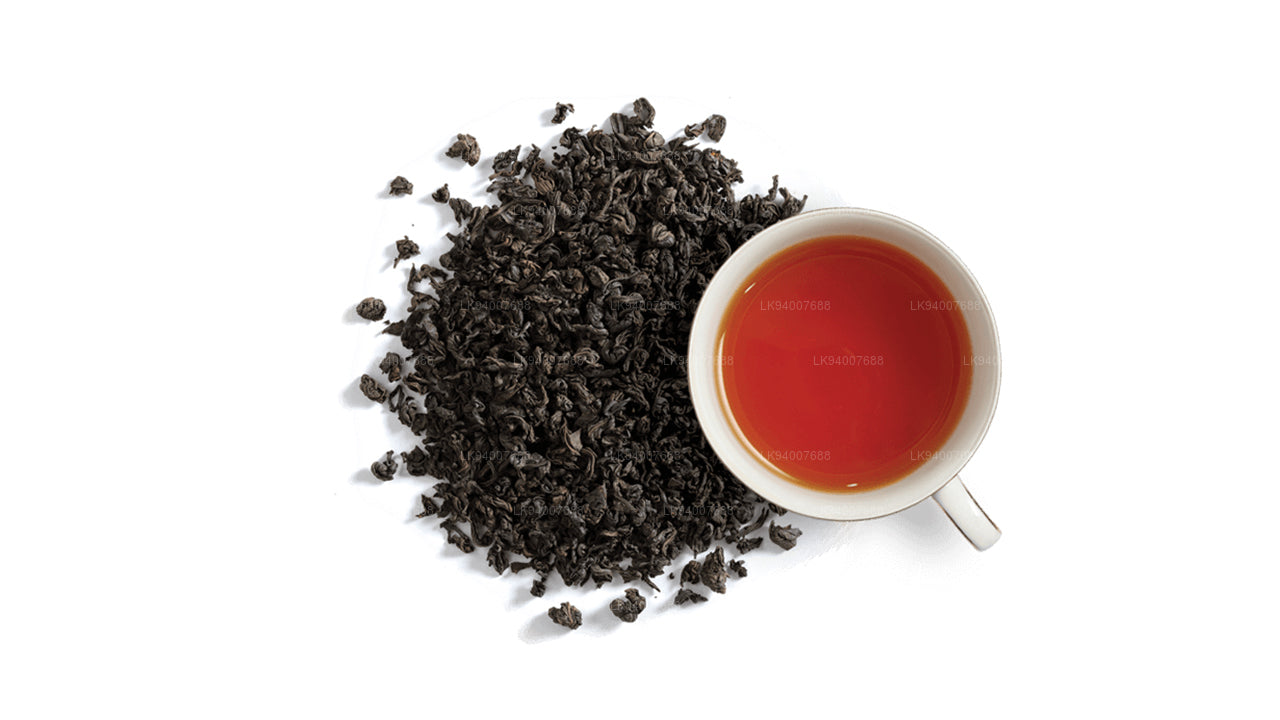
The name can be misleading — BOP contains no orange, and the word "pekoe" derives from a Chinese term for the fine white down on young tea buds, not from the flavour. "Broken" simply describes the physical form: the leaves have been deliberately cut or torn into smaller pieces during processing rather than left whole as in the Orange Pekoe (OP) grade.

This mechanical break serves a purpose. Smaller leaf particles expose more surface area to hot water, shortening brewing time and intensifying the resulting liquor. What you sacrifice in visual elegance you gain in strength and speed — qualities that made BOP the backbone of the tea-bag industry worldwide.

How does BOP differ from other Ceylon tea grades?

Ceylon tea is graded by a well-established system that reflects leaf size and integrity. The main grades, from largest to smallest leaf particle, run roughly as follows:

Grade Leaf form Typical brew strength
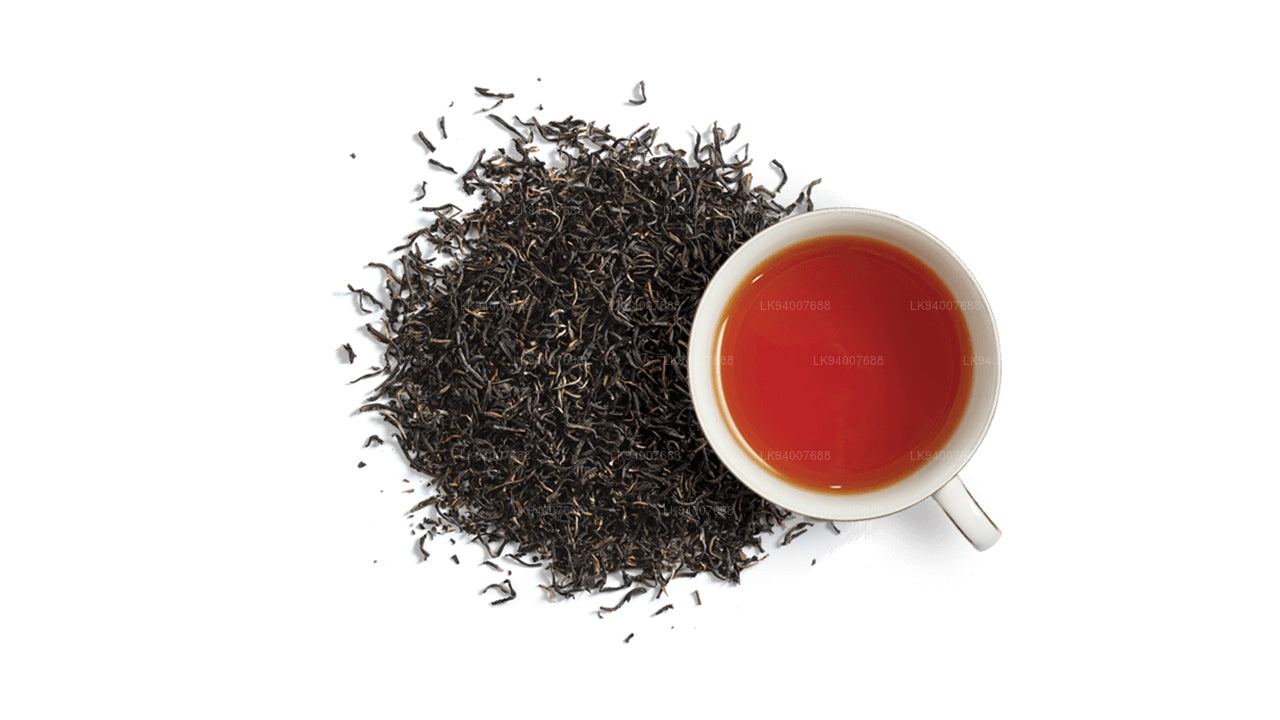
Orange Pekoe (OP) Whole, wiry, twisted leaf Medium, nuanced
Broken Orange Pekoe (BOP) Broken pieces, irregular Strong, brisk
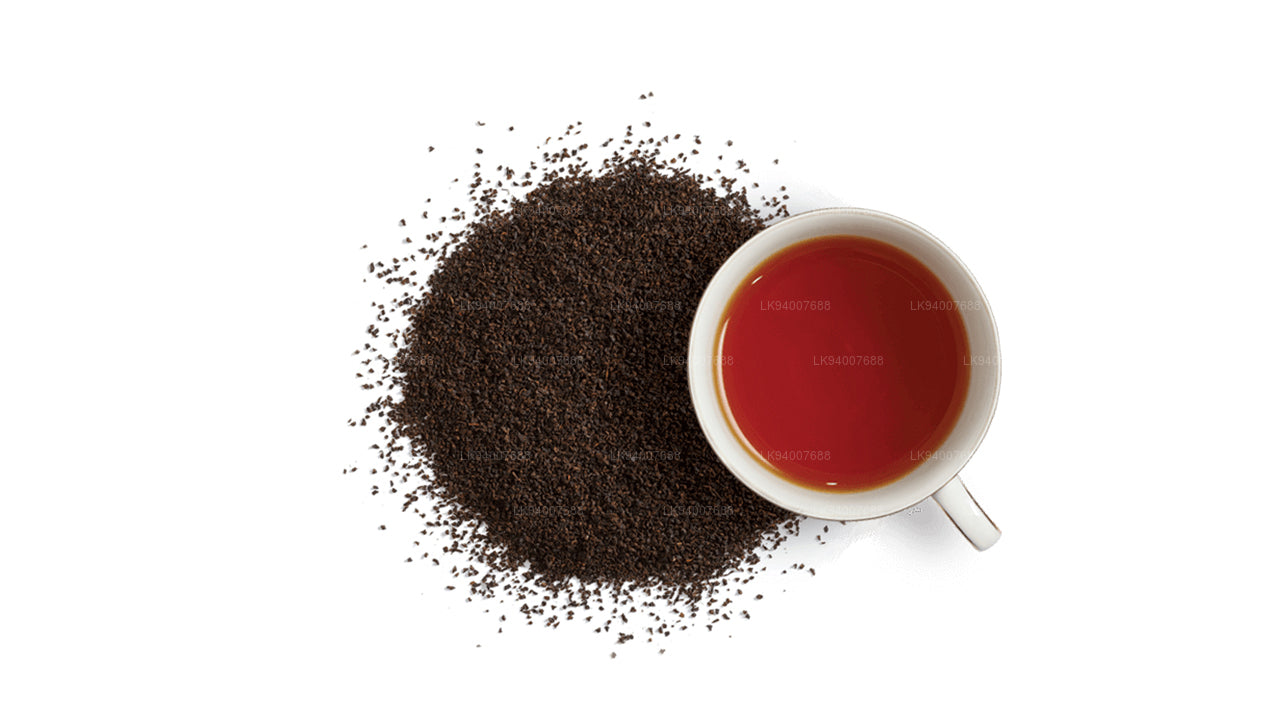
Broken Orange Pekoe Fannings (BOPF) Very small, flat fragments Very strong, fast
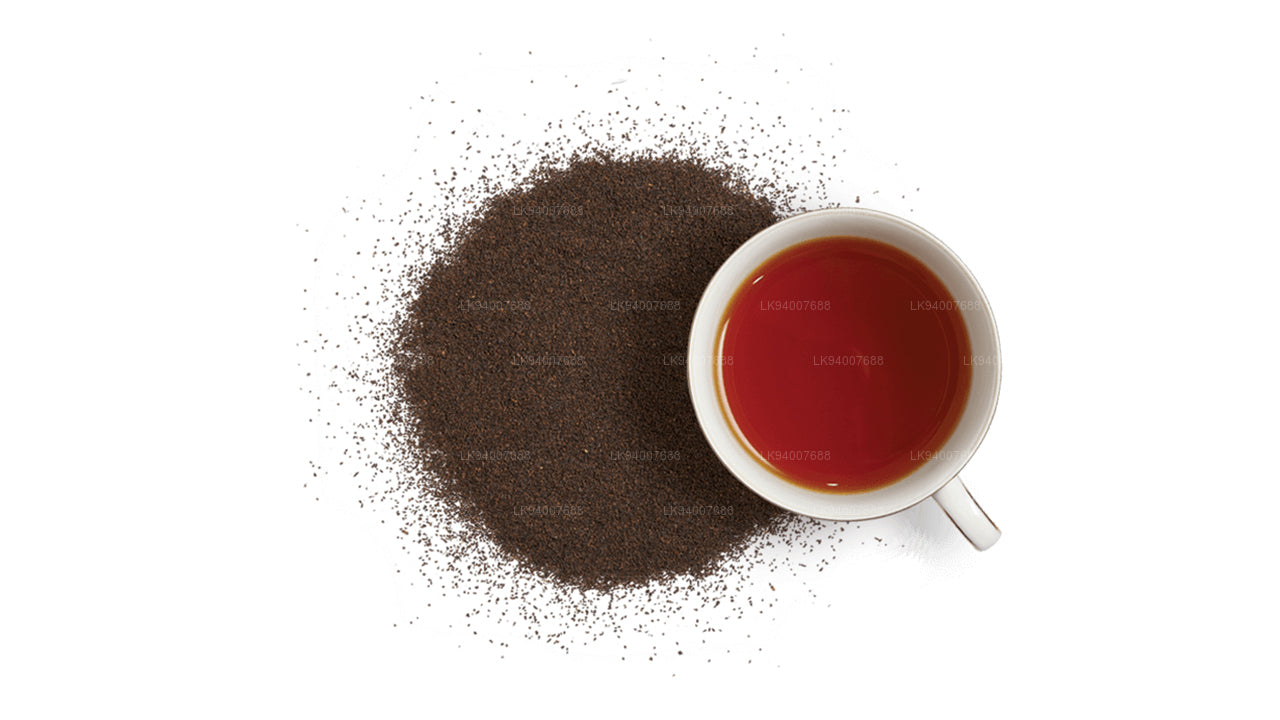
Dust Fine particles Intensely strong, used in bags

BOP occupies a practical middle ground: stronger than whole-leaf OP yet more controlled than the very fine fannings or dust grades. Many premium tea-bag producers prefer BOPF or dust for speed, but discerning loose-leaf drinkers often choose BOP for its balance of strength and flavour complexity.

What does Broken Orange Pekoe taste like?

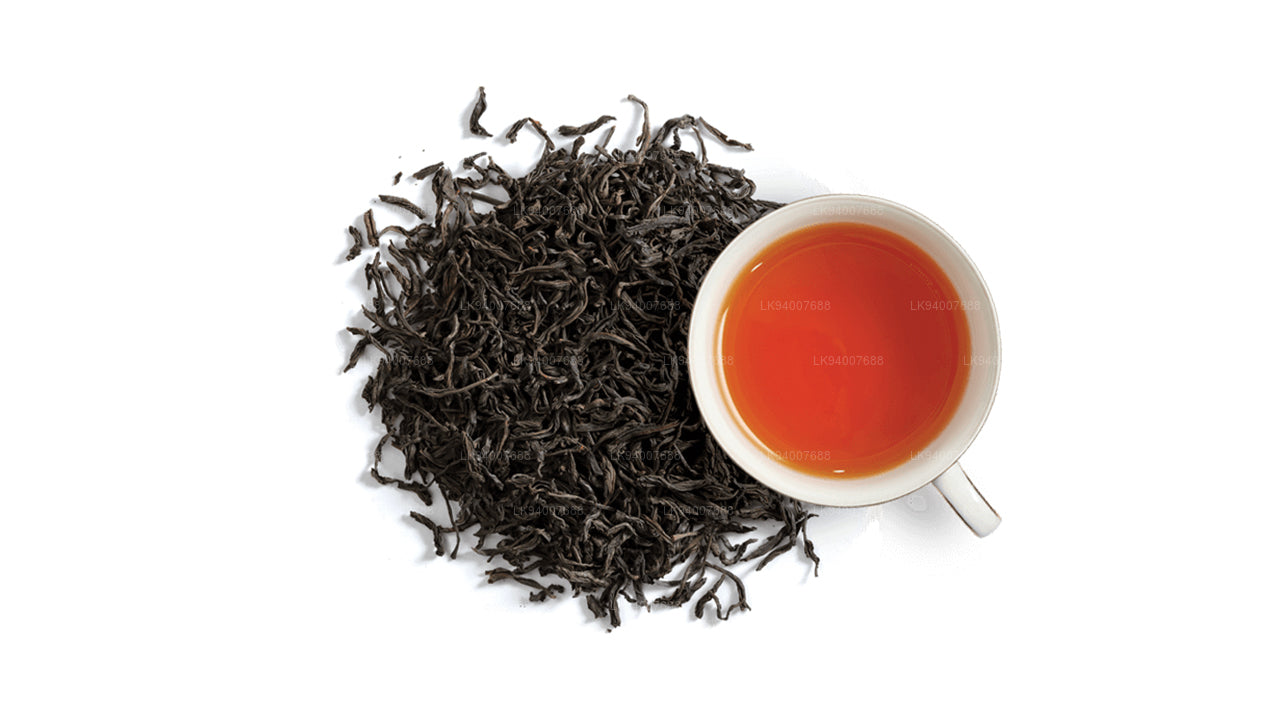
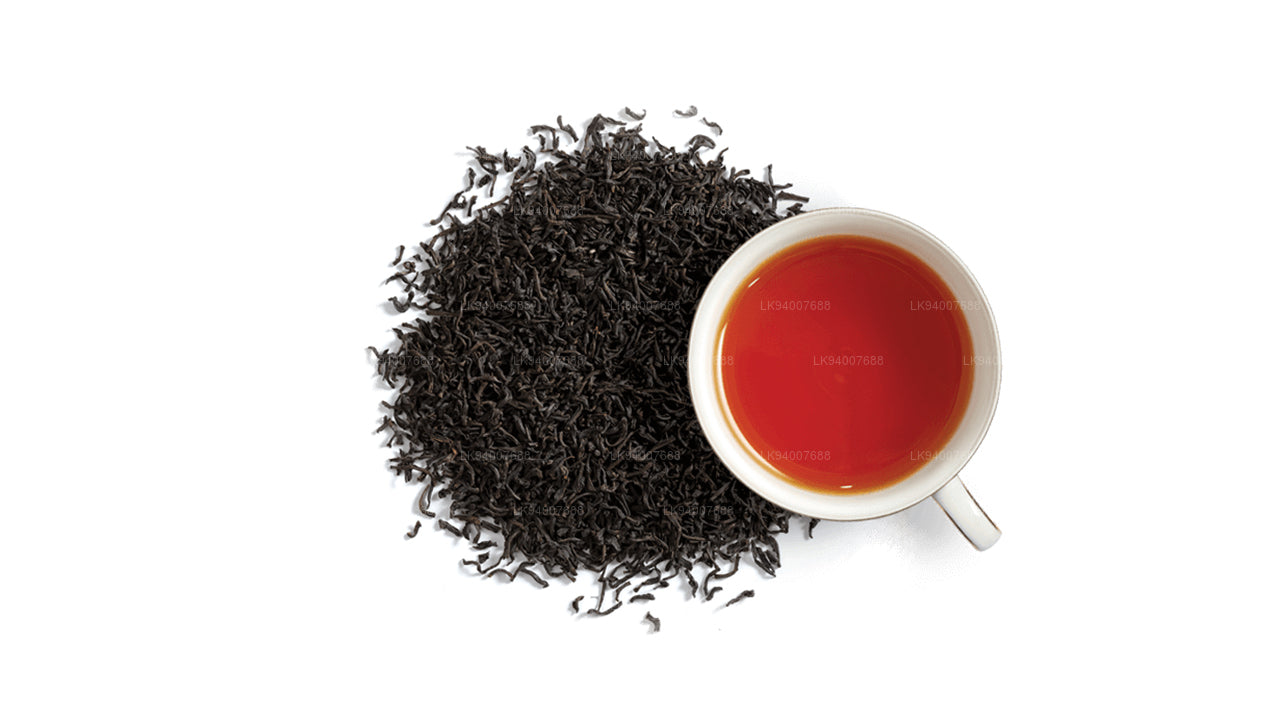
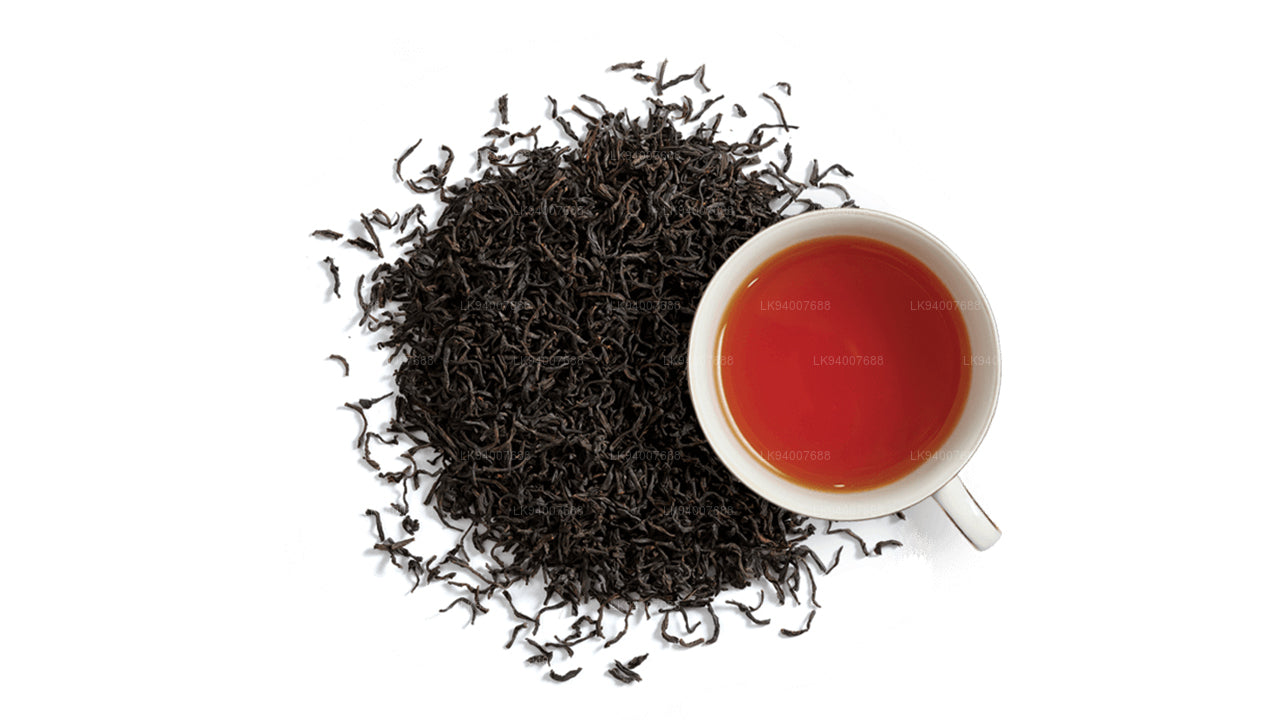
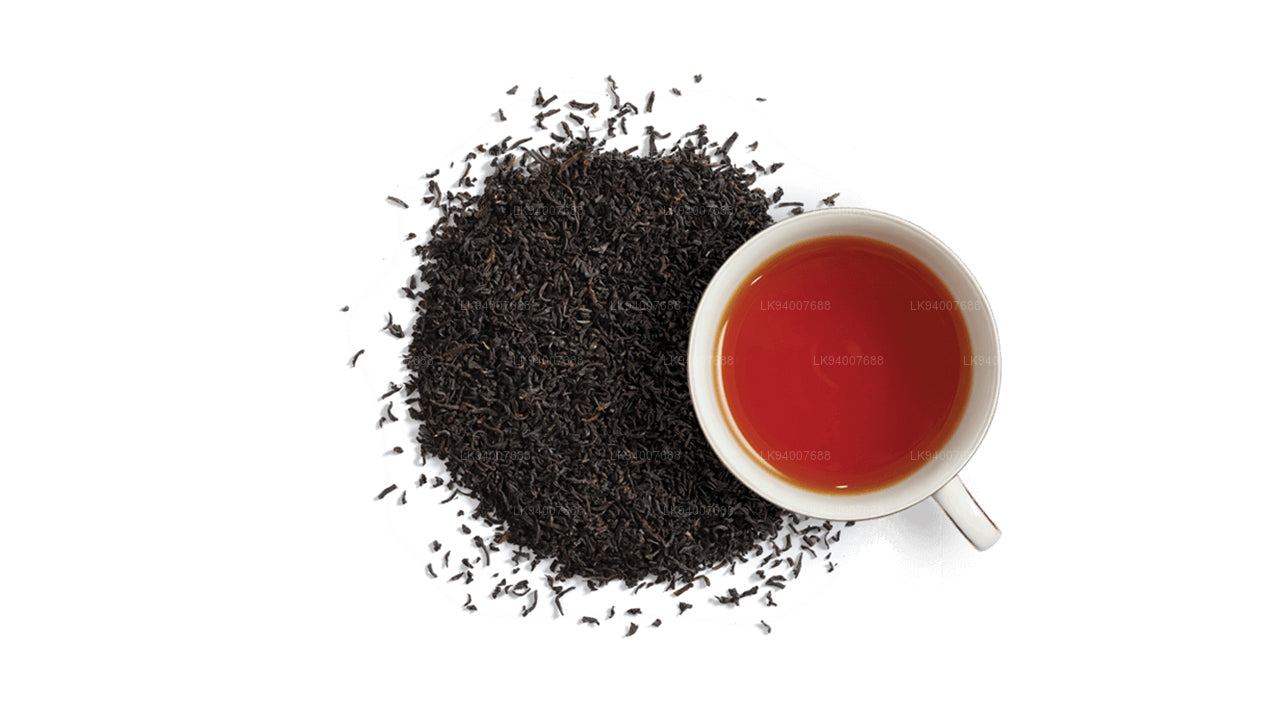
BOP brews into a deep amber to copper-coloured liquor with a pronounced briskness — a lively, almost tangy quality on the palate that tea tasters specifically look for in Ceylon grades. The tannin level is higher than in whole-leaf grades, giving a pleasantly astringent finish that cuts through milk well.

Flavour notes vary considerably by growing region and elevation:

  • High-grown BOP (Nuwara Eliya, Dimbula) — lighter body, floral or citrus top notes, delicate briskness.
  • Mid-grown BOP (Kandy region) — medium body, a balance of malt and brightness.
  • Low-grown BOP (Ruhuna, Sabaragamuwa) — full body, rich malt, earthy undertones, ideal with milk.

The elevation at which the tea is grown, combined with the specific estate's soil profile and the seasonal flush, shapes each BOP's character as distinctly as terroir shapes wine.

How is Broken Orange Pekoe processed?

Ceylon BOP is produced using either the orthodox or CTC (Cut, Tear, Curl) method. Orthodox processing preserves more of the leaf's essential oils and tends to produce a more complex, layered cup. CTC, developed for speed and uniformity, produces a bolder, more consistent brew and is common for tea destined for bags. In both cases the leaf goes through withering, rolling or cutting, oxidation (often called fermentation), firing, and grading — with the grading step separating BOP from the finer and coarser particles produced in the same batch.

How should I brew Broken Orange Pekoe?

Because BOP infuses quickly, timing is important. Over-steeping amplifies astringency beyond what most palates enjoy.

  • Water temperature: freshly boiled (around 95–100 °C) for black tea.
  • Quantity: approximately one heaped teaspoon (around 2–3 g) per 200 ml of water.
  • Steep time: 2–4 minutes, depending on preferred strength. Start at 3 minutes and adjust.
  • Vessel: a warmed ceramic or porcelain teapot or infuser mug works well for loose-leaf BOP.

BOP holds up exceptionally well with whole milk, condensed milk (as served across Sri Lanka), or a slice of lemon — though not both simultaneously. A pinch of sugar is a matter of personal taste rather than convention.

Is Broken Orange Pekoe the same as what goes into tea bags?

Partially. Many commercial tea bags use BOPF (Broken Orange Pekoe Fannings) or dust — grades even finer than BOP — because they infuse nearly instantly in a bag. Whole BOP in a tea bag is less common but does exist, particularly in specialty or estate-branded lines. Loose-leaf BOP, by contrast, gives you more control over brew strength and allows you to appreciate the leaf's appearance and aroma before it hits the water.

Where in Sri Lanka is BOP tea produced?

BOP is grown across Sri Lanka's main tea-producing regions. The hill country centred on Nuwara Eliya, Dimbula, and Uva produces the high-grown styles most associated with Ceylon tea's international reputation. Ella sits at the southern edge of this highland belt, surrounded by estates whose BOP teas carry a characteristic brightness. Lower elevations in the Southern and Sabaragamuwa provinces produce bolder, creamier BOP styles that suit milk-drinkers particularly well.

The Bluefield Tea Gardens near Hatton are among the estates open to visitors, offering a close look at how the leaves are plucked, processed, and graded before export.

How does BOP compare to Ceylon green tea?

The fundamental difference lies in oxidation. BOP is a fully oxidised black tea, which produces its dark liquor and robust flavour. Ceylon green tea is minimally oxidised — the leaves are heated quickly after plucking to halt enzyme activity — resulting in a lighter, grassier cup. Both grades can be produced from the same Camellia sinensis plant on the same estate; the processing path determines the character of the final cup.

Book this experience with Lakpura

Curated by our local team. Direct booking, instant confirmation.

Ask Lakpura® Agent