Beddagane Veherakanda ruins

Beddagane Veherakanda ruins Beddagane Veherakanda ruins Beddagane Veherakanda ruins

Beddagane Veherakanda ruins

Among the few remaining structures built using laterite during the Kotte Kingdom, one is located in Baddegana, named Vehera Kanda ruins. The place is about 4km from Pitakotte Junction, and can be reached traveling through a labyrinth of by roads.

Remaining Structures

An elevated rectangular shaped platform about 5.5 feet high holds two stupas surrounded by gigantic Na trees. The platform is 97 feet in length and 58 feet in width. There are two flights of steps made of laterite; leading up to the platform and one can go straight up to the stupas. One of the stupas is large in scale, about 30 feet in diameter and the smaller one is 24 feet in diameter. On the left of the structure one can see a foundation of a small shrine where possibly a statue of the Buddha may have been kept. Today no such statue can be seen. The land around the platform shows that there had been few other structures around this. However, one is only able to see the scattered stones; remnants of what once would have been part of a much larger temple complex.

History

Looking into the reasons this structure was built, the word ‘Vehera’ in Vehera Kanda meaning stupa, suggests that this indeed was a temple, where people came to worship. The remnants of the shrine itself are proof of that. However Professor Senerath Paranavithana had a different notion contradicting the theory that it is simply a temple. According to his theory, the stupas are the mausoleums of King Parakramabahu VI and his Queen Ranmenika. If that is true maybe the stupas later became a place of worship and was named Vehera Kanda. Some scholars believe that this is in fact a Kovil named Mahasen-Devarajapaya dedicated to God Kataragama.

Beddagane Veherakanda ruins Beddagane Veherakanda ruins Beddagane Veherakanda ruins

?LK94007378: Text by Lakpura™. Images by Google, copyright(s) reserved by original authors.?

Colombo ringkonna kohta

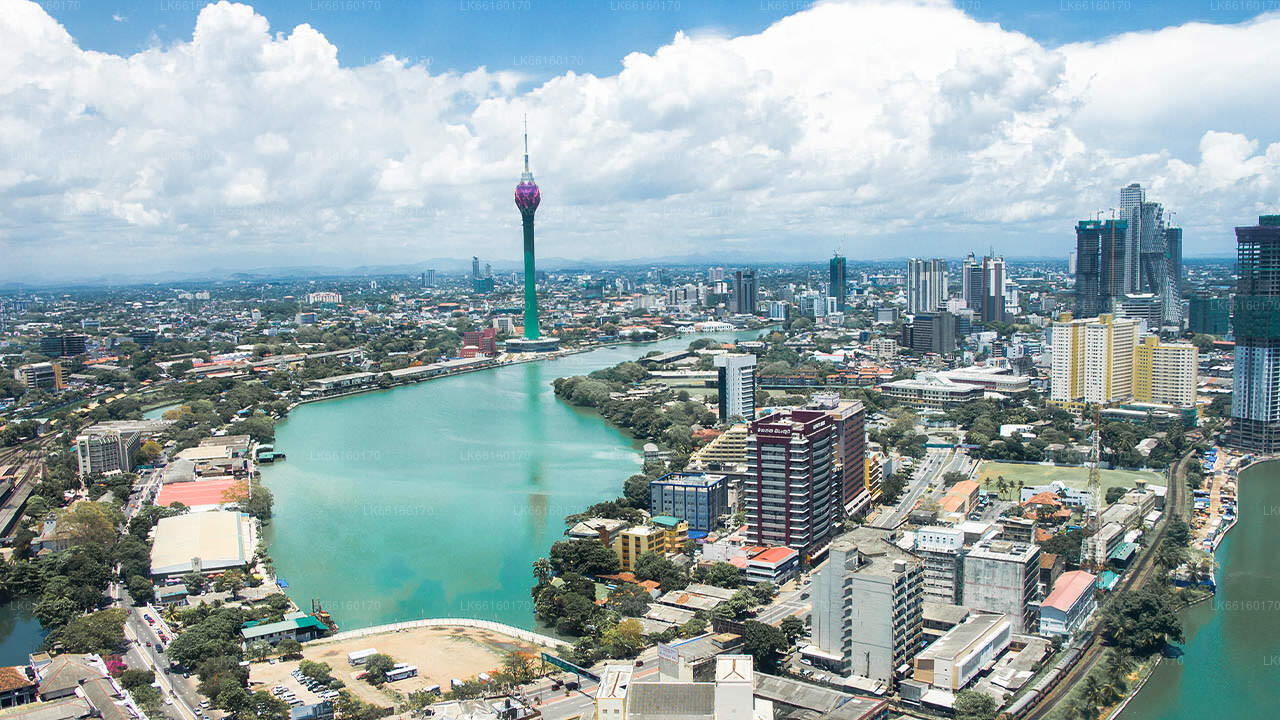
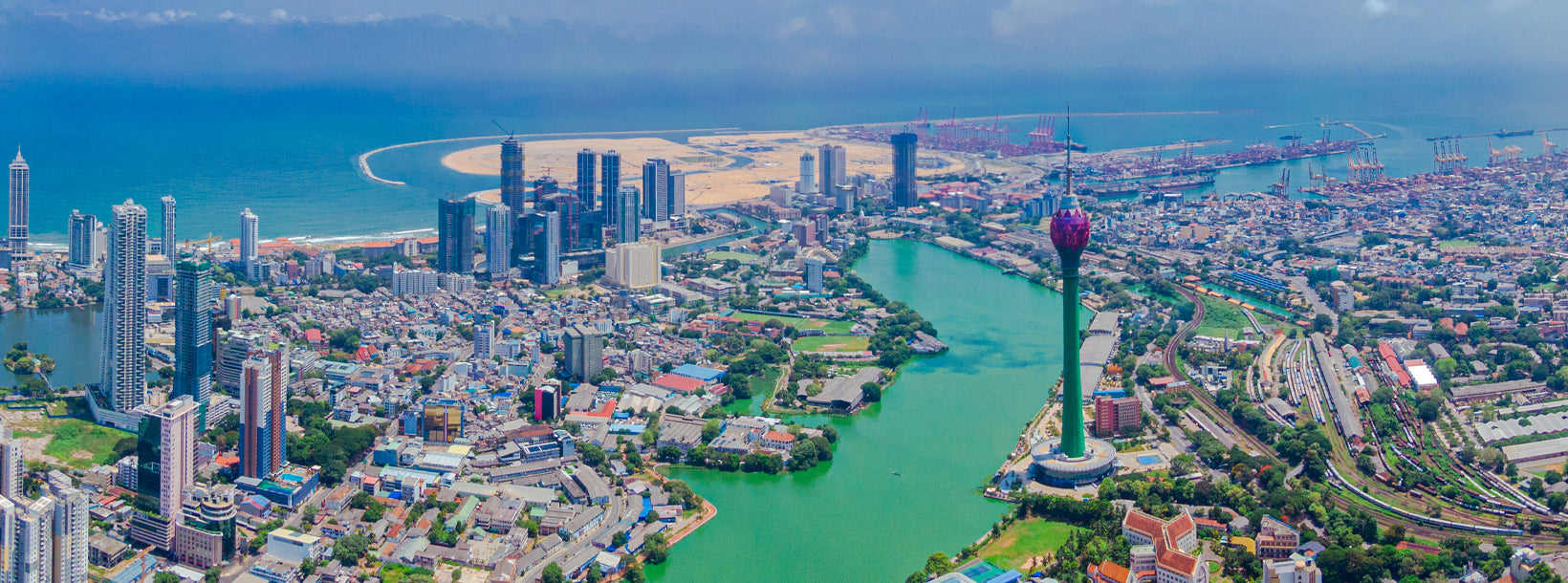
Colombo on Sri Lanka suurim linn ja kaubanduskeskus. See asub saare läänerannikul ja Sri Lanka pealinna Sri Jayewardenepura Kotte kõrval. Colombo on elav ja tegus linn, kus on segu moodsast elust ning koloniaalajastu hoonetest ja varemetest ning kus elab 647 100 inimest. Colombo metropolipiirkond, mis koosneb Colombo, Gampaha ja Kalutara linnaosadest, elab hinnanguliselt 5 648 000 inimest ja selle pindala on 3694,20 km². Colombo on mitmerahvuseline ja mitmekultuuriline linn. See on Sri Lanka rahvarohkeim linn, kus elab 642 163 inimest. Colombo elanikkond koosneb paljudest etnilistest rühmadest, peamiselt singalitest, mauridest ja tamilitest. Linnas elab ka väikeseid Hiina, Portugali, Hollandi, Malai ja India päritolu inimeste kogukondi, samuti arvukalt Euroopa väljarändajaid. Enamiku Sri Lanka ettevõtete peakontorid asuvad Colombos. Mõned tööstusharud hõlmavad keemia-, tekstiili-, klaasi-, tsemendi-, nahktoodete, mööbli ja ehete tootmist. Linna keskuses asub Lõuna-Aasia suuruselt teine ​​hoone – Maailma Kaubanduskeskus.

Lääneprovintsi kohta

Lääneprovints on Sri Lanka kõige tihedamalt asustatud provints. Seal asub seadusandliku võimu pealinn Sri Jayawardenepura Kotte ning Colombo, mis on riigi haldus- ja ärikeskus. Lääneprovints jaguneb kolmeks peamiseks ringkonnaks: Colombo (642 km²), Gampaha (1386,6 km²) ja Kalutara (1606 km²). Sri Lanka majanduskeskusena on linnas esindatud kõik suuremad kohalikud ja rahvusvahelised ettevõtted, samuti kõik suuremad disainer- ja tänavakauplused, seega olge valmis nautima jaemüügiteraapiat lääneprovintsis. Kuna saarel on kõigist provintsidest suurim rahvaarv, asuvad seal peaaegu kõik saare parimad haridusasutused. Provintsi ülikoolide hulka kuuluvad Colombo Ülikool, Sri Jayewardenepura Ülikool, Kelaniya Ülikool, Sri Lanka Avatud Ülikool, Sri Lanka Budistlik ja Pali Ülikool, kindral Sir John Kotelawala Kaitseülikool ja Moratuwa Ülikool. Lääneprovintsis on riigis kõige rohkem koole, sealhulgas riiklikke, provintsi-, era- ja rahvusvahelisi koole.