Santalum album — known in Sri Lanka as Sudu Handun (සුදු හඳුන්) and more widely as Indian or white sandalwood — is one of the most historically prized aromatic trees on earth. Its heartwood and essential oil have shaped religious ritual, Ayurvedic medicine, and fine perfumery for thousands of years. Today the wild population is classified as vulnerable to extinction due to persistent over-exploitation, making cultivated trees and sustainably sourced products increasingly important.
What is Santalum album and where does it come from?
Santalum album is a small evergreen tree in the family Santalaceae, native to the tropical belt of peninsular India and the Indonesian islands of Timor and Sumba. Its natural range extends into parts of Southeast Asia, and there is ongoing scientific debate about whether populations found in northern Australia are truly indigenous or were introduced by traders and birds over centuries.
The name itself traces back through Sanskrit: chandanam, meaning "wood for burning incense", and the related candrah, "shining" or "glowing". The species epithet album — Latin for "white" — refers to the pale green to cream-white heartwood that distinguishes it from other timber trees. It is also listed under the synonym Santalum ovatum, described by Robert Brown in 1810, though that name was later subordinated to S. album.
How does the sandalwood tree grow?
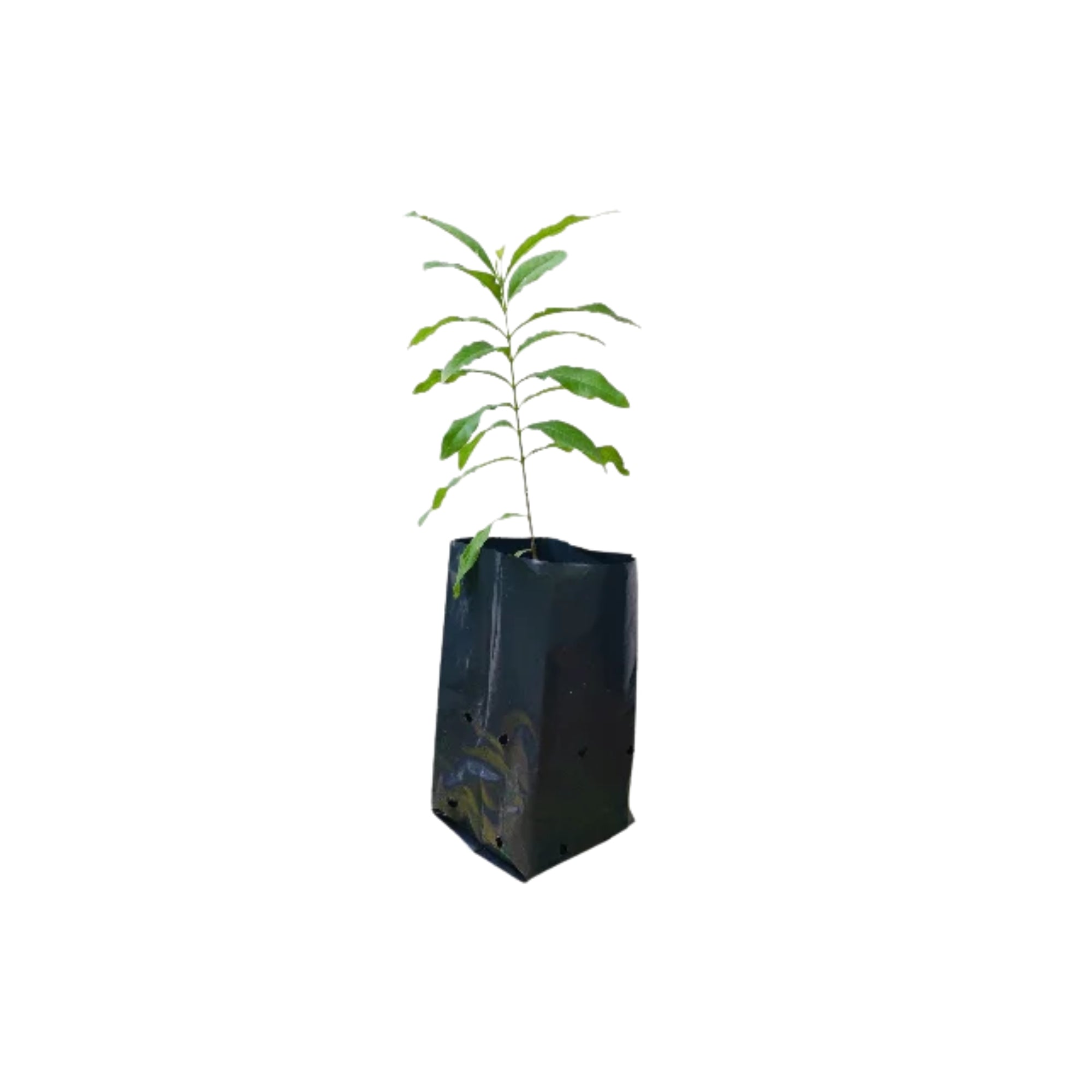
Mature trees typically stand between 4 and 9 metres tall and are remarkably long-lived — individuals can survive for up to a century. The bark is reddish-brown, nearly black in places, and smooth in young trees, cracking as the tree ages to reveal a red undersurface. Leaves are thin, opposite, ovate to lanceolate, with a shiny bright-green upper surface and a pale glaucous underside.
One of the tree's most unusual characteristics is its hemiparasitic nature. Santalum album forms a haustorium — a specialised root structure — that attaches to the roots of neighbouring plants and draws macronutrients such as phosphorus, nitrogen, and potassium from them. Up to 300 host species have been recorded, including the sandalwood's own kind. Despite this, the relationship does not seriously harm the hosts, making it a non-obligate parasite. During its early years the tree may propagate through wood suckering, forming small stands.
Fruit appears after roughly three years of growth; viable seed takes about five years to develop. Those seeds are dispersed primarily by birds, which explains how the tree has spread across a wide tropical range.
Why is sandalwood so valuable?
The heartwood and roots of mature trees contain high concentrations of alpha-santalol, the compound responsible for sandalwood's characteristic warm, woody, creamy scent. Essential oil distilled from aged heartwood commands significant prices in the global fragrance and cosmetics industry. Historically, large logs were also prized for carving fine religious objects, decorative boxes, and furniture — a trade that contributed directly to the species' decline in the wild.
Today, because old-growth trees large enough for woodworking are increasingly rare, commercial interest centres almost entirely on the essential oil and powdered bark. Responsible cultivation programmes in India and Australia are working to close the supply gap, but plantation trees still require many years before harvest becomes viable.
What role does sandalwood play in Sri Lankan culture and Ayurveda?
In Sri Lanka, Sudu Handun has been a cornerstone of both Buddhist and Hindu ritual for centuries. Sandalwood paste is applied to deities in temple ceremonies, and the smoke of sandalwood incense is considered purifying. The fragrance appears across all layers of Sri Lankan life — from morning puja offerings to luxury spa treatments rooted in Ayurvedic tradition.
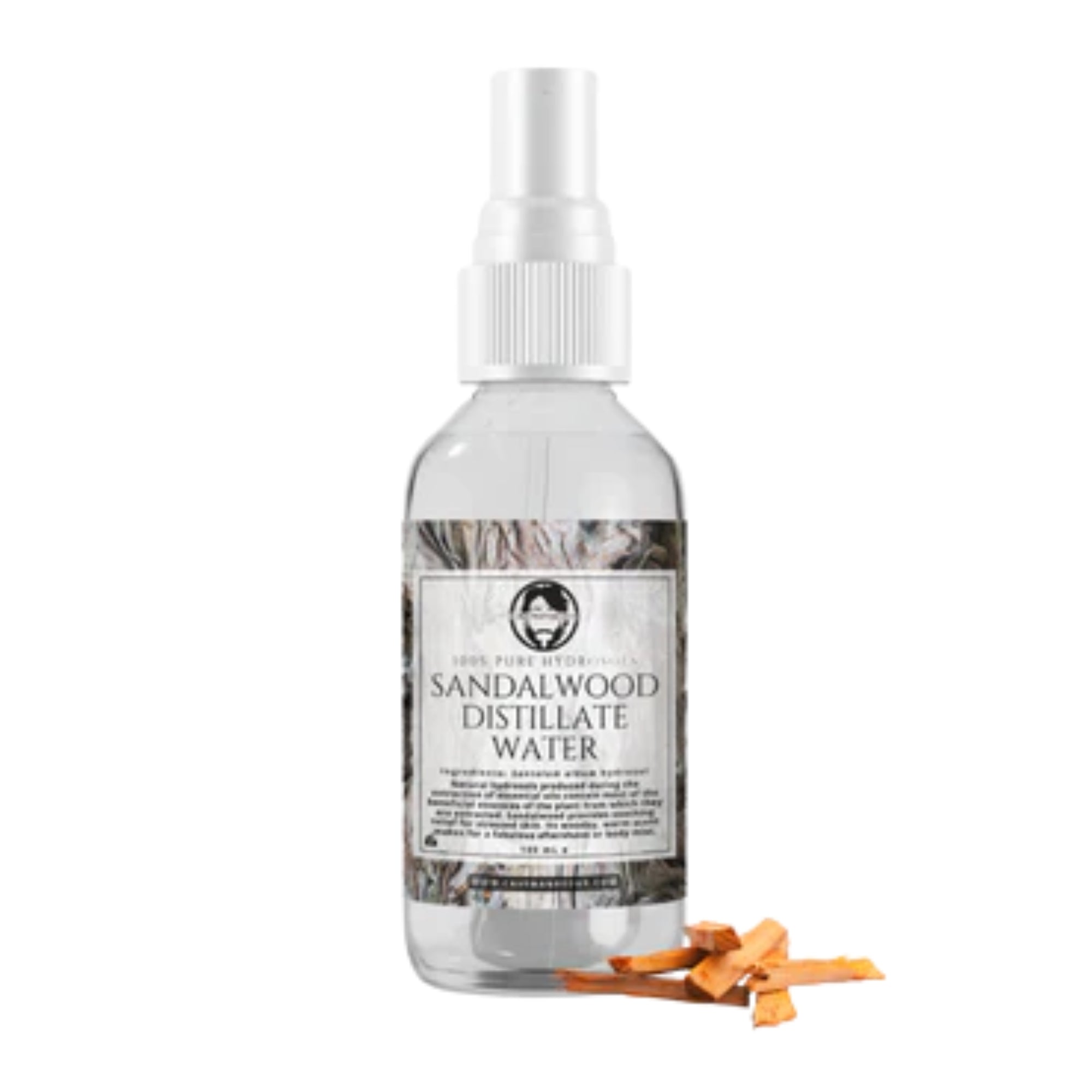
Ayurvedic practitioners value sandalwood for its cooling properties. Paste made from the powdered heartwood is applied topically to soothe inflamed skin, reduce fever sensations, and treat minor skin conditions. Sandalwood hydrosol — the water condensate captured during steam distillation — is used as a gentle toner and facial mist. Modern Sri Lankan cosmetic brands have built extensive product lines around the ingredient, combining it with complementary botanicals such as venivel (Coscinium fenestratum), rose water, turmeric, and saffron.
How does sandalwood differ from red sandalwood?
It is worth noting that "red sandalwood" — sometimes sold alongside white sandalwood in Sri Lankan markets — comes from an entirely different species, Pterocarpus santalinus, a member of the legume family. While both are used in Ayurvedic cosmetics and share a superficially similar woody aroma, they are botanically unrelated. Pterocarpus santalinus does not produce alpha-santalol and its primary value lies in its deep crimson pigment and astringent properties rather than fragrance.
When purchasing sandalwood products, look for clear labelling indicating whether the source is Santalum album (white sandalwood) or Pterocarpus santalinus (red sandalwood), as the two have distinct Ayurvedic applications.
What products are made from sandalwood in Sri Lanka?
Sri Lanka has a thriving artisan and commercial sector built around sandalwood. Common product categories include:
- Incense sticks and joss sticks — burned during religious ceremonies and meditation, typically blended with natural binders and complementary aromatic woods.
- Soaps and cleansing bars — ranging from handcrafted Ayurvedic bars to large-format retail products, often combining sandalwood with honey, rose water, saffron, or turmeric.
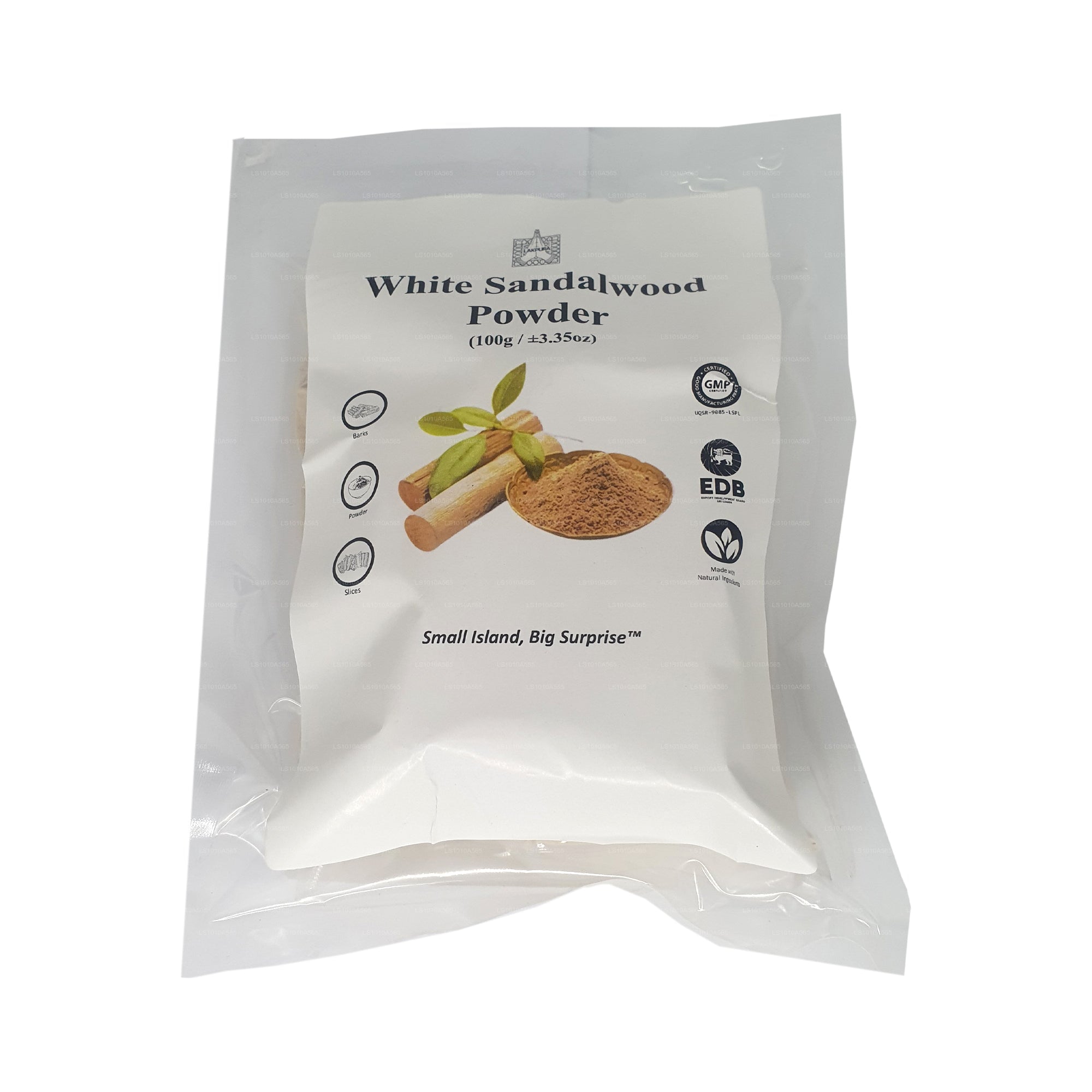
- Powders and face packs — finely milled heartwood powder used alone or as a base for Ayurvedic face masks.
- Body butters, lotions, and shower creams — modern formats that carry the scent and skin-conditioning benefits of sandalwood oil into everyday personal care.
- Hydrosols and facial washes — water-based preparations suited to sensitive skin types, often recommended as a cooling toner in warm climates.
- Raw barks — small quantities of dried white or red sandalwood bark, used in home Ayurvedic preparations and ritual offerings.
Is it possible to grow a sandalwood tree at home in Sri Lanka?
Yes, though patience is essential. Young sandalwood saplings can be grown in Sri Lanka's tropical climate, particularly in drier zones that mirror the tree's natural habitat. The key is establishing appropriate host plants nearby — legumes and grasses are commonly used — to supply the nutrients the hemiparasitic seedling needs during its early years. Home growers should expect a long wait before the heartwood develops its characteristic fragrance; the richest oils accumulate only in older, larger specimens.
What is the conservation status of Santalum album?
The IUCN Red List classifies Santalum album as Vulnerable, reflecting decades of over-harvesting from natural forests, primarily in India. Export restrictions, replanting programmes, and certification schemes for sustainably grown sandalwood have been introduced in several countries to protect remaining wild populations. Choosing products made from plantation-grown or certified sources is the most straightforward way for consumers to support conservation efforts.