Lakpura
Lakpura®

Naturalist at Yala National Park

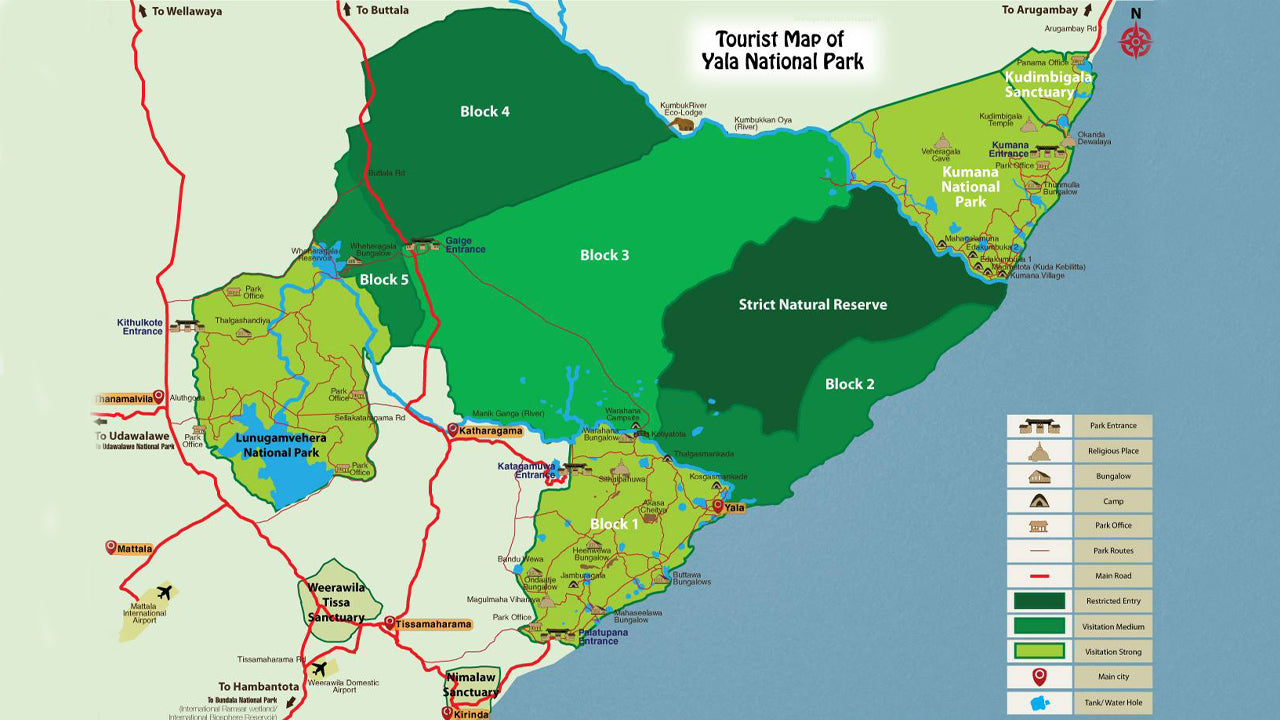
Yala National Park is Sri Lanka's most visited wildlife reserve, covering roughly 979 square kilometres of dry-zone scrub forest, lagoons, and rocky outcrops in the island's southeastern corner. The park is home to one of the highest densities of leopards recorded anywhere in the world, alongside elephants, sloth bears, crocodiles, and hundreds of bird species. Yet without guidance, even the most observant visitor can miss what is right in front of them. A qualified naturalist changes that entirely.

What does a naturalist actually do on a Yala safari?

A naturalist is a trained wildlife specialist — not simply a driver who can identify an elephant. They read the landscape continuously: a broken branch, a pugmark pressed into mud, the alarm call of a peacock that suggests a predator is close. Before the vehicle has stopped, a skilled naturalist has already formed a hypothesis about what is ahead and is quietly positioning the jeep for the best sightline.

During the drive they provide running commentary on species behaviour, seasonal ecology, and the park's vegetation zones — from the coastal dunes near the Palatupana entrance to the interior thorn scrub of Block 1. They also know when to stay silent, letting the scene speak for itself.

Why does a naturalist improve leopard sightings?

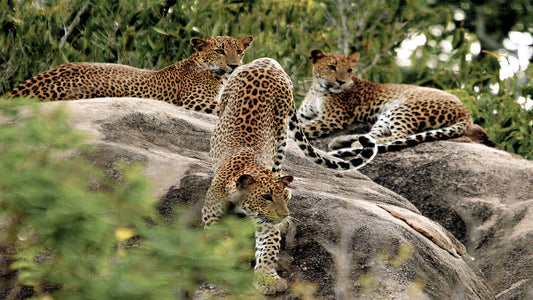
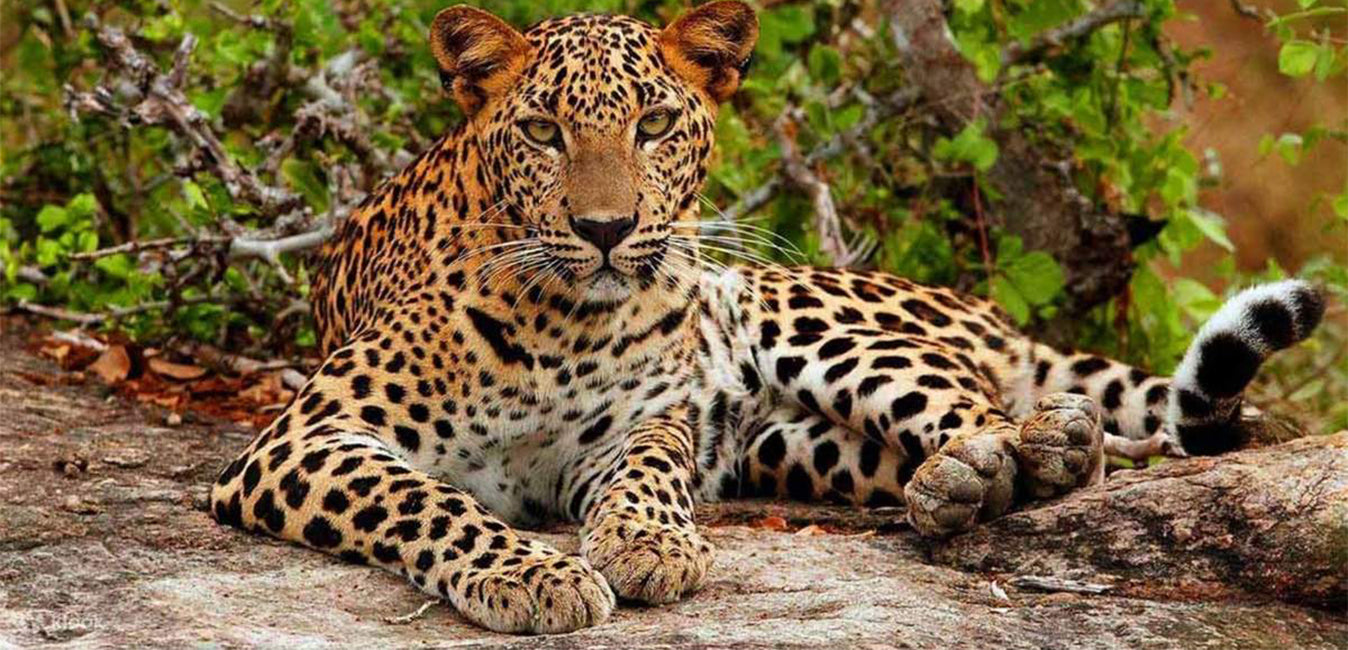
Yala's leopards are famously habituated to vehicles, but finding them requires pattern recognition built over years of field time. Naturalists track individual animals by name and know their home ranges, preferred resting trees, and typical movement times around dawn and dusk. They also monitor the behaviour of spotted deer and langur monkeys, which act as reliable early-warning systems for a leopard on the move.

Visitors with a naturalist consistently report longer, closer, and less-harried encounters than those relying on convoy-following — the common alternative where jeeps simply trail one another toward whatever crowd has gathered.

What wildlife beyond leopards can a naturalist help you find?

Yala supports a broad cast of species that most safari-goers overlook when focused solely on big cats. A naturalist directs attention to:

  • Sloth bears — usually active in the early morning around fruiting trees and termite mounds.
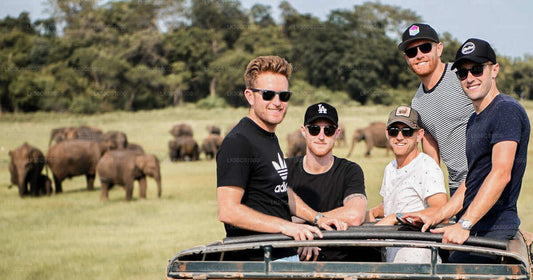
  • Elephants — the park holds a resident population; naturalists can explain herd dynamics and individual histories.
  • Mugger and saltwater crocodiles — often seen basking near Menik Ganga and the coastal lagoons. For dedicated reptile observation, crocodile watching tours are also available in Sri Lanka.
  • Water buffalo — wild herds, not the domestic animals seen elsewhere in the country.
  • Birds — over 215 species have been recorded in Yala, including the black-necked stork, painted stork, crested serpent eagle, and several endemic species such as the Sri Lanka junglefowl (the national bird).

Yala's wetland zones are particularly productive for birdwatchers, and a naturalist with ornithological training can significantly expand a list within a single morning drive.

How does a naturalist contribute to conservation awareness?

Yala faces real pressure: rising visitor numbers, encroachment on buffer zones, and human-elephant conflict along park boundaries are ongoing concerns. A good naturalist weaves these issues into the safari without turning the experience into a lecture. Visitors leave with a clearer understanding of why wildlife rehabilitation programmes matter and how responsible tourism choices — staying in certified accommodation, refusing to request vehicle chases — directly support the park's long-term health.

This contextual knowledge also connects Yala to the wider protected-area network. Sri Lanka's southern and southeastern reserves — including Udawalawe National Park and the adjacent Lunugamvehera National Park — form an ecological corridor that the naturalist can explain in terms visitors find genuinely compelling rather than abstract.

What is the difference between a naturalist safari and a standard jeep safari?

Feature Standard jeep safari Safari with naturalist
Wildlife identification Driver-assisted, basic Species-level, with behaviour and ecology
Leopard-finding strategy Follows other vehicles Independent tracking and reading of signs
Bird knowledge Limited Detailed, including endemics
Conservation context Rarely discussed Integrated throughout
Safety management Driver's discretion Professionally trained protocols
Suitability for families/serious wildlife watchers General audience Excellent for both groups

When is the best time to visit Yala with a naturalist?

Yala National Park is typically open from around mid-October to August, closing during the main monsoon season when roads become impassable. The dry months between January and July are generally considered the best period for wildlife sightings: waterholes shrink, animals congregate around remaining water sources, and vegetation thins enough to allow clear views.

February through May is often cited by naturalists as the sweet spot — dry enough for reliable sightings, but before the intense heat of midsummer drives animals deeper into cover. The park has five blocks; Block 1 is the most visited, while Blocks 4 and 5 offer quieter, less-trafficked alternatives that a knowledgeable naturalist can navigate effectively.

How do I get to Yala National Park from Colombo?

The main entrance at Palatupana is roughly 300 kilometres from Colombo, typically reached via Hambantota or Tissamaharama. The drive takes around five to six hours by road depending on traffic and route. Organised safaris from southern coastal bases — including Mirissa, Tangalle, and Galle — are also popular, with transfer times ranging from around two to four hours. Alternatively, the park is a logical addition to a southern circuit that might include Udawalawe or the hill country around Ella.

Is a naturalist safari suitable for children?

Naturalist-led safaris are well suited to families with children old enough to sit quietly in a moving vehicle — typically from around six years of age. Naturalists are experienced at adjusting the depth of explanation to different audiences, making the experience engaging without being overwhelming. Children frequently respond strongly to animal track identification and the storytelling approach naturalists use to explain predator-prey dynamics.

For families combining wildlife interests across the island, the Sinharaja Forest Reserve in the wet zone offers a complementary naturalist experience focused on endemic rainforest species, and makes a good pairing with a Yala visit on a longer itinerary.

What should I bring on a naturalist safari at Yala?

  • Binoculars — a 8x42 or 10x42 pair covers most uses adequately.
  • Neutral-coloured clothing; avoid white and bright colours that can startle animals or draw insects.
  • A good zoom lens if you photograph wildlife — 300mm or longer is useful for leopards at distance.
  • Sunscreen and a hat; Yala's open scrubland offers little shade.
  • A reusable water bottle — staying hydrated matters in the dry-zone heat.
  • A field guide to Sri Lankan birds or mammals if you enjoy referencing species in real time.

Book this experience with Lakpura

Curated by our local team. Direct booking, instant confirmation.

Ask Lakpura® Agent